Mixed media art can be simple, fun, and easy to make at home. It gives you many ways to mix color, shape, and texture in one piece.
1. Collage With Paper Scraps
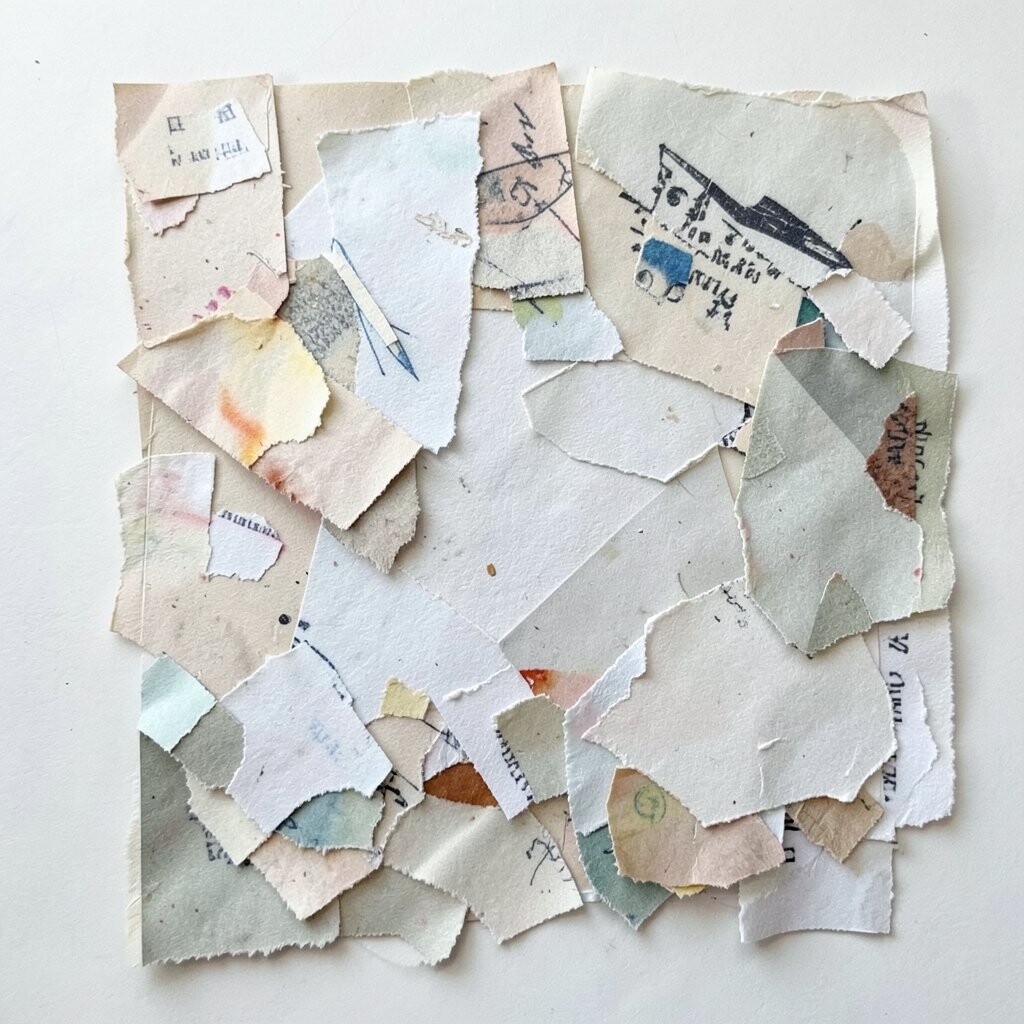
Paper scraps are a low-cost way to start mixed media art. You can use old magazines, gift wrap, school paper, and junk mail to make a bright and busy design.
This style looks good because the layers add depth and small details. Try cutting rough shapes, clean shapes, or torn edges to see what fits your idea best.
You can make the piece feel calm with soft colors or bold with bright ones. Many people enjoy collage because it is easy to change while you work.
2. Paint Over Printed Photos
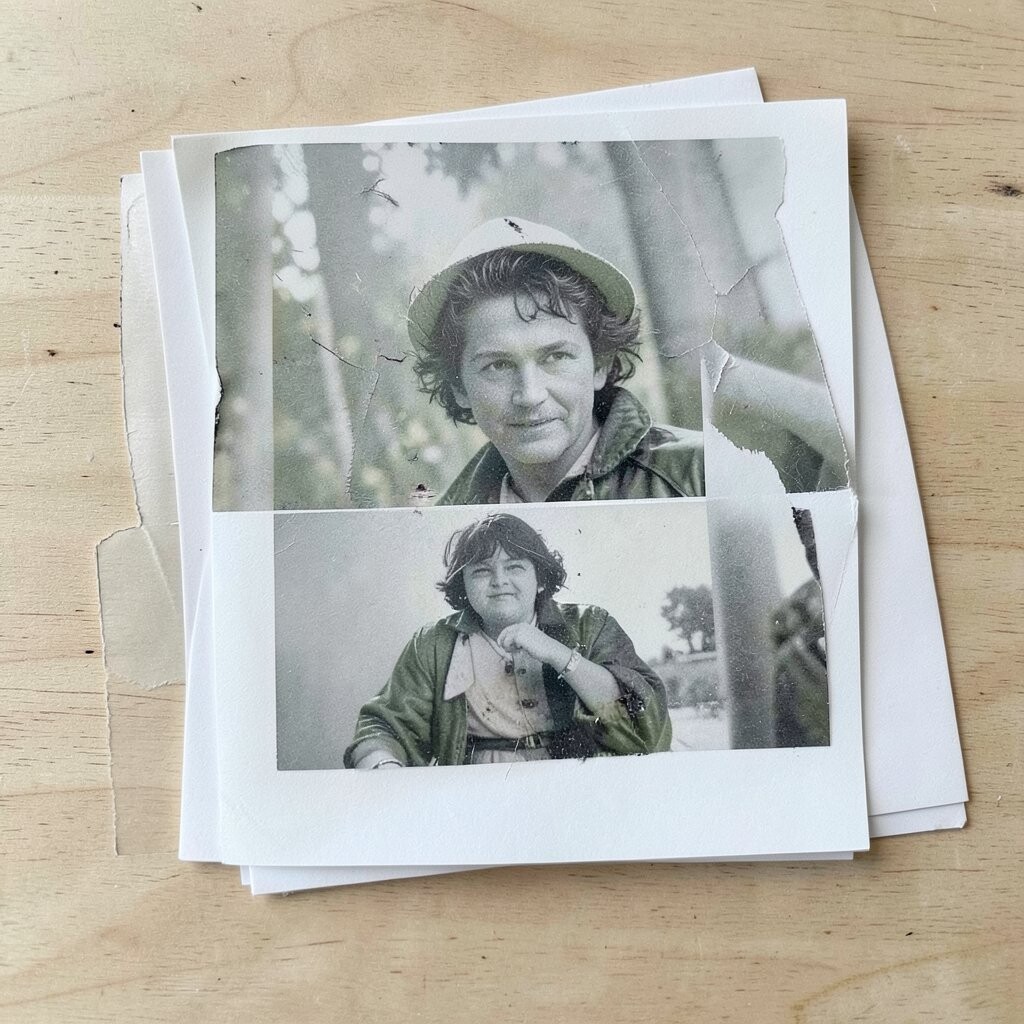
Printed photos can be a strong base for mixed media work. A thin coat of paint over a photo can make it feel soft, strange, or more personal.
This idea works well for home decor, gifts, and art journals. You can leave parts of the photo clear so the face, tree, or street still shows through.
Use cheap printouts if you want to test ideas first. A small brush, acrylic paint, and a few markers can give you a lot of ways to change the look.
3. Fabric and Thread Layering
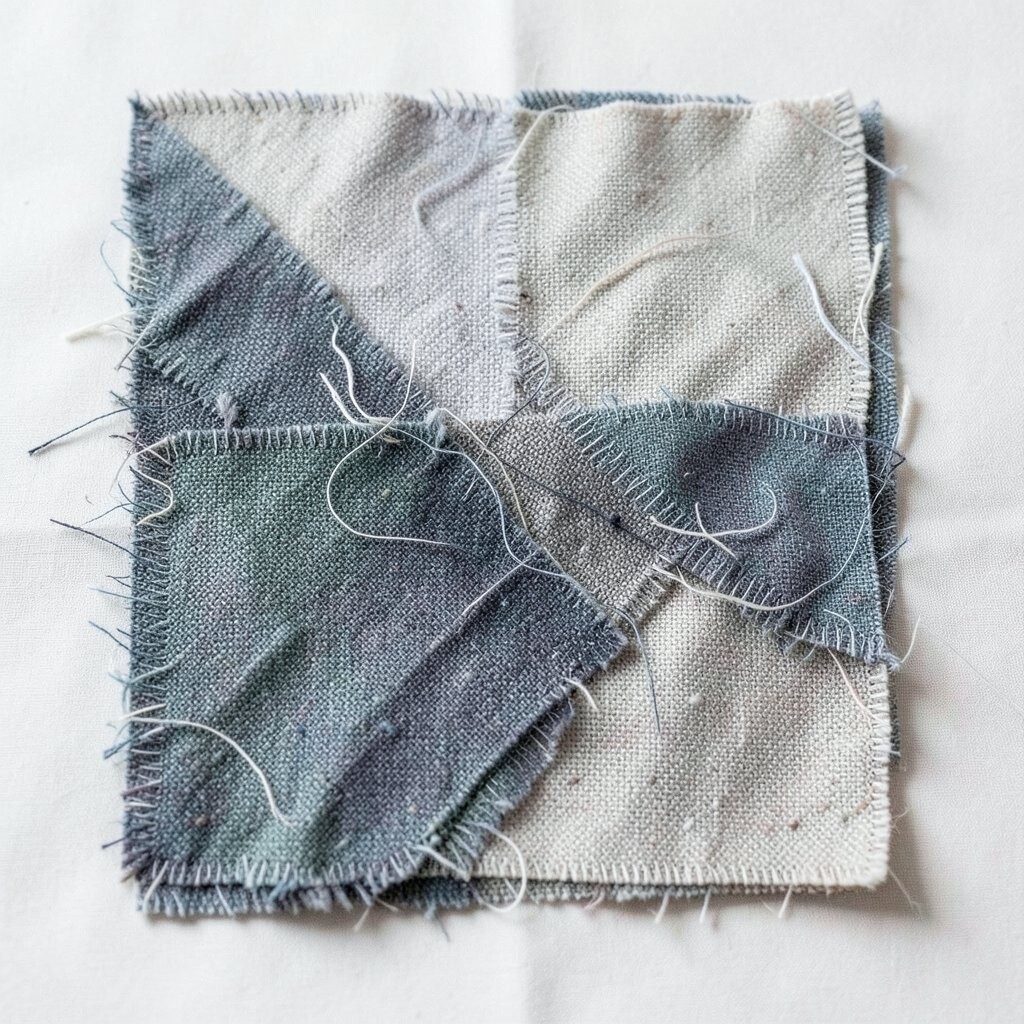
Fabric adds a soft feel that paper alone cannot give. You can sew, glue, or staple pieces of cloth onto a board, page, or canvas.
Thread lines can make the art look neat or loose, based on how you use them. Old shirts, fabric scraps, and yarn are easy to find and often cost very little.
This kind of work feels warm and handmade. It also gives you a chance to use color, pattern, and texture in one simple piece.
4. Marker Lines on Painted Backgrounds
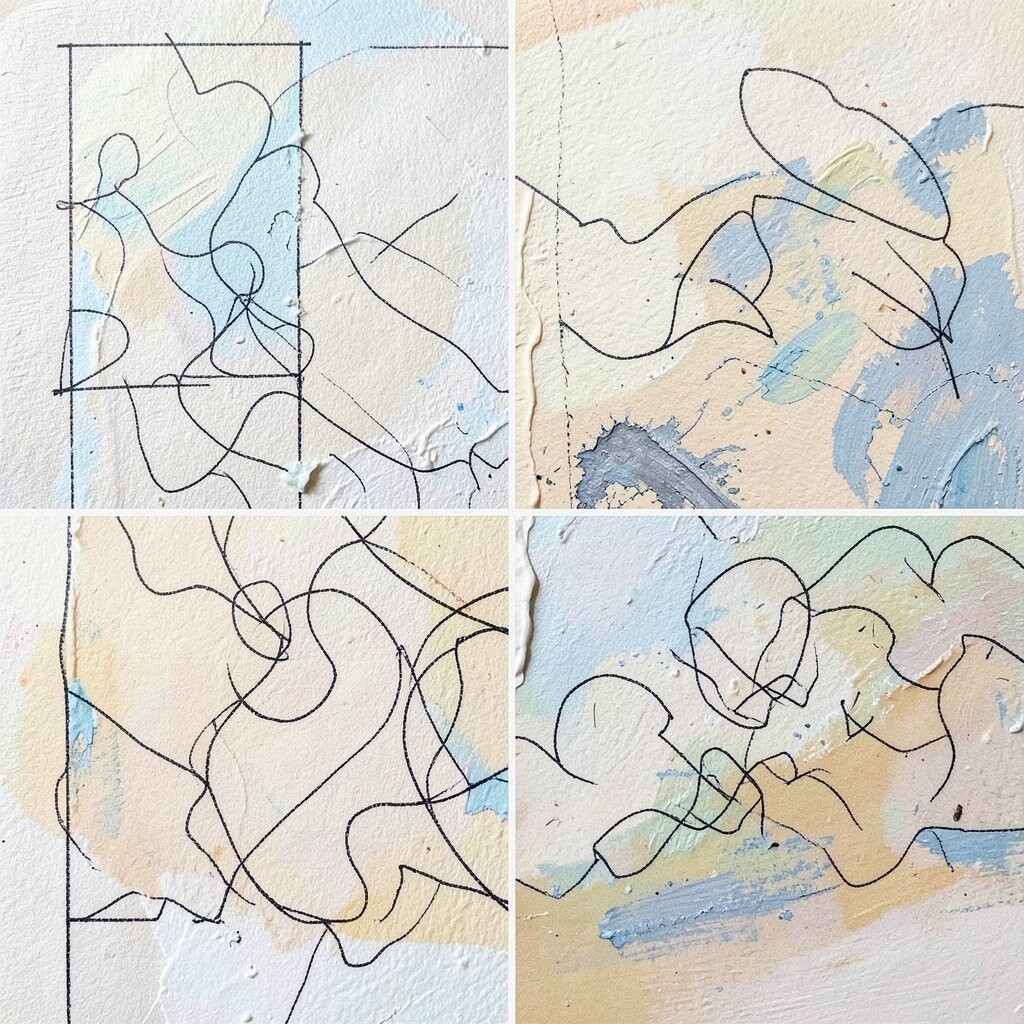
Painted backgrounds can set the mood before you add any detail. Once the paint dries, you can draw on top with markers, pens, or ink.
The mix of soft paint and sharp lines makes the art feel balanced. This is a good choice if you like both drawing and painting but do not want to pick just one.
Try using dark marker lines on light paint or the other way around. You can also add words, small faces, leaves, or shapes to make the page feel more like your own.
5. Found Object Art
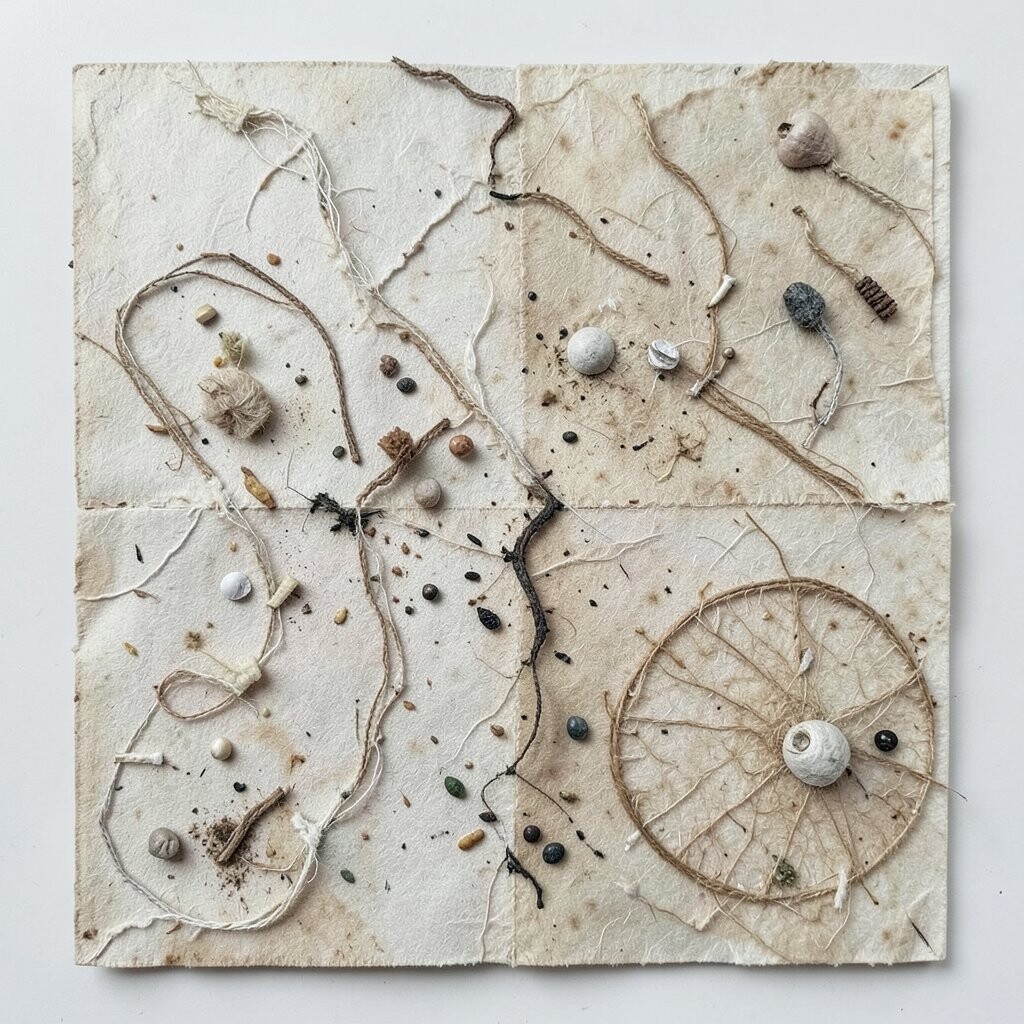
Found object art uses things you already have at home. Bottle caps, buttons, keys, twigs, beads, and old parts can all become part of the piece.
This style is great for saving money and cutting waste. It also gives your art a story because each item may remind you of a place, time, or person.
Glue the items on a board or frame them in a shadow box. Keep the layout simple at first so the objects can stand out clearly.
6. Watercolor and Ink Mix
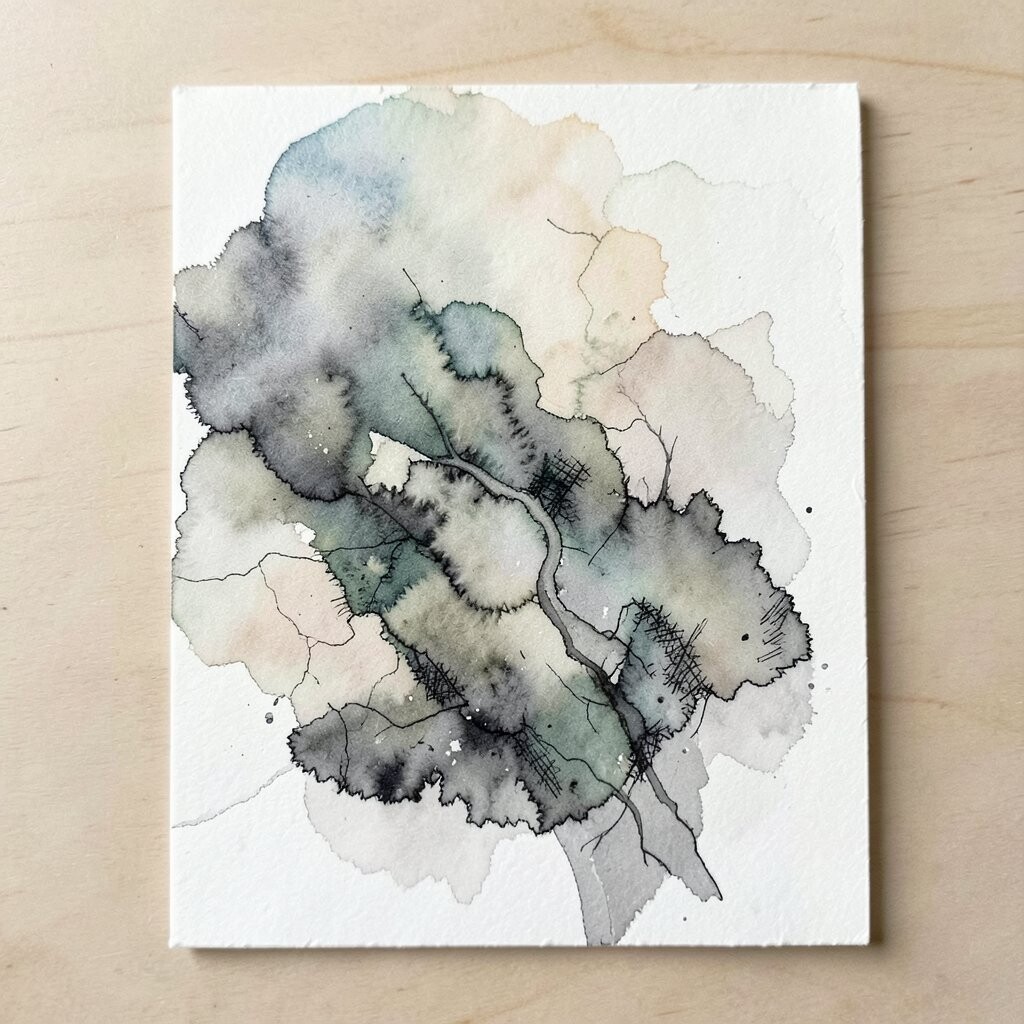
Watercolor and ink work well together because one is soft and the other is sharp. You can paint a loose wash first and then add ink lines after it dries.
This mix is useful for flowers, buildings, faces, and nature scenes. It gives the art a clean but lively look that many people enjoy.
Use a cheap brush and a small pen set if you want to keep costs down. You can also leave white spaces to help the colors feel lighter.
7. Tissue Paper Texture

Tissue paper can add color and a soft, crinkled look. You can glue it down in layers and then paint over it a little if you want more depth.
This is a simple way to make art look fuller without using many supplies. It works well on cards, journals, and small wall pieces.
Try tearing the tissue instead of cutting it for a more natural edge. Mix bright and pale shades to make the surface look more active.
8. Coffee Stain Backgrounds
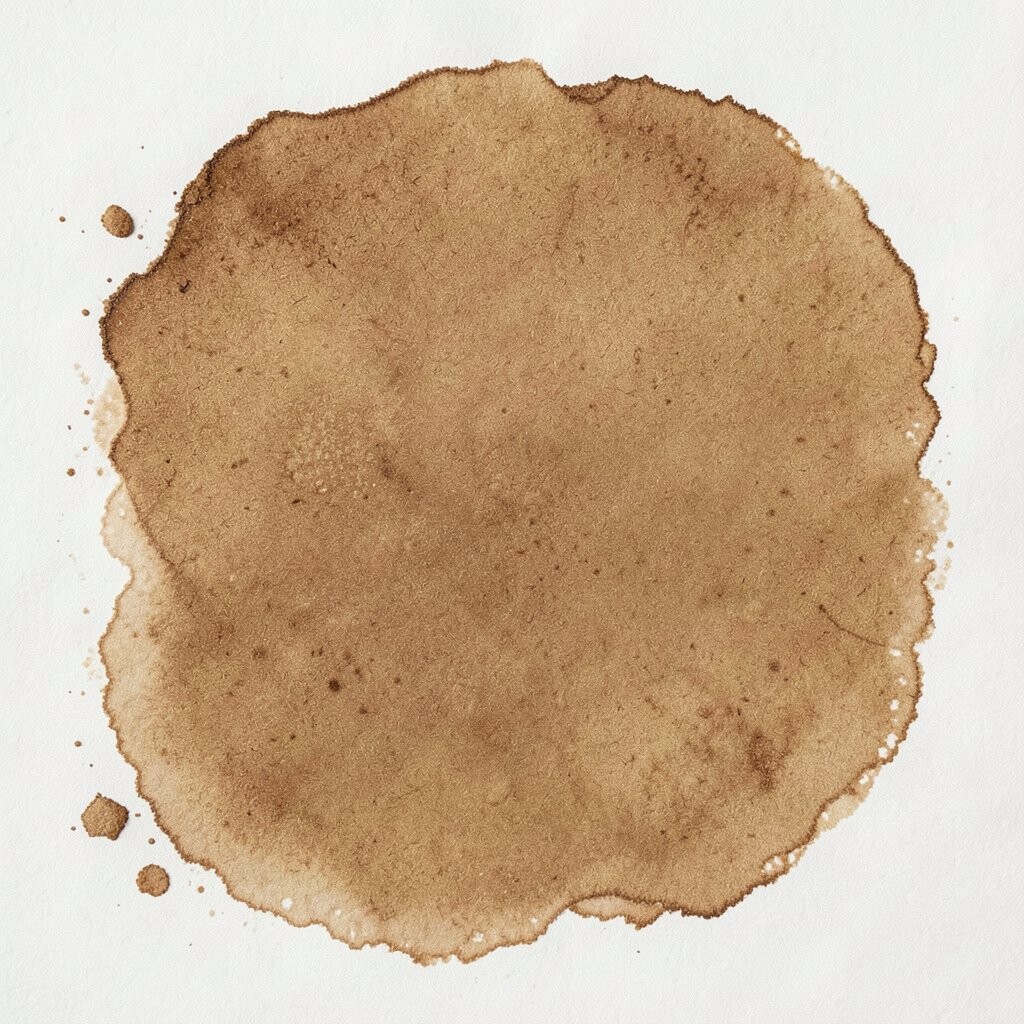
Coffee can make paper look old and warm. You can brush it on, splash it, or dip paper into it for a soft brown base.
This idea is low-cost and easy to try with things from the kitchen. After the paper dries, you can add pencil, ink, paint, or stamps on top.
The stains can make each sheet look a little different. That makes the art feel personal and less like a mass-made print.
9. Layered Magazine Portraits

Magazine portraits use cut faces, hair, clothes, and shapes from printed pages. You can mix parts from different people to make a new face that feels fun and odd.
This style is good for testing color and layout. It also helps you think about how small pieces can work together in one image.
Use glue stick for a cheap and easy start. If you want a cleaner look, trim the edges with small scissors and keep the shapes simple.
10. Mixed Media Journaling Pages
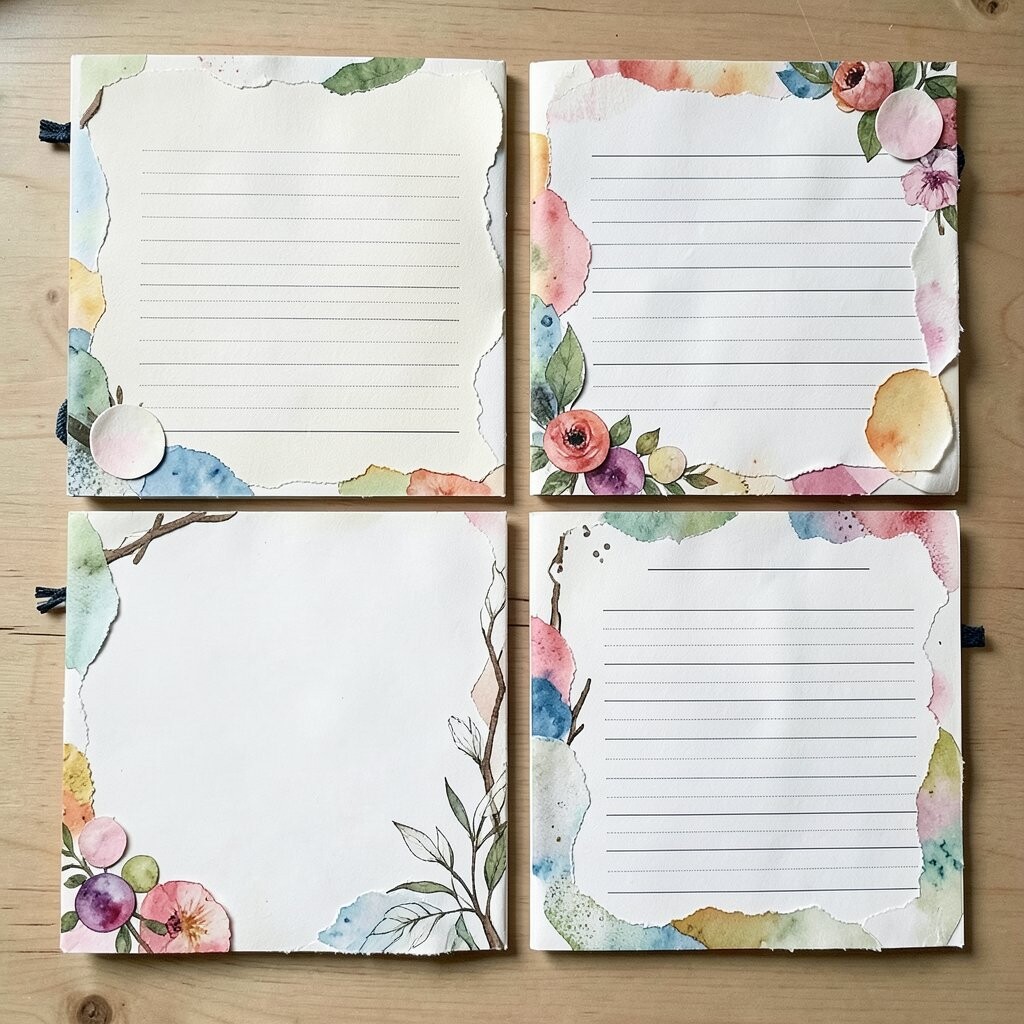
Journal pages are a great place to try mixed media without pressure. You can add paint, stamps, tape, notes, doodles, and scraps all on one page.
This kind of work helps you build a habit of making art often. It also gives you a place to save ideas for later projects.
Use cheap notebooks or loose paper bound in a folder. Make each page fit your mood, your day, or a color you like.
11. Stencil and Spray Paint

Stencils and spray paint can make strong shapes fast. The clean edges look good next to rough paper, wood, or cloth.
This style is useful for signs, posters, and bold wall art. It also fits current art trends that use simple forms and high contrast.
Work outside or in a safe space and use old cardboard to protect the area. Try making your own stencil from stiff paper if you want a custom look.
12. Acrylic Paint and Sand

Sand can add grit and rough texture to painted art. You can mix a small amount into paint or press it into wet paint on the surface.
This gives the piece a more natural feel and can work well for beach scenes, abstract work, or earth tones. It is a low-cost way to make the surface more interesting.
Use a thin layer first so the piece does not get too heavy. A little sand can go a long way and still keep the colors in view.
13. Yarn Wrapped Shapes
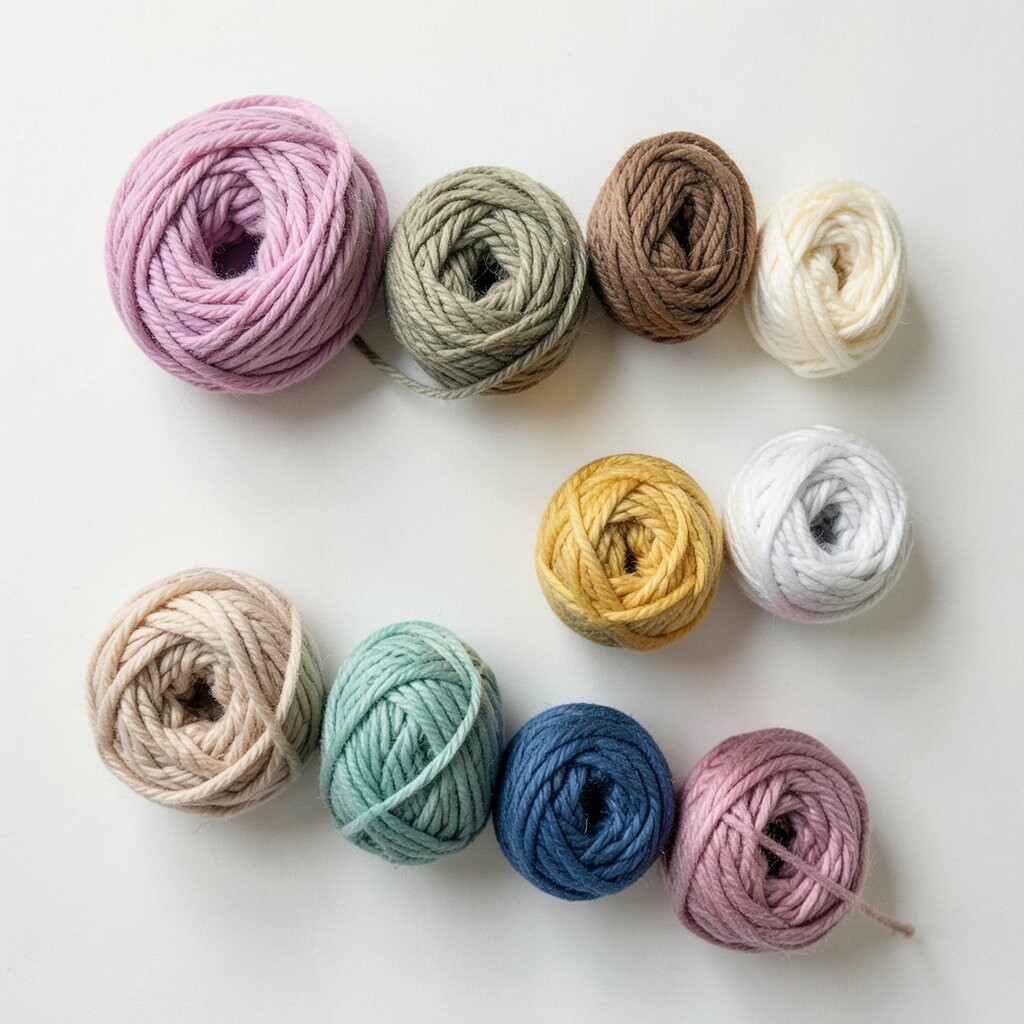
Yarn can turn plain shapes into soft, colorful art. You can wrap it around cardboard, wood, or wire to make circles, hearts, stars, or letters.
This idea is easy to change based on color and thickness. Thick yarn gives a bold look, while thin thread gives a lighter and more careful feel.
It is a good choice for kids, teens, and adults alike. Leftover yarn is often enough, so the cost can stay very low.
14. Stamp and Paint Layers

Stamps can add pattern in a fast and simple way. You can use store-bought stamps or make your own from foam, potatoes, or carved erasers.
Paint over some stamped areas and leave others clear for a layered look. This makes the art feel busy in a good way without taking too long.
Try using one color family for a calm look or many colors for a more playful result. This mix works well in cards, pages, and posters.
15. Cardboard Relief Art
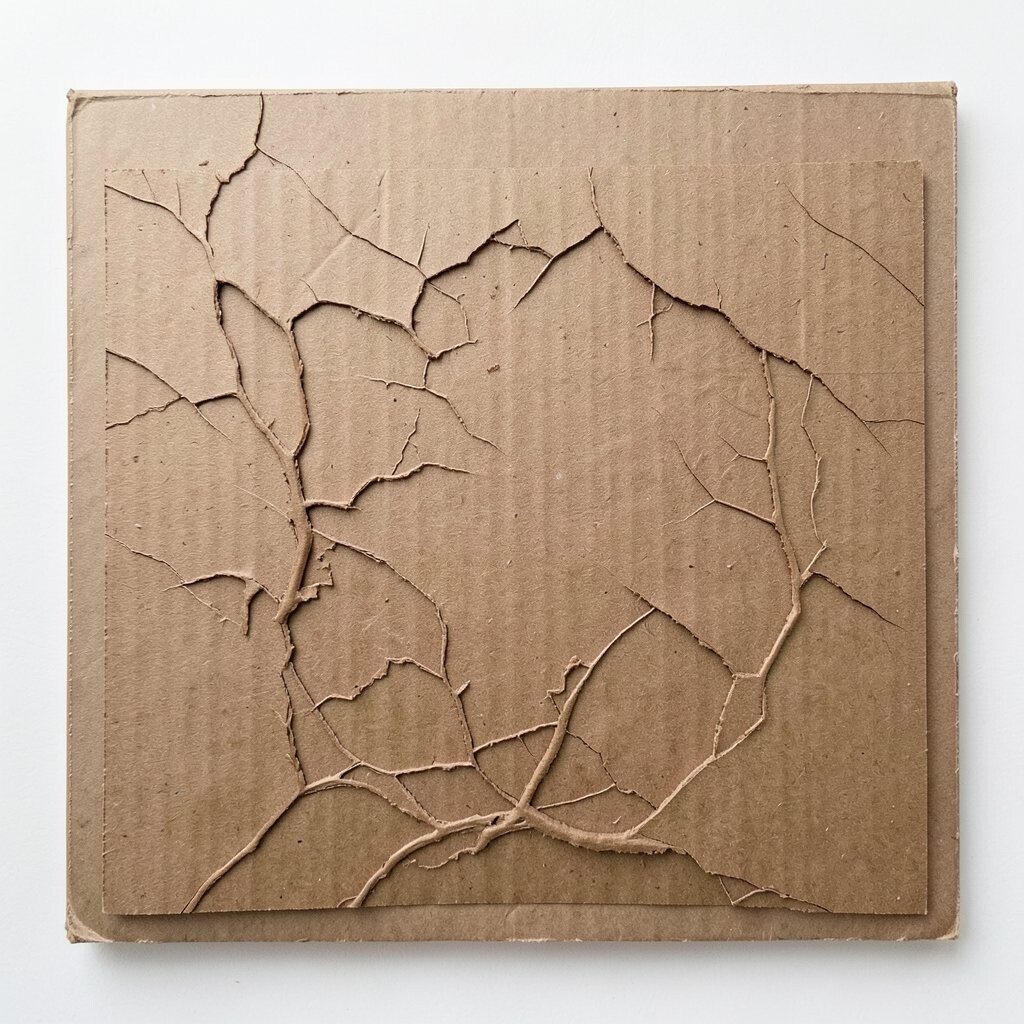
Cardboard can be cut and stacked to make raised shapes. The shadows from each layer help the art look deep and strong.
This is a smart use for packing boxes and other free materials. You can paint the finished piece or leave the raw cardboard look for a simple style.
Use a craft knife only with care and keep the design easy at first. Bold shapes often work best because they stand out from a distance.
16. Chalk and Paint Boards
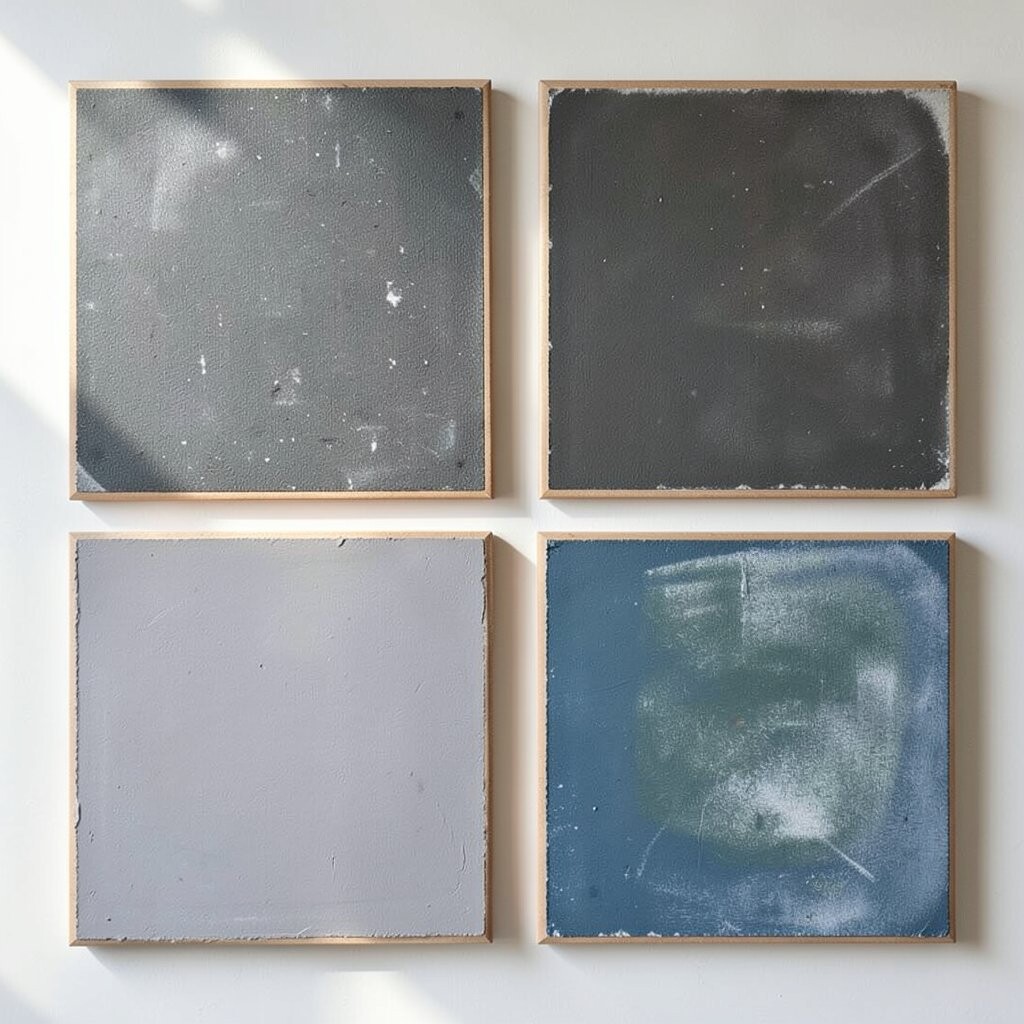
Chalk works well on dark painted boards or chalkboard paint. You can draw, erase, and change parts until the design feels right.
This makes the art feel loose and easy to update. It also gives you a chance to mix soft chalk dust with smooth paint areas.
Use simple shapes, words, or line art for a clean look. If you want a softer style, rub the chalk a little with your finger.
17. Dried Flower Art
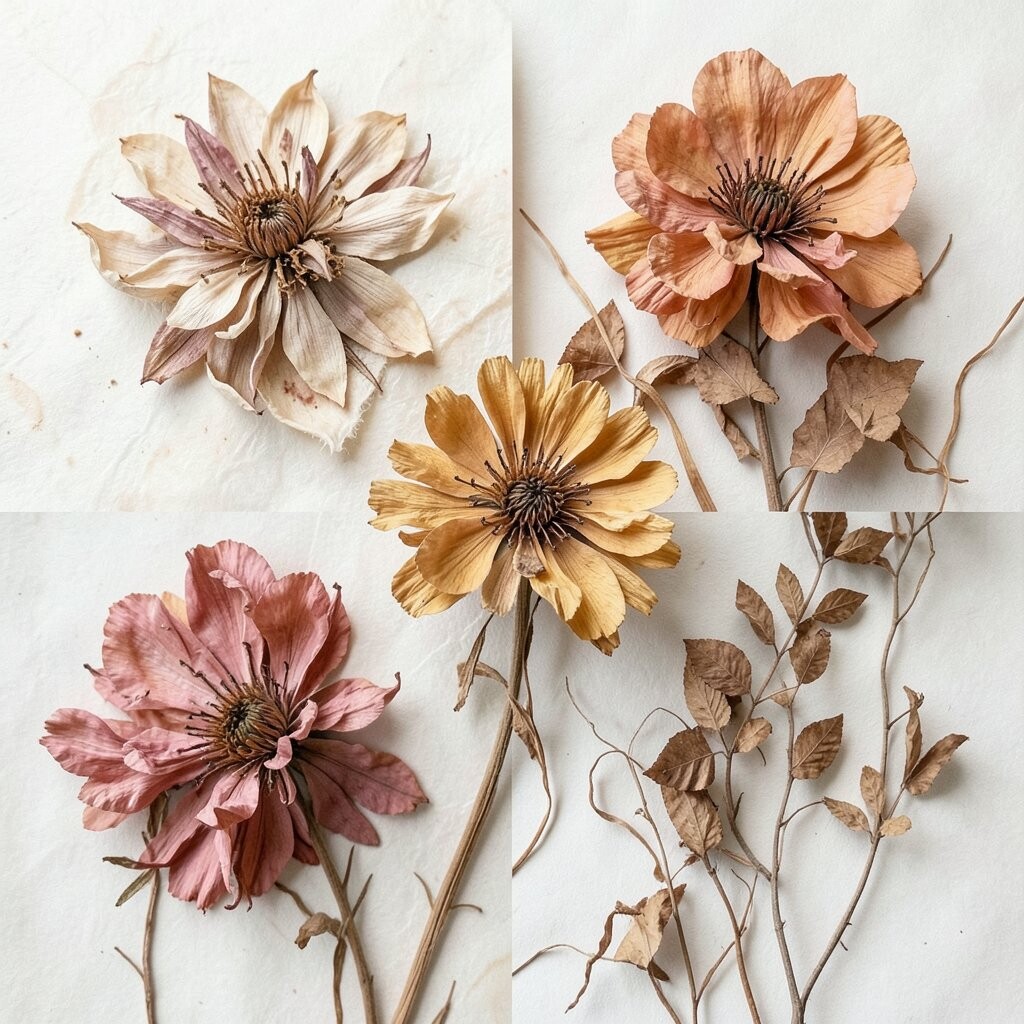
Dried flowers can bring a gentle and natural feel to mixed media art. You can press them flat or glue them in place with paint or clear glue.
This style is popular for cards, framed art, and memory pieces. It works well with soft colors, pale paper, and simple line work.
Use flowers from your yard or from old bouquets to keep costs down. Handle them gently because dry petals can break easily.
18. Tape Resist Painting
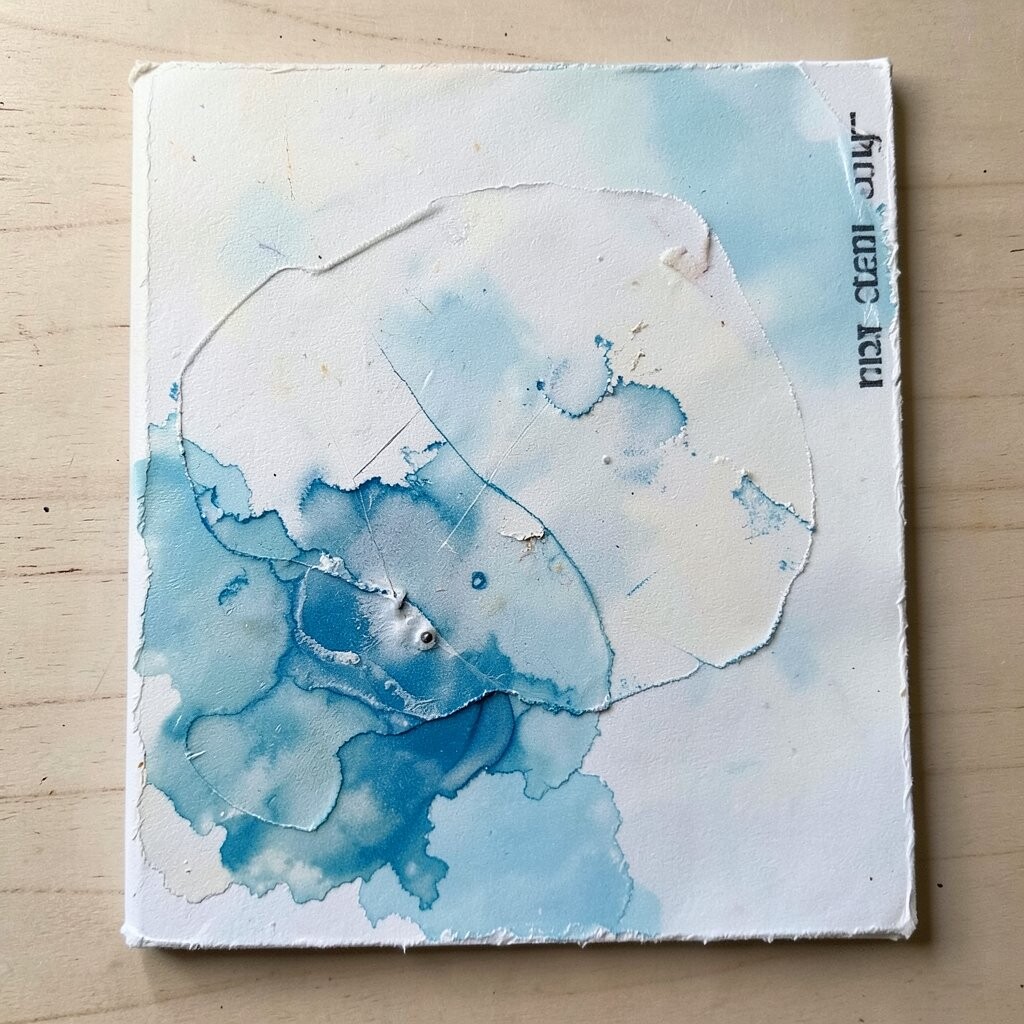
Tape can help you make clean lines and shapes in paint. Place the tape down first, paint over it, and peel it away after the paint dries.
The sharp lines can look modern and neat. You can leave some tape marks visible or add more layers for a more complex design.
This method is easy to use with low-cost supplies. It is also a nice way to make art that feels tidy but still full of color.
19. Ink Drip Pages

Ink drips can make art feel loose and lively. You can drop ink onto wet paper and let it spread on its own.
This creates shapes that are hard to plan, which is part of the fun. After the page dries, add lines, faces, or extra color to guide the eye.
Use thick paper so it does not bend too much. Try this with one color first, then add more if you want a richer look.
20. Painted Wood Pieces

Small wood pieces can work as a strong base for mixed media art. You can paint them, sand them, and add paper, fabric, or metal bits.
The wood grain can show through and give the piece a natural look. This style is useful for signs, small gifts, and shelf art.
Look for scrap wood if you want to save money. A sealed coat can help the paint stay on and keep the surface smooth.
21. Button and Bead Details

Buttons and beads add shine and small raised spots to a piece. They can work as eyes, flowers, stars, borders, or hidden details.
This idea is good for adding interest without needing a lot of paint. It also helps old craft items find a new use.
Keep the layout simple so the small parts do not get lost. Use strong glue and test the placement before you commit.
22. Map and Travel Pages
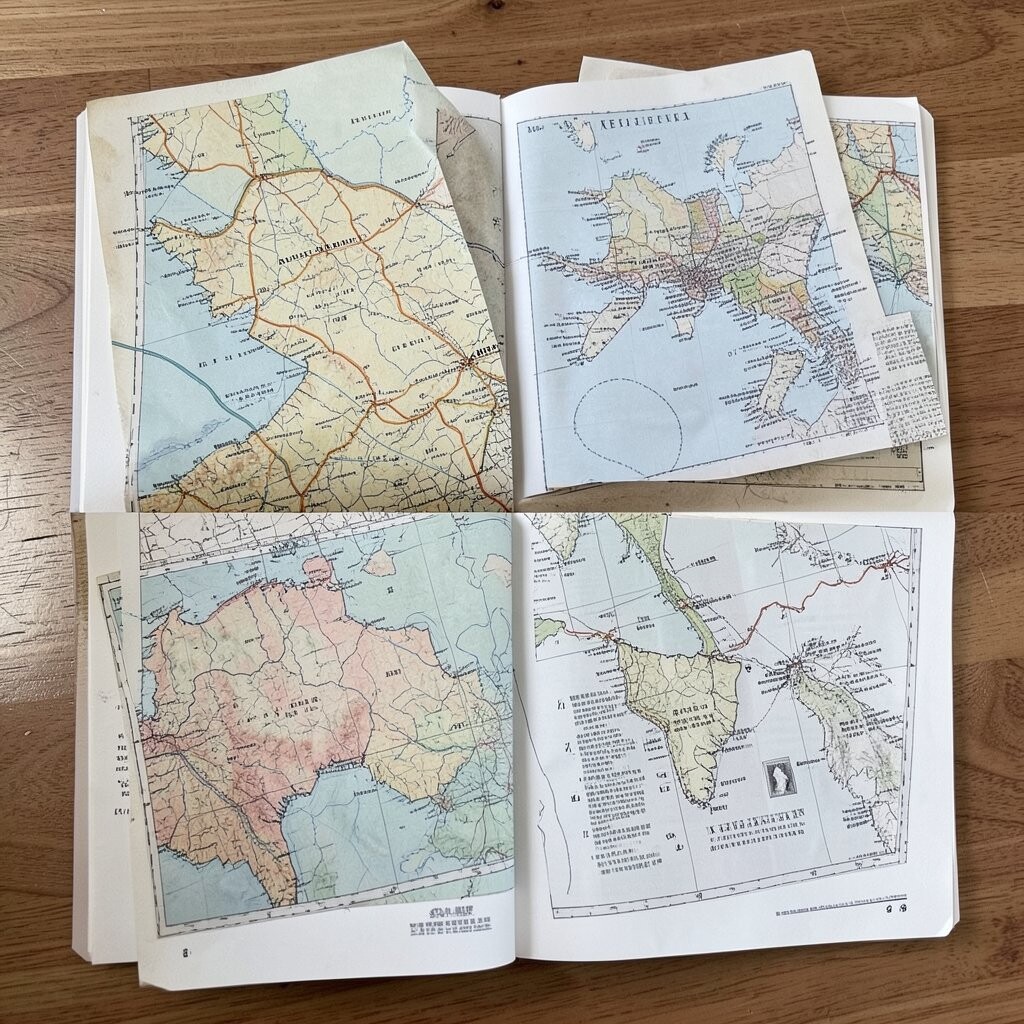
Old maps can give your art a sense of place. You can cut them up, tear them, or paint over parts to make a page about travel or memory.
This style feels personal when you use places that matter to you. It can also fit current trends that mix paper scraps with notes and marks.
Try adding a date, a word, or a small drawing to make it your own. Free maps from old books or brochures can keep the cost very low.
23. Mixed Media Faces

Faces are a strong subject for mixed media because there are so many ways to build them. You can use paint, paper, thread, ink, and fabric all on one face.
This gives you room to make the face calm, bold, funny, or strange. It also helps you practice shape, balance, and color use.
Do not worry if the face is not perfect. A little unevenness can make it feel more human and more personal.
24. Nature Print Layers
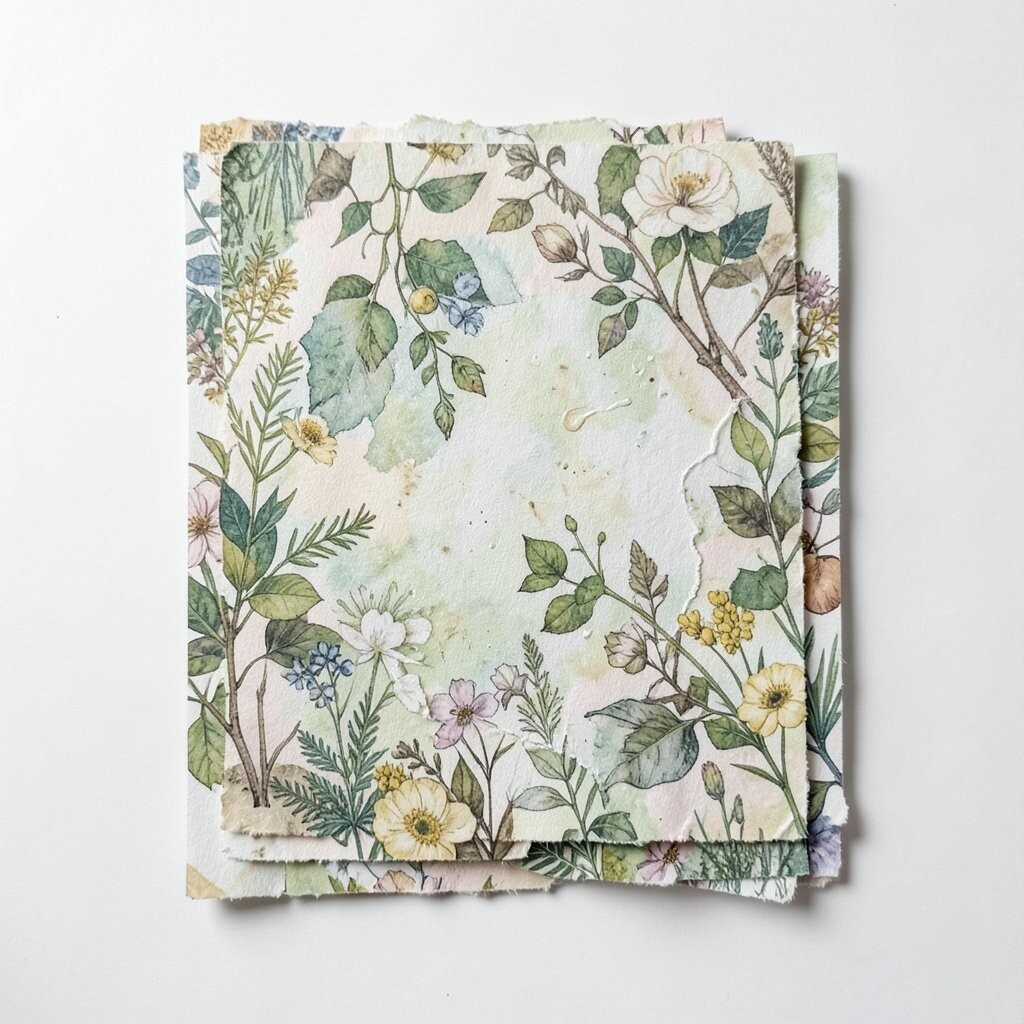
Leaves, grass, and bark can make good print marks. You can press them into paint or use them as a base for rubbings and outlines.
This method brings in natural texture at very little cost. It works well for seasonal art and for pieces that need a soft outdoor feel.
Try using one big leaf as a focal point or many small ones for pattern. Mix them with paint drips or pencil lines for a fuller look.
25. Old Book Page Art

Old book pages can add text and age to a mixed media piece. You can tear, fold, stamp, or paint on them to make a new layer.
This is a nice way to reuse damaged books that may no longer be wanted. The printed words can peek through and add quiet detail.
Use a glue stick or matte medium to keep the pages flat. Add color in small spots if you want the text to stay easy to read.
26. Crayon Resist with Washes

Crayon resist is simple and fun. Draw with crayon first, then brush watercolor or thin paint over it so the wax lines stay bright.
This makes a clear contrast between the hidden marks and the colored wash. It is a good choice for quick art sessions and low-cost supplies.
White crayon works well on light paper, while darker crayons can show up on pale wash areas. You can use this trick for stars, leaves, words, or simple patterns.
27. Layered Tape Art
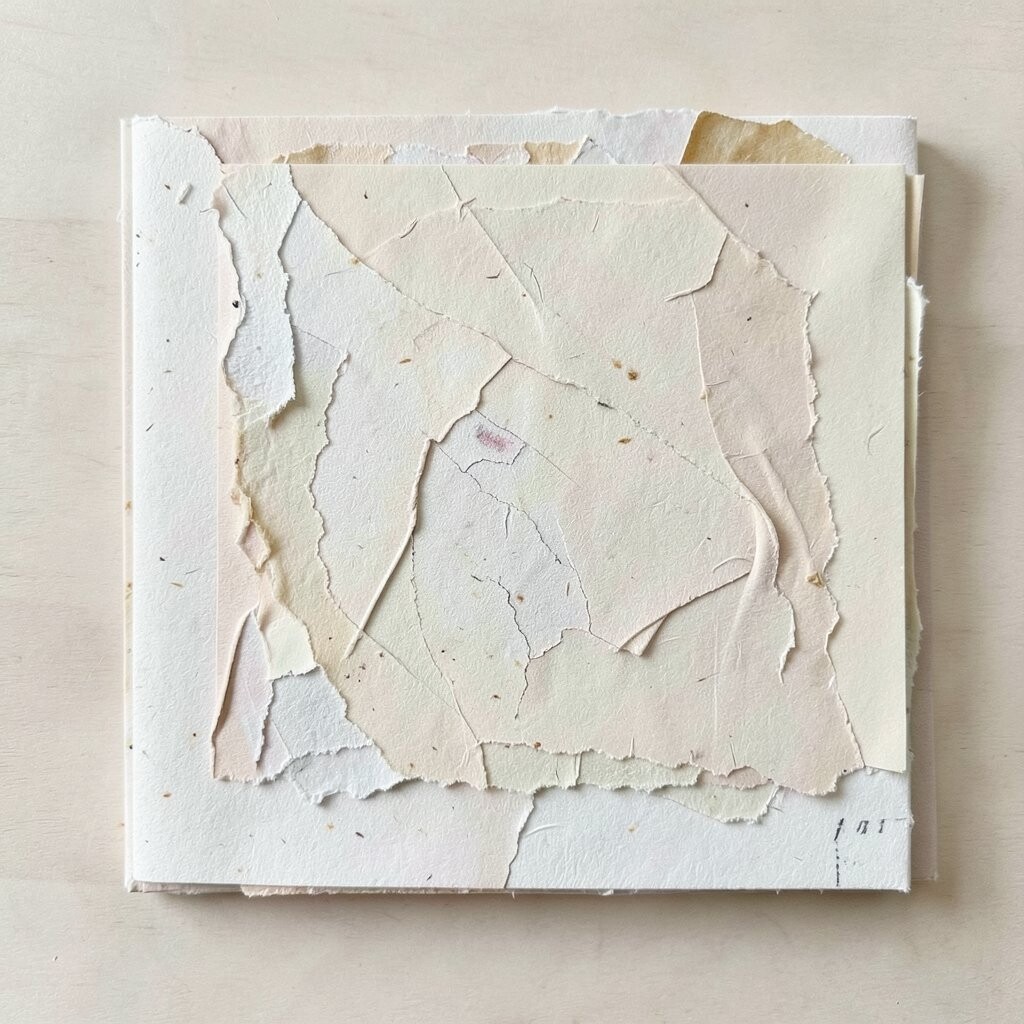
Decorative tape can add color and pattern without much mess. You can cut it into strips, blocks, or shapes and layer it like paper.
This is easy to move around if you change your mind. It works well in journals, posters, and small wall pieces.
Choose tape with colors that match your theme or go for mixed patterns for a busy feel. Washi tape is popular because it is light, low-cost, and easy to use.
28. Painted Rocks and Mixed Pieces

Painted rocks can be part of a larger mixed media scene. You can glue them onto a board with paper, twine, or small found items.
The round shape of a rock can bring a nice contrast to flat paper. This idea is good for garden art, table pieces, and gifts.
Pick smooth rocks for easy painting and use a sealant if the piece will sit outside. Small stones also make the art feel more grounded and natural.
29. Clay and Paper Mix
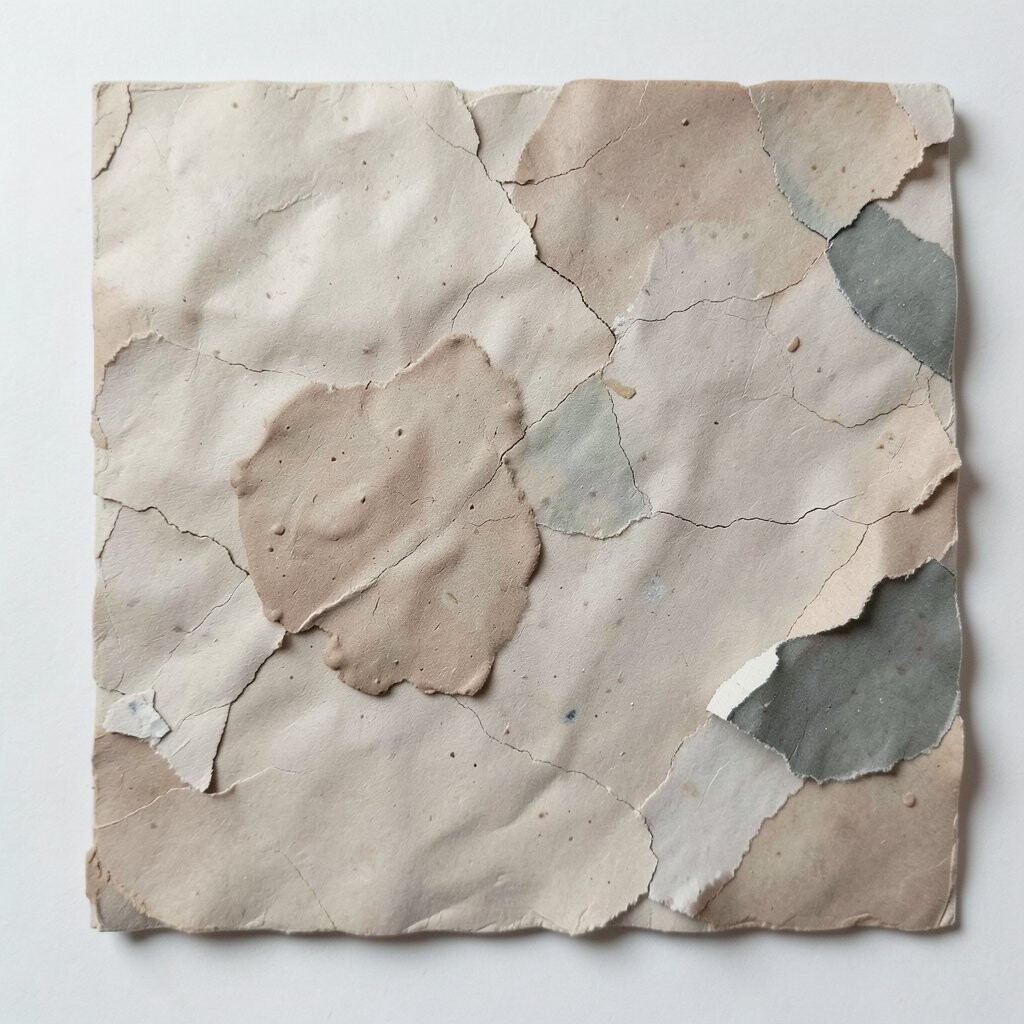
Clay can add shape that paper alone cannot give. You can press clay pieces onto a flat base and then paint or draw around them.
This kind of work feels more sculpted and can stand out in a room. Air-dry clay is a good choice if you want to keep the process simple.
Use small shapes at first so the piece does not get too heavy. Mix clay with paper scraps or fabric for a more layered look.
30. Glitter in Small Doses

Glitter can add shine, but small amounts work best. A little sparkle on edges, stars, or highlights can make the art feel fresh and bright.
This is a common trend in cards and journal pages. It can also help draw the eye to one part of the work without taking over the whole piece.
Use glue carefully so the glitter stays where you want it. If you want a cleaner option, try metallic pens or shiny foil paper instead.
31. Charcoal and Color Blocks

Charcoal gives a soft, dark mark that looks good with flat color blocks. You can sketch first and then add paint or paper shapes around it.
This creates a nice mix of loose and solid parts. It works well for still life, faces, and abstract layouts.
Charcoal is cheap and easy to find, so it is a good tool for practice. Fixative can help keep the marks from smudging too much.
32. Photo Transfer Pieces
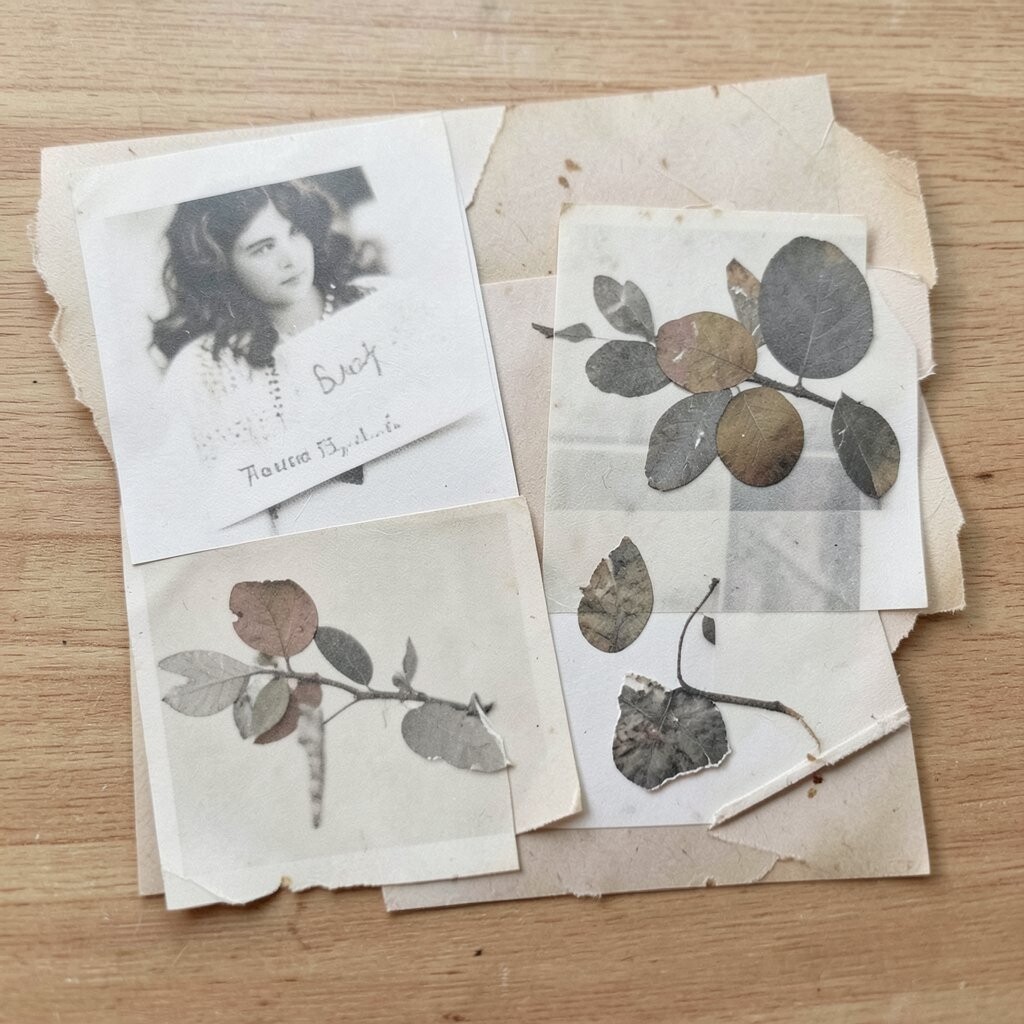
Photo transfer lets you move an image onto wood, paper, or canvas. The result often looks faded or worn, which can give the art a cool vintage feel.
This style is useful for memory art, gifts, and decor. It also gives you a way to mix real photos with paint and texture.
Test on scrap materials first so you can see how the image changes. A rough transfer can be part of the charm and make the piece feel unique.
33. Mixed Media Maps of Emotions
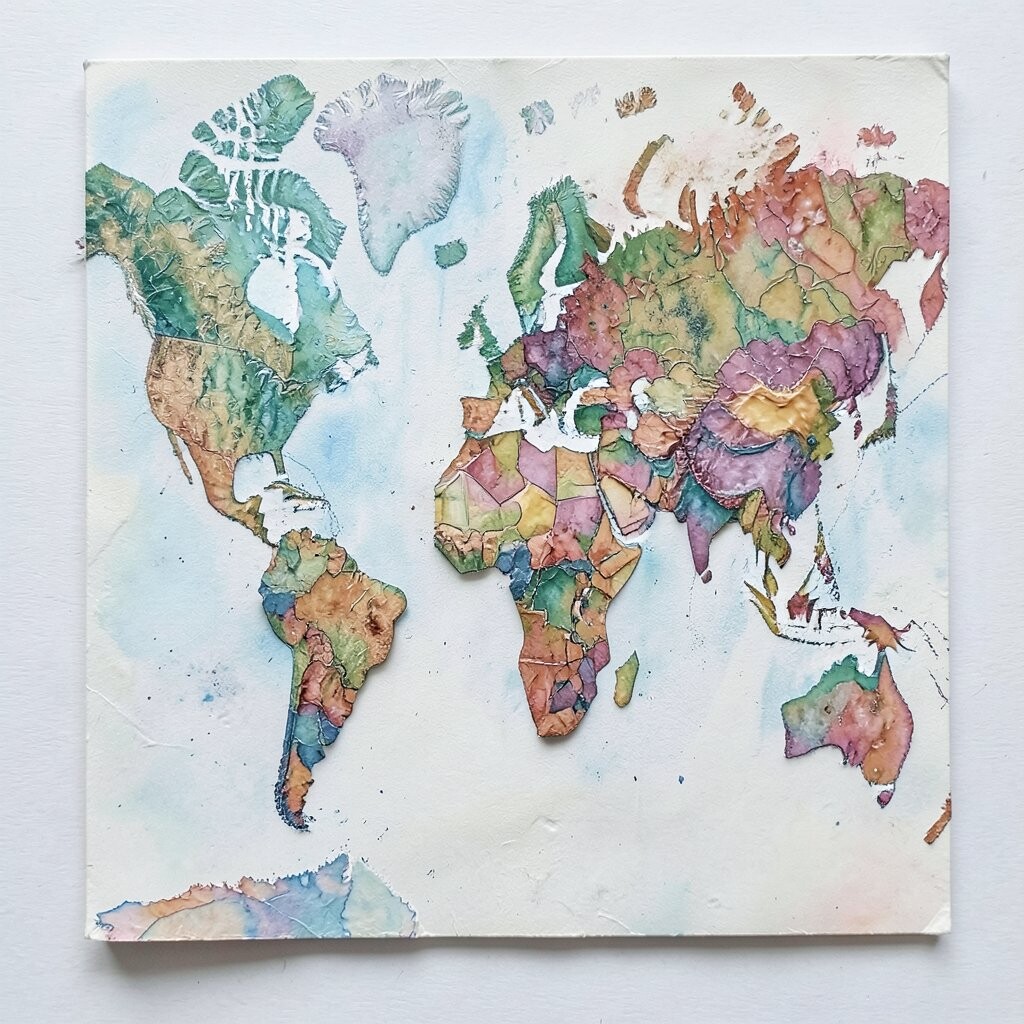
You can make a page that shows how a feeling looks. Use shapes, colors, marks, and scraps to build a map of calm, stress, joy, or change.
This idea is personal and does not need to look like anything real. It helps people use art to sort out thoughts in a simple way.
Try soft blues and grays for quiet moods or bright reds and yellows for more energy. There is no right answer, which makes this style very open.
34. Recycled Packaging Art

Packaging can give you free art materials every day. Boxes, labels, trays, and wrapping can all become part of a mixed media piece.
This helps cut waste and keeps costs low. The mix of printed text, cardboard, and color can make the work feel current and a bit raw.
Keep some parts plain and let other parts stay busy. That mix can make the piece look more thoughtful and balanced.
35. Thread and Paint Portraits

Thread can be used like a drawing line over paint. You can sew through paper or fabric to make hair, outlines, or small patterns.
This mix gives the portrait a handmade feel that stands out from plain paint. It also adds movement and texture in a simple way.
Use a thick needle and soft paper if you are new to sewing art. Pick thread colors that match the mood of the face or clash on purpose for a bold look.
36. Mixed Media Landscape Boards
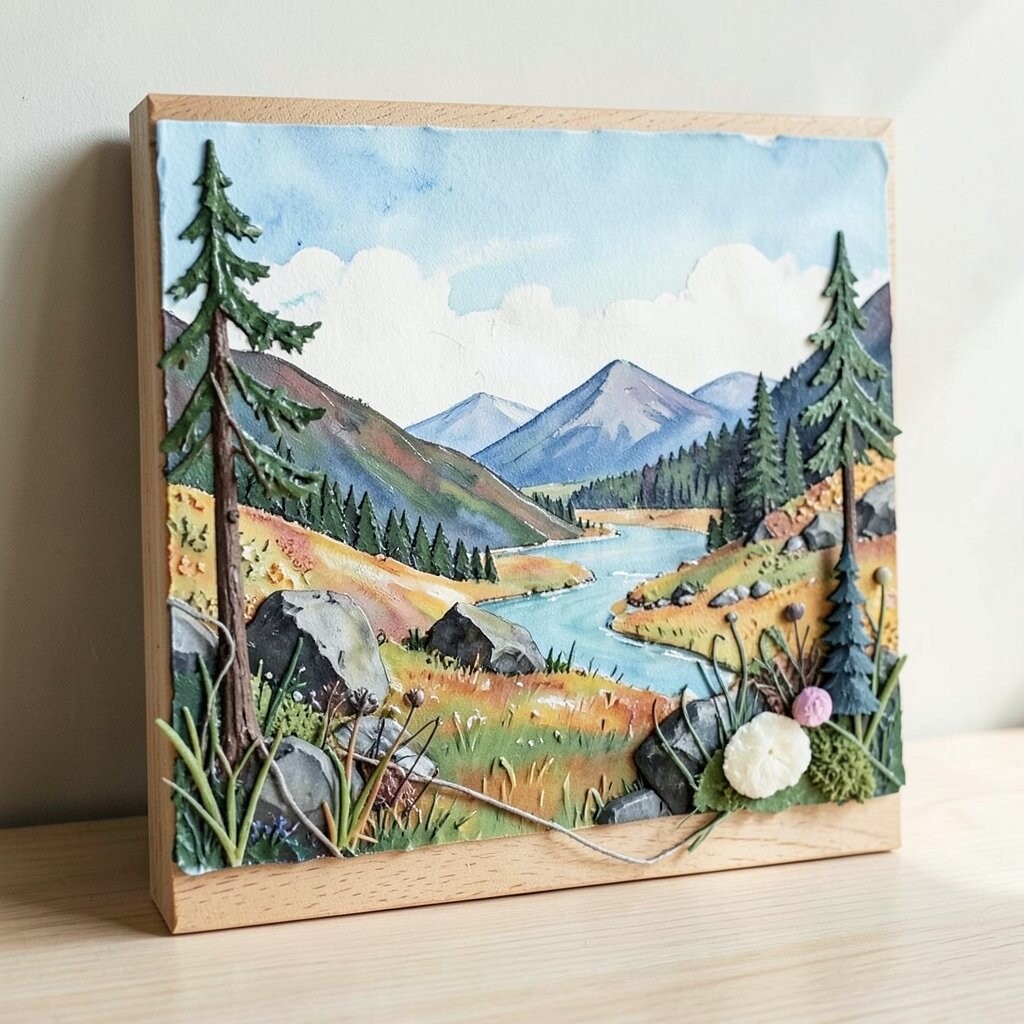
Landscape boards can mix paper, paint, sand, and small objects to show a place. You can make hills, water, trees, and sky with layered materials.
This style works well because the surface can match the scene. Rough materials can fit rocks and dirt, while smooth paint can fit sky and water.
Use a few clear shapes so the view does not get too crowded. A simple horizon line can help the whole piece feel steady.
37. Fabric Paint on Paper

Fabric paint is not just for cloth. You can use it on paper to get bright color and a slight raised feel.
This gives your art a fresh look and can work well with stencils or freehand marks. It also dries with a finish that often looks a bit different from regular paint.
Try it with stamps, labels, or simple drawings. Keep the paper flat while it dries so the paint stays neat.
38. Mixed Media Shadows
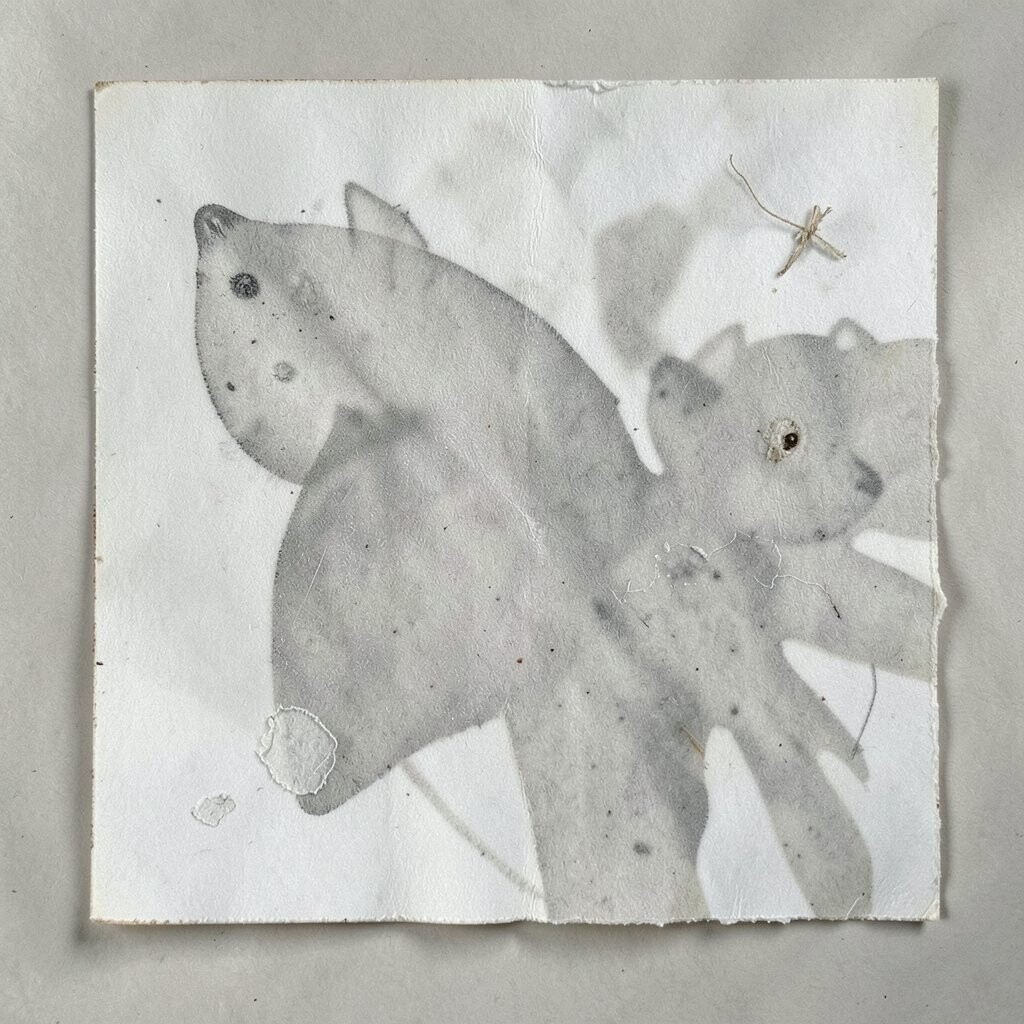
Shadows can be part of the art, not just part of the scene. You can use dark paint, paper cutouts, or pencil marks to show shadow shapes.
This makes a piece feel deeper and more real. It is a useful trick for still life, buildings, and abstract work.
Use one light source in your mind while you build the piece. That small step can help the shadows feel more natural and clear.
39. Layered Cutout Letters
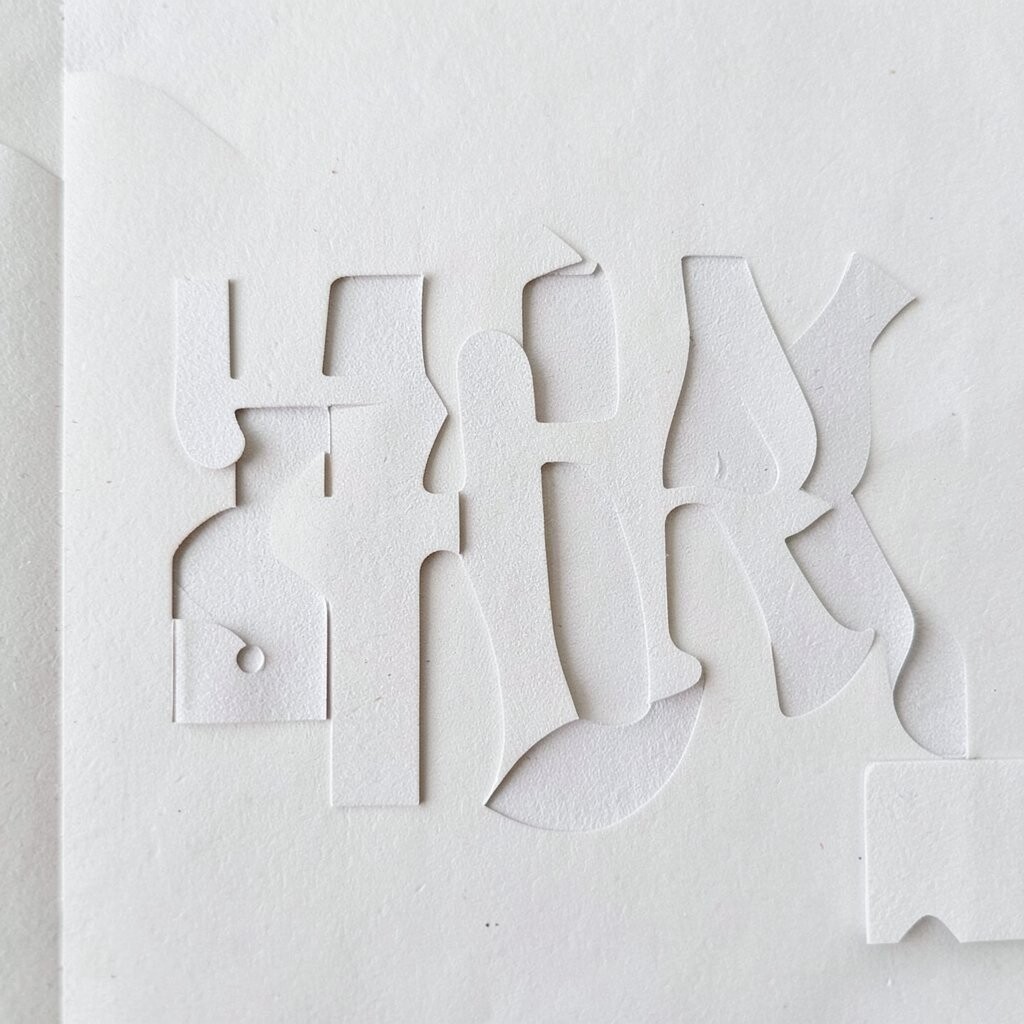
Cutout letters can turn a word into art. You can stack paper, paint, and fabric behind the letters so they stand out.
This style is great for signs, quotes, and room decor. It also gives you a chance to play with shape, color, and spacing.
Use bold fonts or hand-cut letters for a more personal feel. You can keep the cost low by using old magazines, scrap paper, and cardboard.
40. Mixed Media with Wax
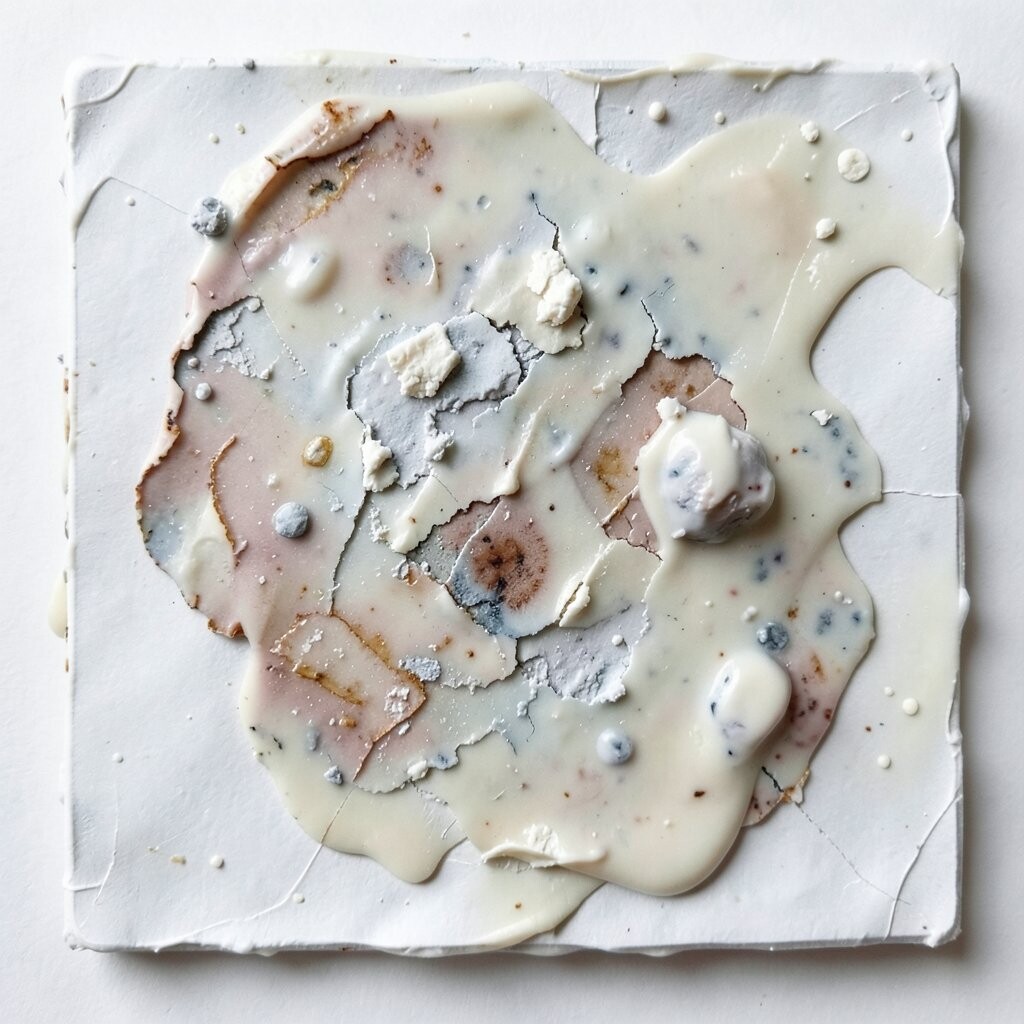
Wax can add a smooth layer and a soft shine. You can rub wax over paper, paint, or collage parts to change the feel of the surface.
This gives the art a quiet finish that can make colors look deeper. It also works well in pieces that use old or worn themes.
Try a small test first because wax can change how other materials stick. A light touch is often best if you want the layers to stay clear.
41. Stitched Paper Patterns
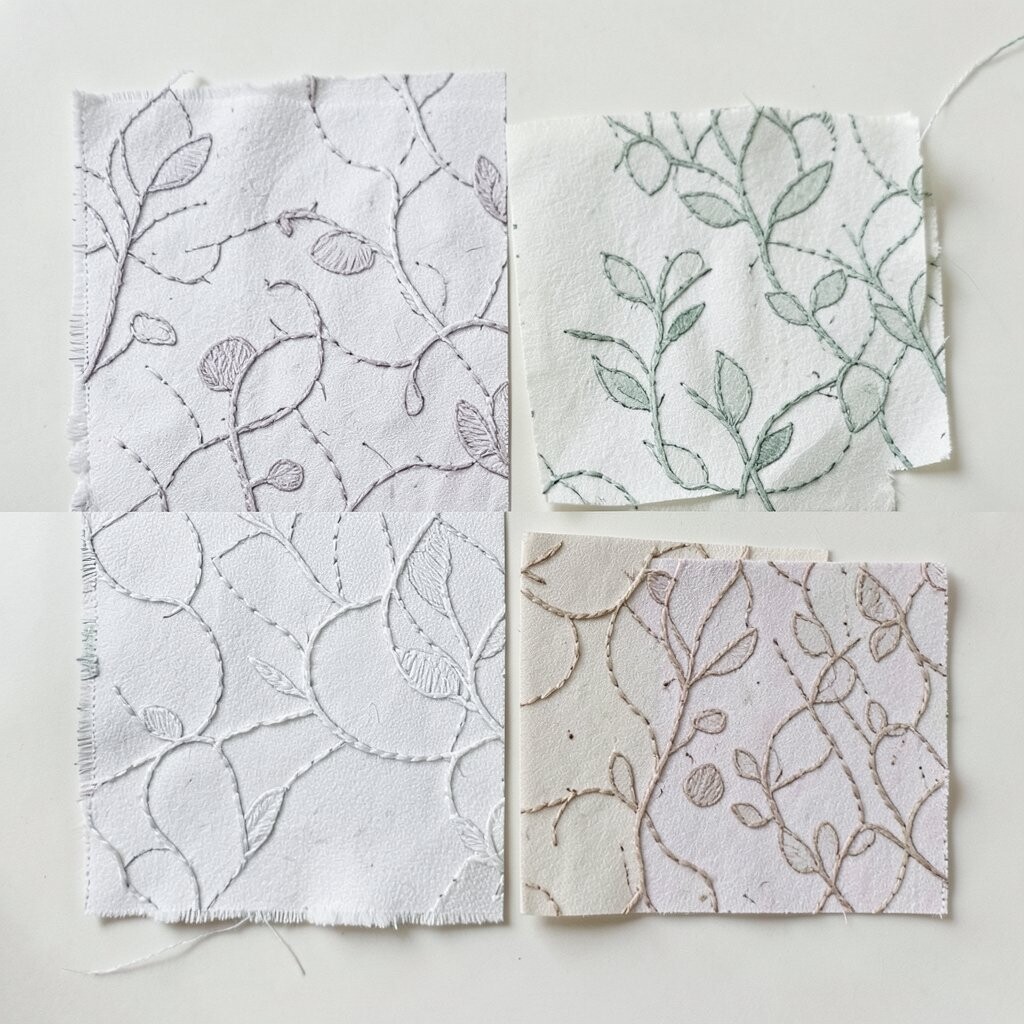
Stitched paper patterns are a neat way to mix sewing and drawing. You can punch holes in paper and thread yarn or floss through them to make shapes.
This makes clean lines that feel calm and detailed. It is a good fit for people who like careful work and simple tools.
Use a ruler for straight lines or go freehand for a softer look. This idea is low-cost and can make even plain paper feel special.
42. Mixed Media Still Life

Still life art can use real objects and mixed materials together. You can draw a bowl, flower, or cup and then add paper, paint, and texture around it.
This keeps the subject easy to understand while giving you room to be creative. It is a good way to practice light, shape, and color without needing a big scene.
Choose simple items from your home so you do not need to buy much. A few strong colors can help the objects stand out clearly.
43. Painted Foil Details
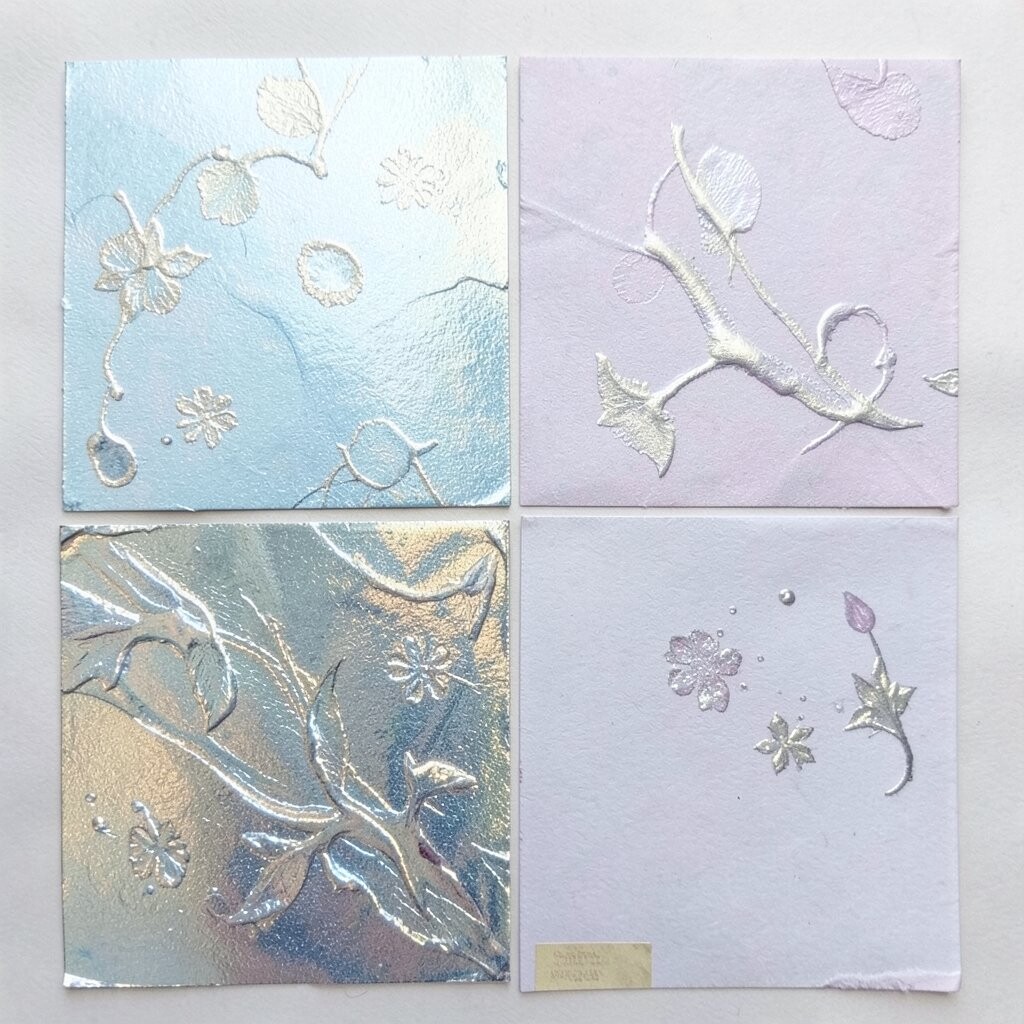
Foil can add shine and a smooth look to a piece. You can glue it down in small parts and then paint around or over it for contrast.
This gives the art a modern feel that fits many current styles. It can also make certain areas catch light in a nice way.
Use small bits of foil so the work does not look too busy. Gold, silver, and copper all give different moods, so try more than one if you like.
44. Layered Border Art
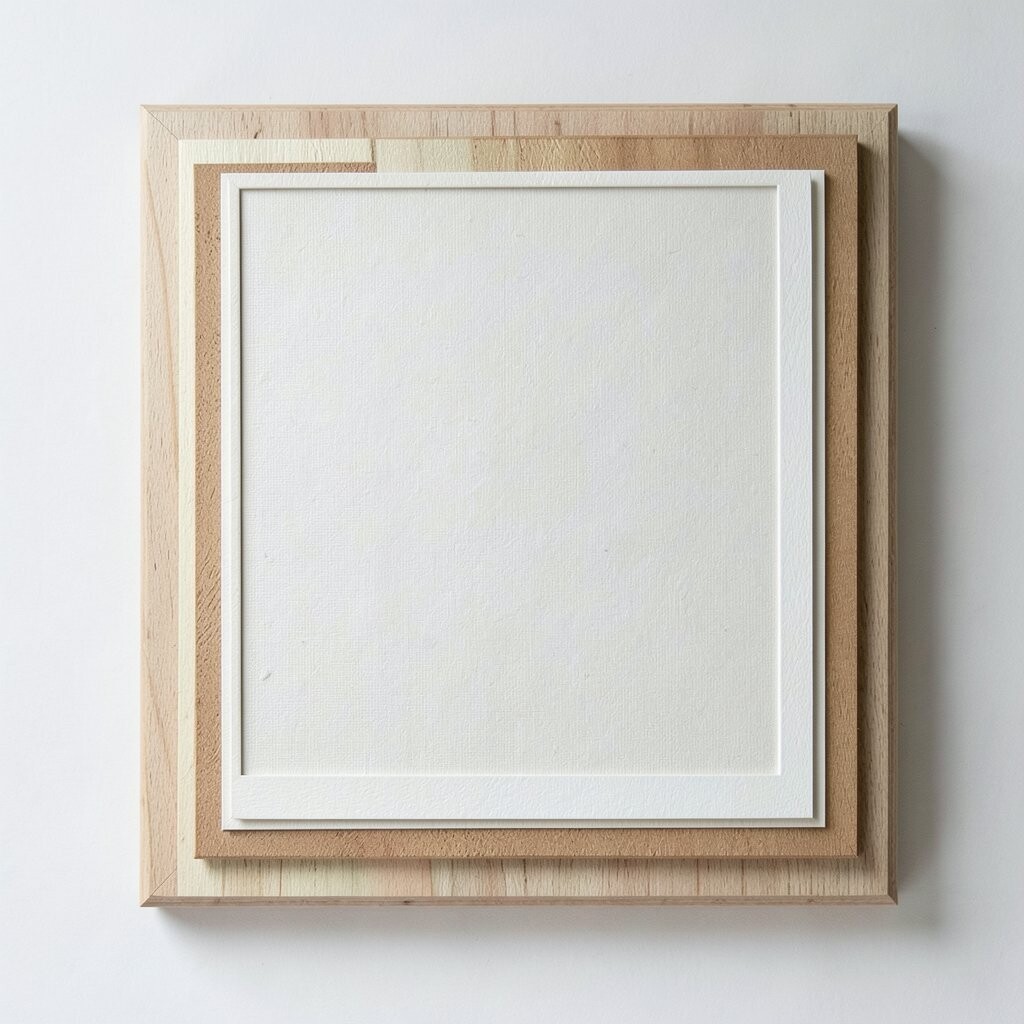
Borders can do more than frame a page. You can build them with paint, tape, stamps, fabric, or tiny cutouts to make the edge part of the art.
This is a simple way to make a page feel finished. It also helps guide the eye toward the center of the work.
Keep the border loose if you want a casual look or neat if you want order. Borders are a small detail, but they can change the whole feel of the piece.
45. Mixed Media with Old Keys

Old keys can add a strong shape and a sense of history. You can glue them onto wood, paper, or canvas and build around them with paint and scraps.
This makes the piece feel like it has a story. Keys are easy to find in junk drawers, thrift shops, and old boxes, so they may cost very little.
Use them as a center point or group them in a small cluster. A dark background can help the metal stand out more clearly.
46. Painted Tape Windows

Tape windows are open spaces made by placing tape in a frame shape. You can paint or collage around them and leave the center clear or lightly filled.
This creates a window-like look that feels modern and neat. It also helps you control where the eye goes in the piece.
Try using several window shapes on one page for a fresh layout. This idea works well with simple colors and can be made with low-cost tape.
47. Personal Memory Boards
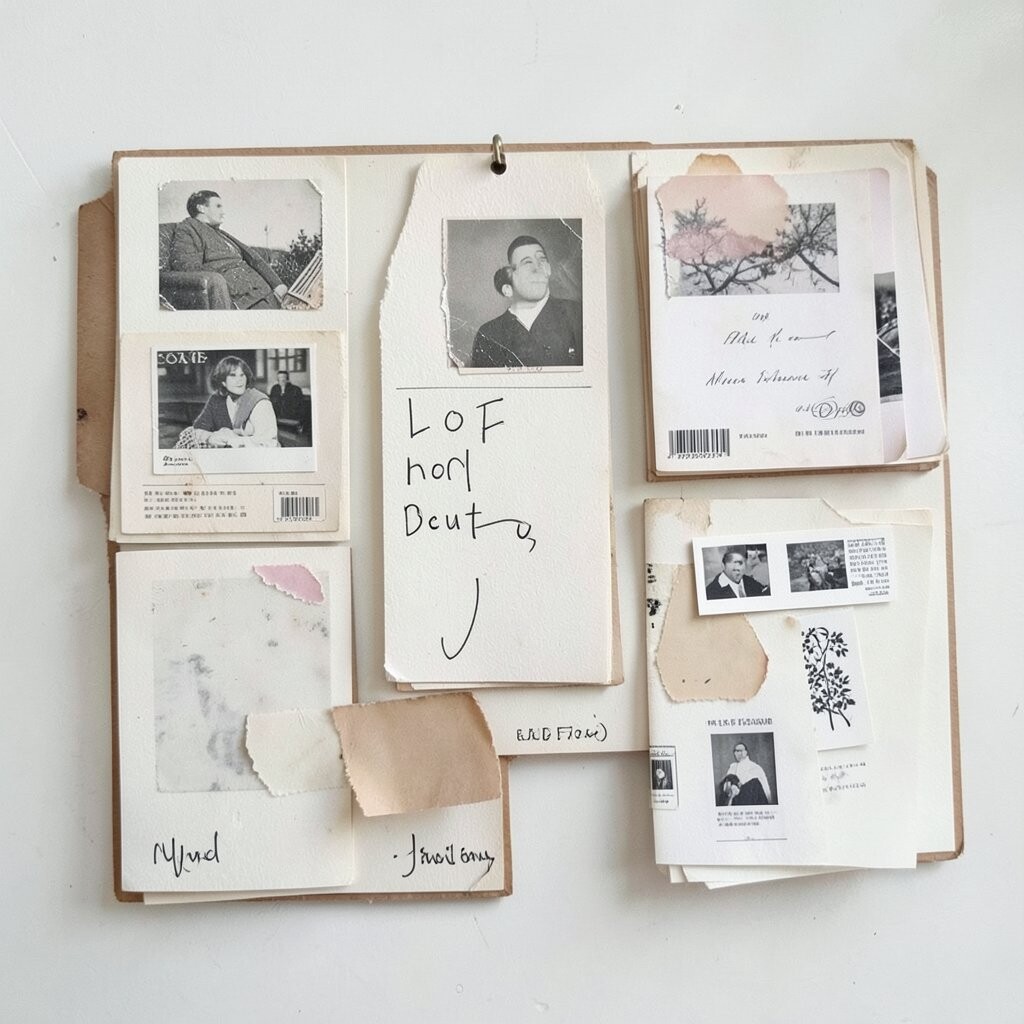
Memory boards mix photos, tickets, notes, fabric, and small keepsakes in one place. They can hold parts of a trip, a family event, or a normal day that matters to you.
This style is very personal and often feels more meaningful than a plain photo frame. It also lets you use many kinds of materials without needing to make them match too much.
Use a cork board, cardboard, or a wood panel as your base. Keep the layout simple at first, then add more pieces until it feels right to you.