Facade photos can show the look and feel of a building in a clear way. Simple choices in light, angle, and framing can help you make strong shots that feel clean and calm.
1. Shoot a Front-On View
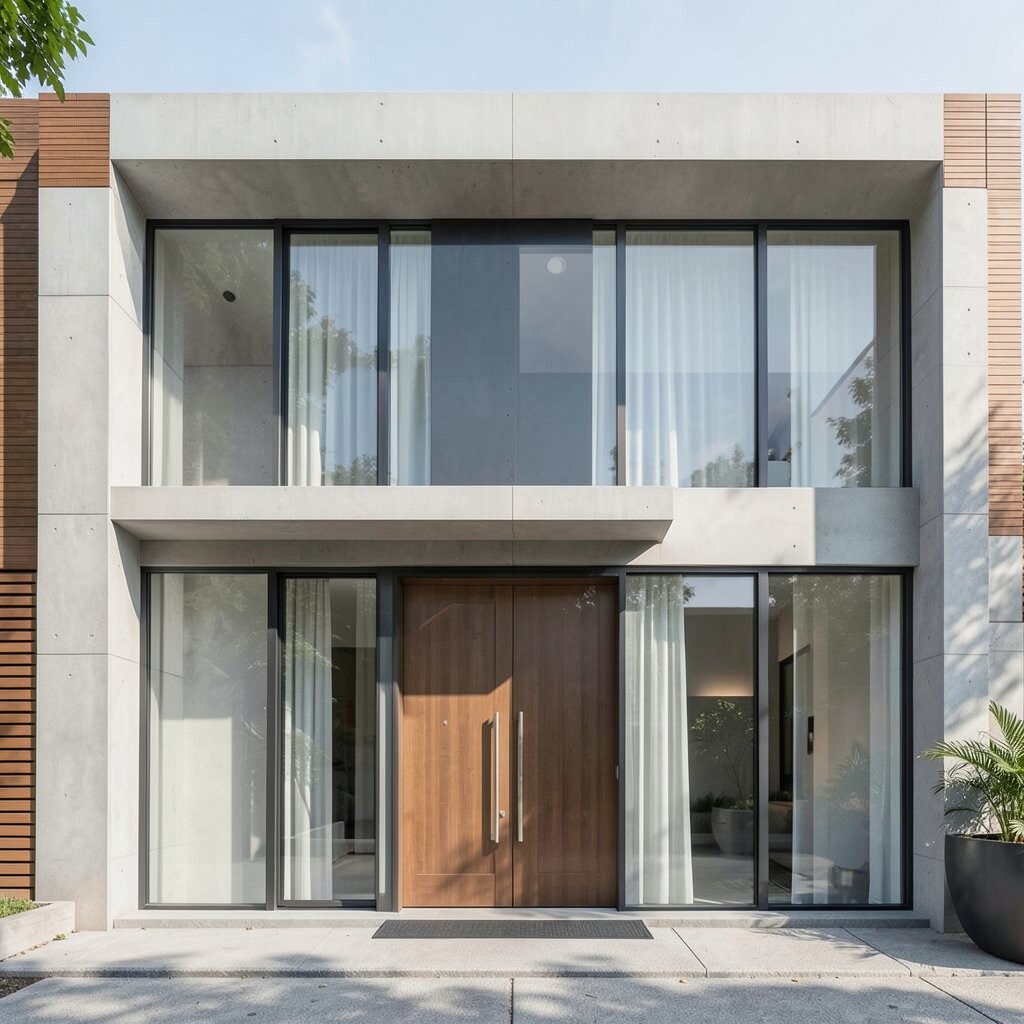
A straight front-on shot is one of the easiest ways to show a facade. It gives a clean, balanced look that works well for homes, shops, and large buildings.
This style helps the viewer see the full shape without much visual noise. It is also a low-cost idea because you only need a camera or phone and a steady stance.
Try to keep the camera level so the lines stay neat. If the building has strong symmetry, this view can make it feel calm and well planned.
2. Use Soft Morning Light
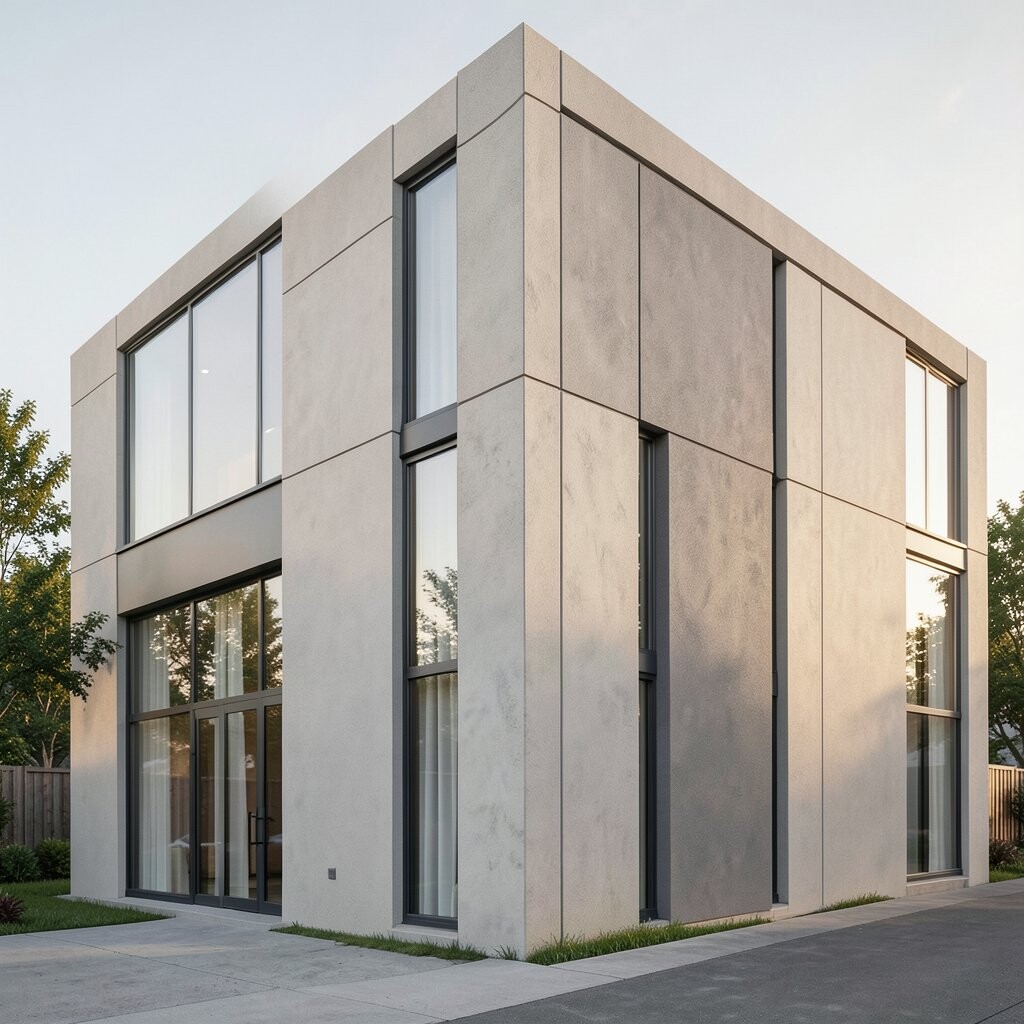
Morning light can make a facade look smooth and fresh. The sun is often low, so shadows stay soft and do not hide too much detail.
This is a good choice if you want a warm but simple look. It also helps reduce harsh glare on glass, metal, and painted walls.
Try shooting from the shady side if the sun is too bright. A small change in angle can make the whole surface look more even and easy to read.
3. Frame the Building with Trees
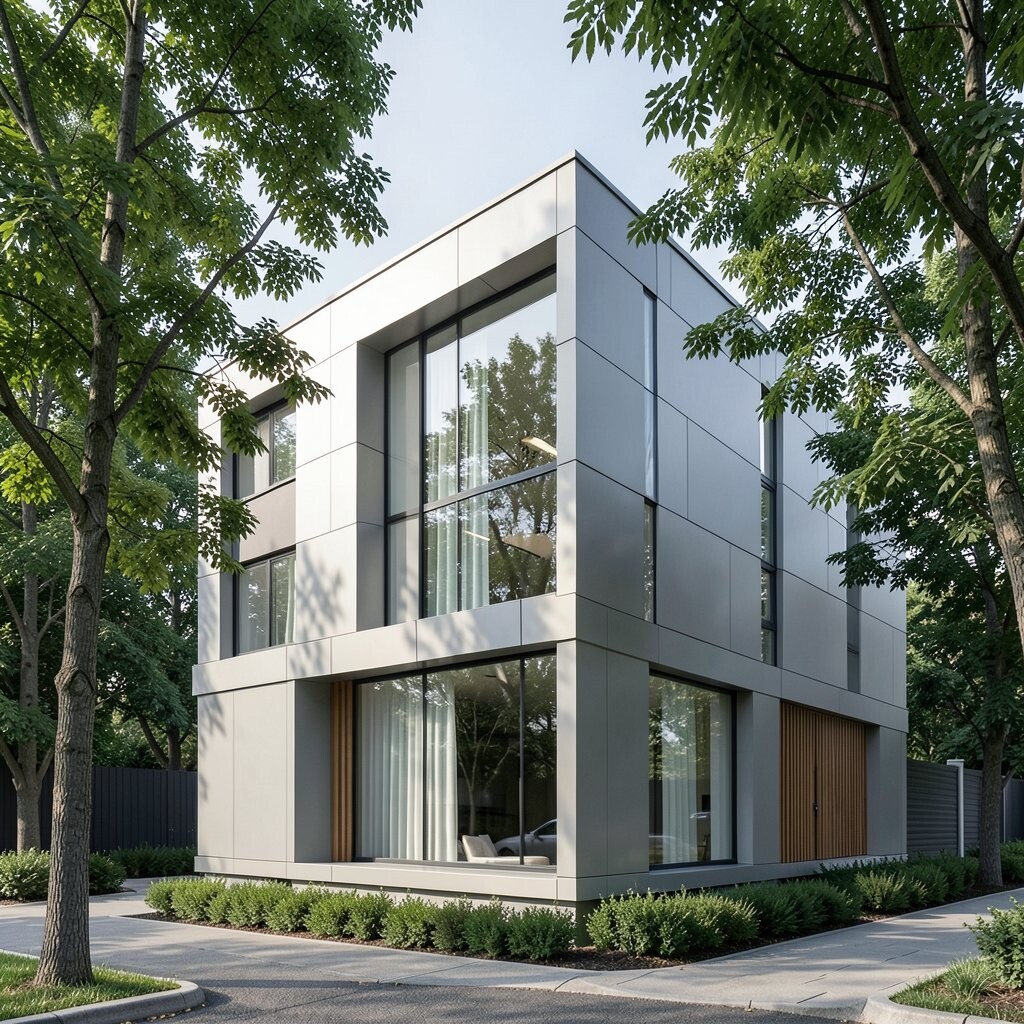
Trees can add a natural border around a facade. Leaves, branches, and trunks can guide the eye toward the building in a gentle way.
This style works well when you want the photo to feel more lived in. It can also make plain walls look less empty without adding much cost.
Try to keep some of the building clear so it does not get lost behind the trees. A little overlap can feel nice, but too much can hide the main shape.
4. Focus on Strong Symmetry
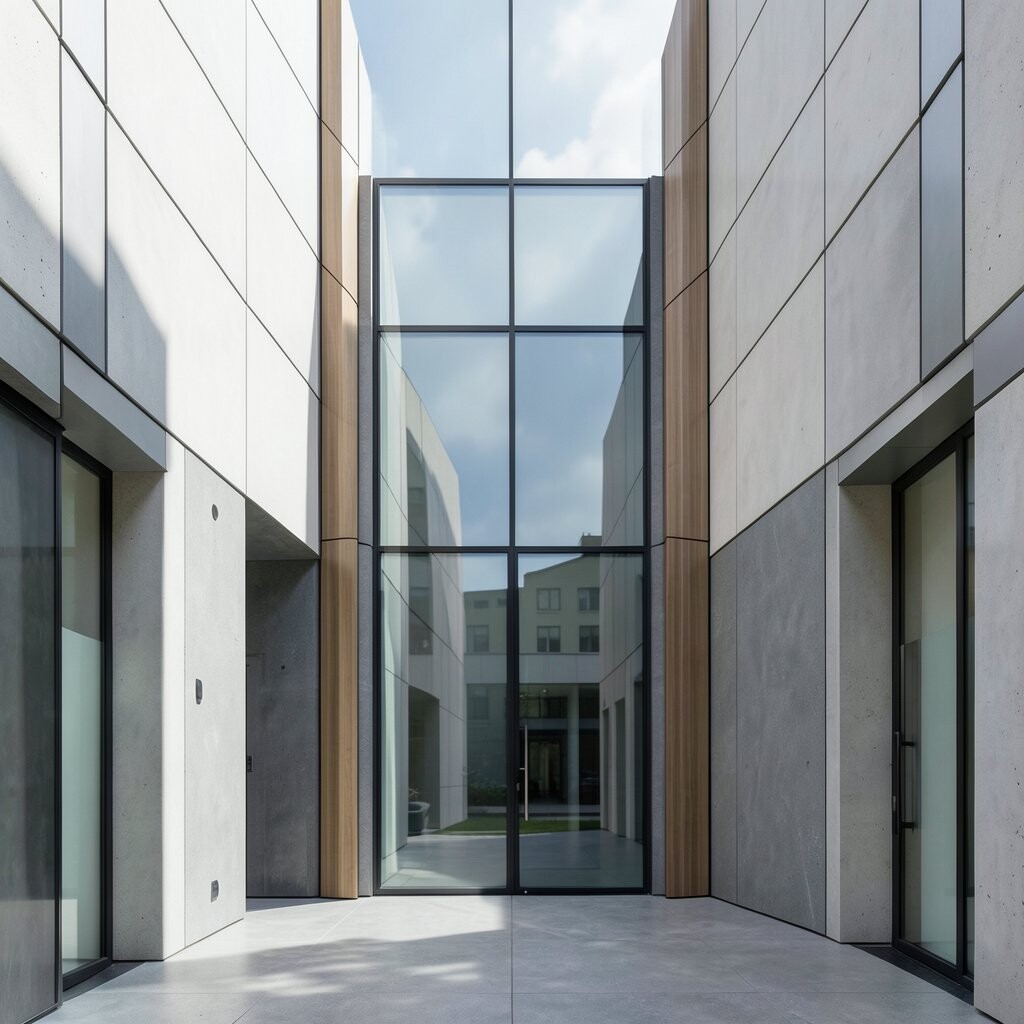
Many facades look best when both sides match. Doors, windows, and roof lines can create a neat pattern that feels easy to look at.
This idea is useful for modern homes, hotels, and old public buildings. It gives the photo a tidy look and can make even a simple place seem more planned.
To get this right, stand at the center and check your frame before you shoot. Small shifts can change the balance, so take your time and make small fixes.
5. Capture a Side Angle
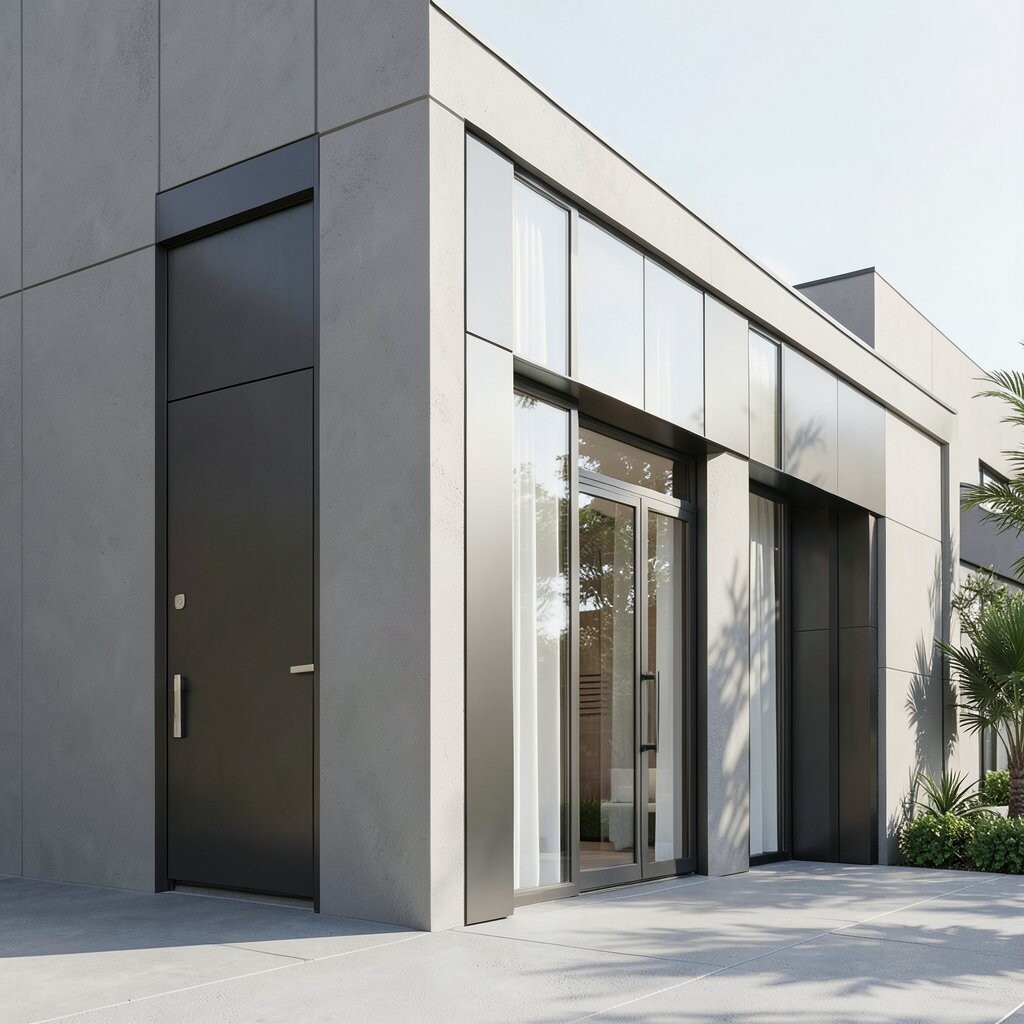
A side angle can show depth and shape in a way that front shots cannot. It lets you see more of the walls, corners, and lines of the building.
This can be a smart choice for buildings with long fronts or strong textures. It often costs nothing and can make a common place look more fresh and different.
Try moving a few steps left or right and see how the lines change. One small turn can give you a better view of the facade and the space around it.
6. Include a Bit of Sky
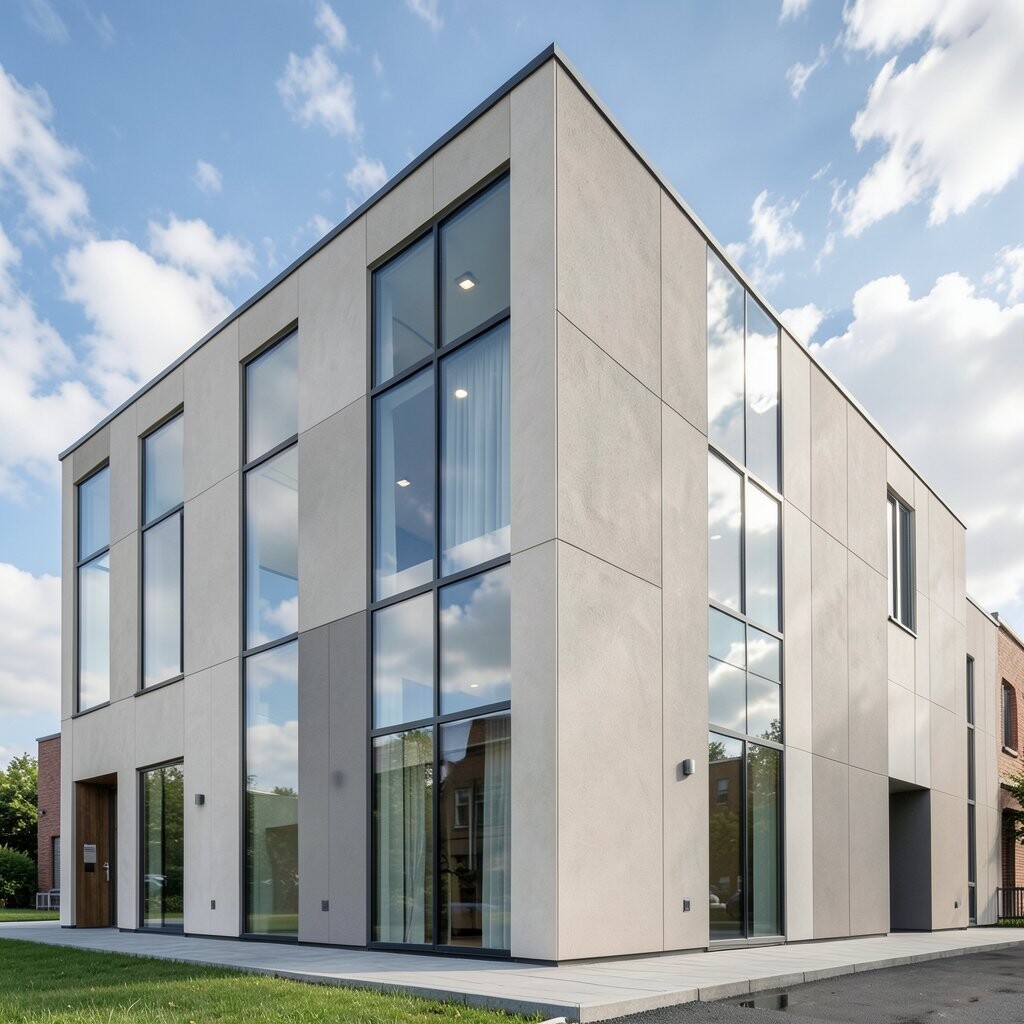
A little sky in the frame can give the building room to breathe. It helps the facade stand out and can make the whole shot feel less crowded.
This works well on clear days, but it can also look nice with light clouds. The open space above the building can make the image feel calm and simple.
Try not to include too much sky if the building is the main subject. A small amount is often enough to add balance and keep the eye moving.
7. Use a Wide View for Large Buildings
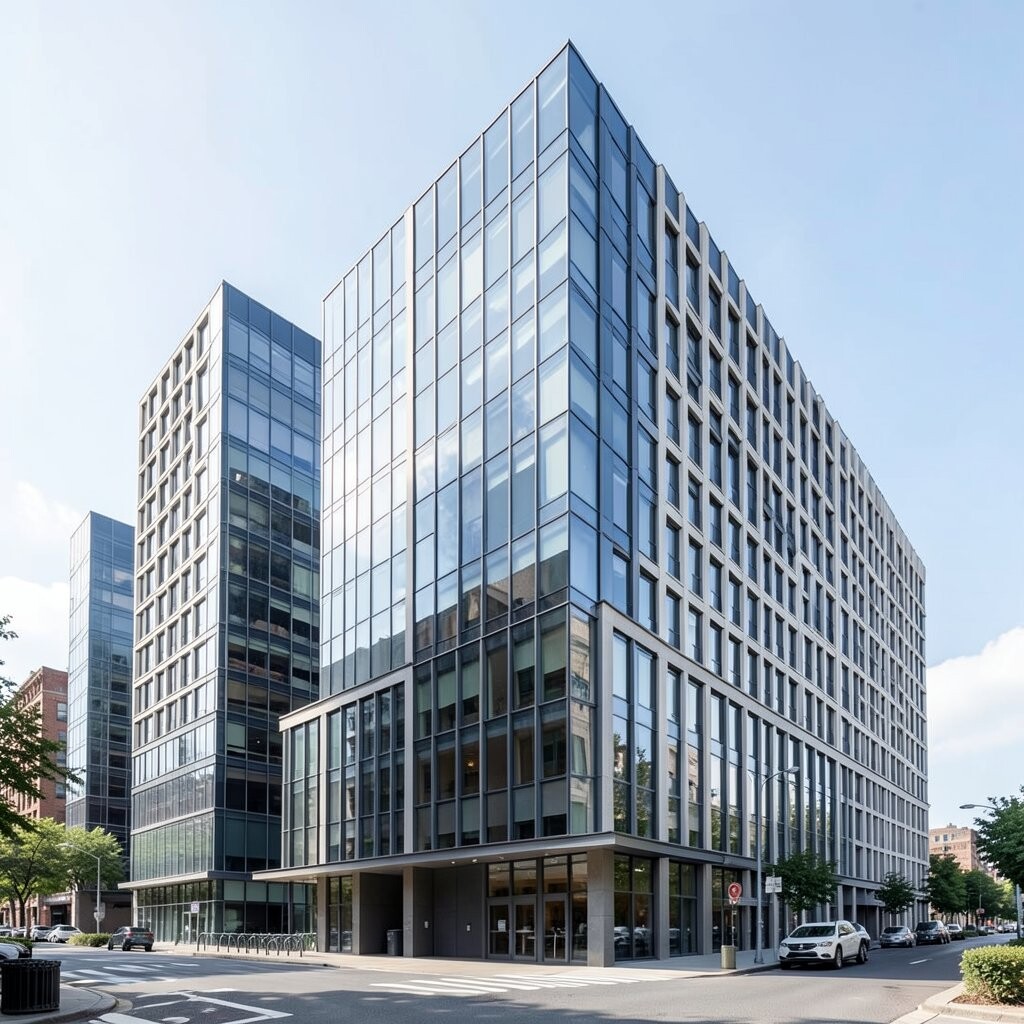
Wide shots are useful when the facade is big or long. They let you show the full front without cutting off key parts.
This can help with office blocks, apartment buildings, and long rows of shops. It is a practical style that often needs only a basic lens or phone wide mode.
Be careful with edge stretch, since wide views can bend straight lines. Try to keep the camera level and step back if you can.
8. Add People for Scale
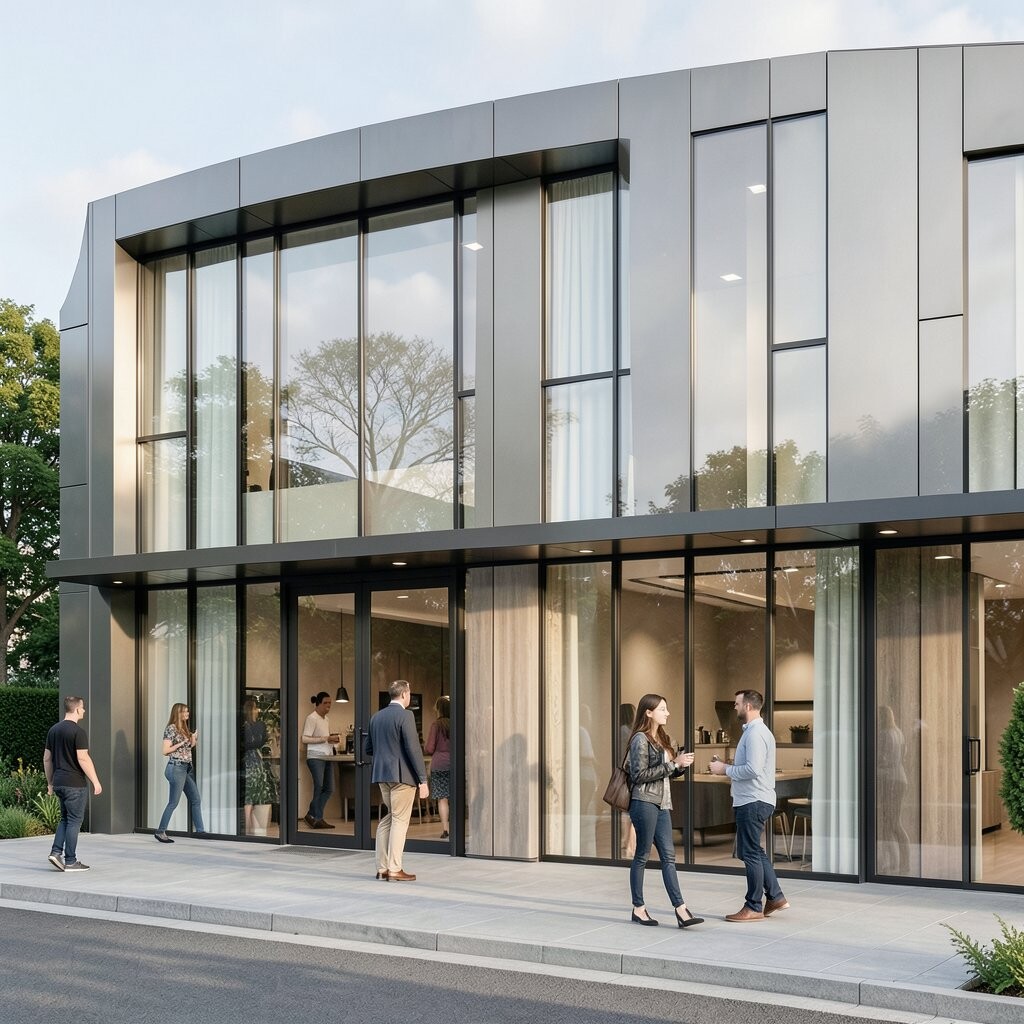
A person near the building can help show how large the facade really is. It also adds life and makes the photo feel more real.
This is a simple way to personalize the shot without changing the building itself. A person walking, standing, or looking up can give the image a clear sense of size.
Keep the person small in the frame if you want the facade to stay the main focus. Even one figure can make the scene feel more active and less empty.
9. Look for Clean Lines
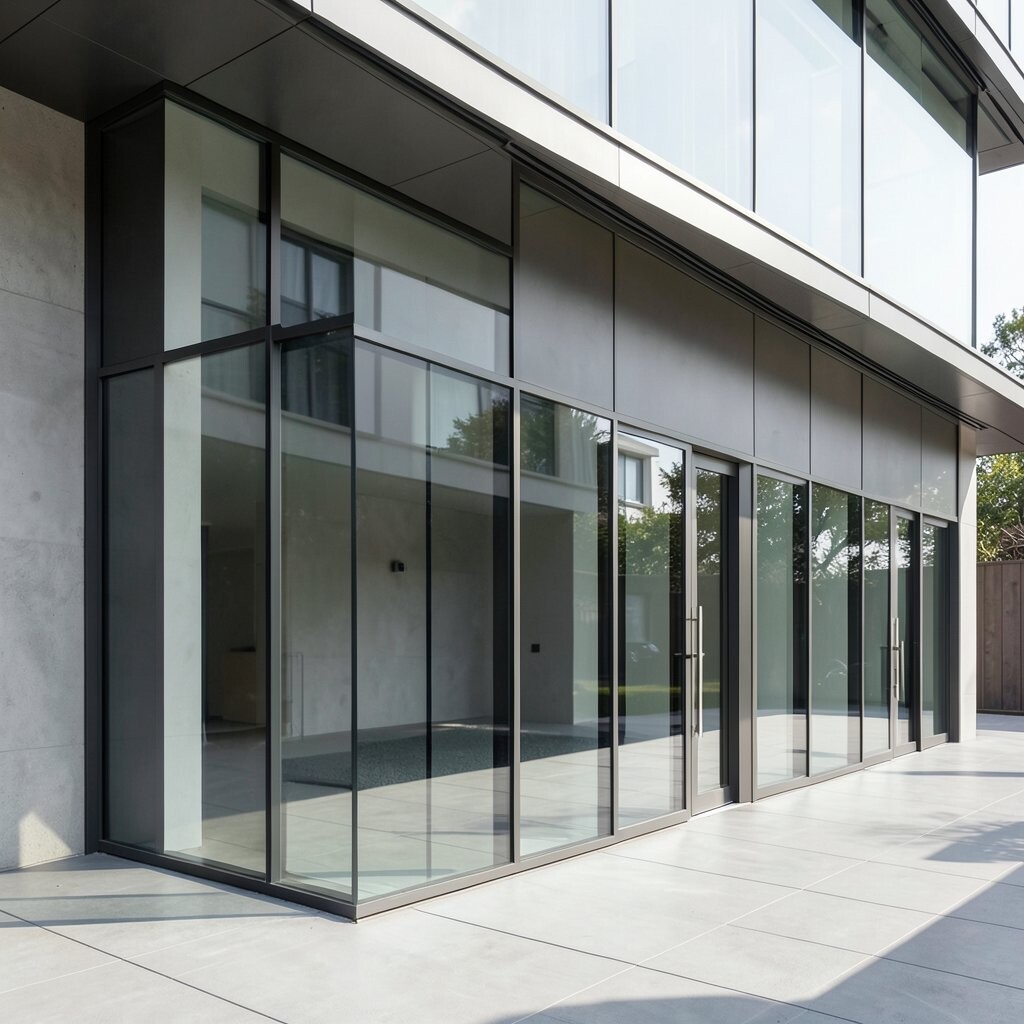
Clean lines can make a facade photo feel sharp and neat. Window rows, wall edges, roof trims, and railings can all help shape the image.
This style works well for modern design and simple buildings. It can also help hide clutter if you choose a frame with fewer extra objects.
Try to line up the edges with the frame so the photo feels steady. Small line changes can make a big difference in how polished the shot looks.
10. Shoot in Black and White
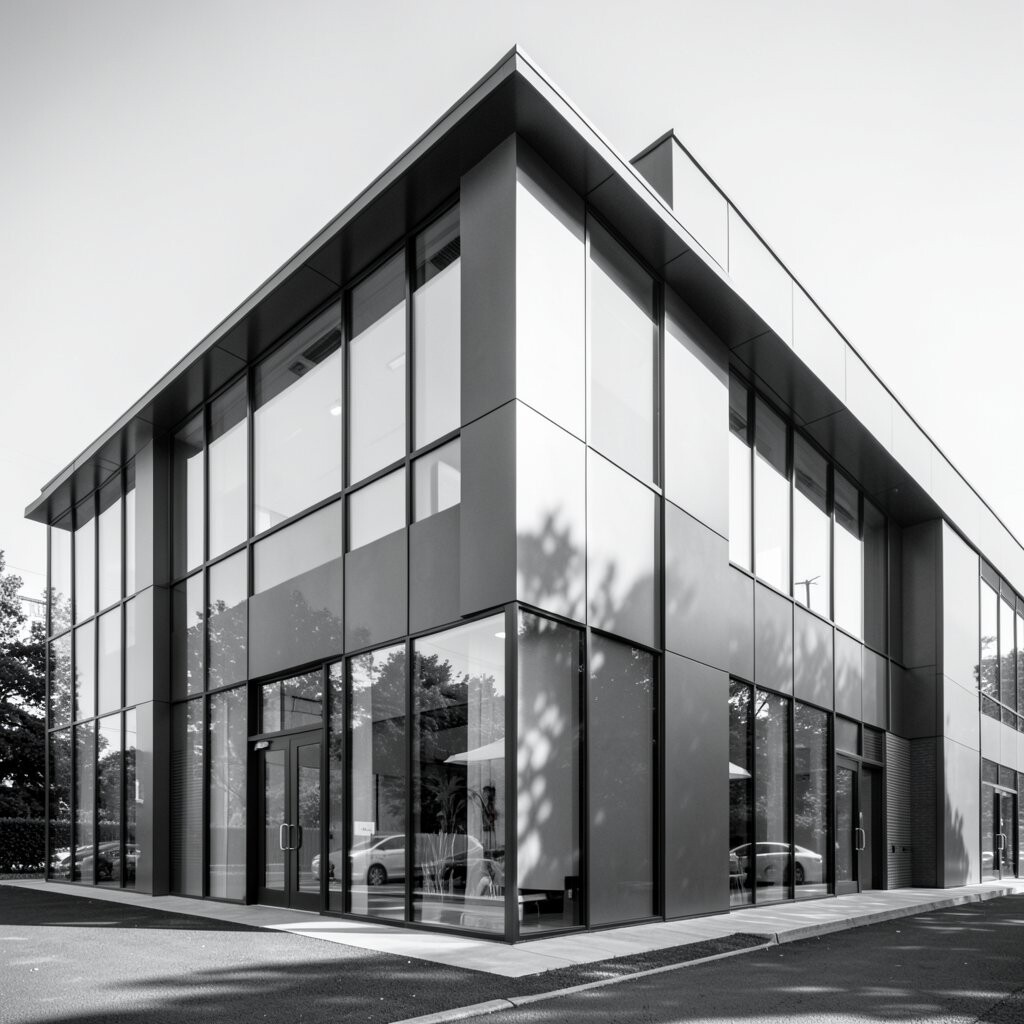
Black and white can make a facade feel bold and simple. It removes color distractions and lets shape, shadow, and texture stand out more.
This is a good way to give older buildings a classic look or make modern ones feel crisp. It can also help if the colors are dull or do not work well together.
Try this when the facade has strong lines or interesting surface detail. The cost is the same as a color shot, but the mood can feel very different.
11. Use Reflections from Glass
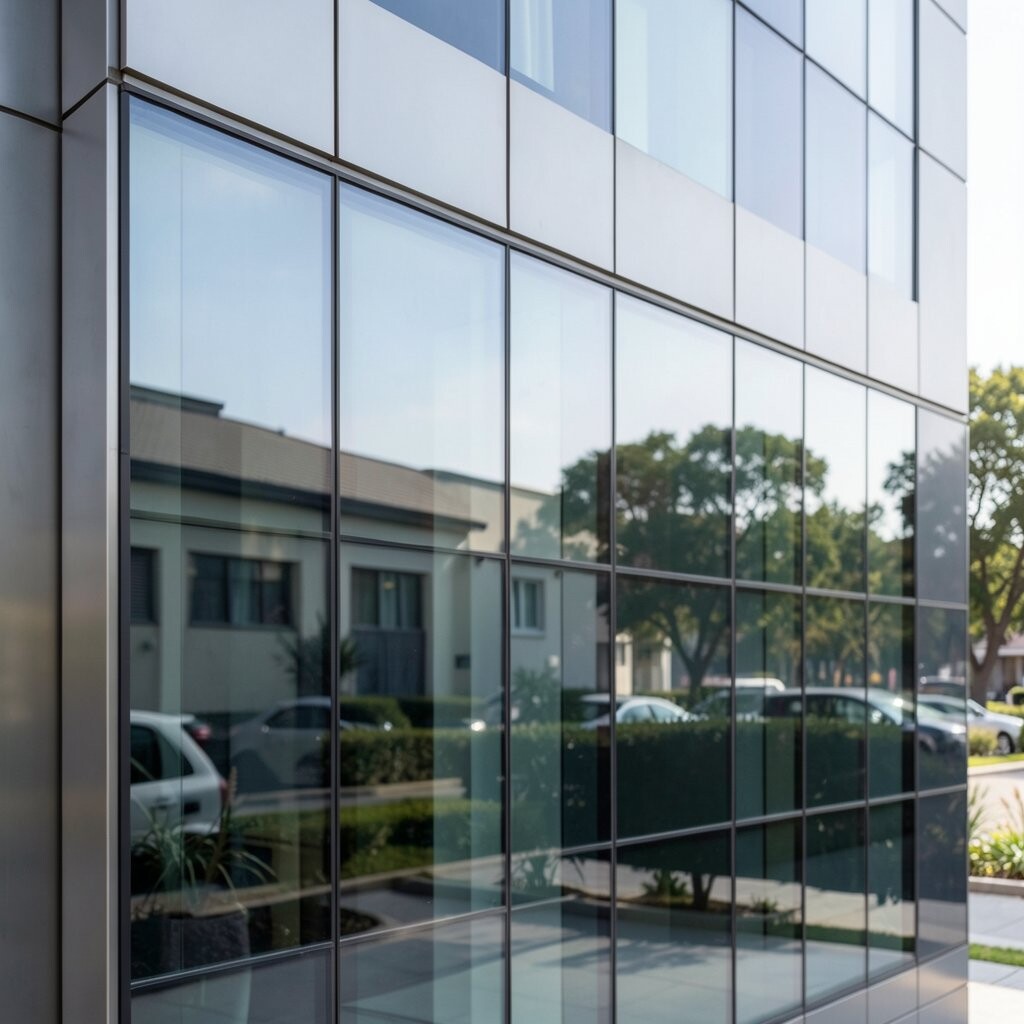
Glass can show the world around the building and add extra layers to the photo. Reflections of clouds, trees, and nearby streets can make the facade more interesting.
This is common in modern city scenes and can help a plain front feel less flat. It also gives you a chance to mix the building with its setting in one frame.
Move a little to change what the glass shows, since reflections shift fast. A small step can help you find a view that looks clean and balanced.
12. Catch the Building at Blue Hour
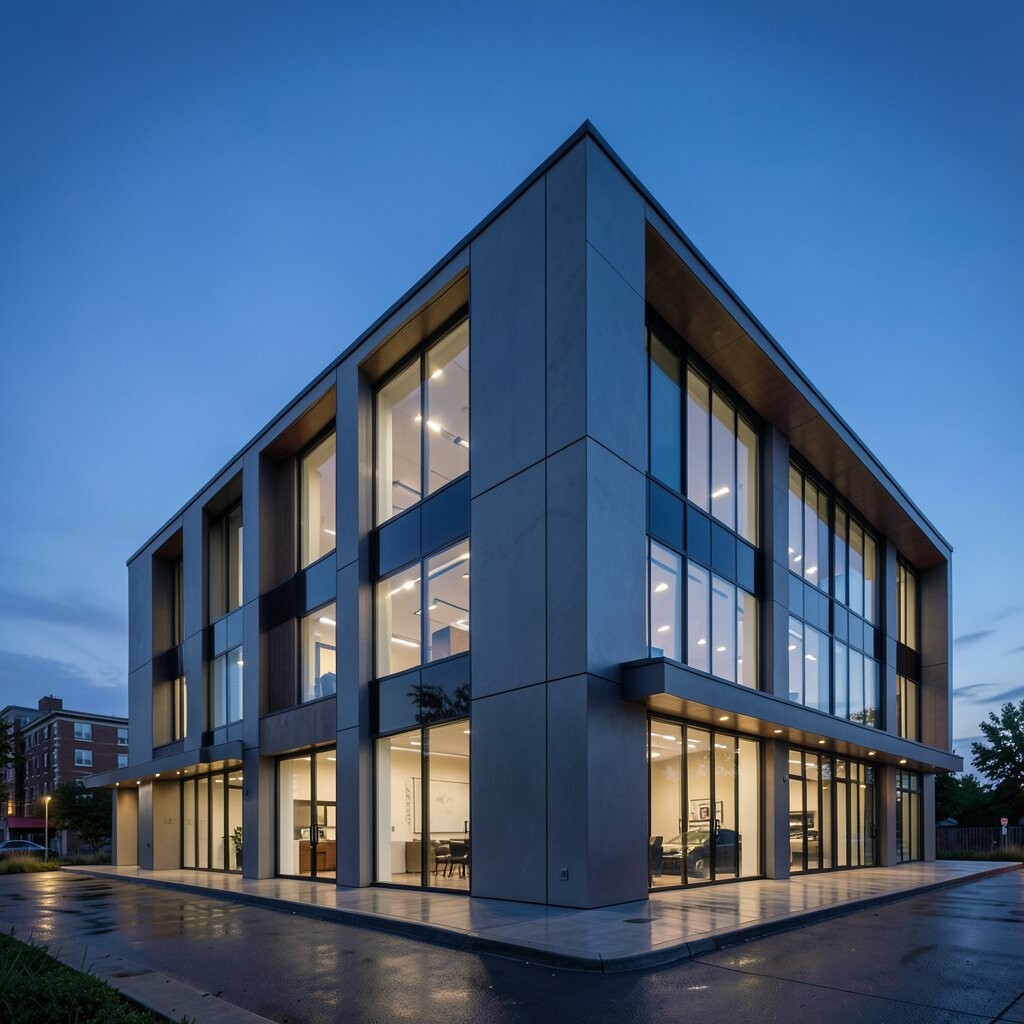
Blue hour happens just after sunset or before sunrise, when the sky has a cool blue tone. Facades can look calm and neat at this time, with lights starting to glow.
This is a popular trend because it gives a soft mix of natural and man-made light. It can work well for hotels, towers, and homes with warm window lights.
You may need a tripod or a steady hand since the light is lower. The extra care is worth it when you want a smooth, rich look without a high cost.
13. Highlight Texture and Materials
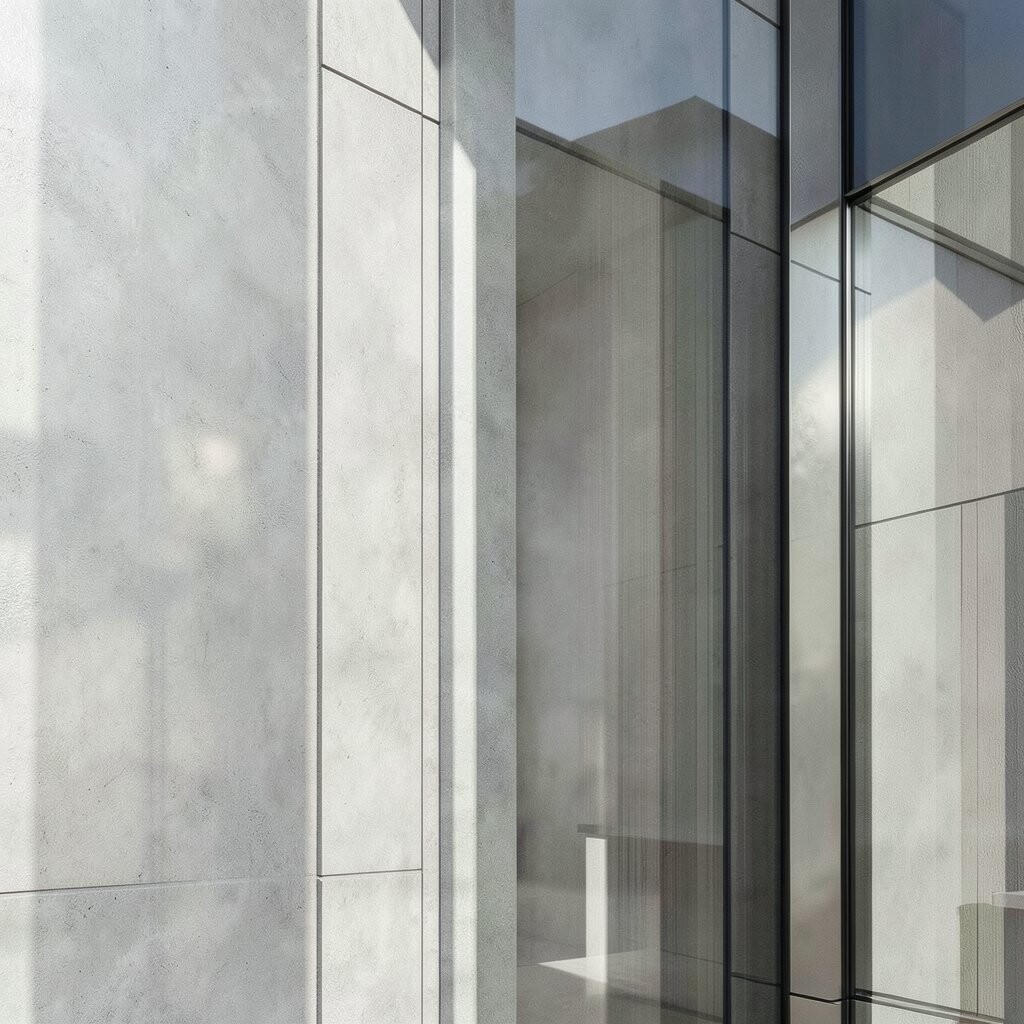
Some facades look best when you show the surface up close. Brick, stone, wood, metal, and concrete all have their own feel and pattern.
This kind of shot helps people notice details they may miss from far away. It is also a good way to show what makes one building different from another.
Try side light if you want the texture to stand out more. Shadows can help bring out small bumps, lines, and marks in the surface.
14. Use Shadows as a Design Element
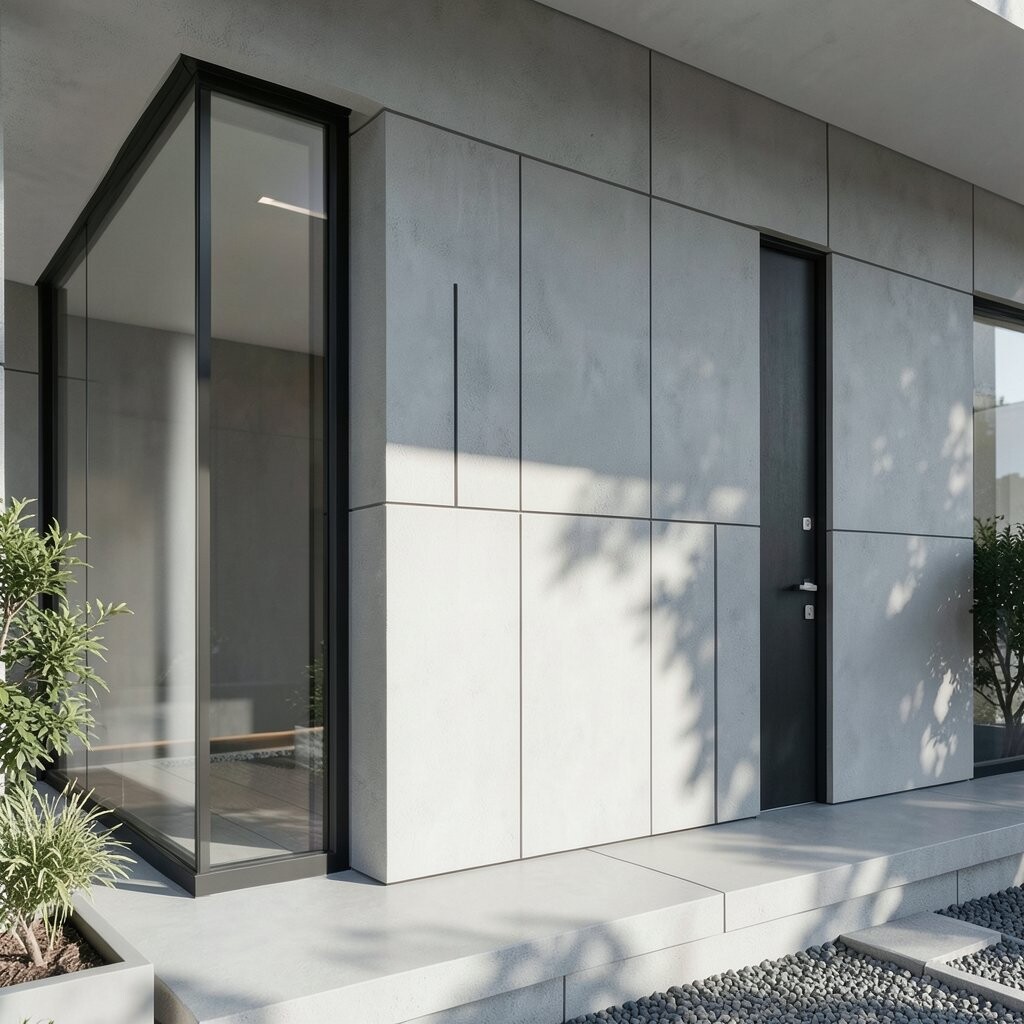
Shadows can add shape and rhythm to a facade. They can make plain walls look more layered and give the photo a stronger sense of depth.
This works well when the sun is lower in the sky and the light falls at an angle. It is a simple trick that does not cost anything and can give you a fresh look.
Try to watch how shadows move across windows, doors, and columns. A good shadow pattern can turn an ordinary facade into a more eye-catching scene.
15. Shoot Through Foreground Objects
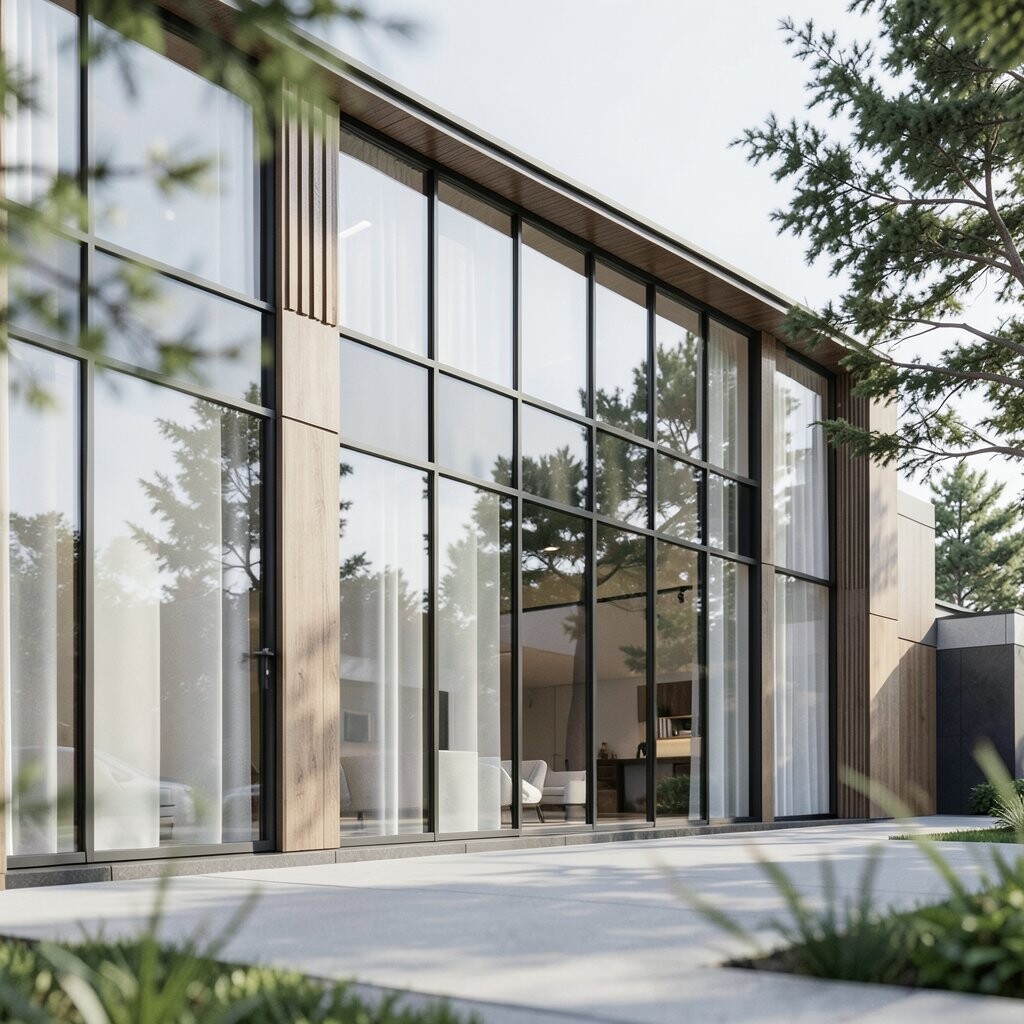
Foreground objects like fences, plants, or street signs can help frame the building. They add a bit of depth and make the photo feel less flat.
This can also make the shot feel more personal and tied to the place. A small object in front can guide the eye toward the facade without taking over the frame.
Keep the foreground soft or simple so it does not block important parts. This is a nice way to add style without spending extra money.
16. Show the Facade in the Rain
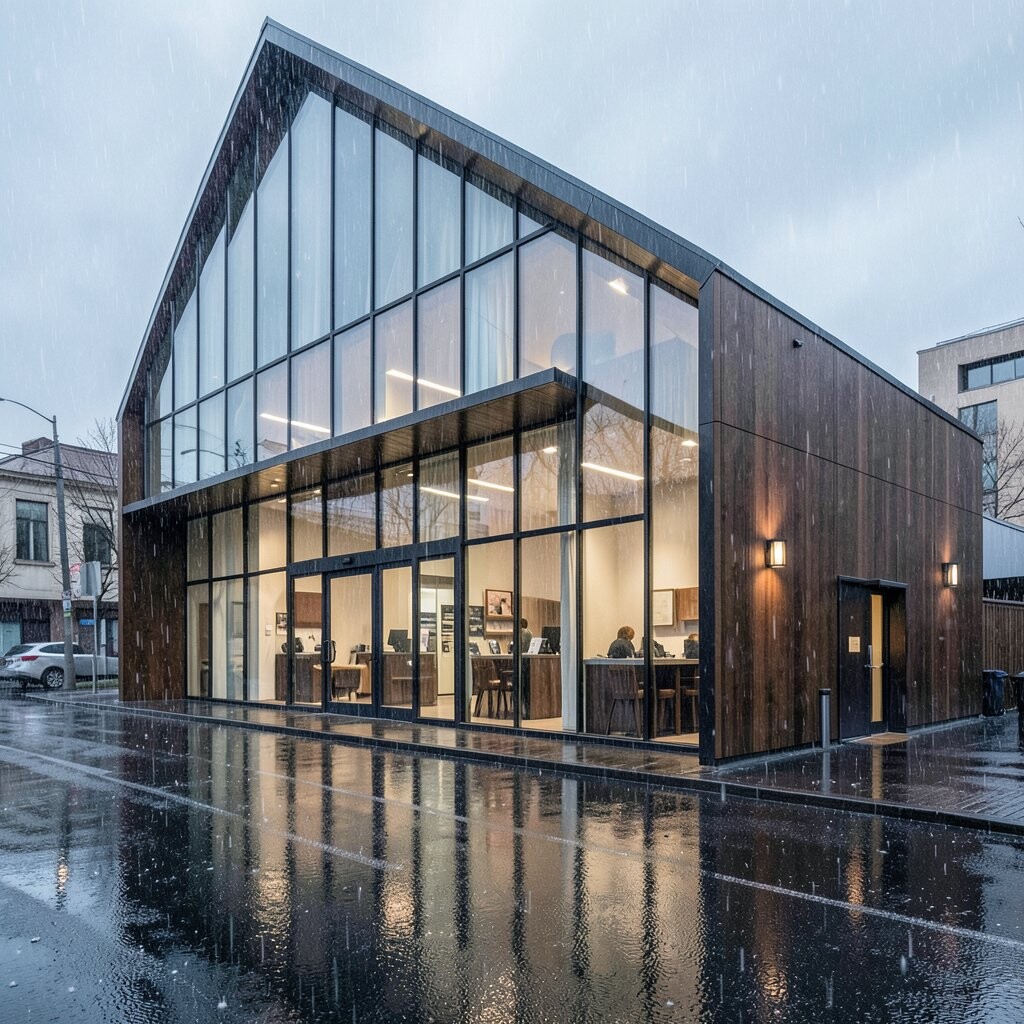
Rain can give a facade a fresh and clean look. Wet walls, shiny pavement, and dark clouds can add mood without making the shot too busy.
This idea works well for city streets, older buildings, and glass fronts. It can also help colors look deeper and surfaces look smoother.
Be careful with your gear and keep it dry while you shoot. A rainy scene may take more effort, but it can give you a look that feels different from a sunny day.
17. Use a Low Angle
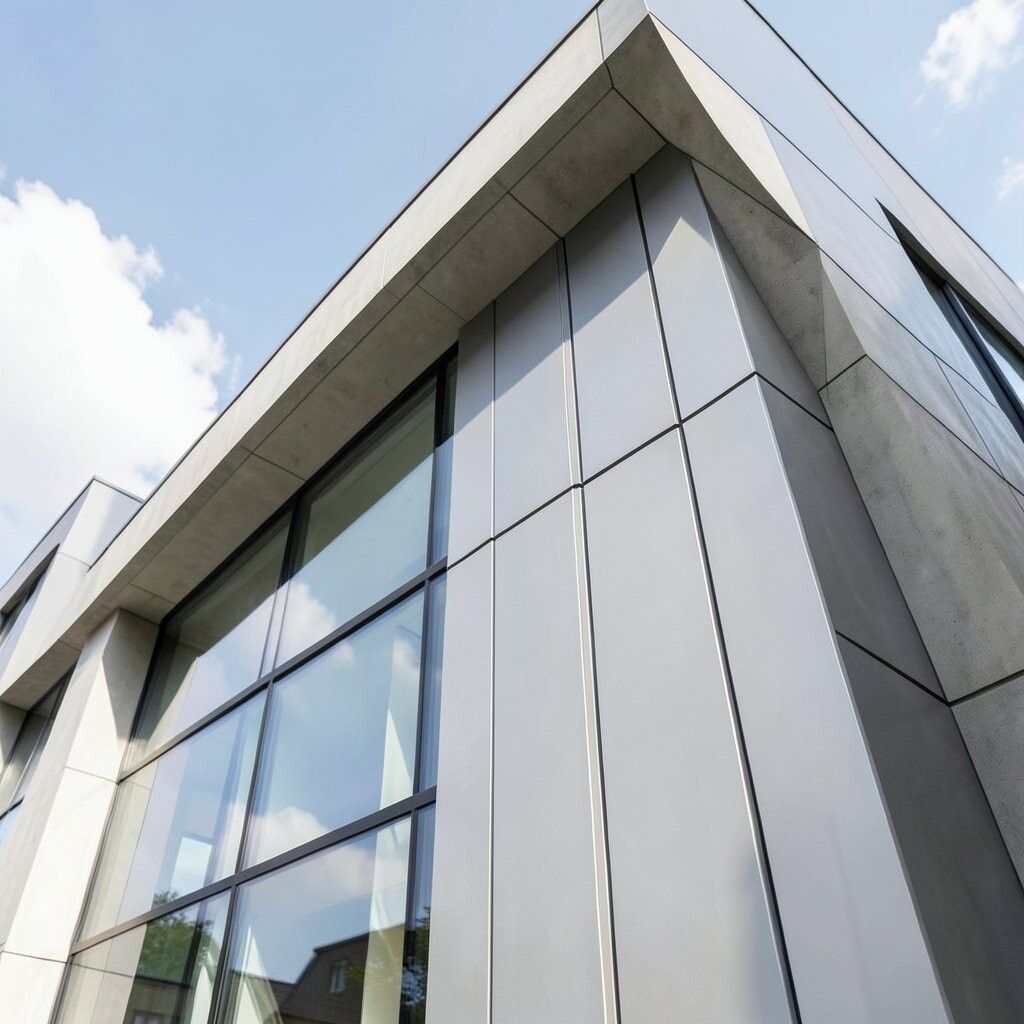
Shooting from a low angle can make a building feel taller and stronger. It changes the view in a simple way and can add more drama to the facade.
This style is useful for tall homes, towers, and buildings with strong roof lines. It can also help show details near the top that are easy to miss from eye level.
Try not to tilt too much, or the lines may bend in a way that looks odd. A small low angle often works better than a very steep one.
18. Capture Details Around the Door
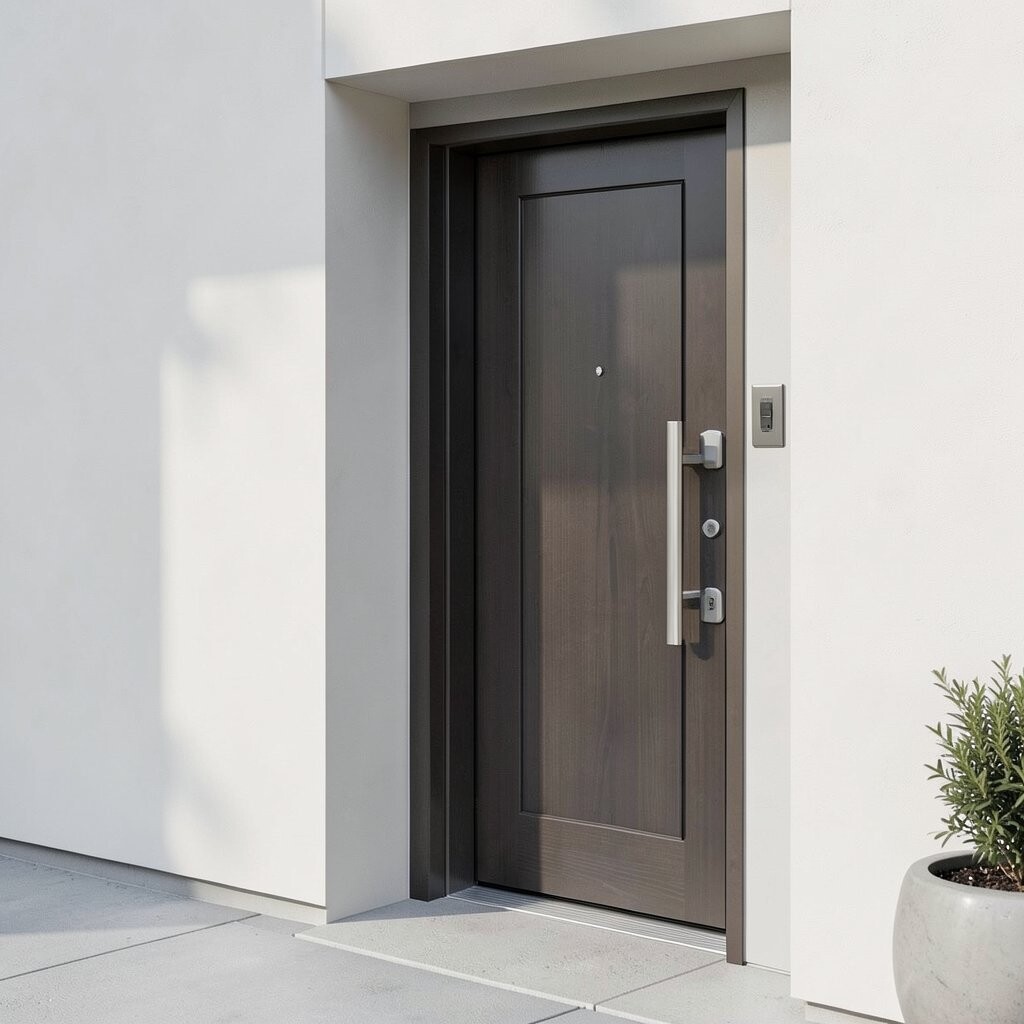
Doors can be a key part of a facade because they often show style and use. Handles, frames, steps, and lights around the door can all add charm.
This is a good choice if the full building is simple but the entry has more character. It can help you make a photo that feels more close and personal.
Try to include the area around the door so it does not feel cut off. Small details can say a lot about the building and the people who use it.
19. Use a Drone for an Overhead View
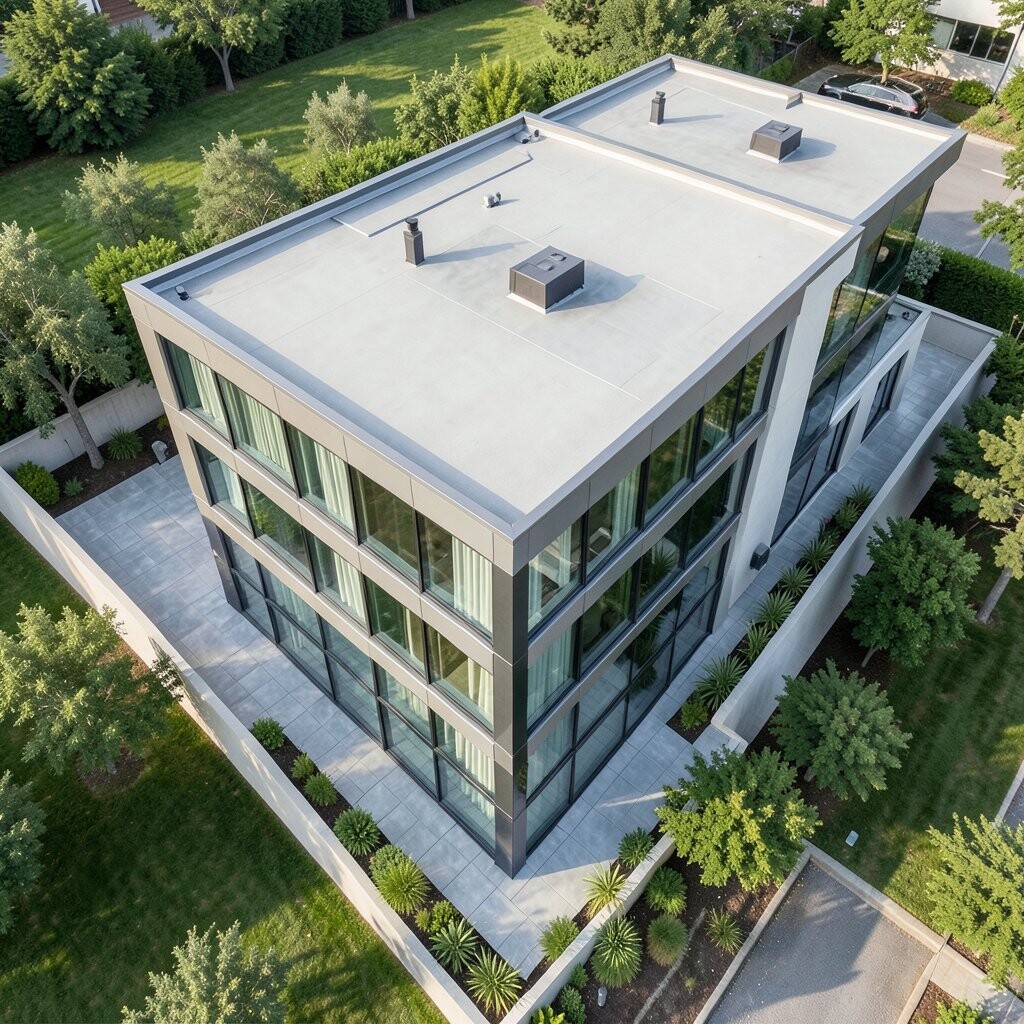
A drone can give you a view that is hard to get from the ground. From above, you can show the roof shape, front layout, and the way the facade fits into the site.
This can be a smart choice for large homes, hotels, and public spaces. The cost is higher if you need to buy or rent a drone, but it can give you a view that stands out.
Make sure you follow local rules and fly safely. A careful overhead shot can add a fresh angle that feels very different from normal street photos.
20. Use Color Contrast
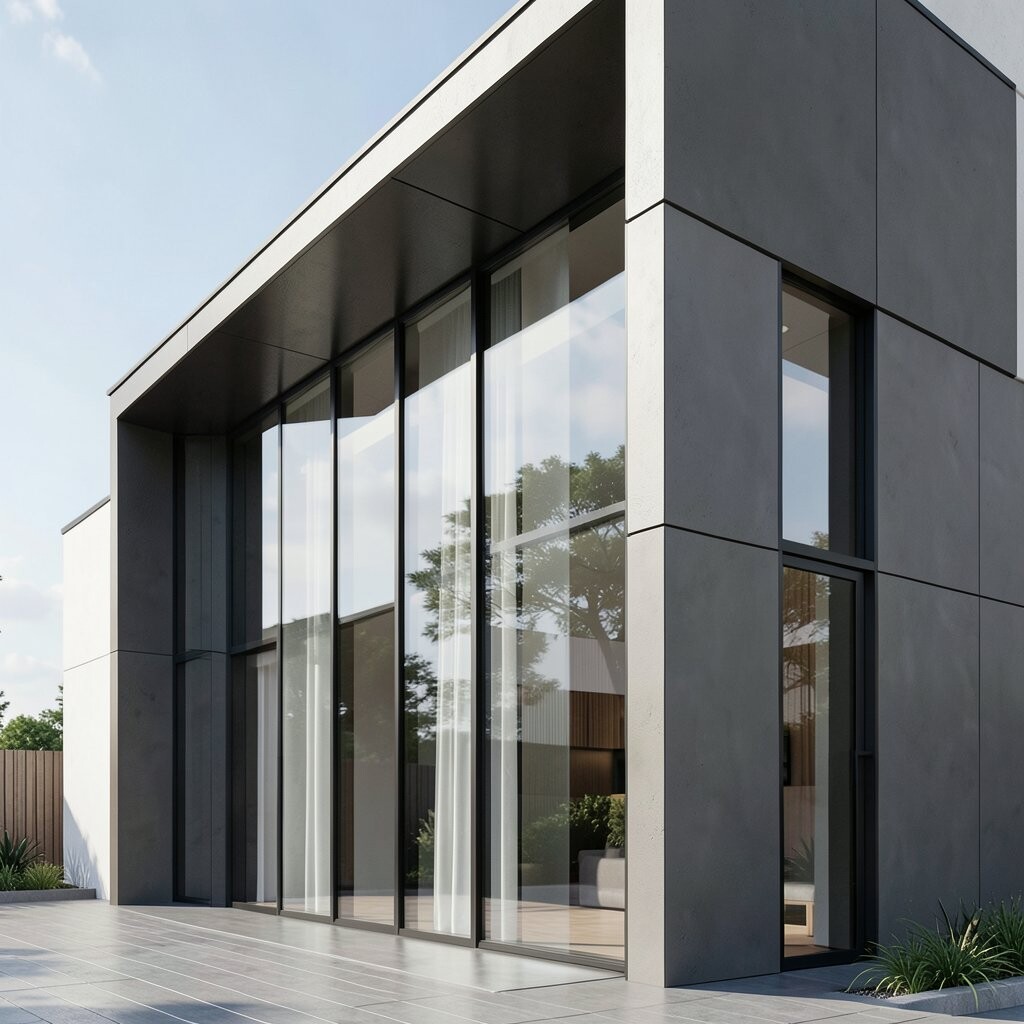
Color contrast can make a facade pop without needing much extra work. A red door on a white wall, or a blue wall next to green plants, can look very clear.
This trend is popular because it is easy to see and easy to remember. It can help simple buildings feel more lively and give the photo a stronger point of focus.
Try to look for colors that sit well together instead of fighting for attention. A few strong colors often work better than many bright ones at once.
21. Try a Minimalist Frame
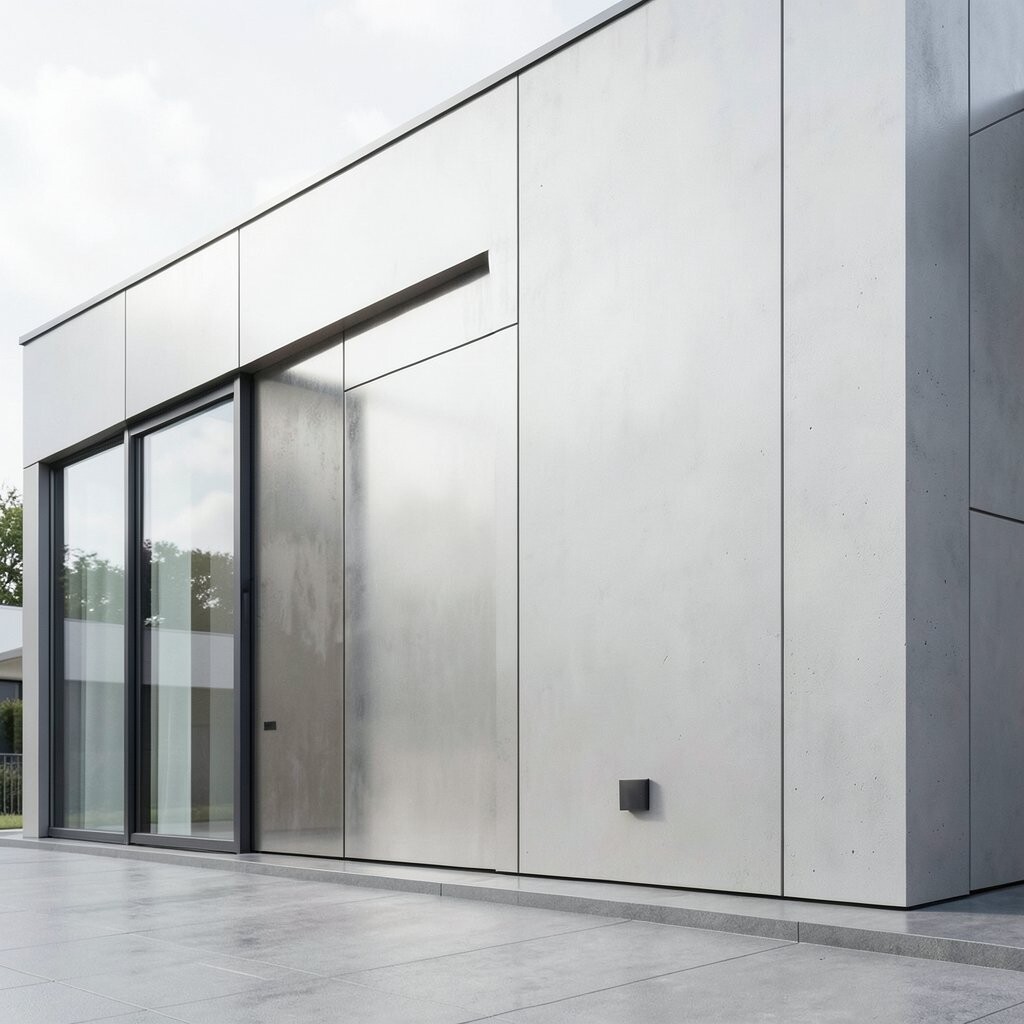
A minimalist frame uses very few objects and a lot of open space. This can make the facade feel calm, clean, and easy to read.
This style works well for modern buildings with plain walls and simple shapes. It can also save time since you do not need many props or extra setup.
Look for blank sky, open pavement, or plain walls nearby. A simple frame can help the building stand out more by keeping the scene quiet.
22. Include Street Life Nearby
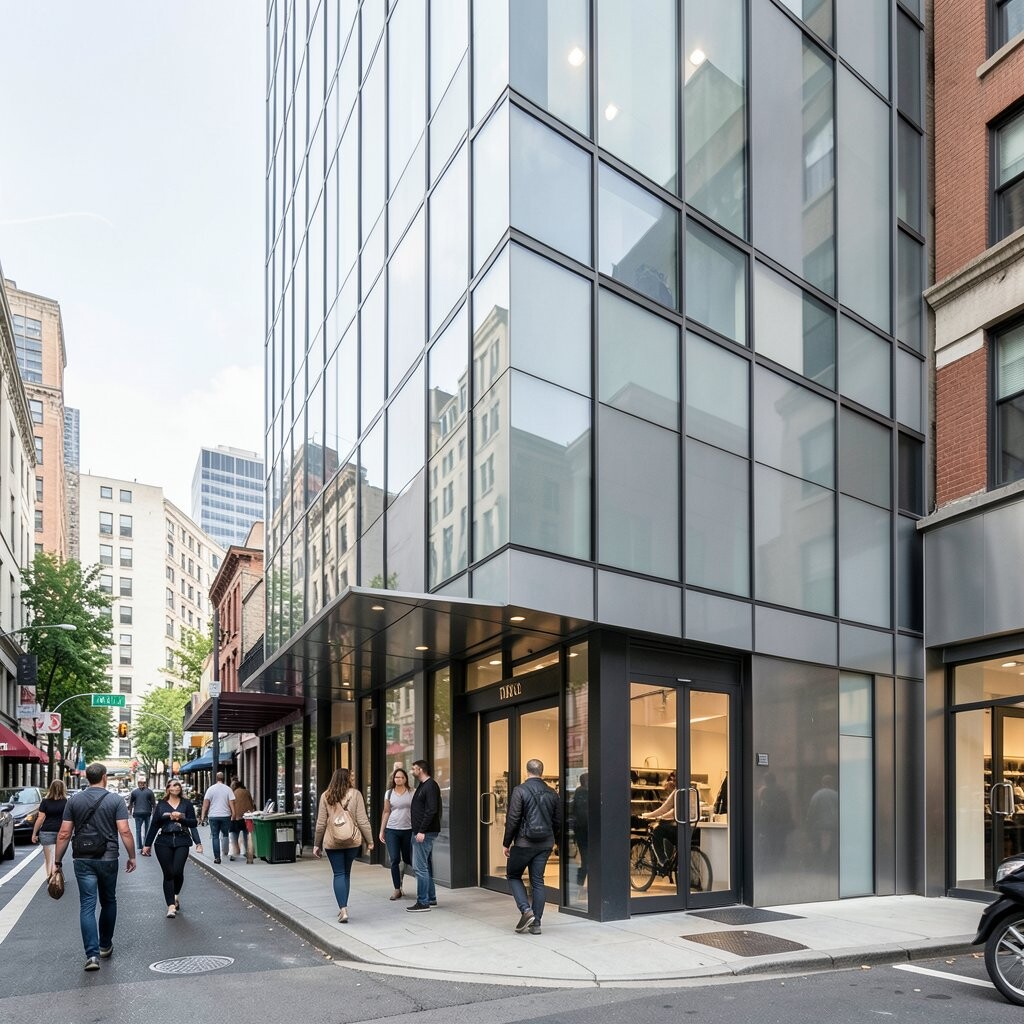
Street life can show how the facade fits into the real world. Cars, bikes, signs, and people can add movement and make the place feel active.
This can be a good way to tell a story about the building and its area. It helps the photo feel less staged and more tied to daily life.
Try to keep the main facade clear so the extra activity does not take over. Small signs of life can add energy without making the shot feel messy.
23. Shoot During Golden Hour
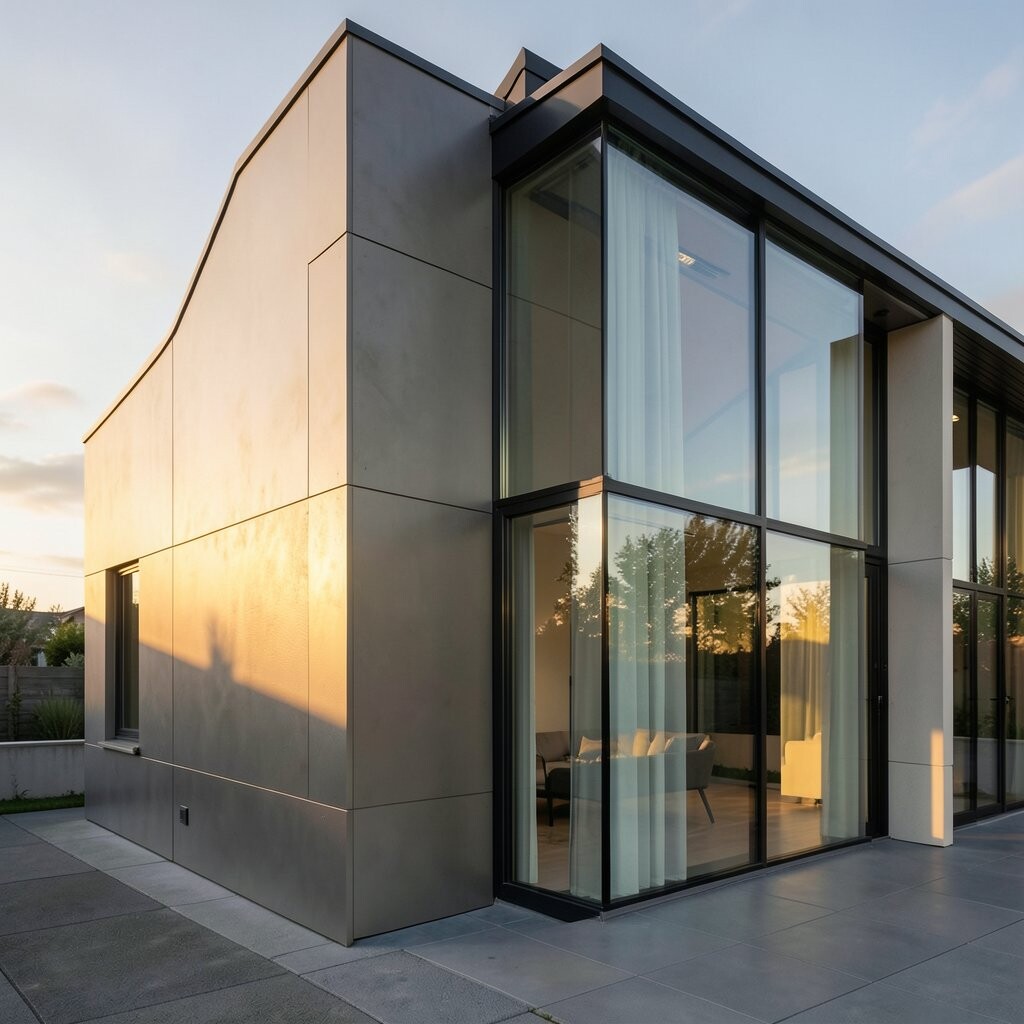
Golden hour gives a warm, soft light that can make a facade feel rich and gentle. The sun is low, so the building can glow without harsh glare.
This is one of the most liked times for facade photos because it works with many styles. It can make stone, wood, and glass all look a bit more friendly.
Plan ahead if you want this light, since it does not last long. The time and care are free, but the look can feel very polished.
24. Make Use of Patterns
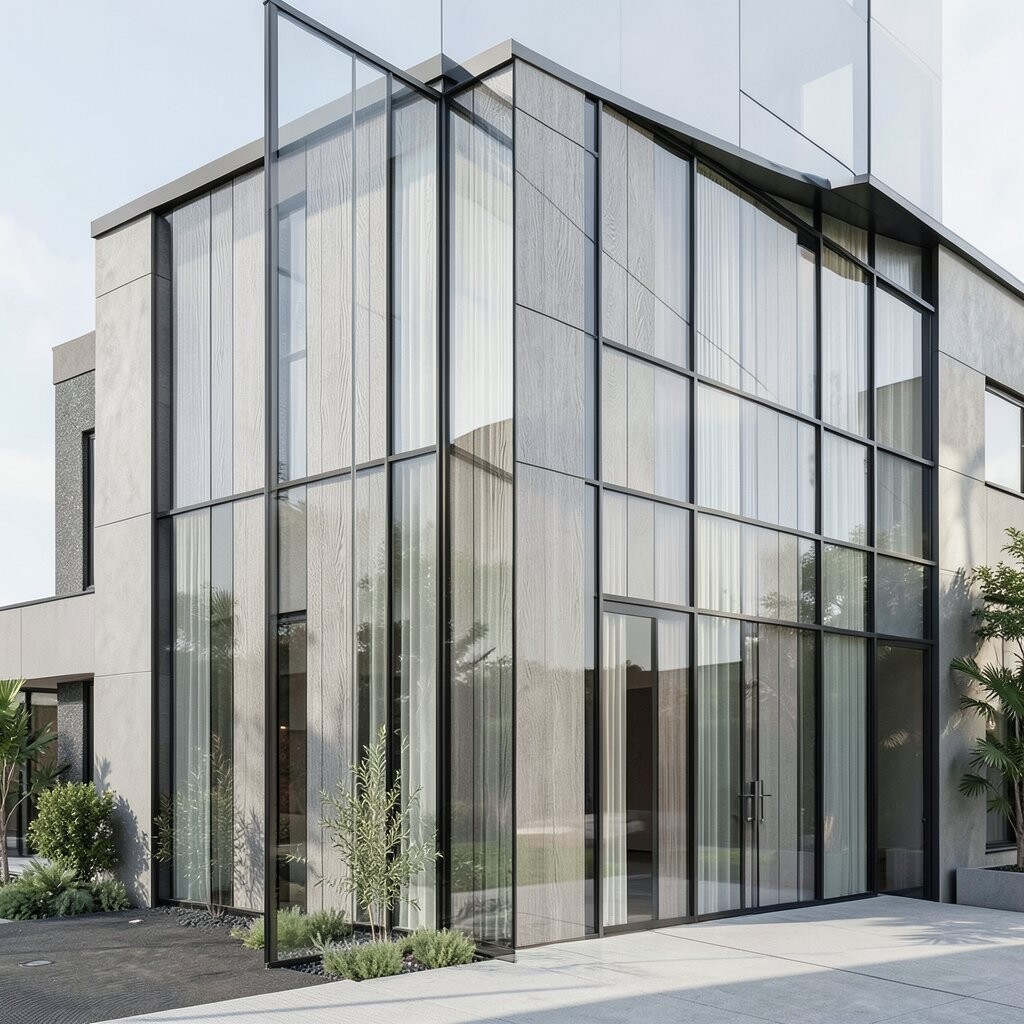
Patterns in windows, bricks, tiles, and railings can make a facade look more organized. Repeated shapes help the eye move across the image in a smooth way.
This is a strong choice for buildings with rows of the same design. It can also help create a modern look that feels neat and tidy.
Try to center the pattern or cut it in a clear way if you want a bold crop. A good pattern shot can feel calm and sharp at the same time.
25. Capture Weathered Charm
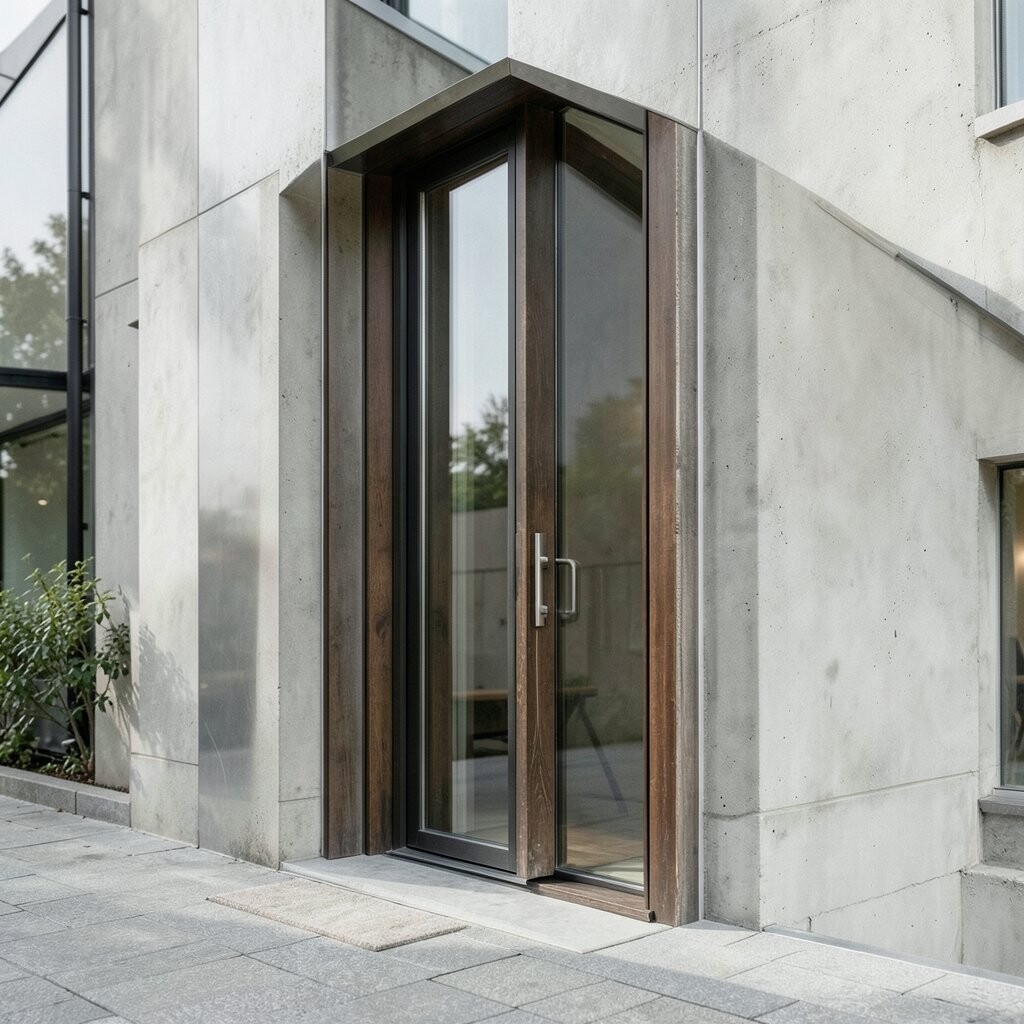
Older facades can look great when you show wear and age with care. Faded paint, worn stone, and small cracks can add real character to the photo.
This style works well for historic buildings, old homes, and shops with a long past. It can make the image feel honest and give the place a clear sense of time.
Try to focus on details that show history without making the photo feel messy. Weathered charm can be a strong trend because it feels real and personal.
26. Try a Panoramic Shot
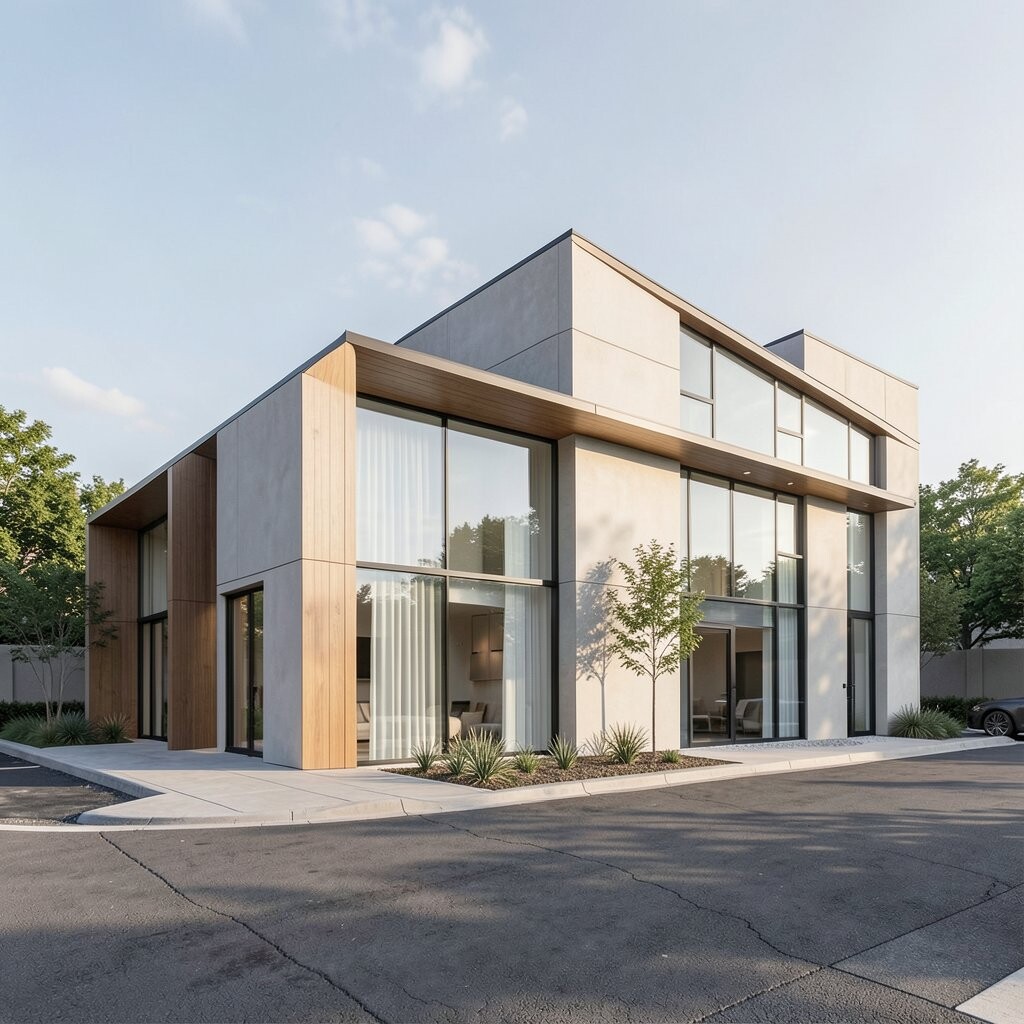
A panoramic shot can show a wide facade in one long frame. It is useful when the building stretches far across the street or has many sections.
This style helps you show more of the scene without making the building feel cut off. It can also be a nice choice for sites that have both the front and the space around it.
Panoramas may take a little more care, but many phones make them easy to use. The result can feel large and open, which suits big modern buildings well.
27. Add Your Own Style with Small Changes
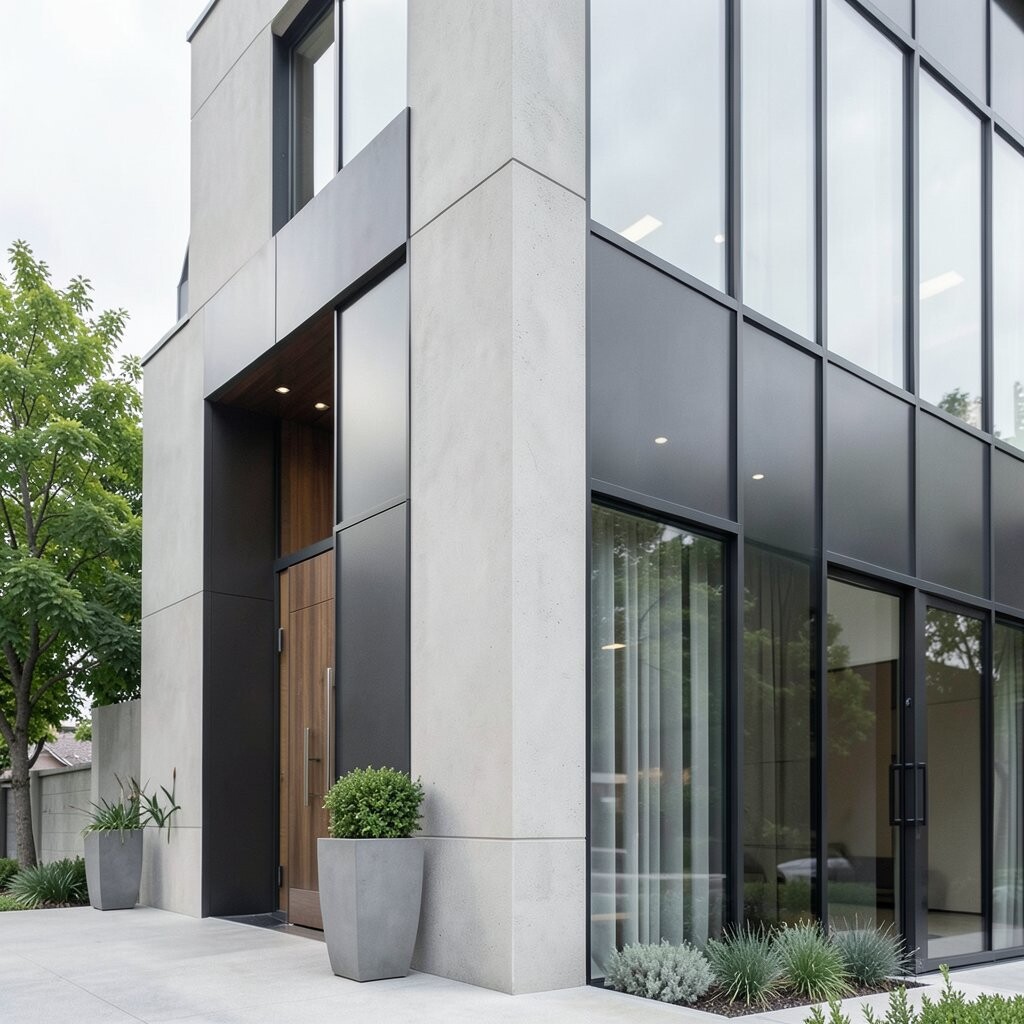
Small personal changes can make a facade photo feel like your own. You might use a favorite angle, wait for a certain light, or include a detail that matters to you.
This is where you can mix all the ideas and make them fit your taste. It may cost very little, but it can help your work stand out from plain shots.
Try a few versions of the same facade and compare them later. Your own choices in framing, timing, and detail can turn a simple building into a photo that feels more thoughtful.