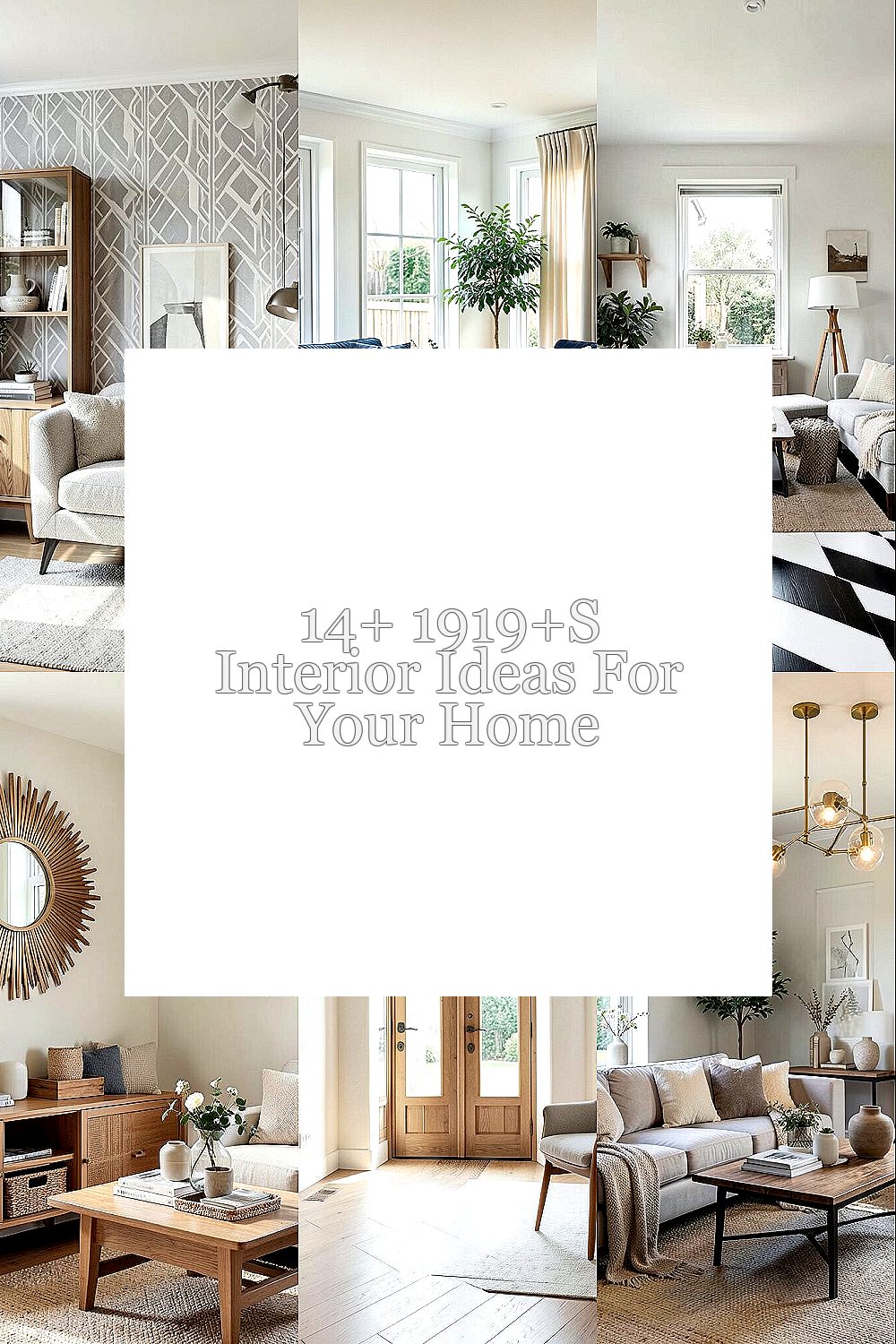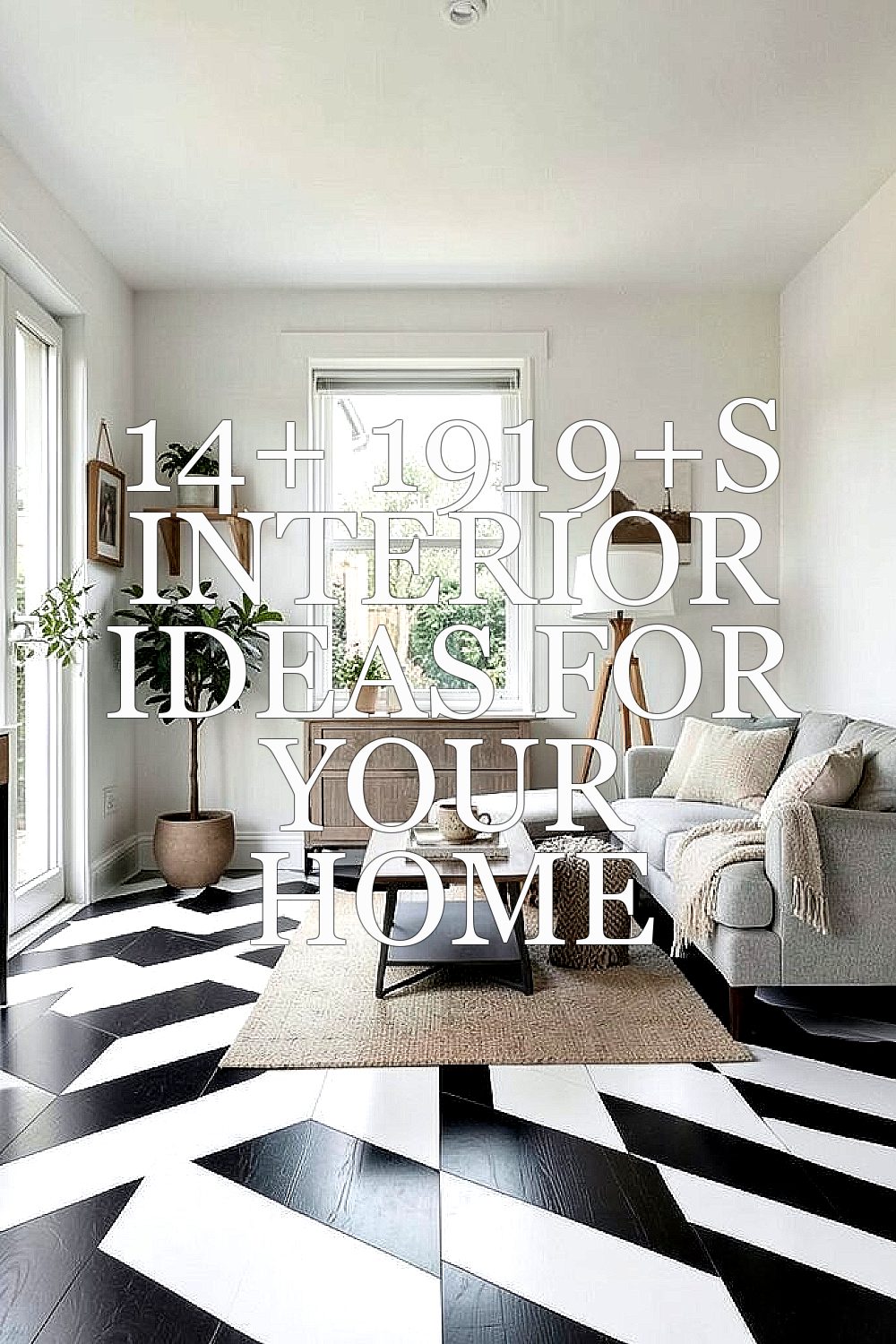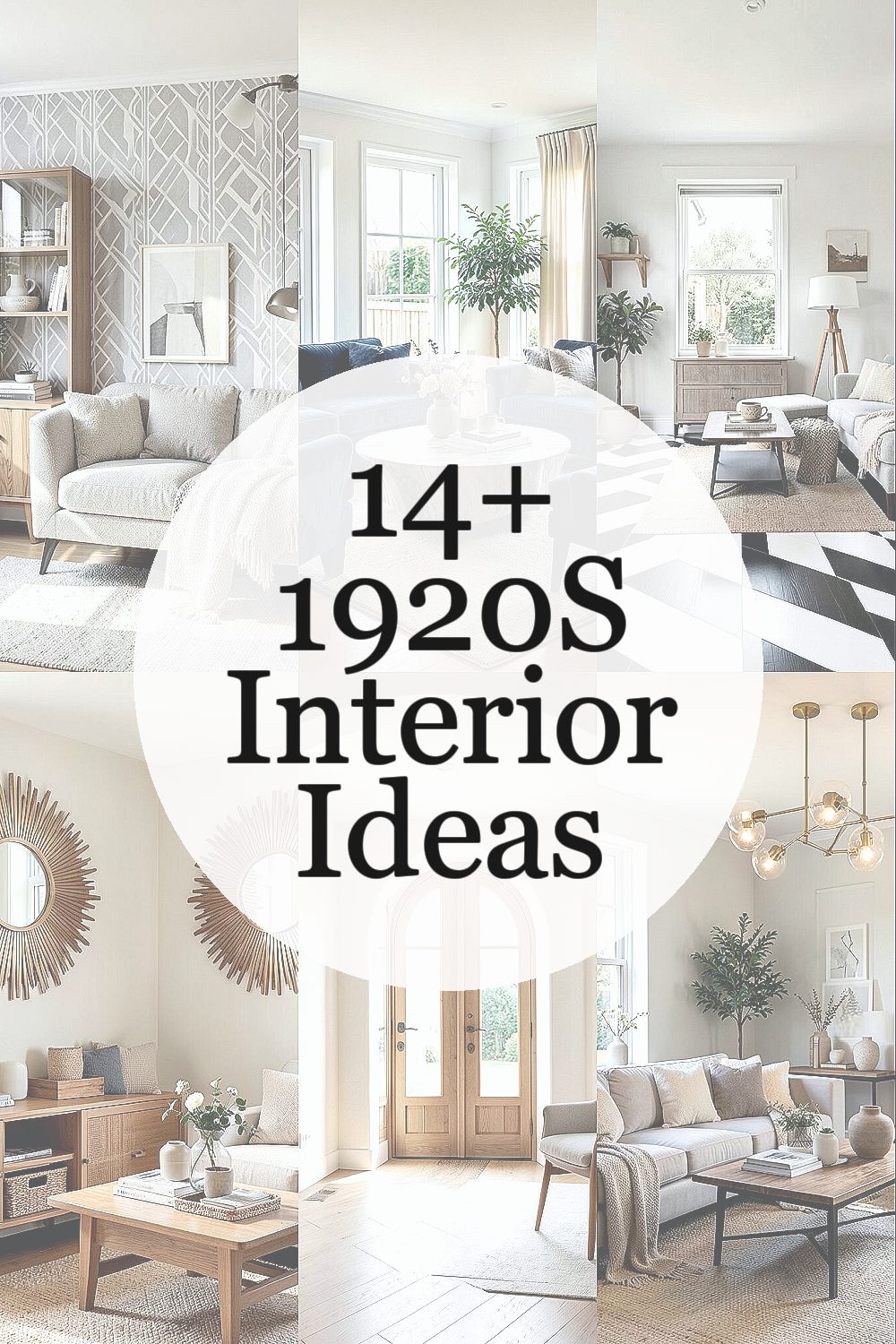
Art Deco and old-world style can give a home a warm and neat look. These ideas can help you make rooms feel full of charm without making them feel hard to use.
1. Geometric Wall Patterns
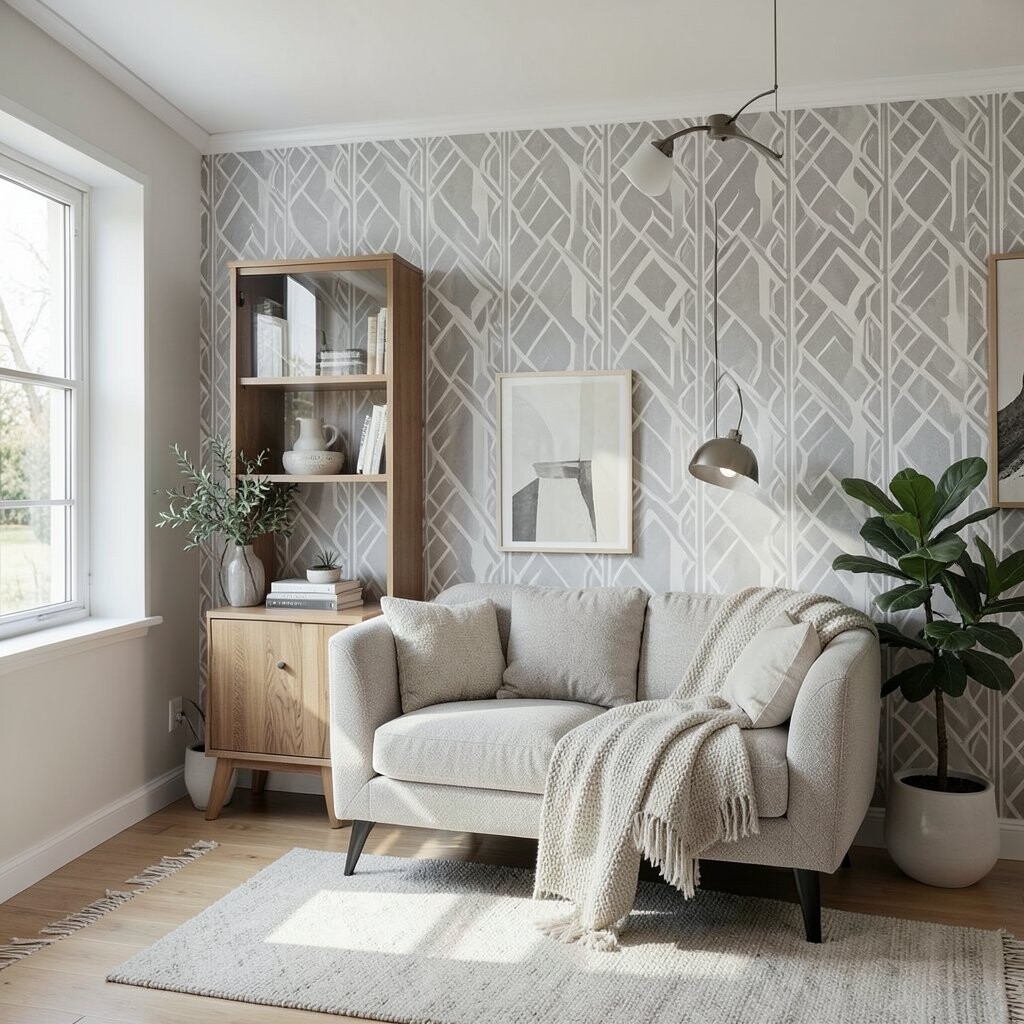
Geometric wall patterns were a big part of the 1920s look, and they still work well today. You can use painted shapes, wallpaper, or simple trim lines to make a room feel more put together.
This style adds clear structure and gives plain walls more life. It can also be a low-cost way to change a room without buying a lot of new things.
Try soft gold, black, cream, or deep green for a classic feel. If you want a calmer room, use the same shape in light shades so the wall still feels clean and easy on the eyes.
2. Velvet Sofas And Chairs
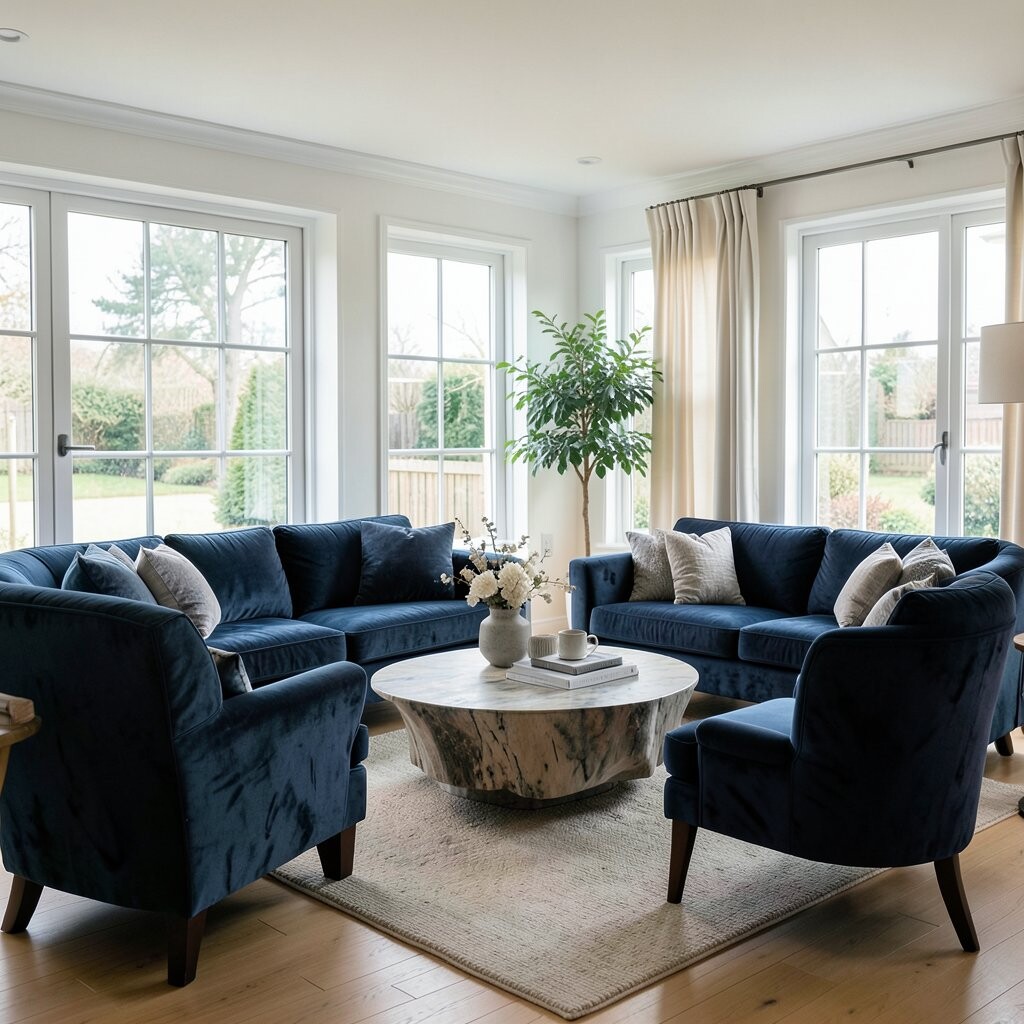
Velvet was a favorite fabric in the 1920s because it looks soft and rich. A velvet sofa or chair can make a room feel cozy and a little fancy at the same time.
This choice works well in living rooms, reading corners, and even bedrooms. It also adds texture, which helps a room feel less flat and more finished.
If a full velvet sofa feels too costly, try one chair or a few pillows first. Deep blue, emerald, and rust are common picks, but soft beige and gray can also fit this style.
3. Black And White Floors
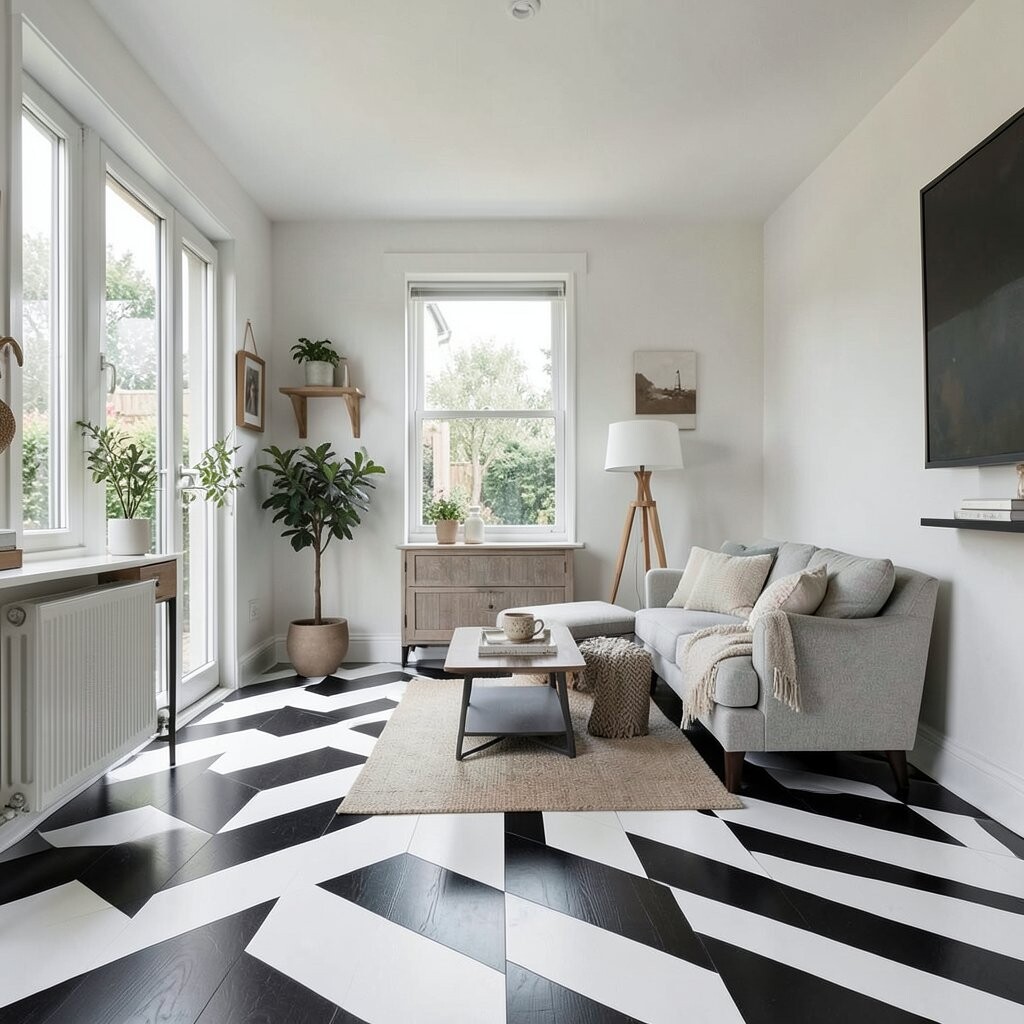
Black and white floors were common in many homes from the 1920s. They bring a sharp look that feels clean, bold, and easy to notice right away.
This idea works well in kitchens, halls, and bathrooms. It can also make a small room feel more planned, since the pattern gives the eye a clear path.
You can use tile, peel-and-stick squares, or even a rug with the same look if your budget is small. If you want a softer feel, pair the floor with wood, cream walls, or warm metal pieces.
4. Sunburst Mirrors
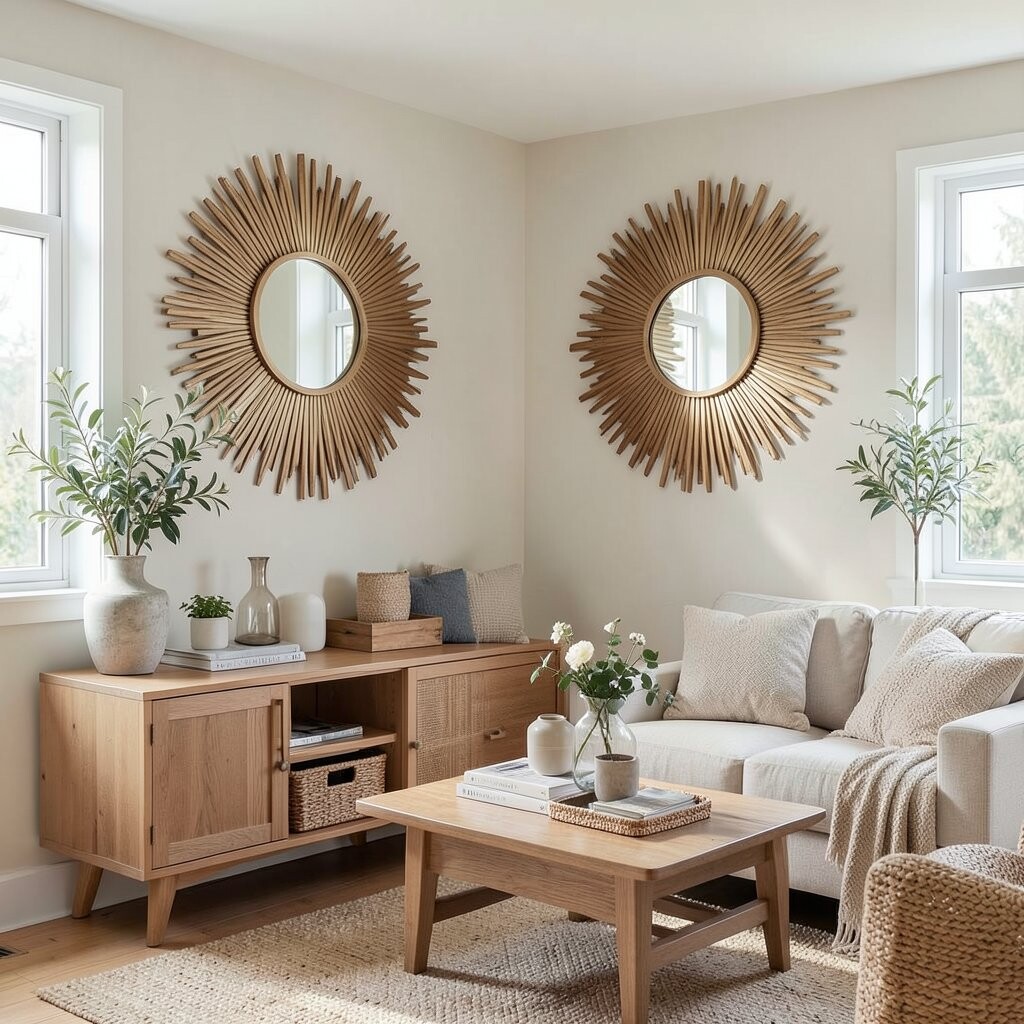
Sunburst mirrors are one of the most known 1920s home pieces. They add shape and shine to a wall and can make a room feel bright without much effort.
They work well above a mantel, in an entryway, or over a dresser. A mirror like this can also help bounce light around, which is useful in dark rooms.
There are many price levels, from thrift store finds to new metal versions. You can pick gold, silver, or painted wood based on the rest of your room.
5. Arched Doorways And Curves
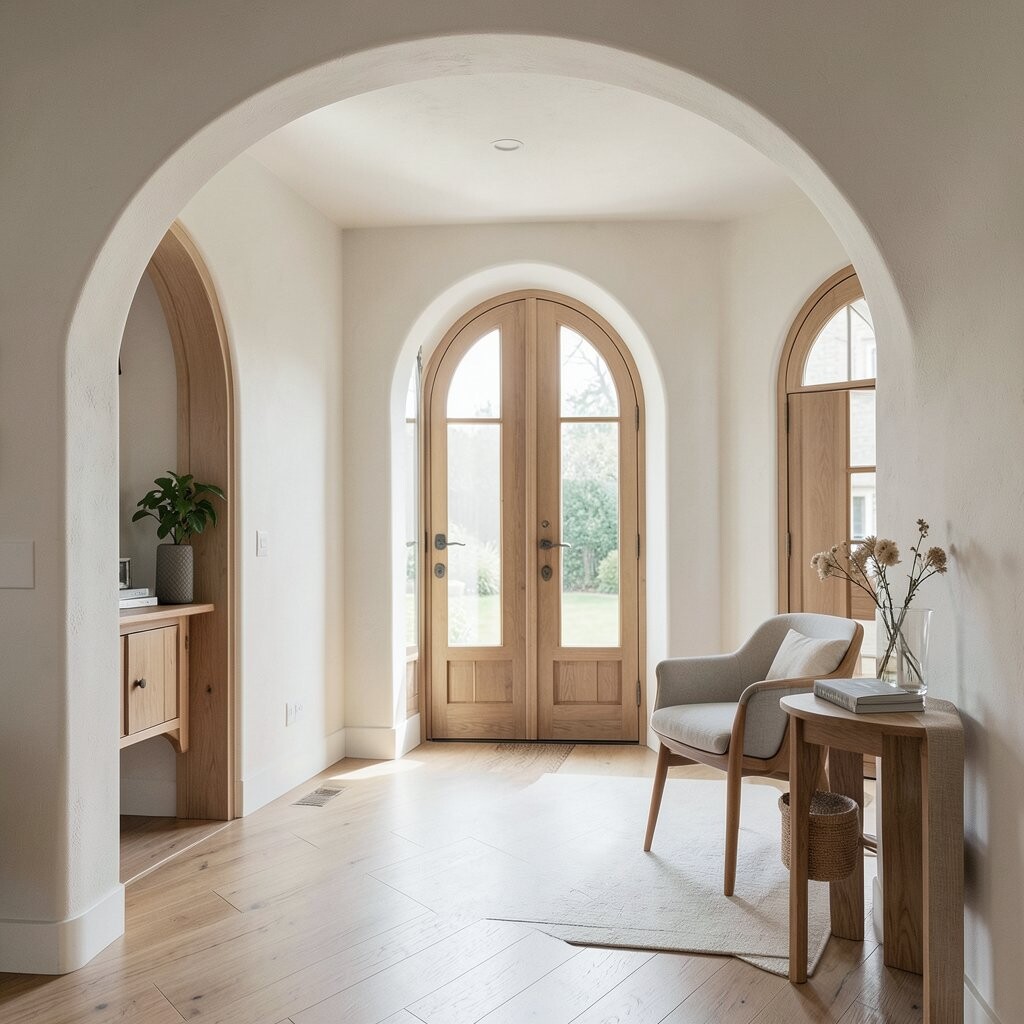
Curved lines were a nice change from the sharp shapes seen in many older homes. Arched doorways, rounded mirrors, and curved chairs can make a room feel soft and calm.
This style helps a space feel less stiff and more easy to live in. It also gives a home a look that feels classic but still fresh.
If you cannot change the doorway, you can still add curves through decor. Try round lamps, oval tables, or a curved shelf to get the same feel at a lower cost.
6. Brass Light Fixtures
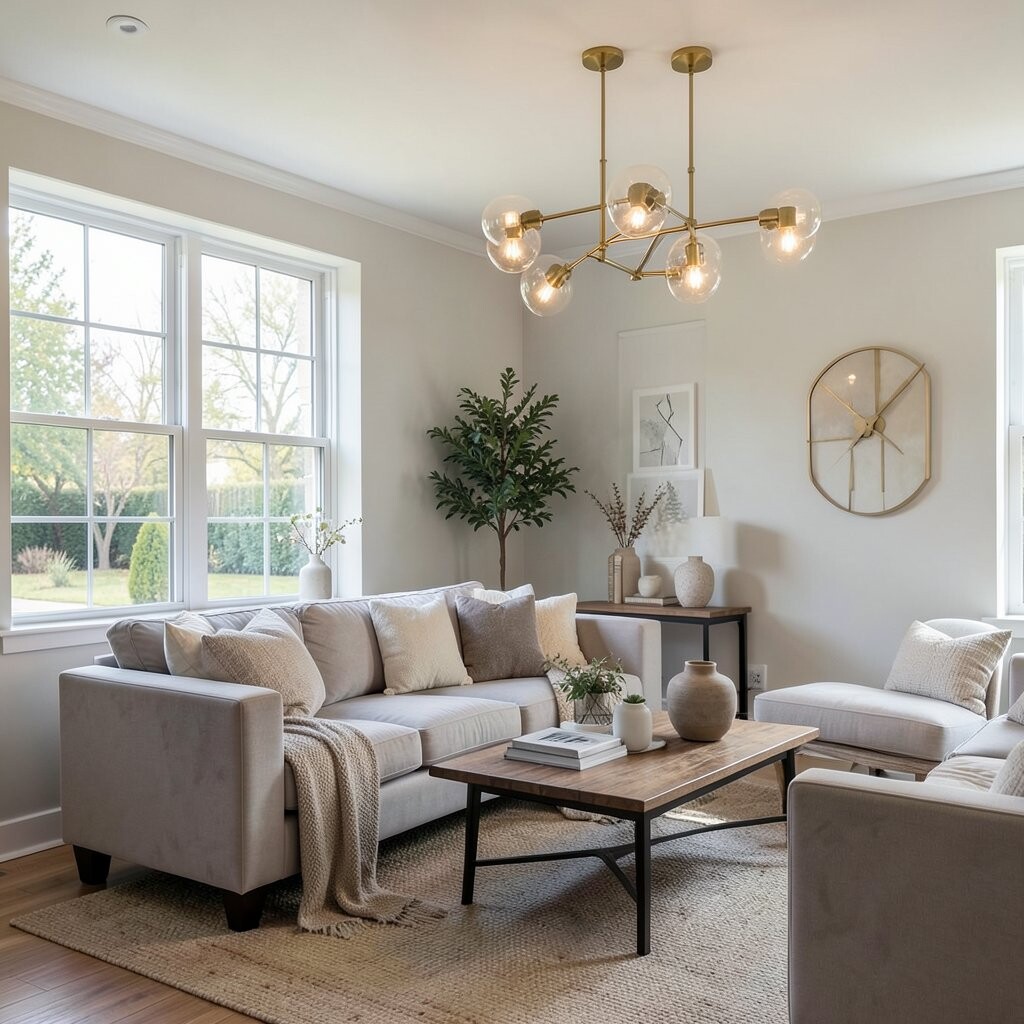
Brass lights fit the 1920s style well because they bring a warm shine. They can make a room feel rich without needing many other changes.
Good lighting is one of the best parts of this style, since it helps the room feel open and useful. A brass lamp, chandelier, or wall sconce can also work as a key design piece.
Use brass with glass shades for a true old look, or mix it with simple white bulbs for a more modern feel. If real brass is too costly, many good metal copies look close enough for daily use.
7. Rich Dark Wood Furniture
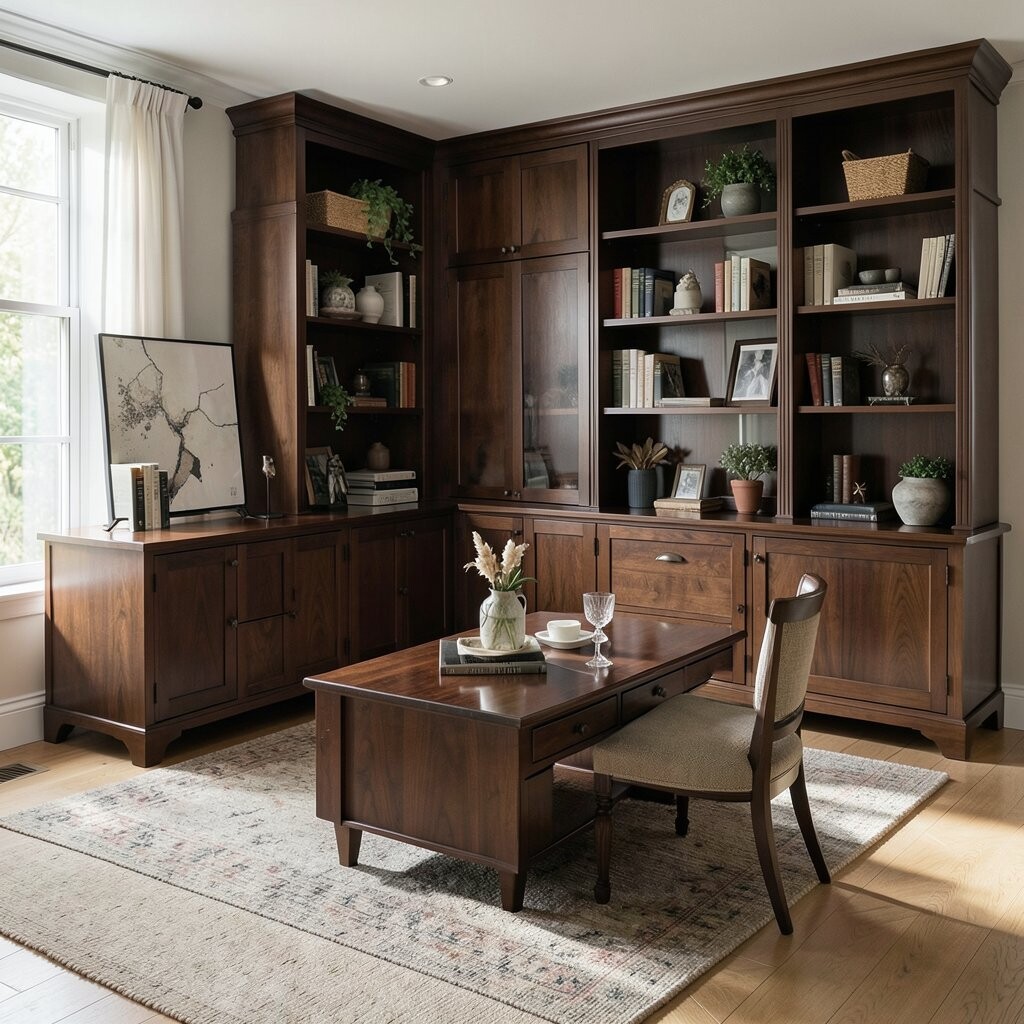
Dark wood furniture was common in 1920s homes and still gives a room a steady, grounded look. It can make a space feel warm and neat, especially when used with light walls.
This kind of furniture works well for tables, dressers, desks, and cabinets. It also hides wear better than many lighter finishes, which is helpful in busy homes.
Try one strong wood piece instead of filling the room with too much dark color. You can balance it with soft fabric, light rugs, or a few shiny accents so the room does not feel heavy.
8. Glass And Chrome Tables
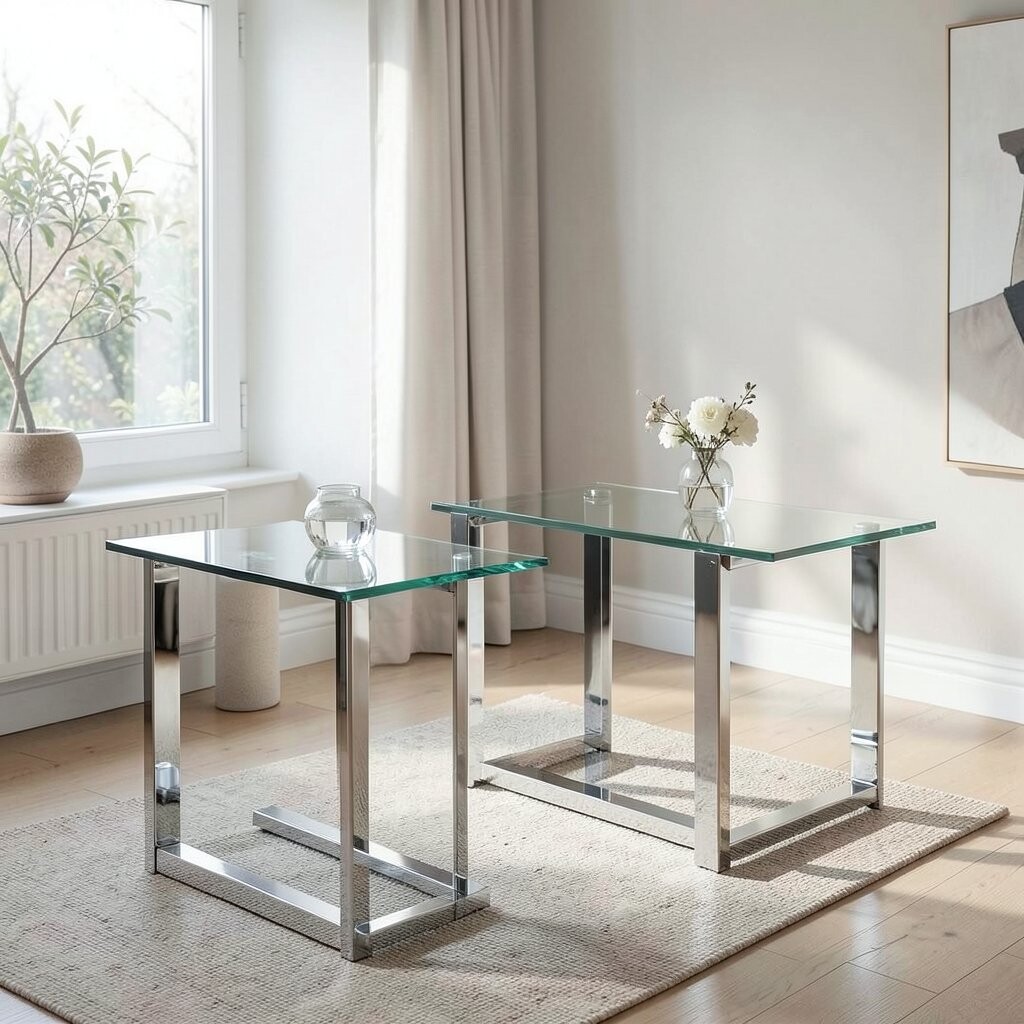
Glass and chrome were popular in many 1920s rooms because they looked clean and modern for their time. These pieces still feel light and neat, which helps smaller rooms stay open.
A glass table can make a room seem less crowded since you can see through it. Chrome legs or frames add shine and give the space a clear Art Deco touch.
These tables come in many price ranges, so they can work for both new shoppers and thrift store fans. If you want a softer look, place one with a rug and a few warm items like books or wood bowls.
9. Bold Wallpaper Borders
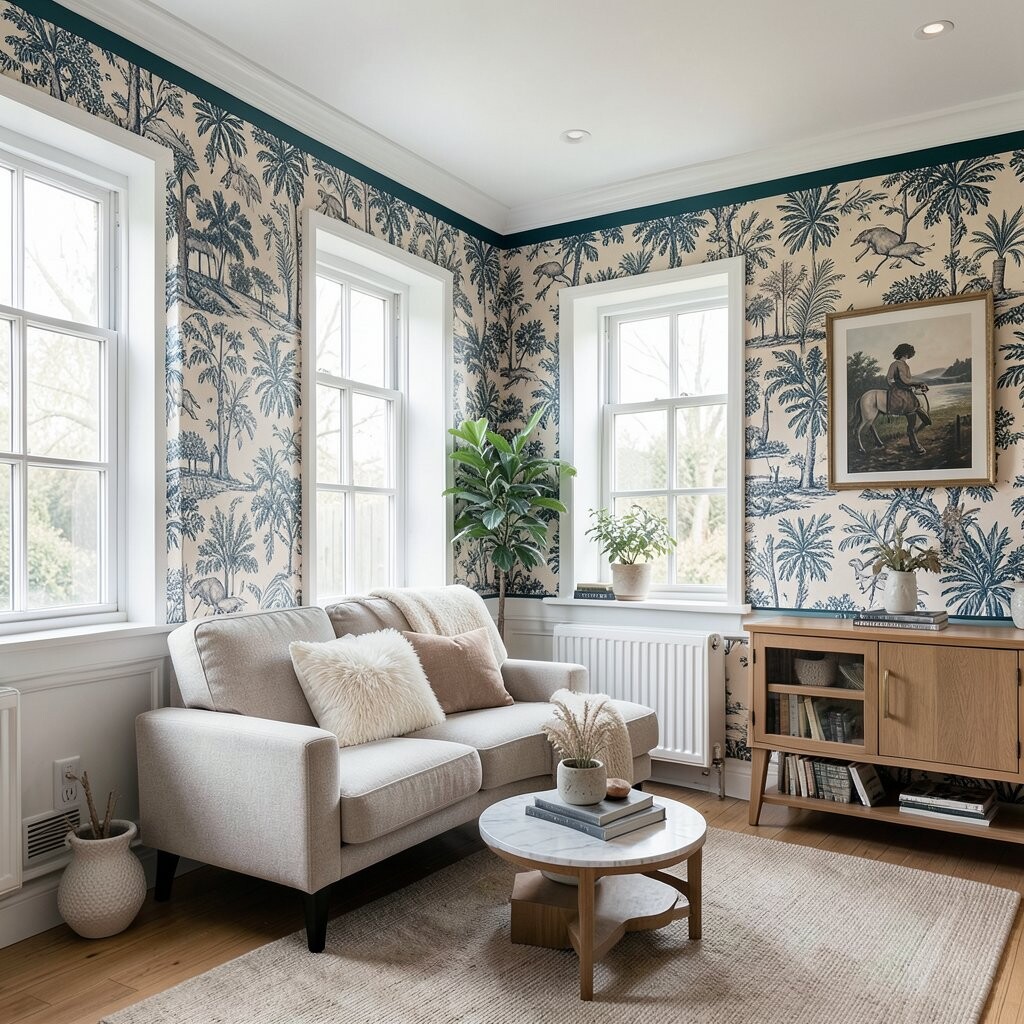
Wallpaper borders were a simple way to add style in the 1920s. They can still be a smart choice if you want a small touch of pattern without covering the whole wall.
This idea is good for halls, dining rooms, and bedrooms. It adds detail near the top or middle of the wall and can help a plain room feel more planned.
Choose a border with fans, lines, flowers, or small geometric shapes. If you rent or want a low-cost fix, peel-and-stick borders are easy to use and easy to change later.
10. Built-In Shelves And Cabinets
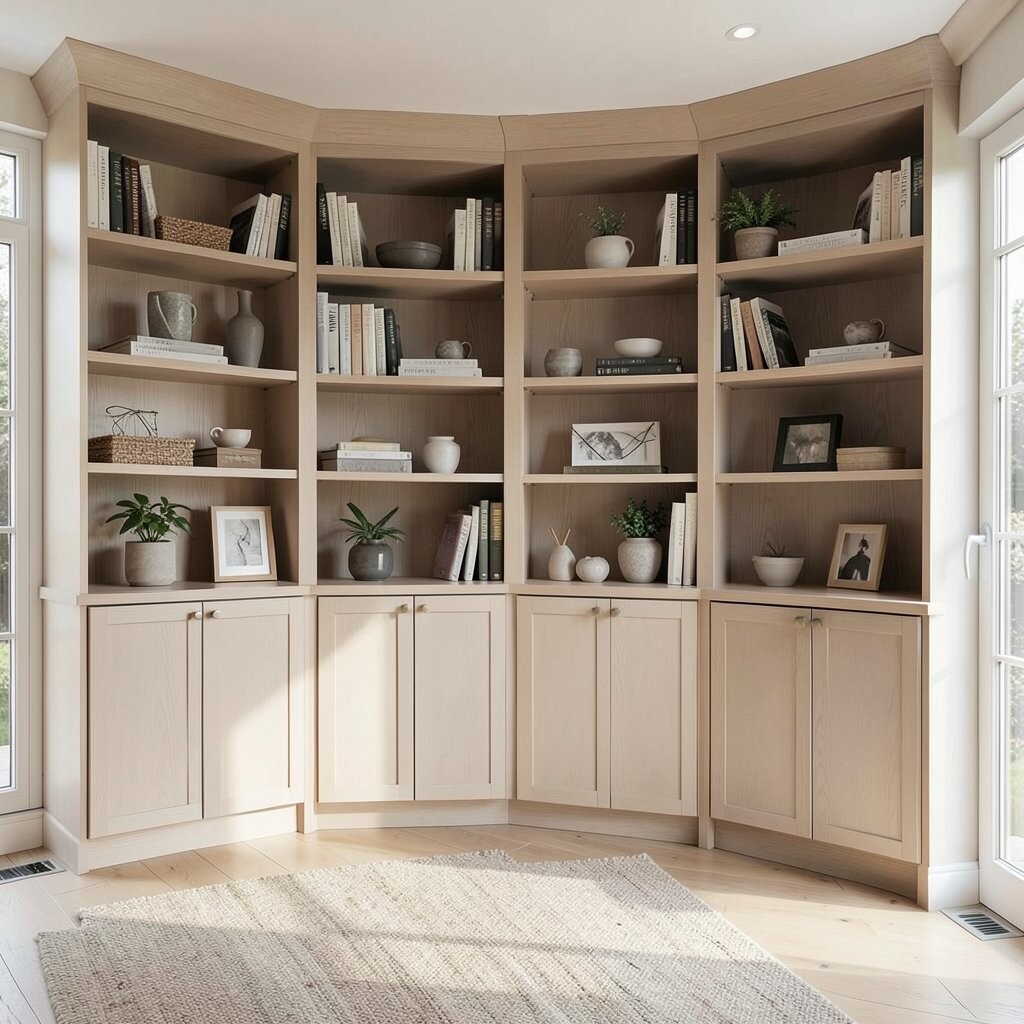
Built-in storage was useful in the 1920s, and it still helps homes stay neat today. Shelves and cabinets can hold books, dishes, or decor while also becoming part of the room design.
This style is good because it saves floor space and cuts down on clutter. It also gives a room a custom look, even if the shelves are simple.
You can paint built-ins the same color as the wall for a calm look or a dark shade for more contrast. Add a few old books, framed photos, or glass items to make the shelves feel personal.
11. Checkerboard Rugs And Tiles
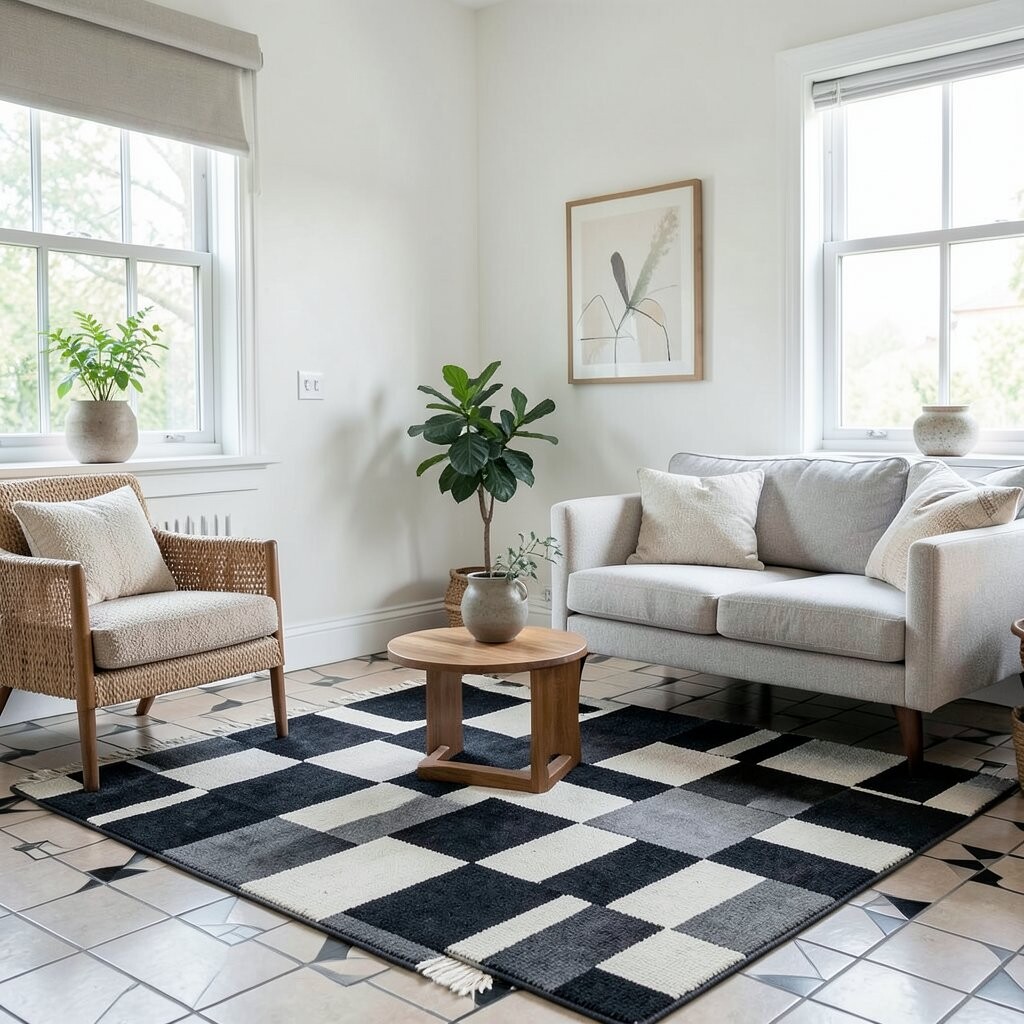
Checkerboard patterns were a strong part of 1920s style and still feel neat and lively. You can use them on floors, rugs, or even small accent pieces.
This look adds movement to a room without making it too busy. It also works well with both simple rooms and rooms with more decor, which makes it easy to use.
Black and white is the most known choice, but tan and cream can feel softer. If you want a cheaper option, try a rug first before changing the whole floor.
12. Statement Chandeliers
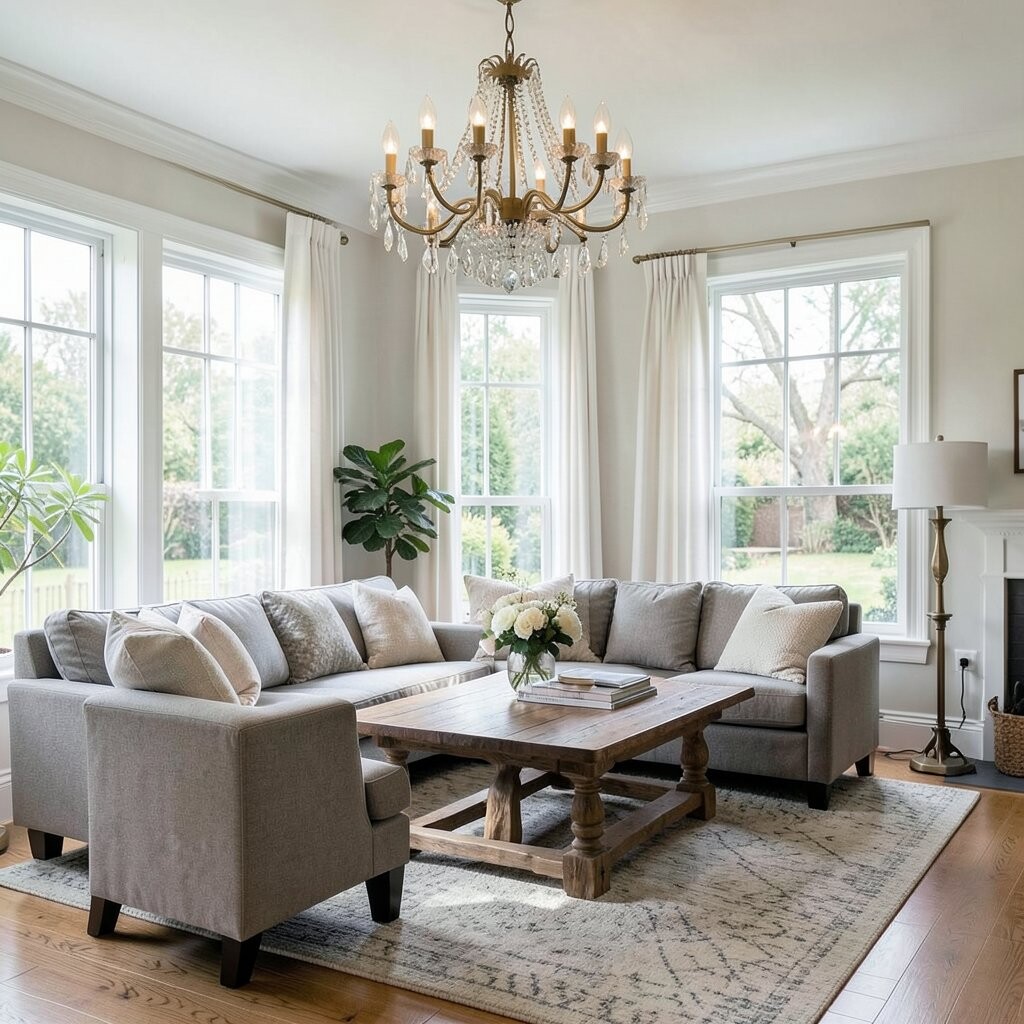
A statement chandelier can bring a strong 1920s feel to a dining room, hall, or bedroom. It gives the room a clear center point and can make even a simple space feel more complete.
Many 1920s chandeliers used glass, metal, and clean shapes. They often looked fancy but still had clear lines, which made them fit many kinds of homes.
Pick a size that fits the room so it does not feel too large or too small. If a full crystal light is out of budget, try a simpler glass piece with a similar shape.
13. Fan Motifs And Shell Shapes
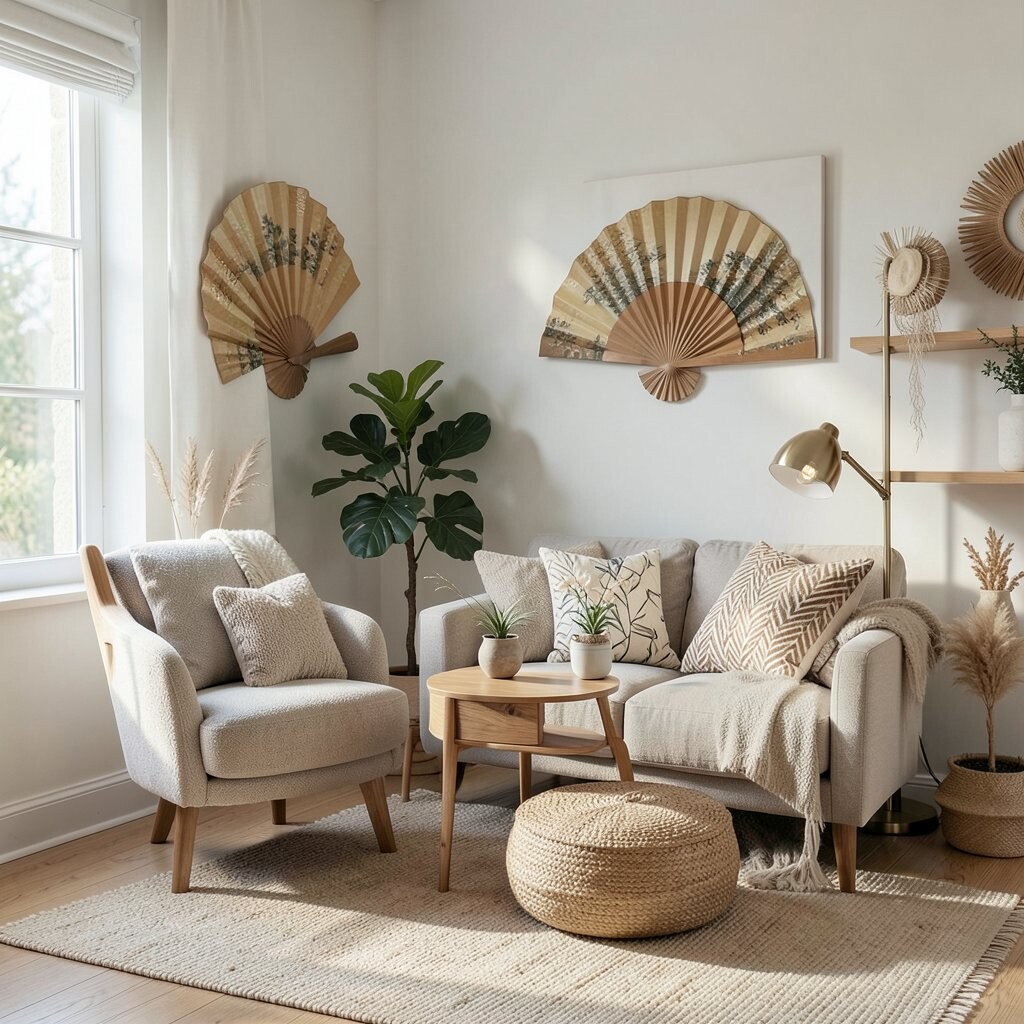
Fan and shell shapes were a common part of 1920s decor and add a soft but stylish look. They can show up in mirrors, wall art, pillows, and even cabinet fronts.
This detail works well because it gives a room a clear theme without needing many items. It also feels a bit different from the usual straight-line decor seen in many homes now.
You can use one or two fan-shaped items to keep the room from feeling too busy. Gold, cream, and soft green are nice colors if you want the shape to stand out in a calm way.
14. Lacquered And Shiny Surfaces
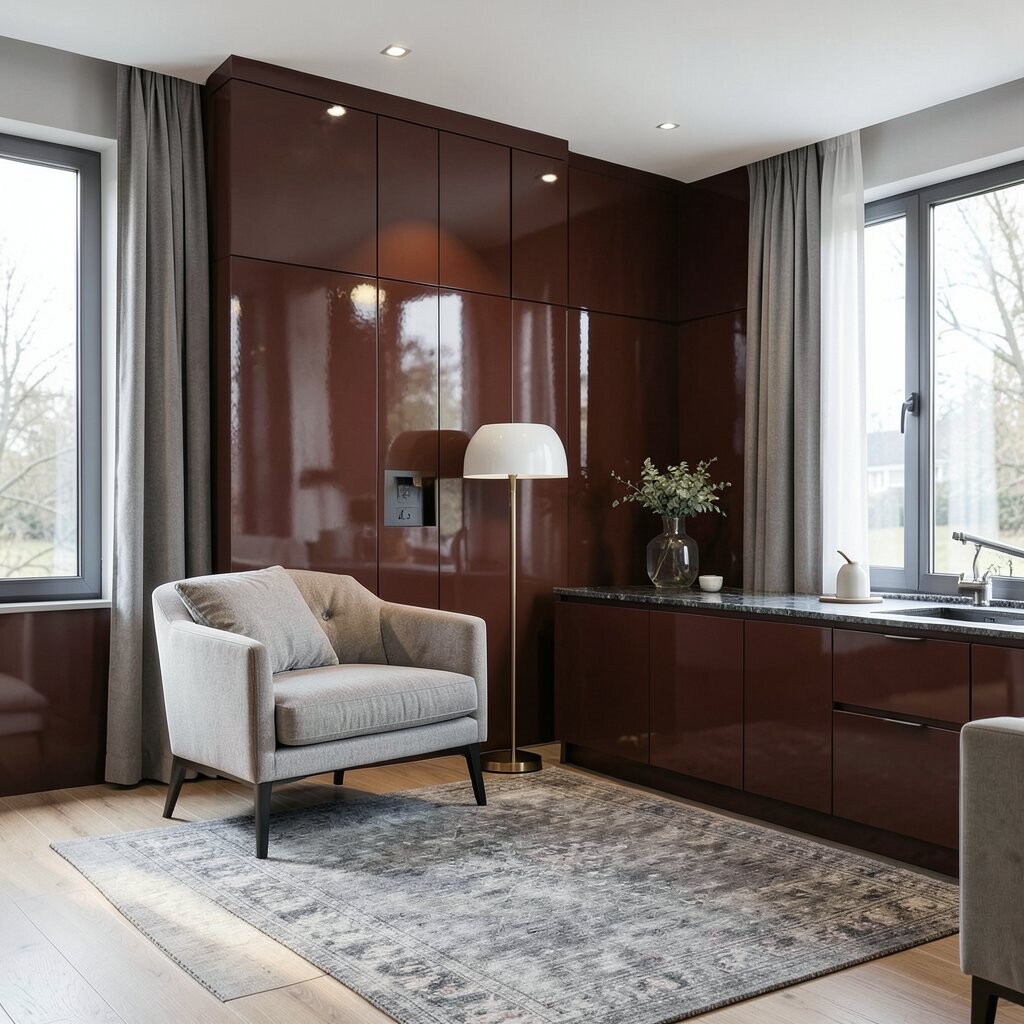
Shiny surfaces were part of the sleek look that many 1920s rooms had. Lacquered tables, glossy cabinets, and polished decor can make a room feel neat and fresh.
This style is good for adding light and making small rooms feel a little larger. It also pairs well with wood, metal, and glass, so it is easy to mix with other pieces.
If full lacquer furniture is too costly, try a shiny tray, lamp base, or side table. Just a few glossy items can give the room the same mood without too much shine.
15. Mixed Old And New Pieces
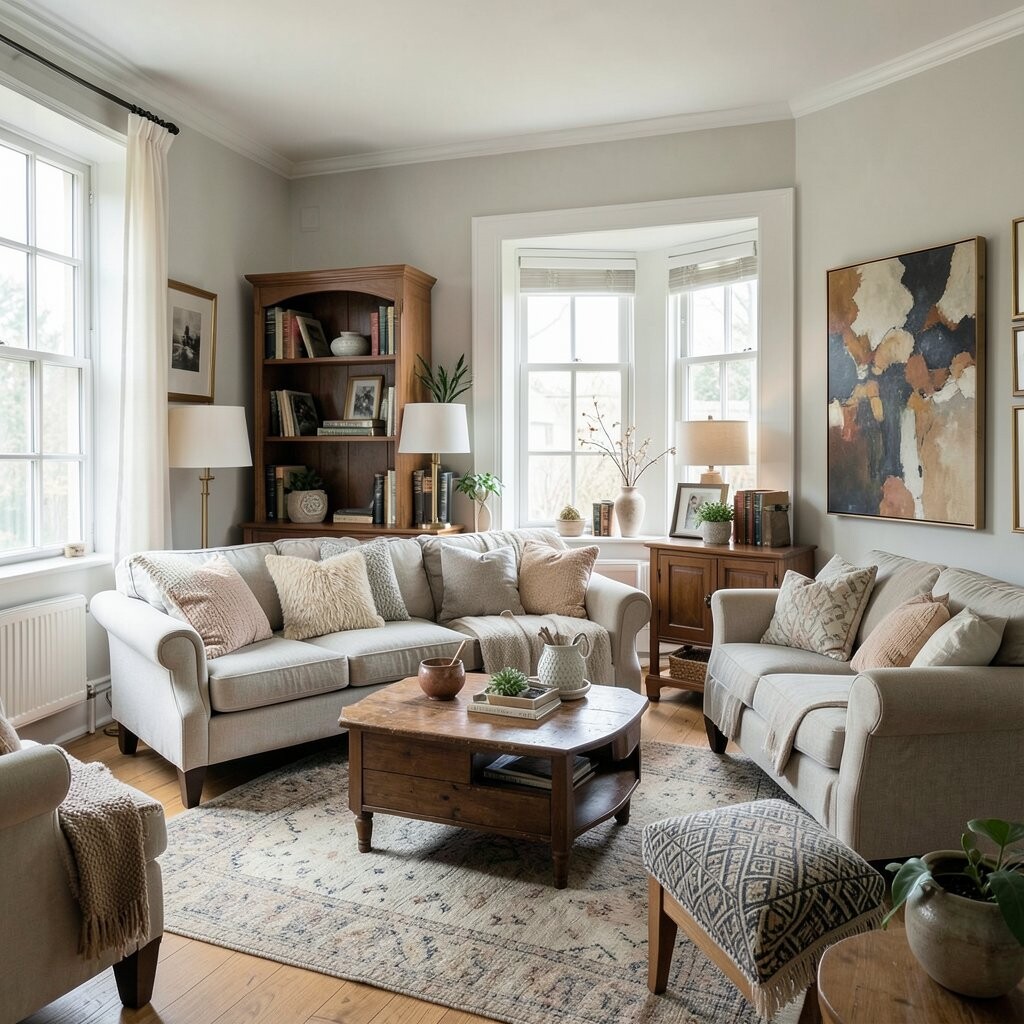
One of the best ways to use 1920s style is to mix old and new pieces in the same room. This keeps the space useful for daily life while still giving it a classic feel.
You can pair a vintage-looking mirror with a modern sofa or use an old wood table with newer chairs. This mix helps the room feel personal, not like a set made for a photo.
Try to keep one color group or one main material so the room stays balanced. Mixing styles can also help with cost, since you can buy a few older items and fill the rest with simple new ones.