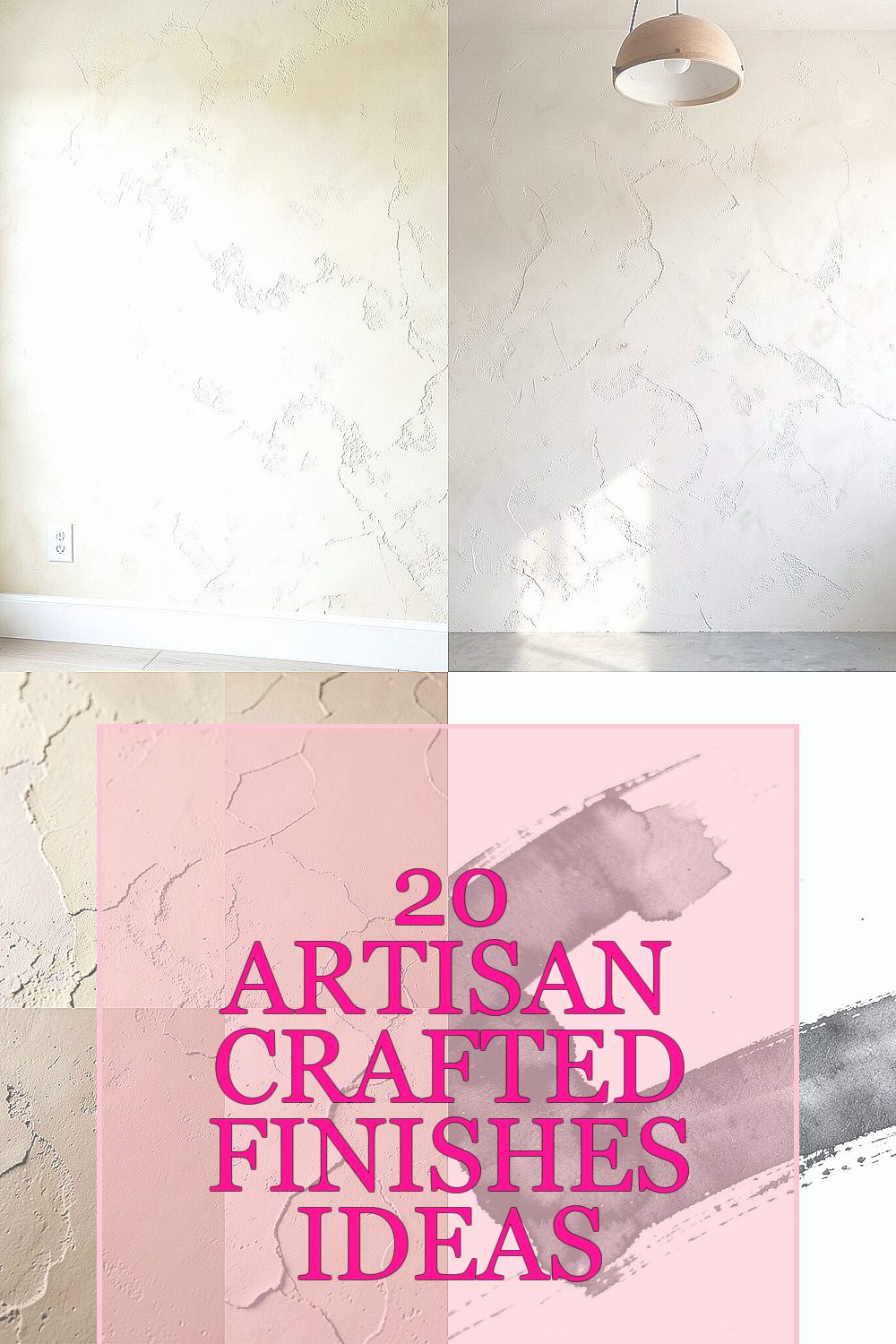
Details have a way of speaking before you even say a word. When finishes feel handmade, your home starts to feel personal.
From warm plaster effects to hand-brushed metals, artisan touches add depth you can see and feel. They also bring that “someone cared” feeling that mass-made surfaces just can’t match.
-
1. Limewash Wall Finish
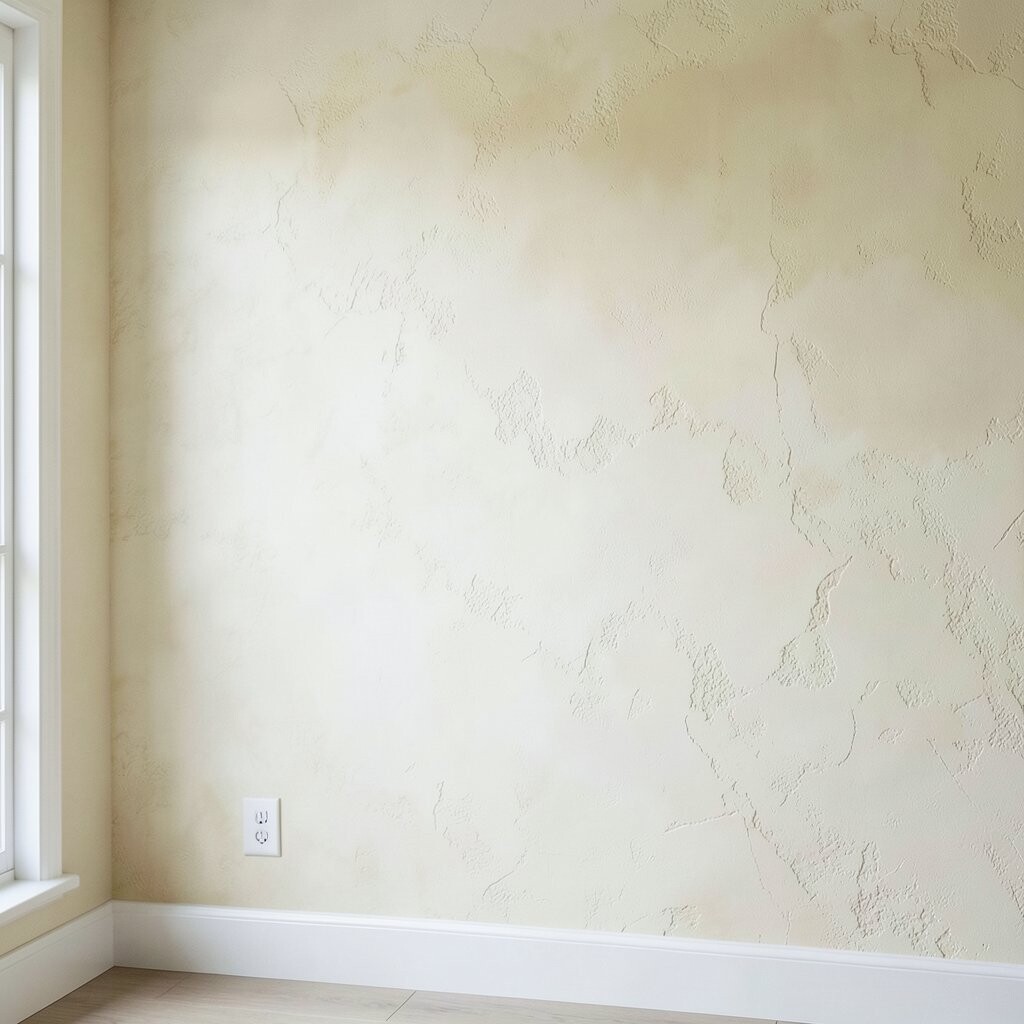
Limewash Wall Finish Limewash gives walls a soft, breathable look with cloudy depth. It can look like gentle stone clouds drifting across the surface.
Because limewash is vapor-friendly, it helps walls stay comfortable over time. You get natural variation from batch to batch, which means no two rooms look exactly the same. Pick a shade that matches your lighting, then test a small patch before committing.
-
2. Hand-Troweled Venetian Plaster

Hand-Troweled Venetian Plaster Venetian plaster creates smooth yet layered shine that feels almost silky. When the light hits just right, you’ll notice subtle swirls and tiny highlights.
This finish looks high-end without needing flashy decor. It’s durable when sealed well, so it can handle everyday life. Choose a plaster color base and then ask the artisan about metallic additives if you want a gentle glow.
To keep it looking fresh, avoid harsh cleaners and use soft, non-abrasive tools. For cost, plan for professional application, because the hand skills matter. If you want a budget-friendly option, start with a feature wall.
-
3. Clay Plaster With Natural Texture
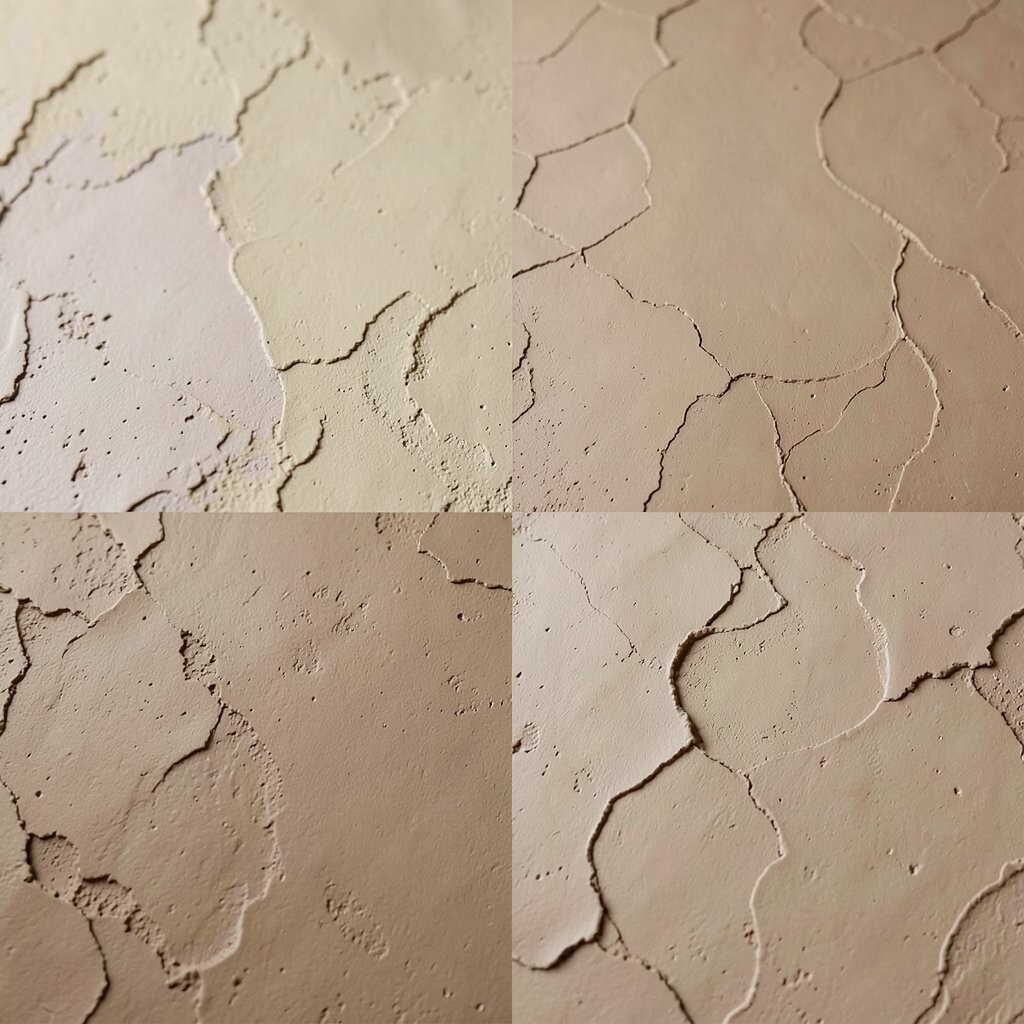
Clay Plaster With Natural Texture Clay plaster looks cozy and earthy, with a tactile, natural grain. You can see tiny marks that feel handmade, like a calm landscape.
It helps soften echo in rooms, which is a nice bonus in busy homes. Clay also supports a healthier indoor feel because it can regulate moisture. Ask for a color mix that matches your vibe—warm terracotta for a grounded look, or pale oat for airy calm.
For personalization, consider adding a subtle aggregate to create extra speckle. Costs usually depend on thickness and finishing level, so get a clear quote. Pair it with simple trim and warm wood so the texture gets to shine.
-
4. Sumi Ink Inspired “Brushstroke” Accent
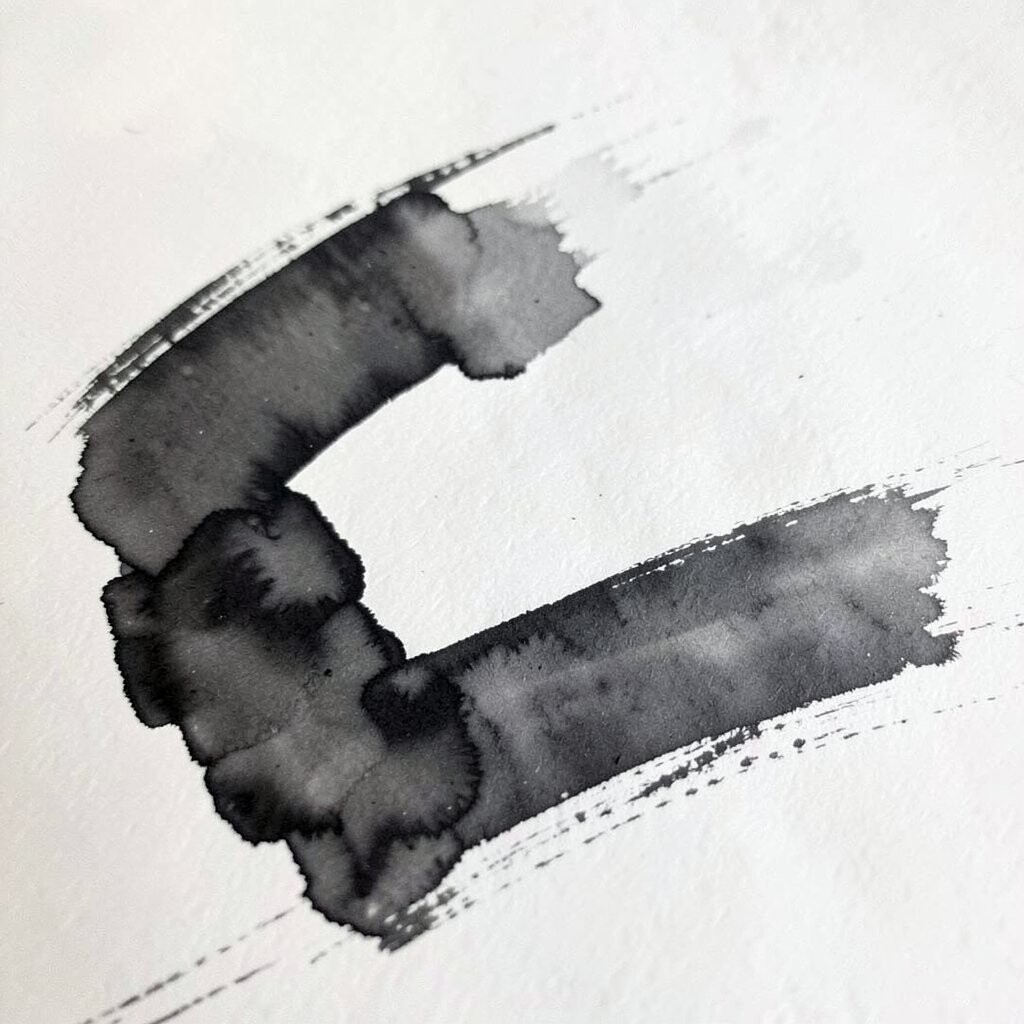
Sumi Ink Inspired “Brushstroke” Accent This finish uses ink-like tones to paint bold strokes that feel artistic and modern. You’ll see deep charcoal lines layered over lighter base colors for contrast.
It’s unique because the pattern depends on the artist’s hands, not a printed design. It also helps you create a focal point without adding heavy furniture. Keep the rest of the room calm, then use one accent wall or a tall niche to balance the drama.
-
5. Stenciled Gilded Corners With Leafwork
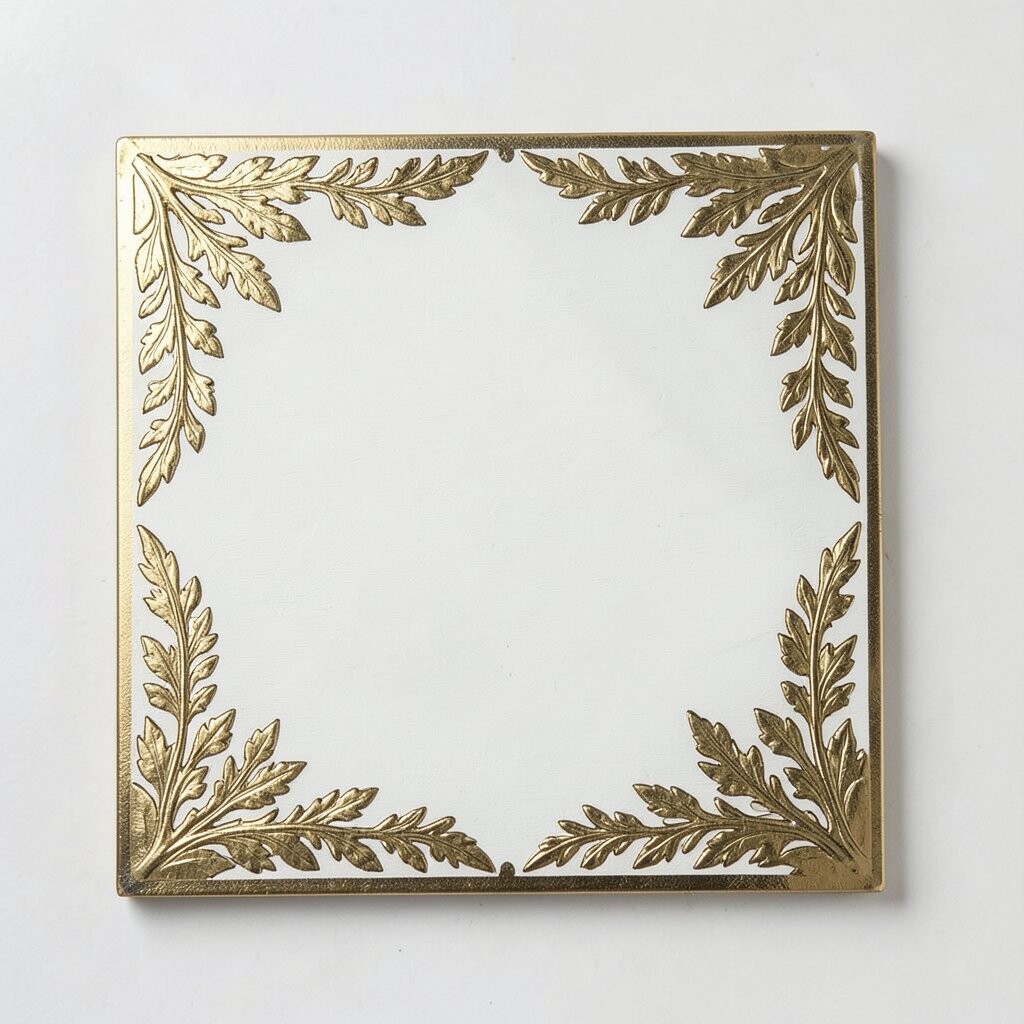
Stenciled Gilded Corners With Leafwork Leafwork adds crisp sparkle along edges, corners, and moldings. Even a small amount can catch light like jewelry for your walls.
Gilding feels special because it’s handcrafted and not perfectly repeatable. It can make simple architecture look ornate in a tasteful way. Choose a metallic tone—gold for warmth, brass for soft brightness, or silver for a cooler mood.
If you want it to feel effortless, limit gilding to corners, chair rails, or around ceiling medallions. Costs can vary a lot based on leaf type and coverage, so plan your budget around the high-impact areas. For personalization, match the leaf tone to your cabinet hardware and light fixtures.
-
6. Hand-Rubbed Wood Varnish (Satin Glow)

Hand-Rubbed Wood Varnish (Satin Glow) A hand-rubbed varnish creates a gentle satin glow on wood surfaces. You’ll notice the grain looking deeper, almost like it’s been warmed from within.
It protects against daily wear while keeping wood looking natural. This finish is great for trim, shelving, and built-ins where you touch things often. For tips, ask about sealer compatibility and choose a low-VOC option if you want better air comfort.
Costs can be reasonable compared to plaster, but they depend on the number of coats and how much prep is needed. Personalize by staining slightly before the varnish, then request a custom sheen level. Pair it with matte paint walls so the wood glow feels intentional.
-
7. Oil-Rubbed Bronze or Iron Patina
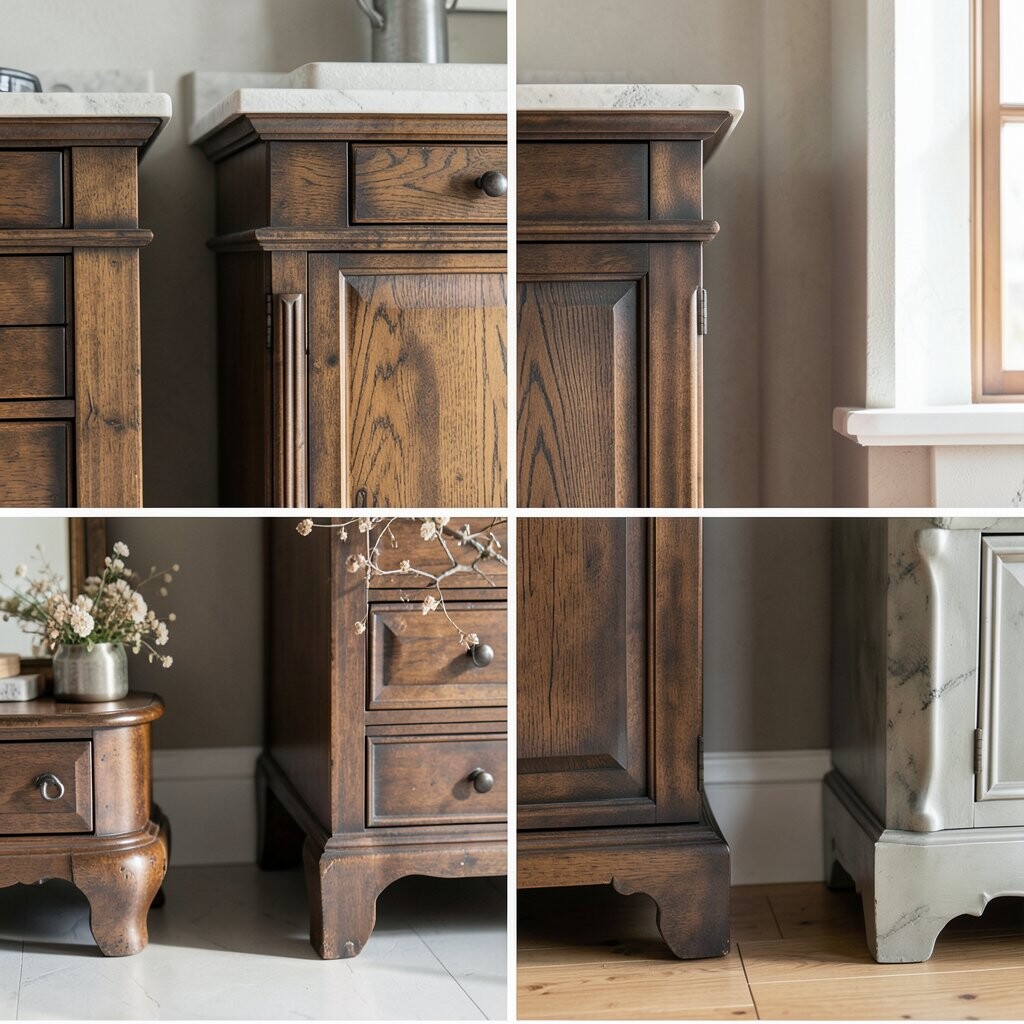
Oil-Rubbed Bronze or Iron Patina Patina finishes look like metal has lived a little, with gentle dark-to-light variation. You may see soft waves of tone that make hardware feel one-of-a-kind.
This finish is unique because oxidation and hand finishing never repeat exactly. It hides fingerprints better than shiny metals, which is a real everyday benefit. When selecting, confirm the patina type so it won’t wear off too quickly.
For personalization, coordinate patinated knobs with a matching faucet or light fixture. Costs can be higher for custom patina work, but you can use it strategically on key pieces. A great trick is to upgrade only “touch points” first—pulls, handles, and hinges.
-
8. Moroccan Tadelakt Shower Finish
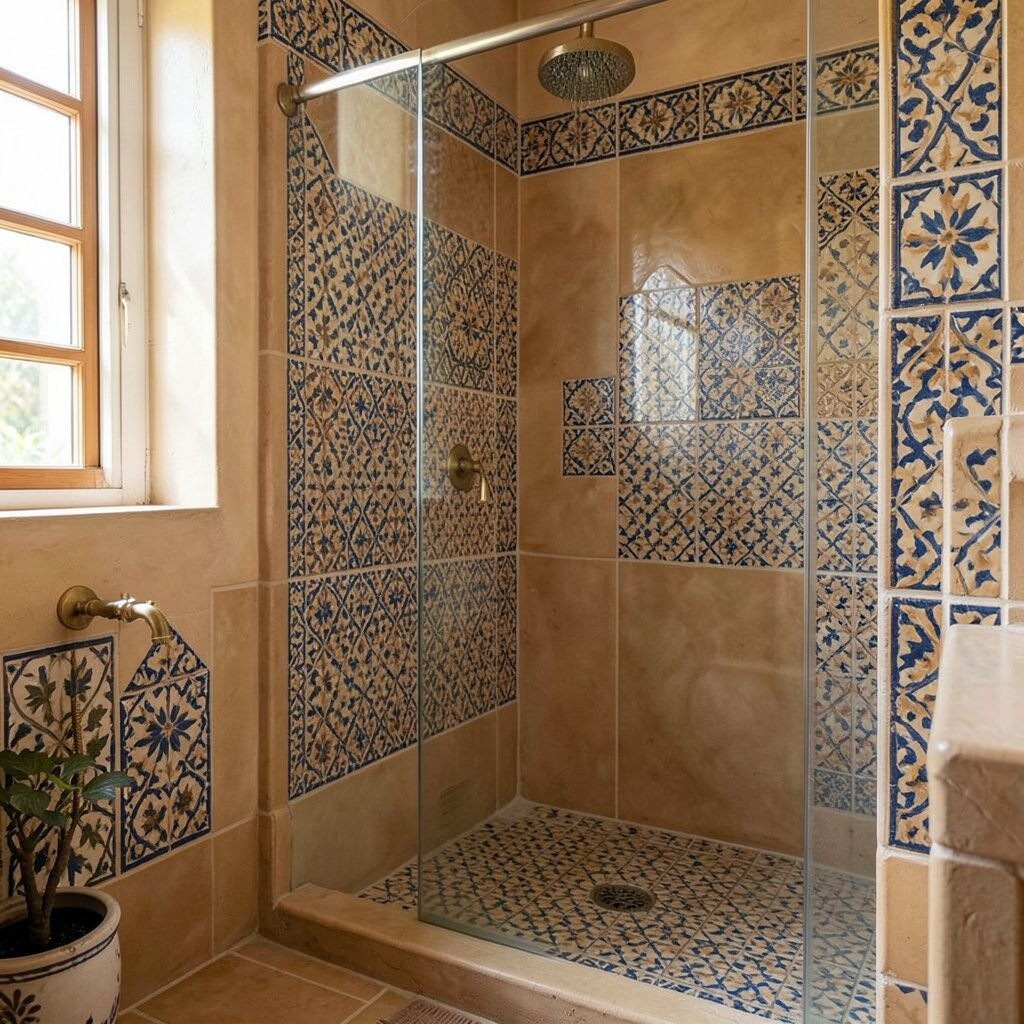
Moroccan Tadelakt Shower Finish Tadelakt creates a smooth, elegant wall surface that feels almost sculpted. In wet areas, it gives a polished look with subtle color depth.
One big benefit is water resistance when it’s applied correctly. It can also reduce mold concerns because it’s dense and well sealed. If you’re thinking about this, hire a specialist familiar with tadelakt rules, and ask about maintenance for long-term beauty.
-
9. Sponged Lime Paint for Soft Depth
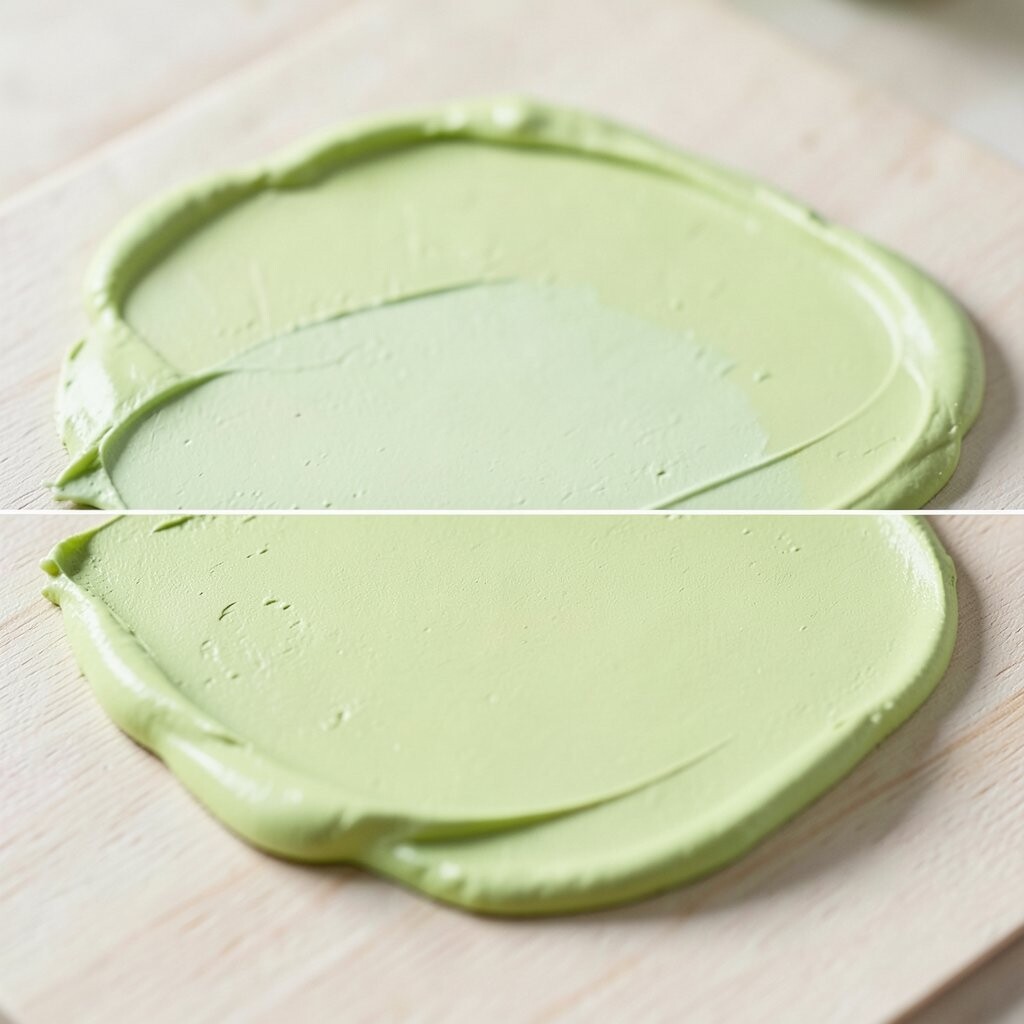
Sponged Lime Paint for Soft Depth Sponging creates a cloudlike effect with gentle highs and lows. You’ll see movement across the wall instead of flat, even color.
This technique helps hide minor wall flaws because the texture breaks up shadows. It also adds old-world charm without needing fancy trim. Pick two closely related tones for a natural look that feels calm.
For personalization, choose a base color that matches your flooring undertone. Cost is usually moderate since sponging can be done in phases, but it still requires skilled labor for a smooth blend. If you want a lighter budget, sponge just the lower half or a doorway frame.
-
10. Rope-Cast Plaster or Straw Composite Panels
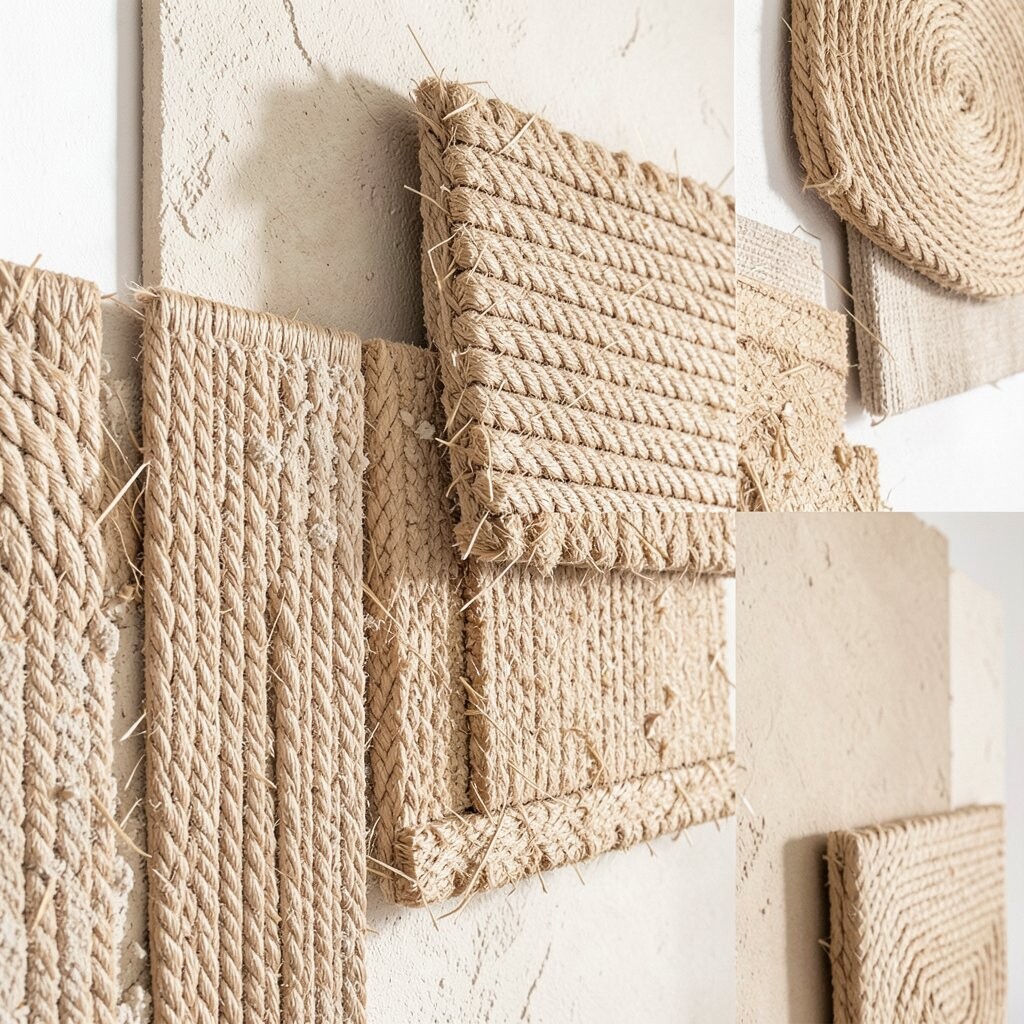
Rope-Cast Plaster or Straw Composite Panels Rope-cast finishes show fibers and patterned texture pressed into plaster. The result looks warm, natural, and full of character.
This style is a great way to add depth without relying on bulky decor. It can also bring better acoustic comfort depending on the system used. Ask about thickness and installation so you know how it will feel when light and shadows move across it.
Costs vary based on panel size and custom molding, so request samples and pricing per square foot. For personalization, choose fiber colors that peek through, like creamy straw tones or darker cocoa shades. Pair the panels with clean lines so the texture stays the star.
-
11. Rag-Rolled Paint With Gentle Variation
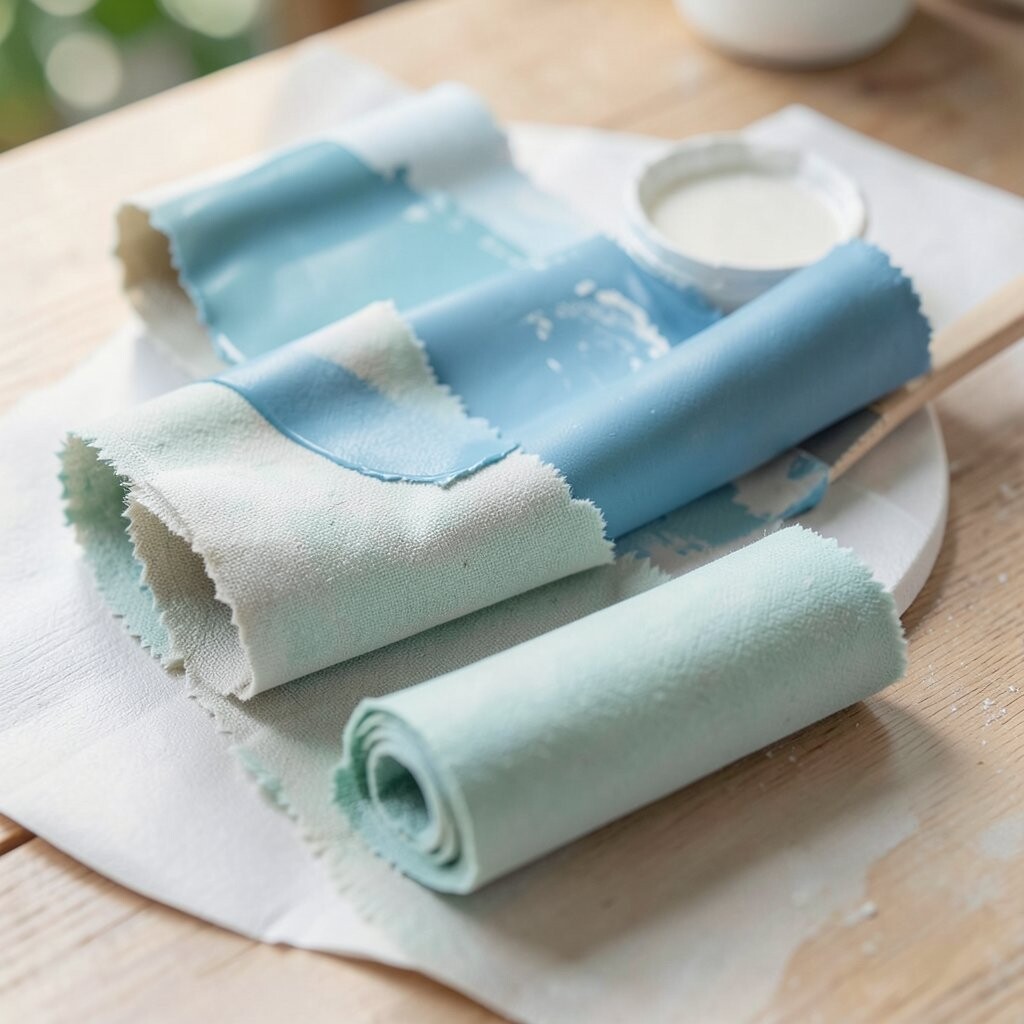
Rag-Rolled Paint With Gentle Variation Rag-rolling makes paint look softly blended, like fabric pressing into color. You get a cozy, lived-in effect that feels calm and welcoming.
It’s great for reducing the look of brush marks and uneven sheen. The technique can also make large spaces feel less flat. Choose colors that work with your daylight—cool rooms often benefit from warm mid-tones.
For tips, start with a primer that matches your base, then ask for a consistent roller nap. Costs are often lower than plaster because the materials are common, but labor still matters for an even “blend.” Personalize with a slightly warmer glaze over the top to add glow.
-
12. Hand-Brushed Chalk Paint Cabinet Finish
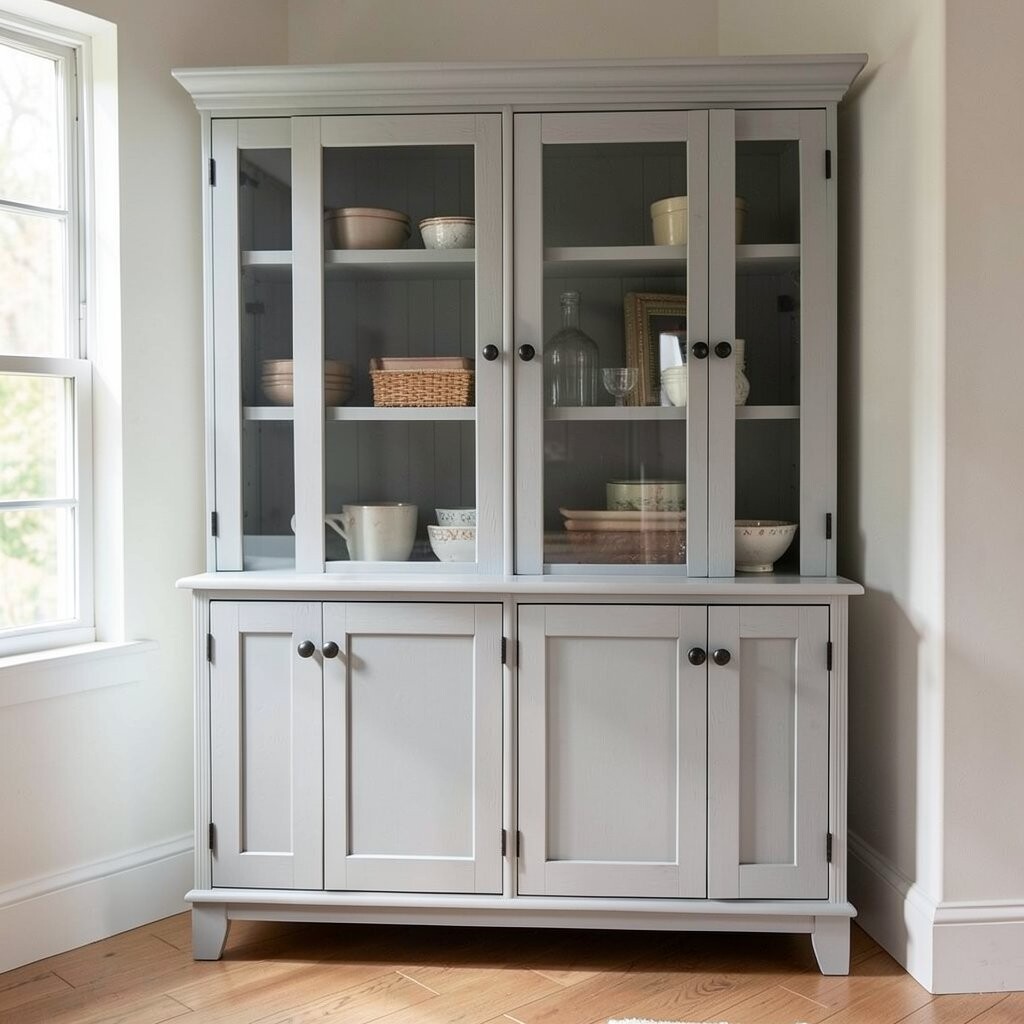
Hand-Brushed Chalk Paint Cabinet Finish Chalk-style cabinet finishes look matte, velvety, and charming. Brush marks can become part of the beauty when the artisan finishes them intentionally.
This finish helps hide small dents and helps surfaces look smooth and fresh. It also gives you freedom to repaint cabinets without ripping them out. For personalization, choose a color that matches your kitchen lighting and pick a wax or topcoat that fits your lifestyle.
-
13. Brushed Microcement for Modern Floors
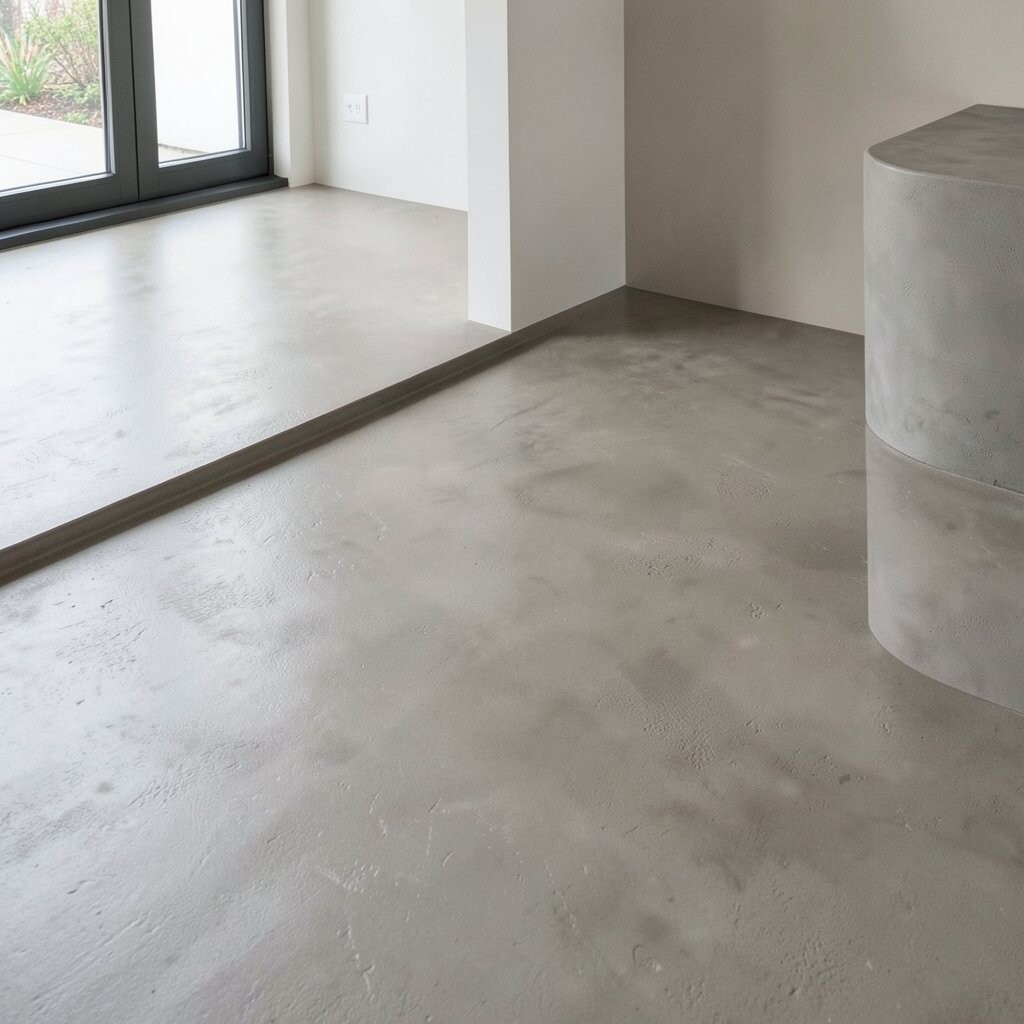
Brushed Microcement for Modern Floors Microcement brings a sleek, modern surface with fine speckling. Under sunlight, it looks like stone dust sealed into a calm, even plane.
It can be a benefit for open spaces because it creates a continuous look across floors and walls. Microcement also offers customization in tone, from soft sand to deeper charcoal. Ask about crack control because substrate preparation is key to a long-lasting finish.
Costs often depend on surface prep and whether you’re leveling or repairing first. To keep it realistic, consider limiting it to high-visibility areas first, like an entry zone or a kitchen path. For personalization, request a sealer with a matte feel so it doesn’t look too glossy.
-
14. Hand-Applied Color Wash With Glazing

Hand-Applied Color Wash With Glazing Color wash glazing creates a layered tint that looks like light passing through fabric. You’ll see semi-transparent warmth that makes walls feel dimensional.
This finish is unique because the amount of layering changes the final color depth. It also helps unify mixed materials like wood, stone, and tile. For tips, ask for a glaze sample on your wall so you can see how it reacts in your room’s lighting.
-
15. Tactile Lime Plaster Niches and Arches
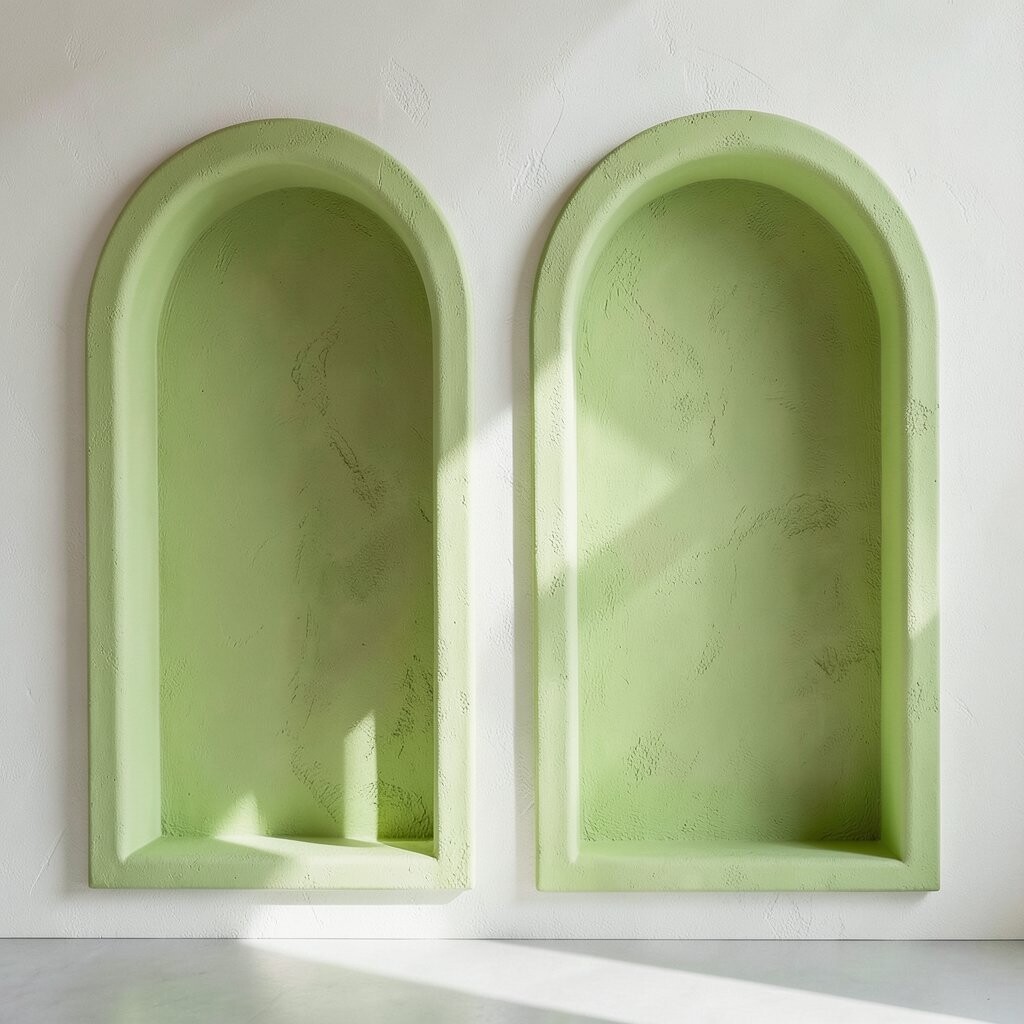
Tactile Lime Plaster Niches and Arches Hand-finished niches and arches add a sculpted, architectural glow. Lime plaster makes these shapes feel soft and artistic, not sharp or cold.
One benefit is that you create depth without needing extra objects. The texture also creates natural shadow play, which makes even plain decor look elegant. Personalize the look by choosing a slightly different shade inside the niche for a subtle “framed” effect.
Expect costs to be tied to custom framing and finishing time, especially for curves. If budget is a concern, start with one niche above a console or beside a reading chair. Finish with a simple shelf and a few curated items so the niche stays the focus.
-
16. Hand-Painted Trompe-l’Oeil Wall Scenes
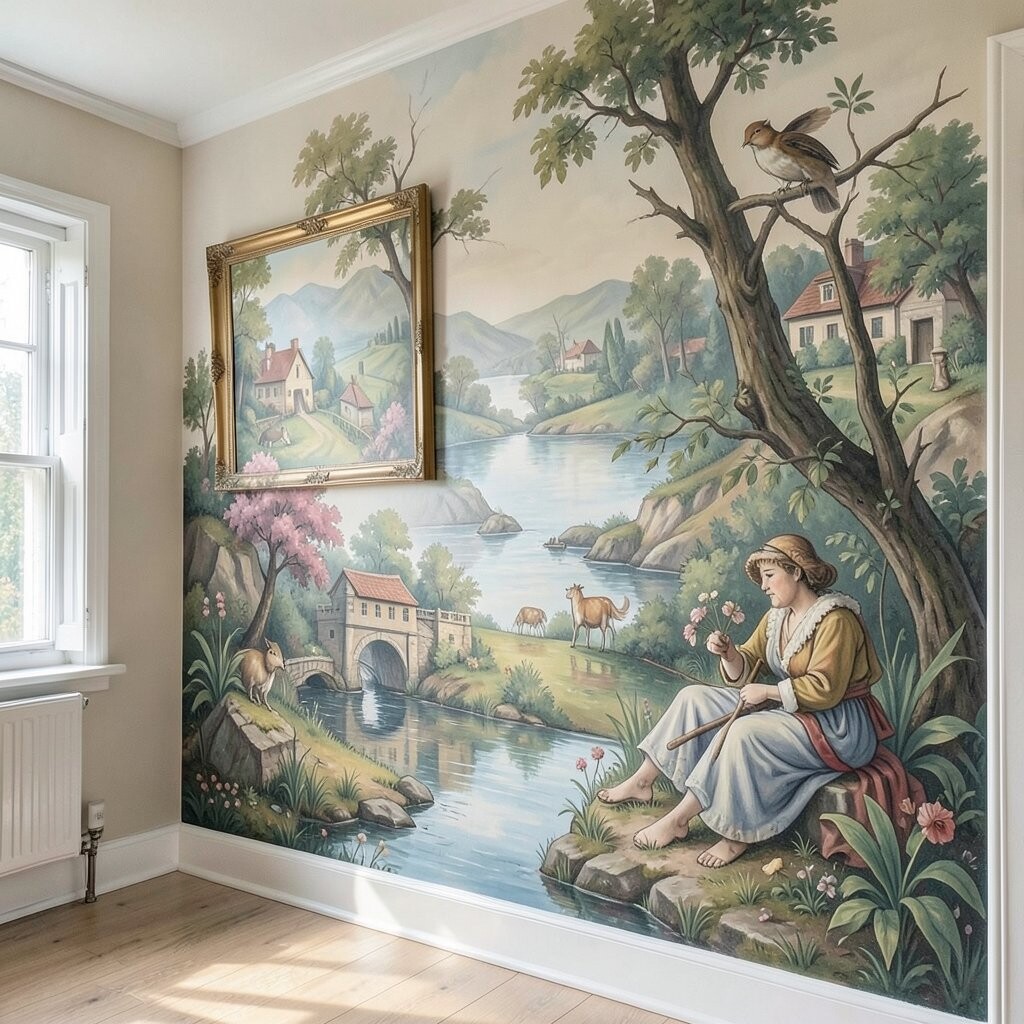
Hand-Painted Trompe-l’Oeil Wall Scenes Trompe-l’oeil creates the illusion of depth, like a doorway or painted texture that isn’t really there. You may see realistic shadows and architectural lines that trick your eye.
This finish is a showstopper because it turns a flat wall into a living scene. It also offers strong personalization, since you can match themes to your style. If you love nature, choose a window view with greenery; if you love art, go for a classic frame illusion.
Costs can range widely because artwork takes time, and hiring a skilled painter matters. To keep it manageable, choose one focal area rather than covering multiple walls. Ask for a design sketch and a color test so the illusion fits your room’s actual light.
-
17. Antiqued Paint With Crackle Patina

Antiqued Paint With Crackle Patina Crackle patina gives surfaces delicate, intentional lines that look aged. The effect can feel vintage and romantic when applied in the right tone.
This finish is unique because the “cracks” depend on technique and timing. It adds character to furniture, doors, and decorative panels. Pick a base color close to your room palette, then choose a crackle layer that shows just enough contrast.
For tips, practice on a hidden sample piece first because crack size can vary. Costs are usually moderate since the effect is created with layered products, but you’ll want careful prep. Personalize with a clear glaze on top to soften the look or boost warmth.
-
18. Ceramic Tile Glazed Accents (Hand-Finished Edges)
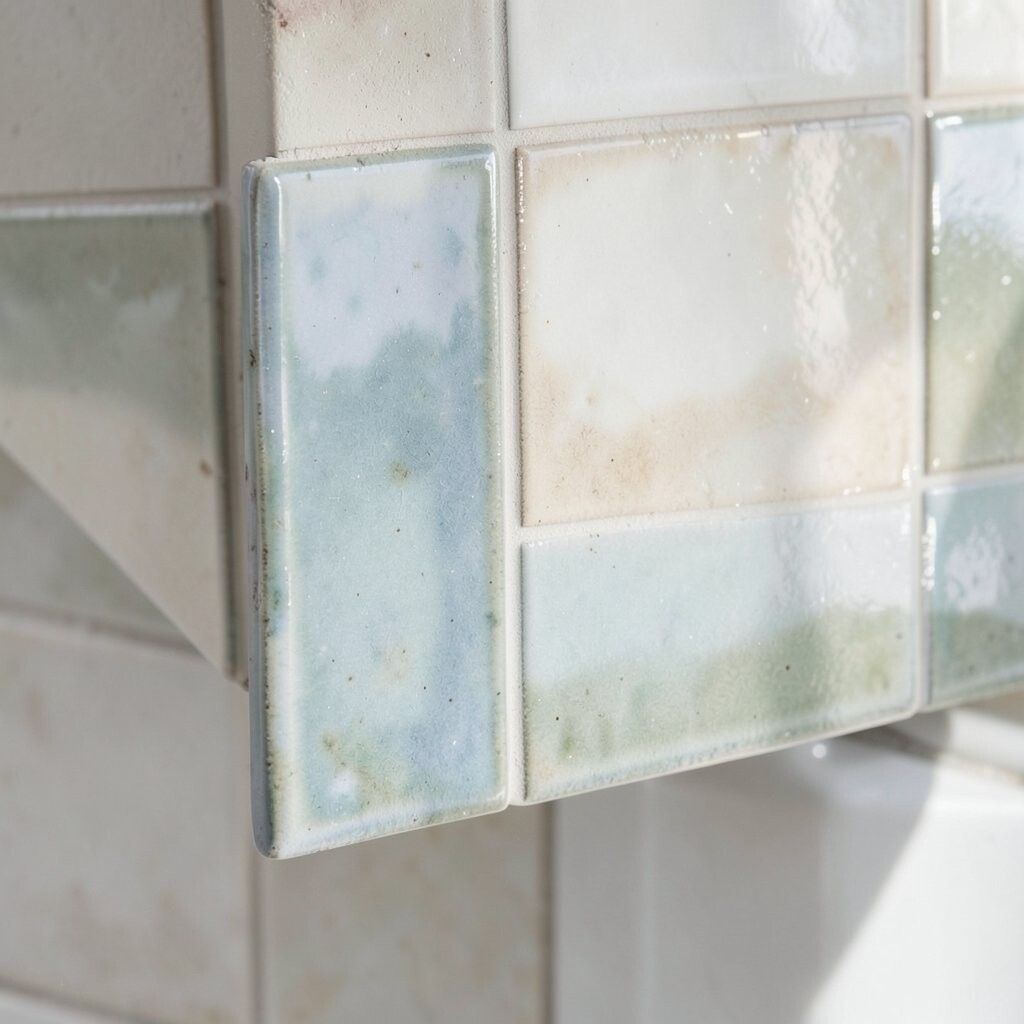
Ceramic Tile Glazed Accents (Hand-Finished Edges) Hand-finished glazed tiles bring color that feels alive, not flat. You’ll notice tiny variations in shine and tone that make each tile look special.
This finish is practical and beautiful because it’s easy to clean in everyday areas. It’s also unique since artisan glazes can have speckles, drips, or subtle gradients. Choose a limited palette so the accent feels cohesive with your countertops and flooring.
-
19. Brushed Stone and Aggregate Accent Coatings

Brushed Stone and Aggregate Accent Coatings Aggregate coatings sprinkle tiny stones into a smooth layer. The look is tactile and natural, and it catches light in little points.
This finish offers durability and can help hide surface imperfections. It’s also great for entryways and outdoor-adjacent spaces where walls take more traffic. For personalization, pick stone colors that match your home like river gray, warm cream, or muted terracotta.
Costs depend on the type of aggregate and how much surface you cover, so start small if you’re cost-sensitive. Ask about sealing for stain resistance and ask if the texture will feel rough or smooth to touch. Pair the accent with simple furniture so the texture doesn’t overwhelm the room.
-
20. Hand-Laid Mural Borders and Painted Trim
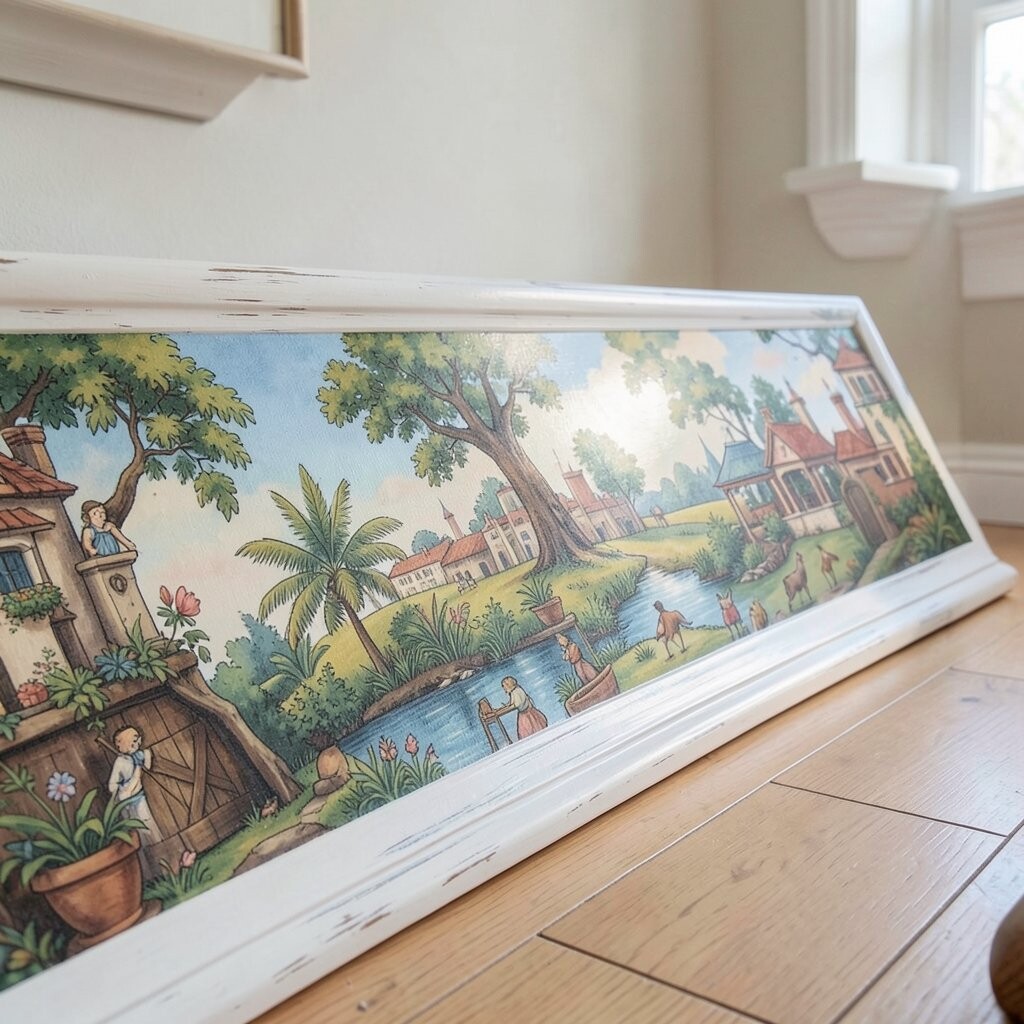
Hand-Laid Mural Borders and Painted Trim Hand-laid painted trim borders give a refined, tailored finish. You’ll see crisp lines that frame doors, ceilings, and wainscoting like a custom outfit.
It’s a smart way to add detail without renovating everything. The uniqueness comes from the painter’s steadiness and the subtle character of each brush pass. For tips, decide how wide you want the border to feel, then match the color to your trim or create a soft contrast.
Costs can be kept under control by focusing on one area, like the dining room or a hallway. Personalize by adding a tiny theme detail—like a leaf motif or a faint geometric pattern—so it feels like your home, not a template. Current trends often lean toward muted palettes and slightly imperfect, artisan-friendly line work, which makes this style feel fresh.