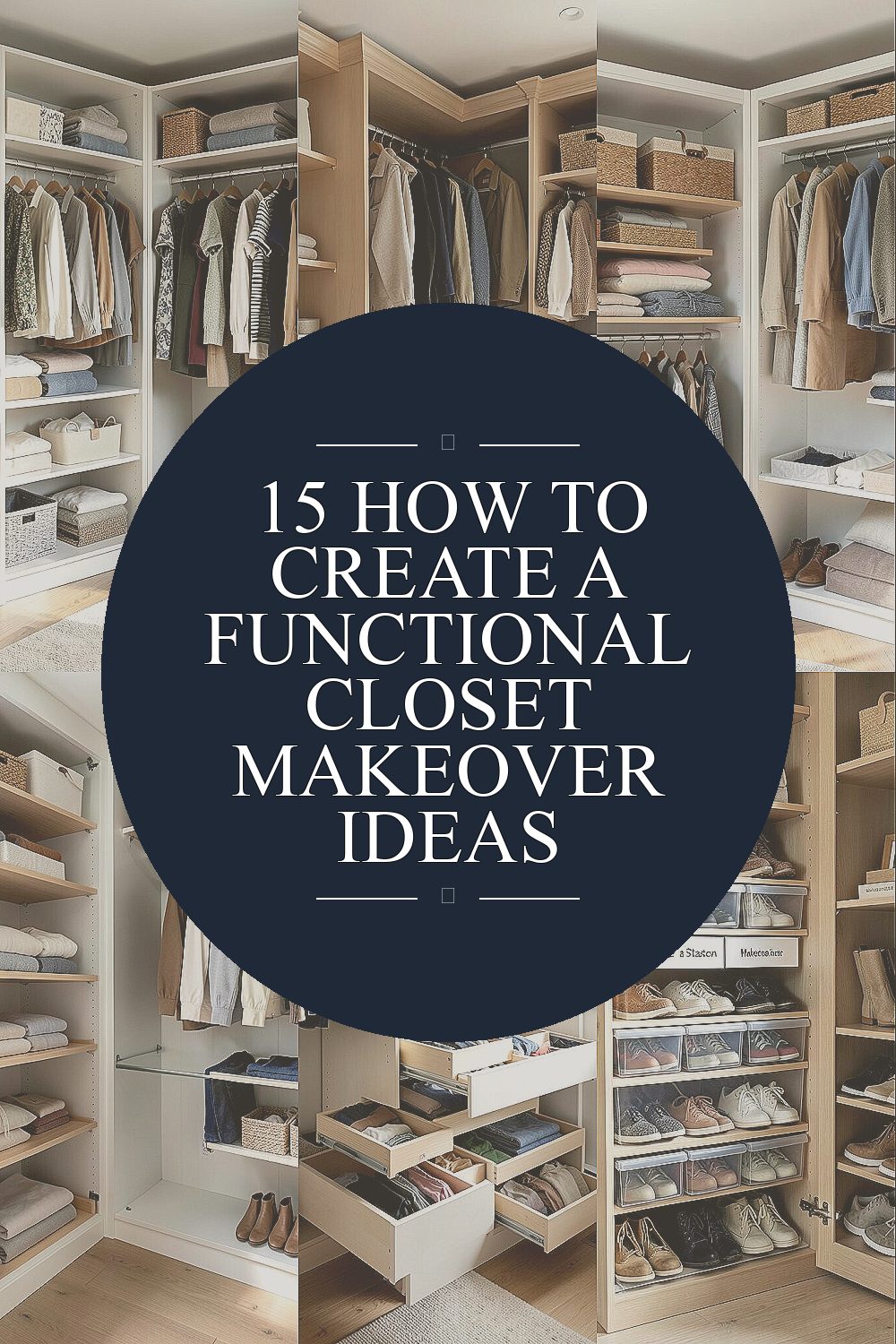
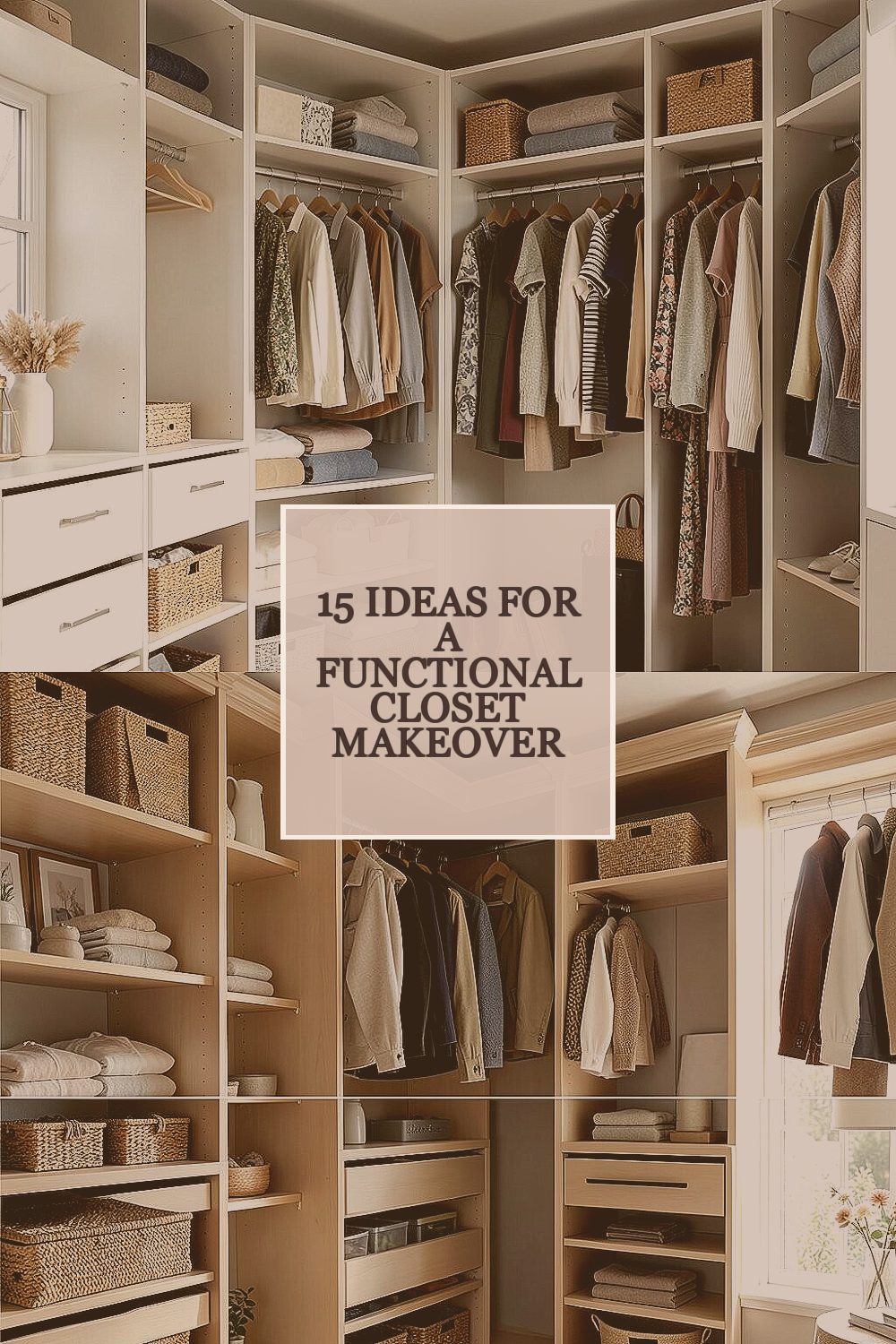
Closets can be more than storage; they can feel like a daily helper. When everything has a place, mornings get calmer.
-
1. Start with a “Clothes Map” Before You Buy Anything

Start with a “Clothes Map” Before You Buy Anything Grab a notebook and take a close look at your closet as if you’re planning a mini renovation. Note where your clothes pile up, where hangers crowd, and where you keep items “temporarily.”
Then write down your top categories, like shirts, pants, dresses, workout wear, shoes, and bags. Count how much space each group needs, and check the gaps that feel wasted. This step helps you choose changes that fit your real life, not just a pretty photo.
For a visual clue, stand back and look at the color flow in your hanging area. If dark items swallow the lighter ones, you may want zones or divider labels. You’ll save money too, because you’ll buy only what helps your map, not random upgrades.
-
2. Choose a Smart Layout with Zones That Match Your Routine

Choose a Smart Layout with Zones That Match Your Routine Think about how you dress during the week and build zones that follow that path. Keep daily outfits easiest to reach, and tuck seasonal items higher or deeper.
Create a “morning zone” for what you grab often, like casual tops and everyday bottoms. Add a “special zone” for items you wear less, such as formal wear or event pieces. This makes mornings faster and helps your closet stay neat.
One unique idea is to mirror your drawers and shelves so the same category is always in the same place. For example, shirts in one zone pair with matching drawer sections for socks and accessories. That simple consistency is a personal trick that feels like magic.
When budgeting, focus first on layout changes that cost little, like moving shelves or rearranging hanging rods. If you later add organizers, you’ll already know exactly where they belong.
-
3. Upgrade Hanging Storage with Double-Rod or Tiered Racks

Upgrade Hanging Storage with Double-Rod or Tiered Racks Hanging space is often wasted because one rod holds more than it can truly handle. If your closet feels crowded at shoulder height, add a second rod or a tiered rack for better use.
Double-rod setups are great for shirts, pants, and lightweight pieces that stack neatly. You get better visibility, which means fewer lost items and fewer “I wore it last week” surprises. It also feels cleaner because bulky items stop blocking smaller ones.
To personalize, use different hanger types by category, like slim hangers for shirts and sturdier hangers for coats. If you love order, add small clips for scarf ends or ties so they don’t slide around. A thoughtful system can even make your closet look like a boutique.
Cost is usually moderate depending on whether you buy a kit or hire help. If you want a low-cost start, try reorganizing with existing rods first, then measure for upgrades later. Current trend vibes include mix-and-match storage that looks coordinated, not cluttered.
-
4. Install Adjustable Shelving for Flexible Seasonal Swaps
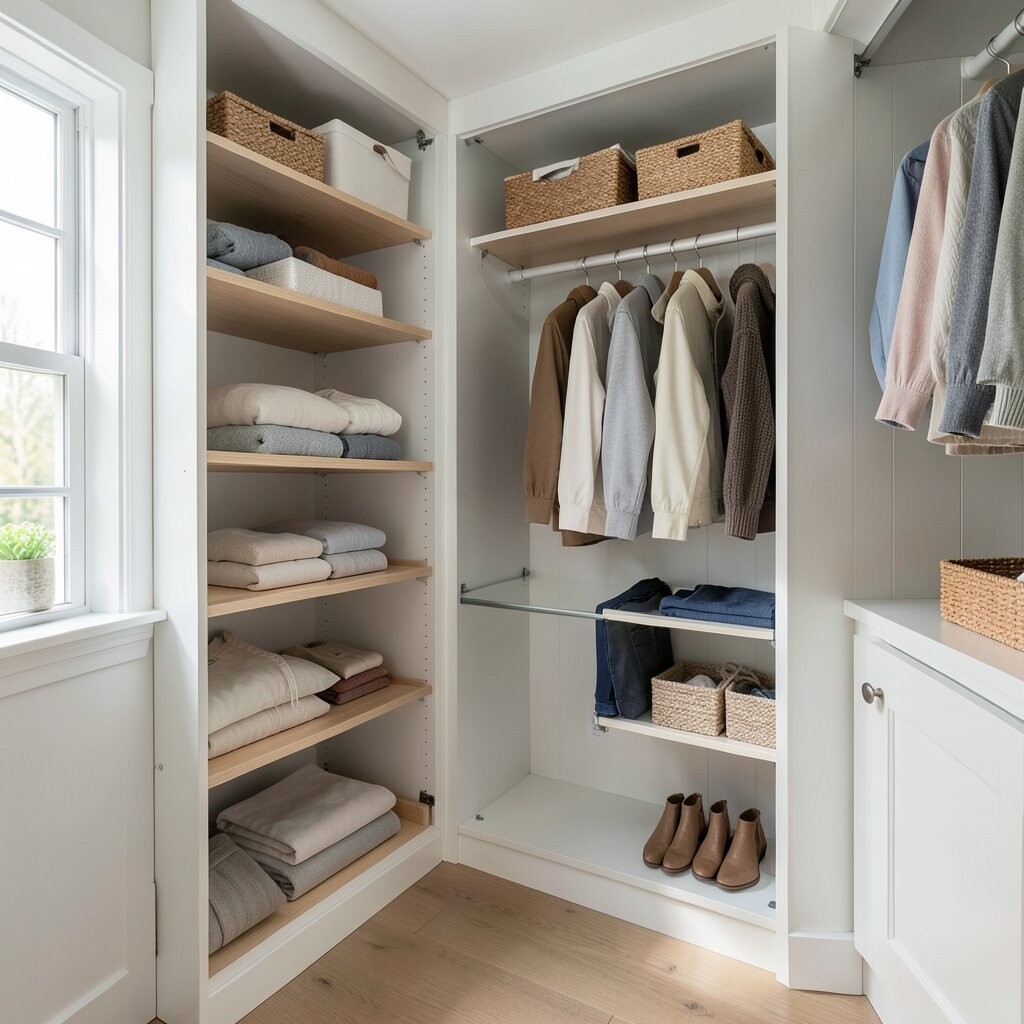
Install Adjustable Shelving for Flexible Seasonal Swaps Adjustable shelves are like having a closet that changes with you. Instead of forcing items to fit the space, make the space match the items.
Use shelf heights for seasonal needs: taller space for boots boxes or winter sweaters, shorter space for folded tees and accessories. This keeps the closet from turning into a messy pile after every seasonal change. It also helps you store things safely so they stay flat and less wrinkled.
For a visual upgrade, paint the inside back of the closet a calm, light color. Even a simple neutral coat can make everything look brighter and easier to find. Personal touches like matching bins also give a “put-together” feel.
When thinking about cost, start with the most-used zones. If you can’t do the whole closet at once, upgrade one shelf run first and see how much stress it removes. Many people find that one adjustable section creates the biggest improvement.
-
5. Use Drawer Organization to Cut Down on Outfit Chaos

Use Drawer Organization to Cut Down on Outfit Chaos Drawers can become the fastest way to create order, because you control how items stack. When everything is loose, socks and small accessories spread like confetti.
Try drawer dividers, small trays, or slim organizers for belts, scarves, and jewelry. This helps you spot what you own, so you stop buying duplicates. It also makes it easier to maintain the system because putting things away becomes a simple habit.
One unique idea is to label drawers by “style mood,” like classic, casual, or cozy. Or label by colors if you enjoy quick matching. Personalizing your drawers makes the closet feel like it understands you.
-
6. Create a Shoe Station with Clear Storage Rules

Create a Shoe Station with Clear Storage Rules Shoes can take over a closet quickly, especially when pairs are stored randomly. A shoe station turns the space into a clear, calm setup with easy visibility.
Use a combination of shelves, cubbies, or angled racks depending on your shoe types. Sneakers often do well with cubbies, while heels look sharp on a neat row. This keeps pairs together and helps you choose faster.
For personalization, color-code bins or add patterned mats under shoe shelves. If you wear seasonal footwear, add a “swap shelf” near the top for the next set. This prevents all your storage from mixing together.
Cost considerations matter here, so set a rule for what you buy first. If you’re starting small, use stackable boxes for items you already own. If you can spend more, consider a breathable shoe cabinet or a dedicated organizer with adjustable sections.
-
7. Add a Hanging Organizer for Bags, Hats, and Accessories

Add a Hanging Organizer for Bags, Hats, and Accessories Bags, hats, and accessories usually need more structure than you think. Hanging storage keeps them visible and stops them from getting squished.
Use an organizer with pockets for small items and hooks for items like hats or purses. It also frees shelf space for folded clothes. The benefit is huge: you’ll spend less time digging and more time getting ready.
Make it unique by pairing pockets for specific uses, like “workday essentials” or “weekend extras.” Add a small hook for tote handles so they don’t fall over. Your closet will start to feel like a helper system.
-
8. Plan for Laundry and “Ready to Wear” Storage
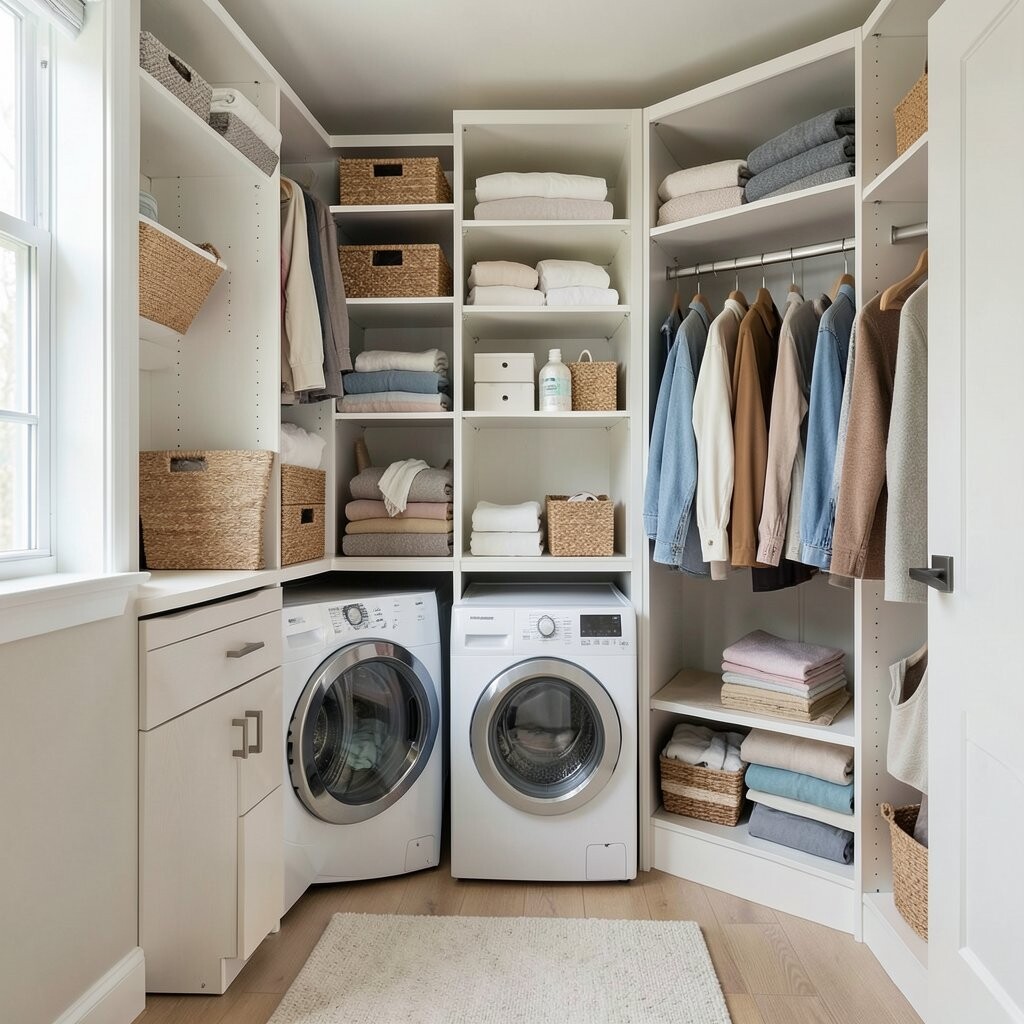
Plan for Laundry and “Ready to Wear” Storage A functional closet isn’t only for clean clothes. It also needs a clear system for items that are in between.
Create a “ready to wear” bin for outfits you wore once and plan to reuse. Add a separate hamper zone for laundry so dirty clothes don’t sneak into the clean piles. This helps your closet stay tidy and reduces the daily stress of sorting.
To visualize the benefit, imagine your closet door opening and everything has a job. That means less tossing, fewer re-wears by accident, and fewer morning delays. You’ll also keep fabrics cleaner because items aren’t mixing.
For budget, use washable bins or baskets you already like and label them with simple tags. If you want a trend touch, choose matching containers in neutral tones for a clean look. Current style focuses on “hidden function,” where helpful storage still looks nice.
-
9. Use Lighting to Make Everything Easier to See
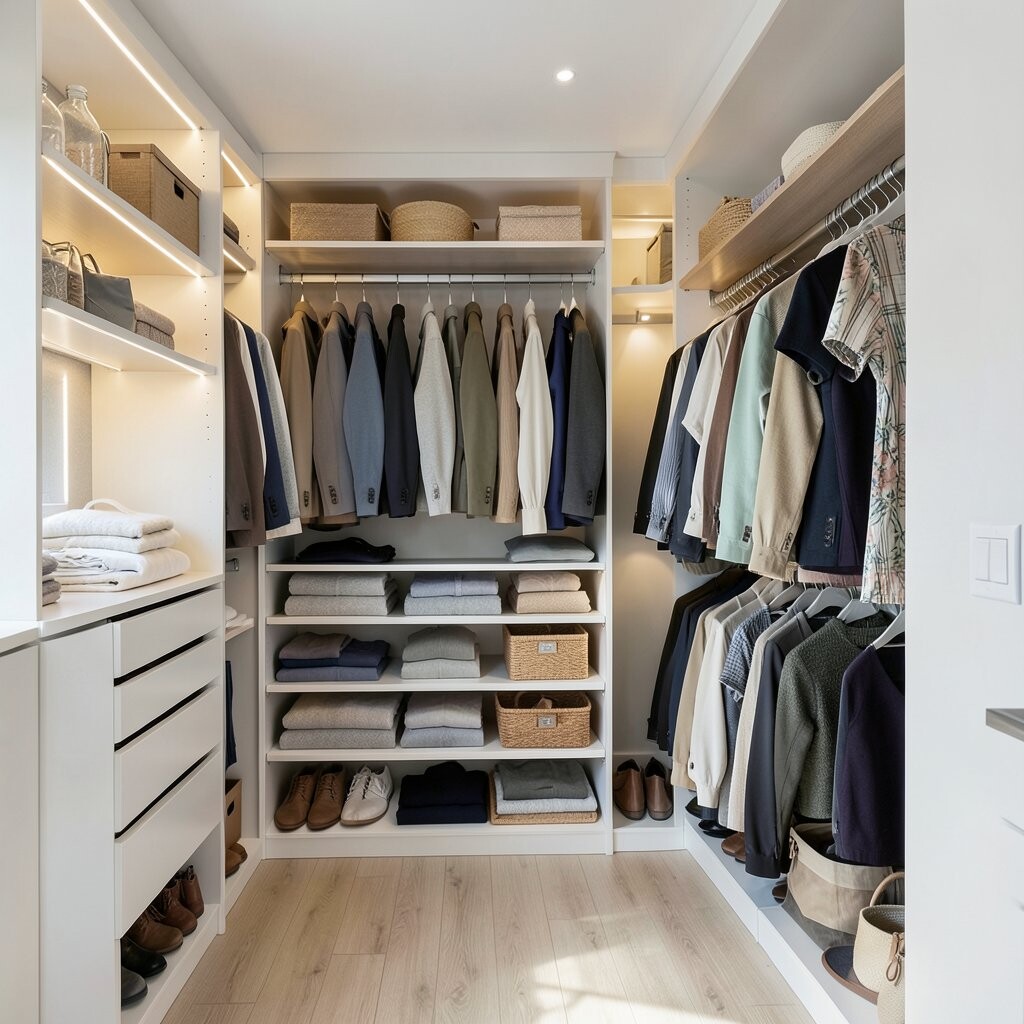
Use Lighting to Make Everything Easier to See Dim closets make it harder to spot items, and that can lead to messy searching. Better lighting is a quick upgrade that changes how your closet feels.
Try LED strip lights inside the closet or a small motion-activated bulb. Soft, bright light helps colors look true, especially when you compare tops and bottoms. The result is a closet that feels more like a dressing room.
Personalization idea: add warm lighting for a cozy vibe, or cooler lighting for a crisp, modern look. If you have a darker corner, aim the light to reduce shadows. That tiny change can make the space feel bigger.
-
10. Pick a Style of Containers That Matches Your Life

Pick a Style of Containers That Matches Your Life Containers make folded items look neat, but the best containers are the ones that fit how you live. If you pull things often, choose easy-to-grab bins and not overly tall stacks.
Use fabric bins for softer items, and clear boxes for things you want to see quickly. If you love a tidy look, matching containers in a consistent color make the closet look designed. The benefit is clear: your closet stays orderly even when you’re busy.
Uniqueness can come from your choices, like using labels in your favorite font style. Or use a color system that helps you match outfits faster. For example, use one color for work items and another for casual items.
Cost-wise, you don’t have to buy everything at once. Start with containers for one drawer or one shelf, then expand as your budget allows. Current trend ideas include mixing clear bins with solid bins for a balanced look.
-
11. Fold Like a Pro with a “Vertical Space” Technique

Fold Like a Pro with a “Vertical Space” Technique Folding changes how your closet breathes. If you stack folded clothes randomly, you lose space and create wrinkles.
Try a vertical folding method for tees, sweaters, and activewear. Stand items upright so you can see each piece, like a file drawer. This makes picking outfits simpler and keeps your closet from turning into a messy tower.
To personalize, group by fabric type or by “heat level,” like light and warm. That helps you grab the right layers quickly. It also reduces the time you spend deciding.
For cost considerations, you only need a little patience and maybe a few organizer trays. If you want tools, choose simple folding boards or dividers that fit your shelves. This trend of upright folding continues to stay popular because it works well.
-
12. Add Hooks, Pegs, and Extra Racks for the Things That Don’t Hang

Add Hooks, Pegs, and Extra Racks for the Things That Don’t Hang Not everything belongs on a rod or in a drawer. Coats, robes, umbrellas, and hats often need hooks, pegs, or side racks.
Add a row of hooks near the entrance of your closet, not buried in the back. That way, everyday items stay easy to grab and don’t end up on chairs or the floor. The benefits include less clutter and fewer lost items.
Make it unique by using decorative hooks with your style, like wood tones or clean metal finishes. You can also add small baskets on the hook wall for gloves. This small change can make the closet look more finished.
Budget tip: if installation is tough, use strong adhesive hooks designed for closet walls. For heavier coats, consider drilling for a secure mount. Current trends lean toward mix textures, like pairing matte black hardware with warm wood shelving.
-
13. Create a “Color and Category” Theme for Visual Calm

Create a “Color and Category” Theme for Visual Calm A closet feels better when it looks steady, not chaotic. A color and category theme gives your eyes a clear path when you open the door.
Start by grouping similar items together, like whites with light colors, and darks together. Then arrange them in a way that makes sense, such as by type or by sleeve length. This creates a neat visual that also helps you match outfits faster.
Personalization idea: use a rainbow effect only in small areas, like the top shelf for casual tees. Or keep it classic by using neutral colors with one accent shade. Either way, your closet will feel more “you.”
-
14. Use a “Maintenance Habit” System So It Stays Functional

Use a “Maintenance Habit” System So It Stays Functional Even the best closet makeover can slip if there’s no simple routine. A maintenance habit makes the makeover stick.
Create a rule like “return items to their zone right away,” and use labels to make it easier. Keep a small basket for items that need a home, so you don’t scatter things around. The benefit is a closet that stays usable without lots of effort.
Uniqueness can come from how you schedule it. For example, do a quick reset at the end of the week while music plays. That turns tidying into a calm moment instead of a chore.
Cost considerations are minimal here, because you mainly need labels and a simple bin. If you want to follow a current trend, choose wipeable label sleeves and clean organizer materials that look modern. The goal is long-term ease, not one-time perfection.
-
15. Plan a Budget Upgrade Path: Small Wins First

Plan a Budget Upgrade Path: Small Wins First A makeover feels exciting when you don’t try to do everything at once. Planning an upgrade path helps your closet improve step by step.
Start with the cheapest high-impact changes, like adding labels, rearranging hanging categories, or using basic dividers. Next, add lighting or shelving if your closet still feels hard to use. Finally, invest in the “wow” items, like custom organizers or a dedicated shoe system.
Personalization idea: choose one room-style theme, such as calm neutrals, bright accents, or spa-like tones. Then match your containers, labels, and hardware so the whole space looks intentional. Even with a smaller budget, the closet can look stylish and coordinated.
To keep costs under control, make a list of what you need by priority and avoid impulse purchases. Current trend thinking supports smart spending on function first, like clear storage and easy access. When your closet works smoothly, you’ll feel proud every day you open the door.