A fresh home can feel calm, neat, and easier to live in. Small changes in color, light, and layout can help a room feel new without a full remodel.
1. Paint the Walls in a Soft New Color
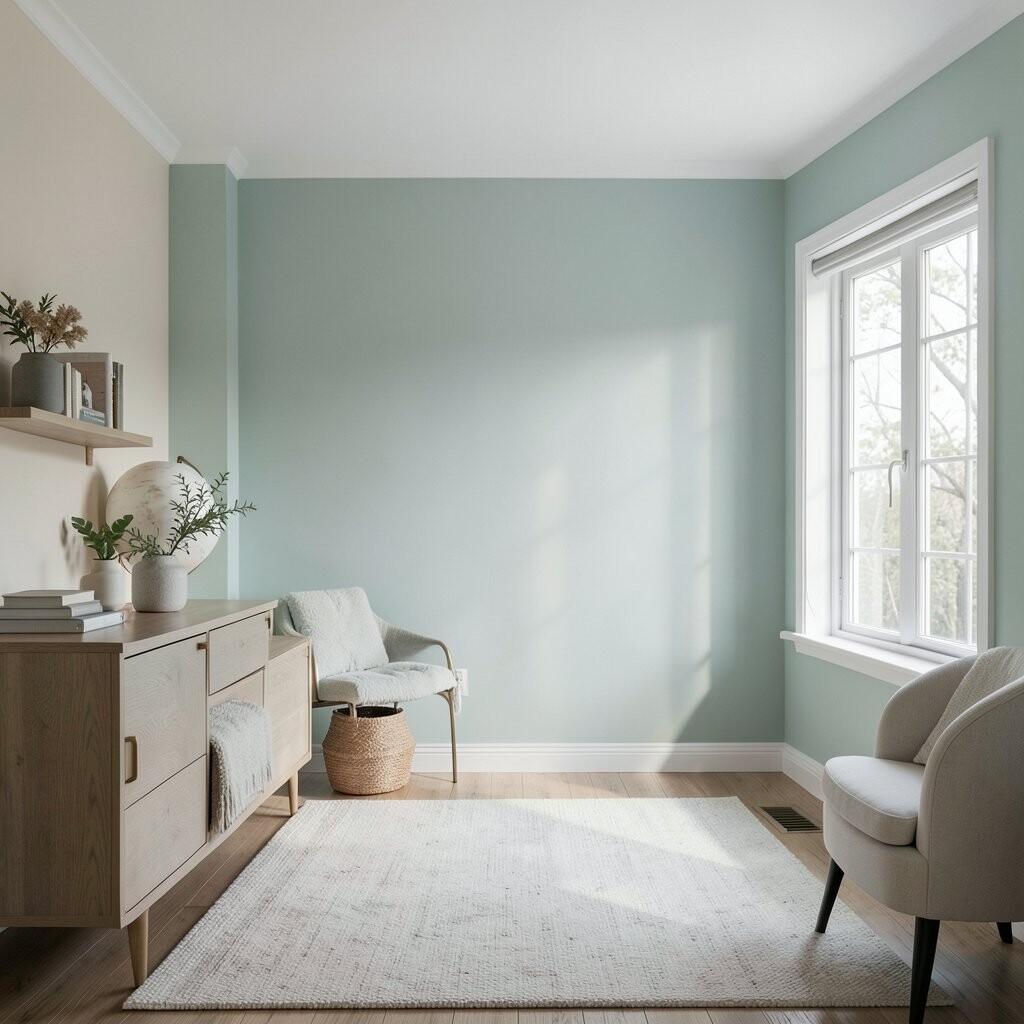
A new wall color is one of the easiest ways to change how a room feels. Soft white, warm beige, pale gray, or light green can make a space look brighter and cleaner.
This choice works well because paint covers a lot of area for a fair cost. It can also help old furniture and decor look better by giving them a fresh background.
Many people now use calm, earthy shades that feel easy to live with. If you want a more personal look, try one accent wall or a muted color that fits your style.
2. Add New Throw Pillows and Blankets
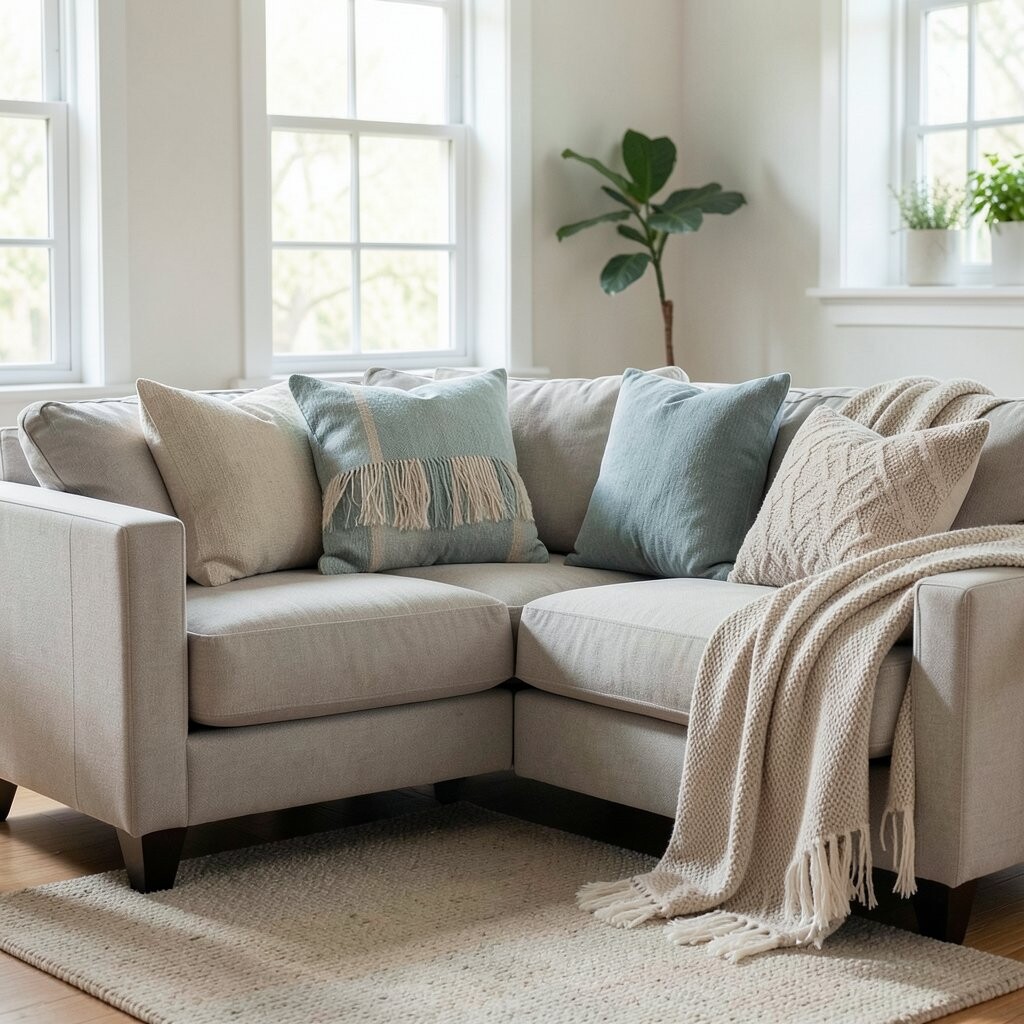
Throw pillows and blankets can change a room fast without much effort. They add color, texture, and comfort to a sofa, bed, or reading chair.
This is a low-cost way to try new looks through the year. You can switch from light linen in warm months to thicker knits or velvet when it feels cooler.
Mixing plain and patterned pieces can make the room feel more finished. Pick colors that match art, rugs, or curtains so the whole space feels tied together.
3. Use Layered Lighting
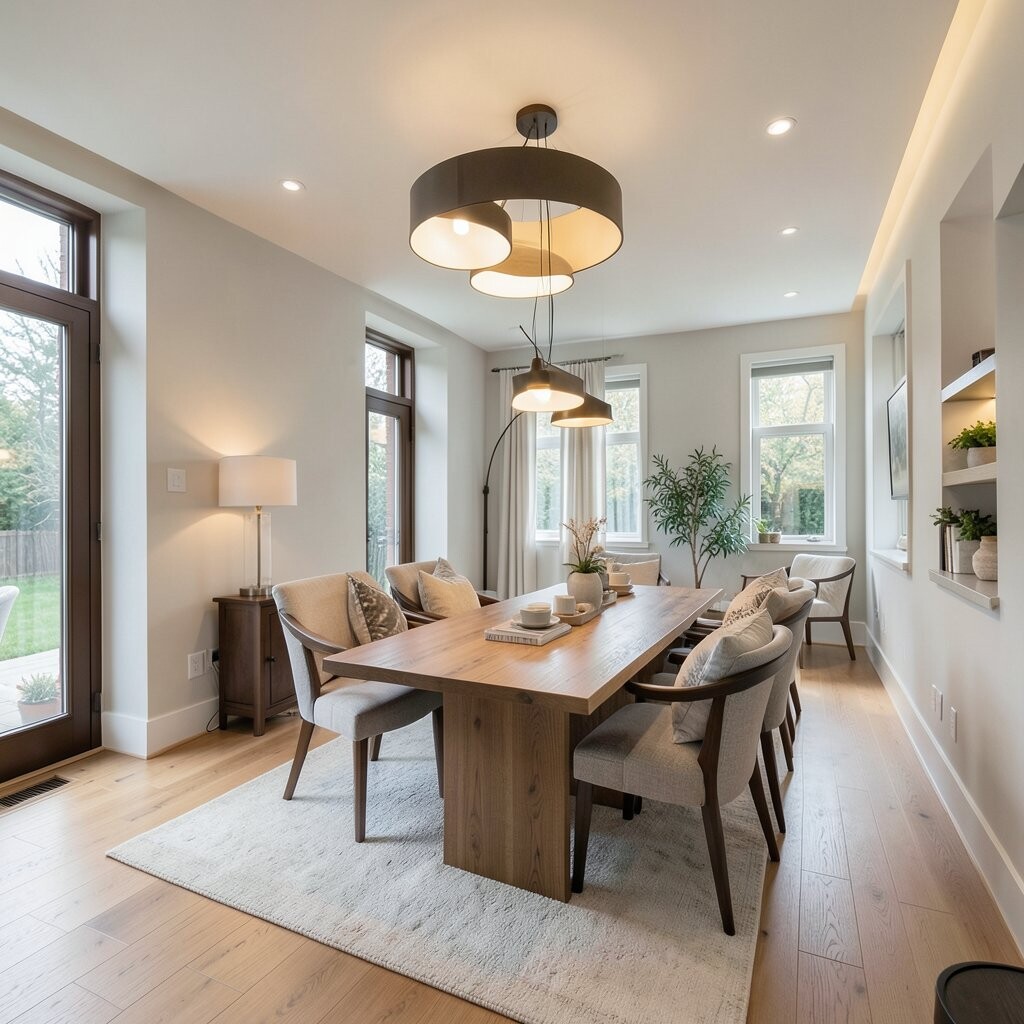
Lighting can change the mood of a room more than many people expect. A mix of ceiling lights, table lamps, and floor lamps helps a space feel warm and useful.
Layered lighting is helpful because it gives you more control for different tasks. Bright light works for cleaning or reading, while softer light makes a room feel calm at night.
New trends often use lamps with simple shapes, warm bulbs, and soft shades. If you want a personal touch, pick lamp bases in wood, metal, or ceramic that match your home style.
4. Bring in Natural Textures
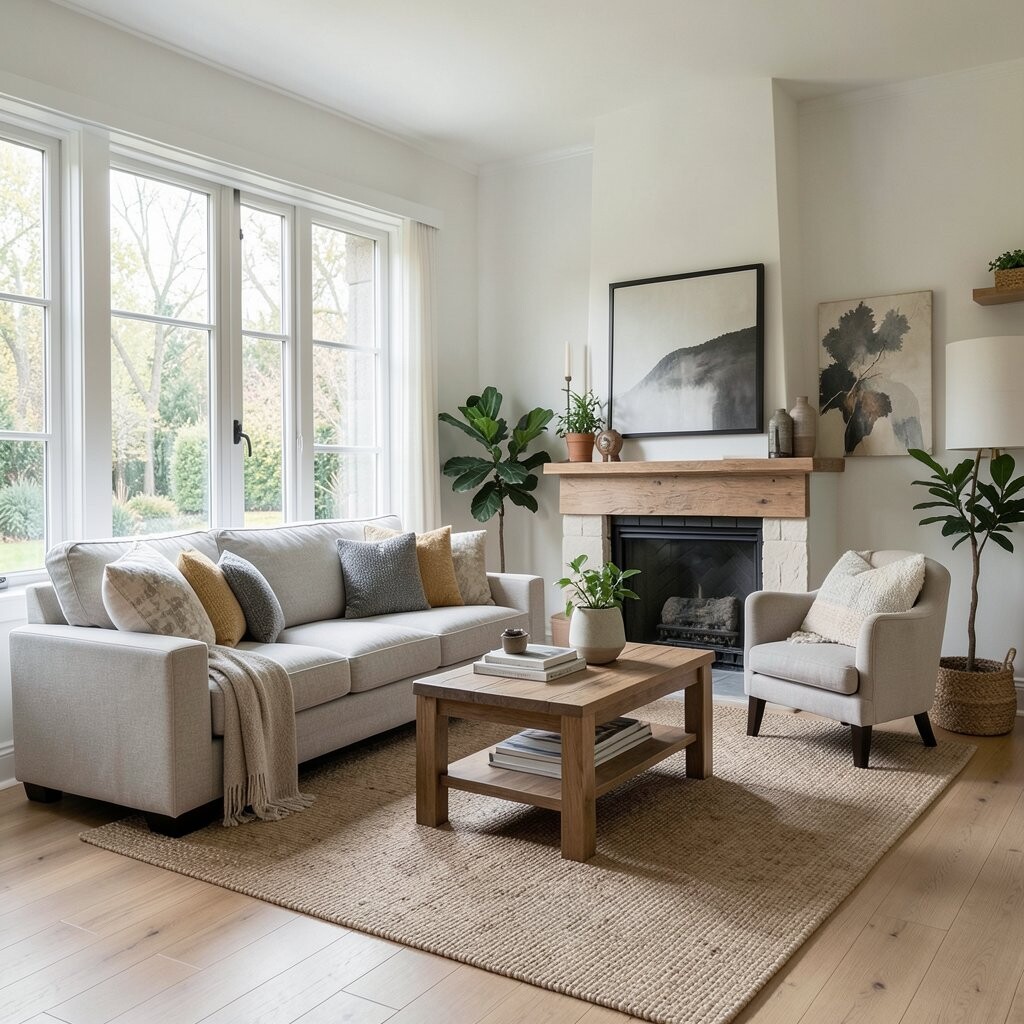
Natural textures can make a room feel more easygoing and real. Wood, rattan, jute, cotton, and stone all add simple detail without making the room look busy.
This style is popular because it feels warm and works in many kinds of homes. A woven basket, a wood tray, or a jute rug can help a plain room feel more complete.
These pieces often cost less than large furniture items, so they are good for small updates. Try using just a few natural items at first so the room still feels open and balanced.
5. Rearrange the Furniture
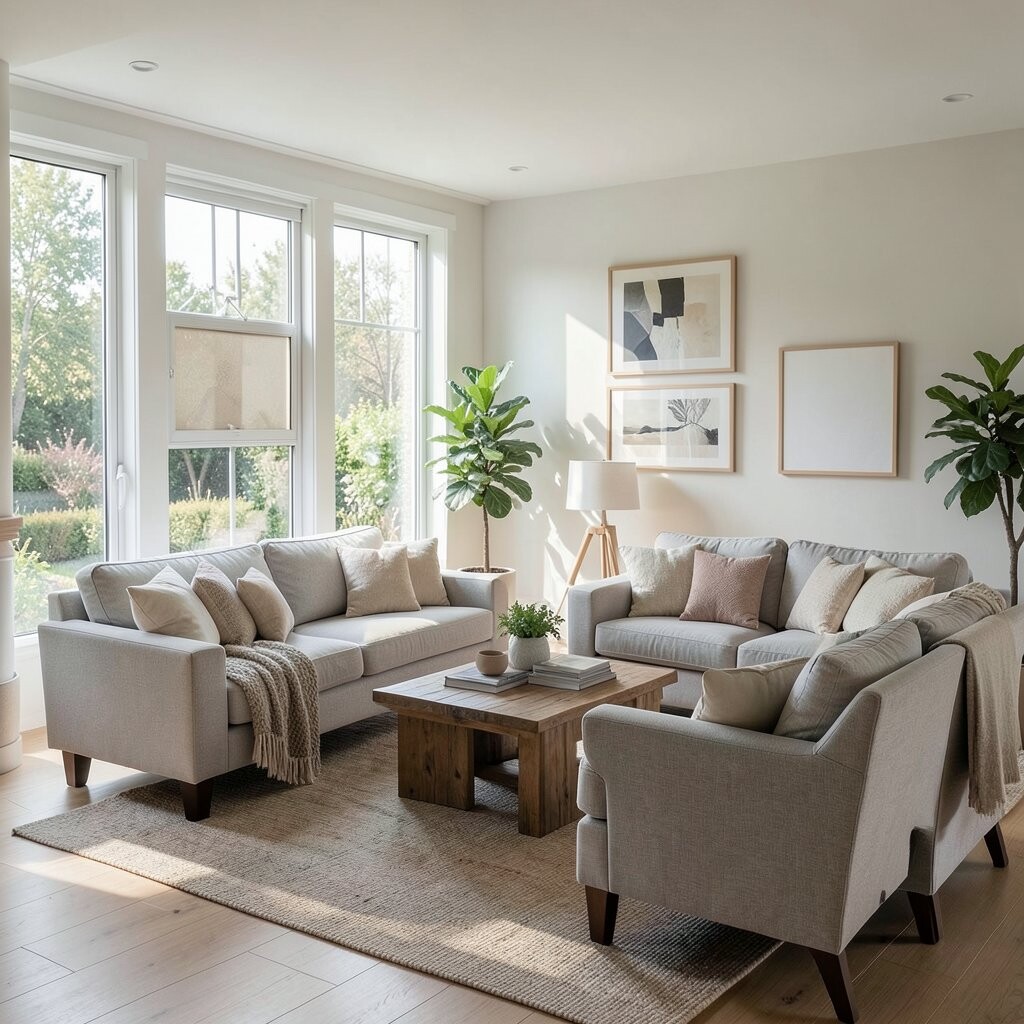
You do not always need to buy new things to make a room feel fresh. Moving furniture around can help a space work better and look different right away.
This is a free way to test new layouts and find better flow. You may notice that a sofa, chair, or table works better near a window or in another corner.
Try to leave clear walking paths so the room feels easy to use. If the space is small, use fewer large items and keep the layout simple.
6. Hang Simple Wall Art
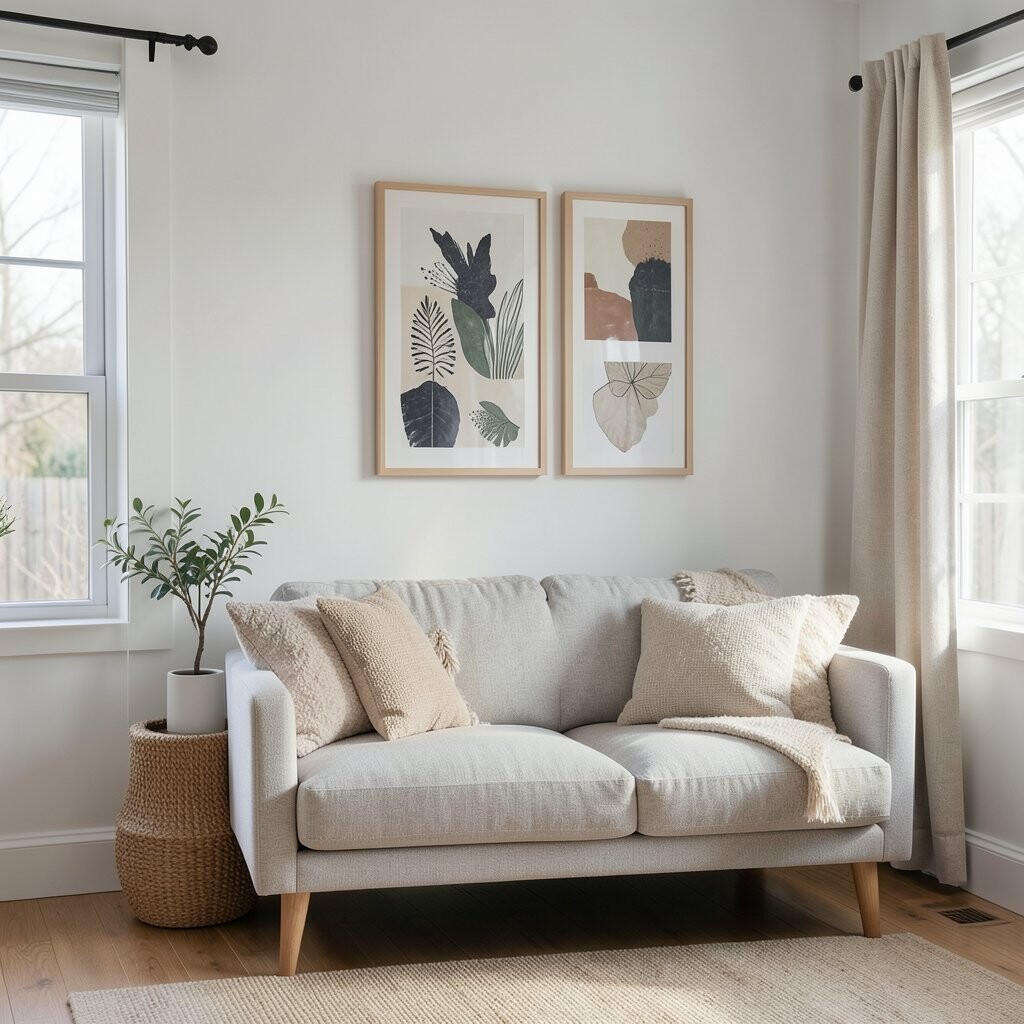
Wall art adds color, shape, and interest to blank walls. It can be one large print, a set of smaller frames, or even a few personal photos.
This helps a room feel more like your own and less like a showroom. Art can also pull together colors from pillows, rugs, or furniture in a neat way.
Current trends often lean toward clean lines, soft color, and simple frame styles. If you want to save money, print your own photos or use budget frames and still get a good look.
7. Add Plants and Greenery
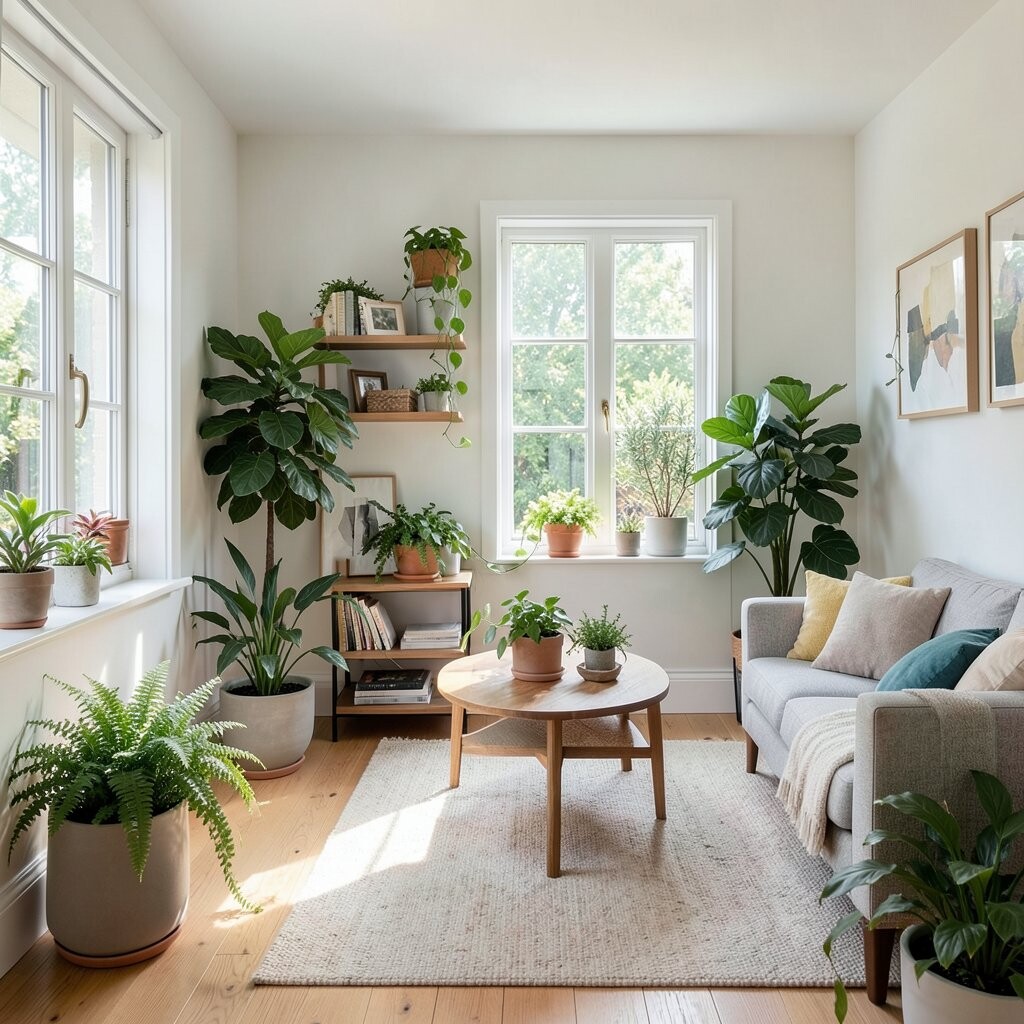
Plants can make a room feel fresh and calm with very little effort. A leafy plant on a table, a tall floor plant, or small pots on a shelf all add life to the space.
Greenery helps break up hard lines from furniture and walls. It can also make corners feel less empty and bring a more natural feel indoors.
If you are new to plant care, start with easy options that need less attention. You can also use fake plants if your room lacks light or you want a lower-care choice.
8. Update Window Coverings
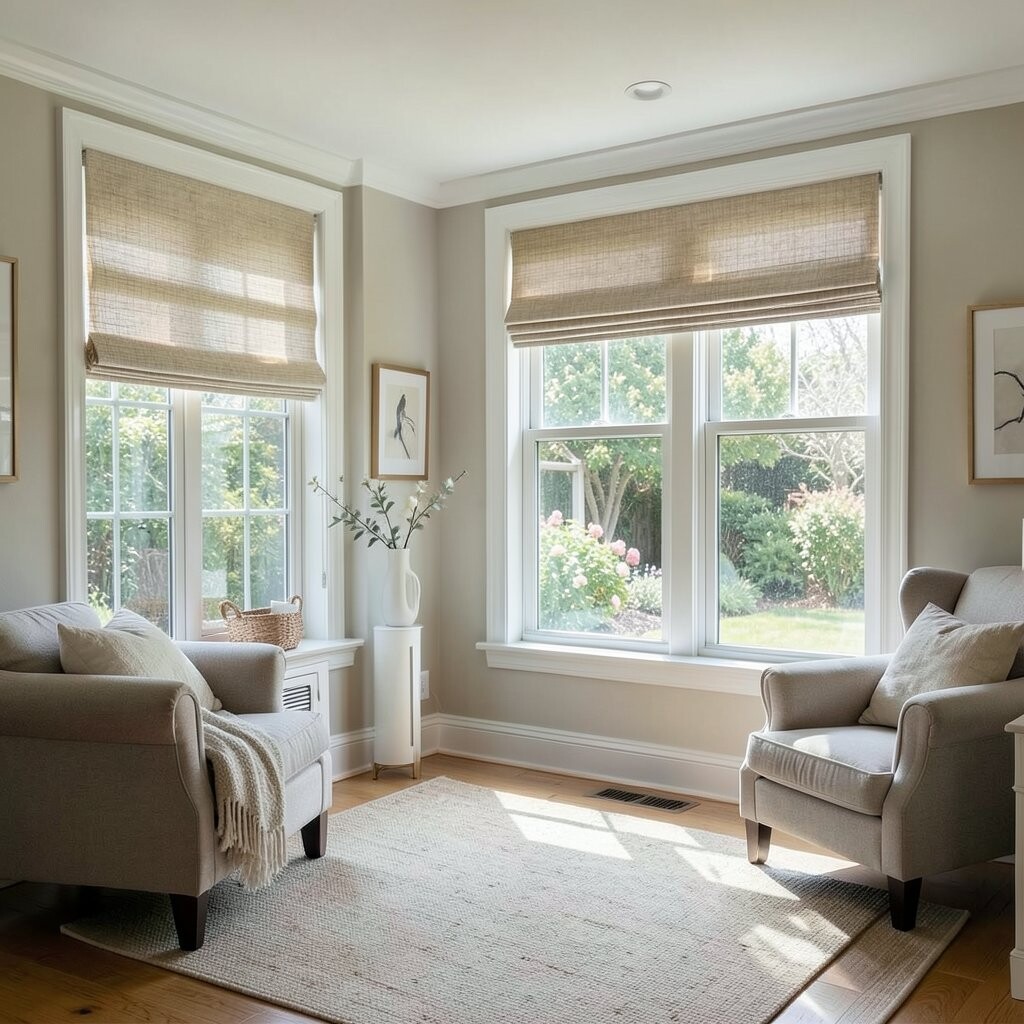
New curtains or shades can change a room in a simple but clear way. Light fabric can make a room feel open, while thicker curtains can add privacy and warmth.
This update is useful because it affects both style and comfort. It can help control sunlight, soften a plain window, and make the room feel more finished.
Many homes now use long curtains that hang close to the floor for a clean look. Choose colors that work with your walls and furniture so the room feels calm and put together.
9. Use Open Shelves with Care
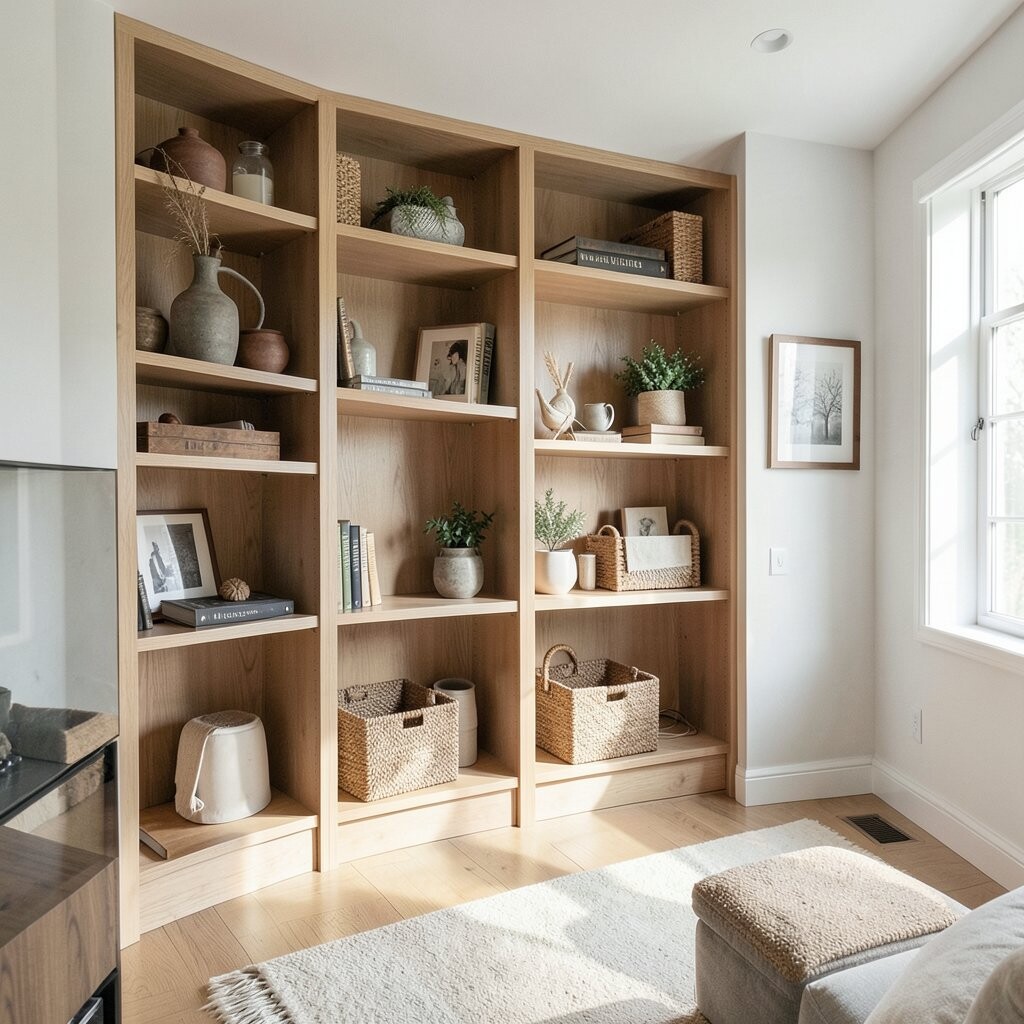
Open shelves can show off books, dishes, baskets, and small decor pieces. They help a room feel lighter than closed cabinets and can add a nice visual rhythm.
This style is useful in kitchens, living rooms, and even bedrooms. It lets you keep daily items close by while also making the room look styled and neat.
To keep shelves from looking crowded, use a mix of tall and short items. A few personal objects, like family photos or travel finds, can make the shelves feel more like home.
10. Refresh the Rugs
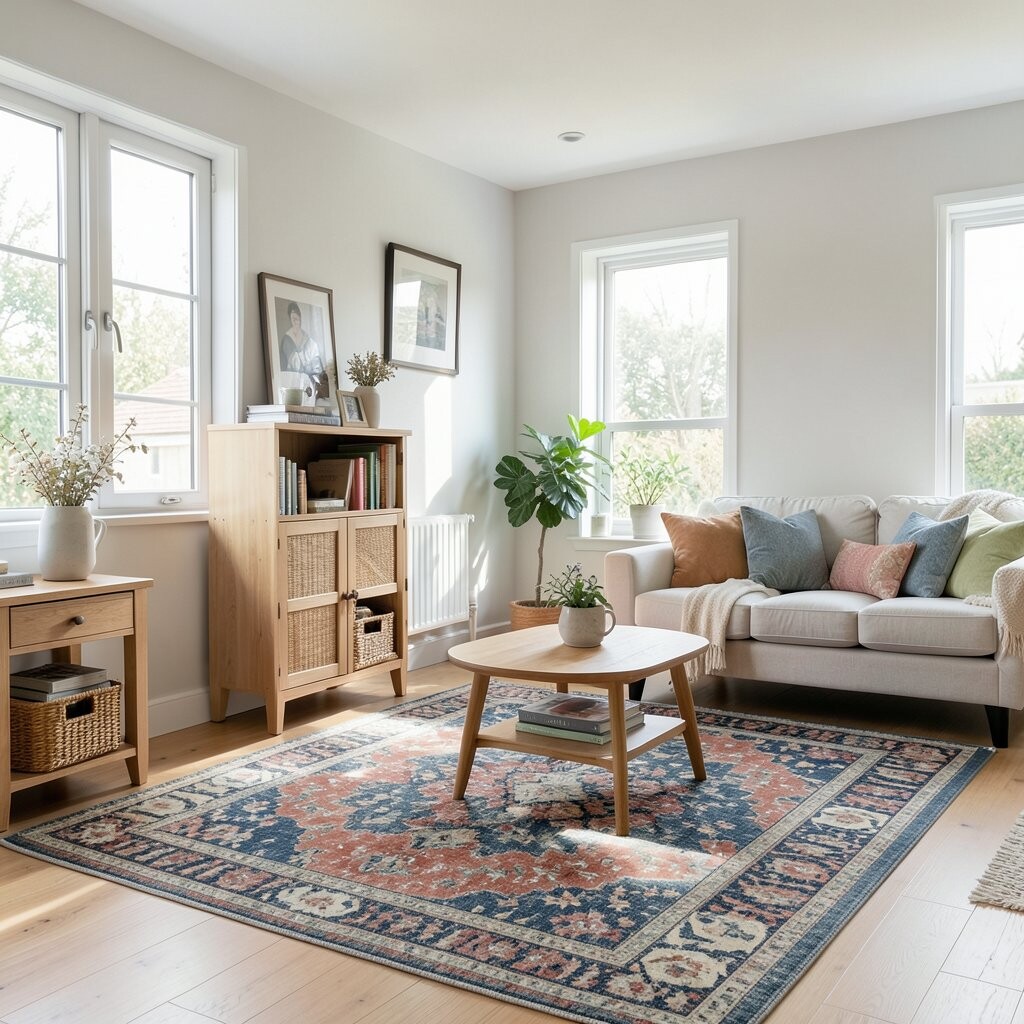
A new rug can help define a room and add color or pattern to the floor. It can also make a room feel softer, warmer, and more comfortable underfoot.
This is a smart update when furniture feels plain or when a room needs more shape. A rug can tie together chairs, tables, and sofas so the space feels more complete.
Trends now include simple stripes, soft patterns, and natural fiber looks. If you are watching your budget, look for smaller rugs, sales, or washable styles that are easy to keep clean.
11. Bring in Better Storage Pieces
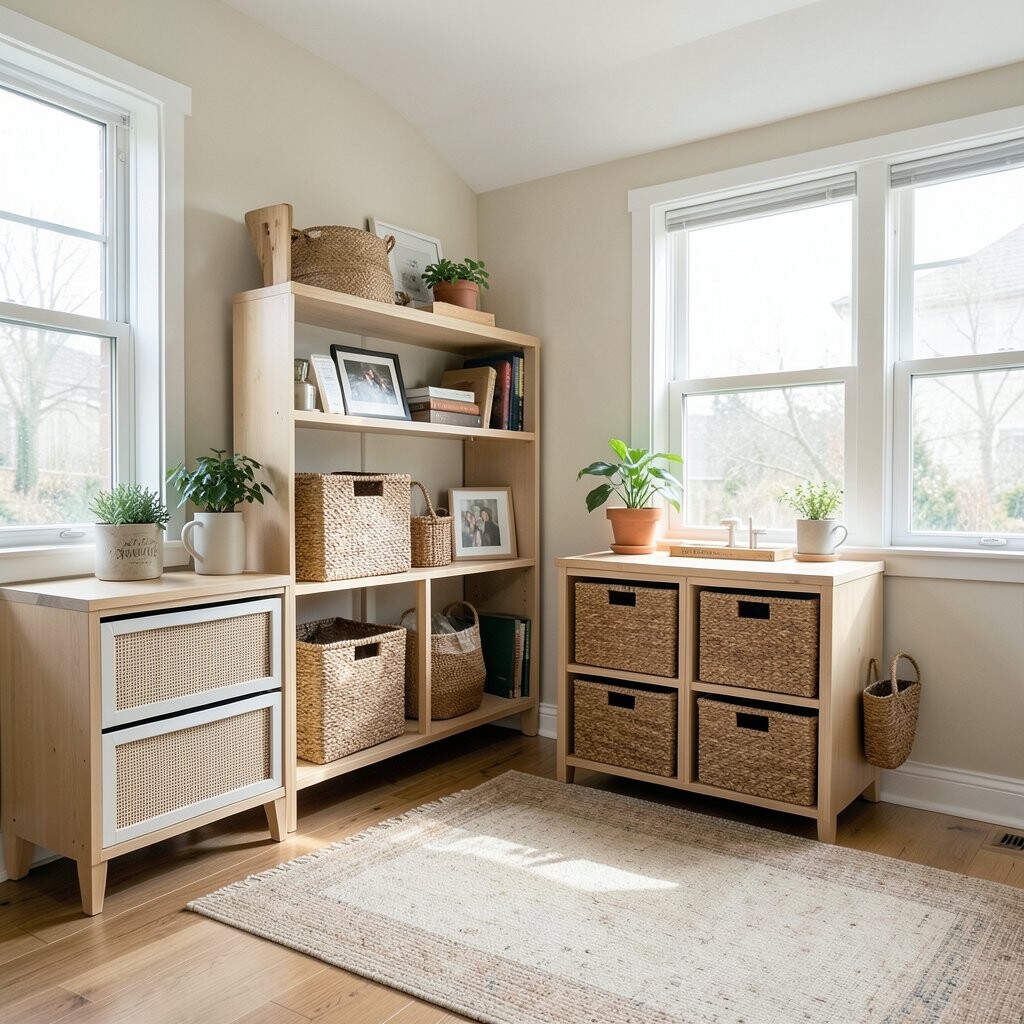
Good storage can make a room look calmer and easier to use. Baskets, bins, cabinets, and storage benches help hide clutter while still keeping things close at hand.
This matters because a tidy room often feels larger and more relaxing. When things have a home, daily cleanup gets faster and the whole space looks more cared for.
Storage pieces can also add style when they have a nice shape or finish. Try wood, woven, or fabric options that fit the look of your room and do not take up too much space.
12. Add Personal Touches That Tell Your Story
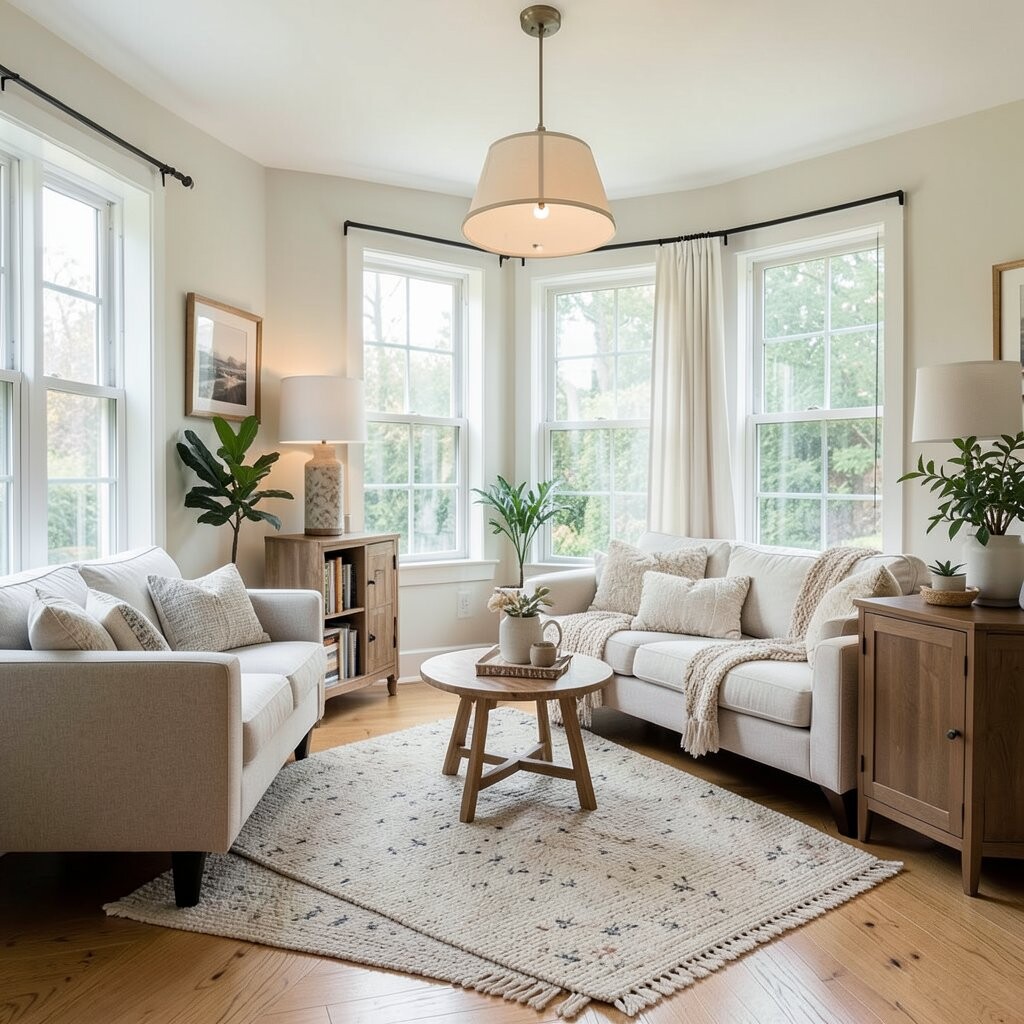
Personal items can make a home feel warm in a way that store-bought decor cannot. Photos, books, travel items, handmade pieces, and family keepsakes help show who lives there.
This makes a room feel unique and more comfortable for you and your guests. It also helps a space feel less plain, since the items carry meaning and memory.
You do not need a lot of money to do this well. Pick a few things that matter most, group them in a simple way, and give them room to stand out.