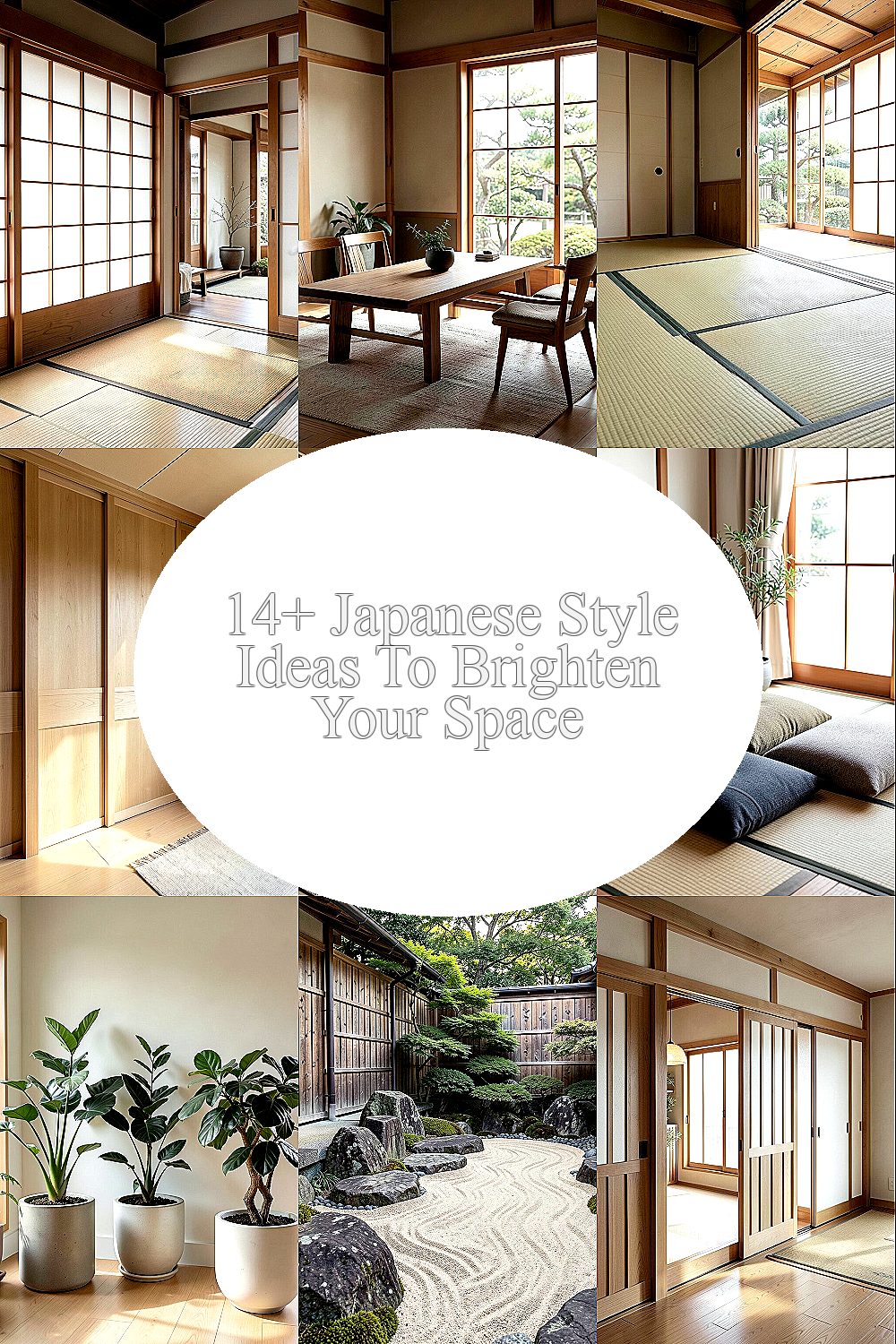
Japanese style can make a room feel calm, neat, and easy to use. It often uses simple lines, soft colors, and natural parts that fit many homes.
1. Shoji Screens for Soft Light

Shoji screens are a simple way to bring a Japanese look into a room. They use a wood frame with light paper or a paper-like panel that lets in soft light.
This style helps a room feel bright without harsh glare. It can also give you more privacy while still keeping the space open and calm.
You can use shoji screens as room dividers, closet doors, or window covers. They work well in small rooms because they do not look heavy.
2. Low Wood Furniture
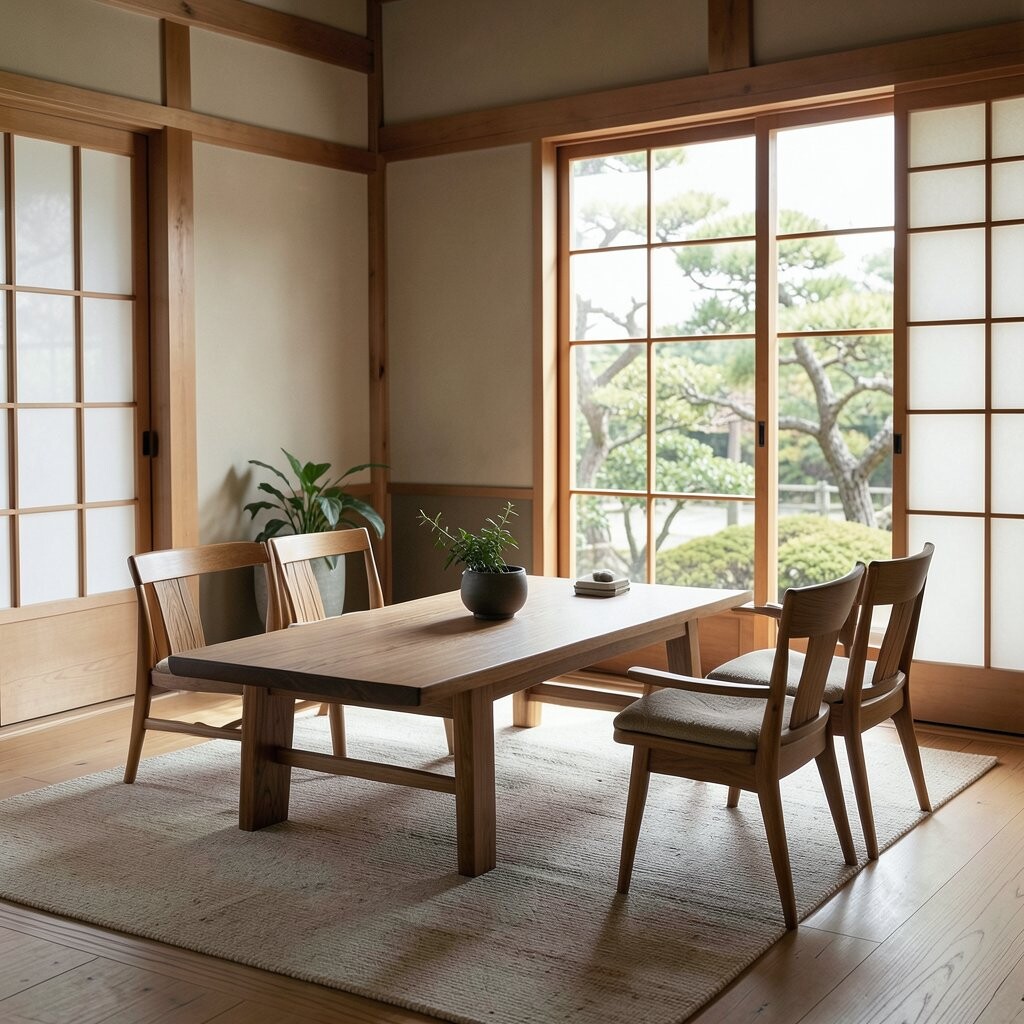
Low wood furniture is a key part of Japanese style. Tables, beds, and chairs sit closer to the floor, which can make a room feel more open.
This look is simple and easy to live with. It can also help a small space feel less crowded, since the eye sees more open wall space above the furniture.
If you want to try this on a budget, start with one low table or a simple platform bed. Pick wood with a light or warm finish for a clean, natural look.
3. Tatami-Inspired Floors

Tatami mats are a classic part of Japanese homes. They have a soft, woven look that adds warmth and a calm feel to the floor.
You do not need a full tatami room to use this idea. A small mat area under a table or near a reading spot can give the same style in a simple way.
These mats are useful because they make a room feel cozy without a lot of extra decor. If real tatami is too costly, try a mat with a similar weave or color.
4. Natural Wood Walls and Panels
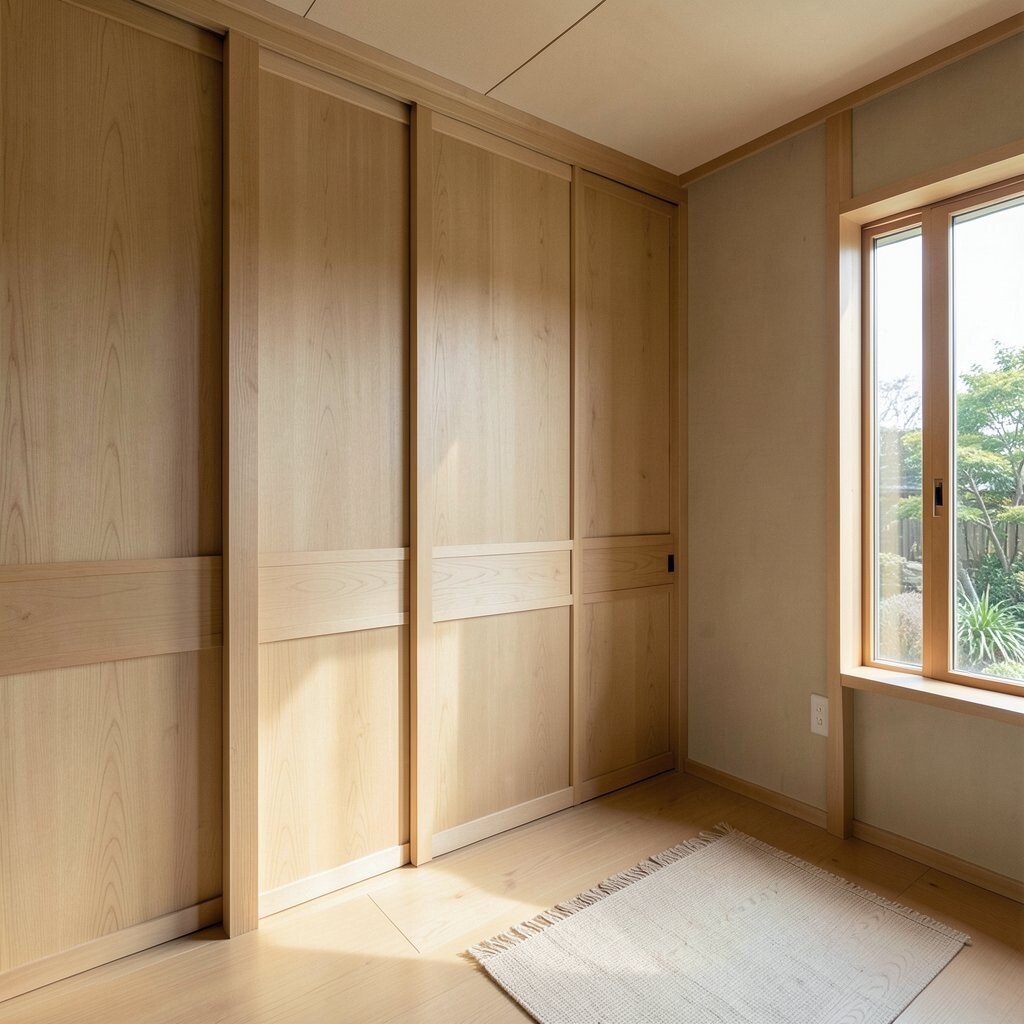
Wood walls and panels bring a gentle, warm look to Japanese style. They add texture without making the room feel busy.
This choice works well in living rooms, halls, and bedrooms. It pairs well with white walls, soft gray, and other quiet colors.
For a low-cost option, use wood slats on one wall or behind a bed. This can create a clear focal point and make the room feel planned with little effort.
5. Neutral Color Palettes
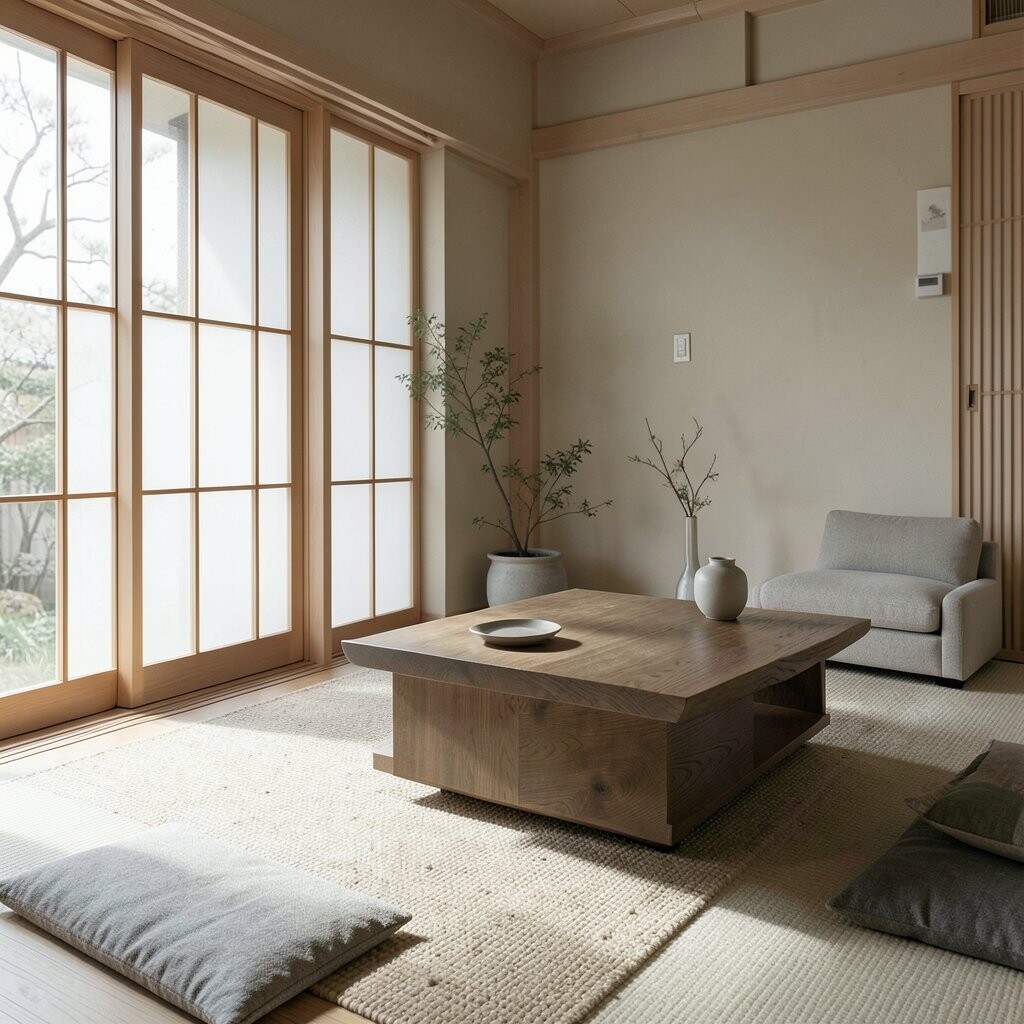
Japanese style often uses soft colors like white, beige, gray, and light brown. These colors help the room feel calm and clean.
A neutral palette is easy to match with many items you already own. It also makes it simpler to change small parts of the room later without starting over.
If you want more interest, add one soft accent color such as green, blue, or black. This keeps the room simple while giving it a bit of depth.
6. Simple Floor Cushions

Floor cushions are a nice way to add comfort and a Japanese feel. They are often used with low tables or in quiet sitting areas.
They work well for small homes because they can be moved and stored with ease. This makes them useful for guests, reading, or tea time.
Choose plain fabric in cotton, linen, or a soft weave for a clean look. If you want a more personal touch, mix a few cushion sizes or colors that stay in the same color family.
7. Indoor Plants with Clean Shapes
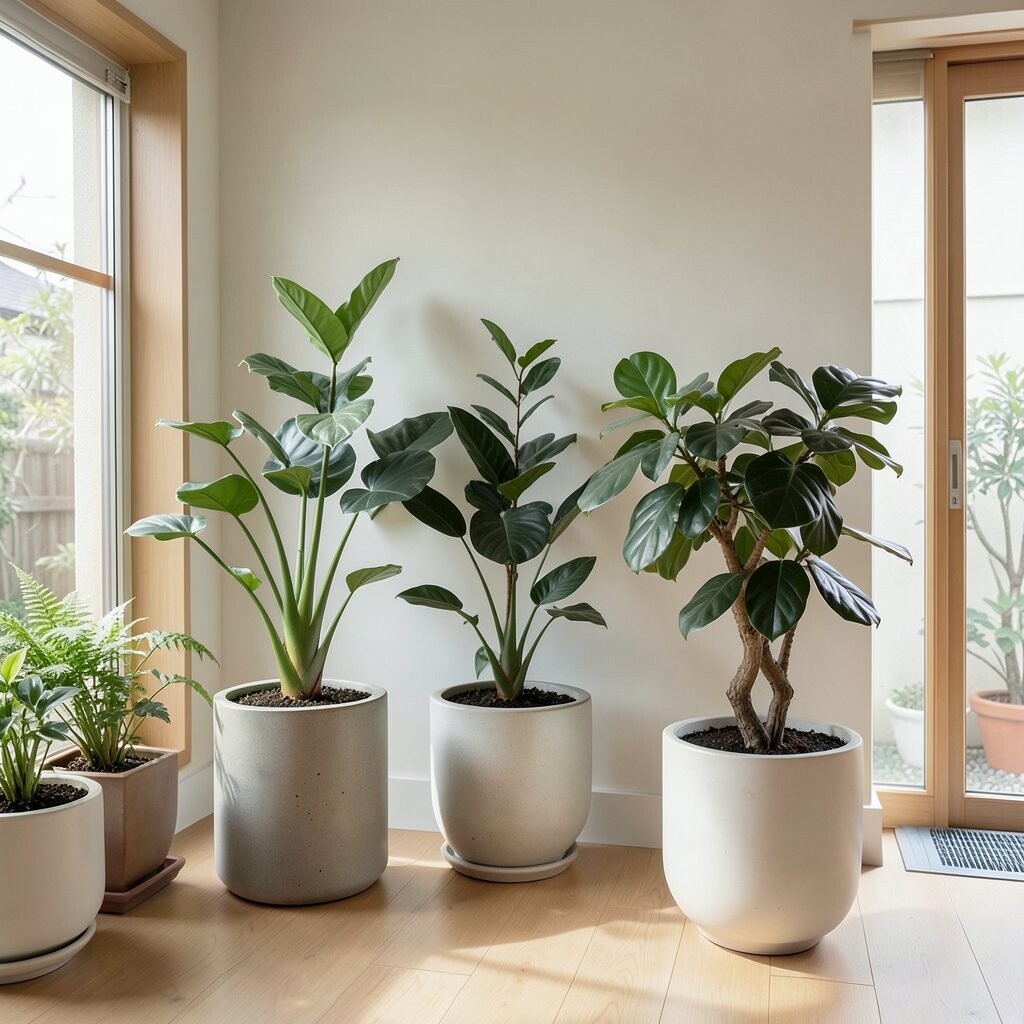
Plants are a simple part of many Japanese-style rooms. They add life and color without making the space feel full.
Pick plants with clean shapes, like bamboo, bonsai, or a small tree in a plain pot. These can make the room feel fresh while still keeping the look calm.
Plants do not need to cost a lot if you start small. A single plant in a simple container can do a lot for a shelf, corner, or table.
8. Zen-Inspired Rock and Sand Areas

A small rock or sand area can bring a quiet Japanese touch to a home. It may sit on a tray, in a shallow box, or on a small table.
This idea is unique because it uses shape and texture more than color. Raking the sand or arranging stones can also feel calm and help you slow down.
You can make one yourself with low-cost items from a craft or garden store. Add a few stones, fine sand, and a small rake if you want the full look.
9. Sliding Doors and Panels

Sliding doors are useful and fit well with Japanese style. They save space because they do not swing open like a normal door.
This makes them a smart choice for small rooms, closets, and shared spaces. They also give a room a neat and tidy look.
You can use real sliding panels or try a simple track system with fabric or light wood. If you want a more modern feel, use clean lines and plain surfaces.
10. Hidden Storage Solutions

Japanese style often keeps clutter out of sight. Hidden storage helps a room look calm and makes daily cleaning easier.
Use storage benches, under-bed boxes, or cabinets with plain fronts. These items help you keep books, blankets, and other things in one place.
This style is practical and works in almost any room. It can also save money over time because you may need fewer extra shelves and decor pieces.
11. Washi Paper Lighting
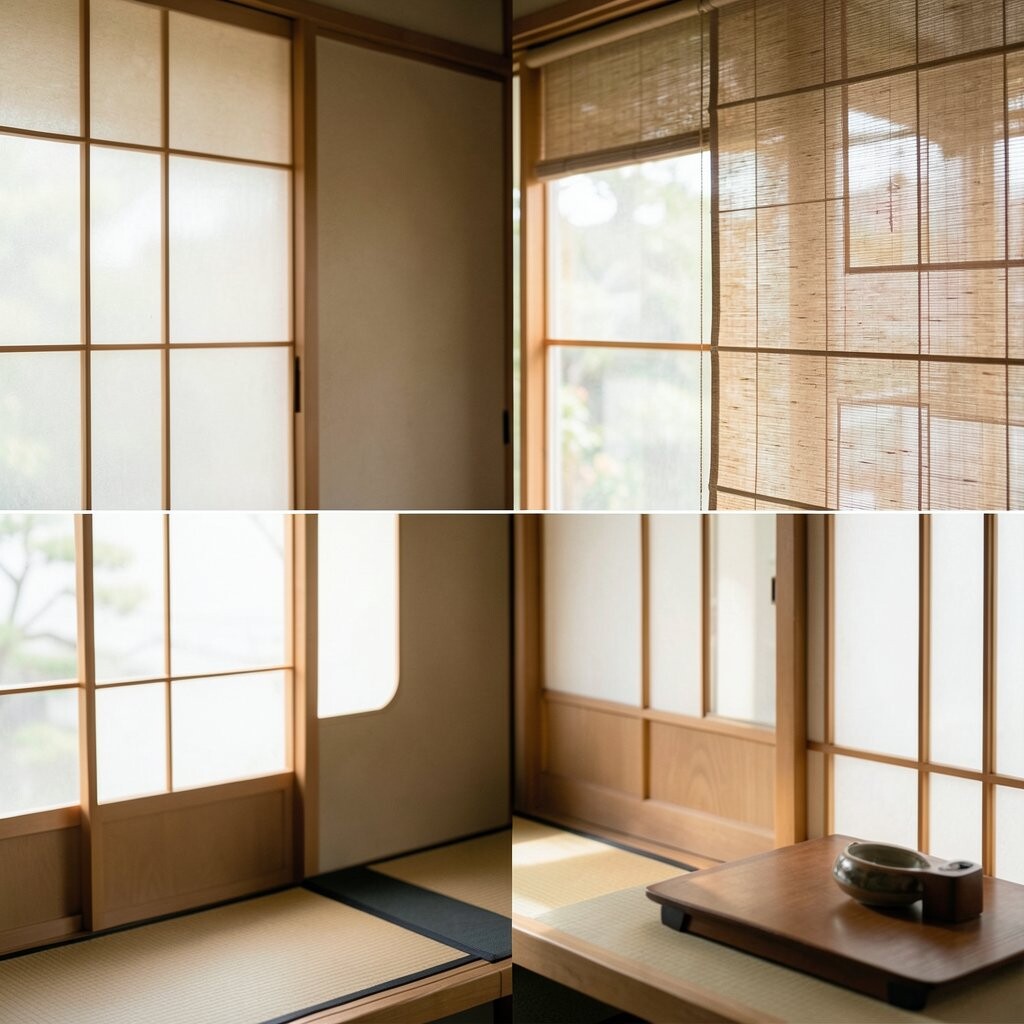
Washi paper lights give off a soft glow that feels gentle in the evening. Their round or simple shapes fit well with a Japanese room.
They are good for bedrooms, reading corners, and living rooms. The light is easy on the eyes and can help a room feel relaxed.
You can find many styles, from hanging lamps to small table lights. If you want a low-cost option, look for paper lanterns or lamps with a soft shade.
12. Black Accent Details

Black accents can give Japanese style a clean and sharp look. A little black goes a long way in a light room.
Try black frames, lamp bases, shelves, or table legs. These details help shape the room and make the lighter parts stand out.
This trend feels modern, but it still fits classic Japanese style. If you use it in small amounts, it can make a room feel neat without feeling heavy.
13. Open Shelf Displays

Open shelves can work well when they stay simple and tidy. In Japanese style, the goal is to show only a few useful or nice items.
This can make a room feel personal without looking messy. A few bowls, books, or plants on a shelf can be enough.
Use wood or plain white shelves for a clean look. Keep some empty space on each shelf so the display can breathe and stay easy to look at.
14. Tea Corner Spaces

A tea corner is a small area made for quiet time and simple drinks. It often has a tray, cups, a kettle, and a low table or shelf.
This idea adds comfort and gives a room a clear purpose. It can also help you slow down during the day and enjoy a short break.
You do not need much money to make one. Use a small tray, a few cups, and one shelf or table, then add items that match your room colors.
15. Mix of Old and New Pieces
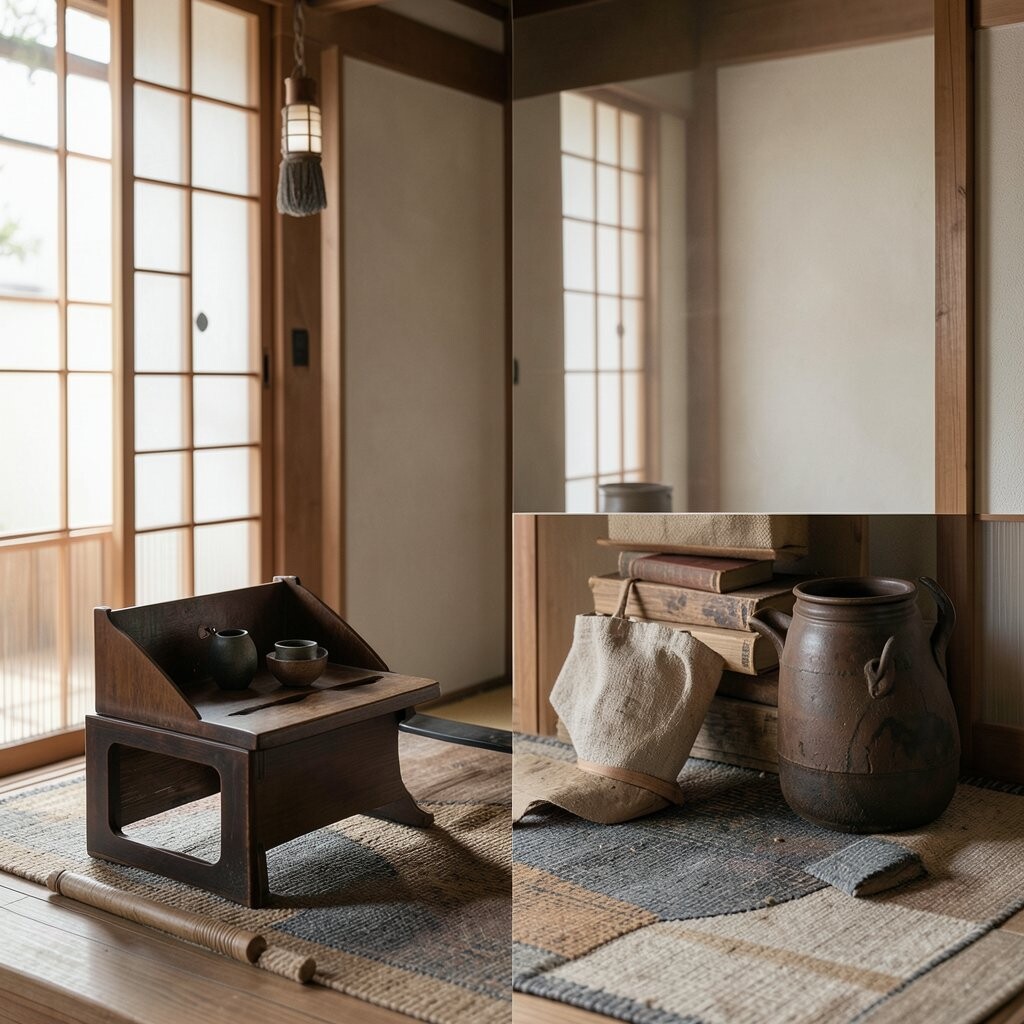
Japanese style often mixes old and new items in a careful way. A room may have a modern sofa, a simple wood table, and one older bowl or lamp.
This mix makes the room feel lived in and personal. It also keeps the space from looking too plain or too matched.
Try using one or two family items, thrift finds, or handmade pieces with newer furniture. This is a good way to keep costs down while giving your room its own story.