Japanese home ideas often focus on calm, order, and daily use. They can help make a room feel neat, warm, and easy to live in.
1. Tatami Mats
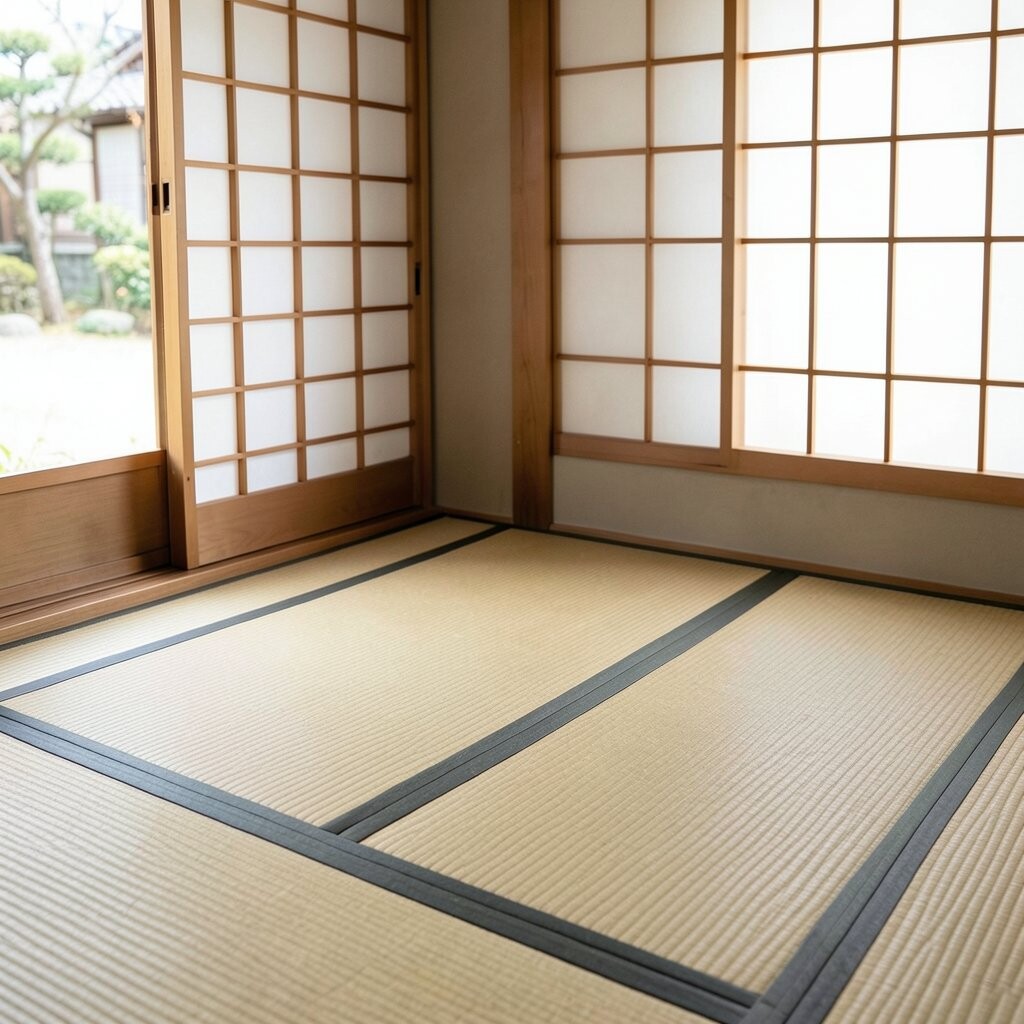
Tatami mats bring a soft, natural look to a room. They are made from plant fiber and have a clean smell that many people enjoy.
You can use them in a bedroom, a tea corner, or a small sitting area. They help make the floor feel more comfortable and can also make a space look calm and simple.
Tatami can cost more than a plain rug, but they last well if you care for them. Many people now use just one or two mats as an accent, which makes them easier to try in a modern home.
2. Shoji Screens
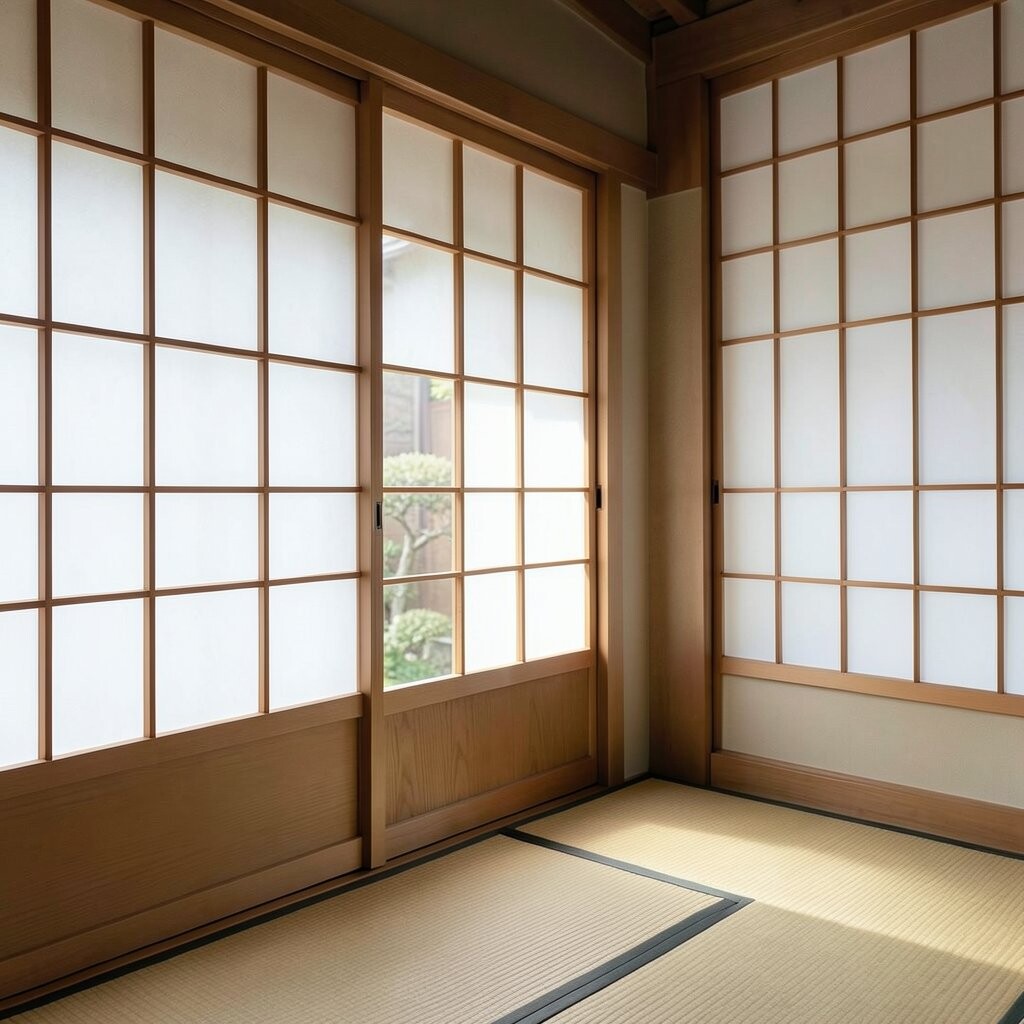
Shoji screens use light wood frames and paper panels. They let in soft light and make a room feel open without losing privacy.
These screens work well as room dividers, closet doors, or window covers. They can make a space feel lighter and more peaceful than heavy curtains or solid walls.
If you want a lower-cost option, you can find screen-style panels made with other materials. Many homes today use this look because it fits both old and new rooms.
3. Low Tables
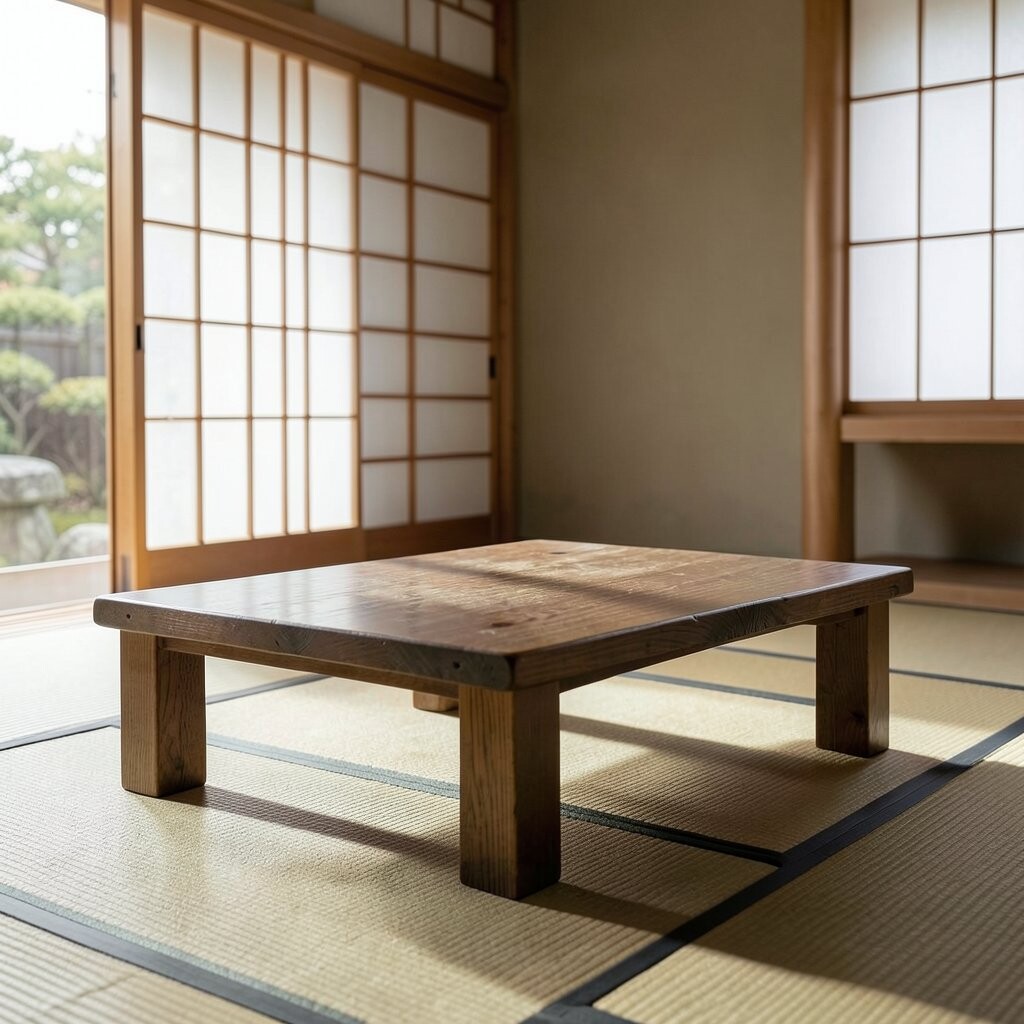
Low tables are a key part of many Japanese rooms. They sit close to the floor and can make meals, tea time, or work feel more relaxed.
This style gives a room a calm feel and can help save space. A low table also makes it easy to sit on cushions or floor chairs, which can be a nice change from a regular dining set.
You can pick a plain wood table for a simple look or choose one with storage for more use. Low tables are often cheaper than large dining tables, and they fit well in small homes.
4. Floor Cushions
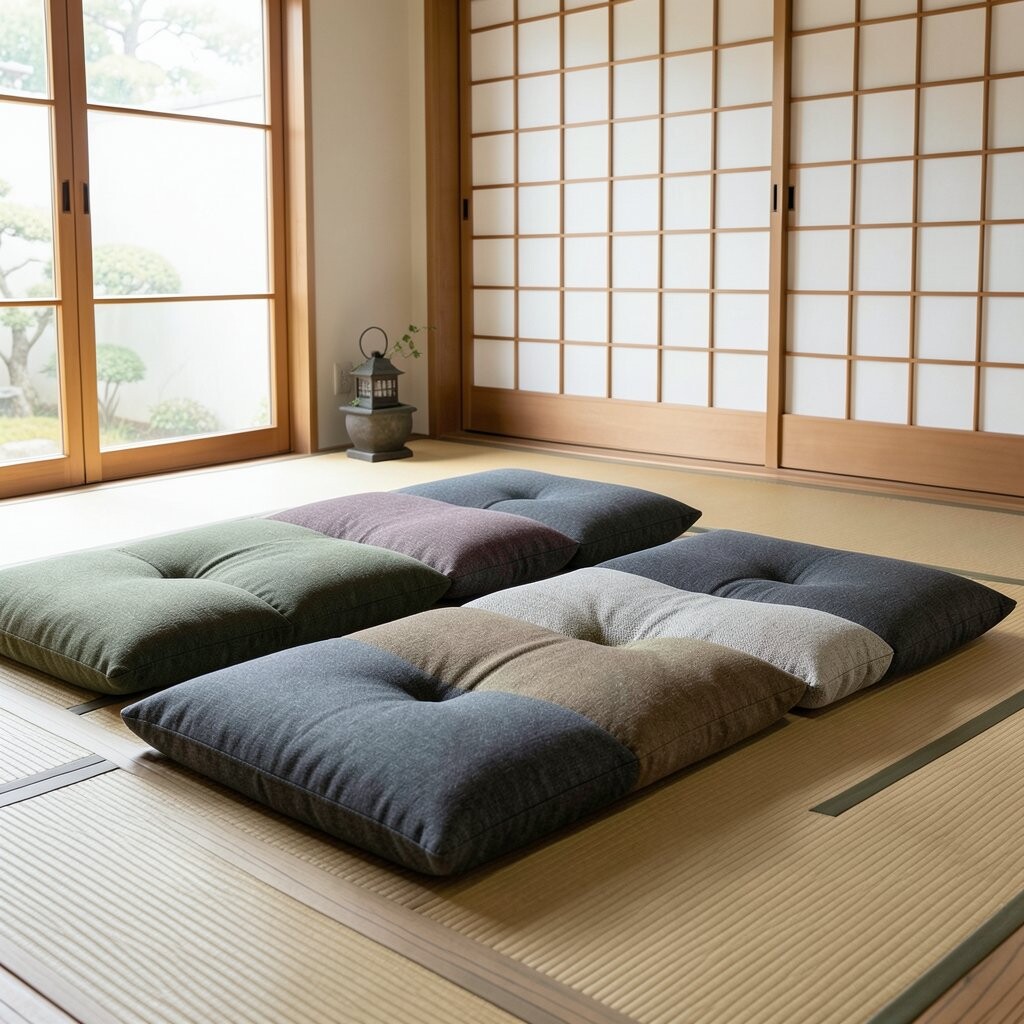
Floor cushions, also called zabuton, add comfort to low seating. They come in many colors and fabrics, so they are easy to match with your room.
They are useful for reading, eating, or sitting with guests. They also help if you want a soft place to sit without adding big chairs.
Some people use plain cotton cushions, while others pick bold prints for a modern touch. They are usually low in cost and easy to move, which makes them a smart choice for flexible spaces.
5. Natural Wood
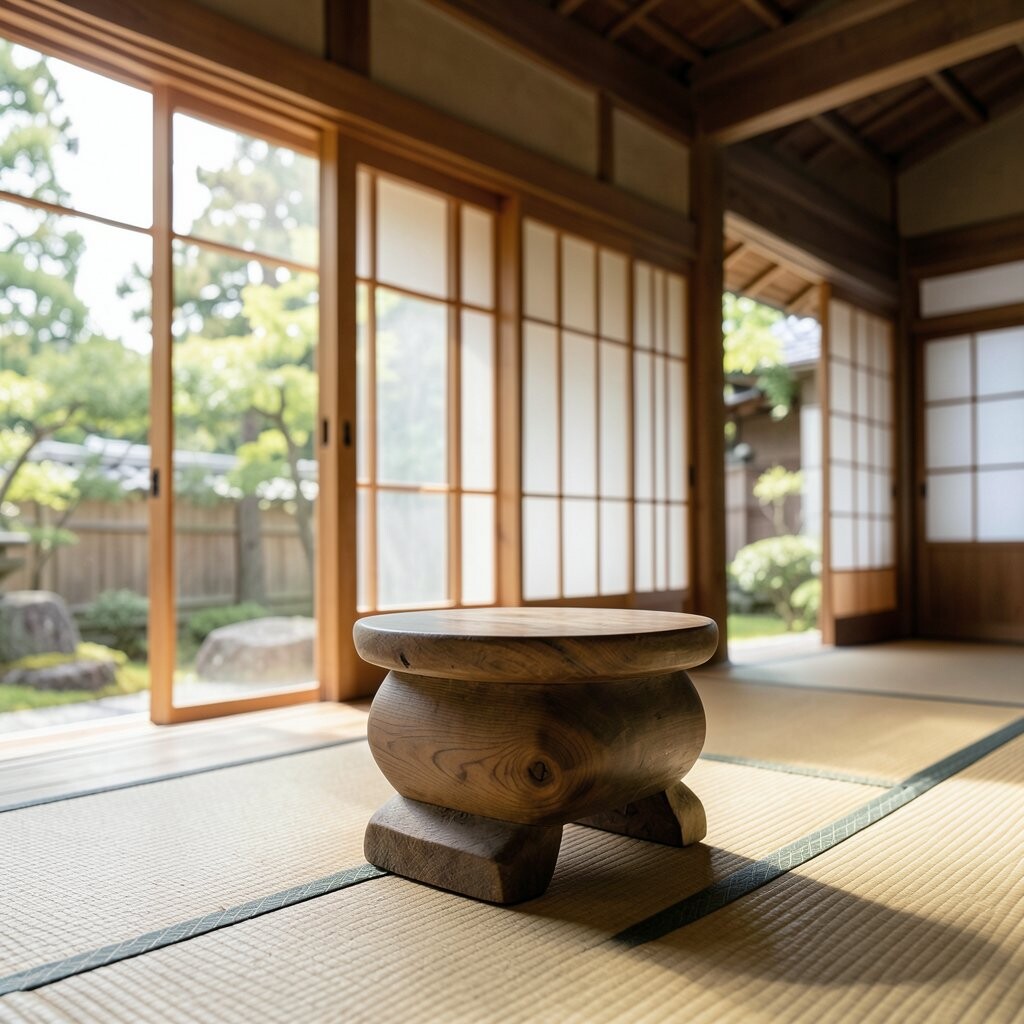
Natural wood is a big part of Japanese home style. It gives rooms a warm look and works well with light walls and simple furniture.
You can use wood in shelves, tables, doors, and ceiling beams. It helps a room feel calm and real, not crowded or too shiny.
Many people like to mix light wood with black metal or white paint for a fresh look. If full wood pieces cost too much, even small touches like trays or frames can bring the same feel.
6. Indoor Plants
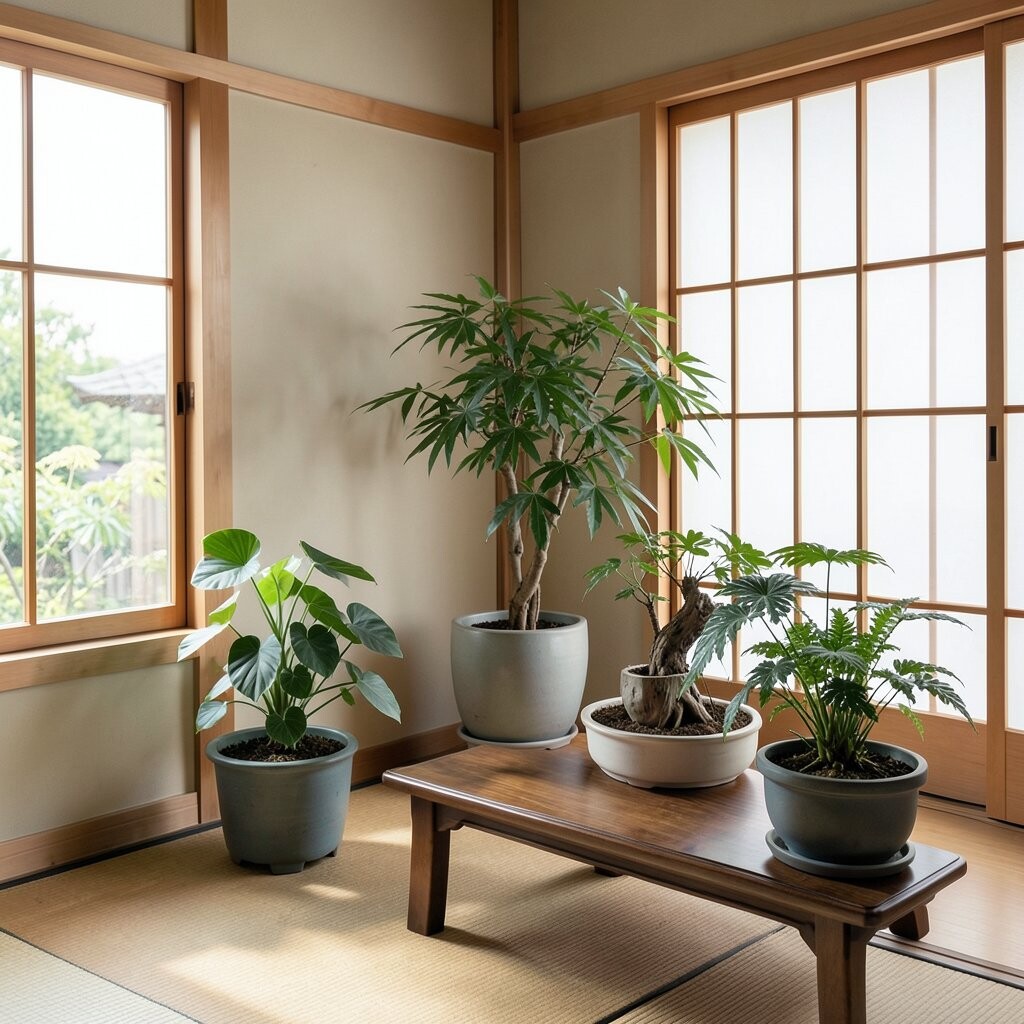
Indoor plants add life to a room in a quiet way. Japanese style often uses plants with simple shapes, like bamboo, bonsai, or a single branch in a vase.
Plants can help a room feel fresh and less stiff. They also give your eyes a place to rest, which can make the space feel more peaceful.
You do not need many plants to get this look. A small plant on a table or near a window can be enough, and many low-cost options work well in small homes.
7. Sliding Doors
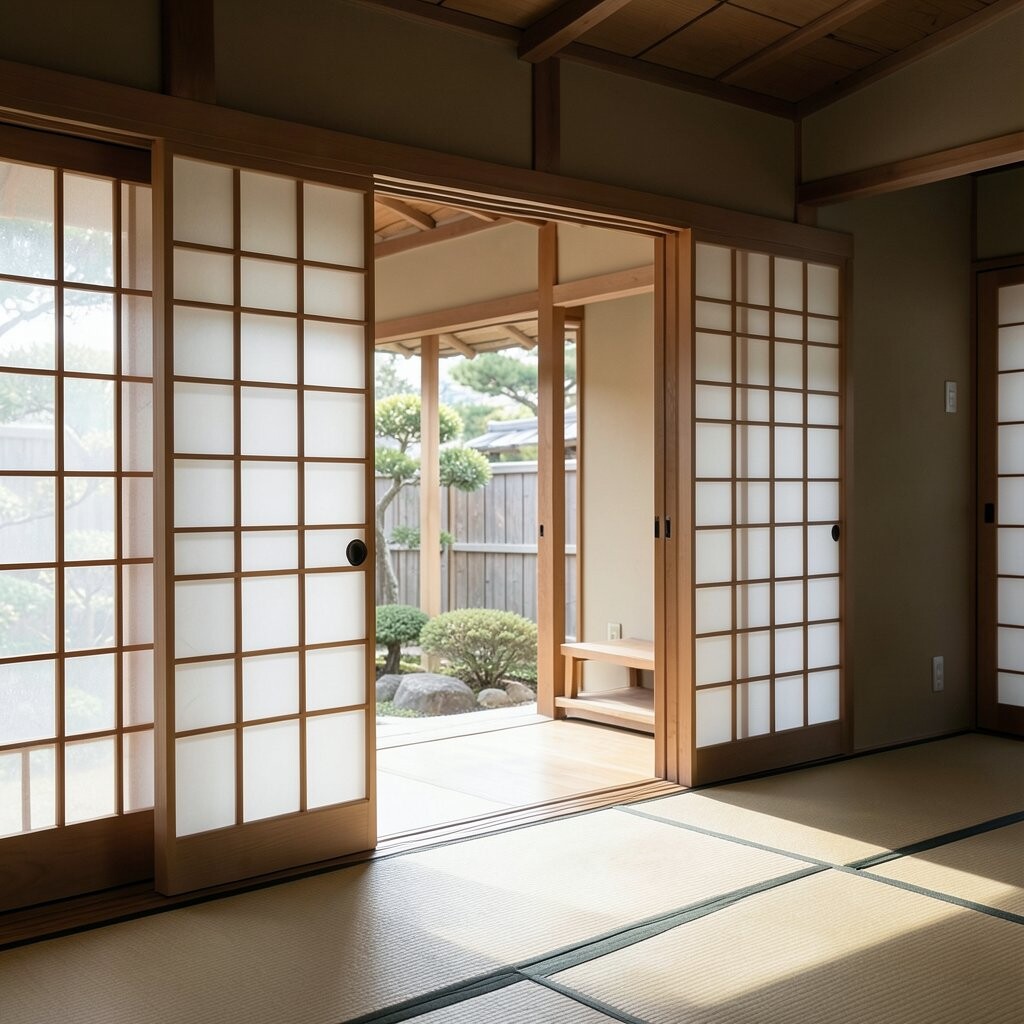
Sliding doors are useful in homes where space matters. They move side to side, so they do not take up room when opened.
This makes them good for closets, bathrooms, and room entryways. They also give a clean and smooth look that fits well with simple home design.
Some sliding doors use wood and paper, while others use glass or frosted panels. If you want a modern style, you can use a sliding door to save space and keep the room neat.
8. Simple Color Palettes
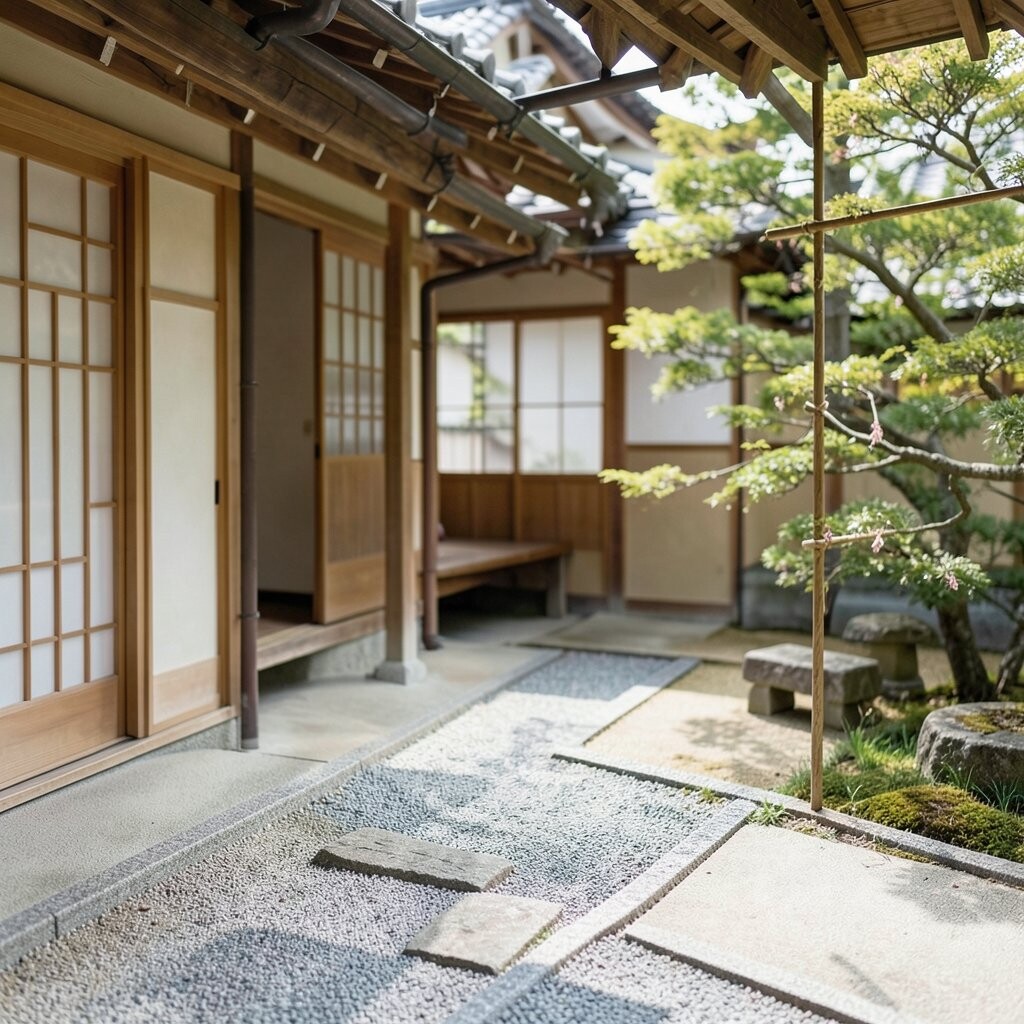
Japanese home style often uses soft colors like white, beige, gray, and light brown. These colors help the room feel open and easy on the eyes.
A simple color plan can make furniture and decor look more calm and balanced. It also gives you more freedom to change small items later without making the room feel messy.
You can add small touches of green, black, or deep blue for contrast. This style is often low cost because it works well with plain paint and a few well-chosen items.
9. Built-In Storage
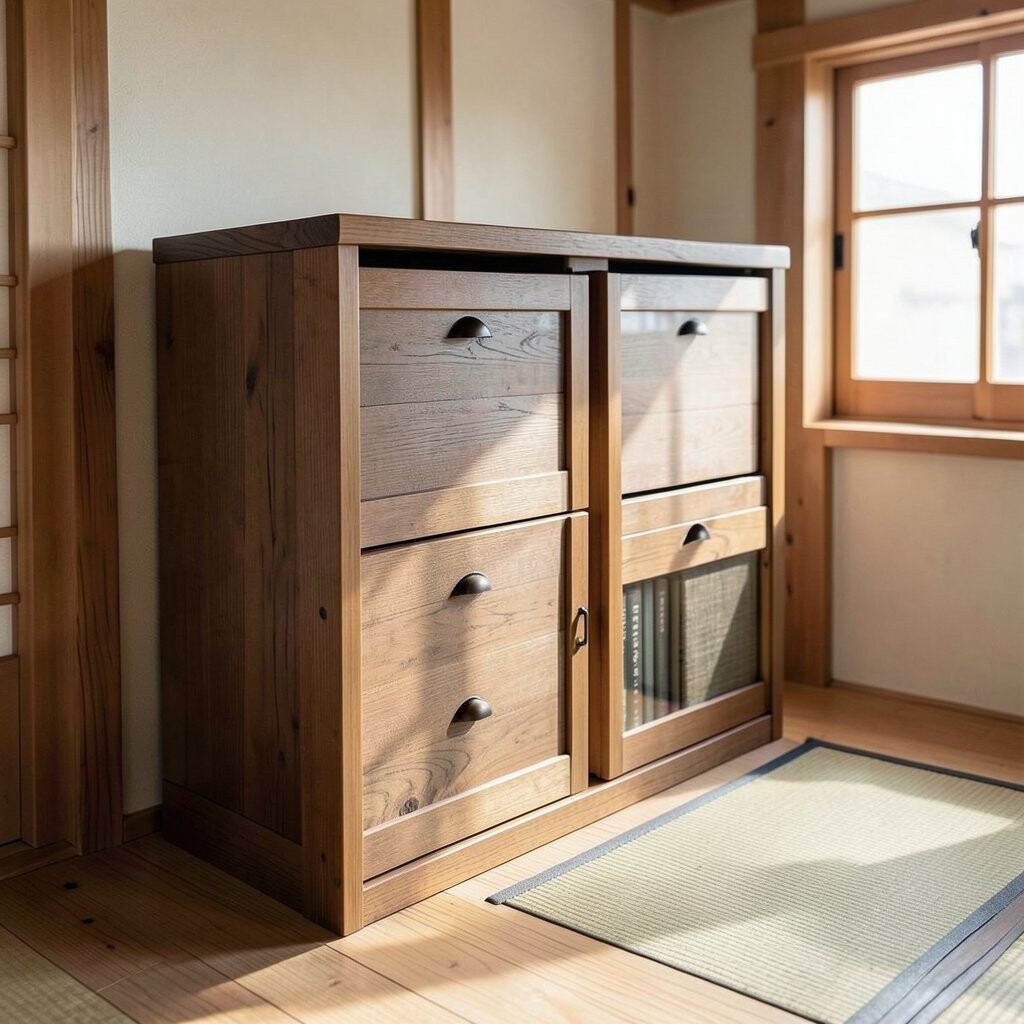
Built-in storage helps keep things out of sight and makes a home feel tidy. It is common in Japanese homes where clean lines and open space matter.
You can use shelves, wall cabinets, or storage benches that fit into the room shape. This keeps daily items close by while also making the room look less crowded.
Custom storage can cost more, but simple built-in ideas can still work on a budget. Many people like this trend because it helps small homes feel larger and easier to use.
10. Genkan Entry Space
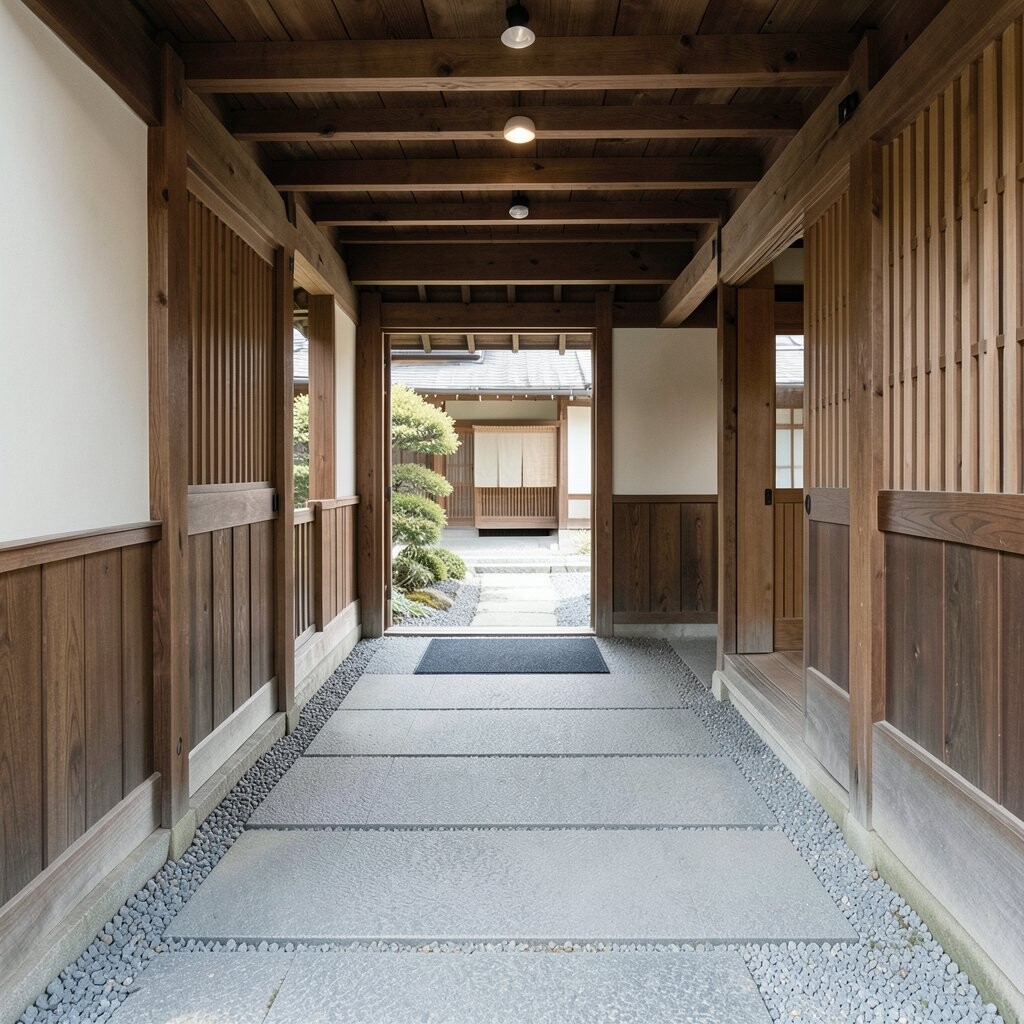
The genkan is the entry area where shoes are removed before going inside. It helps keep dirt out of the main home and gives a clear start to the indoor space.
This area can be very simple, with a shoe rack, a mat, and a small bench. It also helps guests understand the home’s flow right away.
You can make a genkan with low cost items and still get the same benefit. A neat entry space is a growing trend because many people want homes that feel more organized from the first step in.
11. Tea Corner
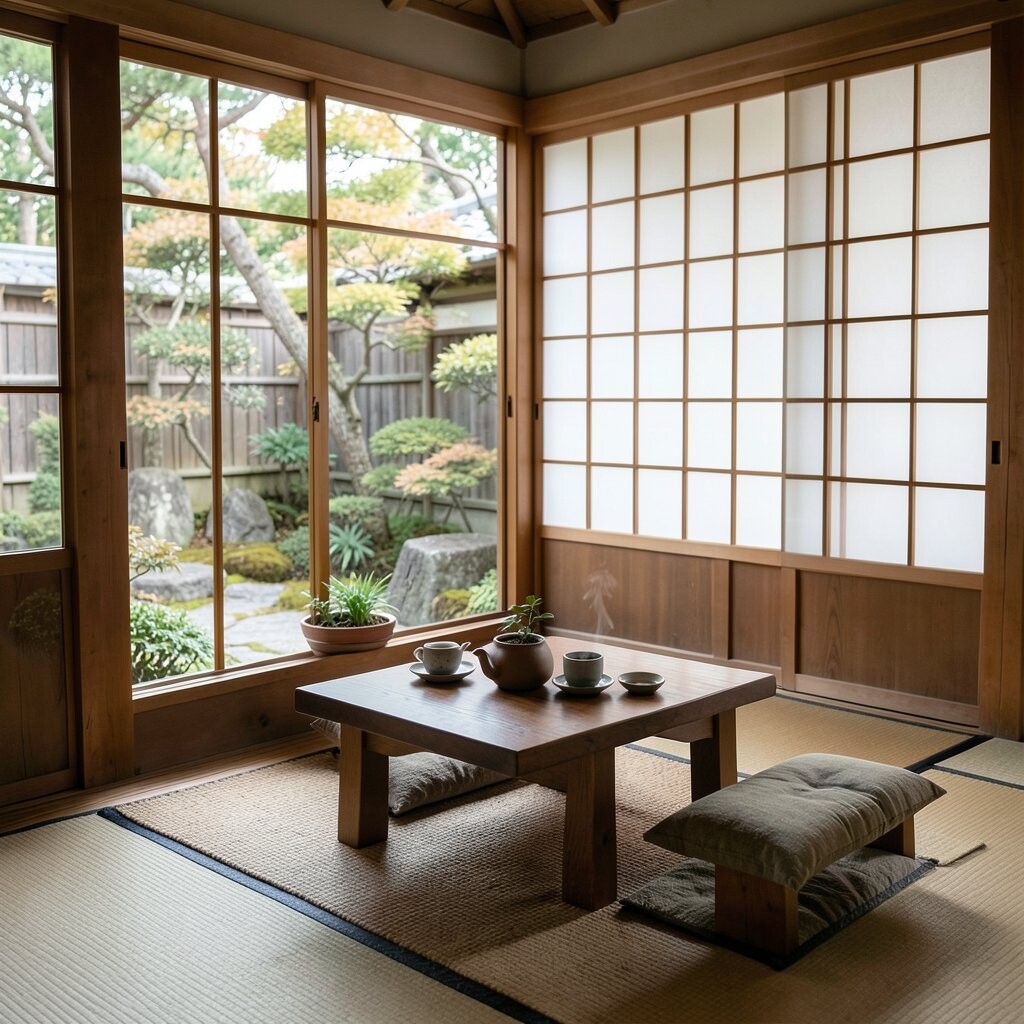
A tea corner is a small space set aside for tea or quiet breaks. It can include a kettle, cups, a tray, and a low table or shelf.
This idea brings a calm habit into daily life and helps you slow down for a short time. It also makes a room feel more personal because it shows how you use your home.
You do not need a large setup to make this work. A small tray on a counter or table can be enough, and many people like this simple trend because it is easy to keep neat.
12. Washi Paper Details
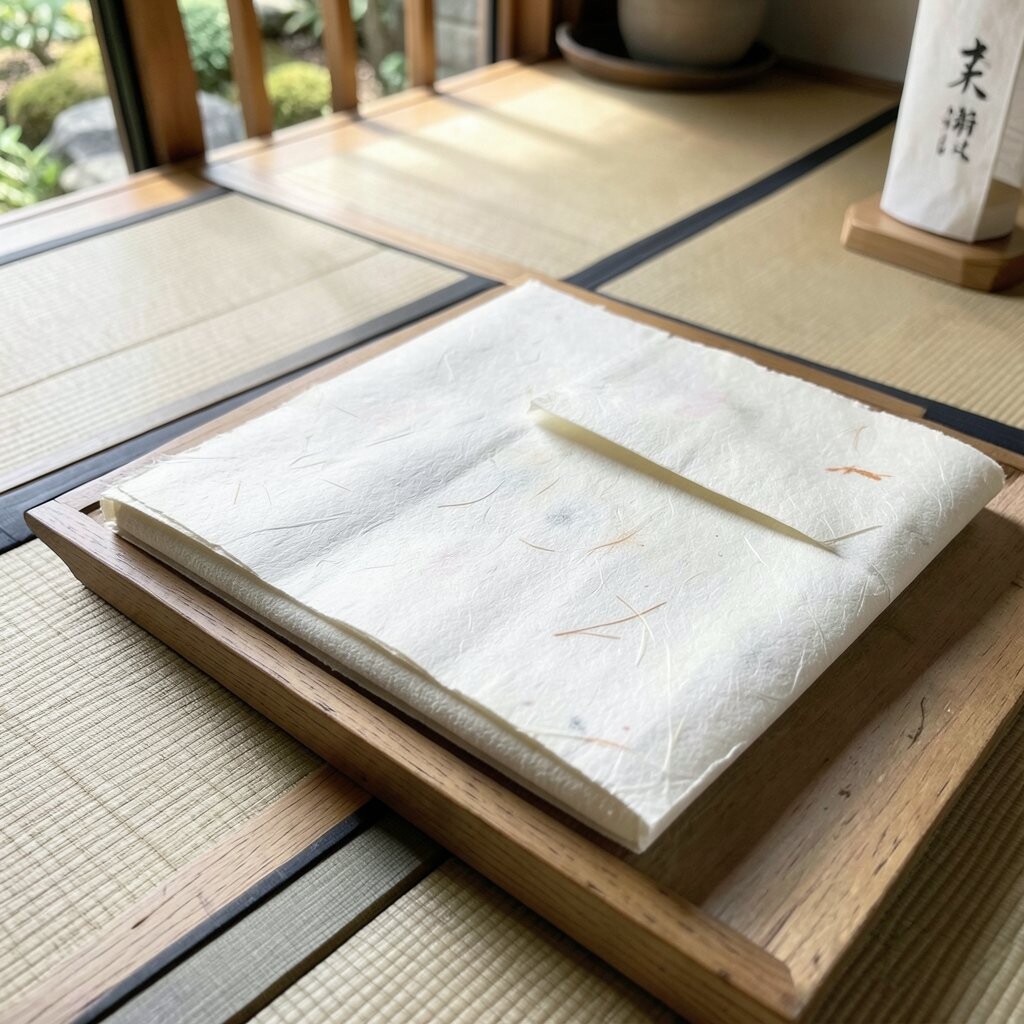
Washi paper is a light paper used in lamps, screens, and decor. It has a soft look that spreads light in a gentle way.
This material can make a room feel warm without being bright or harsh. It also adds a handmade touch that stands out from common plastic or glass decor.
You can use washi paper in a lamp shade, wall art, or small craft items. It can be low cost if you use it in small ways, and it fits well with the trend of simple, natural home details.
13. Minimal Decor
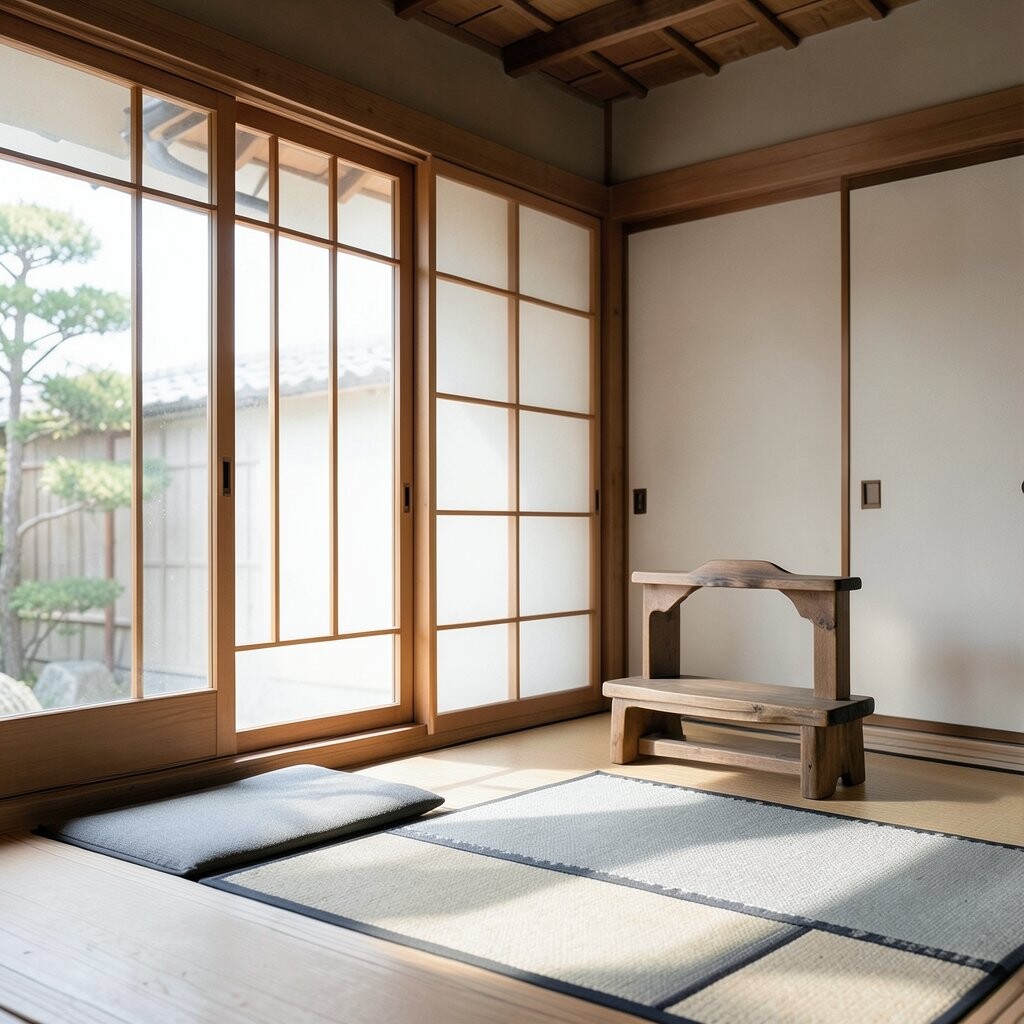
Minimal decor means using only a few items and choosing them with care. Japanese homes often use this idea to keep rooms open, calm, and easy to clean.
This style works because each item has a clear place and purpose. A vase, a bowl, or one piece of art can stand out more when the room is not full of extra things.
You can make this look your own by choosing items that match your daily life and taste. It is often the best low-cost way to bring Japanese home style into your space because it asks for less, not more.