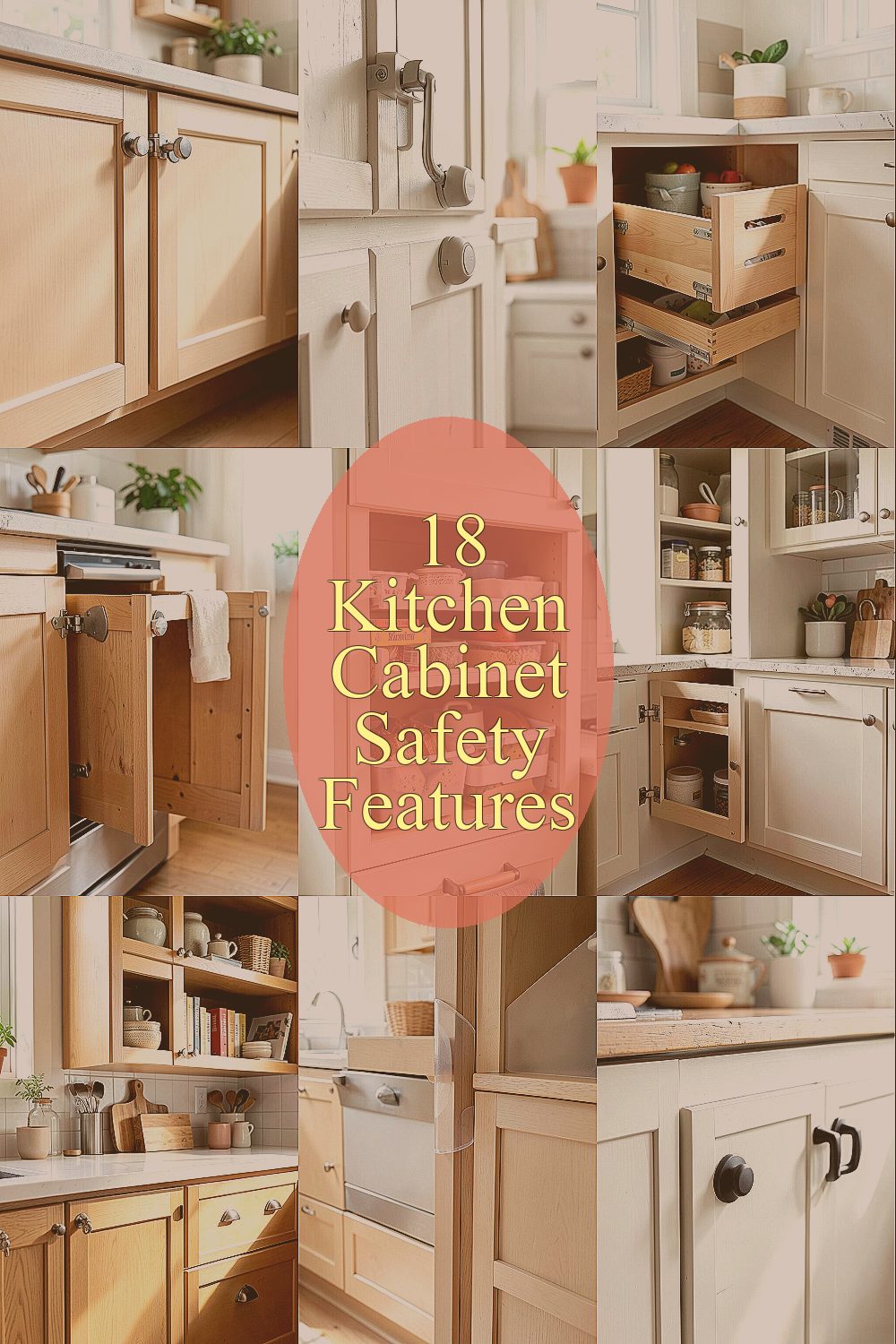
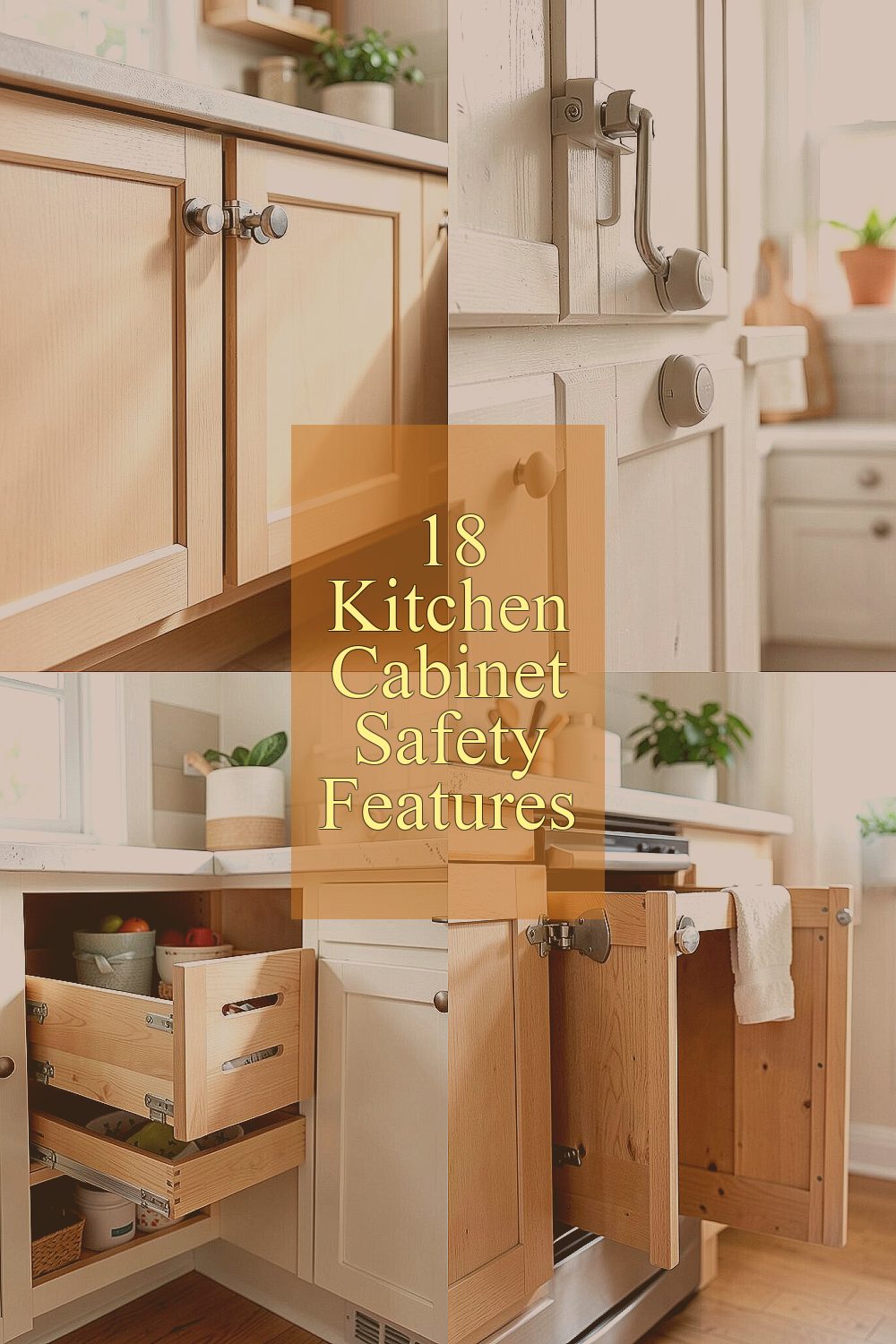
Small hands move fast, and kitchens need to keep up. The right cabinet safety setup can feel both calming and smart.
In this list, you’ll find practical upgrades that look nice, work well, and fit real family life. Each idea includes what you’ll notice, why it helps, what it costs, and how to make it your own.
-
1. Soft-Close Hinges With Gentle Stops
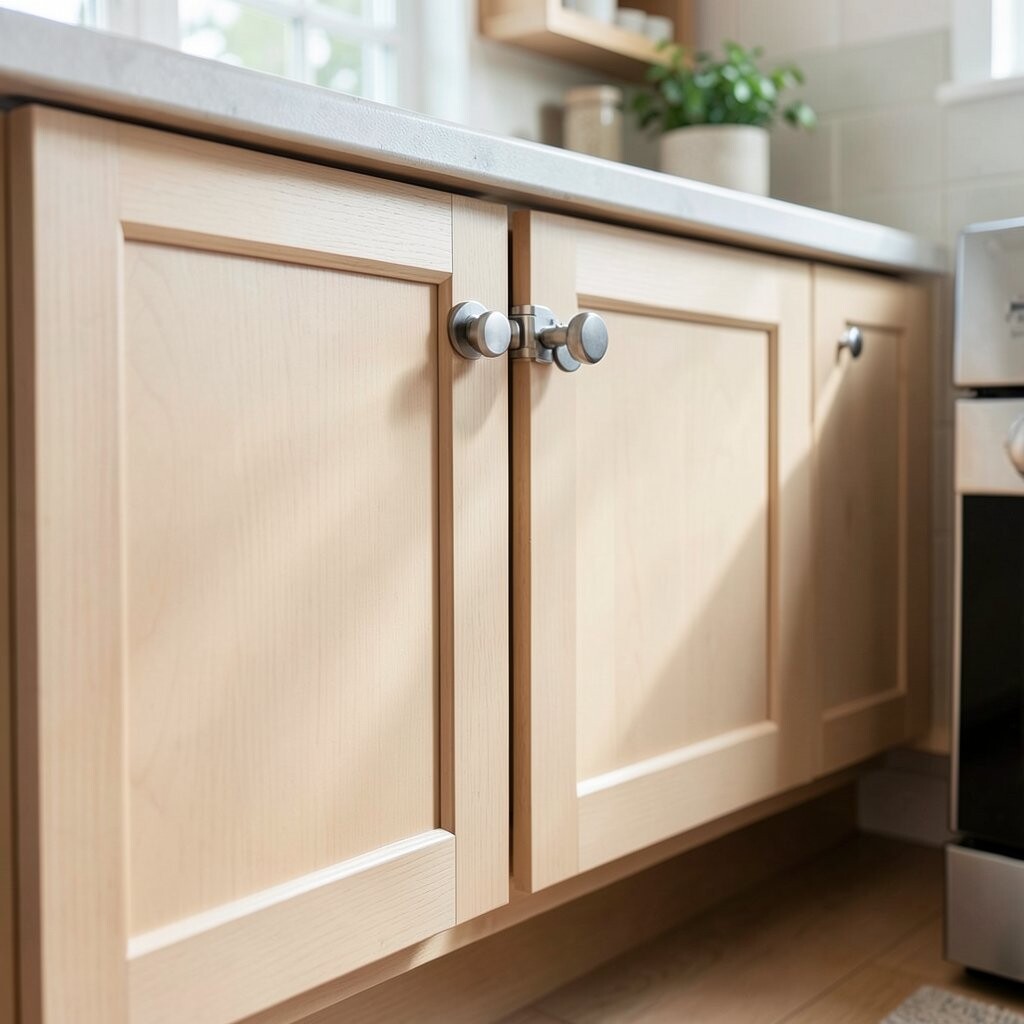
Soft-Close Hinges With Gentle Stops Cabinet doors glide shut instead of slamming. You can almost hear the difference, like a quiet “whoosh” that feels safer.
Soft-close hinges reduce the chance that a door can bounce open after a child tugs. They also help protect fingers during everyday use. Choose hinges that have a smooth, slow feel, not a sticky one, so adults and kids both benefit.
When you install them, test a few doors with one hand while standing back. That way you can confirm the door slows down consistently. For personalization, match the finish to your hardware so the cabinet still looks stylish.
-
2. Child-Resistant Magnetic Latches
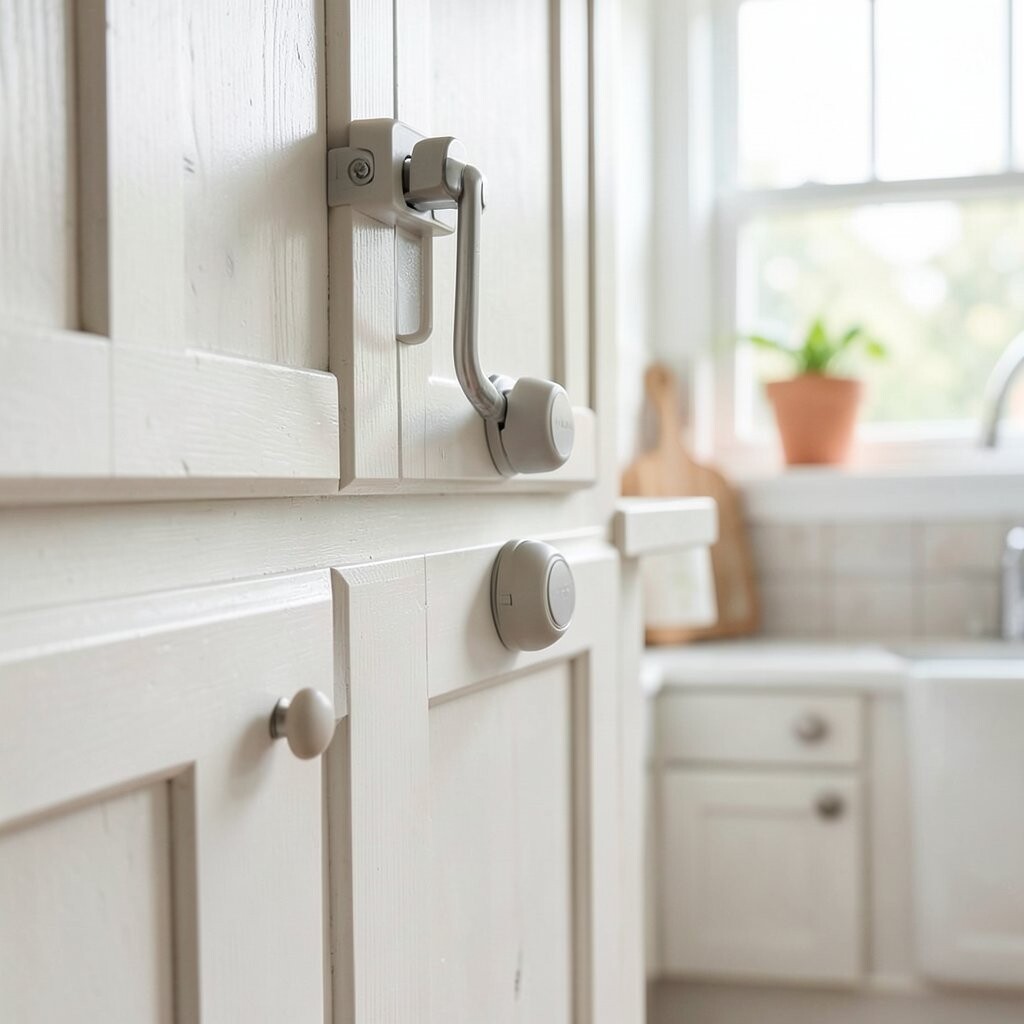
Child-Resistant Magnetic Latches Imagine a slim magnet hidden near the hinge area, out of sight but ready. The cabinet stays shut until the correct magnet is used.
Magnetic latches are great for families because they keep doors closed without bulky locks on the front. They work especially well for upper cabinets and lower pantry doors where kids might reach. For best results, install the latch so the alignment is exact, and keep the release magnet in a consistent place for grown-ups.
You can personalize by choosing latch styles that blend with your cabinet color and knob layout. If your cabinets have decorative trim, place the latch so it won’t clash with the design. This is a current popular option because it looks clean and doesn’t change the cabinet’s look much.
-
3. Sliding Shelf Locks For Cabinets With Pull-Outs
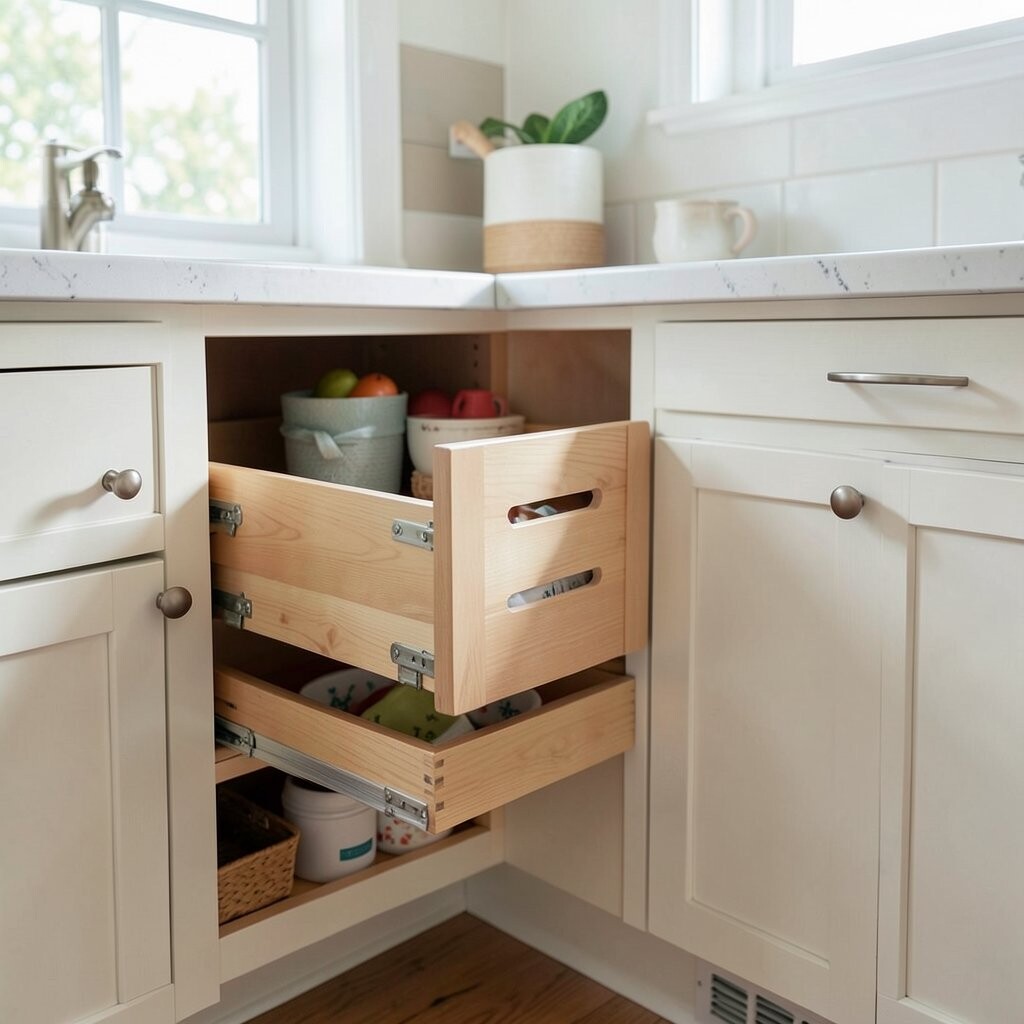
Sliding Shelf Locks For Cabinets With Pull-Outs Some cabinets hold shelves that slide out smoothly. With shelf locks, the motion stays controlled and won’t come all the way free.
Sliding shelf locks help stop a child from pulling shelves out and tipping items forward. They also keep breakable dishes and glassware closer to where adults can safely reach. Look for locks that engage quietly and do not scratch the shelf rails.
To personalize, measure your shelves carefully so the lock placement matches the rail pattern. If you use spices, consider adding a small “adult-only” shelf for cleaning tools and leaving everyday items on a lower unlocked shelf. This way the kitchen stays functional while still safer.
-
4. Cabinet Door Stops That Limit Opening Width
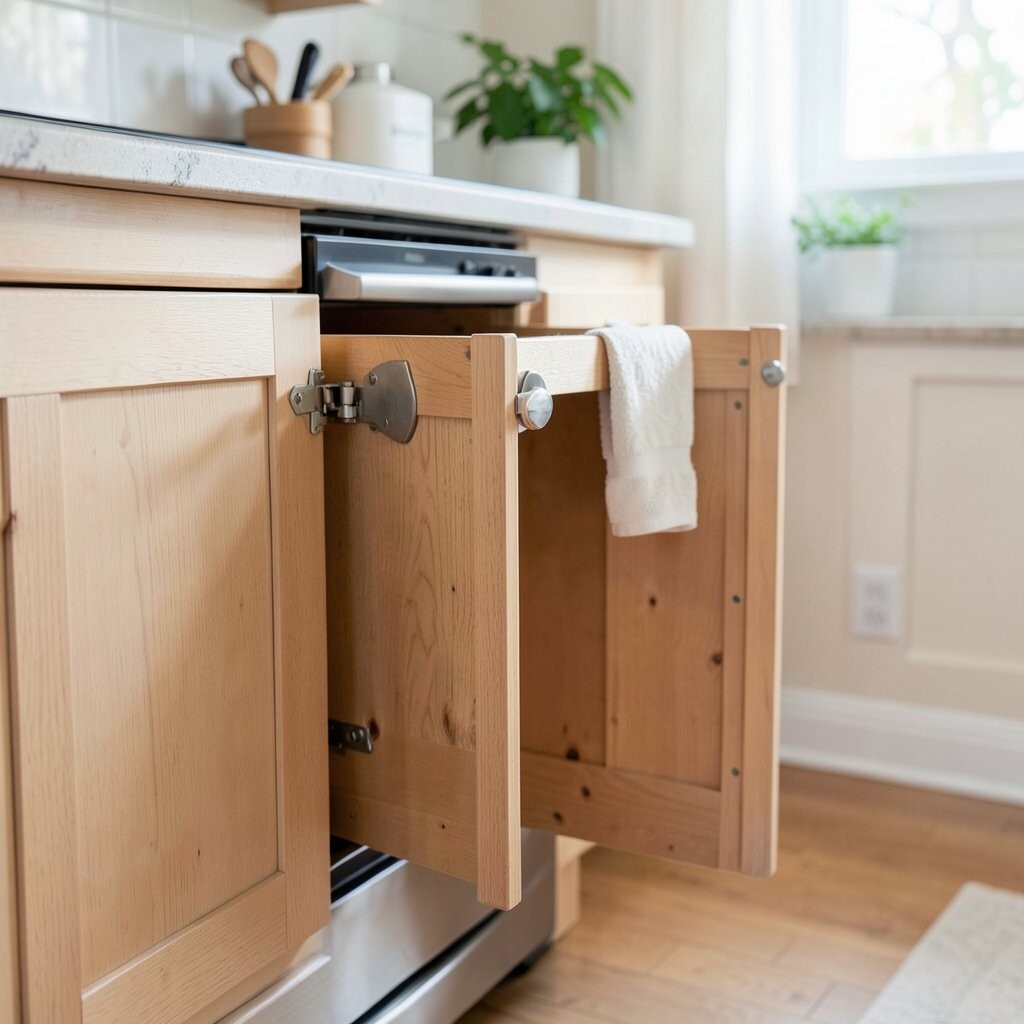
Cabinet Door Stops That Limit Opening Width Think of small bumpers that gently stop doors from opening too wide. Visually, you’ll notice the door opens only partway, like it has a quiet “limit.”
Door stops reduce access to the cabinet interior while still letting adults grab items. This is helpful for cabinets that store knives, mixers, or cleaning products. When you install them, adjust so the door opens enough for normal adult use, not so little that it becomes annoying.
For personalization, choose bumpers that match the cabinet color or hide them near the hinge line. If you have multiple cabinet styles, use one approach that works across most doors. Many families like this option because it is simple, low-tech, and easy to maintain.
-
5. Adjustable Railing-Style Organizers Inside Cabinets
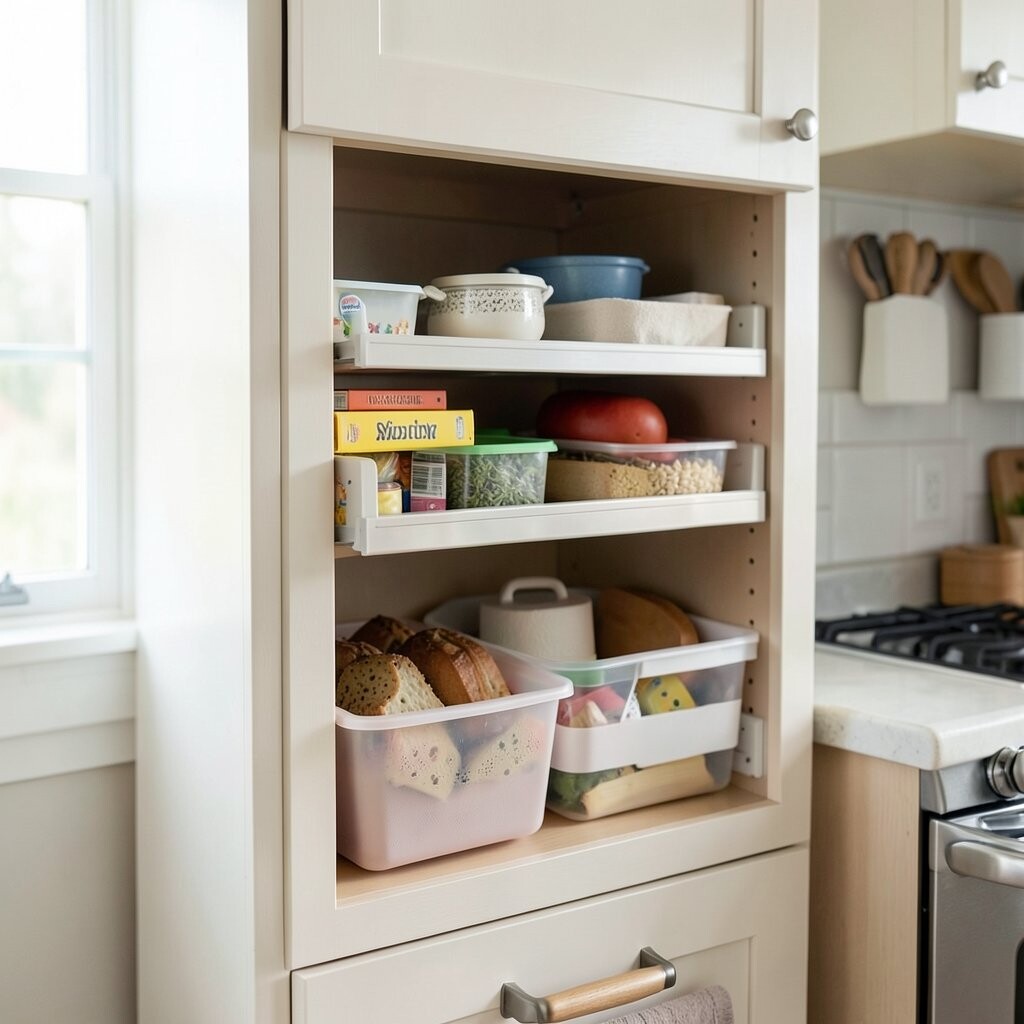
Adjustable Railing-Style Organizers Inside Cabinets Your cabinet can be safe even when a door opens. A railing-style organizer gives everything a “home base,” so it can’t easily tumble out.
Visualize a tidy framework with raised edges that hold containers in place. This makes grabby moments less risky because items stay upright. It also encourages safer habits, like always placing items back where they belong.
To personalize, set different zones: one area for kid-safe snacks, another for breakables, and a protected spot for cleaning tools. Consider using clear bins so adults can see what’s inside quickly. This is a popular trend because it combines safety with good-looking organization.
-
6. Locking But Hidden Inside-Cabinet Lids
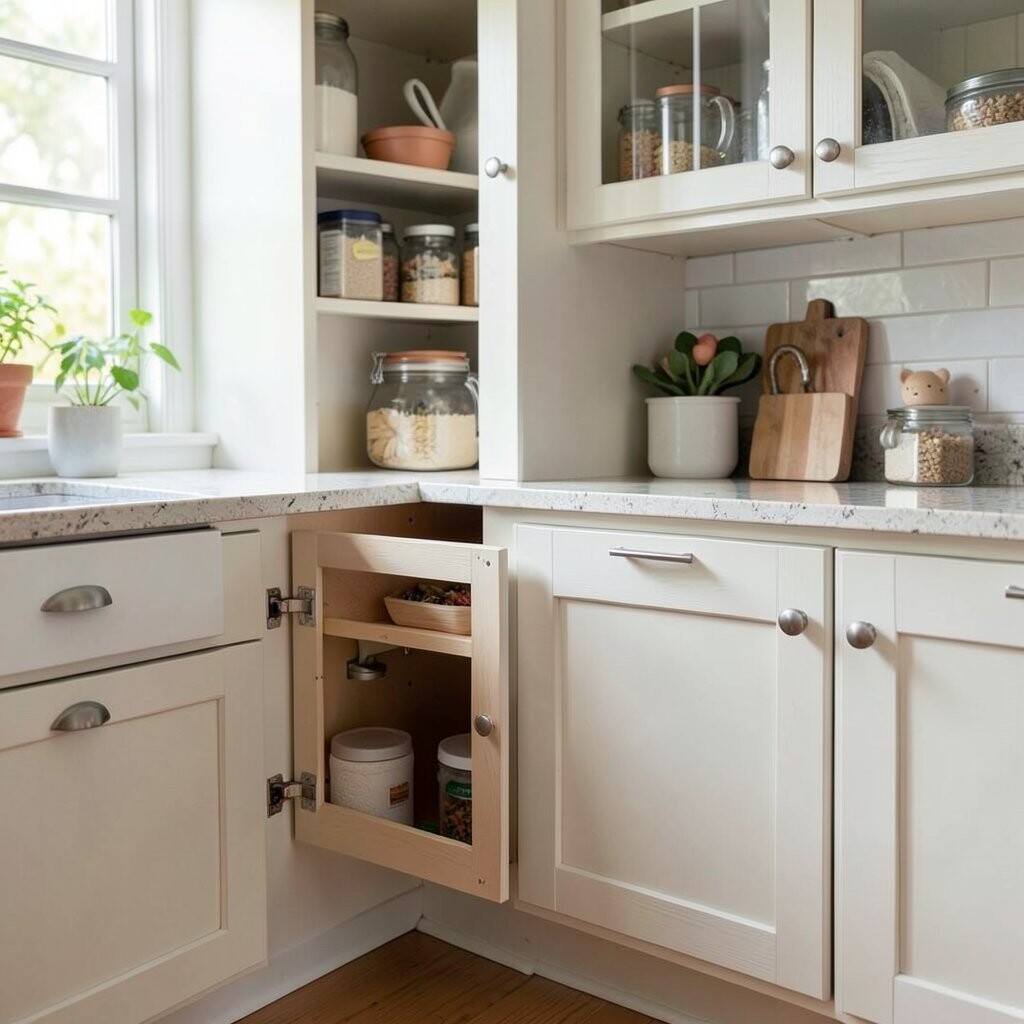
Locking But Hidden Inside-Cabinet Lids Some hazards don’t live in open shelves; they sit in bins or stacked containers. Hidden locking lids keep those containers secure even if the door is handled.
This approach is useful when you want the cabinet door to stay easy for adults but still control specific items. You can lock a bin that holds medicines, detergent pods, or sharp gadgets. Choose lids that open smoothly with adult-only mechanisms and close with a solid click.
Personalize by using color-coded bins for different rooms or routines. For example, one bin holds snack items, while another holds supplies used only during cleaning days. That helps grown-ups move faster and reduces the chance of accidental access.
-
7. Keyed Cabinet Locks For Specific “High-Value” Cabinets
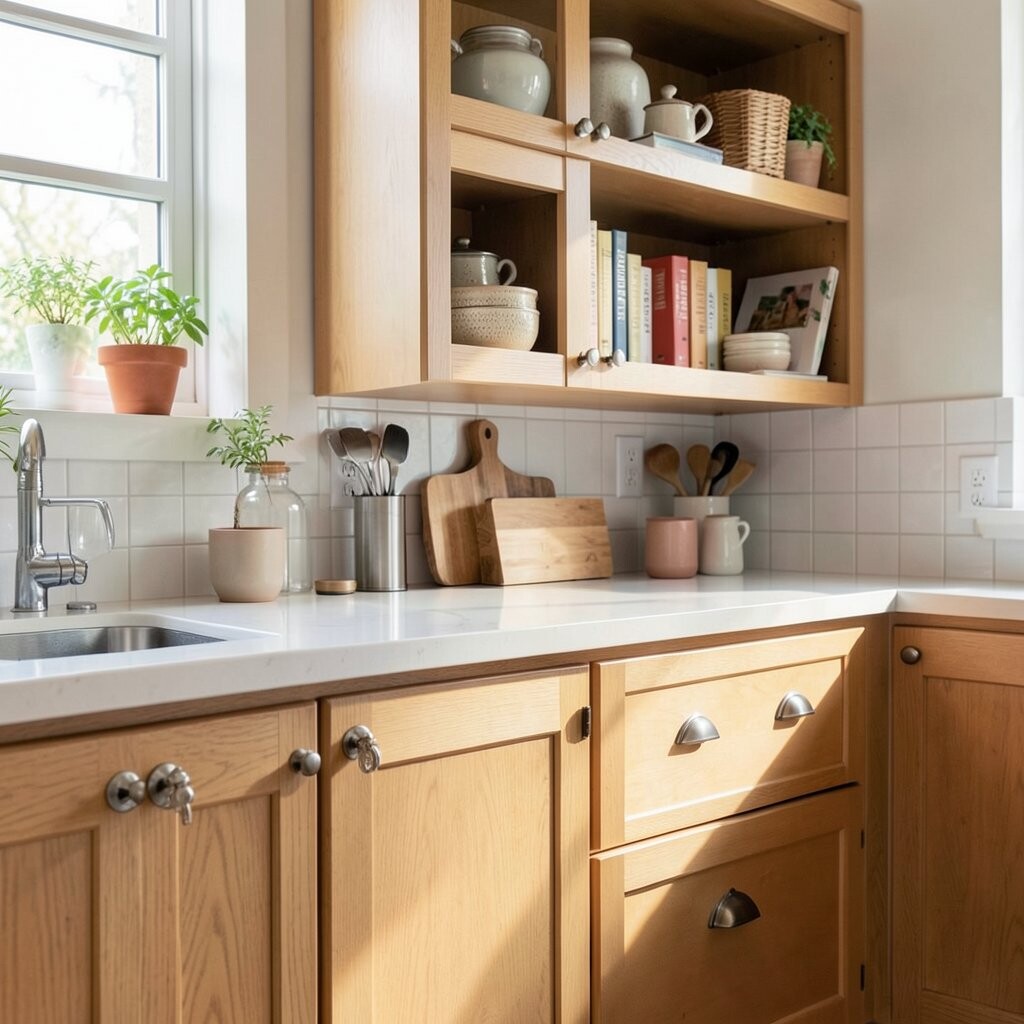
Keyed Cabinet Locks For Specific “High-Value” Cabinets Picture a small lock mechanism installed near the cabinet edge, with a key kept out of reach. It looks neat, and it works only when you need it.
Keyed locks are great for cabinets that hold the biggest dangers, like knives, chemicals, or rarely used appliances. They give strong security and are easy for adults to operate. For safety, add a simple routine: lock it right after using the cabinet, every single time.
Make it personal by labeling the keys’ storage spot, not the cabinet itself. Some families use a high cabinet area for keys and keep duplicates with a trusted adult. This idea is strong for routines because it’s clear, consistent, and easy to explain.
-
8. Safety Film Or Clear Corner Guards Near Cabinet Edges
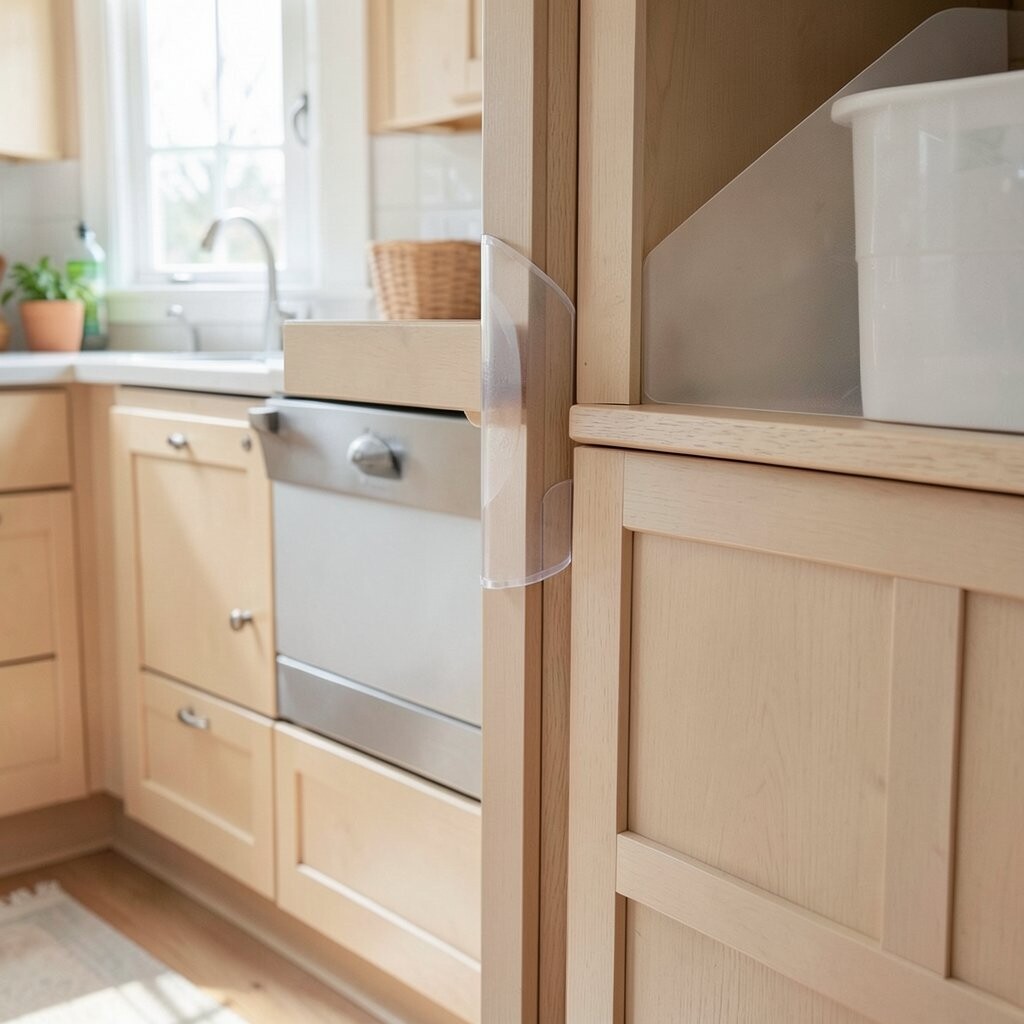
Safety Film Or Clear Corner Guards Near Cabinet Edges Cabinets are not just about doors; corners can bump little heads. Clear corner guards add soft protection where hard edges meet.
When you add corner guards, you’ll notice a subtle visual change: a smooth, rounded edge instead of sharp corners. This reduces injury risk when a child stumbles near the kitchen. It’s especially helpful in kitchens where cabinets meet counters and walkways.
Choose guards that are thick enough to help but not so big that they catch clothing. For personalization, match the guard style to your cabinet finish so it looks intentional. Families often like this because it pairs well with other lock solutions.
-
9. Replace Knobs With Child-Safe Pulls Or Higher Placement Handles
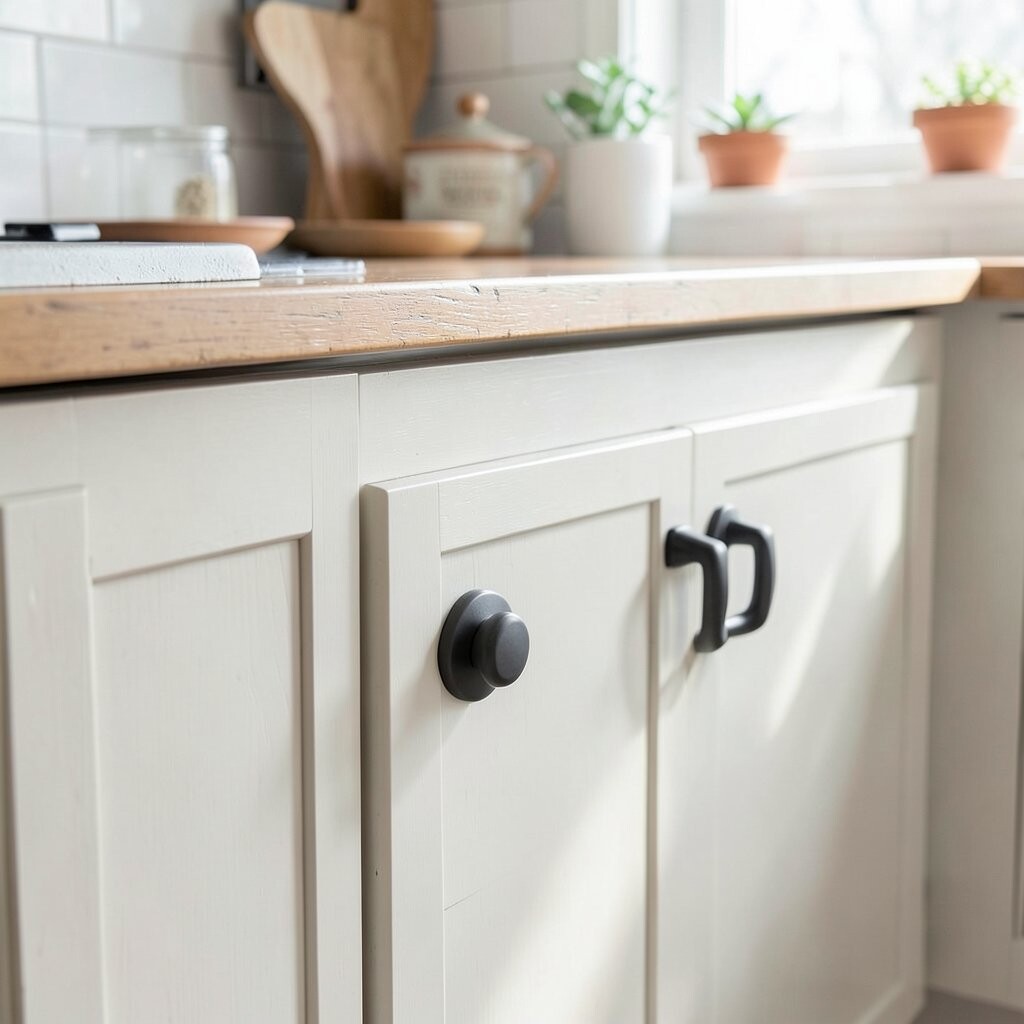
Replace Knobs With Child-Safe Pulls Or Higher Placement Handles Knobs are small and easy to twist. Pull handles spread out the grip and can make doors harder for little fingers to master.
You can also adjust hardware placement so it’s less reachable. Higher placement or longer lever-style pulls give adults better control. This is a practical upgrade because it doesn’t require new lock tech for every cabinet.
Personalize by choosing hardware that matches your kitchen style—sleek modern, classic knobs, or warm farmhouse pulls. If your child already reaches knobs, consider replacing just the doors they target first. Many parents like this because it looks like a design update, not only a safety fix.
-
10. Timed Release Mechanisms For Built-In Cabinet Latches
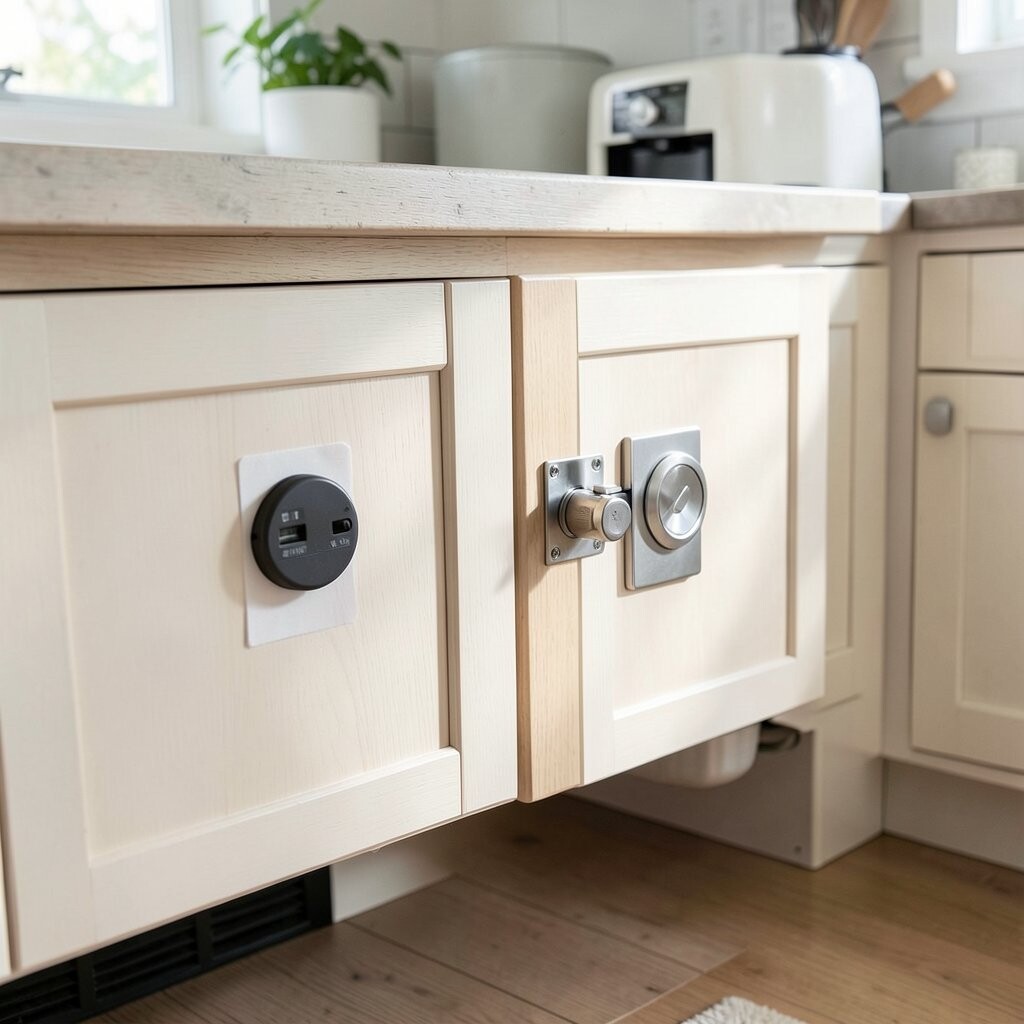
Timed Release Mechanisms For Built-In Cabinet Latches Some latch systems only release after a short delay or a certain action sequence. In the cabinet, it feels like a lock that “waits” before it opens.
This can help when kids try to open a door repeatedly but adults need quick access. Timed release mechanisms reduce quick peek-and-grab moments. When installing, follow instructions carefully and test multiple times so adults learn the new timing.
To personalize, use timed latches on cabinets that hold pantry staples you still want organized but not accessible. Keep kid-safe snacks in a low, supervised area while locking away the rest. This creates clear boundaries without making the entire kitchen feel off-limits.
-
11. Strap Locks For Cabinet Doors Without Drilling
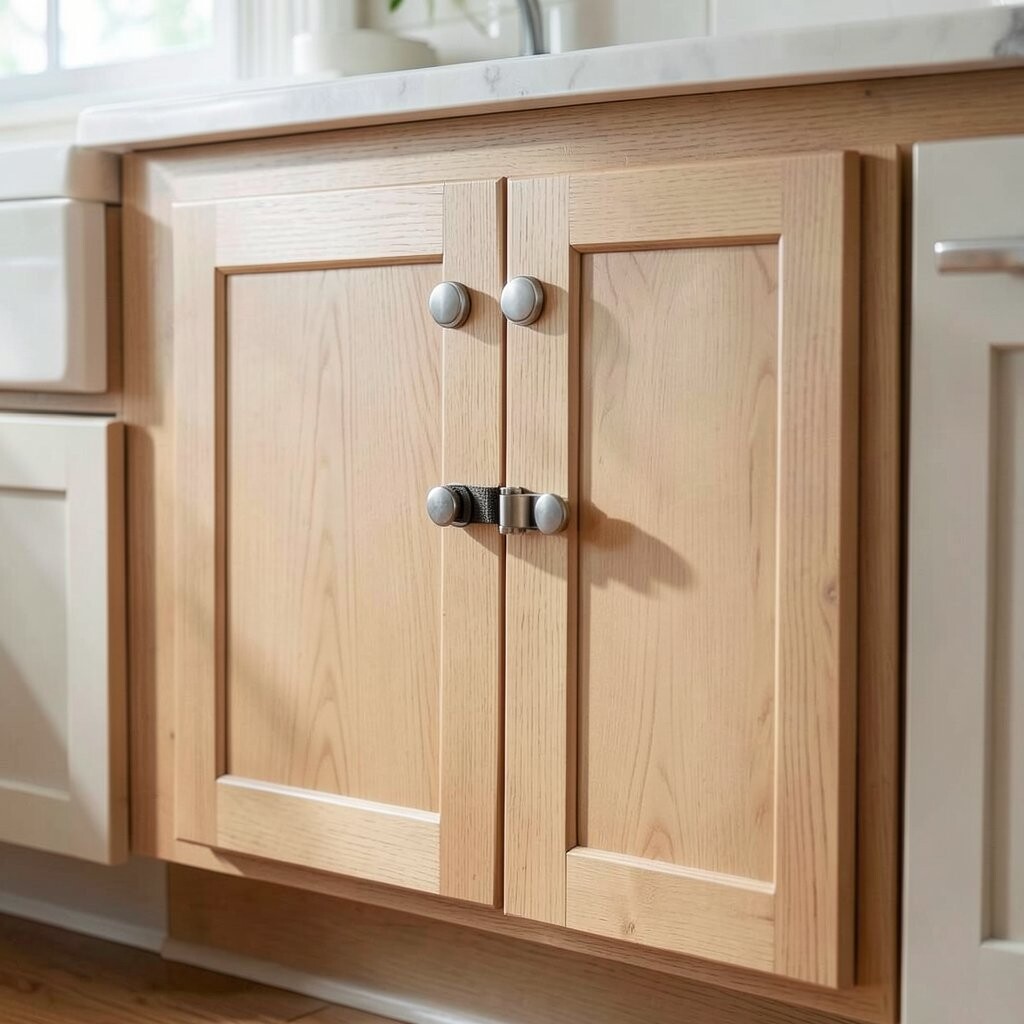
Strap Locks For Cabinet Doors Without Drilling Strap locks are like strong little bands that hold cabinet doors shut. You’ll notice a snug strap installed along the cabinet door path.
They are helpful when you want a quick setup or you don’t want to drill into your cabinets. Strap locks work well for lightweight doors and pantry spaces. Make sure the strap tension is firm enough that the door doesn’t wiggle open, especially after busy kitchen movement.
Personalize the look by choosing strap lock sets with colors that blend with your cabinet finish. Many parents also like using them temporarily while they plan longer-term upgrades. This option fits the current trend of “smart add-ons” that can be removed later.
-
12. Baby-Proofed Cabinet Springs Or Dampeners
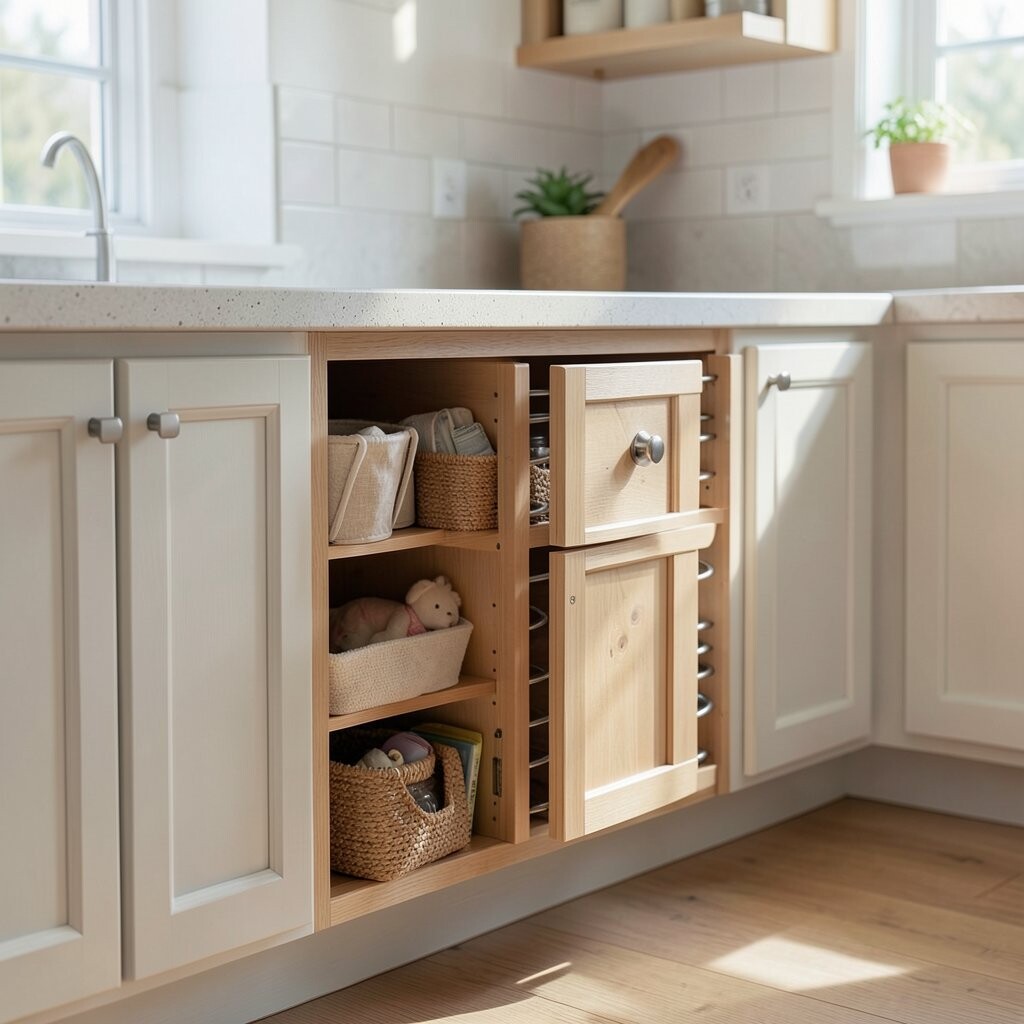
Baby-Proofed Cabinet Springs Or Dampeners Cabinet springs and dampeners help doors resist sudden openings. Visually, the door feels steadier and doesn’t swing open as easily.
These systems can be a good fit for cabinets that naturally pop open due to hinge settings or door weight. They slow the door movement so kids have a harder time yanking it wide. Adjust dampeners for smooth adult access, and avoid settings that make doors too hard to close.
Personalize by adjusting only the cabinet doors that are most problematic. If you have a set of mismatched cabinets, start with the ones that show the biggest gap when closed. This keeps costs under control while targeting real risk spots.
-
13. Motion-Activated Cabinet Reminder Stickers Near Locks
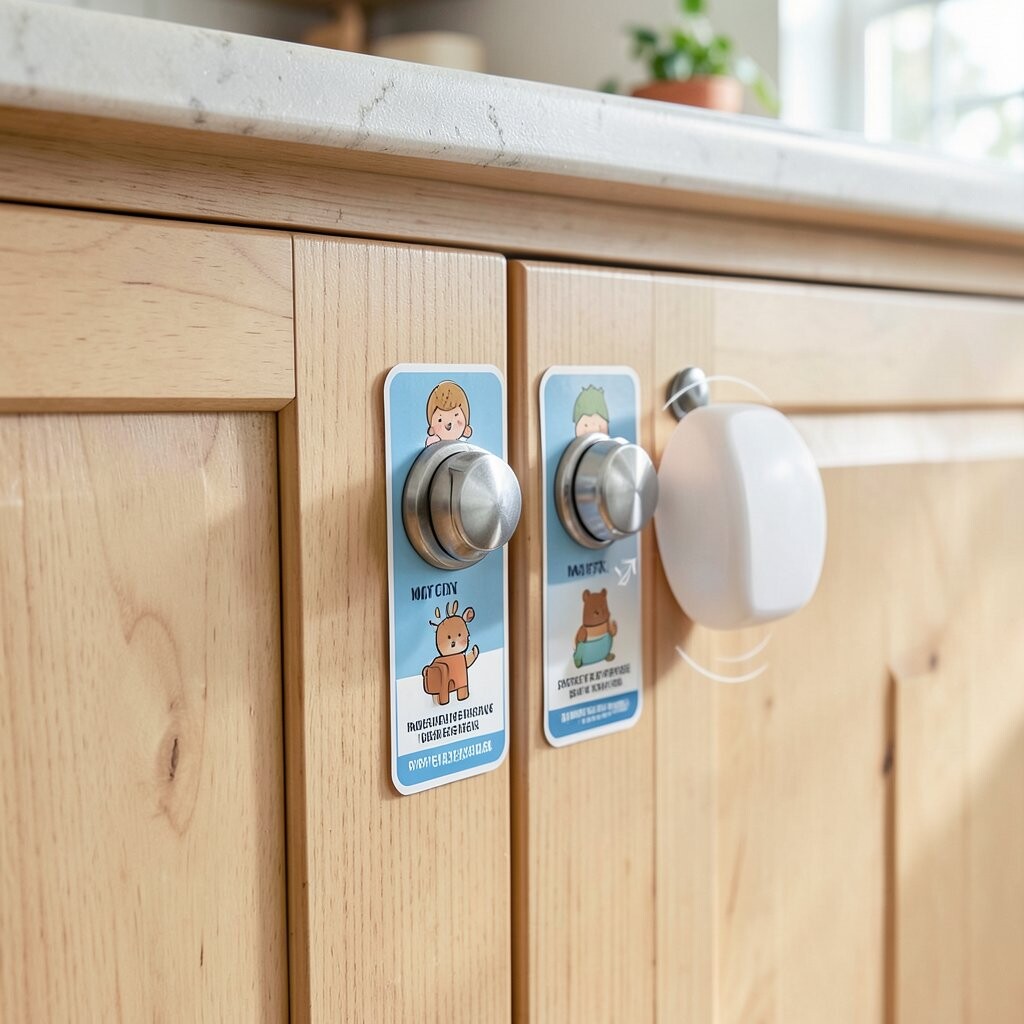
Motion-Activated Cabinet Reminder Stickers Near Locks Not all safety changes need hardware. Reminder stickers are visual cues that catch attention and help build routine.
Place a simple sticker near the cabinet handle or lock release, so adults remember to lock after use. It’s not for kids, so keep it at adult eye level or on the inside edge. This helps reduce “accidental leaving” without slowing down your day too much.
Personalize the wording with your own family habits, like “Lock after meals” or “Reset the cabinet.” Some families use icons that match their lifestyle, such as a small cup for coffee tools. This is a current idea because it pairs well with other safety features and supports consistent behavior.
-
14. Cabinet Content Zoning With Kid-Safe Lower Zones
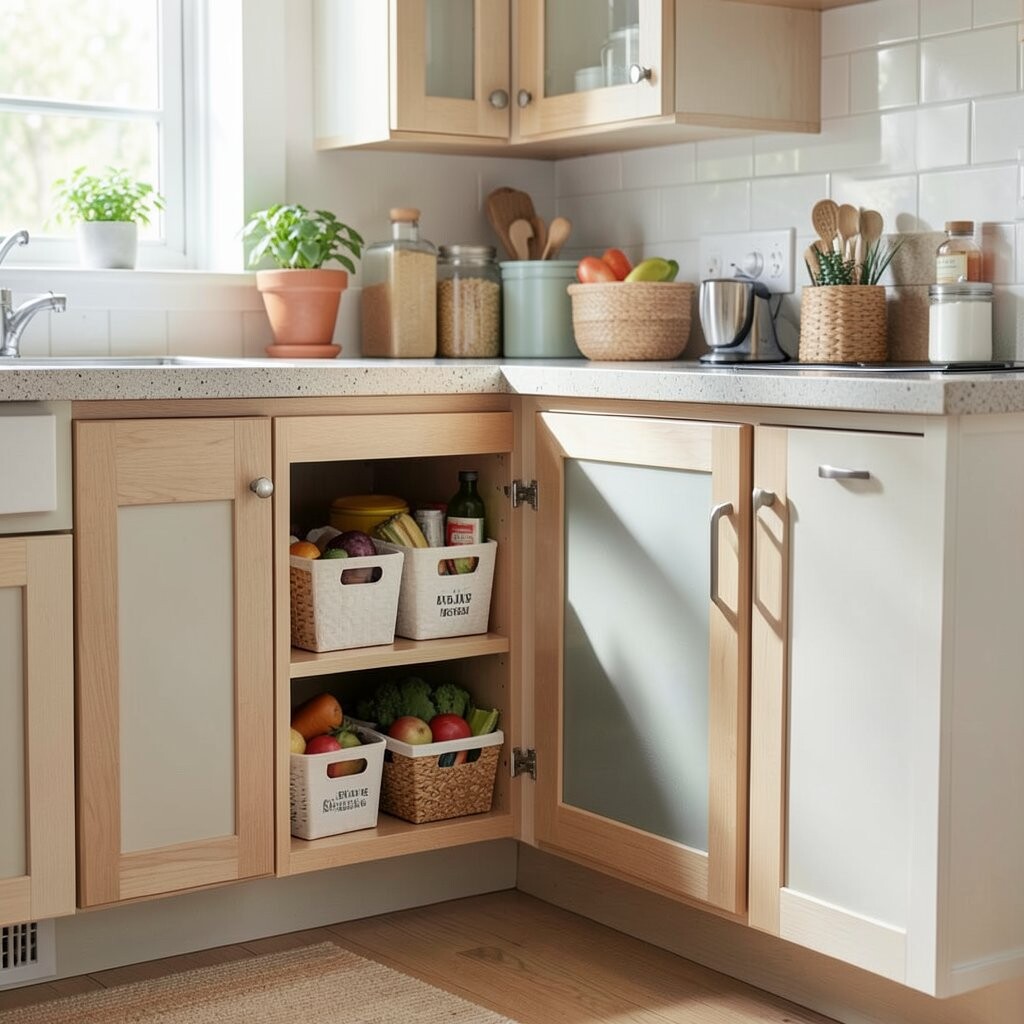
Cabinet Content Zoning With Kid-Safe Lower Zones A safe kitchen often works best with a smart layout. When you zone items, kids can access some things safely while dangerous stuff stays blocked.
Use the lowest reachable cabinets for kid-safe tools, like kid-sized cups, plastic bowls, and snack bins. Keep sharp items, chemicals, and breakables higher and locked. This reduces stress because you’re not fighting every moment—you’re guiding behavior through design.
Personalize zoning by matching it to your child’s age and your daily routine. For example, if your child helps with snacks, store healthy options within easy reach. You can also add bins with pictures so a child can return items without confusion.
-
15. Reinforced Cabinet Straps For Tall Doors And Double Cabinets
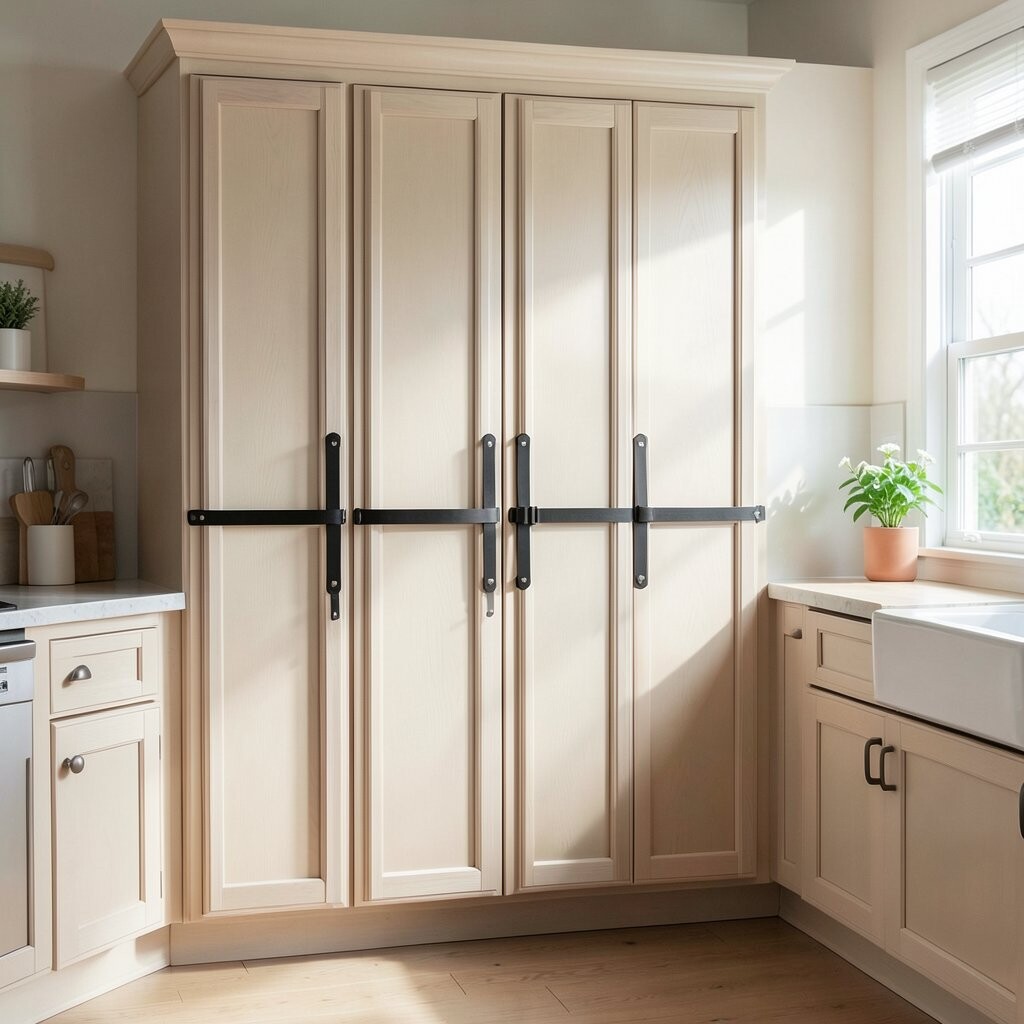
Reinforced Cabinet Straps For Tall Doors And Double Cabinets Tall doors can sway if they’re not held firmly. Reinforced straps act like extra support points so the door stays aligned and secure.
This matters most for pantry cabinets, double-door storage, and cabinets near high traffic areas. When straps help stabilize doors, locks and latches work better because the door doesn’t drift. For installation, check that the strap placement doesn’t block hinges or interfere with close alignment.
Personalize by using straps that match the hardware style, like matching screws or matte finishes. If you have a mix of cabinet types, prioritize the tallest or heaviest doors first. Many families find this solves “mystery gaps” that can sneak past other safety features.
-
16. Adjustable Cabinet Lock Placement For Different Door Styles
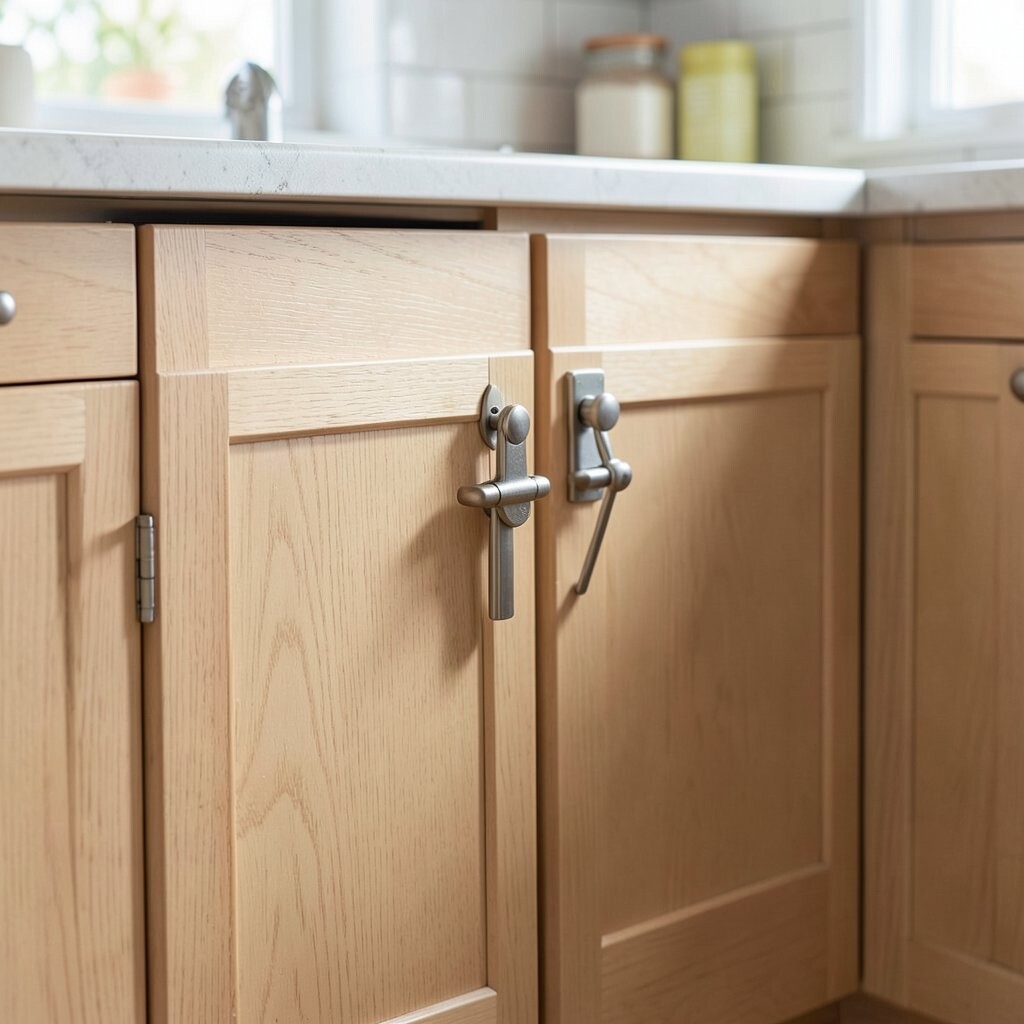
Adjustable Cabinet Lock Placement For Different Door Styles Different cabinets have different hinge positions and latch points. Adjustable lock placement lets you tune the solution for each door type.
You’ll notice the biggest benefit when a lock that works on one cabinet doesn’t quite fit another. With adjustable placement, you can align the lock strike plate and latch so it shuts reliably. This reduces frustration for adults and prevents “almost locked” situations.
Personalize by using a consistent lock brand across cabinets, then adjust placement settings per door size. If your kitchen includes both new and older cabinets, this helps you keep one system. Current trends lean toward modular hardware because it makes upgrades easier when you expand or remodel.
-
17. Hidden Cabinet Track Bar For Pantry Doors
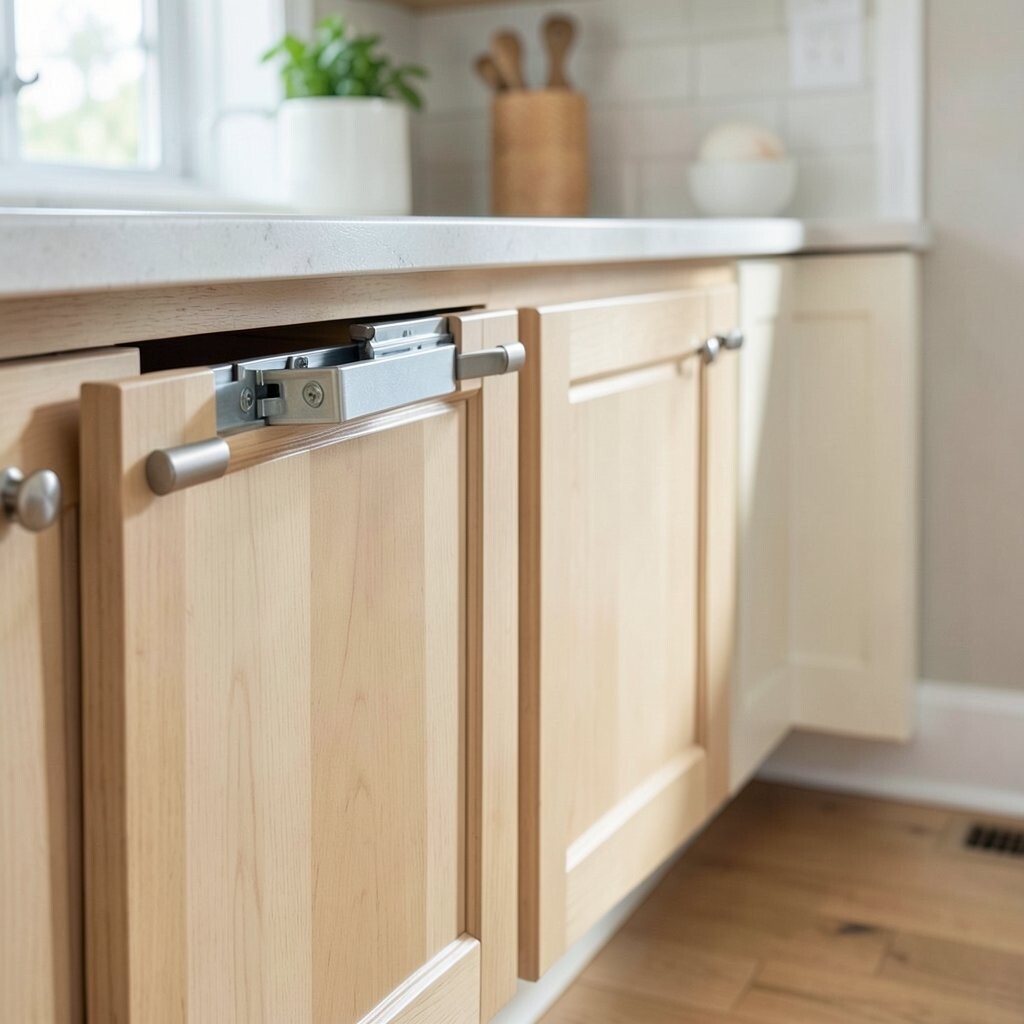
Hidden Cabinet Track Bar For Pantry Doors Some pantries have doors that swing wide and invite grabbing. A hidden track bar creates a guided closing path so the door stays aligned and secure.
You’ll feel it when the door closes with a smoother, steadier motion instead of shifting slightly. Track bars can support latch systems and help prevent door drift. Choose a bar that suits the door weight so the motion stays smooth for daily cooking.
To personalize, install track bars on the pantry doors first since those hold tempting snacks and cooking items. Pair with internal bins for a neat look. This approach is attractive right now because it keeps the cabinet exterior looking clean and modern.
-
18. Cabinet Safety Check Routine With Seasonal Hardware Review
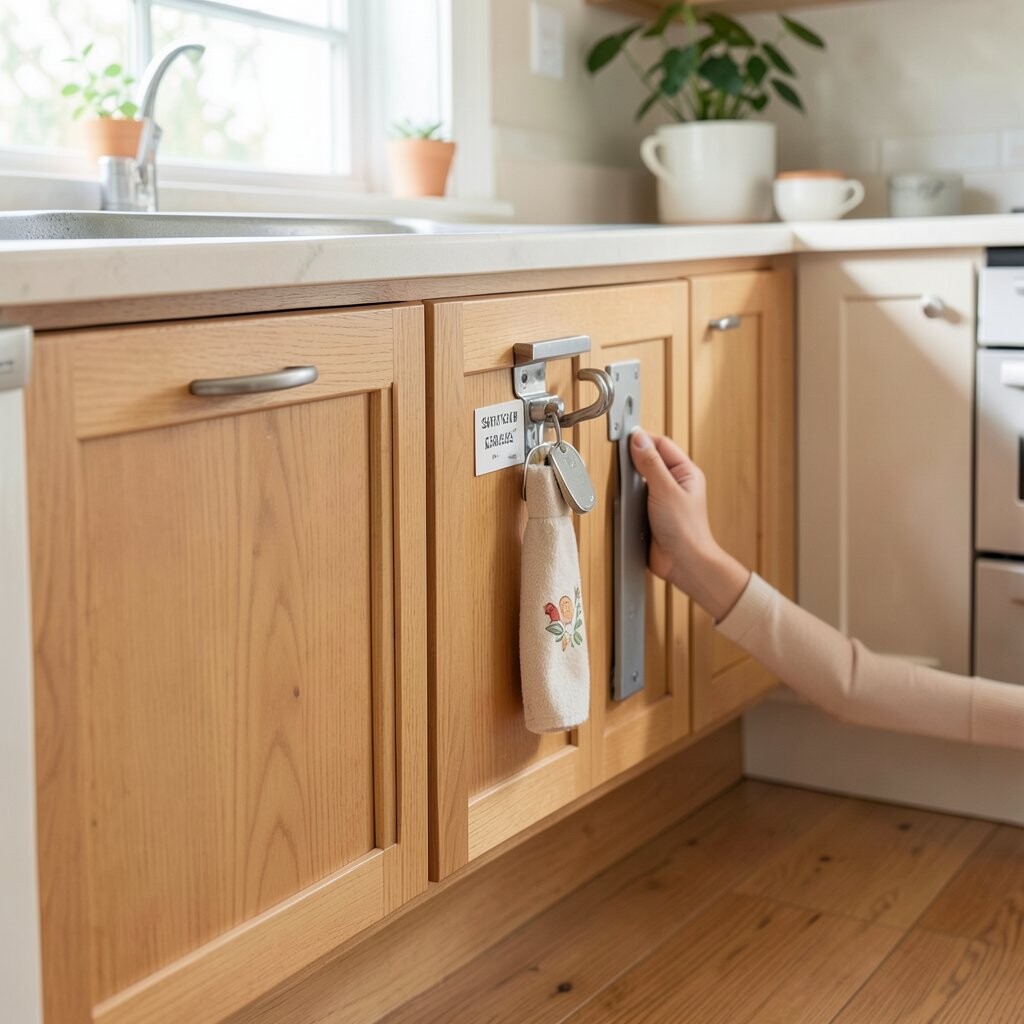
Cabinet Safety Check Routine With Seasonal Hardware Review A safety system is only helpful if it stays working. A simple seasonal check routine keeps your locks aligned and your cabinet motion smooth.
Set a calm reminder to inspect latches, hinges, straps, and bumpers for looseness or worn spots. Look closely at any places where the door could pop open from small gaps. This routine supports every other feature on the list because it catches small problems early.
Personalize the checklist with your household needs, like checking after a deep clean or after moving heavy cookware. You can store a small note inside a drawer that adults use often. Many families treat this like a quick “kitchen wellness” habit, and it feels less stressful than waiting for a problem.