Want your closet to feel calm the second you open the door? Small fixes can make clothes look better and life feel lighter.
But a few common slip-ups can turn a fun makeover into a messy chore.
-
1. Starting Without a Quick Room Snapshot
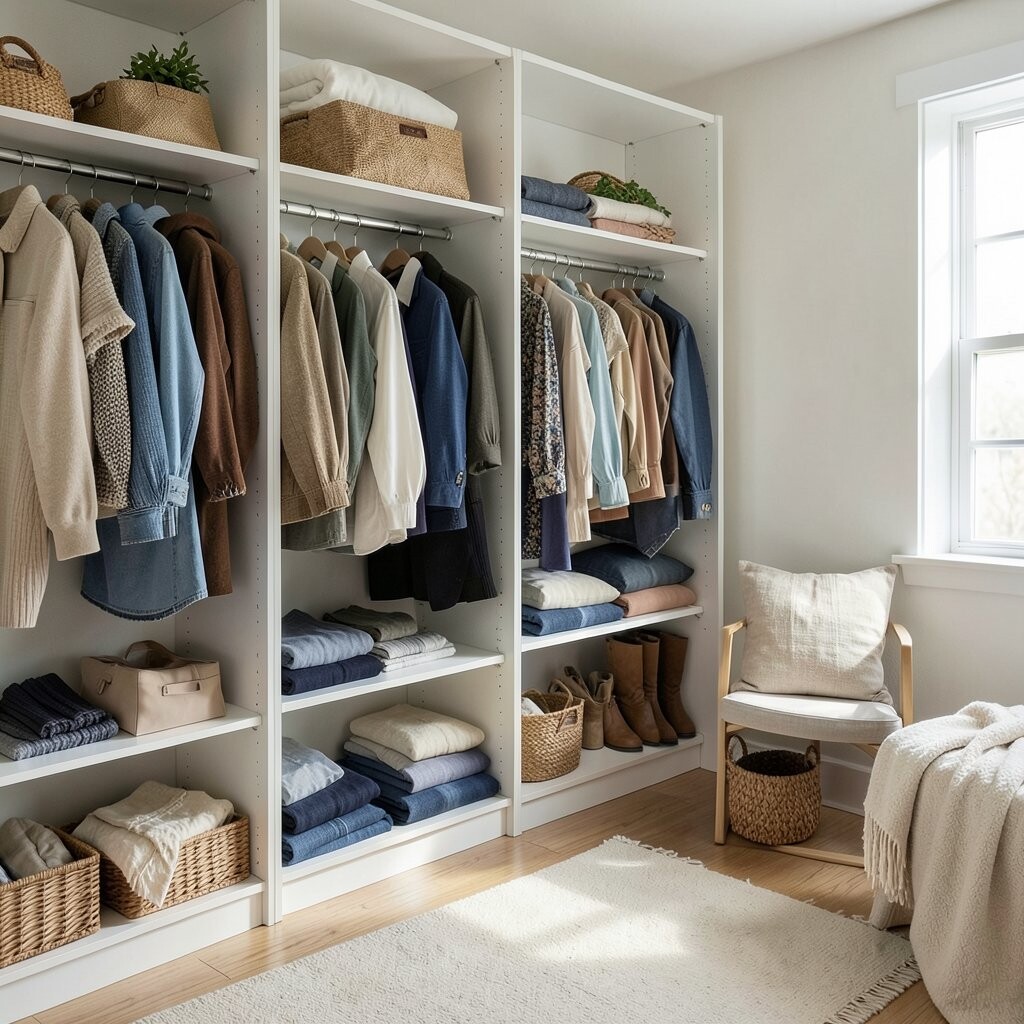
Starting Without a Quick Room Snapshot Before you move a single hanger, take a quick look at what’s working and what’s not. Notice where you trip, where you stack items, and where you run out of space.
That snapshot helps you plan the right changes instead of buying random storage. You’ll save money and time, and your closet will feel smoother right away.
-
2. Buying Storage Before You Sort
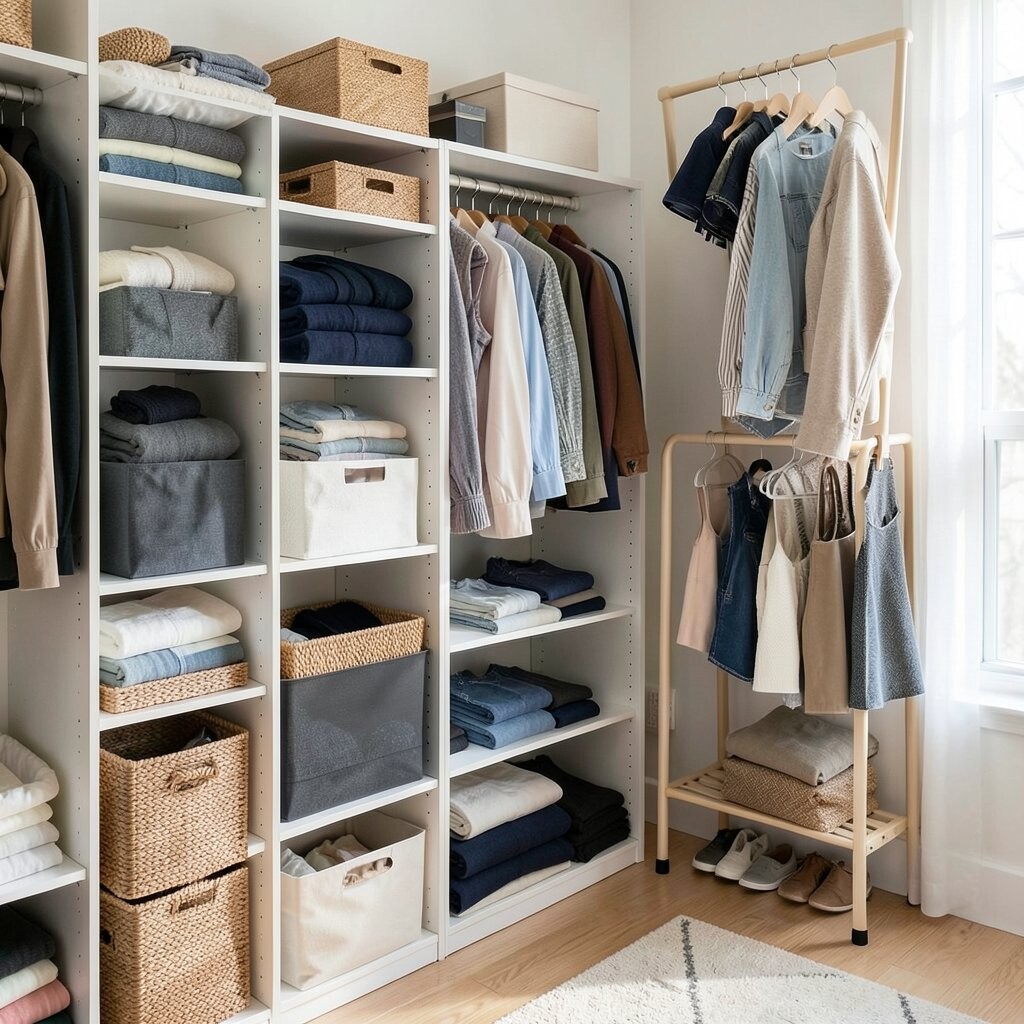
Buying Storage Before You Sort It’s tempting to grab bins and shelves first, but clothes need to be sorted first. Otherwise, you might store things you never wear or squeeze everything into the wrong spots.
Start with categories like everyday, special, seasonal, and “not now.” Then match storage to real life, so you feel organized without stress.
For a budget-friendly approach, use baskets you already own, then upgrade only what truly helps. This keeps costs low and prevents clutter from “moving” instead of disappearing.
-
3. Keeping Items That Don’t Fit Your Real Style
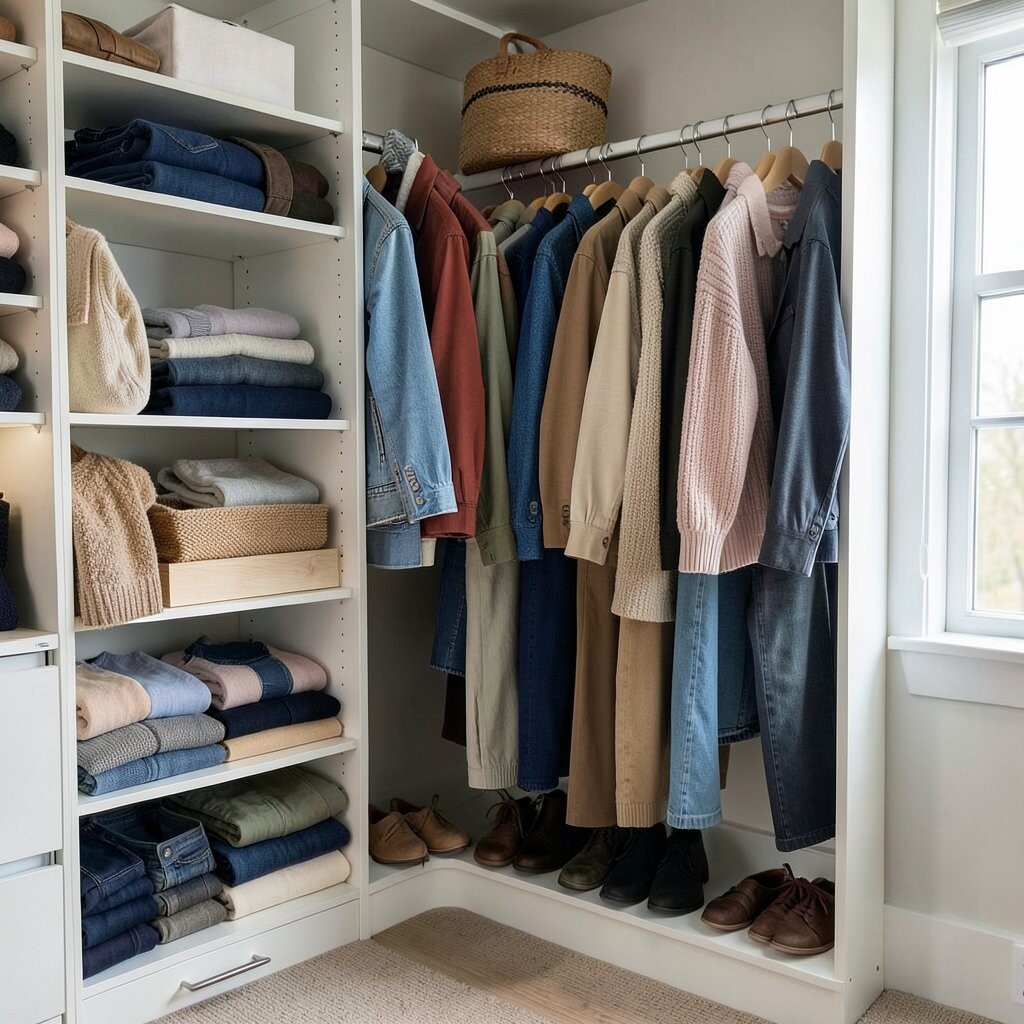
Keeping Items That Don’t Fit Your Real Style A closet makeover should match your current taste, not your past self. If a shirt pulls at the seams or you keep shrugging it off, it will never feel good to wear.
Try a simple honesty rule: if you wouldn’t wear it this week, it doesn’t belong on your daily rails. You’ll gain confidence and your outfits will look sharper.
To make it personal, create a small “favorites wall” area with pieces that match your go-to colors. Trending right now is styling by color flow, so your closet can feel like a neat rainbow.
-
4. Ignoring Clothes That Need Simple Repairs

Ignoring Clothes That Need Simple Repairs A tiny loose button can make a favorite top feel “almost ready.” If you ignore quick repairs, you end up with a pile of nearly-good items that never get worn.
Set aside a repair mini-day with a needle, thread, and safety pins. Your closet will look cleaner, and your wardrobe becomes more reliable.
-
5. Hanging Everything the Same Way

Hanging Everything the Same Way Not all clothes want to hang the same. Delicates might need softer hangers, and heavy coats need strong ones that won’t warp.
If your hangers are all mismatched, you can lose visual order fast. Switch to a matching set for a clean look, and you’ll instantly feel more “put together.”
Try a mix: use slim hangers for shirts and pants, then sturdy hangers for outerwear. This also helps you see more outfits at once, which cuts decision time.
-
6. Forgetting the Power of Lighting
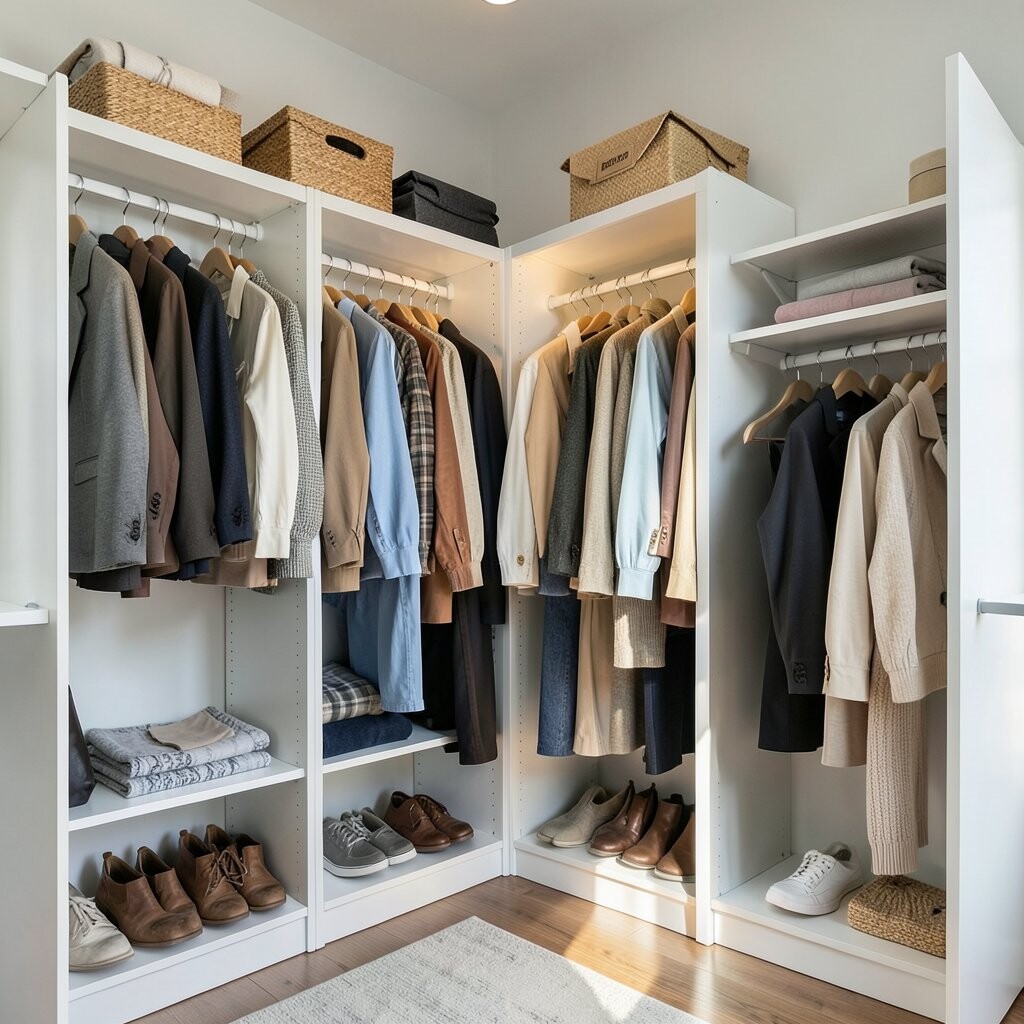
Forgetting the Power of Lighting Dark closets make clothes look dull, even when they’re nice. If you can’t see small details, you’ll grab whatever is easiest and skip the rest.
Consider adding a small LED strip or a bright bulb near the closet door. The benefit is big: colors look truer and your morning routine feels easier.
For cost control, use stick-on lights or a plug-in lamp instead of building new fixtures. A little brightness is a modern trend that makes spaces feel fresh and airy.
-
7. Using Clear Bins for Everything
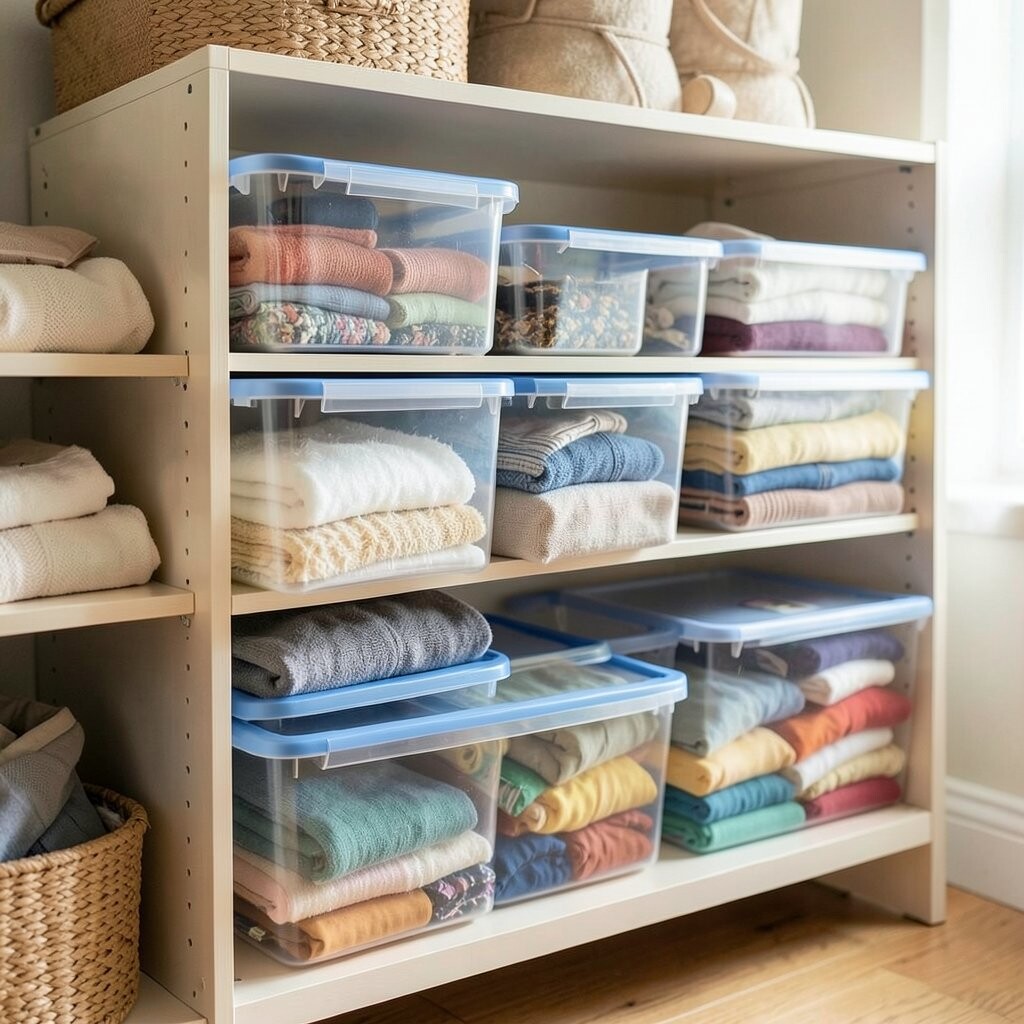
Using Clear Bins for Everything Clear bins can look cool, but they also show everything inside. If your closet has lots of small items, you may feel like you’re constantly “on display.”
Use clear containers only for neat stacks like belts, scarves, or folded sweaters with consistent edges. For mixed items, choose opaque bins or fabric drawers that hide the mess.
That kind of planning gives you the best of both worlds: a clean view plus calm when you close the door. It also keeps your closet from feeling visually loud.
-
8. Overstuffing Drawers and Shelves
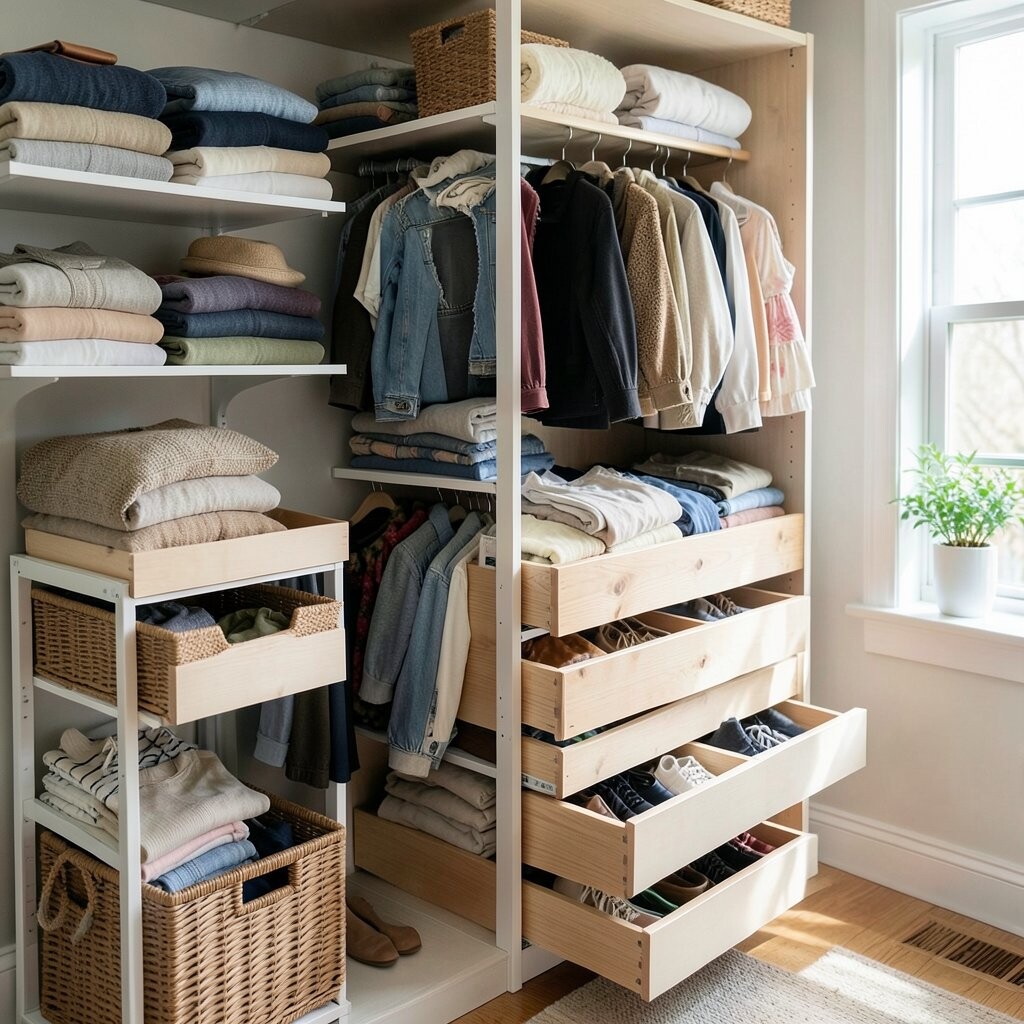
Overstuffing Drawers and Shelves When drawers burst open and shelves bulge, you waste time looking for items. Overstuffing also wrinkles clothes and makes it harder to put things back.
Leave a little breathing room so you can slide things in neatly. You’ll protect fabric, and your closet will look tidy even on busy weeks.
Try a “full but not tight” test: if you can’t easily close it, it’s too much. This simple rule helps your makeover stay working for longer.
-
9. Not Grouping Clothes by How You Actually Wear Them

Not Grouping Clothes by How You Actually Wear Them Your closet should feel like a helpful tool, not a storage room. If work clothes are mixed with pajamas, you’ll spend more time digging.
Group by routines like work, weekend, gym, and sleep. The visual benefit is huge: everything is easier to spot and your outfits take less effort.
-
10. Ignoring Seasonal “In Between” Weeks

Ignoring Seasonal “In Between” Weeks Spring and fall can be confusing, and your closet gets stuck with layers you don’t need right now. If you leave everything out, your space shrinks fast.
Use a clear system for “seasonal rotation,” like moving off-season items to the top shelf or back bins. Then when weather changes, you’ll swap fast instead of starting over.
For personalization, keep a small ready-to-go layer in a front spot, like a light jacket or cardigan. It’s a practical trend because many people plan for unpredictable weather now.
-
11. Forgetting Shoes Take Up More Space Than You Think

Forgetting Shoes Take Up More Space Than You Think Shoes can turn a neat closet into a crowded pile in no time. If they’re stacked randomly, you may struggle to find the right pair and end up wearing the wrong thing.
Try a shoe rack with a clear front, or use individual shoe organizers that keep pairs matched. This makes the look cleaner and keeps the closet floor from becoming a storage zone.
To keep costs low, start with a simple rack and add matching organizers later. It feels unique when you pick a style that matches your closet vibe, like modern metal or cozy wood.
-
12. Overlooking Accessories in the Planning
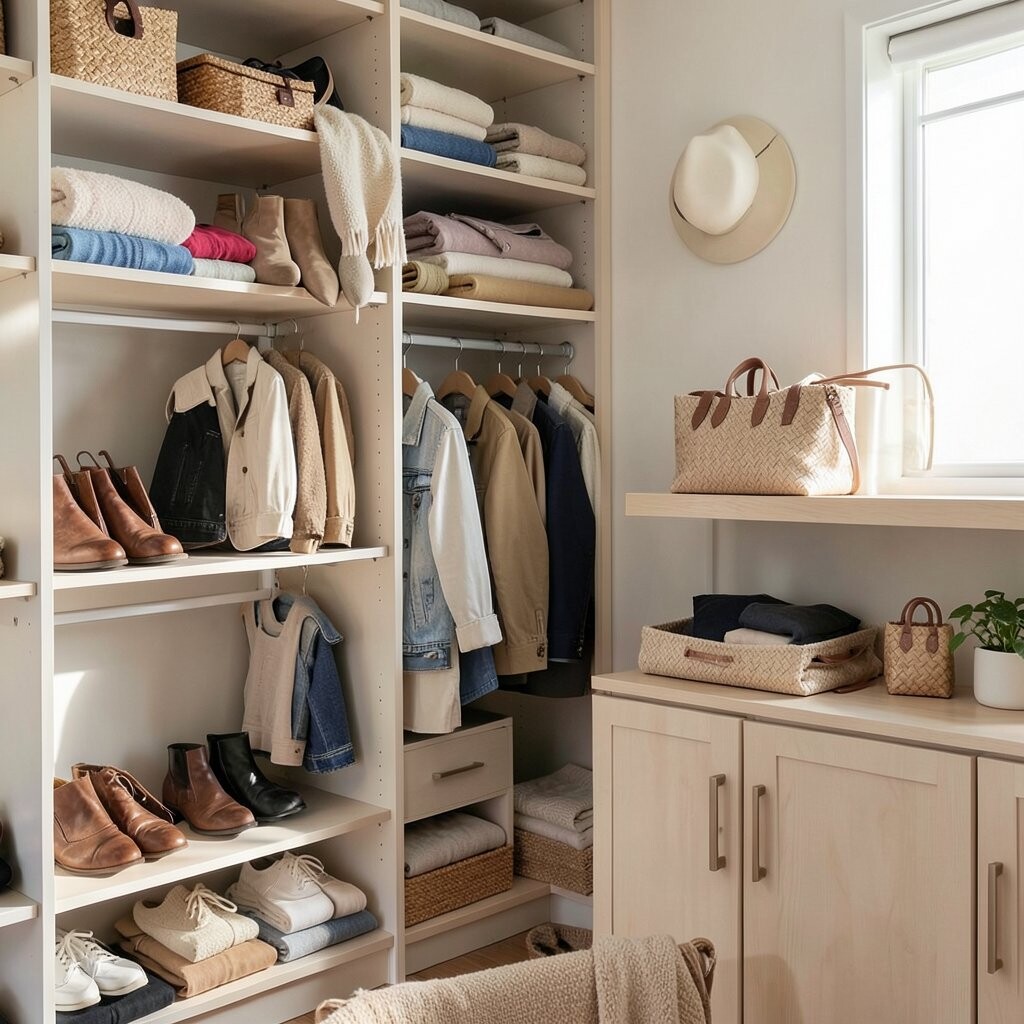
Overlooking Accessories in the Planning Accessories are often the secret to making outfits look special. If scarves, belts, and bags are buried, your clothes can look plain even when they’re nice.
Give accessories their own spots so they’re easy to grab. Small hooks, a belt organizer, and a scarf ring can make everything feel organized.
Personalize by choosing a dedicated “outfit finishing” corner with your favorite colors. It’s also trending to style with statement details, and an organized accessory space helps you do that daily.
-
13. Choosing One Storage Style and Forcing It Everywhere
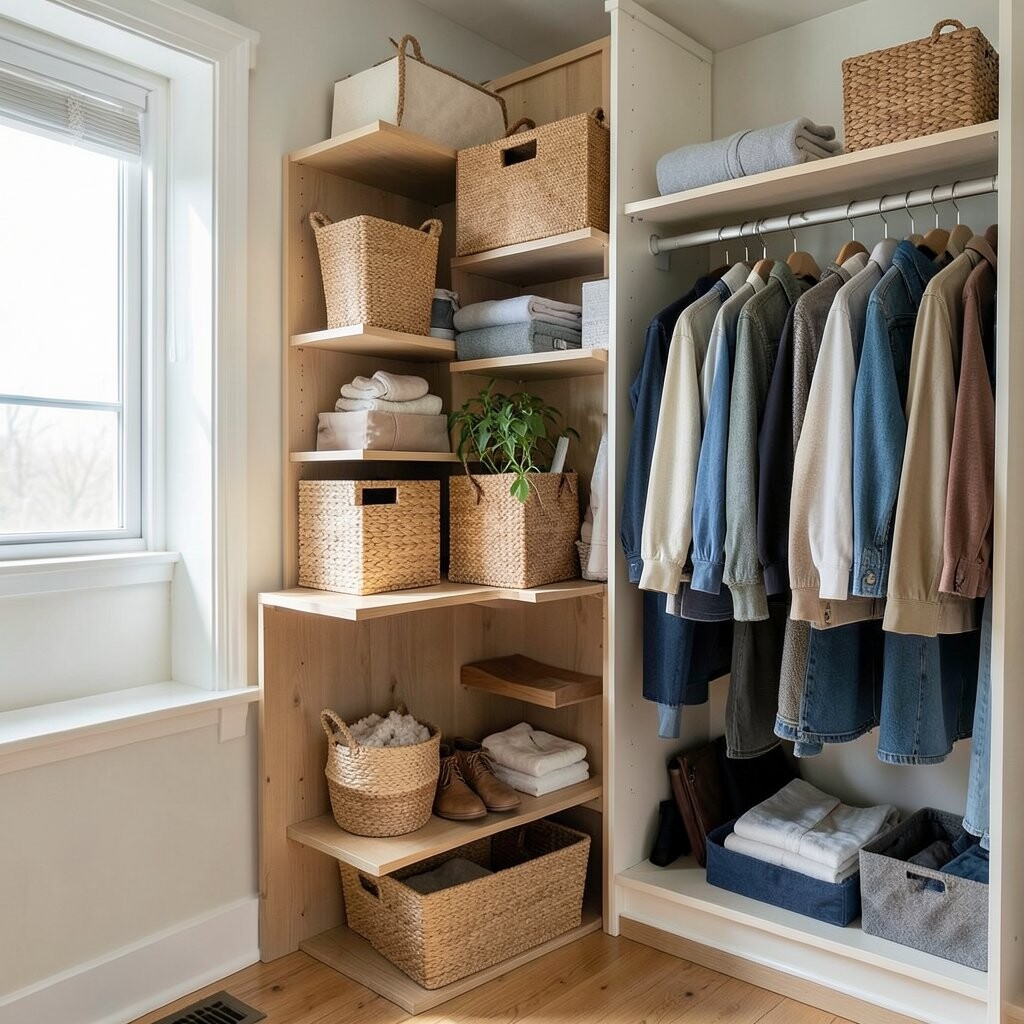
Choosing One Storage Style and Forcing It Everywhere Not every problem needs the same fix. One shelf might fit folded sweaters, but it won’t work for hanging dresses or bulky winter hats.
Instead, mix solutions: hanging bars for clothes, drawer organizers for small items, and baskets for bulk. This creates a closet that feels smart and custom.
-
14. Not Labeling at All

Not Labeling at All Even when you’re organized today, you might forget where things went next month. That confusion is annoying, especially when you’re in a rush.
Use simple labels on bins, drawers, or shelves so you know instantly. Labels help you keep your system, which is one of the biggest benefits of a makeover.
Keep labels cute and personal, like using your favorite colors or neat handwriting. This trend of “soft organization” makes storage feel less strict and more friendly.
-
15. Washing and Folding Without a Plan
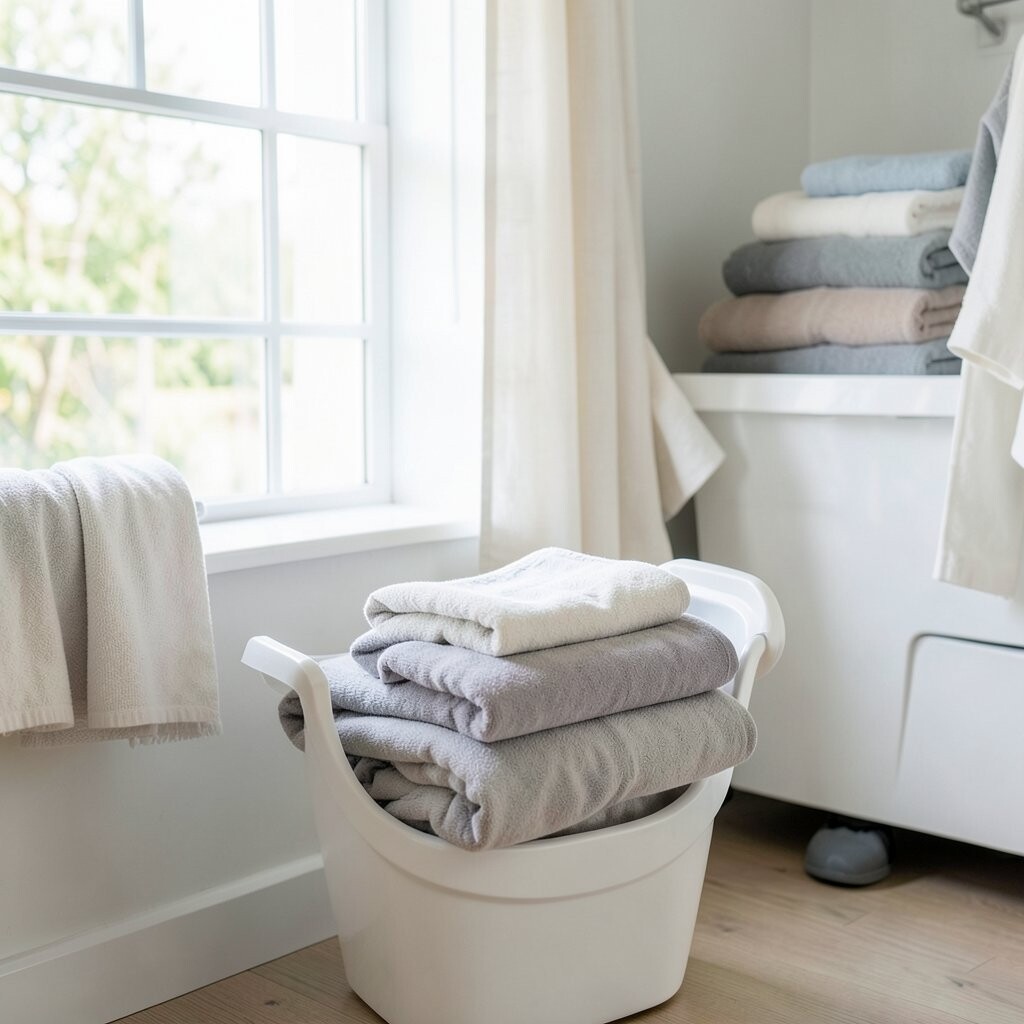
Washing and Folding Without a Plan If you fold everything the same way, some items will look messy or take up extra room. Knits can stretch, and certain fabrics need gentle handling.
Use fabric-friendly methods like rolling for t-shirts or careful stacking for sweaters. Your closet will look calmer, and you’ll save time when you get dressed.
For budget ideas, use simple drawer dividers instead of expensive systems. You can create a unique look by matching divider colors to your closet theme.
-
16. Keeping “Maybe Later” Piles
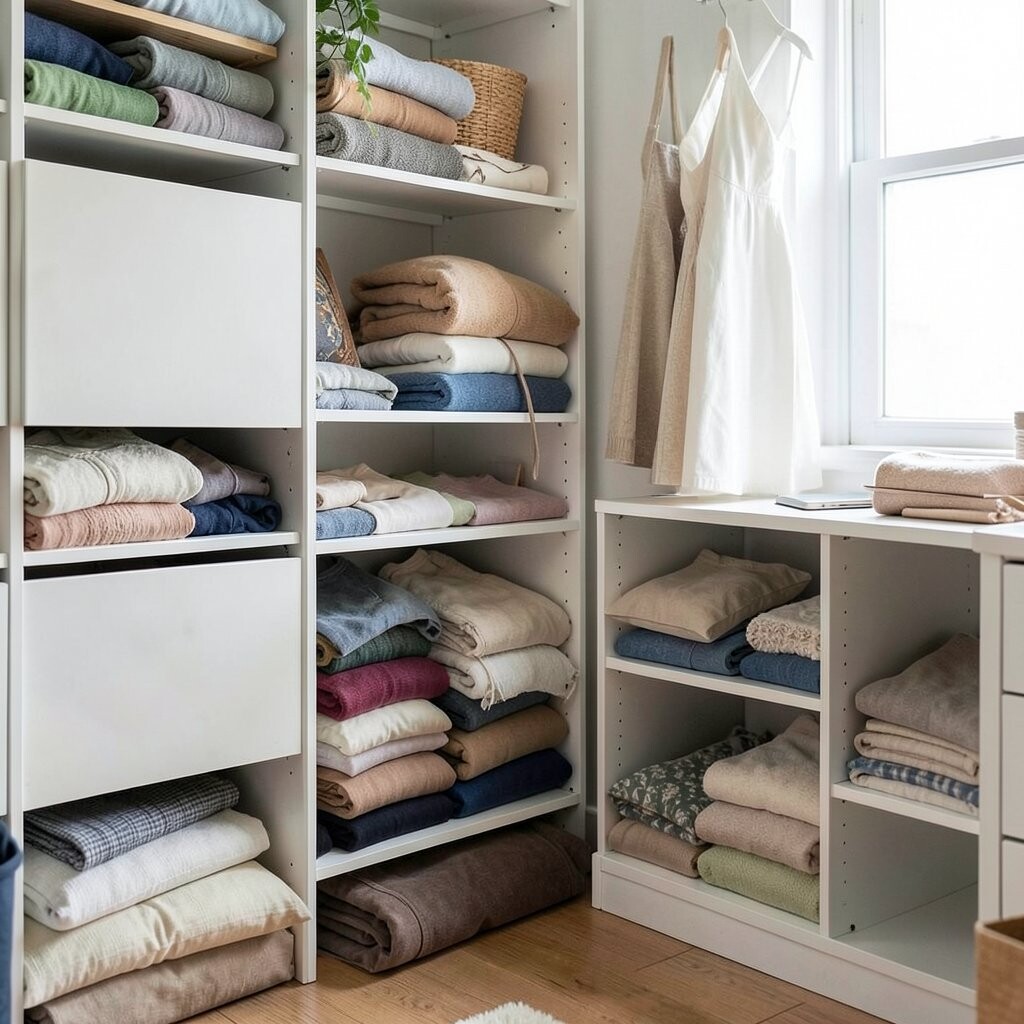
Keeping “Maybe Later” Piles That pile of “maybe later” items grows until your closet feels heavy. If you don’t decide, the space stays blocked and you keep buying new things on top of old ones.
Try a quick decision rule: donate, repair, or keep. The benefit is freedom, because your closet stops feeling like a storage unit.
Make it personal by creating a small donation bag that you can grab anytime. This also helps your makeover stay current without spending more money every season.
-
17. Ignoring Where Your Most-Worn Items Should Live
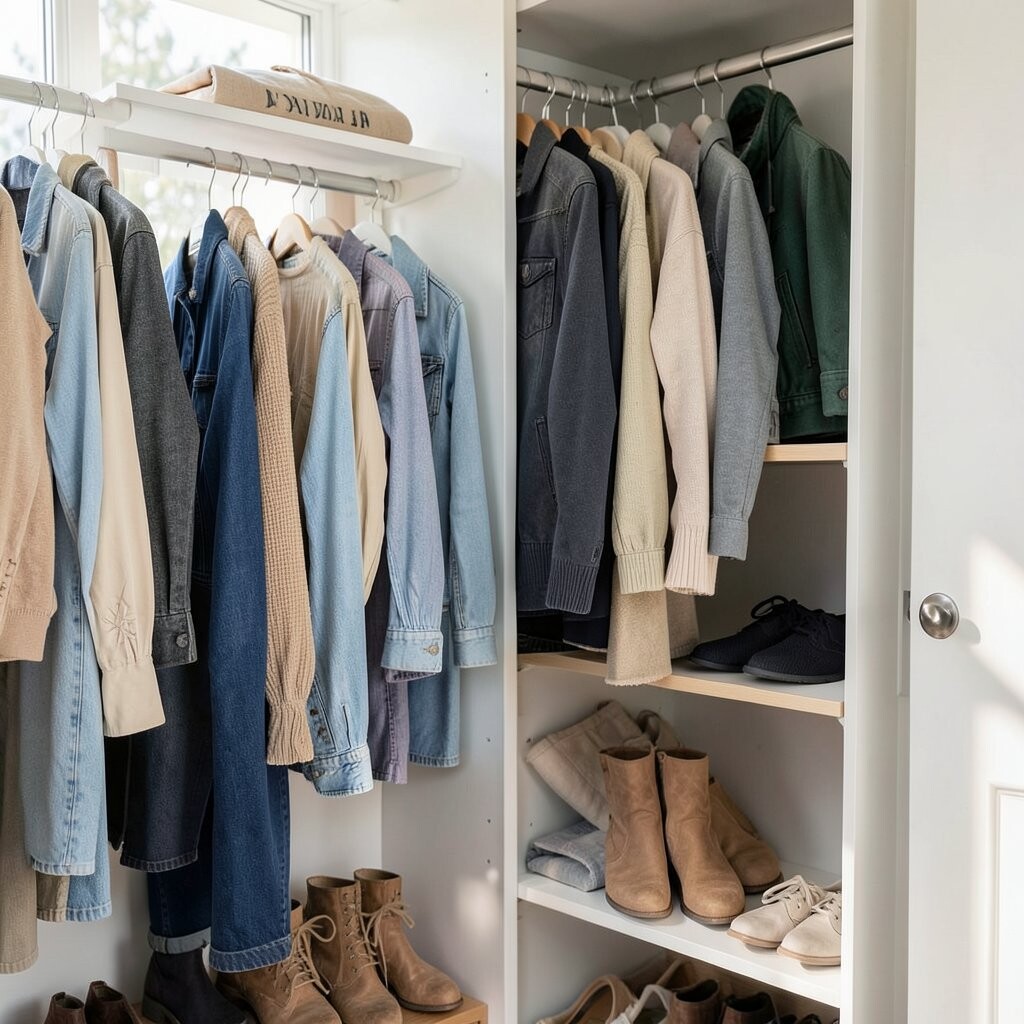
Ignoring Where Your Most-Worn Items Should Live Your most-worn clothes should be the easiest to reach. If your everyday items are on the top shelf, you’ll avoid them and waste time.
Place frequent pieces at eye level or in front drawers. That simple change makes the closet feel like it supports you instead of slowing you down.
-
18. Forgetting to Store Clothes to Prevent Wrinkles

Forgetting to Store Clothes to Prevent Wrinkles Wrinkled clothes can make even nice outfits feel less polished. If your garments are squished or hung too tightly, they’ll crease over and over.
Use proper spacing on hangers and avoid packing too many items on one bar. Consider garment bags for special pieces so they stay smooth.
This is also a cost-smart trick: you’ll need fewer replacements when clothes last longer. A long-lasting wardrobe is a modern goal for many people right now.
-
19. Not Accounting for Personal Storage Needs

Not Accounting for Personal Storage Needs Closets should match your habits, not a generic picture from the internet. If you always reach for hoodies first, make sure hoodies are easy to grab.
Think about your routine: do you dress in the closet, or do you pull items from drawers? Then design your layout around that routine.
Personalize by giving your “grab and go” items a dedicated zone near the door. This feels unique and reduces stress on busy mornings.
-
20. Spending Too Much on the Wrong Upgrades

Spending Too Much on the Wrong Upgrades Sometimes people go big on fancy organizers and skip the basics like sorting and spacing. The result can look nice, but it doesn’t solve the real problem.
Start with high-impact upgrades like better hangers, one strong shelf system, and drawers that actually close. Those choices usually cost less and work harder for everyday use.
-
21. Ignoring Current Trends Like “Mood-Based Styling”

Ignoring Current Trends Like “Mood-Based Styling” People are styling more by mood now, like “cozy,” “clean,” or “bold” outfits. If your closet only follows tags or colors, it can feel harder to build looks quickly.
Try grouping by vibe, such as a “weekend comfy” section and a “work sharp” section. This gives you faster outfit decisions and helps your clothes feel like a collection, not a pile.
For a unique touch, add small cards or color-coded bands to each mood zone. It costs little and makes your closet feel playful, which is very in right now.
-
22. Forgetting to Maintain the Makeover Every Week
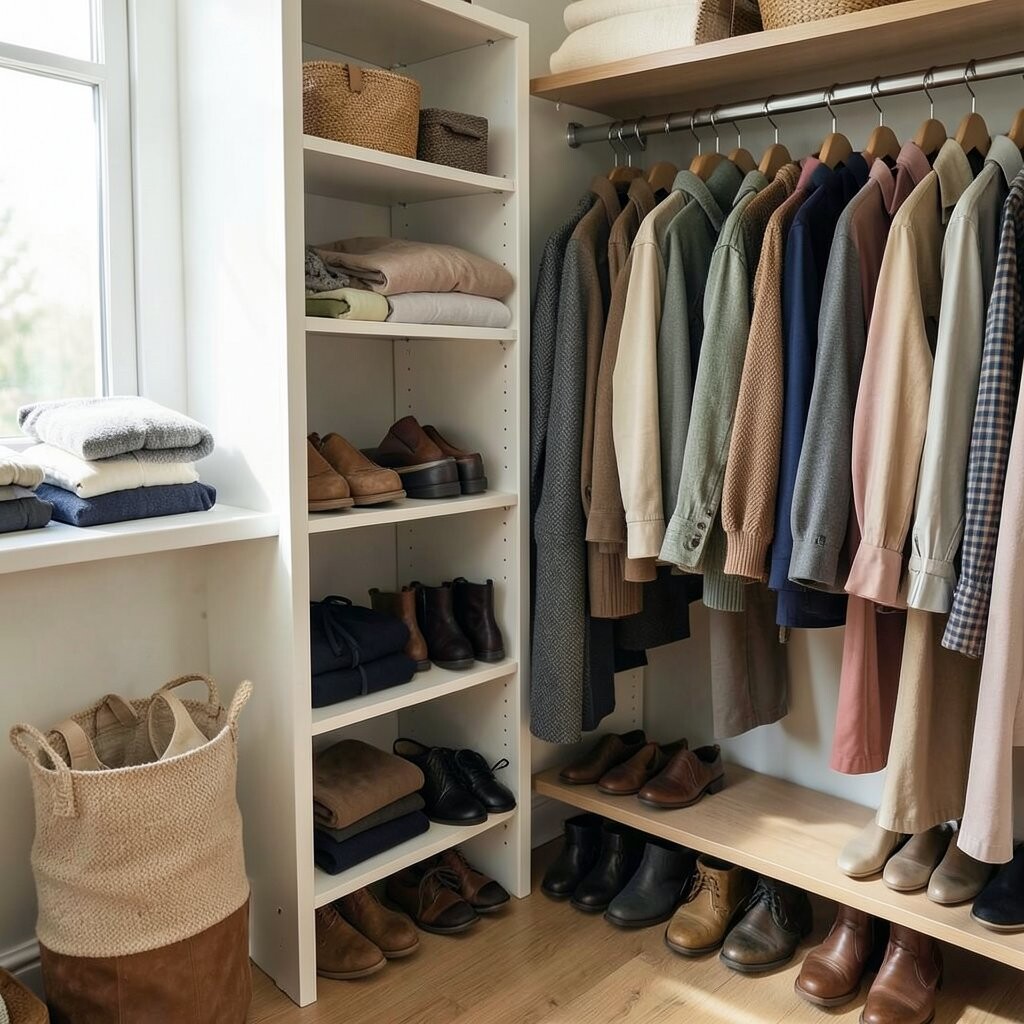
Forgetting to Maintain the Makeover Every Week A closet makeover isn’t a one-day event. If you don’t keep it up, things slowly drift back into old habits.
Set a tiny weekly check like returning hangers, folding what fell, and removing one unused item. This helps your closet stay neat without needing a big redo.
Make it personal with a fun reward, like putting on music while you reset. The benefit is huge: your space stays calm, your clothes stay ready, and your style feels alive.