Cabinets set the mood the moment you step into a kitchen. The style you pick will shape how your home feels every single day.
-
1. Sleek Flat-Panel Look vs Classic Raised-Panel Charm
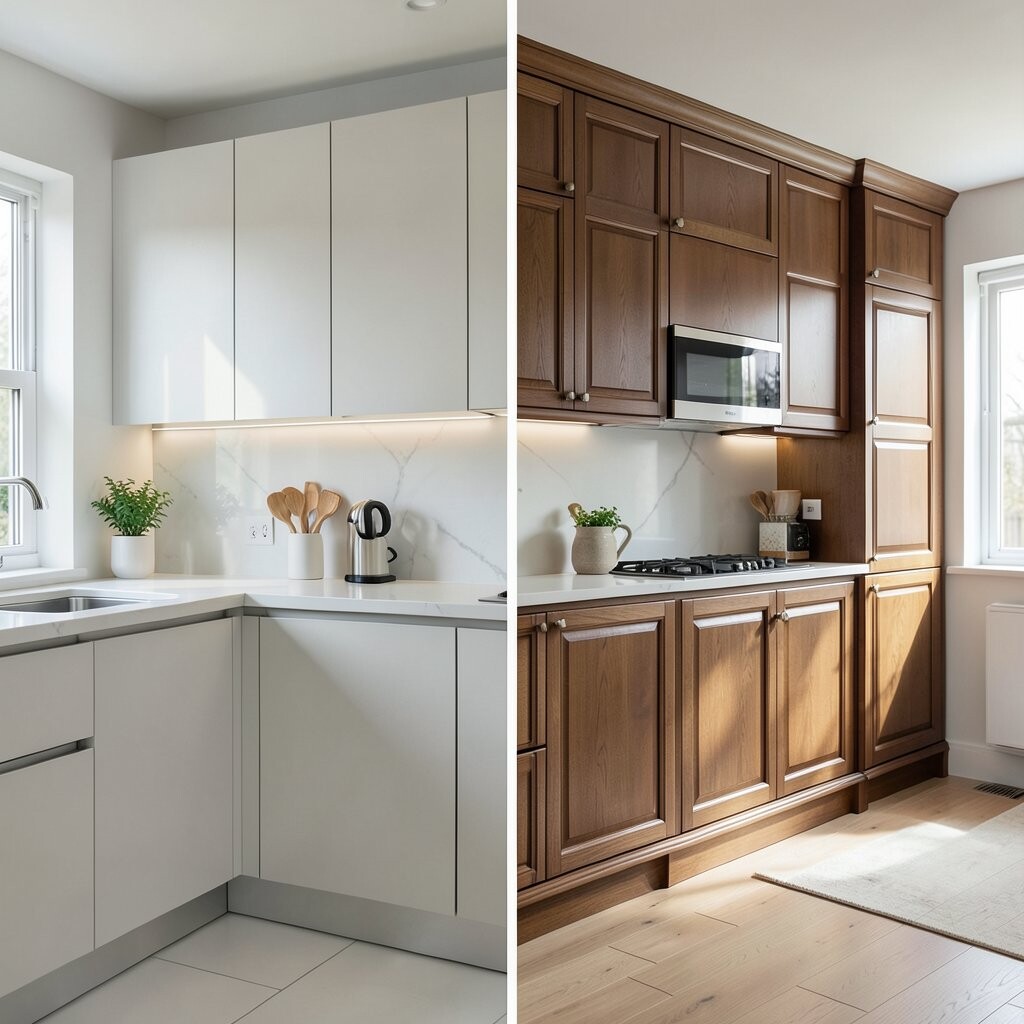
Sleek Flat-Panel Look vs Classic Raised-Panel Charm Modern flat-panel doors look crisp and calm, like smooth lines drawn with a steady hand. Traditional raised panels feel cozy and familiar, with gentle shadows that make wood look richer.
Flat panels often hide fingerprints better when paired with the right finish. Raised panels can hide everyday scuffs thanks to their texture and depth. Choose the look that matches your routine, then check samples under your kitchen lights.
If you love a clean, organized vibe, try soft matte paint in warm whites or greige. If you prefer a timeless feel, go for a classic stain with a satin sheen. For personalization, add slim trim or a simple shaker-style inset to bridge both worlds.
-
2. Handleless Cabinets vs Hardware-Forward Traditional Designs
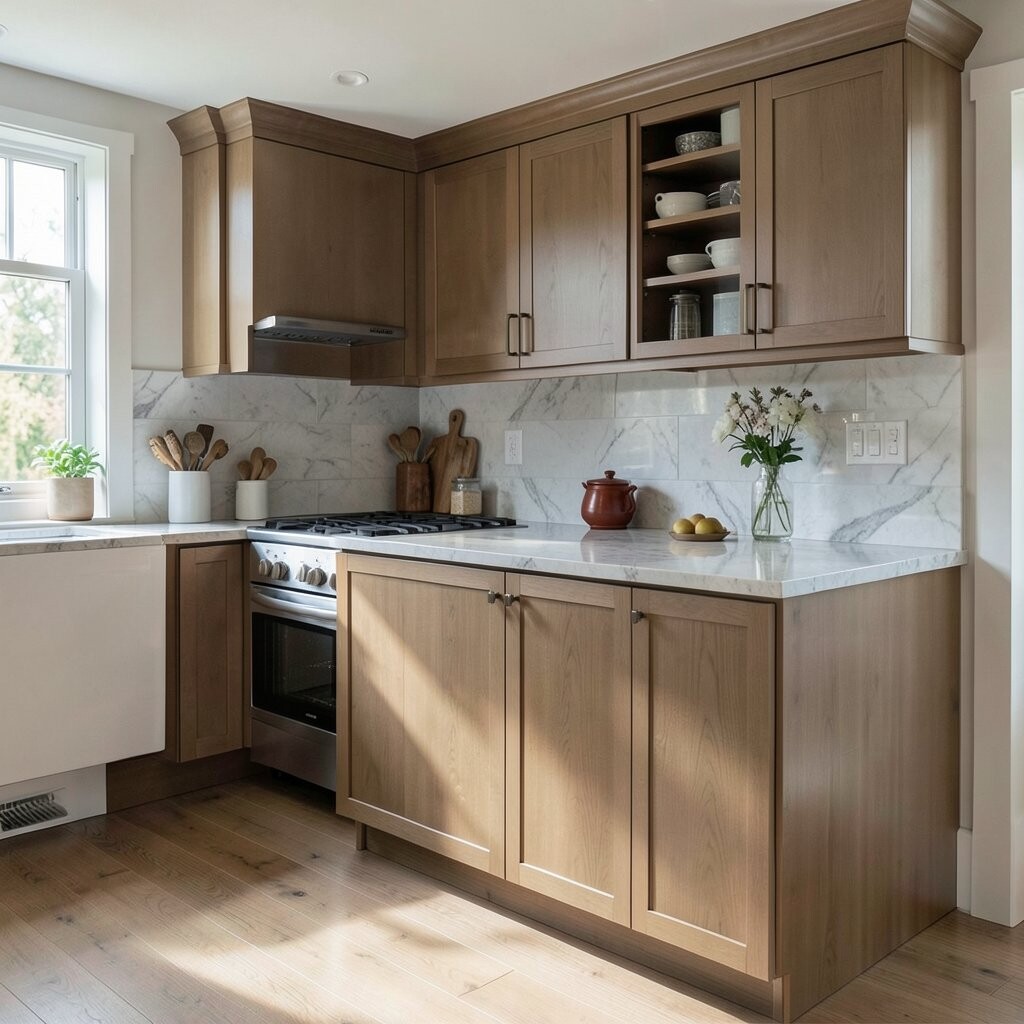
Handleless Cabinets vs Hardware-Forward Traditional Designs Handleless modern cabinets feel like a quiet secret, because the doors stay smooth and uninterrupted. Traditional kitchens often show off knobs and pulls that look decorative and easy to reach.
Handleless designs can make cleaning faster since there are fewer edges to wipe. Traditional hardware adds personality and can be changed without replacing the whole cabinet. If you host lots of dinners, choose hardware that feels comfortable with wet or busy hands.
For a budget-friendly twist, pick classic hardware shapes but keep them in a modern finish like brushed nickel or matte black. If you want sleek style, consider touch-latch or integrated grooves on the inside edge.
-
3. Light Colors and Airy Neutrals vs Deep Stains and Warm Woods
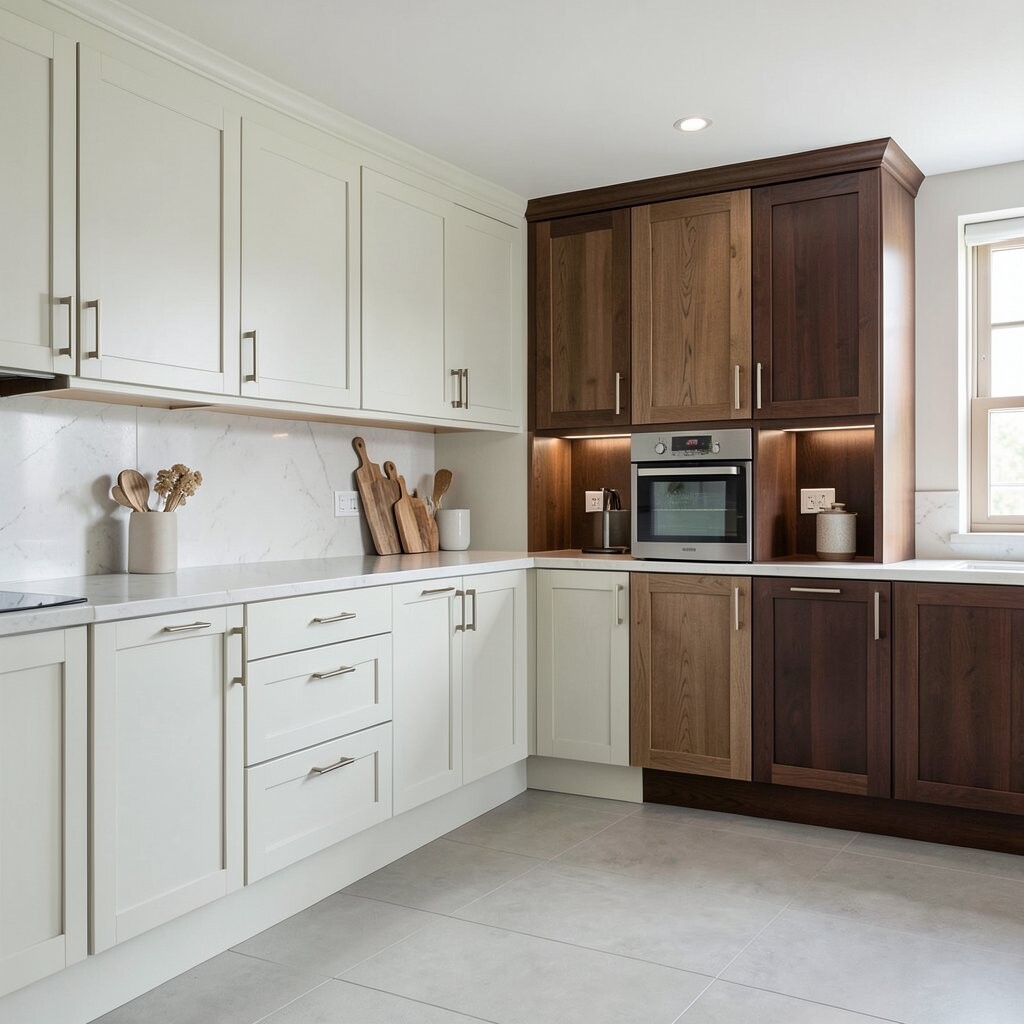
Light Colors and Airy Neutrals vs Deep Stains and Warm Woods Modern kitchens often use light cabinets that make the space feel bigger and brighter. Traditional kitchens frequently lean into deep stains, and the wood tones feel rich and grounded.
Light colors help small kitchens feel open, especially when paired with reflective countertops. Deep tones hide wear more easily, since minor scratches blend into the finish. Both can look high-end, but the “feel” changes fast based on your wall color and lighting.
To personalize, match cabinet color to your favorite textiles or rug tones. If you choose modern white, warm up the room with wood shelves or a honey-toned floor. If you choose traditional dark wood, balance it with lighter walls and a soft backsplash.
Cost can shift with materials, because custom stains and specialty paints may raise the price. When you want deep color on a tighter budget, ask about ready-to-install stain options. Planning early helps you avoid surprises at install time.
-
4. Open Shelving and Glass Inserts vs Fully Enclosed Traditional Storage
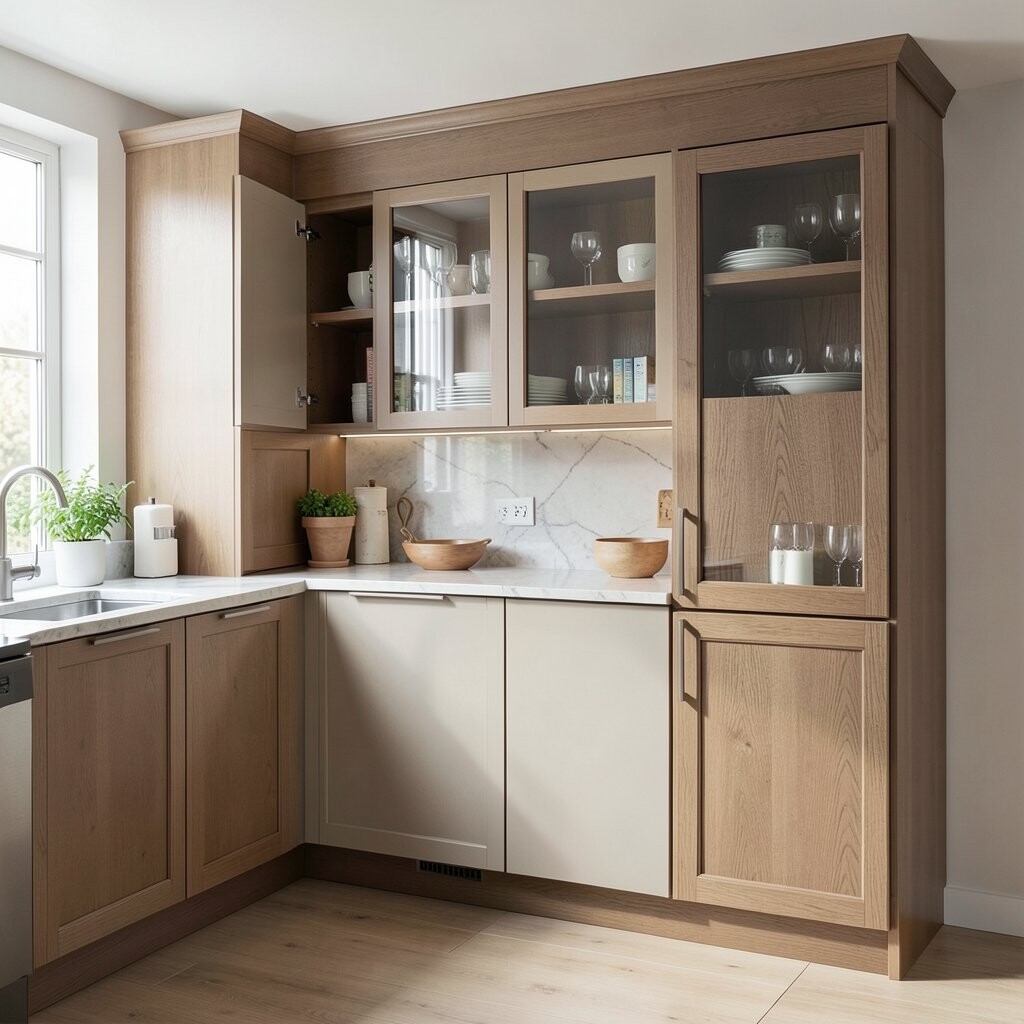
Open Shelving and Glass Inserts vs Fully Enclosed Traditional Storage Modern cabinet plans often mix closed doors with open shelves, giving you a light, stylish peek at your dishes. Traditional designs usually keep everything behind doors, creating a neat and formal look.
Open shelving can make daily items feel easy to grab, and it looks great when styled on purpose. Fully enclosed cabinets reduce visual clutter, which is helpful if you dislike seeing stacks of bowls. For best results, pick one area to show off, like a coffee station or favorite serving pieces.
If you want openness without constant dusting, use glass inserts with clean lines and a simple frame. Try interior lighting to create a warm glow and make glass look intentional. Personalize by repeating shapes, like matching teacups or uniform jars.
Cost can vary because glass doors often add expense, while simple shelving can be cheaper. If your budget is tight, start with a few glass sections instead of covering every cabinet. This way you still get the modern “wow” effect.
-
5. Slim Profiles and Minimal Trim vs Chunky Crown Molding and Details
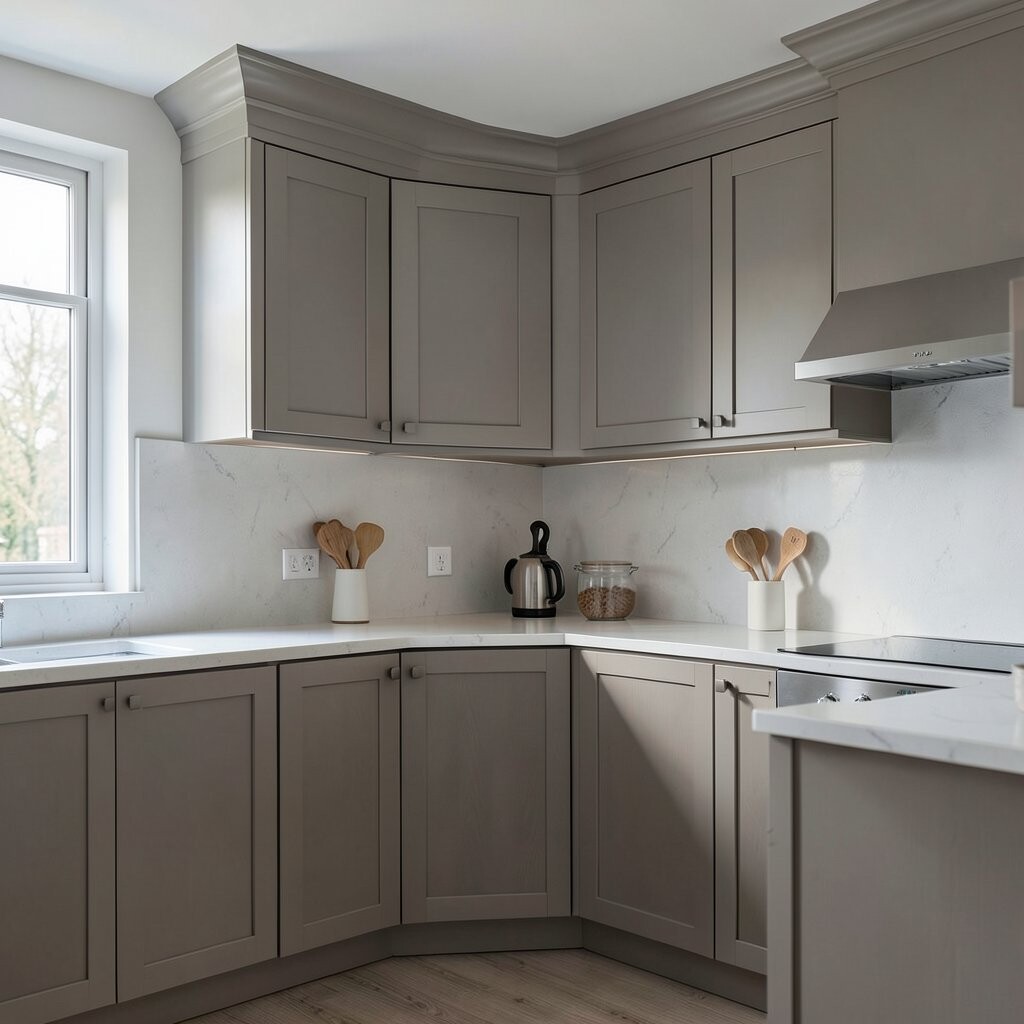
Slim Profiles and Minimal Trim vs Chunky Crown Molding and Details Modern cabinets often show slim frames and calm spacing that looks light and modern. Traditional cabinets frequently add crown molding and thicker trim that feels elegant and grand.
Slim profiles can make ceilings look taller, especially in kitchens with limited square footage. Chunky trim adds visual rhythm, which can make big kitchens feel welcoming. The key is choosing proportions that match your room size so it doesn’t look cramped or overloaded.
Try adding a subtle crown to a modern base if you like the “finished” look but want to keep it simple. Or keep traditional cabinet doors but update the trim with a cleaner shape. Either way, paint the molding in the same color as the cabinets for a smoother look.
From a cost view, ornate millwork and detailed molding can add labor and materials. If you want the traditional feeling without high spending, ask about simpler molded profiles. That small change can keep the look classy without the big bill.
-
6. Two-Tone Cabinet Styling vs Single-Color Traditional Consistency
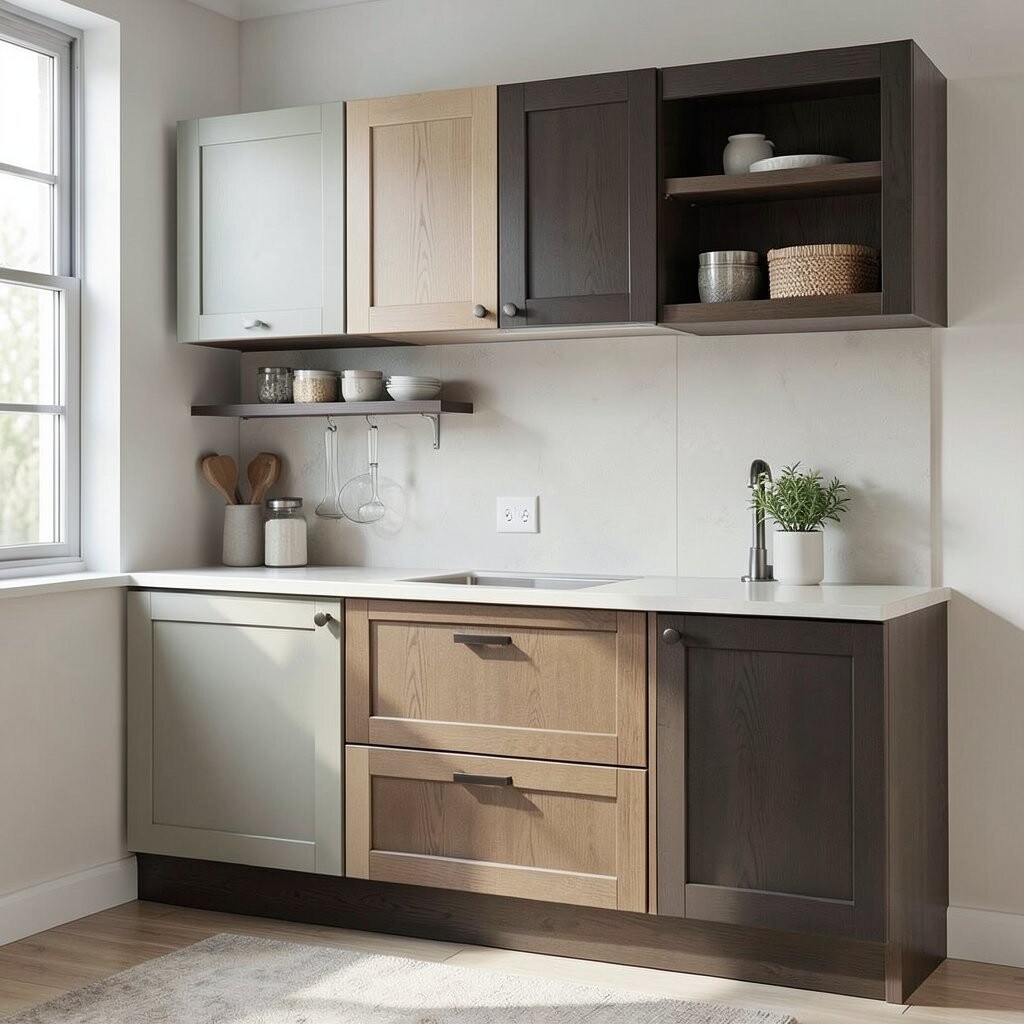
Two-Tone Cabinet Styling vs Single-Color Traditional Consistency Two-tone kitchens look bold and creative, with different colors on upper and lower cabinets. Traditional designs often stay consistent in one color for a calm, classic look.
Two-tone cabinets can help define zones, like making the island feel like the “center stage.” Traditional single-tone cabinets give you a clean, uniform style that’s easy to match with many countertops. Pick your main theme first, then choose the second color to support it.
For a safe modern twist, try lighter uppers and darker lowers for depth. For a traditional twist, keep the uppers light but use warm wood on select lower cabinets. Personalize by using the same wood tone in a pantry door or open shelf.
-
7. Matte Paint Finishes vs Glossy or High-Sheen Traditional Surfaces
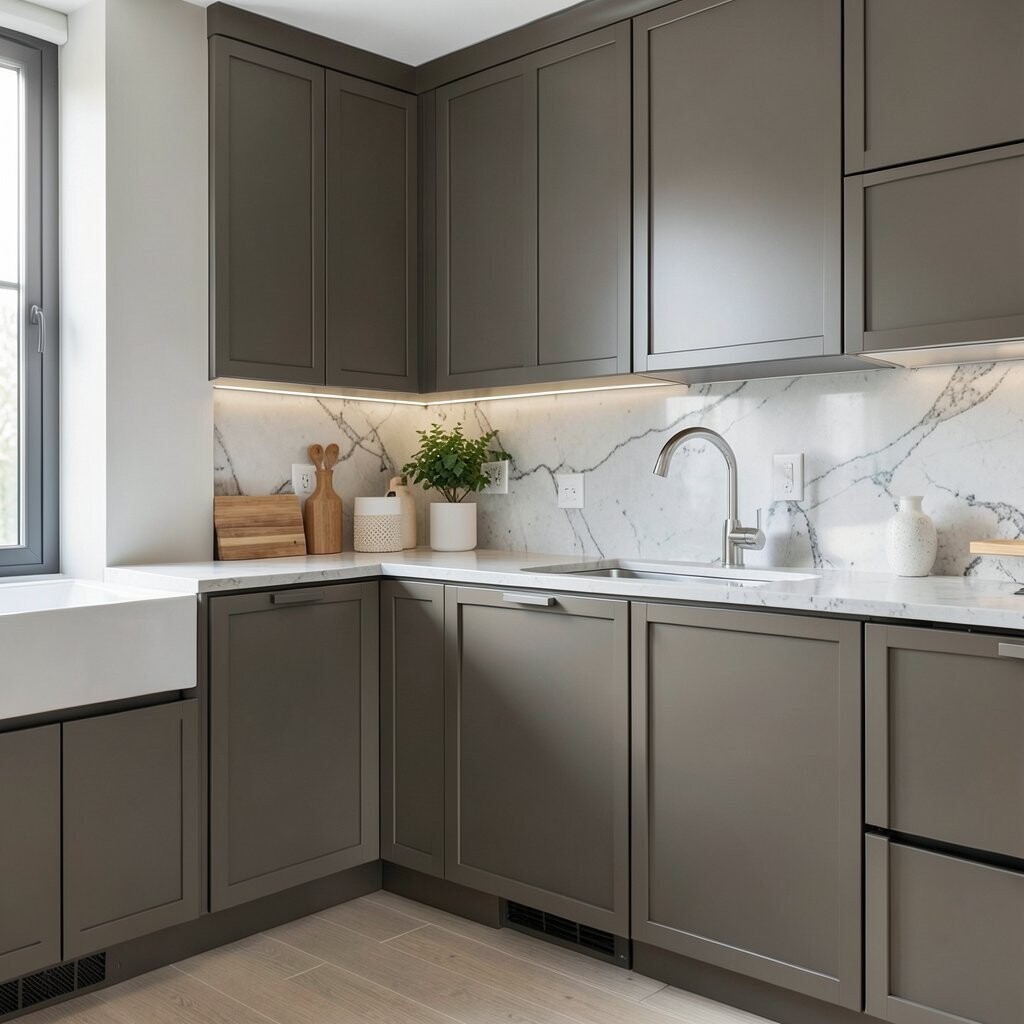
Matte Paint Finishes vs Glossy or High-Sheen Traditional Surfaces Matte finishes look soft and stylish, like fabric for your cabinets. Traditional kitchens sometimes use glossier surfaces that reflect light and create a polished shine.
Matte finishes hide fingerprints and small marks, which is great for busy homes. Glossy finishes can look dramatic, especially with bright lighting, but they may show smudges more. Your cleaning routine matters, so pick the finish that fits your day-to-day life.
To personalize, add a satin topcoat on areas that get heavy use, like near the sink. If you love shine, focus the glossy look on one feature, such as the island. This helps control cost while still giving you that “wow” moment.
Cost considerations vary because specialty coatings and premium paints can increase the price. Ask if the cabinet line offers upgraded finishes at a clearer, package-friendly rate. Planning for finish quality helps prevent disappointment later.
-
8. Storage-First Layouts vs Pantry-Style Traditional Planning
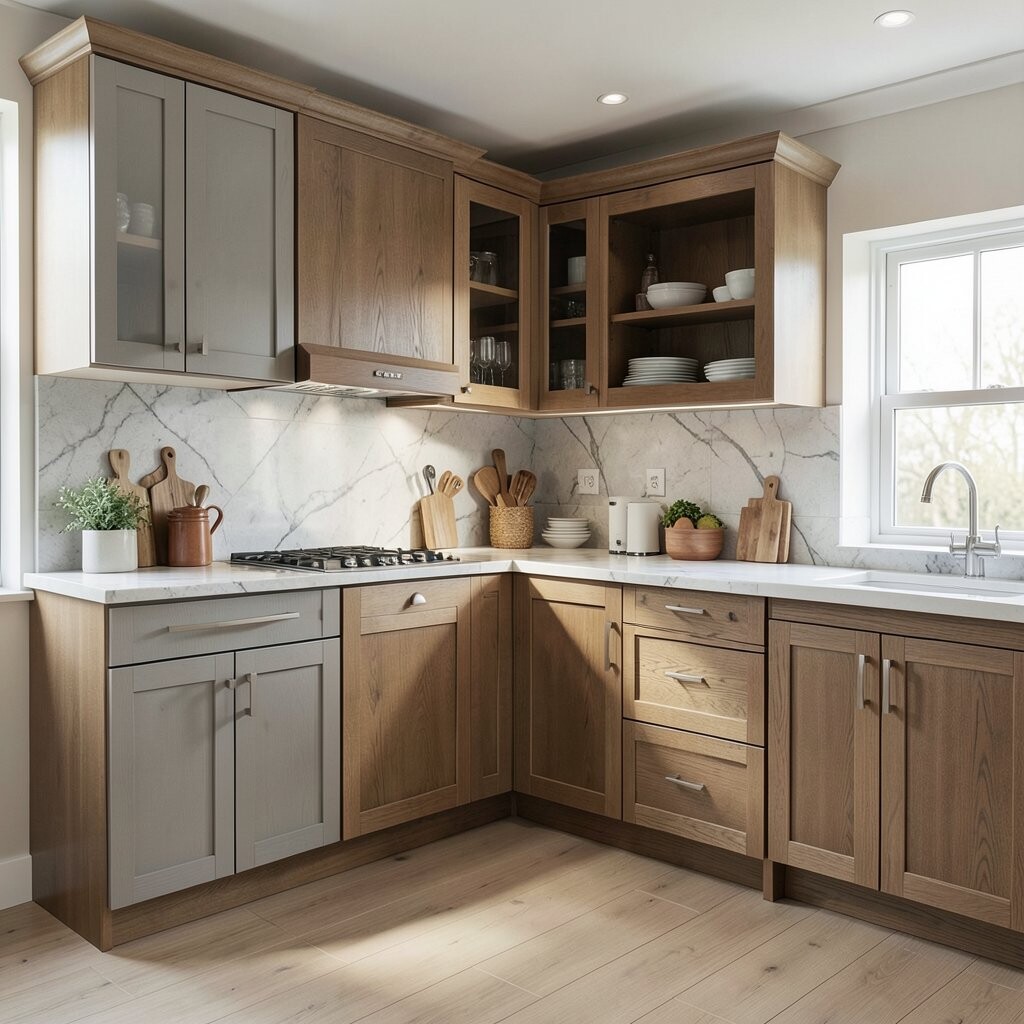
Storage-First Layouts vs Pantry-Style Traditional Planning Modern cabinet ideas often start with storage tools like pull-outs, lazy Susans, and built-in organizers. Traditional kitchens may focus on pantry cabinets and wide drawers for everyday storage.
Organizers make it easier to find items quickly, which saves time when you cook. Pantry-style planning keeps bulky items together, which feels practical and tidy. Both styles can be functional, but the details change how you move through your kitchen.
Choose your “must-haves” first, like a spice pull-out or a trash drawer. Then design the cabinet layout around those needs. Personalize by sizing compartments for your specific tools, like sheet pans or mixing bowls.
-
9. Recessed Lighting and Inside Illumination vs Traditional Under-Cabinet Glow
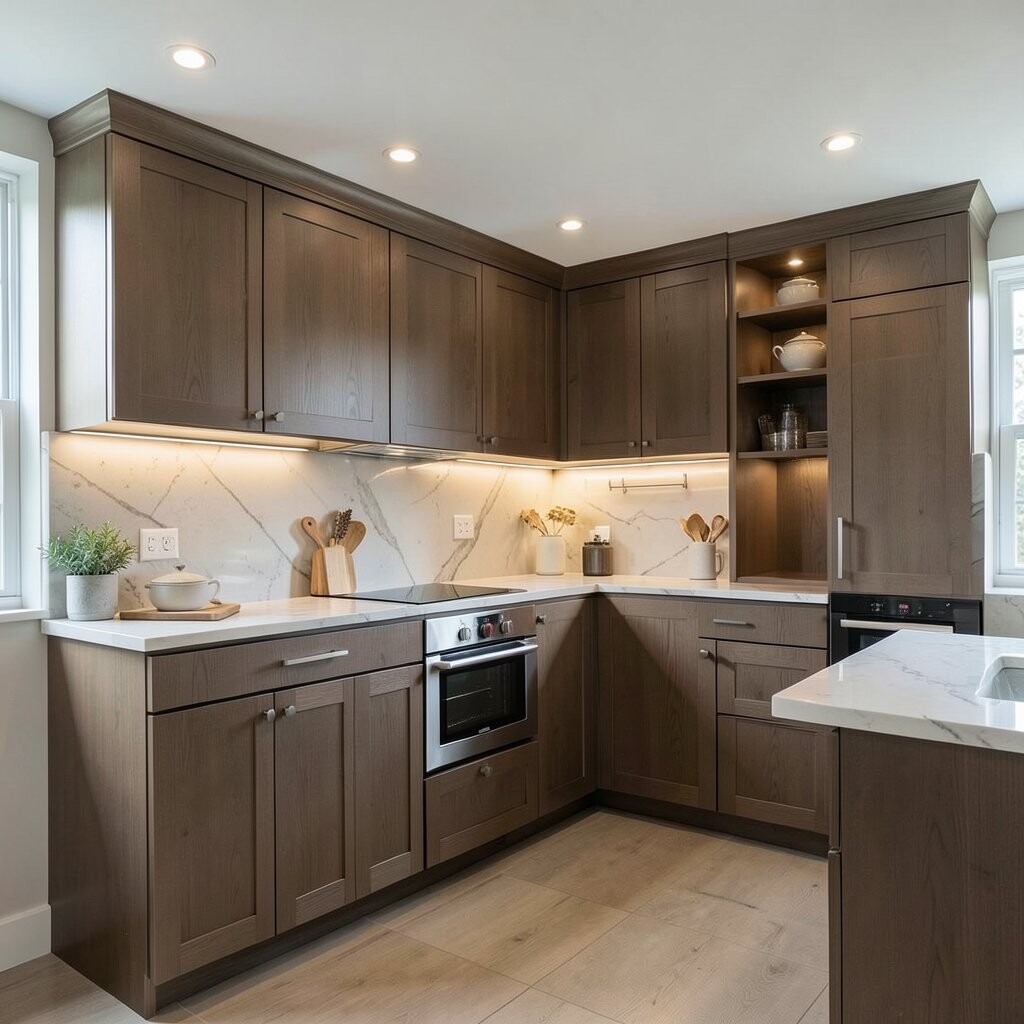
Recessed Lighting and Inside Illumination vs Traditional Under-Cabinet Glow Modern kitchens often add lighting that feels built-in, with soft LEDs inside cabinets and along edges. Traditional kitchens may rely on under-cabinet lights that create a classic warm glow.
Lighting helps you see what you’re grabbing, and it also makes cabinet finishes look richer. With good placement, the kitchen can feel cozier at night without harsh shadows. Be sure your light color matches your overall theme.
Try cool white LEDs for a crisp modern look, or warm white LEDs for a traditional warmth. Personalize by placing small lights behind glass doors so dinnerware looks like it’s on display. For safety, hire a pro if you need electrical work changes.
-
10. Straight-Line Counter-Height Cabinets vs Classic Floor-to-Ceiling Statements
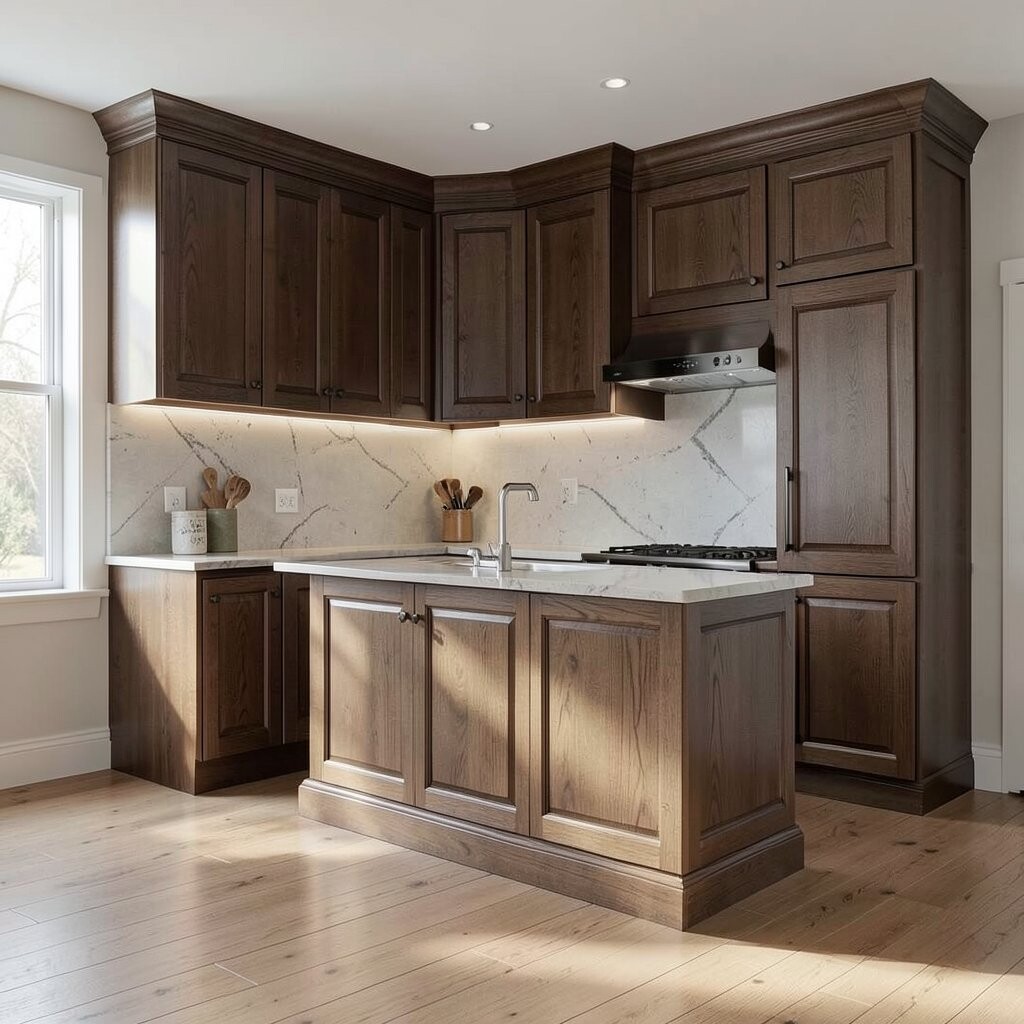
Straight-Line Counter-Height Cabinets vs Classic Floor-to-Ceiling Statements Modern designs often show cabinets that feel streamlined, sometimes using counter-height sections for an open look. Traditional designs may prefer a floor-to-ceiling plan with tall cabinets that frame the room.
Counter-height cabinets can make the kitchen feel less crowded and easier to breathe in. Tall cabinets add dramatic height, and they can store more without extra floor space. The right choice depends on your ceiling height and how much storage you need.
To personalize, pair counter-height cabinets with open shelves above to keep it light. For a traditional statement, add a decorative cornice at the top to create a finished frame. Choose shapes that match your window style so everything looks connected.
Cost can shift with height because taller installs may require extra materials and careful measurement. If you want the look but not the full cost, consider a partial height cabinet wall plus a pantry column. This often gives you the best balance of style and value.
-
11. Textured Wood Slats and Modern Panels vs Traditional Veneers and Solid Wood
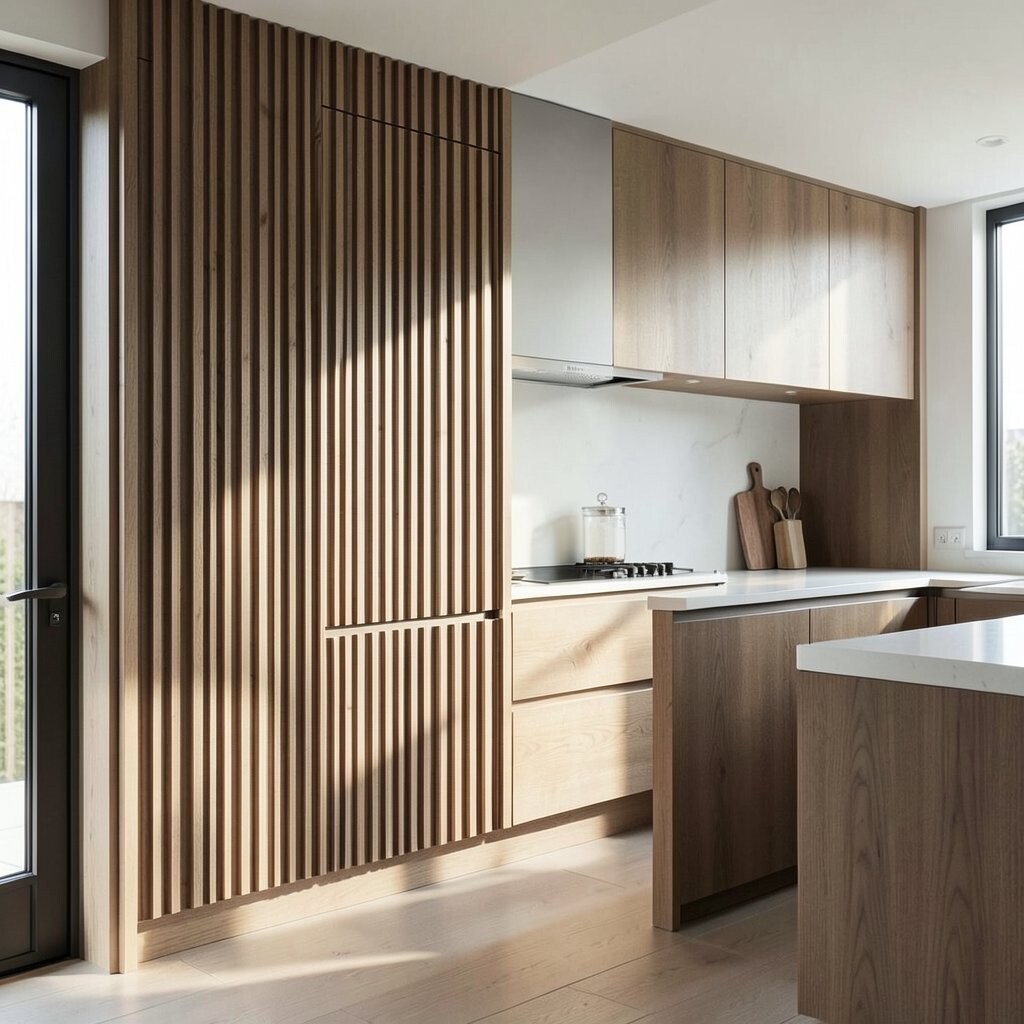
Textured Wood Slats and Modern Panels vs Traditional Veneers and Solid Wood Modern kitchens may use textured wood slats or panel details to bring warmth without heavy ornament. Traditional kitchens often rely on veneers or solid wood with classic grain patterns and smooth finish work.
Textured slats can add depth and visual interest, making even simple doors feel special. Traditional veneers and solid wood can offer timeless beauty and a rich feel when touched. Both options can look premium, but the “texture vs smoothness” choice changes your style mood.
For personalization, use textured panels behind glass shelves so the background looks elegant. Or keep traditional doors smooth but add a subtle wood grain pattern on an accent cabinet. If you prefer a calm kitchen, choose one textured feature instead of many.
Cost considerations depend on material type, so ask what is solid versus what is veneered. If you want the look of solid wood on a budget, choose veneer cabinets with strong edges and quality hardware. Good craftsmanship helps your cabinets last longer, which is a smart value.
-
12. Minimal Gaps and Seamless Corner Designs vs Traditional Corner Clarity
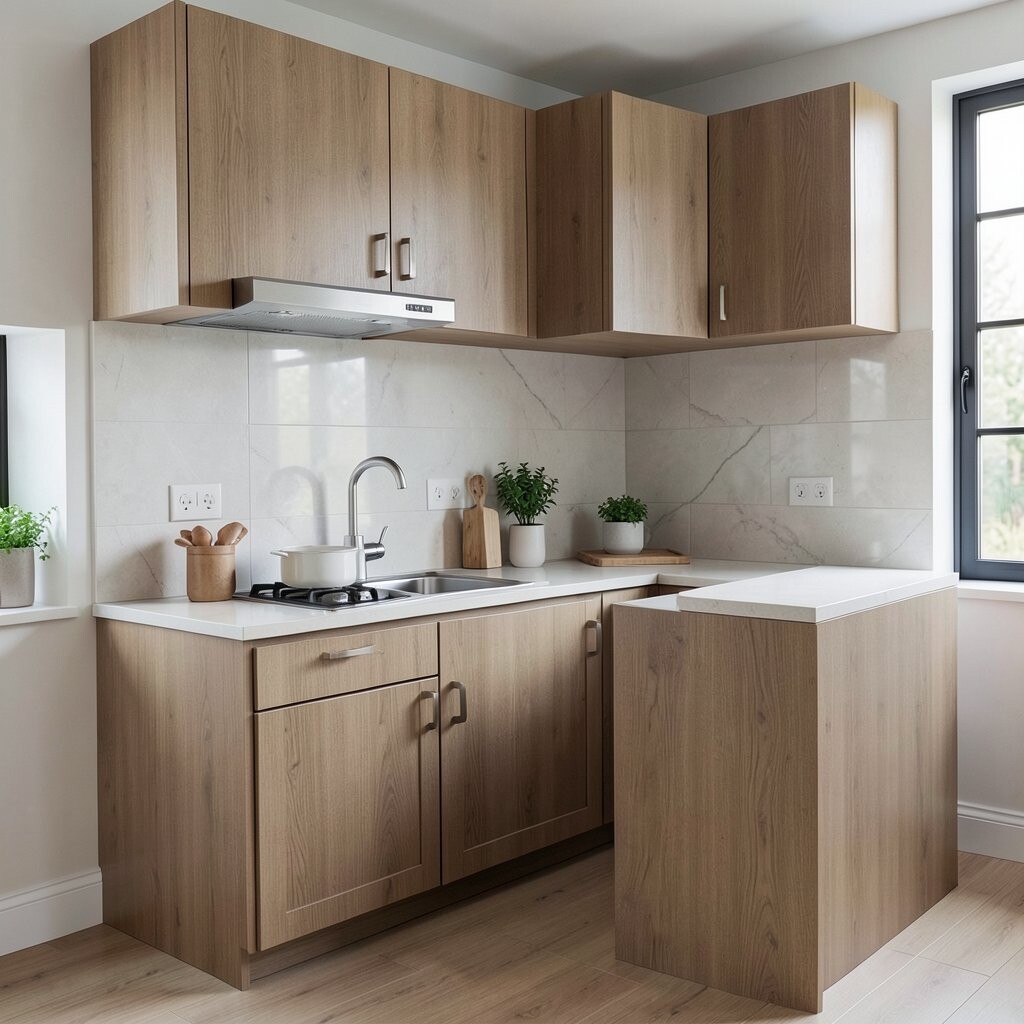
Minimal Gaps and Seamless Corner Designs vs Traditional Corner Clarity Modern cabinets aim for clean lines, often with tight gaps and careful corner planning. Traditional cabinets can feel simpler at corners, using classic joinery and easy access shapes.
Seamless corners help the kitchen look neat and “designer,” which is great for modern styles. Traditional corners still work well, especially when designed for easy reach and storage. Think about how you use the back corner area, since it can be tricky in many kitchens.
To personalize, pick corner solutions like a rotating carousel for awkward spaces. If you enjoy classic styling, choose a lazy Susan in a traditional cabinet frame so it blends in. This is both practical and beautiful.
Cost can be affected by corner systems, because custom mechanisms take more work. Compare the difference between standard shelving corners and upgraded pull-out corners. Investing in one strong corner solution can improve the whole kitchen experience.
-
13. Colorful Accents and Custom Paint vs Traditional Timeless Warmth
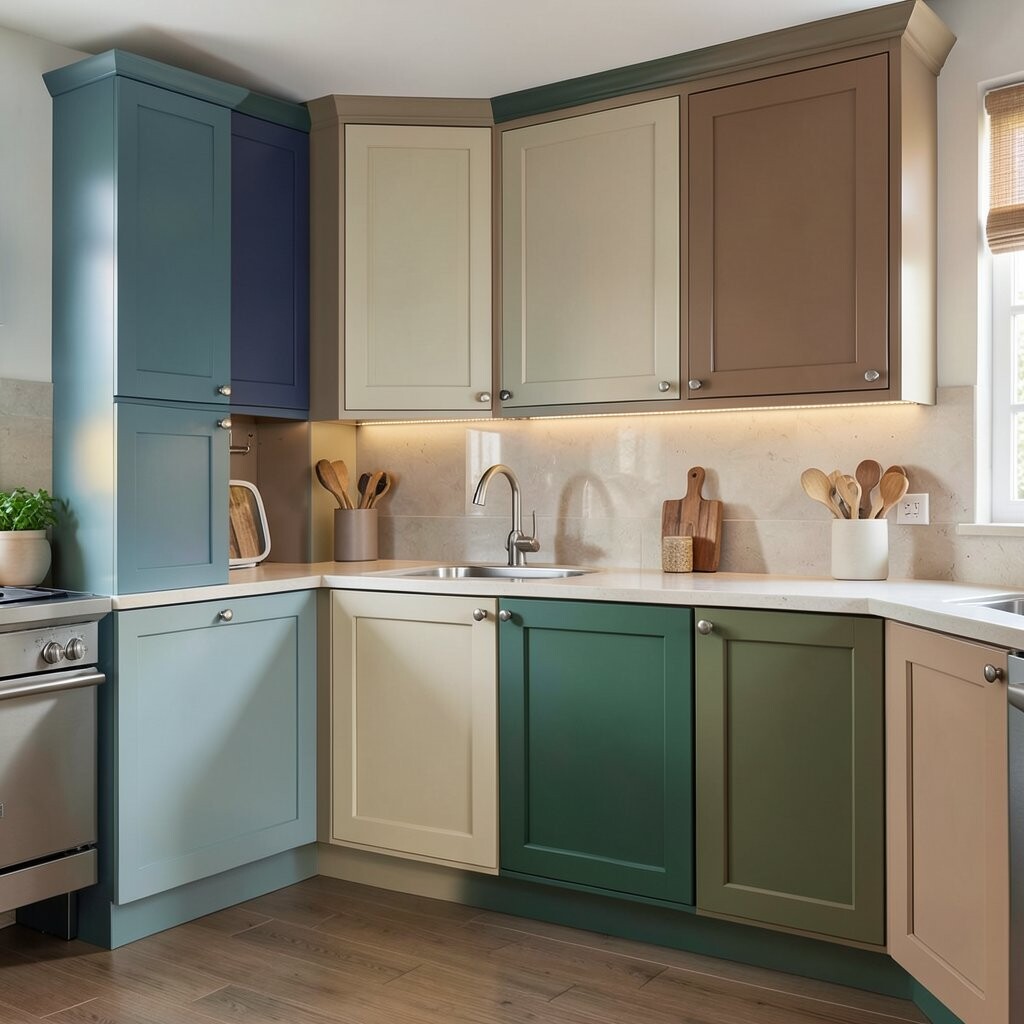
Colorful Accents and Custom Paint vs Traditional Timeless Warmth Modern ideas often include colorful accents like muted sage, soft navy, or warm terracotta. Traditional designs usually stick to timeless warmth, like cream, honey tones, or classic oak.
Color accents can make your kitchen feel lively and personal without changing every cabinet. Traditional warm tones keep the kitchen inviting, and they match many styles of decor. Decide if you want a bold mood or a steady, cozy vibe.
Personalize by painting only one section, such as a pantry door or island base. Add matching color through accessories like bar stools, curtains, or a rug pattern. This helps you control cost because fewer painted doors usually means less expense.
Cost considerations also depend on paint type and whether you need special coverage for the new color. Ask for swatches and test them on your wall because lighting can change how color looks. Planning this step helps you avoid costly rework.
-
14. Blending Modern and Traditional for Your Best Fit at Home
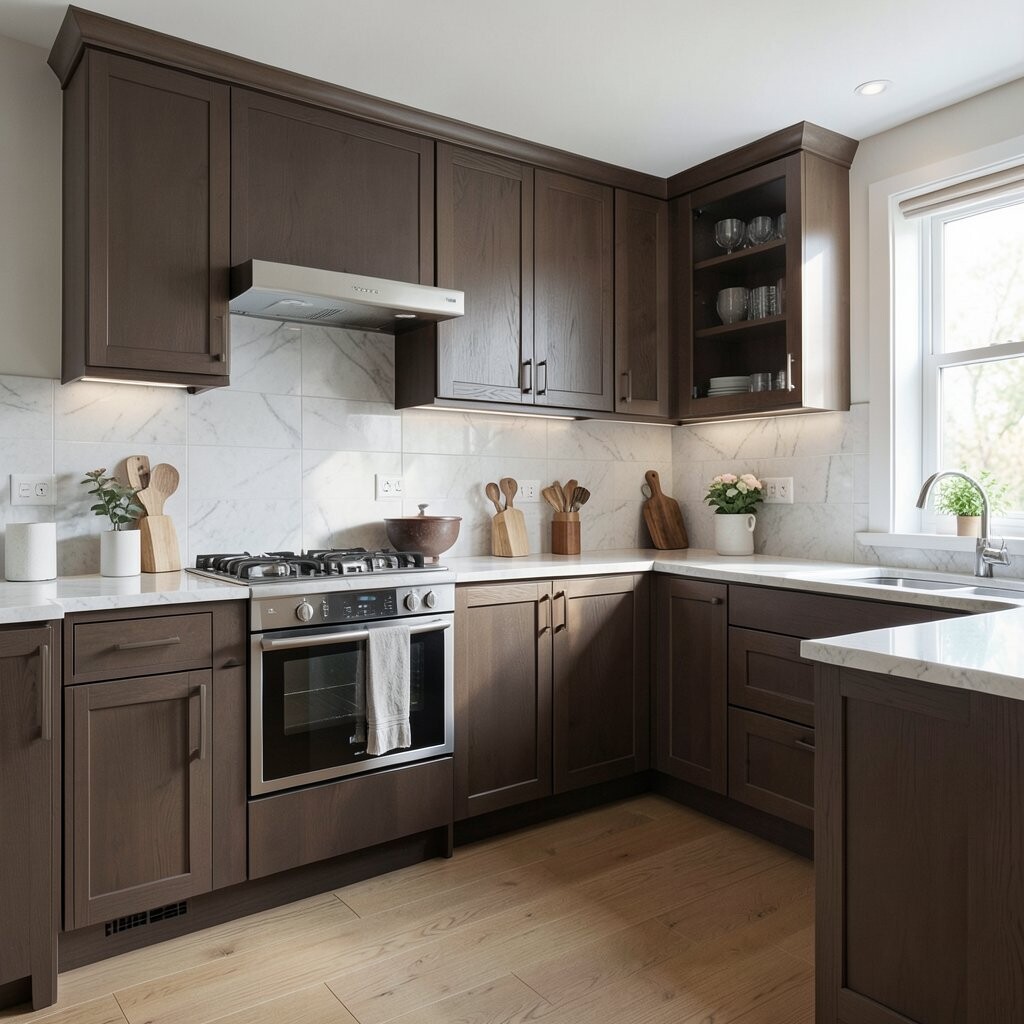
Blending Modern and Traditional for Your Best Fit at Home The most irresistible kitchens often mix styles on purpose, taking the best parts of modern and traditional ideas. You might choose classic doors on the perimeter and add modern lighting or storage upgrades.
This mixed approach can give you a kitchen that feels personal, not copied. It can also help your budget stretch farther, since you can upgrade one area instead of every surface. Your home already has its own style clues, like flooring color, countertop tone, and wall finish.
To personalize, use a simple rule: keep one element consistent, like cabinet color family. Then vary one element, like hardware style, in a way that still feels connected. Try pairing traditional cabinet panels with modern handle options for a balanced look.
Cost considerations work best when you prioritize your daily needs first. Spend on organizers, durable finishes, and comfortable hardware, then choose the details that make you smile. When you plan with care, your cabinets will look great today and still feel right years from now.