Small rooms can feel hard to use, but a few smart changes can make them work much better. Simple choices in color, storage, and layout can help a home feel open, neat, and easy to live in.
1. Use Light Colors on Walls and Furniture

Light colors can make a small room feel open and calm. White, soft gray, pale blue, and warm beige all help light move around the space.
These shades work well on walls, shelves, rugs, and even chairs. A room with light colors often looks cleaner and less crowded, which helps the eye rest.
This idea is also low cost, since paint is often cheaper than buying new furniture. If you want a little more style, you can add small bits of color with pillows, art, or a throw blanket.
2. Pick Furniture With More Than One Use

Furniture that does more than one job is a smart fit for small spaces. A storage bench, a sofa bed, or a coffee table with shelves can save a lot of room.
These pieces help cut down on clutter and make daily life easier. They also give the room a neat look because you need fewer items to do the same work.
This is a popular trend in small homes and apartments because it helps people use every part of the room. It can cost more at first, but it may save money later since you do not need to buy as many separate pieces.
3. Add Wall Shelves for Extra Storage

Wall shelves are a simple way to use space that often sits empty. They can hold books, plants, dishes, baskets, or small decor items.
Open shelves can make a room feel light and airy when they are not too full. They also keep things easy to reach, which is helpful in a kitchen, bath, or small office.
You can use wood, metal, or painted shelves to match your style. Floating shelves are a common choice now because they look clean and do not take up floor space.
4. Use Mirrors to Make Rooms Feel Bigger
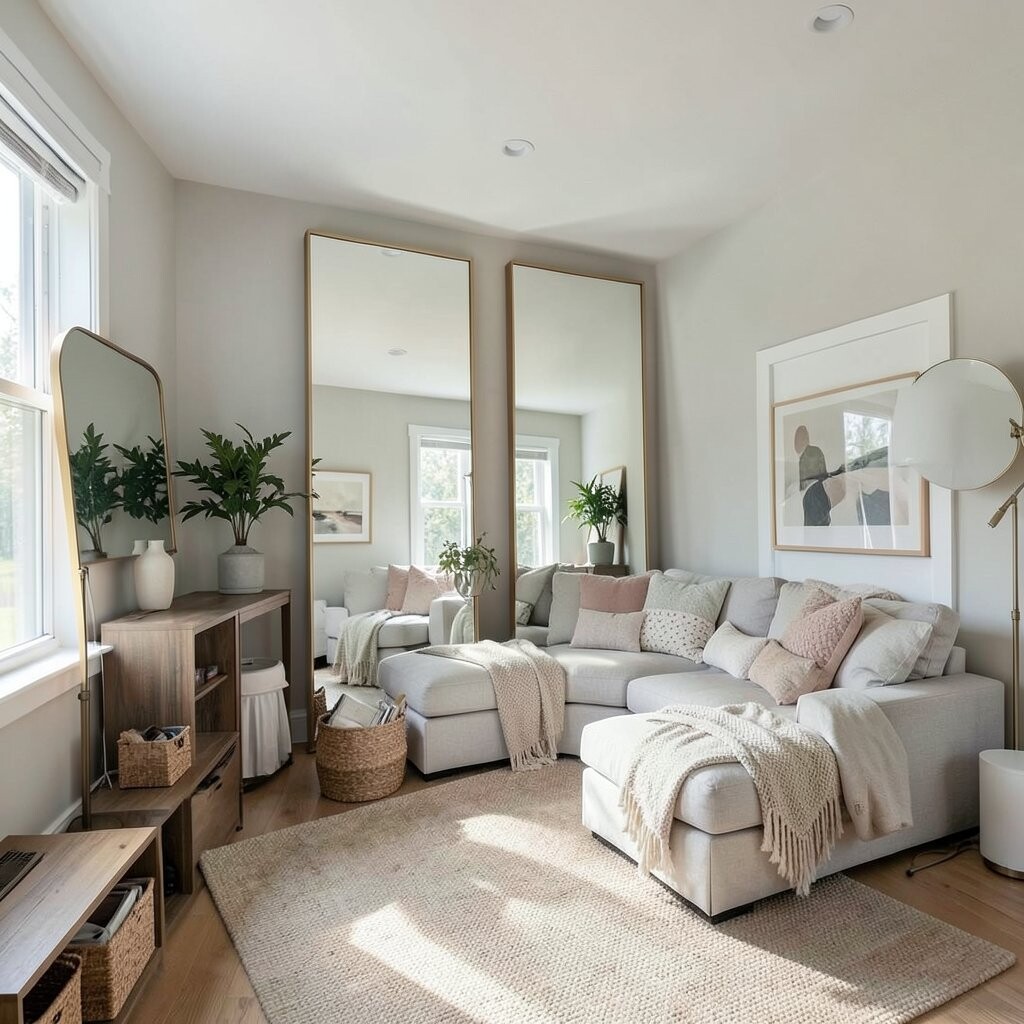
Mirrors can help a small room look wider and brighter. When light hits a mirror, it bounces around and makes the space feel more open.
A large mirror on a wall can give the room a strong visual lift. Smaller mirrors can also work well when you group them in a simple pattern.
This is a good option if you want a big change without a high cost. Many people place mirrors near windows, above dressers, or in narrow halls to help the room feel less tight.
5. Choose Slim and Simple Furniture
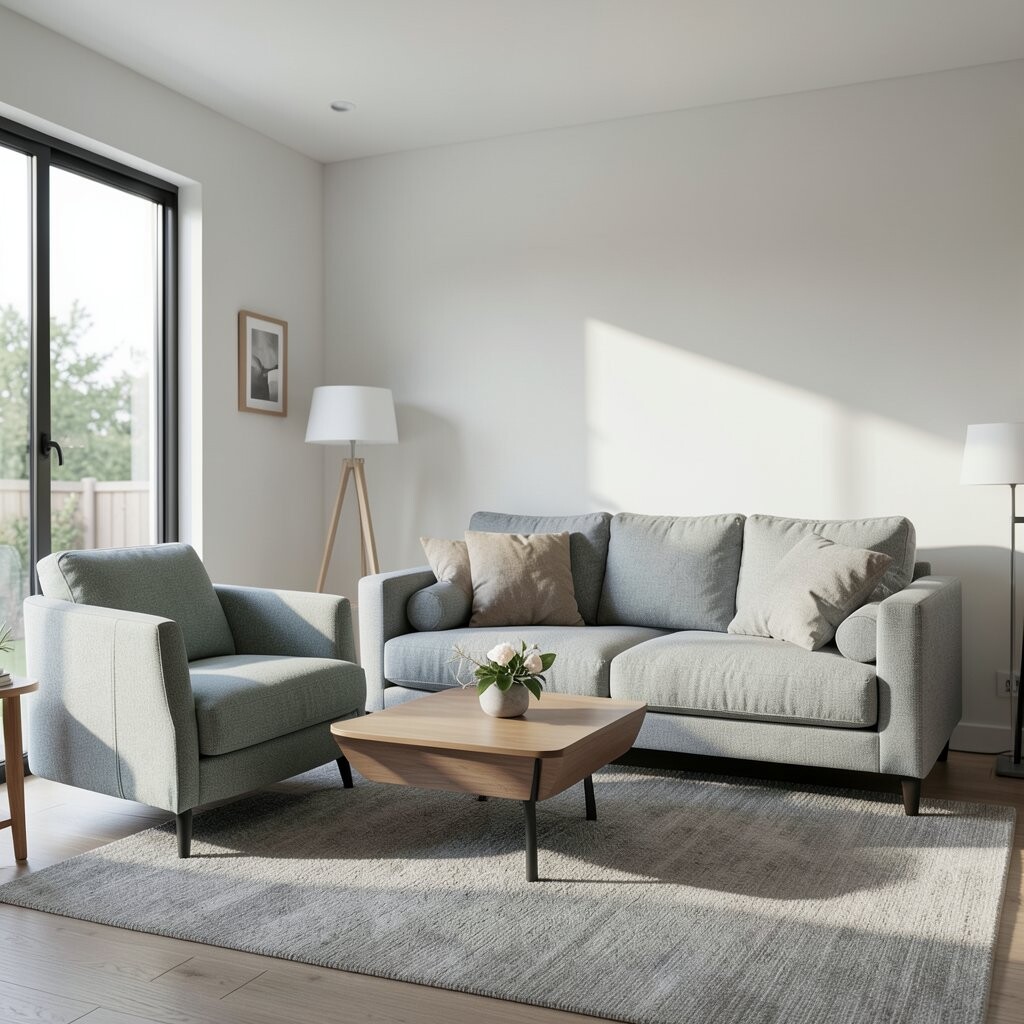
Bulky furniture can make a small space feel crowded fast. Slim chairs, narrow tables, and low-profile sofas often work better because they leave more open floor.
Simple shapes also help the room feel neat and easy to move through. A clear layout can make daily tasks like cleaning, sitting, and walking around much less stressful.
This style fits well with current trends that focus on clean lines and less clutter. It can also fit many budgets, since you can often find simple pieces at thrift stores, discount shops, or online sales.
6. Use Baskets and Boxes to Hide Small Items

Small items can pile up fast in a tiny home. Baskets and boxes help keep chargers, toys, papers, and extra cords in one place.
When small things are out of sight, the room looks calmer and more open. You can also label boxes so it is easy to find what you need later.
This is a low-cost fix that works in almost any room. Woven baskets, fabric bins, and clear plastic boxes all have a different look, so you can pick what fits your home best.
7. Hang Curtains High and Wide

Curtains can change how a room feels more than many people think. If you hang them high near the ceiling and wide past the window frame, the window can seem larger.
This trick helps draw the eye up, which can make the room feel taller. It also gives the space a soft, finished look without using much floor space.
Light fabric works well for a calm, open feel, while thicker cloth can help with privacy and light control. Curtain styles with simple colors and clean folds are popular because they look neat and easy to live with.
8. Make Corners Work Harder

Corners often get ignored, but they can hold useful things. A corner shelf, a small desk, or a tall plant can turn an empty spot into a helpful part of the room.
Using corners well helps the rest of the room stay open. It also gives the space a more planned look, which can make it feel more complete.
Some people add corner lamps or small reading chairs to make a cozy spot. This can be a nice personal touch, and it usually costs less than buying large furniture for the center of the room.
9. Try Foldable and Stackable Pieces
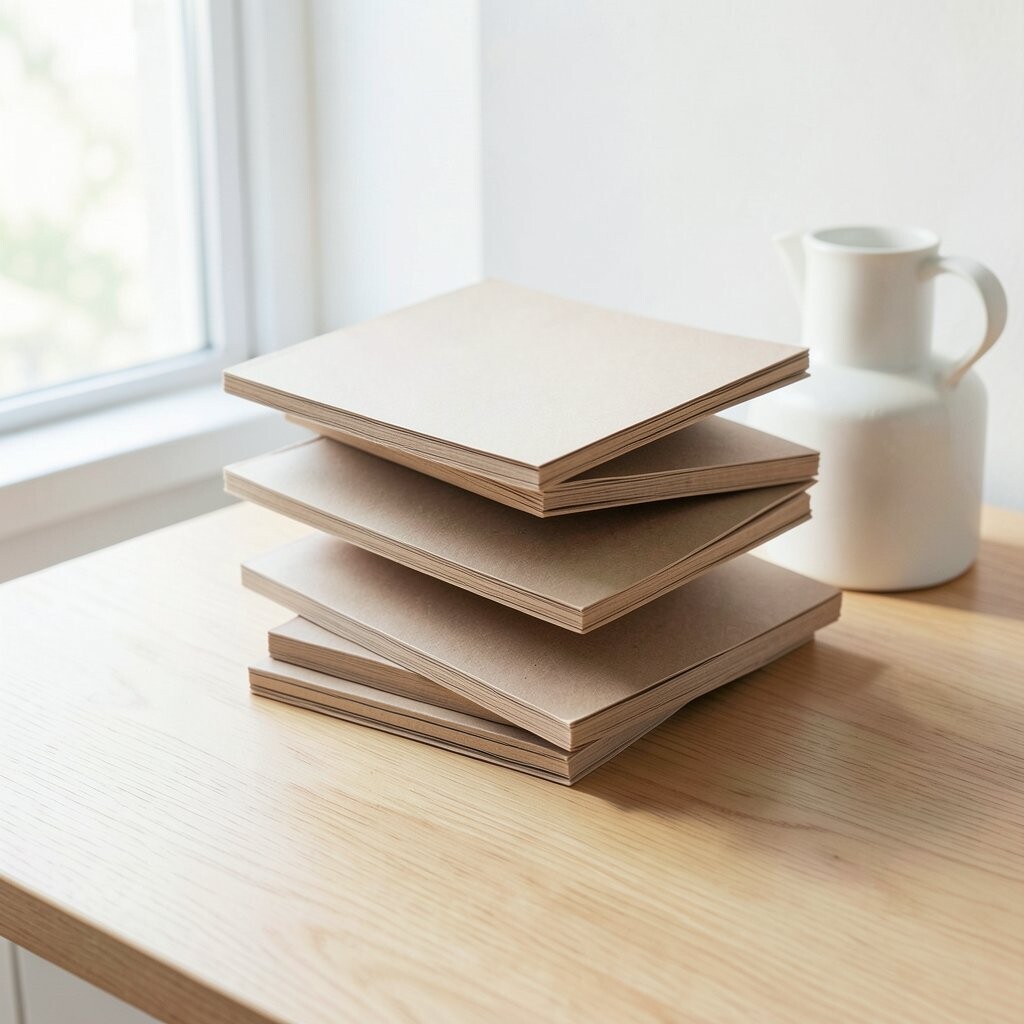
Foldable chairs, drop-leaf tables, and stackable stools are great for small homes. You can use them when needed and put them away when you want more open space.
This makes a room more flexible for meals, guests, work, or hobbies. It also helps the space change with your day instead of staying fixed in one setup.
These pieces are a strong fit for modern small-space living because they are easy to store and move. Many are also budget-friendly, so they can help if you want a smart fix without spending too much.
10. Keep the Floor as Clear as You Can
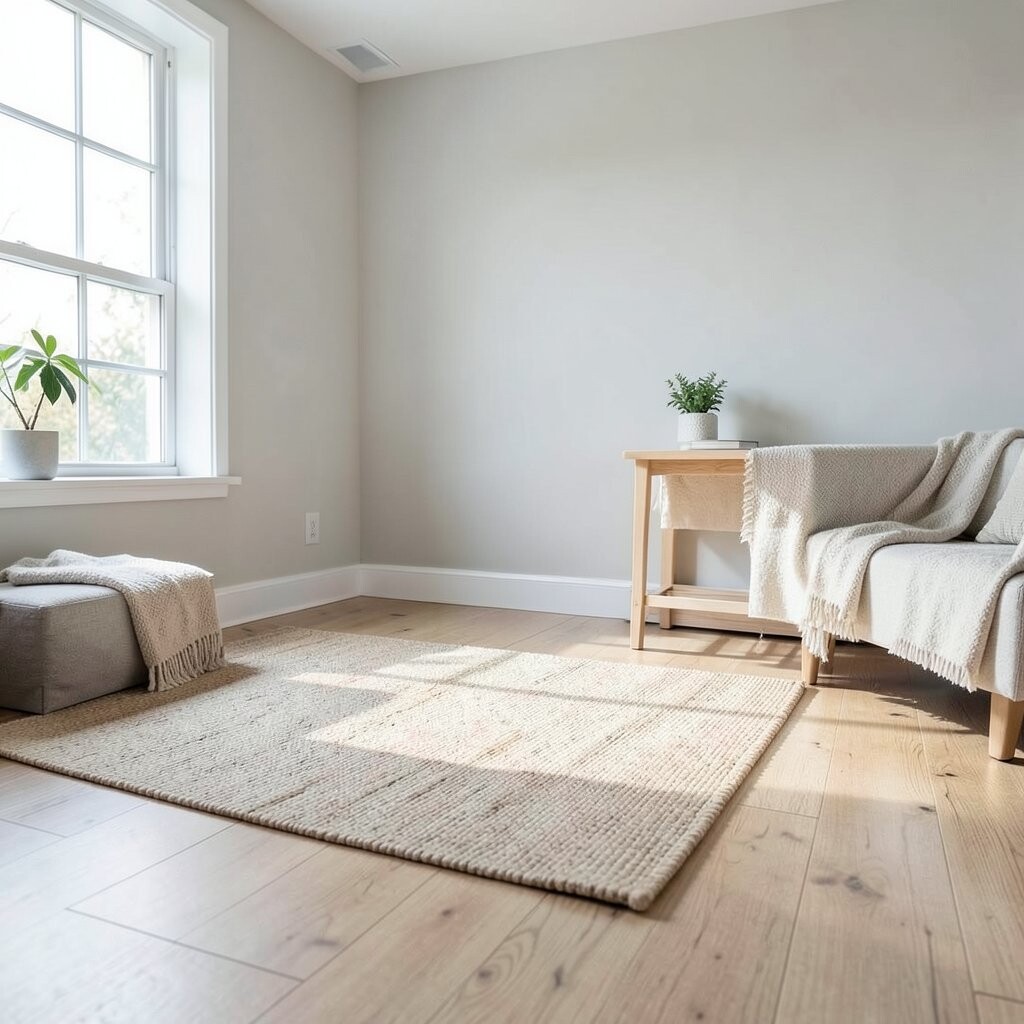
Open floor space can make a small room feel much better. When the floor is not full of extra things, the room seems larger and easier to use.
Try to keep shoes, bags, and loose items in a set place. A tidy floor also makes cleaning faster, which saves time and helps the room stay neat.
Wall hooks, under-bed bins, and tall storage pieces can help make this easier. This idea is simple, but it can have a big effect on how calm and roomy a home feels.
11. Use Sliding Doors Instead of Swinging Ones

Sliding doors can help save room in tight areas. Since they move along a track, they do not need space to swing open like regular doors.
This can help in closets, baths, and small rooms where every inch matters. It also gives the home a smooth, clean look that feels a bit more modern.
Some sliding doors are plain and low cost, while others use glass or wood for more style. If you want a custom feel, you can paint the door or add simple hardware that fits your home.
12. Add Plants in Small and Smart Ways

Plants can make a small space feel fresh and lived in. A few small pots on a shelf or one tall plant in a corner can add color without taking over the room.
Green leaves stand out well in light rooms and help break up hard edges from furniture. Plants also give a home a more personal feel, which can make the space seem warmer.
If you want easy care, choose plants that do not need much water or light. Simple pots in clay, white, or woven styles are popular and can fit many kinds of rooms.
13. Use Hooks and Peg Rails on Empty Walls
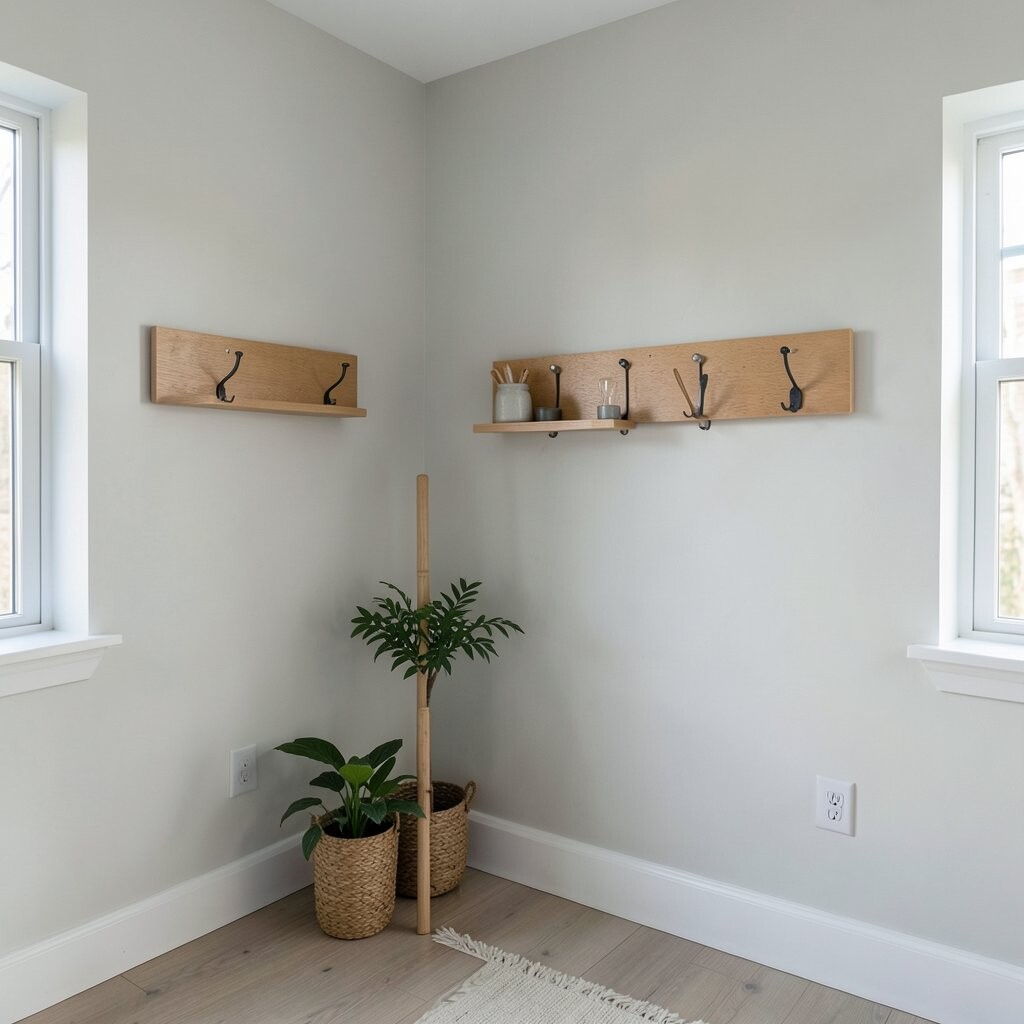
Hooks and peg rails are useful when you need more storage but do not want big furniture. They can hold coats, hats, bags, keys, and other daily items.
These tools keep things off tables and floors, which helps the room stay neat. They also work well in entryways, kitchens, bathrooms, and bedrooms.
This is one of the cheaper ways to make a small space work better. You can pick simple metal hooks or wood rails, depending on the look you want for your home.
14. Keep Decor Simple and Personal
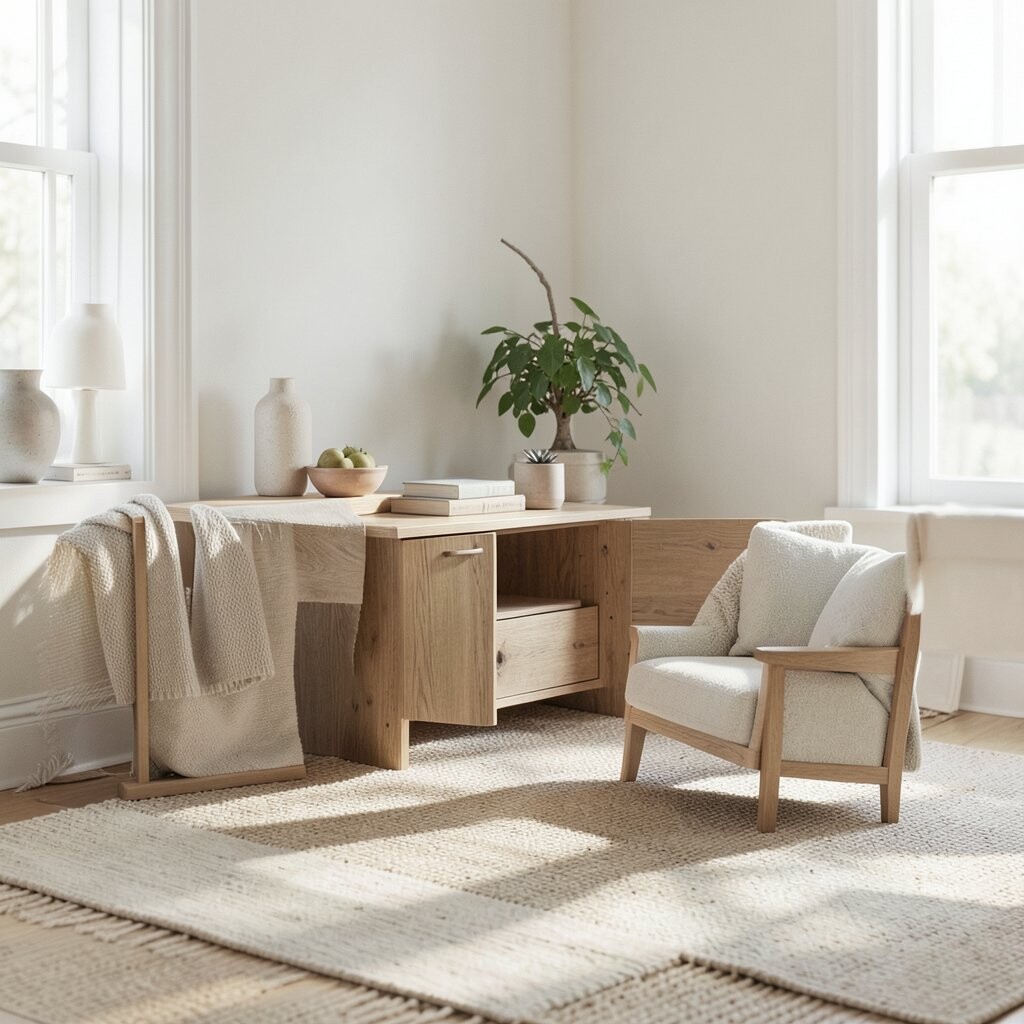
Too many decor items can make a small room feel busy. A few chosen pieces, like family photos, a favorite print, or a handmade bowl, can give the room more meaning.
Simple decor helps the space feel calm and not too full. It also lets the best parts of the room stand out, like a nice window, a good chair, or a pretty shelf.
This kind of look is very common right now because many people want homes that feel neat and easy to care for. You do not need to spend much if you use items you already have and place them with care.
15. Plan Each Area With a Clear Purpose

Small spaces work better when each part has a clear job. One corner can be for work, another for rest, and another for storage or meals.
This helps stop clutter from spreading and makes the home easier to use each day. It also gives the room a sense of order, even if the space is very limited.
You can mark each area with a rug, a lamp, or a small change in color. This idea costs very little and can make the home feel more balanced, more useful, and more like your own.