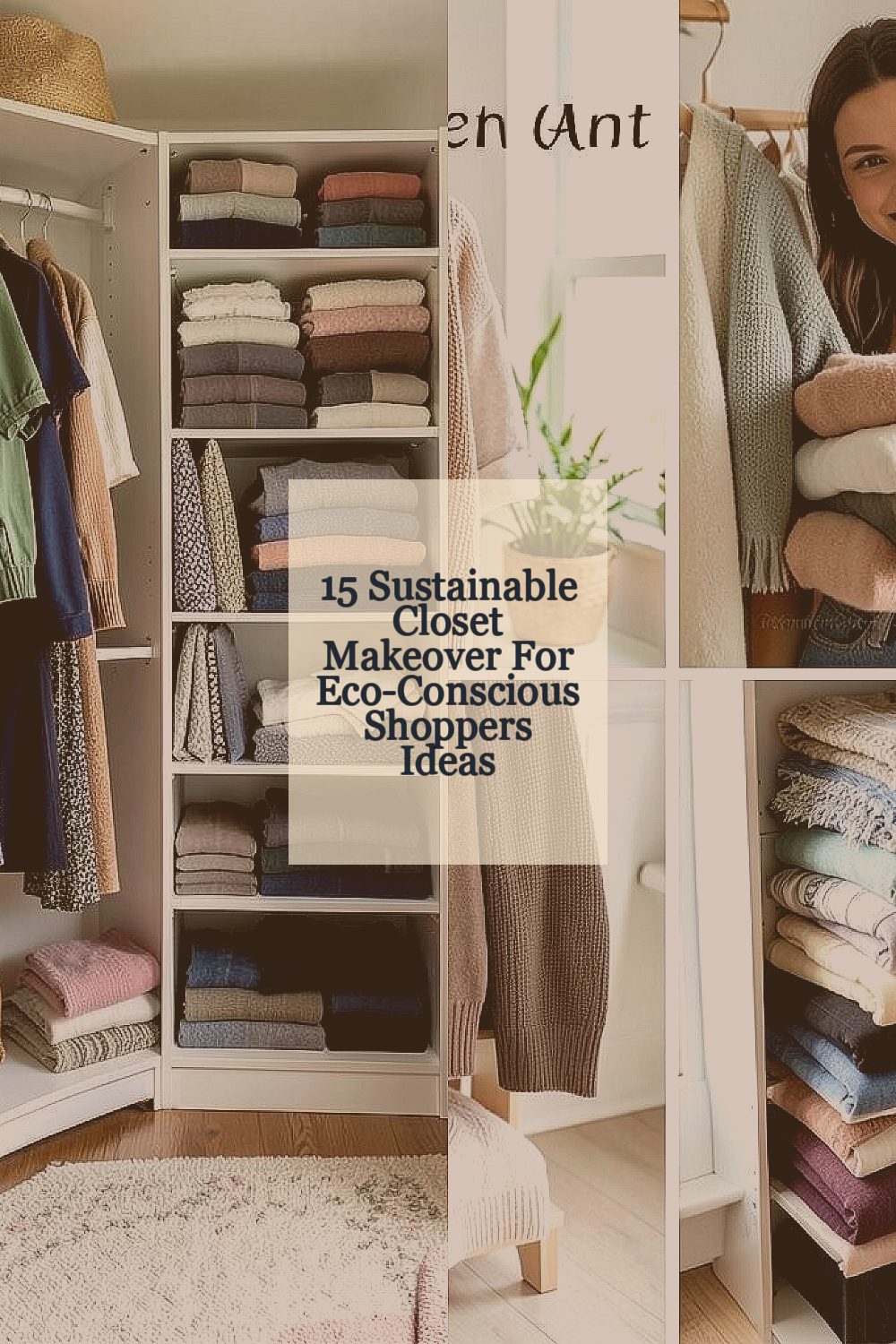
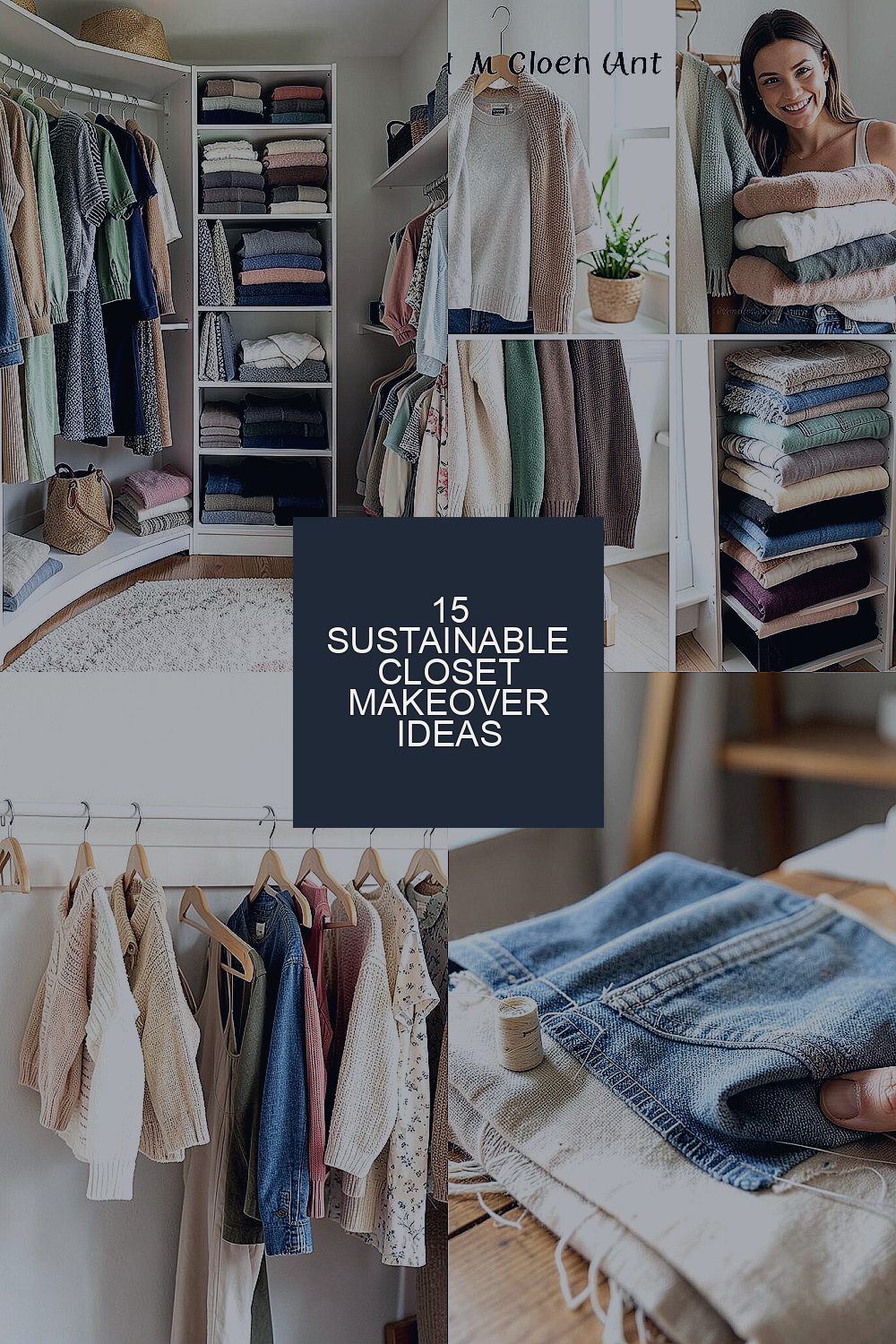
One smart closet shift can feel like a fresh breeze. Your clothes can look good and still care for the planet.
Below are practical, feel-good makeover ideas you can start right away. Each one includes what to do, what it will look like, and how to fit it into your budget.
1. Start with a fabric-first closet audit
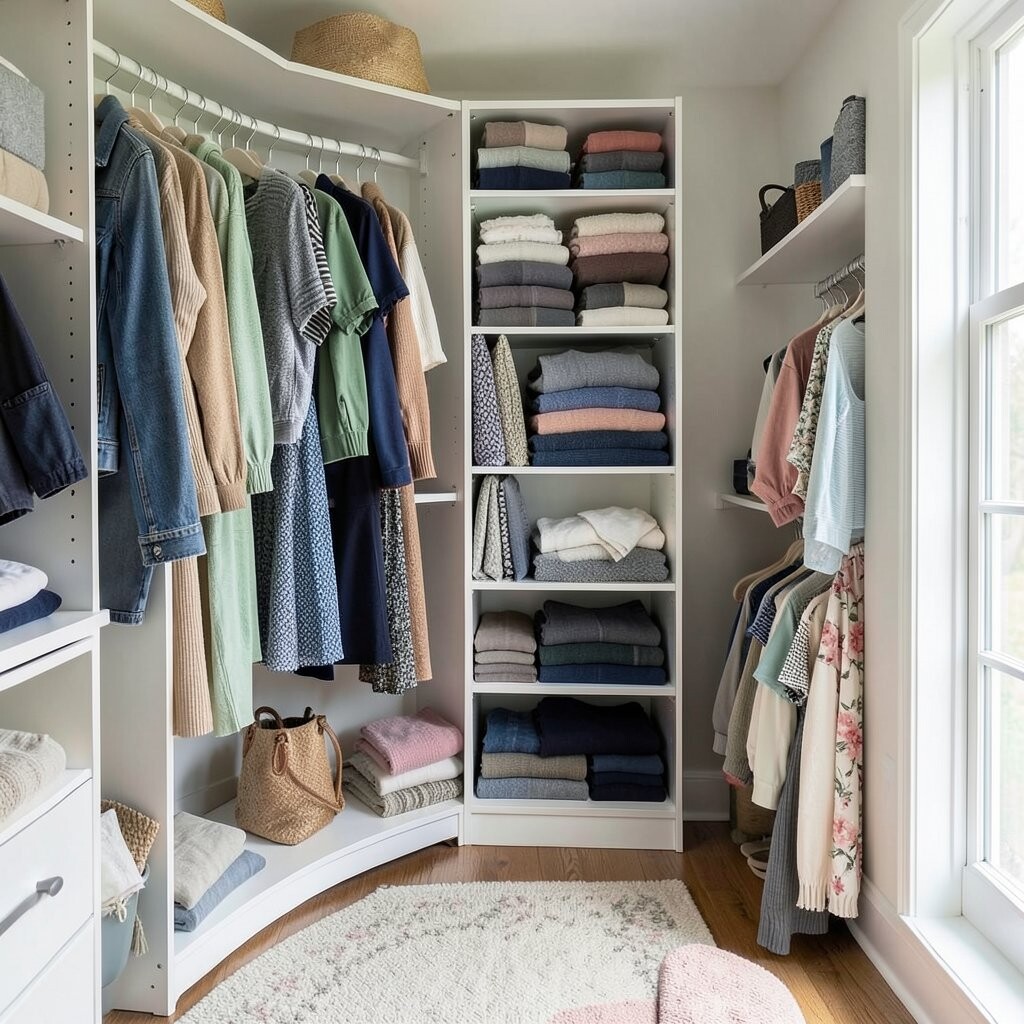
You’ll be amazed at what you notice when you slow down and look at your clothes like they’re clues. Pick up each piece and check what it feels like, how it drapes, and how it holds its shape.
Write down what you wear most, what you forget, and what feels rough, itchy, or stiff. Then sort by fabric type—cotton, linen, wool, TENCEL™-style fibers, and other blends—so you can plan future choices with confidence. This helps you buy smarter later and saves money because you’ll stop replacing things you already have.
2. Build a color story using your “favorite repeat” shades
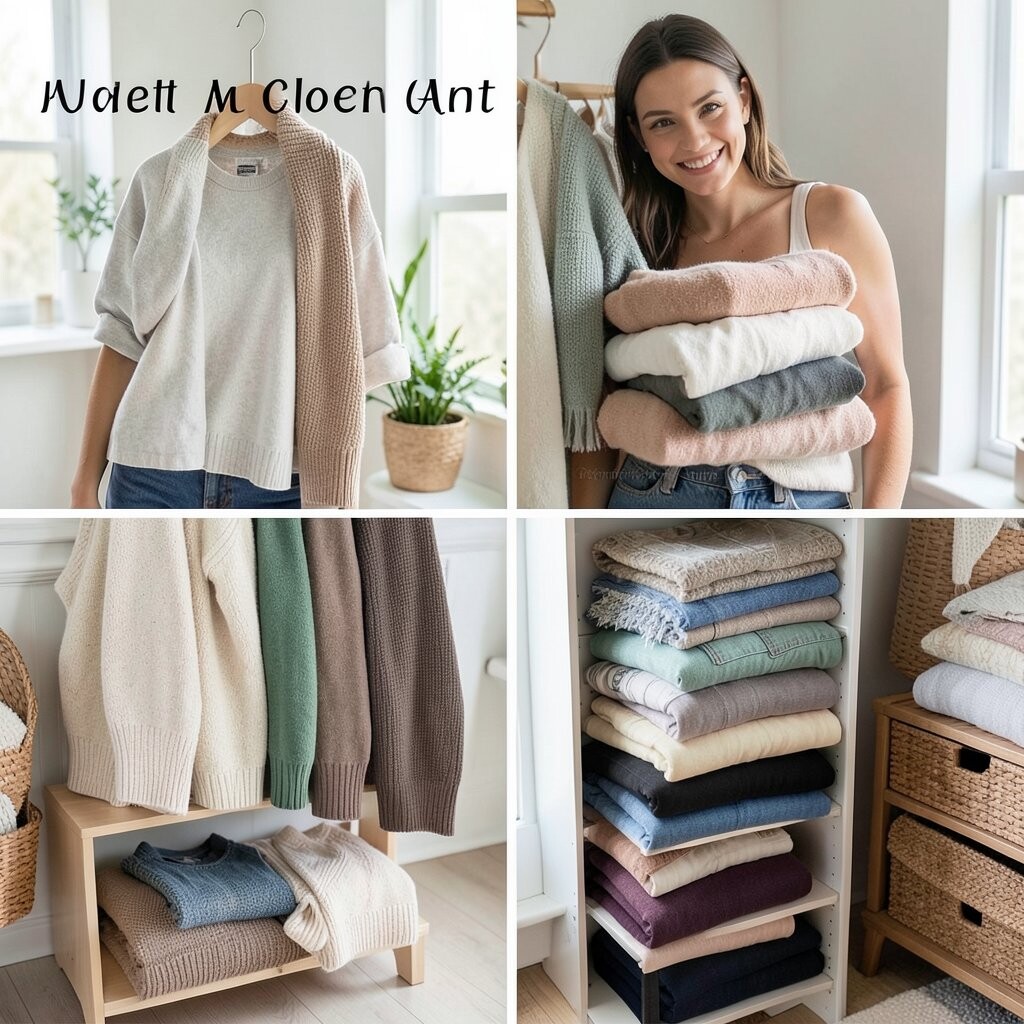
Lay your tops, bottoms, and layers on your bed or floor and watch the colors you naturally reach for. You might see that you always grab the same warm tones, cool blues, or earthy greens.
Choose a small color story and stick to it for new additions. The benefit is simple: you’ll mix and match faster, waste less time, and make outfits that feel “you” every day. Try pulling out three to five shades you love, then find sustainable pieces that match them.
If you’re worried about cost, start by remixing what you already own. Even a few matching accessories—like a belt, scarf, or simple bag—can make the whole palette look intentional.
3. Swap hangers and spacing for a calmer, kinder layout
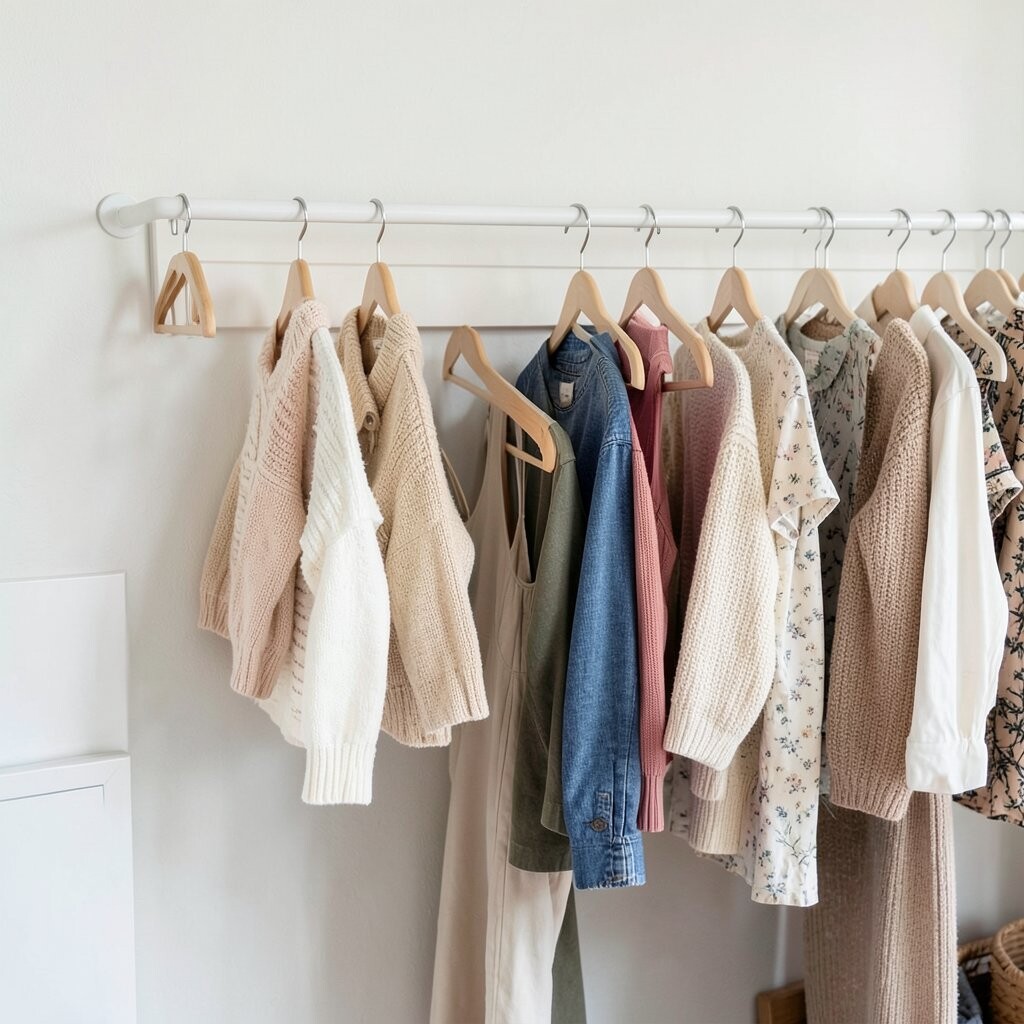
Your closet can look calmer in minutes when everything hangs the same way. Picture smooth rows of clothes with even space, so you can spot outfits without yanking hangers out.
Use sturdy hangers and avoid wire ones that stretch shapes. Consider using matching hangers, since it creates a neat visual flow and makes it easier to keep your closet tidy. This also helps your clothes last longer because fabric stays supported.
Add labels to drawers or bins if you like order, and keep similar items together. The unique twist is to design “outfit zones,” like work tops, everyday layers, and weekend pieces. With a little planning, you’ll shop your closet first and buy less.
4. Try repair over replace with a small mending kit
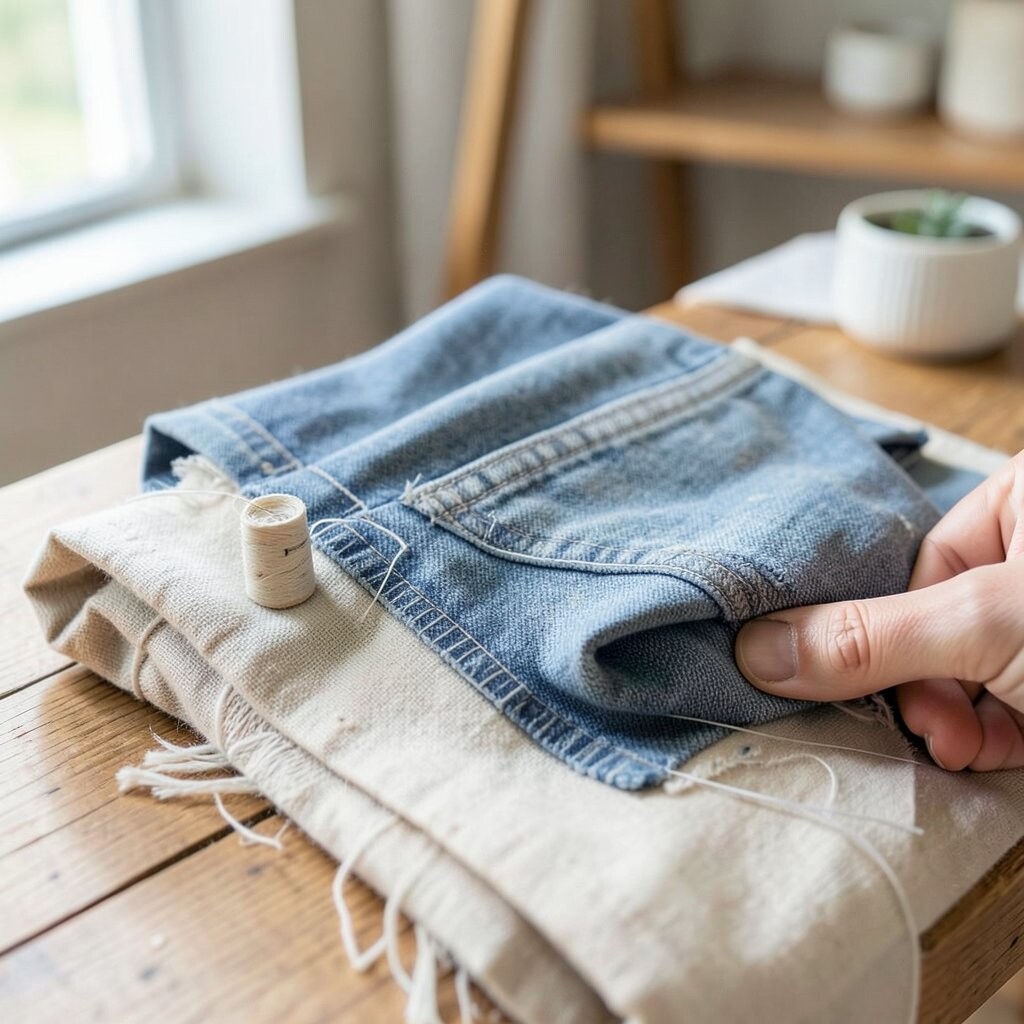
When a button falls off or a seam loosens, it’s tempting to toss the item. But a tiny fix can save a whole garment and keep it in your rotation.
Keep a simple mending kit: matching thread, a needle, small scissors, and a spare button or two. You’ll feel proud seeing your clothes look fresh again, and you’ll save money because repairs cost less than buying new. A current trend is “slow style care,” where people treat clothing like something worth maintaining.
5. Choose thrifted gems with a “quality checklist”
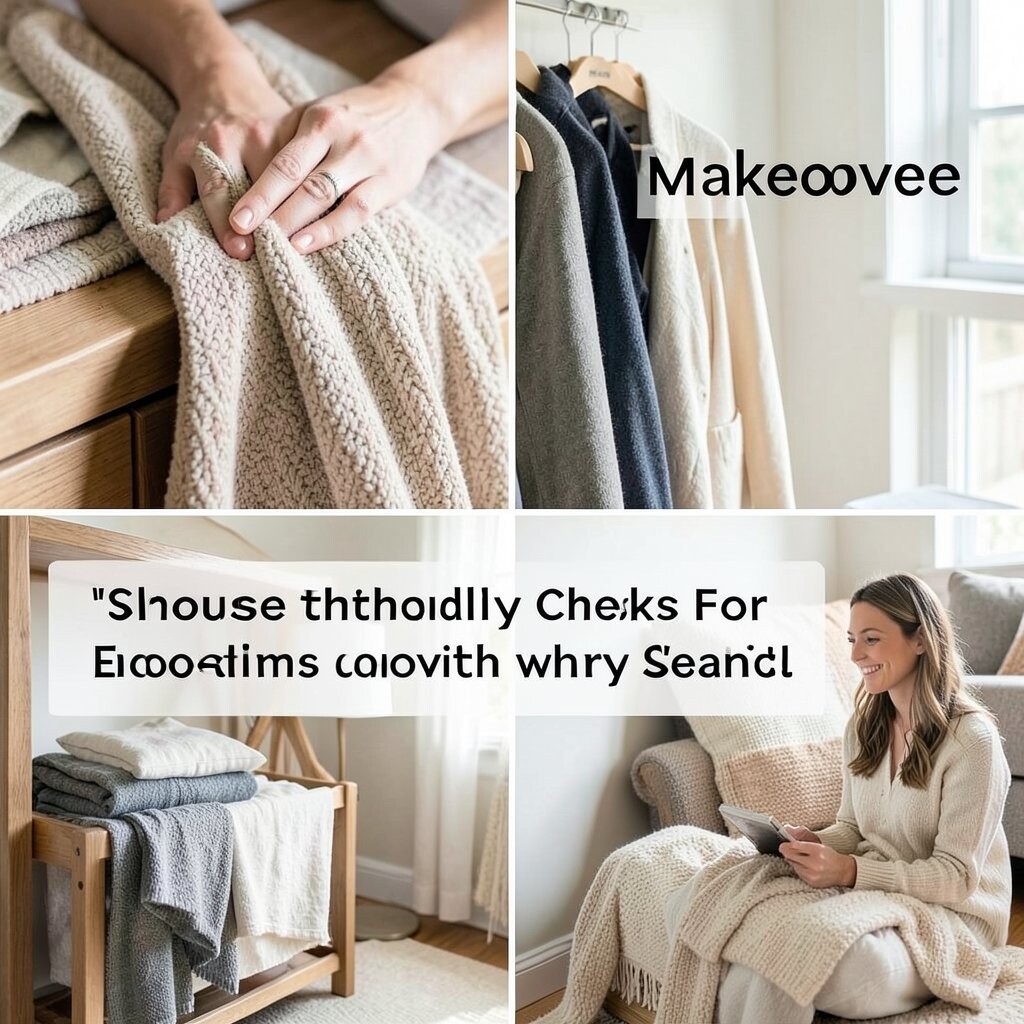
Thrifting can feel like treasure hunting, especially when you focus on quality. Imagine holding a sweater that’s soft, thick, and well-made, with no weird pilling or stretched-out cuffs.
Before you buy, check seams, zippers, and fabric strength. Look for natural fibers when possible, and make sure the piece fits your current body shape so you won’t store it “for later.” This keeps your closet from growing clutter and helps you avoid impulse buys.
For personalization, pick a style you already love—like a blazer shape, a denim wash, or a favorite dress silhouette—and then search thrift stores for that exact vibe. Budget tip: set a spending limit and buy only items that match your color story.
6. Add a capsule layer system for quick outfit wins
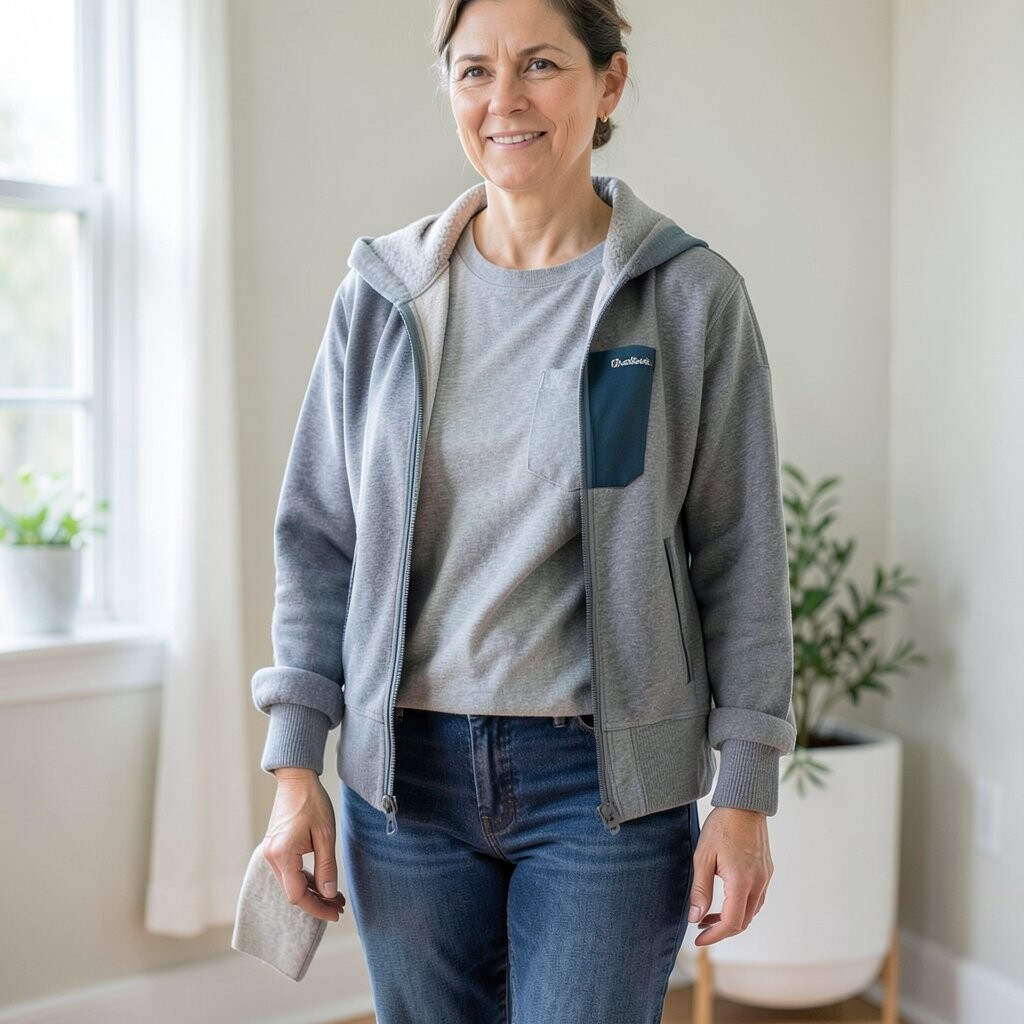
Think of your closet like a set of building blocks that always work together. When layers match, mornings feel easier and you stop “staring and deciding” for too long.
Pick a few core layers—like a plain tee, a midweight shirt, a sweater, and a jacket—and choose them in colors that blend with your wardrobe. The benefit is big: you’ll reduce what you buy because you can create many outfits from fewer pieces. Try to keep fabrics comfortable for your climate, like breathable linen for warm weather and wool blends for cooler days.
Personalization idea: add one “signature layer” that feels special, such as a long cardigan, a cozy vest, or a denim jacket you can dress up. If cost is tight, start with one layer at a time and swap in replacements only when you’ve worn the old one out.
Keep an eye on trends like “quiet tailoring” and “natural texture” styling. They pair well with sustainable fabrics and make simple outfits look polished.
7. Use breathable storage to protect fabrics and reduce smell
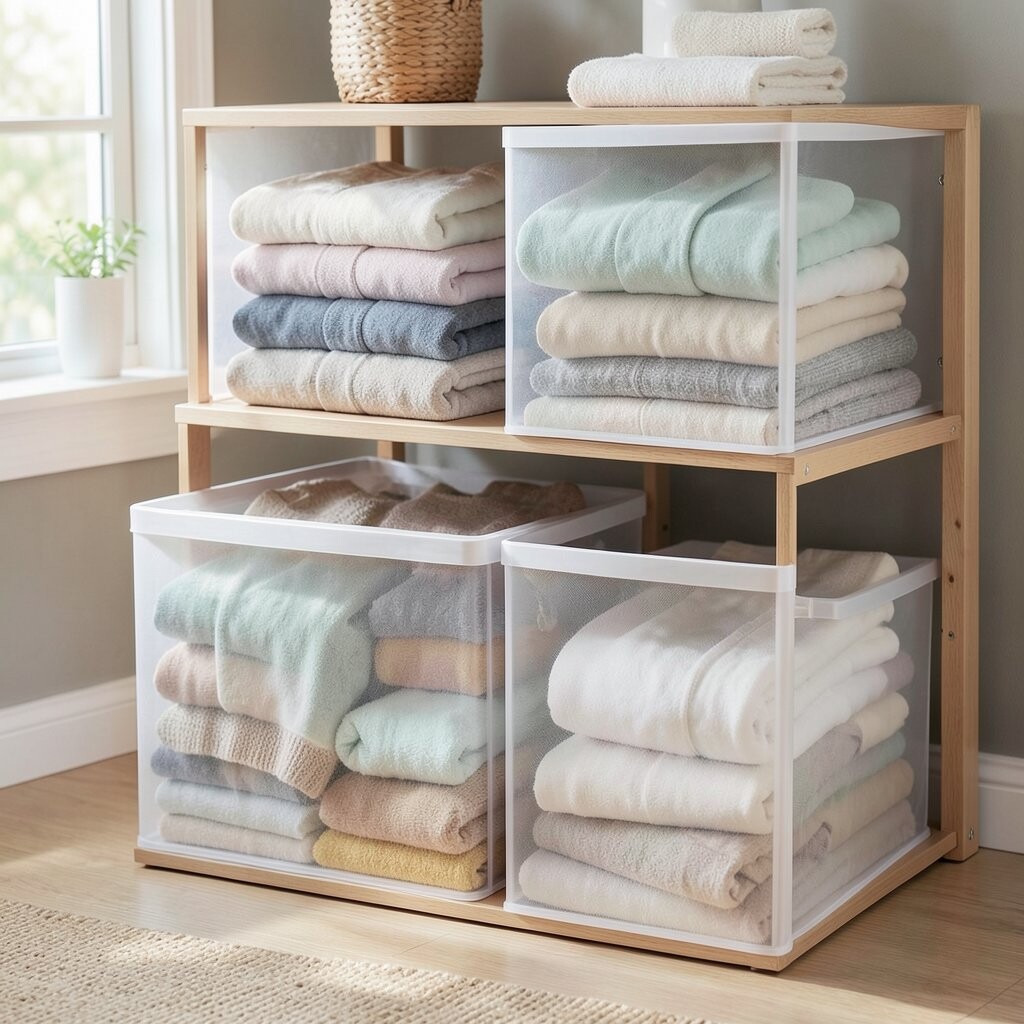
Your clothes can look dull when they’re stored in a way that traps moisture or stale air. Picture neatly folded knits in fabric bins that let air move around them gently.
Store items in breathable cotton bags or plain linen-style organizers instead of airtight plastic everywhere. Label boxes by season so you grab the right layers without digging. This helps fabrics stay fresh and can reduce the need for harsh sprays.
For tips, place cedar blocks or natural sachets for scent, but keep them away from delicate items. If you want to be extra eco-conscious, choose reusable containers you already have or pick up secondhand storage. Cost-wise, breathable options can be affordable, and they often last longer than flimsy containers.
8. Choose refillable and low-waste laundry habits
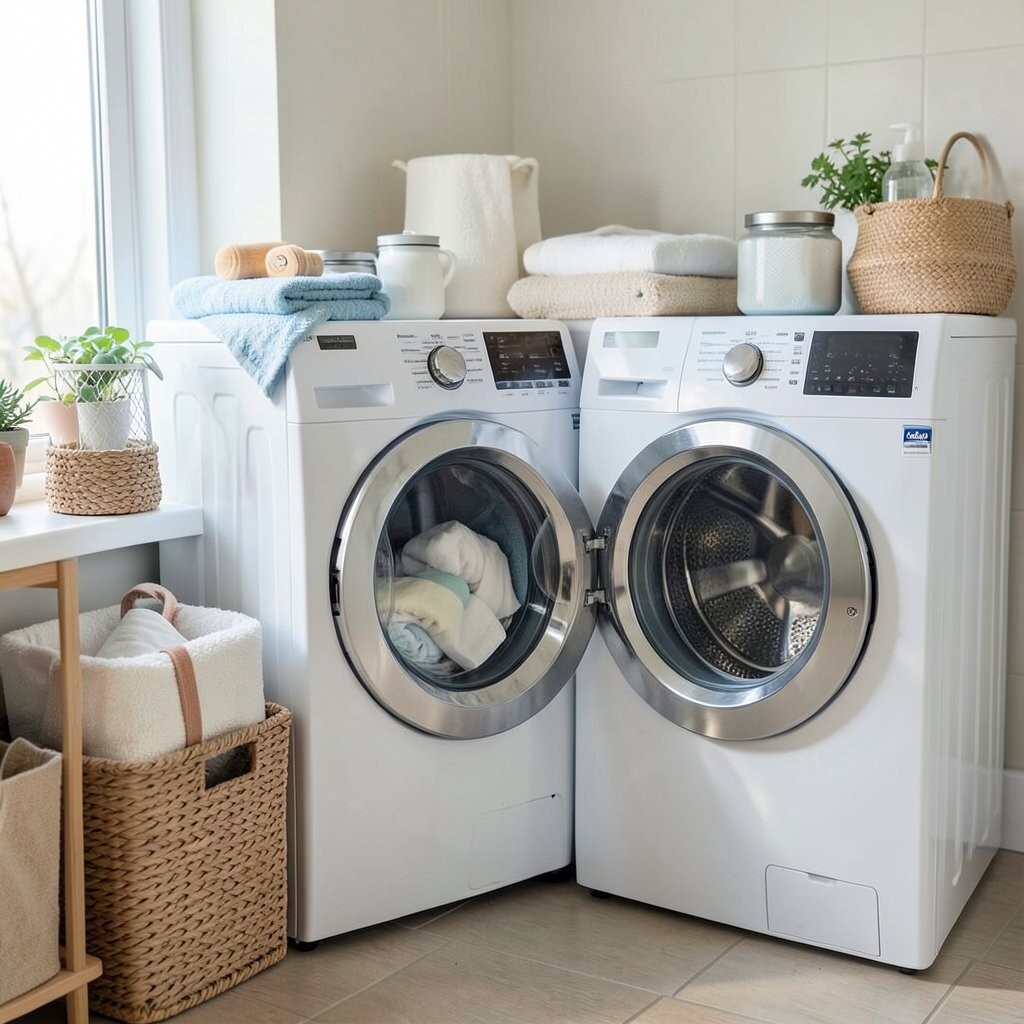
Even if your closet is mostly sustainable, laundry habits can make a big difference. A clean, gentle routine keeps clothes nicer and helps you avoid replacing them too soon.
Switch to refillable detergents, concentrated formulas, or soap nuts if they fit your needs. Wash with cold water when you can, and skip harsh additives that can wear down fibers. You’ll often notice softer clothes and less fading, which feels like a small win every week.
9. Upgrade to durable basics with honest material labels
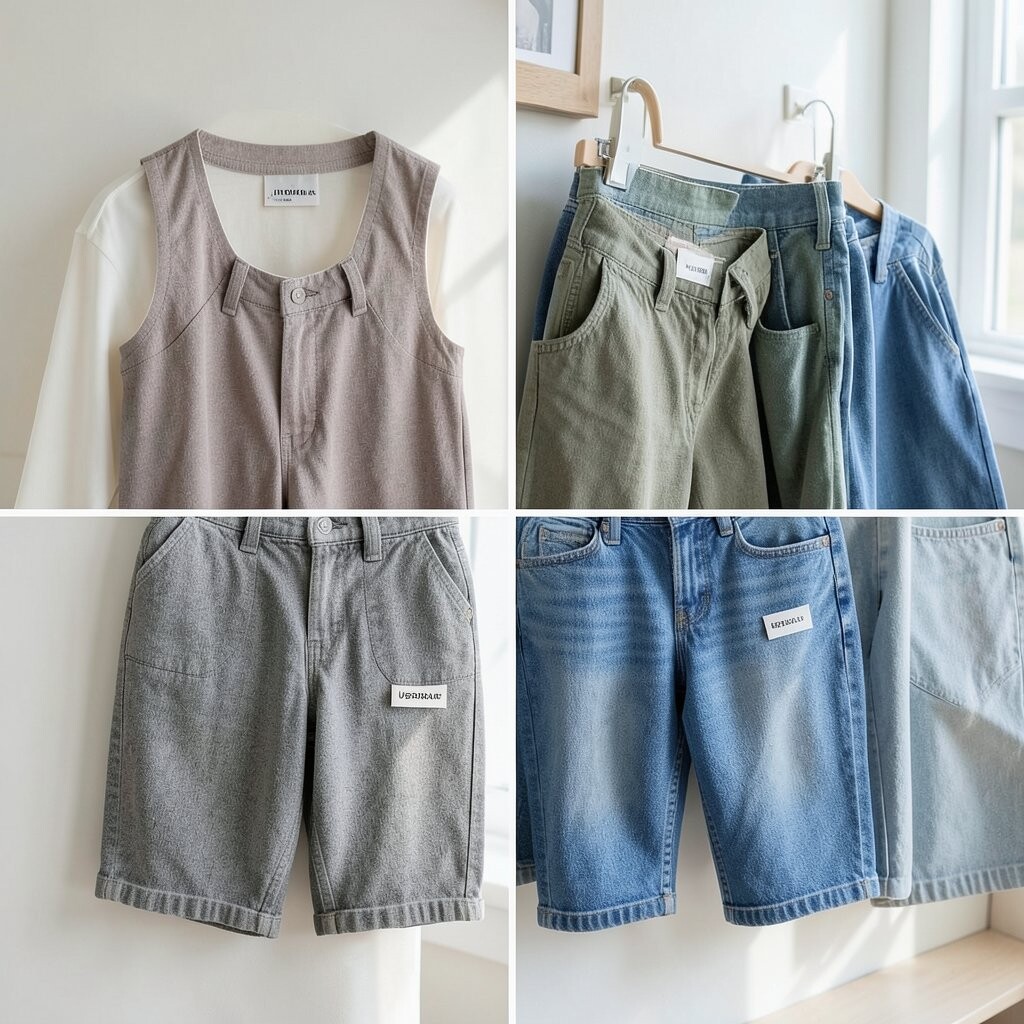
Basics are where sustainability really shows. Imagine a plain shirt that feels smooth, holds its shape, and lasts through many washes.
Look for durable materials and clear labeling, such as organic cotton, linen, hemp blends, or responsibly produced viscose-style fibers. Durable basics reduce how often you replace items, which saves money over time. Plus, you can build outfits around trusted pieces instead of chasing trends.
Personalization tip: pick one staple you love and keep it consistent—like a favorite neckline or sleeve length. Cost consideration: start with one upgraded basic, then slowly retire worn favorites as you wear them out. Watch for trend signals like “long-lasting tees” and “better cotton” messaging, and compare fabric weight and construction before you buy.
10. Add a “one in, one out” rule that feels fair
A clutter-free closet is easier to manage and easier on the planet. When there’s space, you wear what you love instead of forgetting it in the back.
Use a gentle one in, one out system: when you add a new piece, you remove one you no longer wear. Make it fair by letting the removed item be donated, repaired, or recycled based on its condition. This keeps your wardrobe from quietly growing and helps you spend with intention.
For personalization, decide your “out” criteria: maybe it’s items you haven’t worn in a while, pieces that don’t fit comfortably anymore, or anything that you don’t feel good in. If you’re on a budget, set aside donation days and plan your shopping after you’ve cleared space.
11. Style with accessories to refresh outfits without new clothes
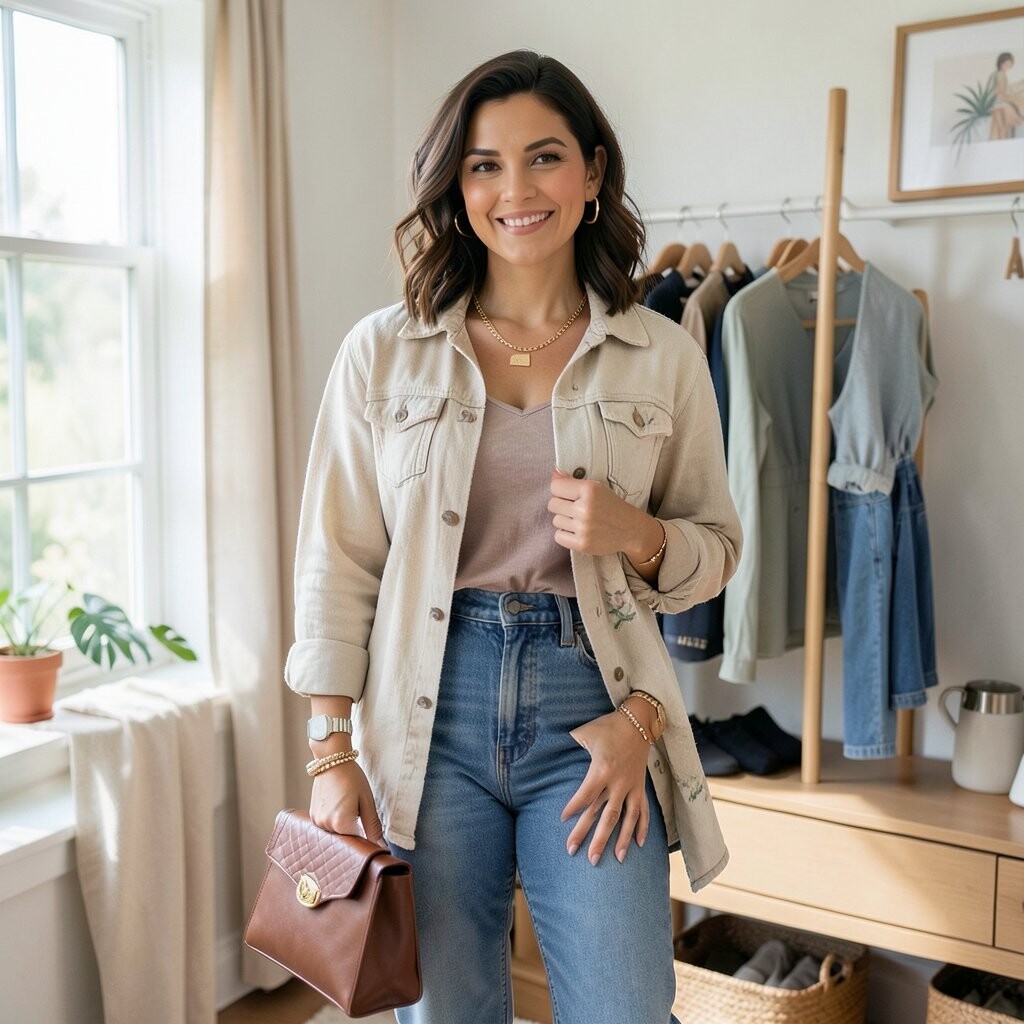
Accessories can change the mood of an outfit faster than you think. Picture a simple dress suddenly looking chic with a scarf, a belt, and one warm-toned bag.
Try swapping shoes, adding a second layer, or using jewelry to make outfits feel new. This keeps your closet lean while still giving you variety. You also reduce your environmental impact because you’re using what you already own.
Budget tip: shop secondhand for belts, handbags, and scarves first, since those are often easier to find at lower prices. Personalization idea: choose one metal tone—gold or silver—and build a small matching set so your look always feels put together.
Current trend: mixed textures like woven scarves over crisp tops, which pairs beautifully with linen and cotton.
12. Reduce hanger damage with correct fit and care
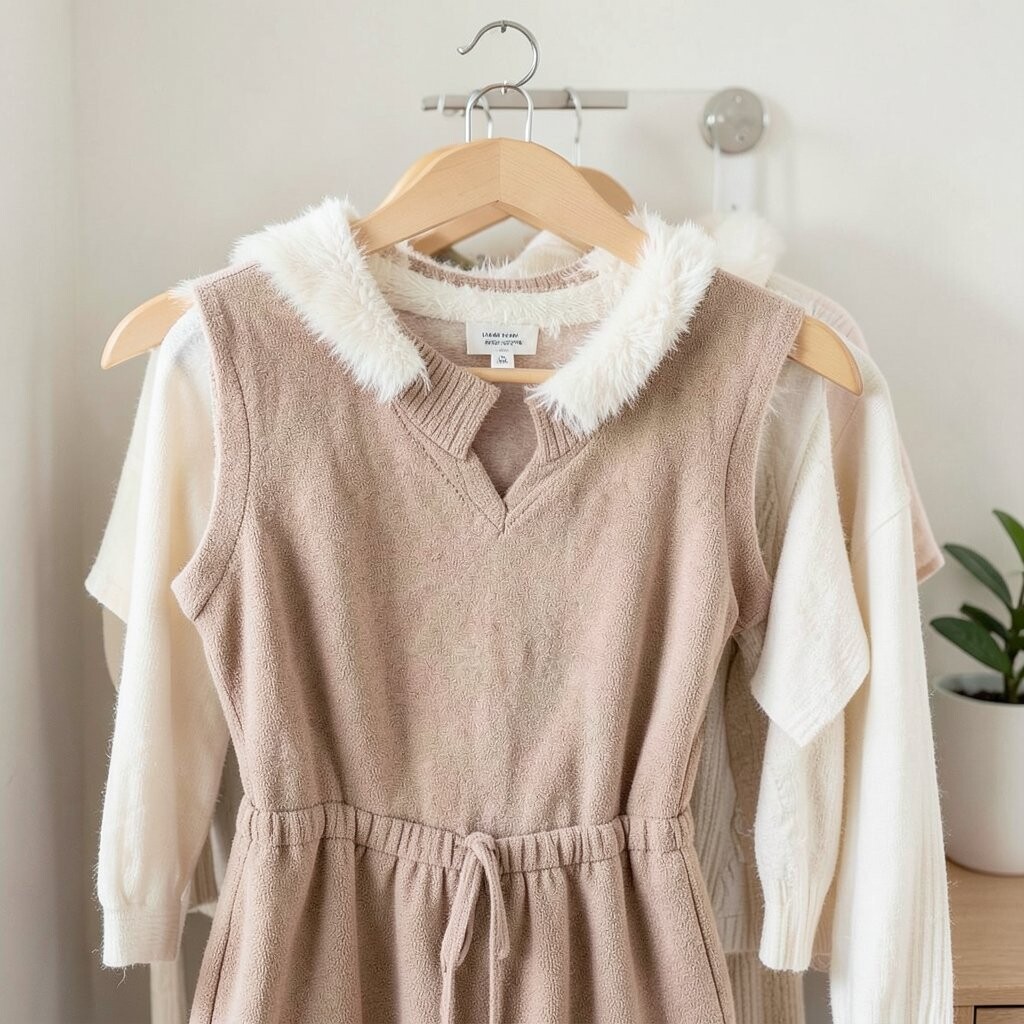
Some clothes lose their shape because they hang the wrong way. Have you seen a jacket shoulders droop or a knit stretch out too fast?
For tips, hang structured items like jackets differently from stretchy knits. Use the right hanger size and avoid overcrowding, so fabric doesn’t twist and crease. This benefit is practical: your clothes look better longer, which means you buy less.
If you want a personalization boost, build a “hang vs. fold” system. Delicates and knits can fold nicely, while sturdier pieces can hang. Cost consideration: you don’t need fancy gear, just a bit of attention and a few extra hangers that fit your closet space.
13. Choose secondhand footwear and repair the soles
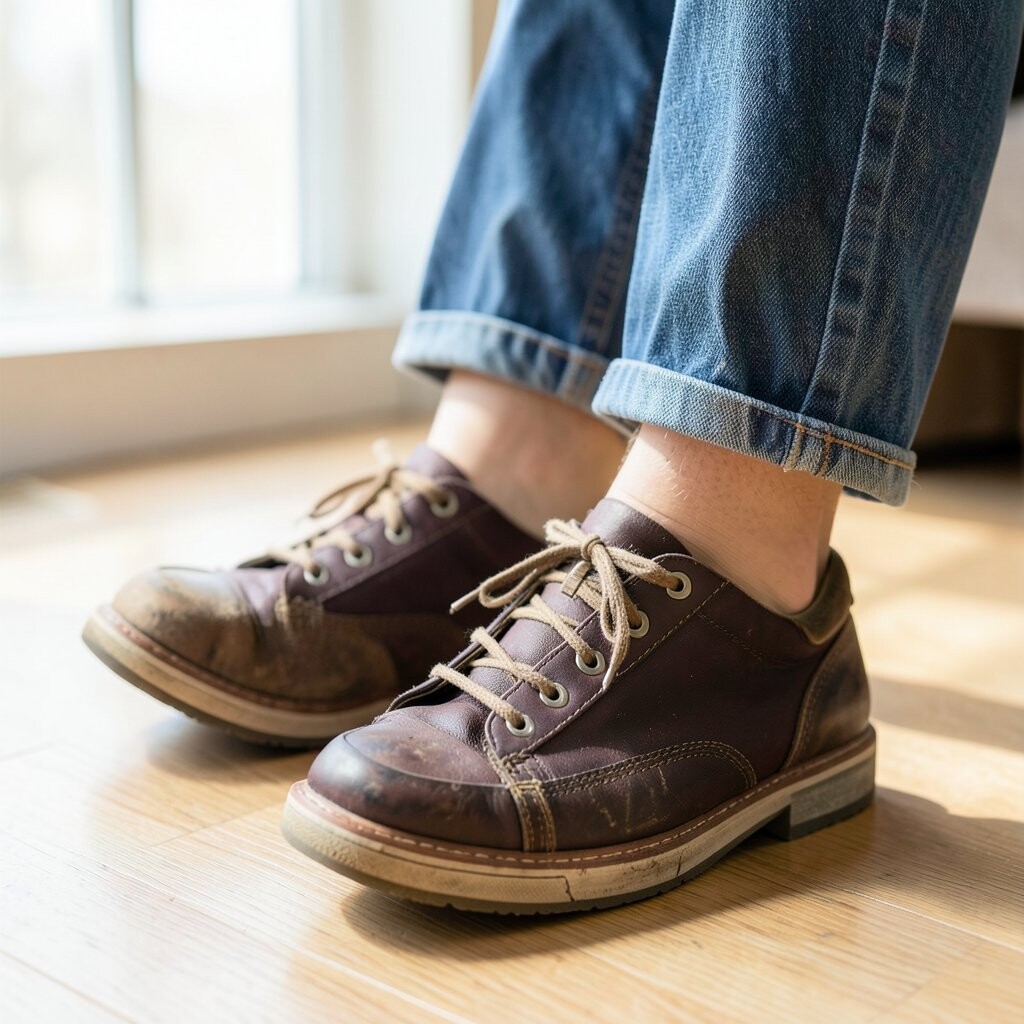
Footwear is a closet game changer, and it also takes a lot of wear. A good pair can be comfortable and stylish for years if you treat it right.
When buying used shoes, check the soles, stitching, and insides so you avoid hidden damage. Replace insoles if needed, and consider having a cobbler repair worn soles. This saves money, keeps you from buying brand new, and can make the shoes feel like they fit freshly.
For uniqueness, style shoes with your color story and pair them with textures you already love. Trends in comfort fashion keep growing, and many people now pick practical styles like clean sneakers or supportive sandals that still look good. Just remember to keep care consistent so the shoes stay clean and don’t smell.
14. Plan swaps and closet-sharing with friends
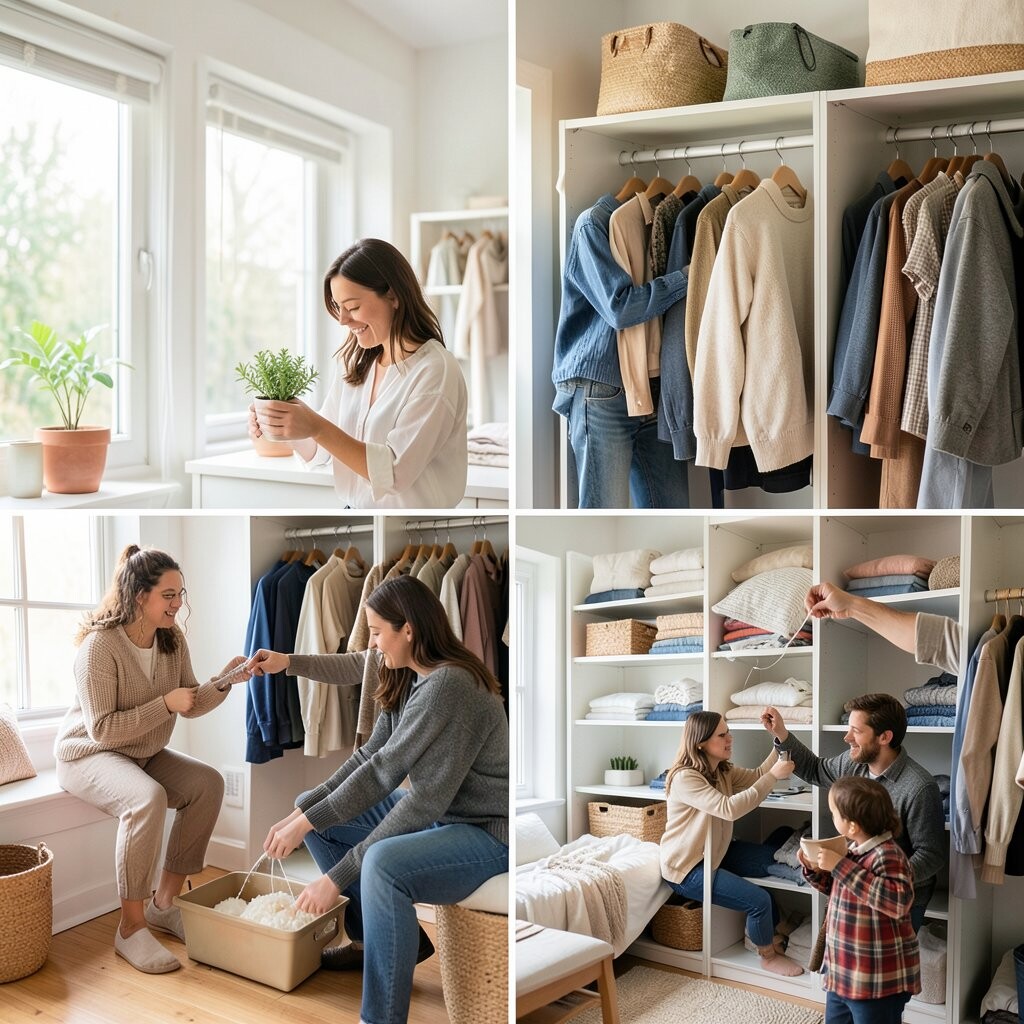
Closet swaps feel fun because everyone leaves with new outfits and a lighter conscience. It’s like a mini event where your style gets refreshed without extra shopping.
Try a swap night where each person brings items in good condition, and everyone picks a few favorites to take home. Add a rule: pick items you would actually wear, not “maybe someday.” The benefit is clear—less waste and more variety, plus you learn each other’s style tastes.
15. Make a “capsule wish list” for mindful future buys
When you plan before shopping, your purchases feel calmer and more purposeful. A wish list helps you avoid impulse buys and wait for the right sustainable item.
Create a list based on your color story, your capsule layer needs, and the gaps you found during your fabric audit. Write what you want, what material you prefer, and what price range feels fair for you. This makes it easier to compare brands and find items that actually fit your closet.
For personalization, include small details like sleeve length, neckline shape, or a specific texture you love. When you do buy, watch for trends like upcycled denim, repair-friendly designs, and natural fiber blends. Budget tip: look for sales, but only on items that match your list, so your money goes toward quality you’ll use often.