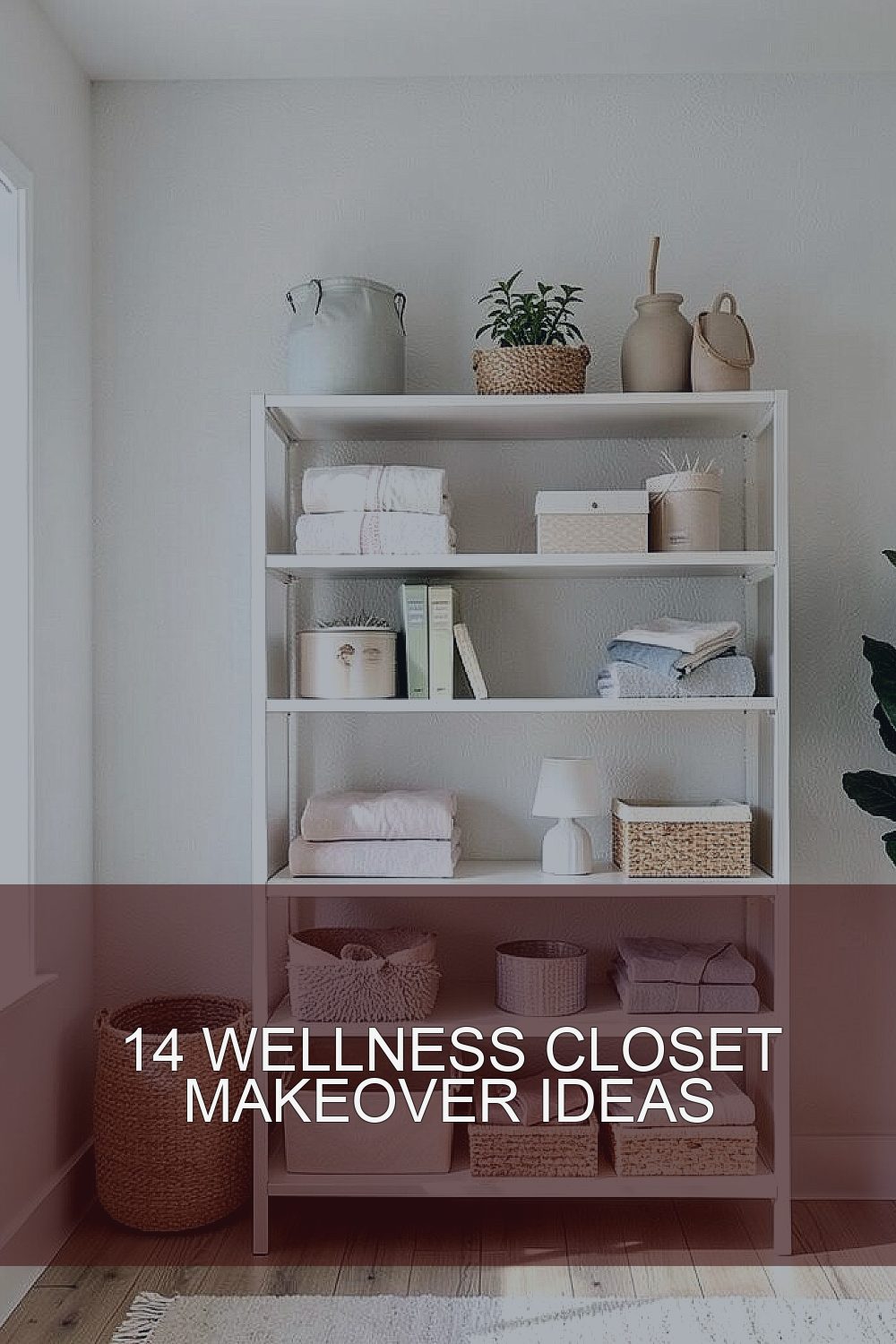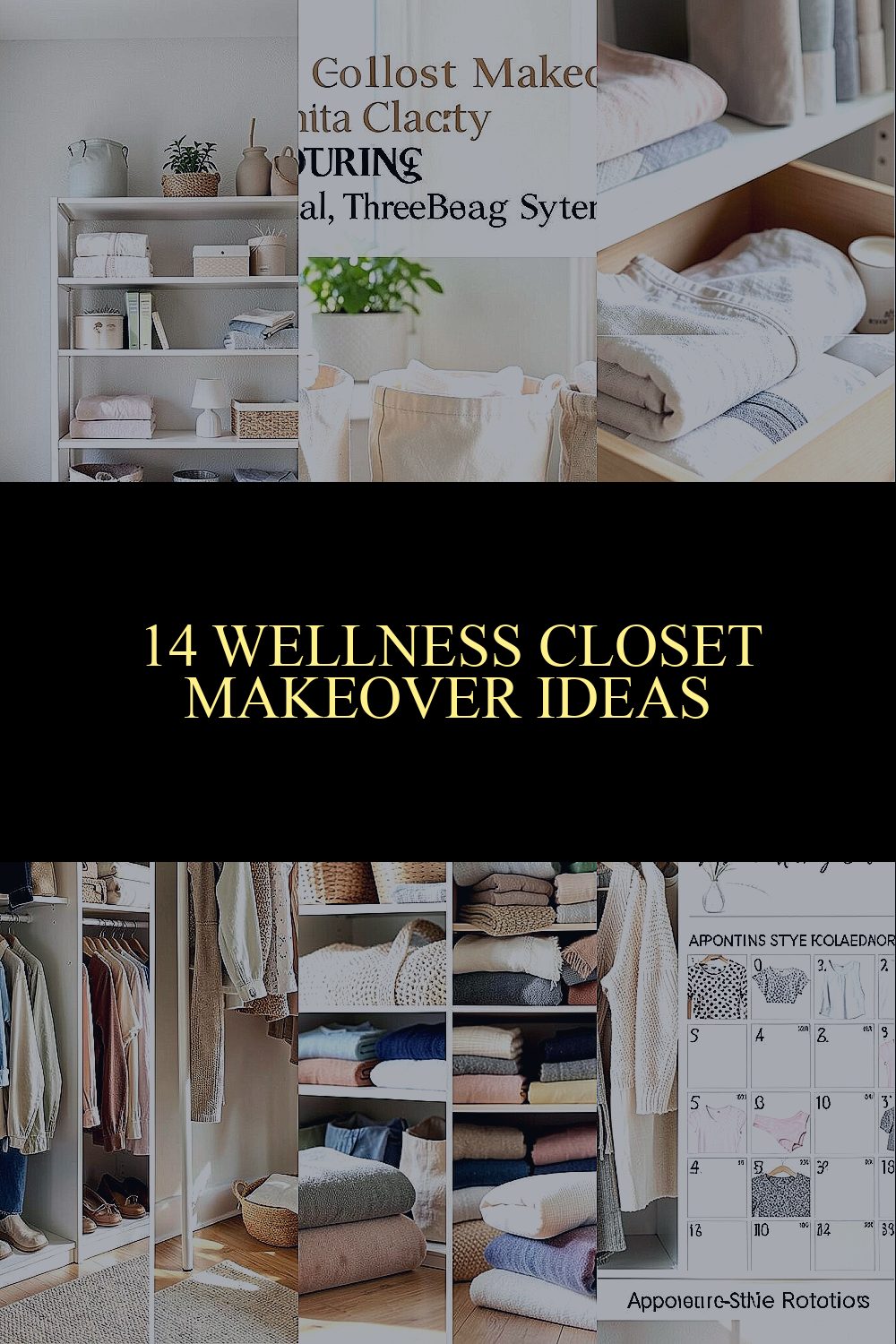
Have you ever opened your closet and felt your brain get loud?
Small changes can bring calm back to your mornings.
-
1. The “One Calm Color” Capsule Wall
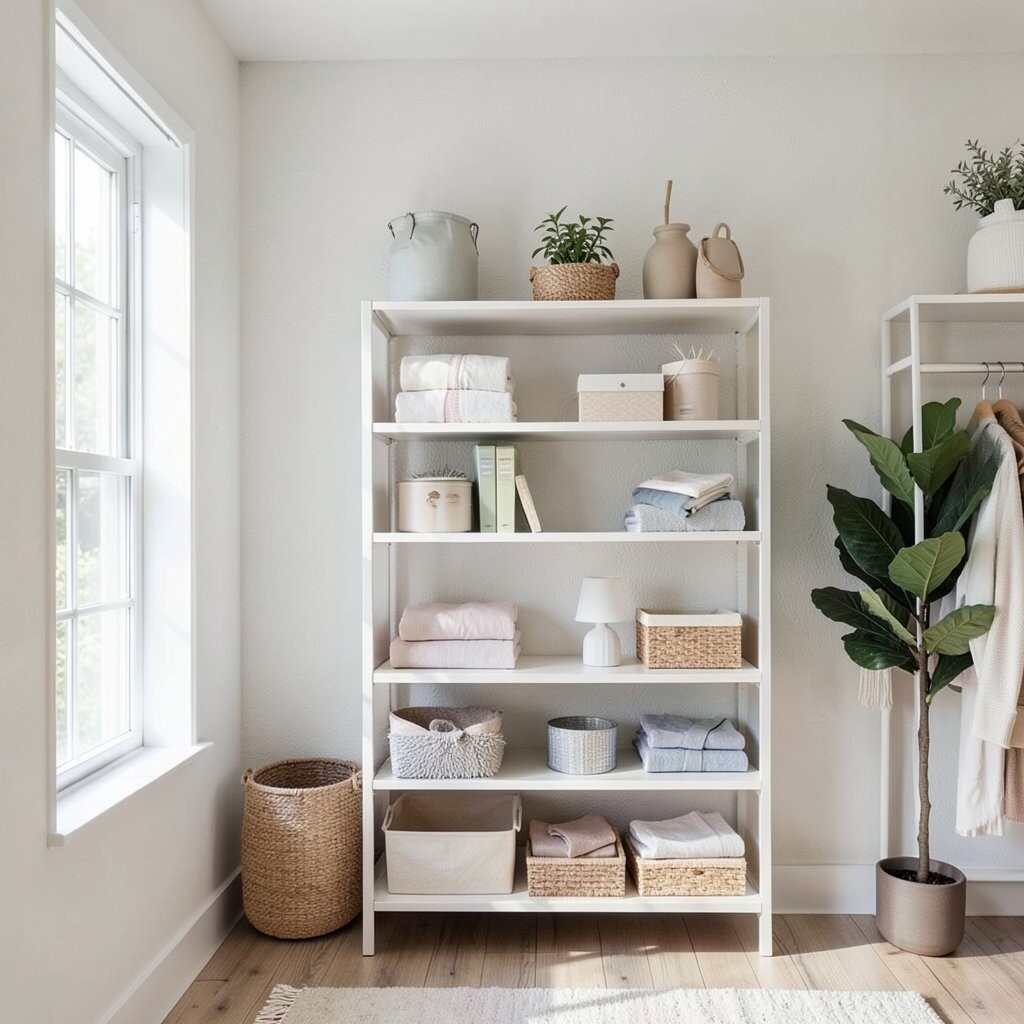
The “One Calm Color” Capsule Wall Your closet can feel like a mood board. Pick one soothing color family—like warm beige, soft sage, or gentle navy—and make it your “calm zone.” Hang the most-used outfits together so your eyes don’t have to work hard.
To make it wellness-focused, choose pieces that match how you want to feel. When mornings start with less visual chaos, decision-making feels easier. Try adding a small fabric organizer in that same color so everything looks like it belongs.
If you have a small budget, start by swapping hangers and using a single colored storage bin for the calm section. If you want a trendy touch, many people are choosing “quiet neutrals” and “soft earth tones” right now. Personalize it by choosing a color that connects to a good memory—like a sweater you wore on a peaceful vacation.
-
2. Slow Sorting With a “Keep, Heal, Donate” Three-Bag System
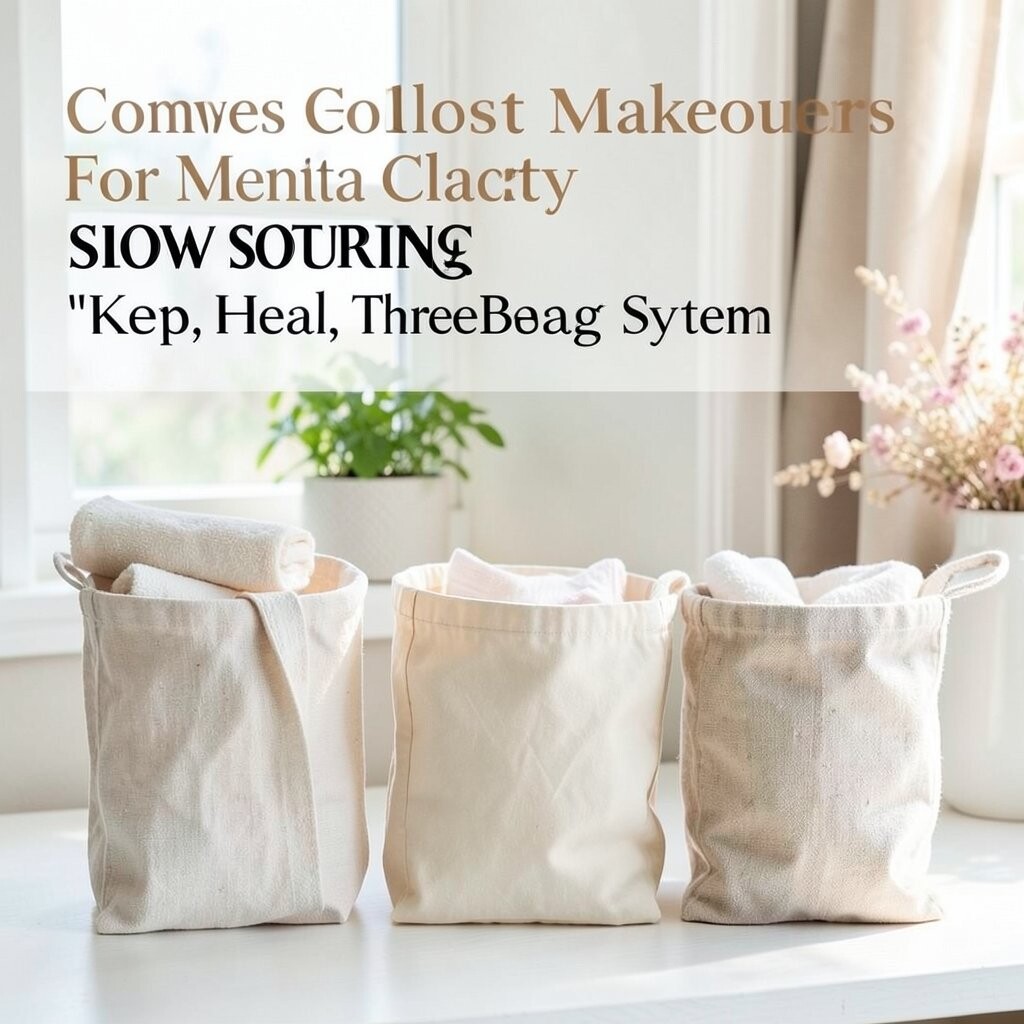
Slow Sorting With a “Keep, Heal, Donate” Three-Bag System Instead of rushing, set up three bags and treat sorting like a gentle reset. Label them clearly: keep for daily life, heal for items that need mending, and donate for what no longer fits your story.
This method supports mental clarity because it reduces the stress of “maybe later.” You get quick wins when you see the piles shrink. And each category has a purpose, so you stop second-guessing.
For a personal touch, include a small sticky note on the heal bag with the next action, like “repair buttons on Sunday.” If you want to save money, use shopping bags or reusable sacks instead of buying new containers. Some trends right now focus on “mindful decluttering,” and this fits that energy without feeling like a big project.
-
3. Scented Calm: A Linen-Only Drawer Refresh
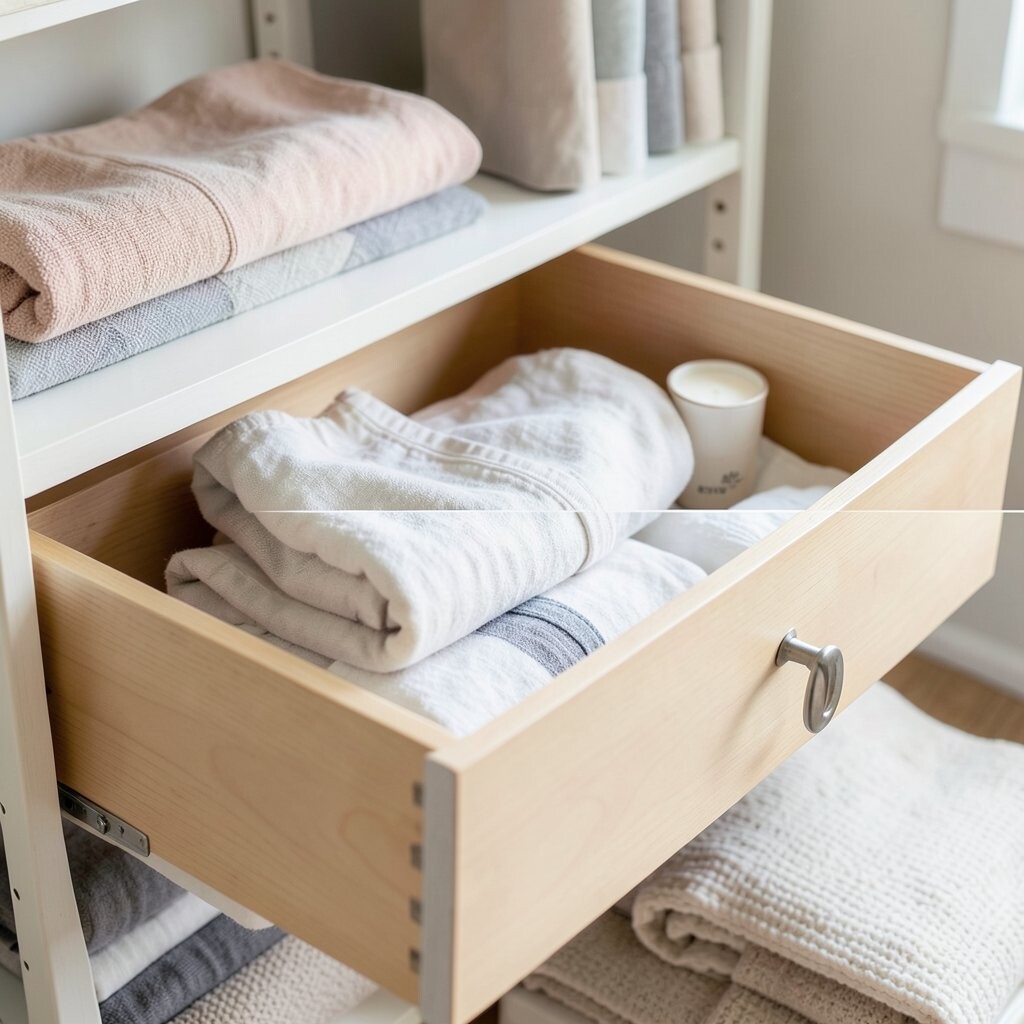
Scented Calm: A Linen-Only Drawer Refresh Smell is powerful for the brain, and your closet holds plenty of chances to use it. Pick a scent that feels safe and light, like lavender, cedar, or chamomile. Then keep the scent only in linen drawers or a specific shelf, so it doesn’t overwhelm your whole closet.
When the air feels pleasant, you may notice less worry when you get dressed. This makeover supports wellness by connecting daily routines to relaxation. Even a subtle scent can help your mind shift into “ready” mode.
To keep it simple, use a sachet, a cotton pad with a few drops of essential oil, or an unscented option like dried herbs. Use a small amount and test it first, especially if you have allergies. Personalize by choosing a scent that matches your goal: grounding for calm days, bright for focus days, and cozy for evenings.
Budget-wise, sachets and herb bundles are usually low cost and easy to replace. A current trend is using “natural closet boosters” instead of strong sprays. Your best tip: place the scent near linen and let it stay there, so your clothes stay fresh without feeling perfumed.
-
4. The “Frequently Worn” Zone at Eye Level
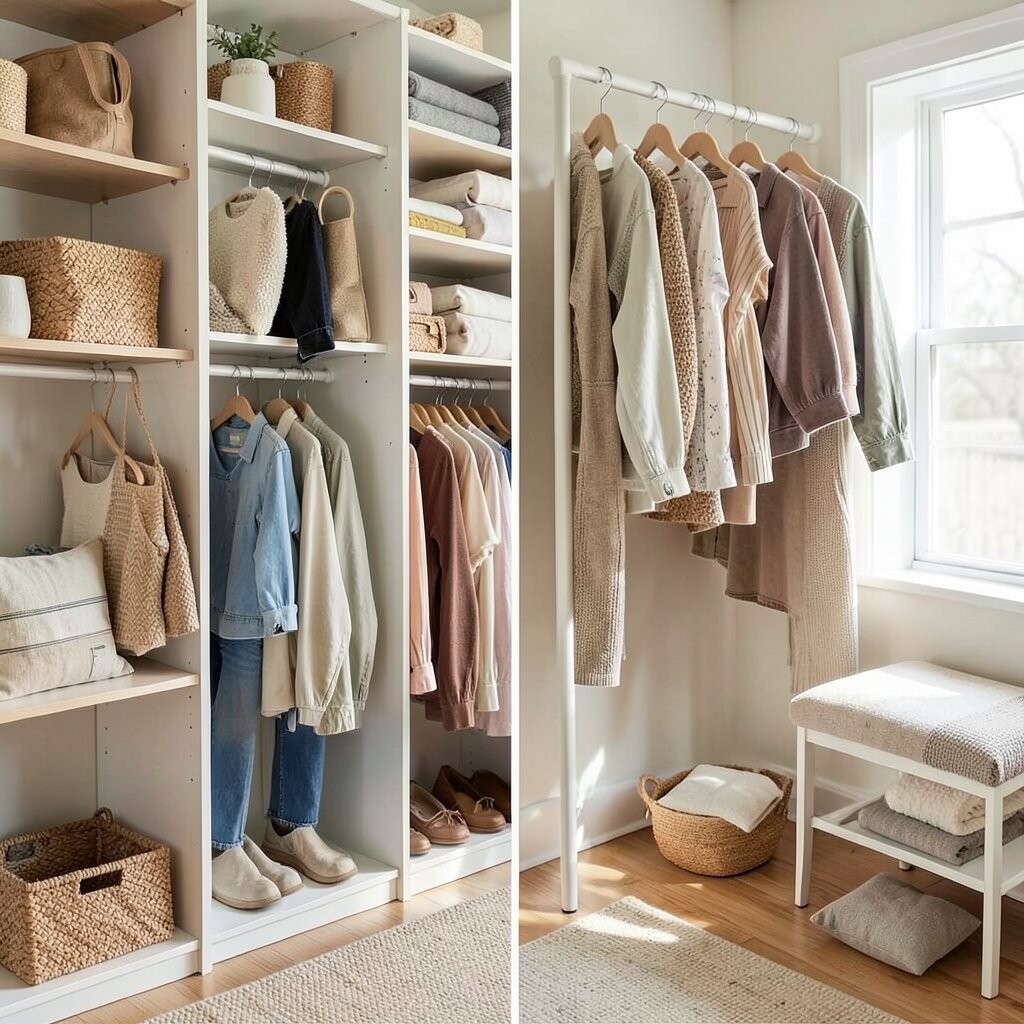
The “Frequently Worn” Zone at Eye Level Your closet can either help you or hold you back. Put daily outfits where you can see them without stretching or rummaging. Eye-level storage makes your brain feel less busy before it even starts the day.
This supports clarity because fewer choices reduce mental strain. When you pick from what’s visible, your mind can stay calmer. It’s also helpful if you often rush or feel scattered.
To personalize it, create sections for your “go-to” categories like work, weekend, and comfort. Use matching hangers for a tidy look, and consider slim hangers if you need more space. If you’re watching cost, start with rearranging only, then upgrade to organizers later.
-
5. Fabric-Friendly Folding With a “Touch Test” Rule
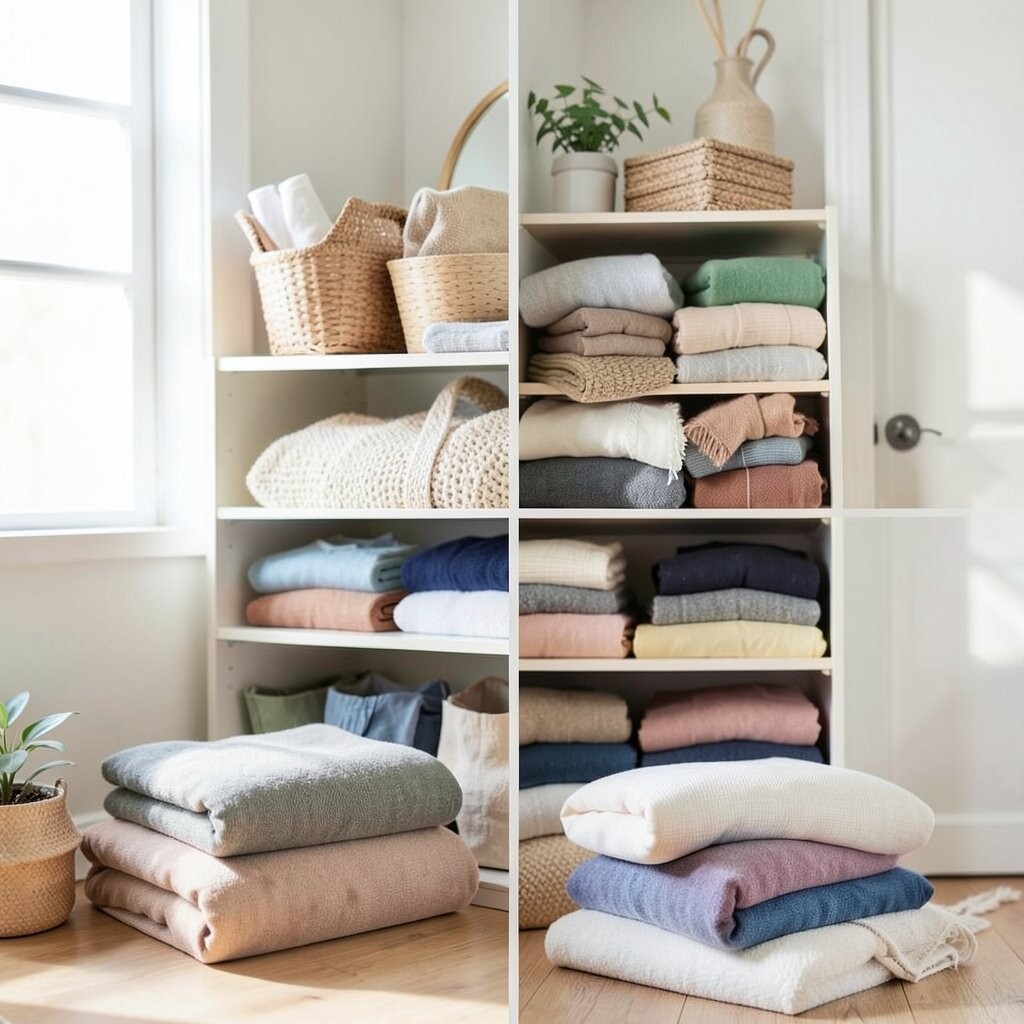
Fabric-Friendly Folding With a “Touch Test” Rule Clothes should feel good when you touch them. Before you fold, do a quick touch test: smooth, soft, breathable, and easy to move in. If an item feels scratchy or heavy, put it in a “wear later” spot or consider fixing it.
When your closet mostly holds comfy fabrics, dressing feels kinder to your body. This can support mental clarity because discomfort often brings stress signals. You’re also more likely to wear the things that make you feel confident.
Try folding methods that keep fabric flat and visible, like simple stacks by outfit type. Use a small label maker or even paper labels to match your gentle system. Personalize by creating a “cozy drawer” for sweaters and soft tees, and keep it within reach for low-energy days.
-
6. Appointment-Style Clothing Calendars for Rotation
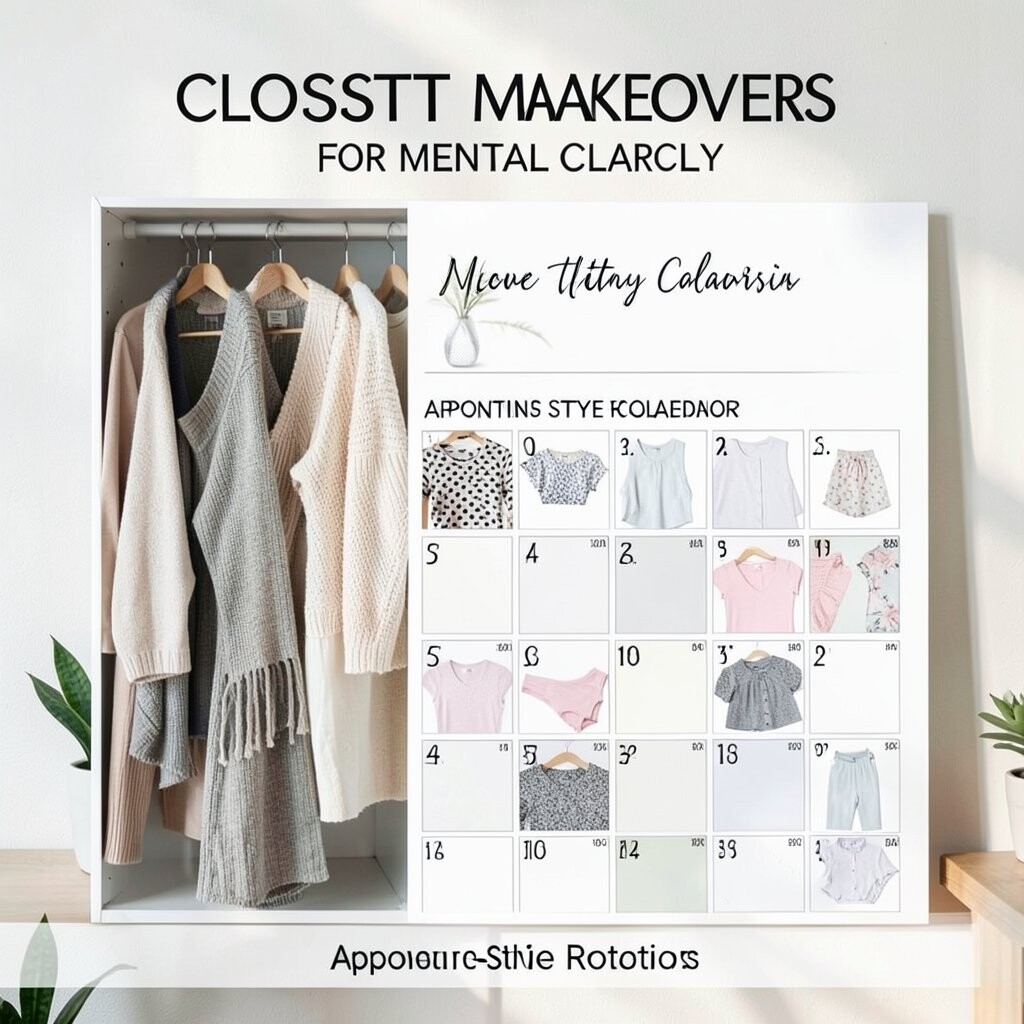
Appointment-Style Clothing Calendars for Rotation If your closet feels packed, your brain might feel packed too. Use an “appointment-style” rotation by planning what you’ll wear each week, then moving seasonal or extra items out of sight. A closet with breathing room looks peaceful and also works better.
This helps mental clarity because you’re not making constant decisions about everything at once. Rotating clothing can also reduce clutter stress and help your laundry routine feel smoother. It’s like giving your brain fewer open tabs.
For personalization, choose a rotation theme such as “fresh week basics” or “focus week colors.” Cost can stay low by using existing bins and shelf space. A current trend is “capsule-style rotation,” and you can keep it flexible without buying new wardrobes.
-
7. The “Mirror Before Wear” Dressing Habit
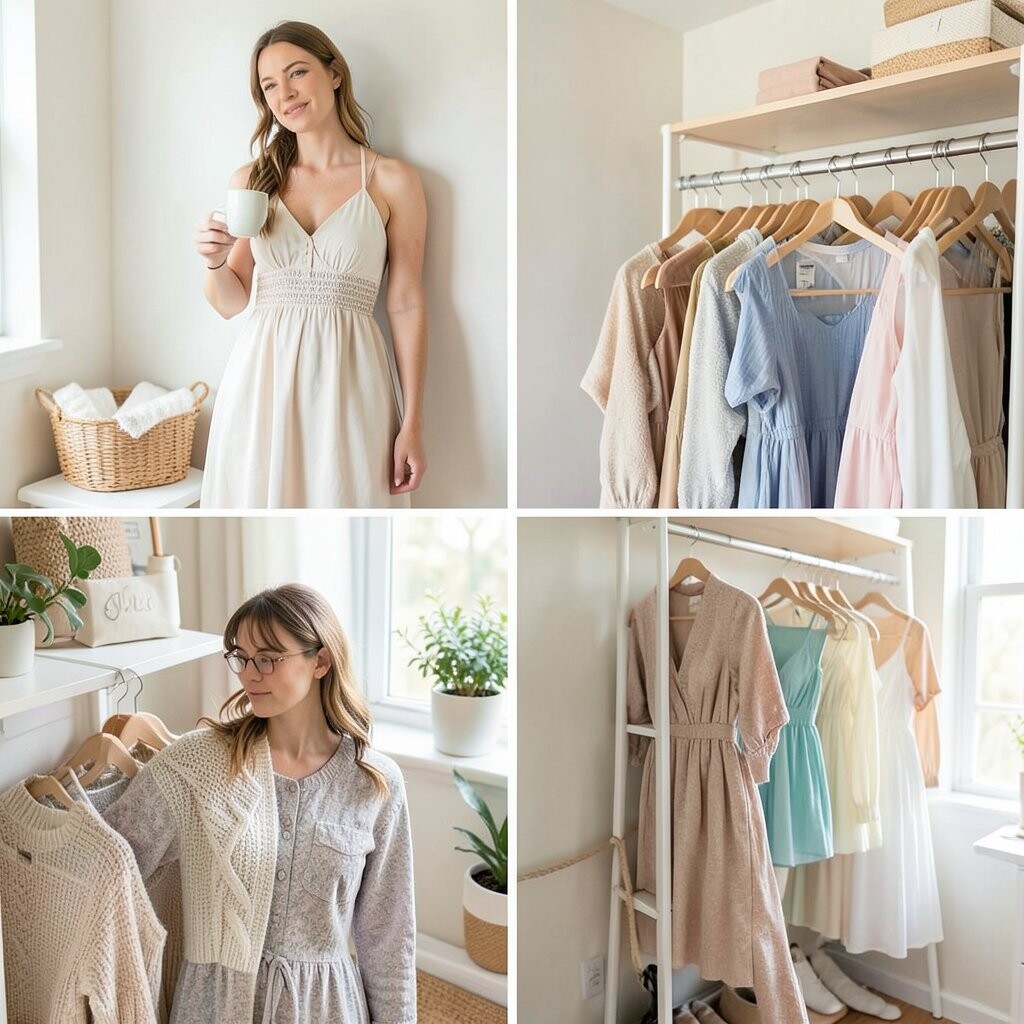
The “Mirror Before Wear” Dressing Habit Before you step out, use a quick mirror check right after you choose an outfit. Look for fit, comfort, and neatness, not perfection. This makes dressing feel like a calm routine rather than a stressful moment.
This habit supports mental clarity because it trains your brain to focus on small checks. Instead of anxiety about how you might look, you get a calm feedback loop. It also helps you notice if something is uncomfortable before you commit.
To make it practical, place a small mirror where you can see it, or keep a lightweight hand mirror near your closet. If you’re on a budget, tape a note on the inside of the closet door with your “mirror before wear” reminder. Personalize your check by adding one positive question, like “Do I feel steady in this?”
Many people are leaning into “rituals that reduce decision fatigue,” and this is a gentle one. Keep it short, kind, and repeatable so it feels like self-care, not homework.
-
8. Wall Hooks for “Out the Door” Essentials
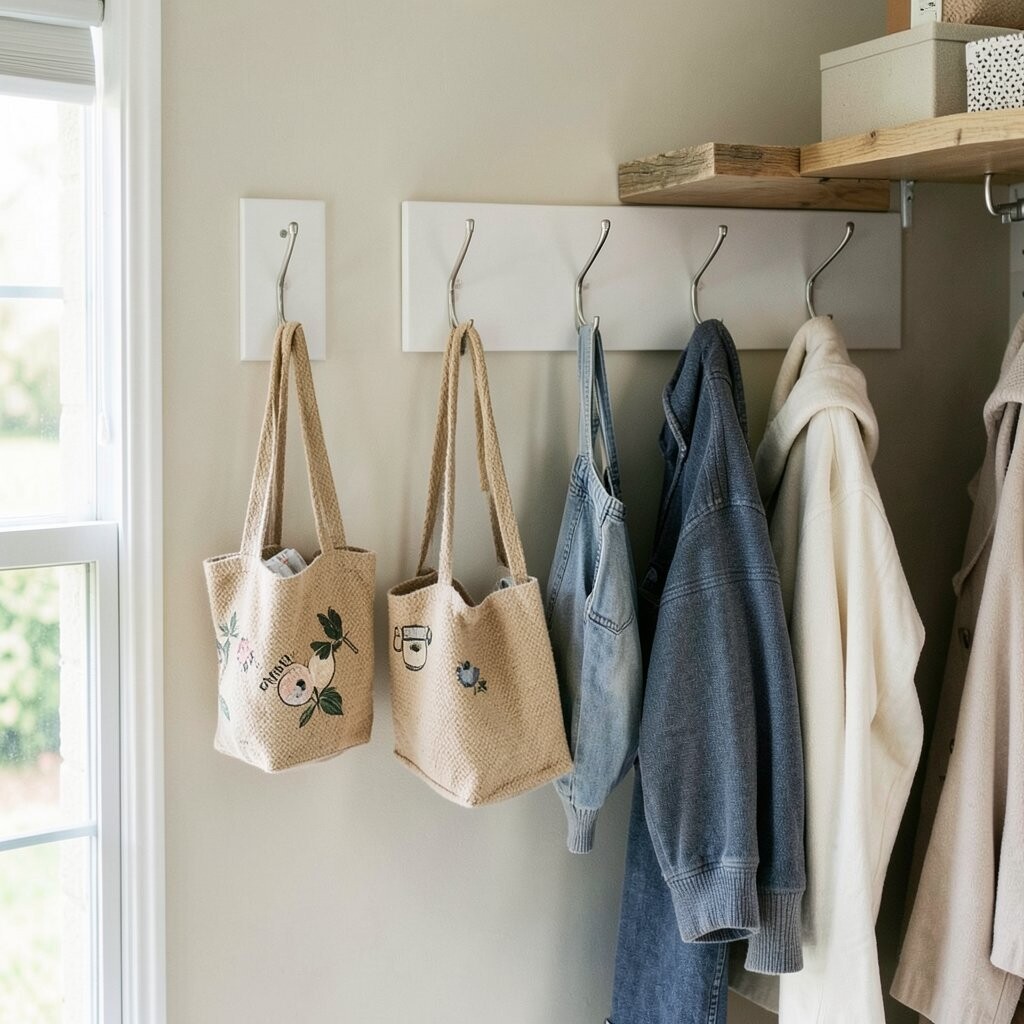
Wall Hooks for “Out the Door” Essentials When essentials are hidden, they create tiny daily stress. Add a small hook area for items you grab often: a tote, keys pouch, a light layer, and a belt or scarf. Keep it near where you dress so you’re not searching.
This makeover supports wellness because it reduces mental scrambling. Less searching can mean fewer rushed feelings, even when mornings feel busy. You also get a tidy visual cue that helps your brain transition from home mode to go mode.
To personalize, choose hooks that match your calm style, like wood, matte black, or soft white. If you want to save money, use sturdy adhesive hooks that don’t require drilling, if your walls allow it. A current trend is “small entryway styling” even inside bedrooms, and hooks are a simple way to do it.
-
9. Clear Bins With Soft Labels (No Clutter Mysteries)
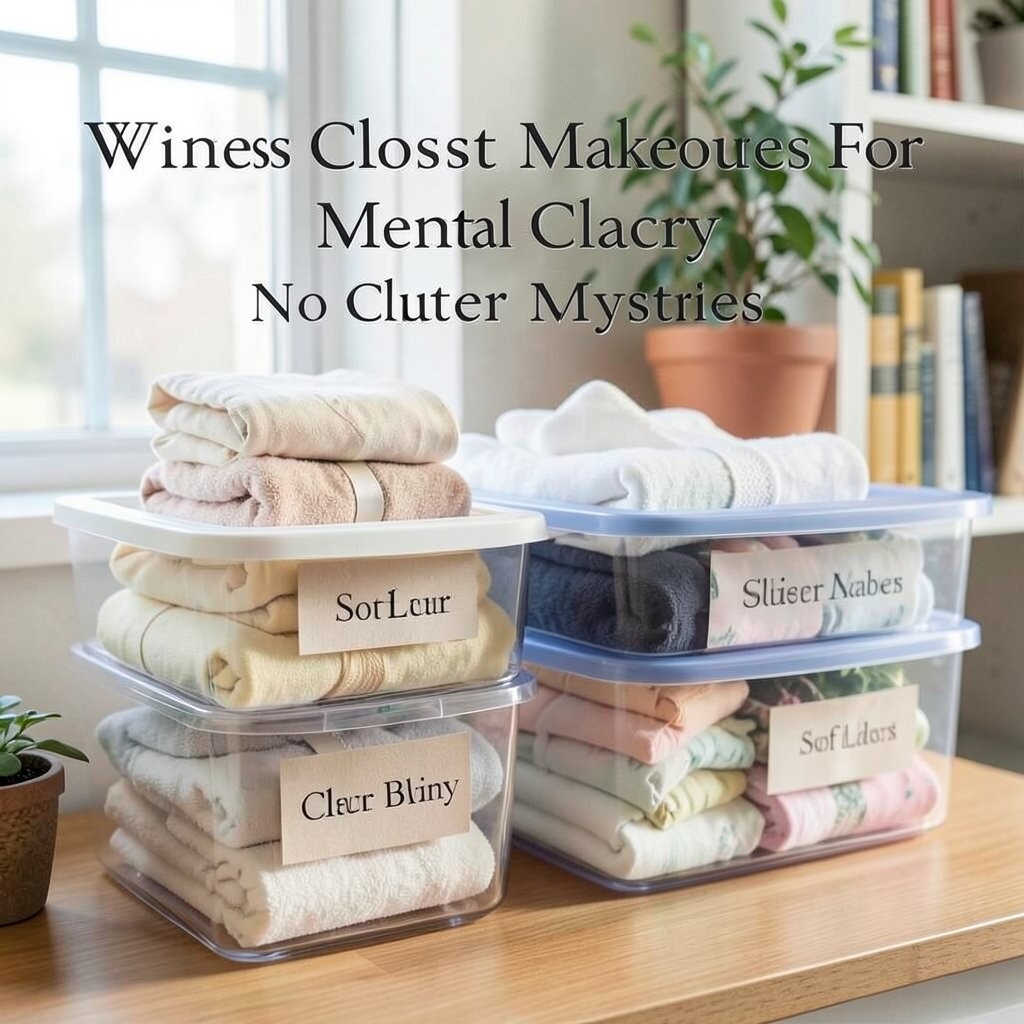
Clear Bins With Soft Labels (No Clutter Mysteries) Unlabeled storage makes your brain guess, and guessing takes energy. Use clear bins or see-through drawers so you can find items fast. Add soft labels with words you actually use, like “Pajamas,” “Belts,” or “Holiday.”
When you can see what’s inside, stress drops and confidence rises. This supports mental clarity because you avoid the “where is it?” spiral. Clear systems also help you maintain the makeover long-term.
Personalize your labels by using your favorite handwriting style or color-coded stickers. For cost, start with only the top shelves or one drawer, not the whole closet. A trend right now is “aesthetic organization,” and gentle labeling gives that look without being fancy.
Tip: keep the labels short. If a label needs a sentence, it’s probably a sign you need to group items differently. Your future self will thank you.
-
10. Light Cleaning Routine: Weekly “Air Out and Wipe”
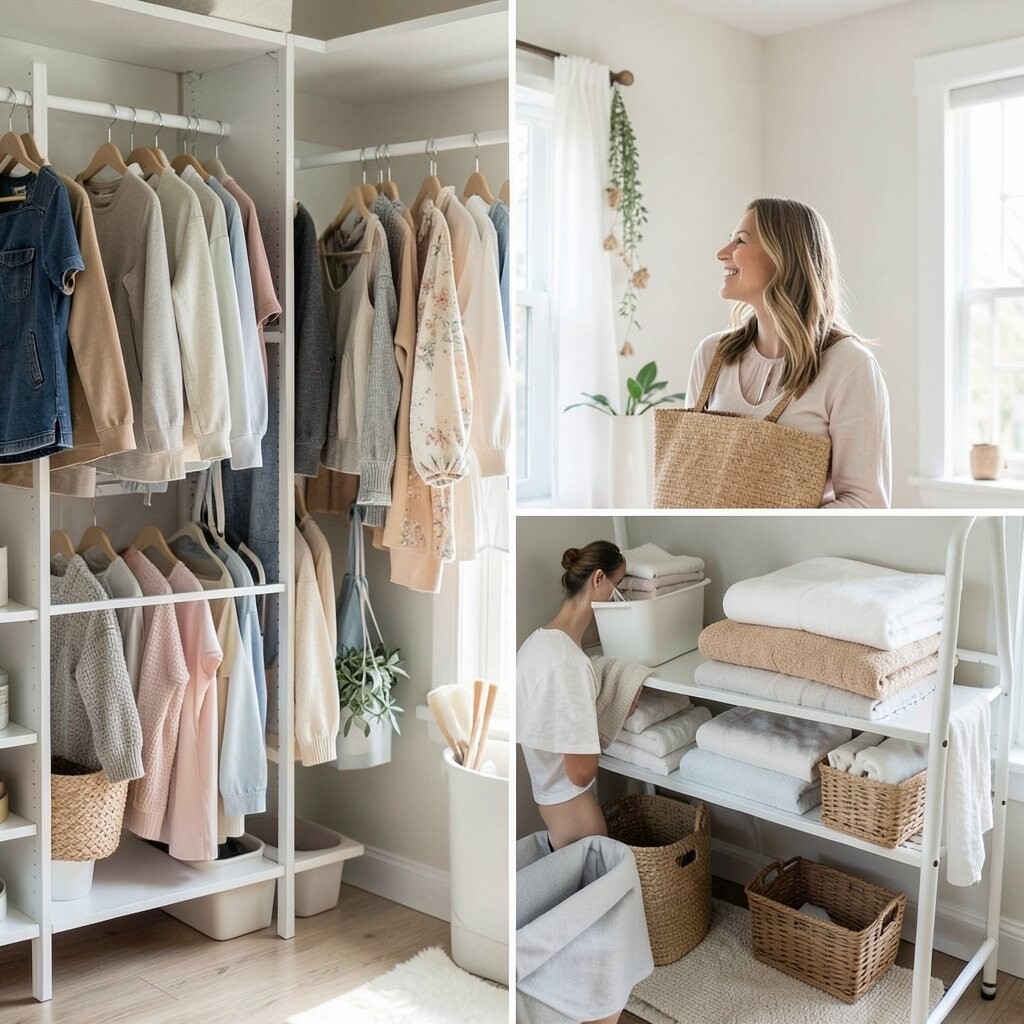
Light Cleaning Routine: Weekly “Air Out and Wipe” A closet can collect dust, and dust can make things feel stale. Add a weekly routine that takes only a few minutes: air out, wipe shelves, and check hangers for dust. Think of it as giving your clothes a fresh start, and your mind one too.
This supports wellness because a clean space helps your brain feel safer and calmer. When the closet looks cared for, you may feel more motivated. It also helps clothes smell fresh, which can reduce the urge to overspend on replacements.
Personalize the routine with a “comfort day” playlist, or do it right after you finish laundry so it feels connected. Budget-wise, you can use basic microfiber cloths and mild cleaner. A current trend is low-waste cleaning, so you can choose refillable spray or vinegar-based options if they work for your materials.
-
11. Mood-Based Outfit Captions on a Small Card
Mood-Based Outfit Captions on a Small Card Sometimes you don’t need more clothes—you need a clearer direction. Make a small card system with mood prompts, like “Grounded,” “Bright,” or “Cozy Focus.” Place the card where you pick outfits, so it guides your choice.
This makeover can support mental clarity because it turns a vague feeling into a simple selection. When you connect clothes to moods, you reduce indecision. You also make getting dressed feel more intentional and less automatic.
To personalize, write the prompts in your voice. Add one note under each mood like “pair with sneakers” or “wear for calm meetings.” For cost, use index cards or even cut paper scraps, then laminate if you want longer life.
-
12. “Wear Again Soon” Basket for Healthy Honesty
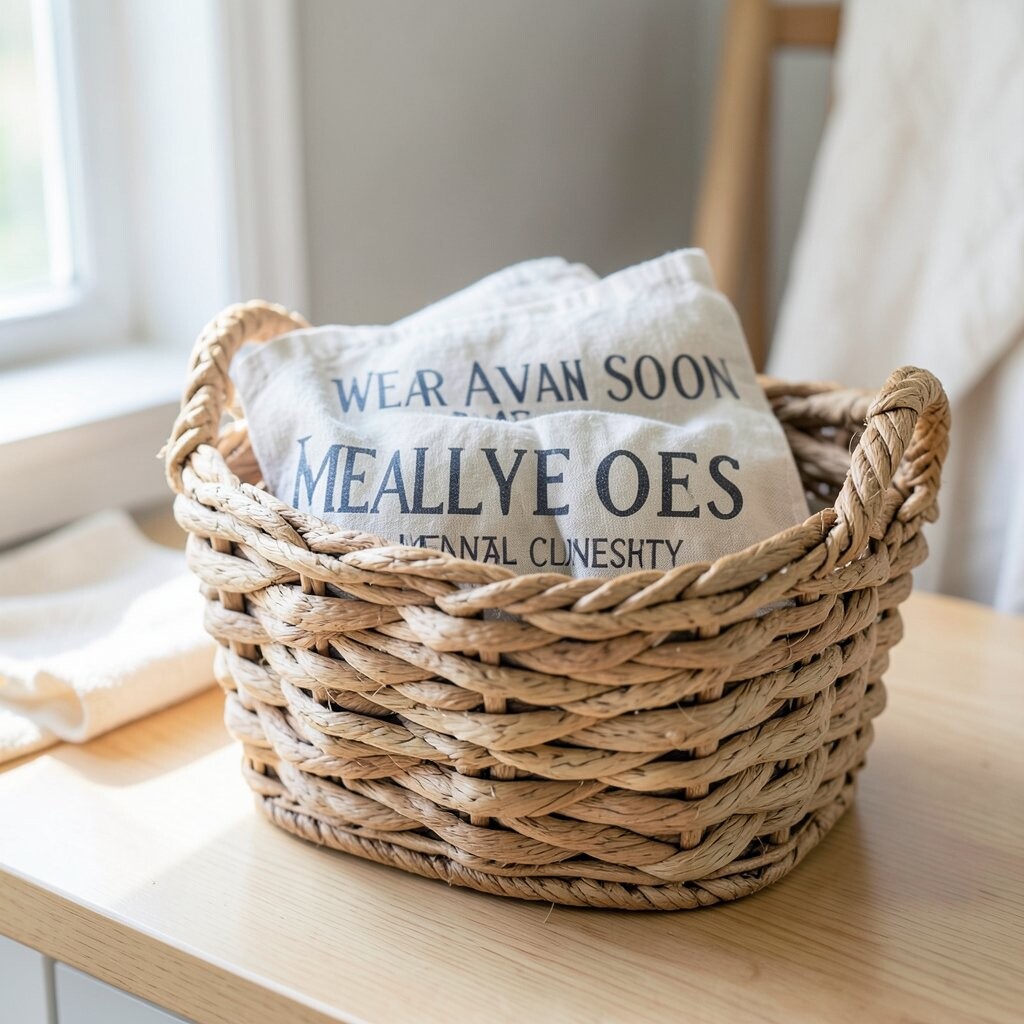
“Wear Again Soon” Basket for Healthy Honesty Many people keep clothes “just in case,” and that can slowly fill up your closet. Create a “wear again soon” basket for items you truly plan to use soon. This way, you keep your favorites in reach without letting the whole closet become a museum.
This supports mental clarity because you feel grounded in what you actually use. Your brain learns that your closet is practical, not stressful. It also reduces guilt clutter and helps you move on when you’re ready.
For personalization, tailor the basket to your habits, like “work week” or “gym week.” Cost considerations are easy: a laundry basket, woven bin, or even a tote works fine. A current trend is “honest organization,” where you store based on real routines, not fantasy plans.
-
13. Gentle Hardware Upgrades: Matching Hangers and Updated Rods
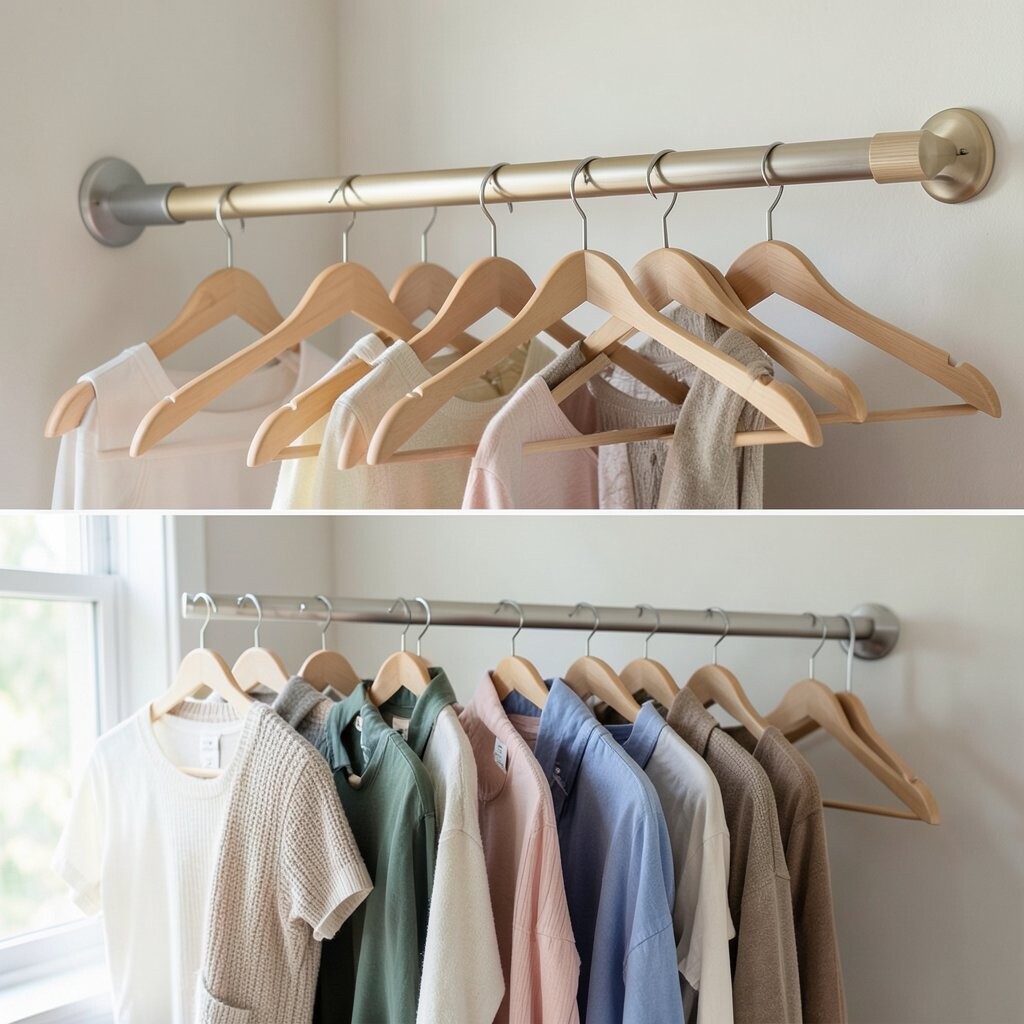
Gentle Hardware Upgrades: Matching Hangers and Updated Rods Small hardware changes can make your closet feel instantly more peaceful. Switch to matching hangers for a calm, even look, and consider sturdier hangers for heavy coats. If your closet rod is sagging, fixing it can improve how clothes hang and how easy it is to reach them.
This supports clarity because your eyes get clean, consistent lines. When clothing hangs well, you can pick outfits faster and with less effort. It also helps clothes keep their shape, which means fewer replacements.
Personalize hanger choices based on your style: wood for warmth, slim for space, or fabric-covered for gentleness. If you’re on a budget, start with just the visible section at eye level, then upgrade over time. A trend right now is “uniformity,” where people choose one hanger style for visual calm.
Tip: don’t buy everything at once. Choose one closet area to upgrade first so you get results quickly.
-
14. Quiet Storage Corners: Meditation-Ready Shelf Styling
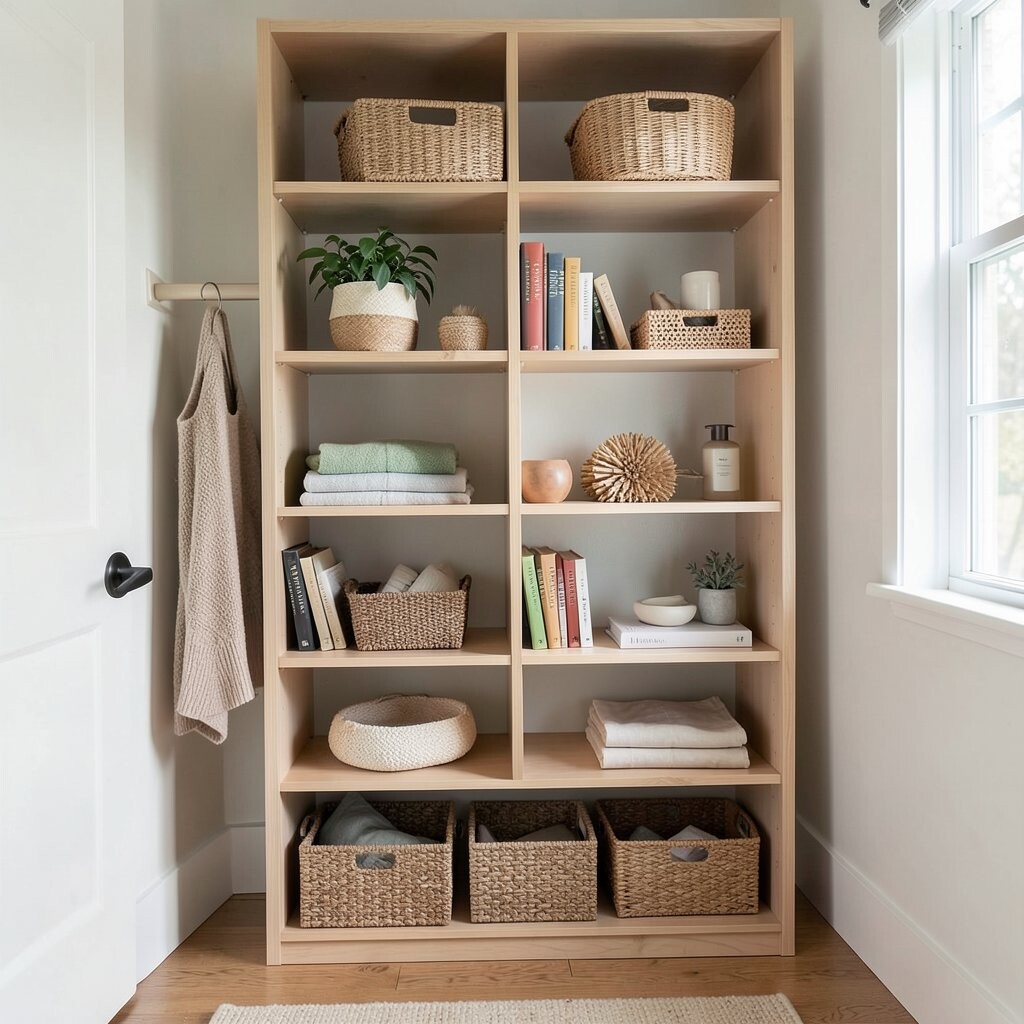
Quiet Storage Corners: Meditation-Ready Shelf Styling Give your closet a tiny corner that feels like a pause button. Style one shelf with things that support calm, like a small tray for jewelry, a folded robe, or a pocket-sized gratitude journal. Keep it neat and simple so your brain can rest when you glance over.
This makeover helps mental clarity because it adds a gentle cue for mindful habits. Instead of only thinking about clothes, you start thinking about how you want to feel. A calm shelf can also make it easier to start self-care routines.
For personalization, choose items that match your comfort, such as a soft candle in a safe holder, a relaxing tea packet organizer, or a small essential oil diffuser on a timer. Cost considerations can be kept low by using items you already own and focusing on layout. If you like current trends, “slow living touches” and “small ritual spaces” are popular, and this is a closet version.
Tip: keep the shelf uncluttered, with one main tray and a few matching accessories. When the space looks calm, your mind often follows.