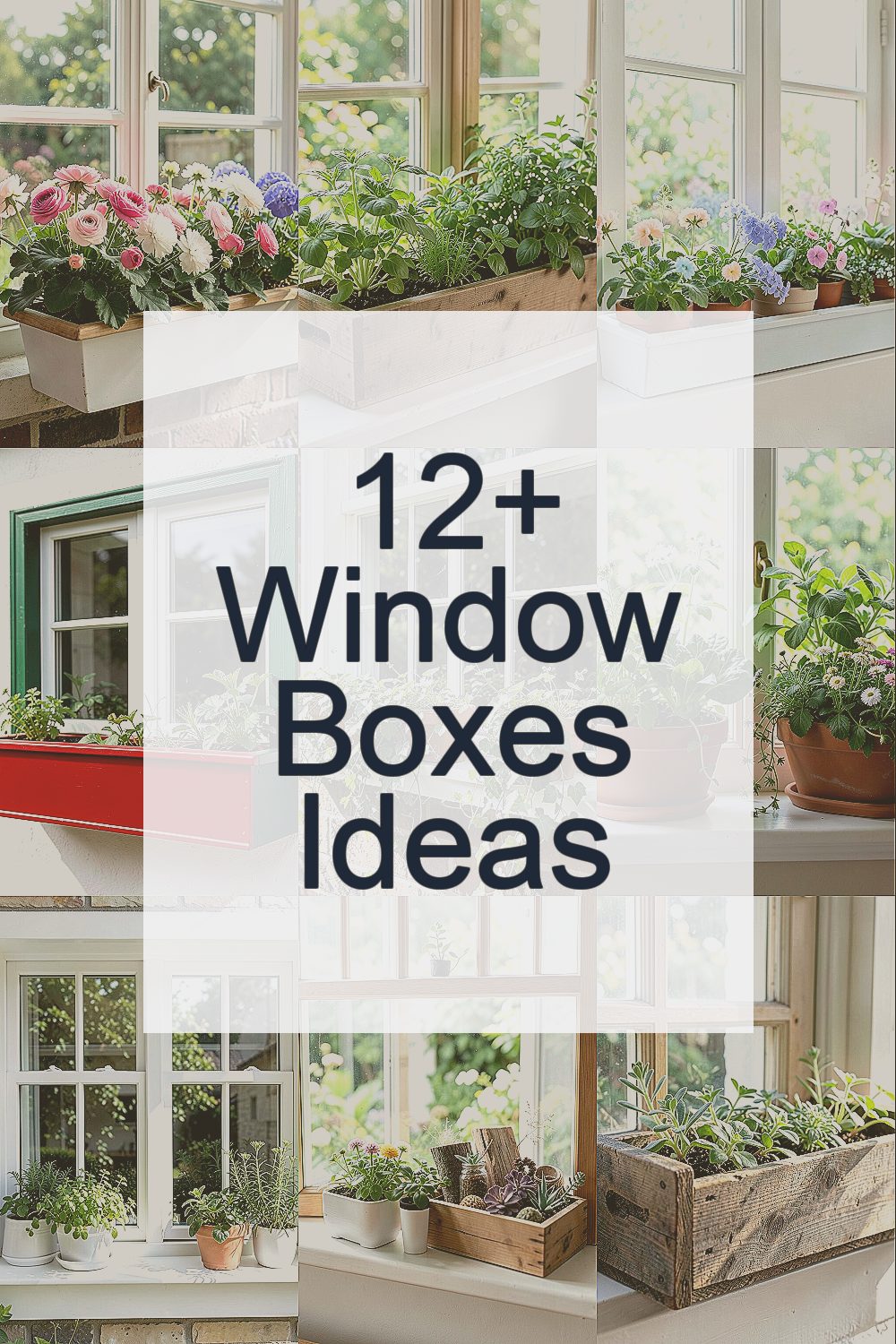
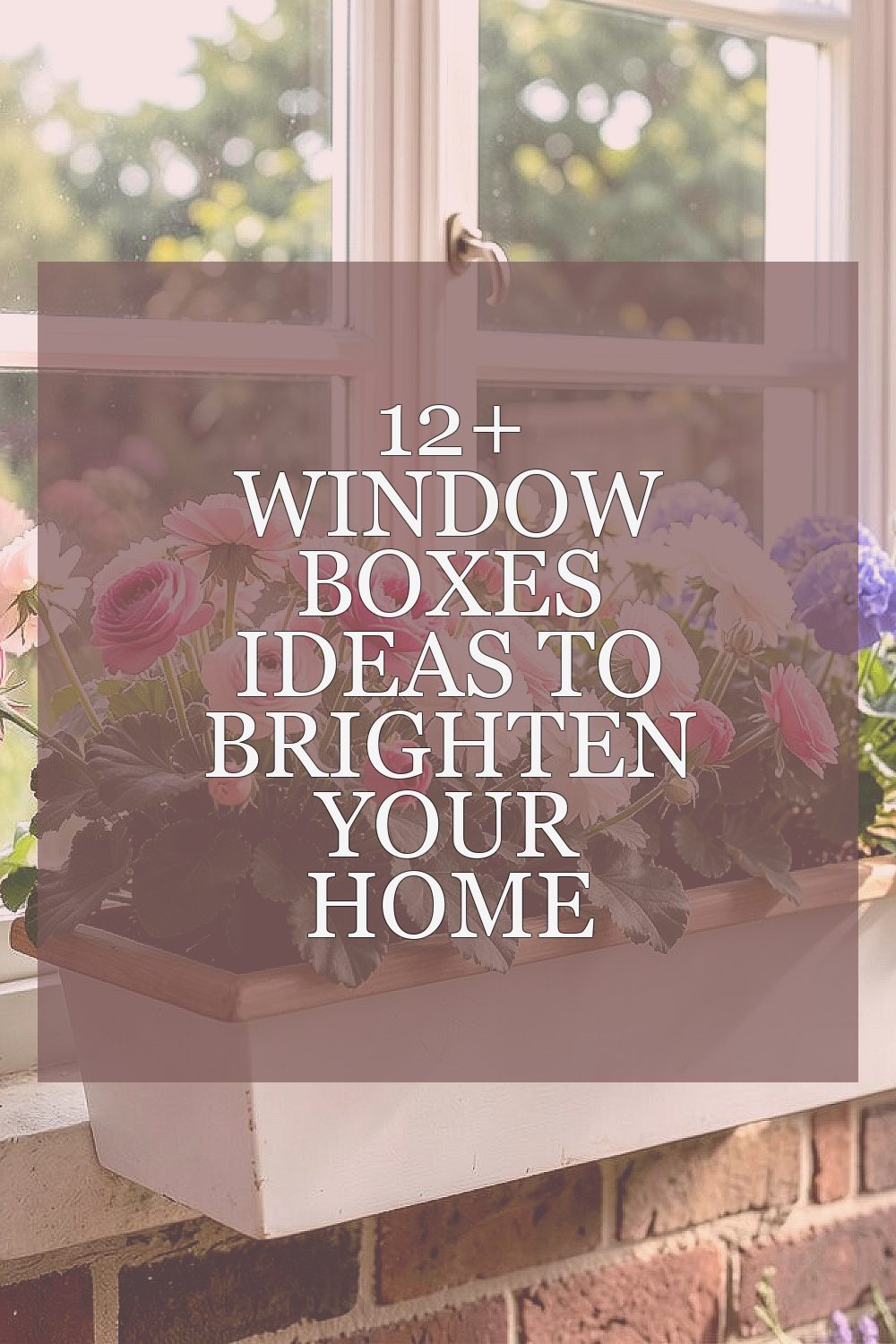
Window boxes can add color and life to a home with very little space. They also give you a simple way to show your style from the street.
1. Classic Flower Mix
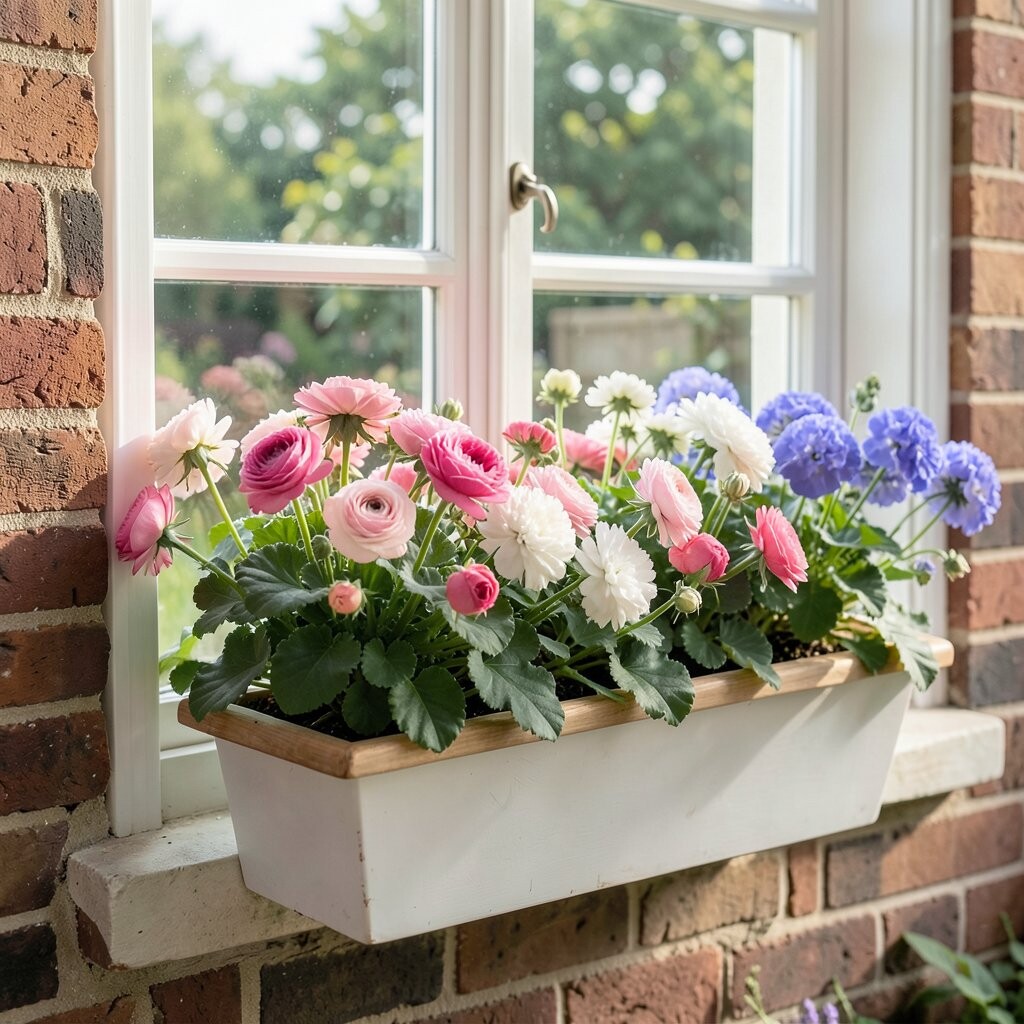
A classic flower mix uses bright blooms like petunias, geraniums, and marigolds. The look is full and cheerful, with colors that stand out against most walls and trim.
This style works well because it is easy to plan and easy to care for. You can keep costs low by starting with small plants and filling in the space as they grow.
Try mixing tall flowers in the back, medium ones in the middle, and trailing plants at the edge. That simple setup gives your box a neat shape and helps each plant get light.
2. Herb Garden Box
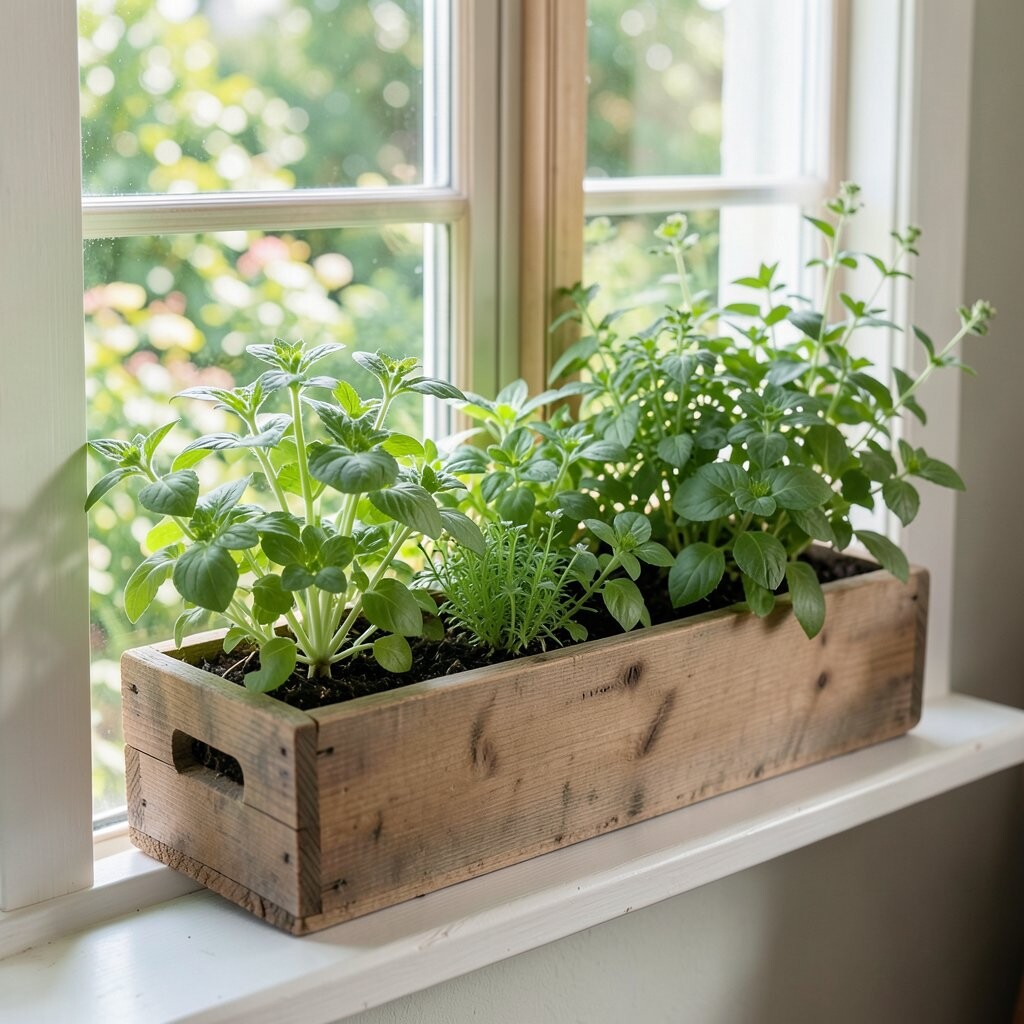
An herb box looks green, clean, and useful at the same time. Basil, thyme, parsley, and mint can all grow well in a sunny window box.
This choice is great for people who want fresh herbs close to the kitchen. It can also save money over time since you may buy fewer herbs from the store.
You can make the box feel more personal by adding herbs you cook with most often. Use a deep enough box and good soil so the roots have room to spread.
3. Soft Pastel Planting
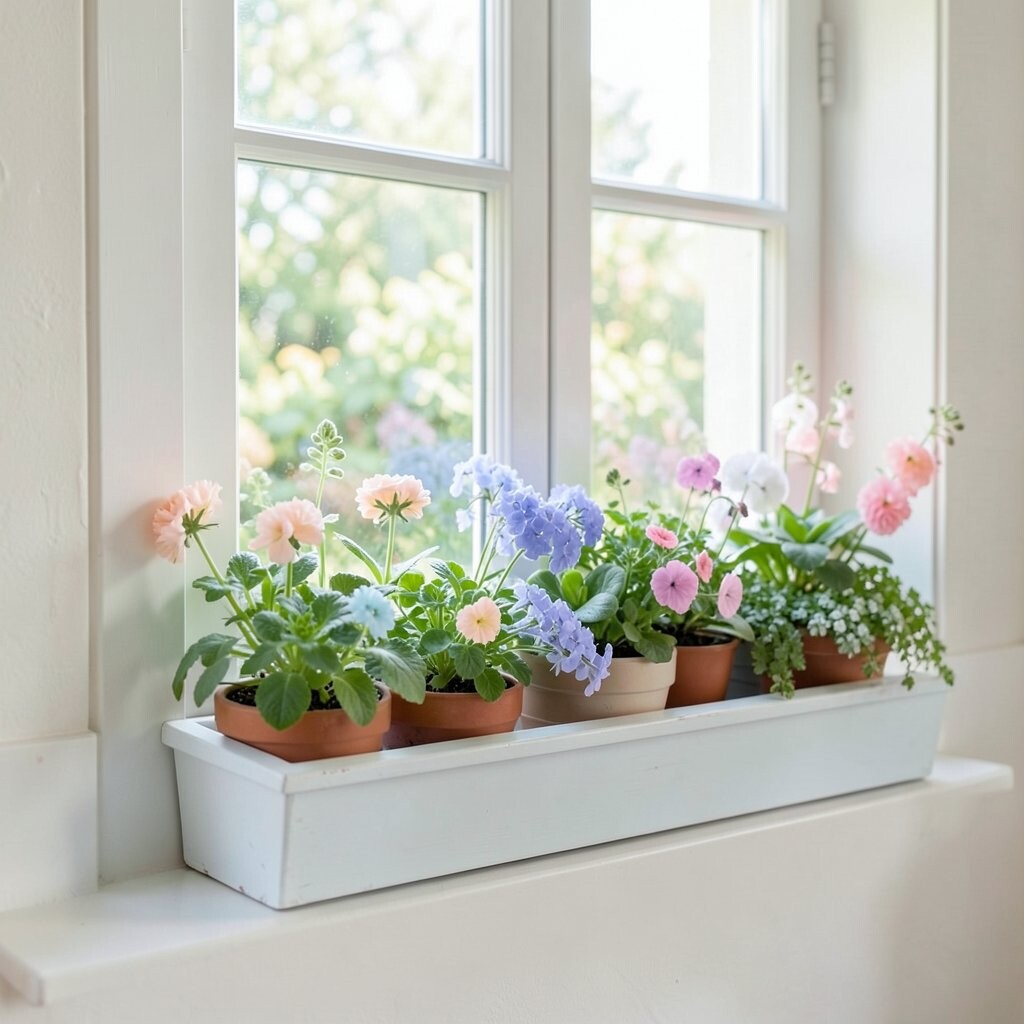
Soft pastel planting gives a calm and gentle look. Pale pink, light yellow, white, and lavender flowers can make a home feel neat and light.
This style is a good fit for homes with soft paint colors or older trim. It also works well if you want a window box that feels calm instead of bold.
People often like this look because it fits many home styles and is easy to keep simple. You can add one or two small trailing plants to make the box look fuller without spending much.
4. Bold Red and Green Box
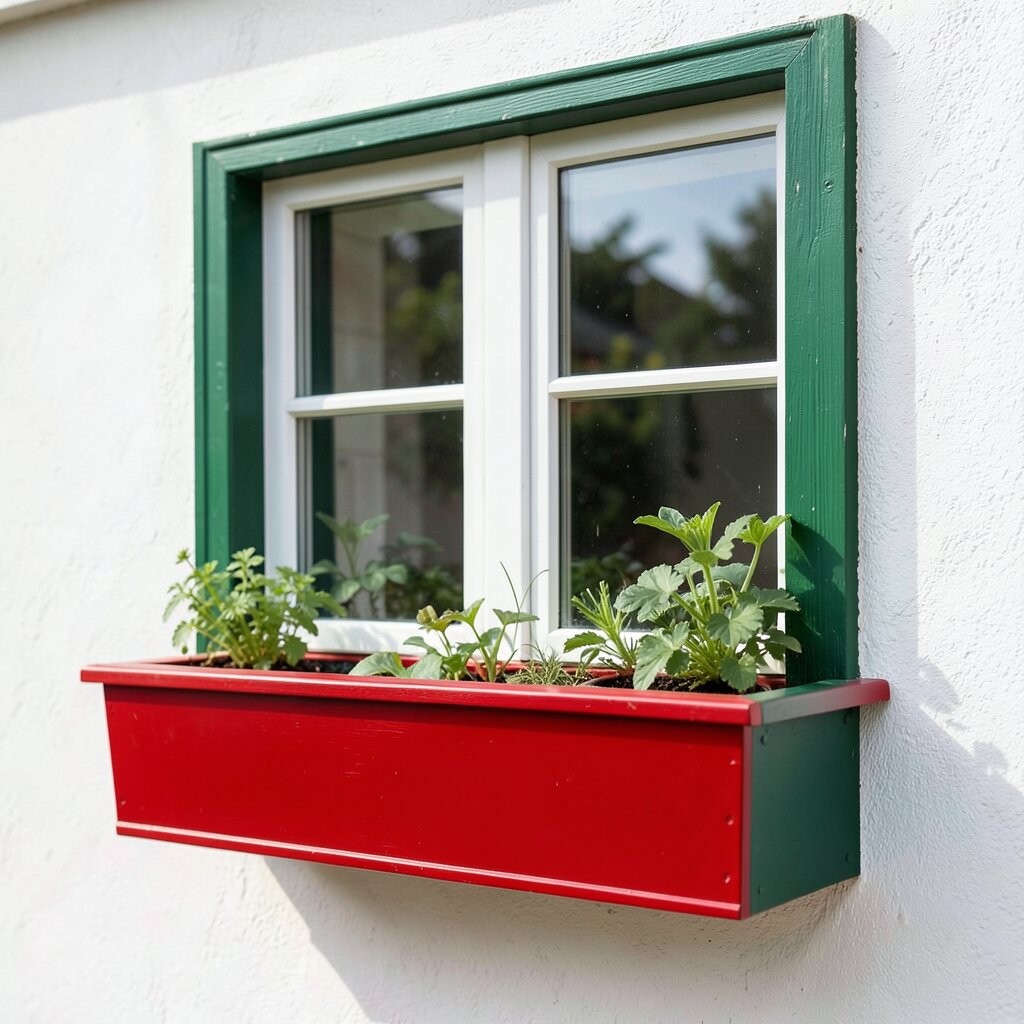
A bold red and green box gives strong curb appeal and looks good in many seasons. Red blooms with deep green leaves can make a plain window stand out right away.
This idea is nice for people who want a clear color theme that is easy to repeat. It can also look tidy from far away, which is helpful for homes near the street.
To keep the look balanced, use one main flower color and one leaf color as the base. If you want a lower-cost setup, choose plants that come back each year in your area.
5. Trailing Vine Style

Trailing vines make a window box look soft and full. Plants like ivy, sweet potato vine, and trailing lobelia can hang over the edge in a natural way.
This style is popular because it adds movement without needing a lot of different plants. It can also help a small box look bigger and more full than it really is.
Use a mix of upright plants and trailing ones so the box does not look flat. If you want a more personal touch, pair green vines with flowers in your favorite color.
6. Edible Greens and Flowers
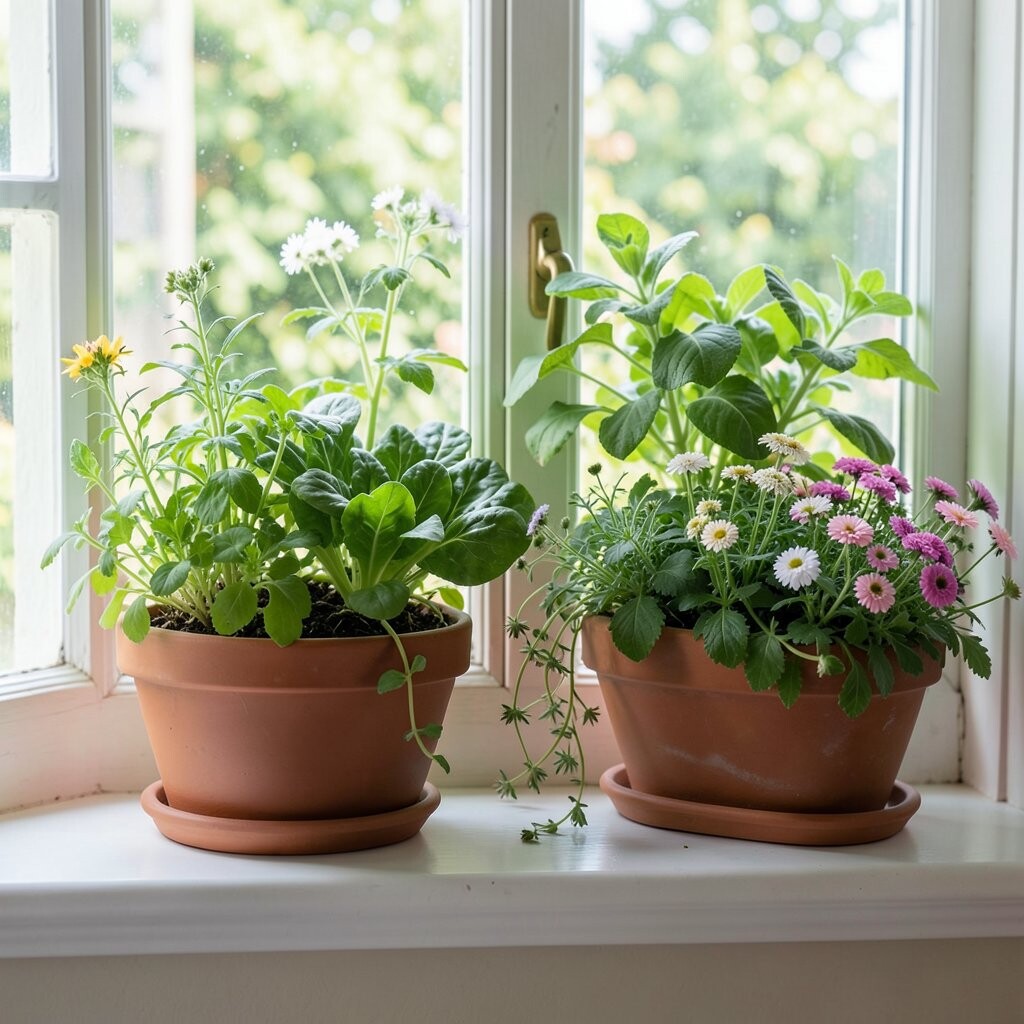
Edible greens and flowers make a window box useful and pretty at the same time. Lettuce, kale, chives, and edible flowers can give you fresh food and color in one small space.
This is a smart choice if you want to make the most of a small area. It can help cut food waste because you can pick only what you need.
Many people like this trend because it blends garden style with daily use. Keep the box in a sunny spot and water it often so the greens stay crisp and healthy.
7. All-White Look
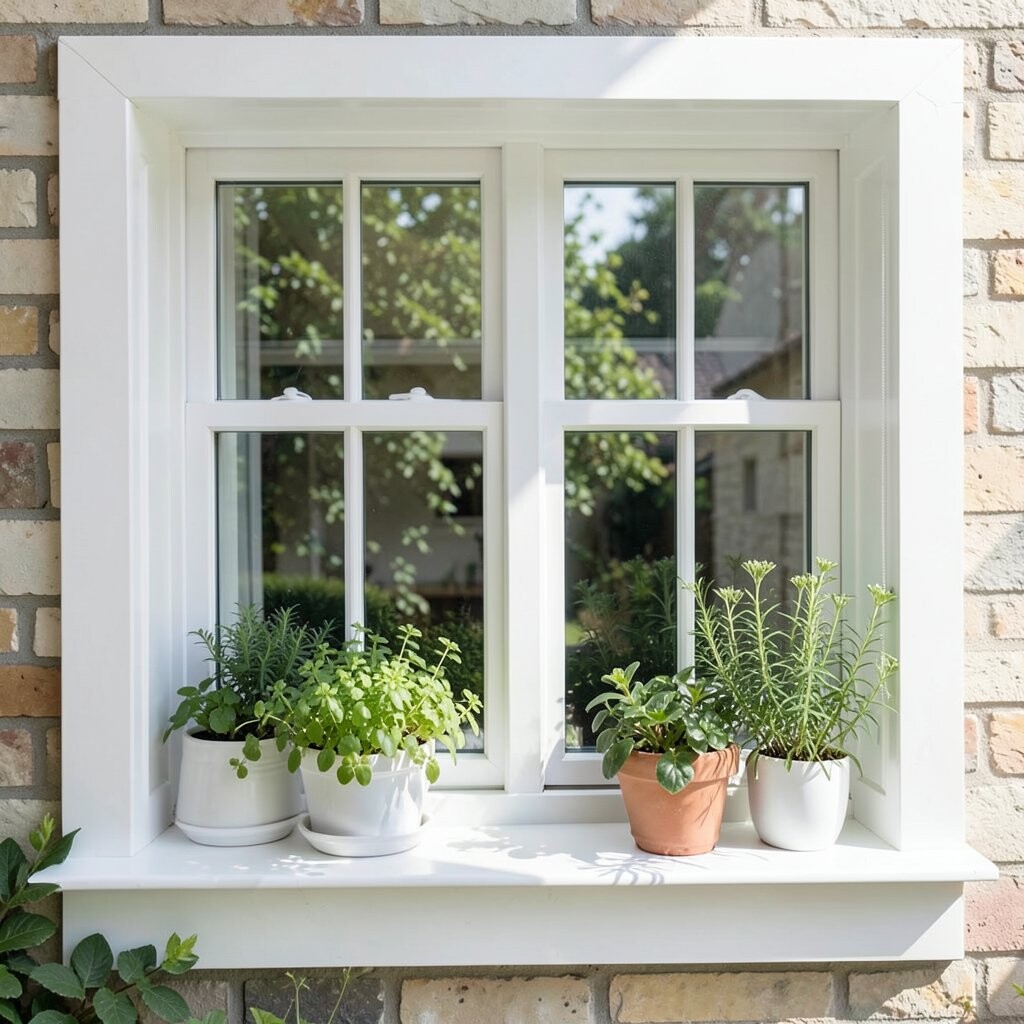
An all-white box can look clean, fresh, and simple. White flowers and pale leaves can make a home feel calm, even when the box is small.
This style works well with dark window frames or brick walls because the light color stands out. It can also be a good choice if you want a box that feels neat through the season.
You can keep the cost down by using a few main plants and letting them spread over time. Add a small mix of leaf shapes to keep the box from looking plain.
8. Seasonal Swap Box
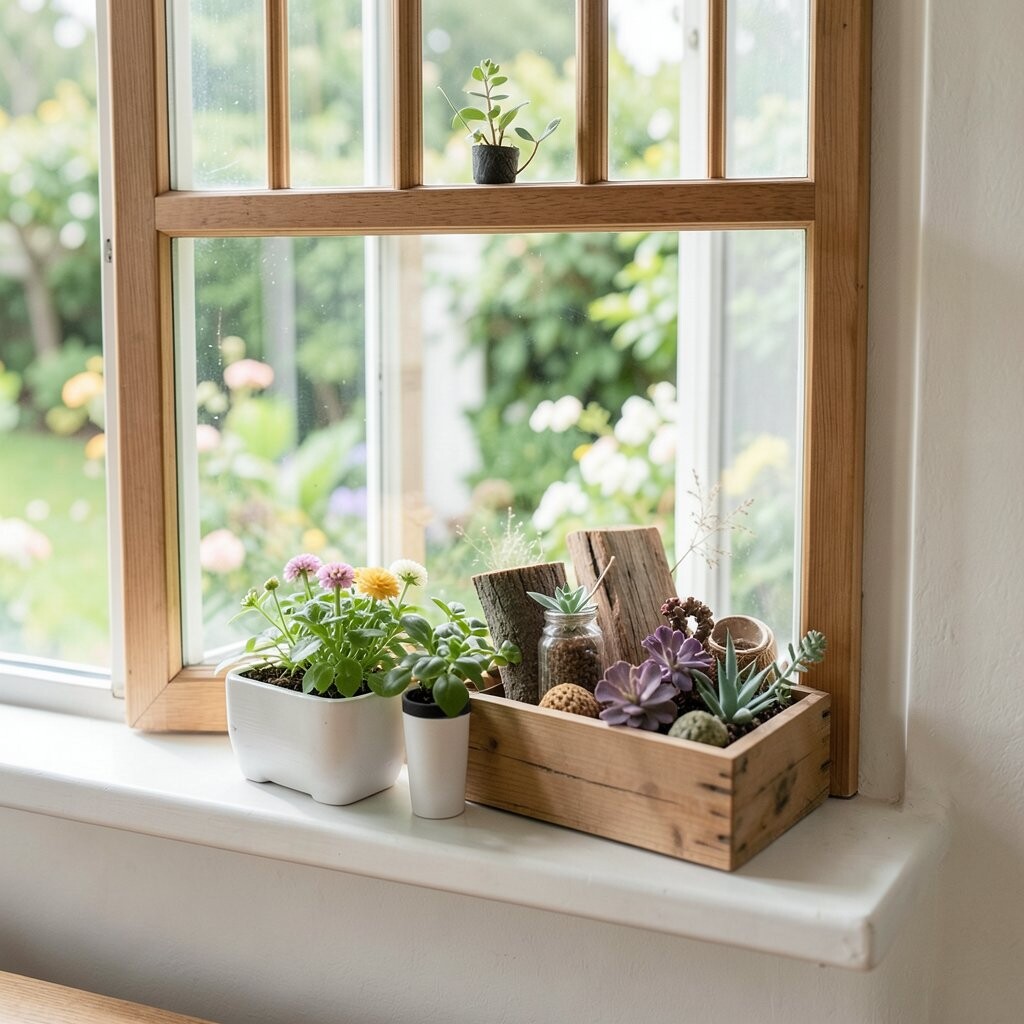
A seasonal swap box changes with the time of year, so it always feels fresh. You can use spring bulbs, summer blooms, fall mums, or winter greens.
This idea is useful if you like to change the look of your home without buying a whole new box. It can also help you spread out plant costs since you buy in smaller groups.
Keep the box base simple so you can switch plants with less work. A plain liner, good soil, and a few steady filler plants can make each change easier.
9. Rustic Wood Box
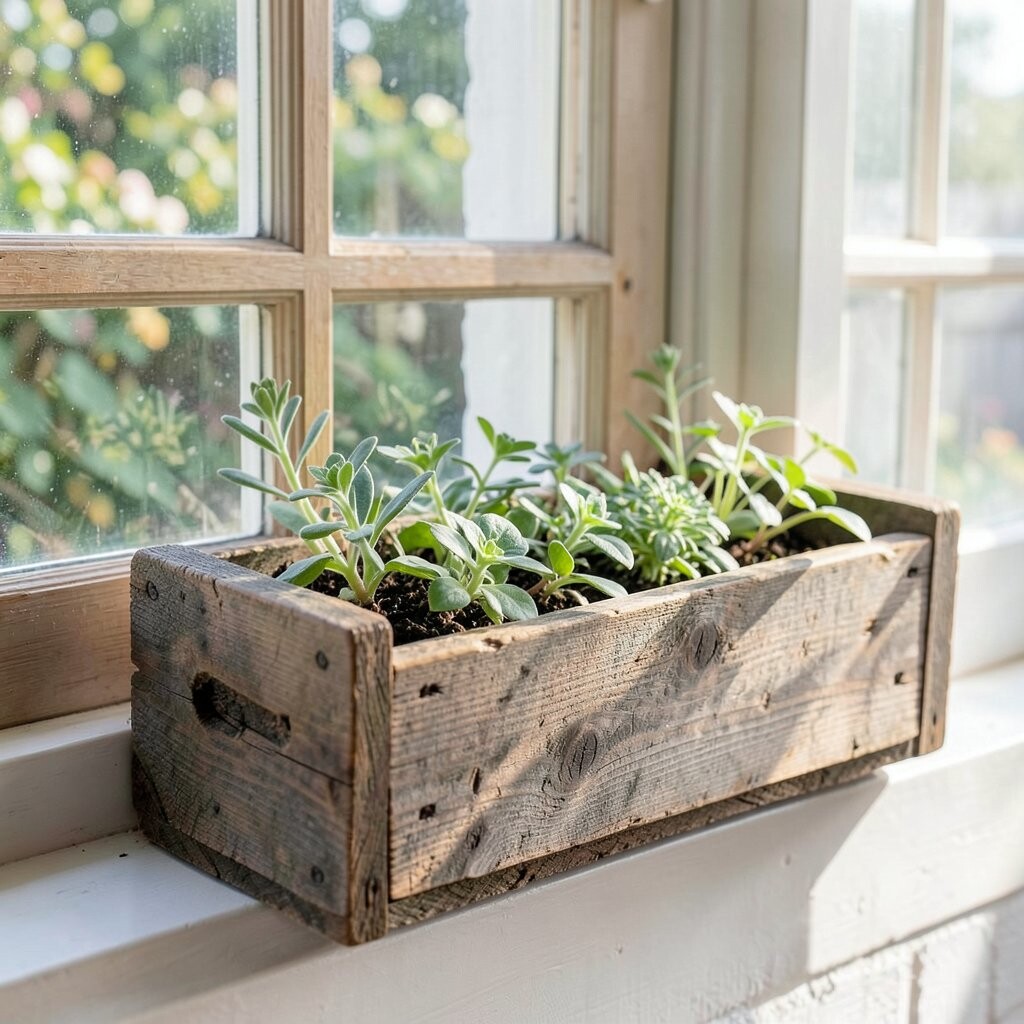
A rustic wood box gives a warm and homey feel. Rough wood, soft stains, and simple lines can make the plants feel even more natural.
This style is nice for older homes, cabins, or houses with a simple look. It can also be a lower-cost choice if you build one from scrap wood or buy a plain box.
You can make it more personal by choosing a wood tone that matches your shutters or front door. Seal the wood well so it lasts longer in rain and sun.
10. Bright Tropical Style
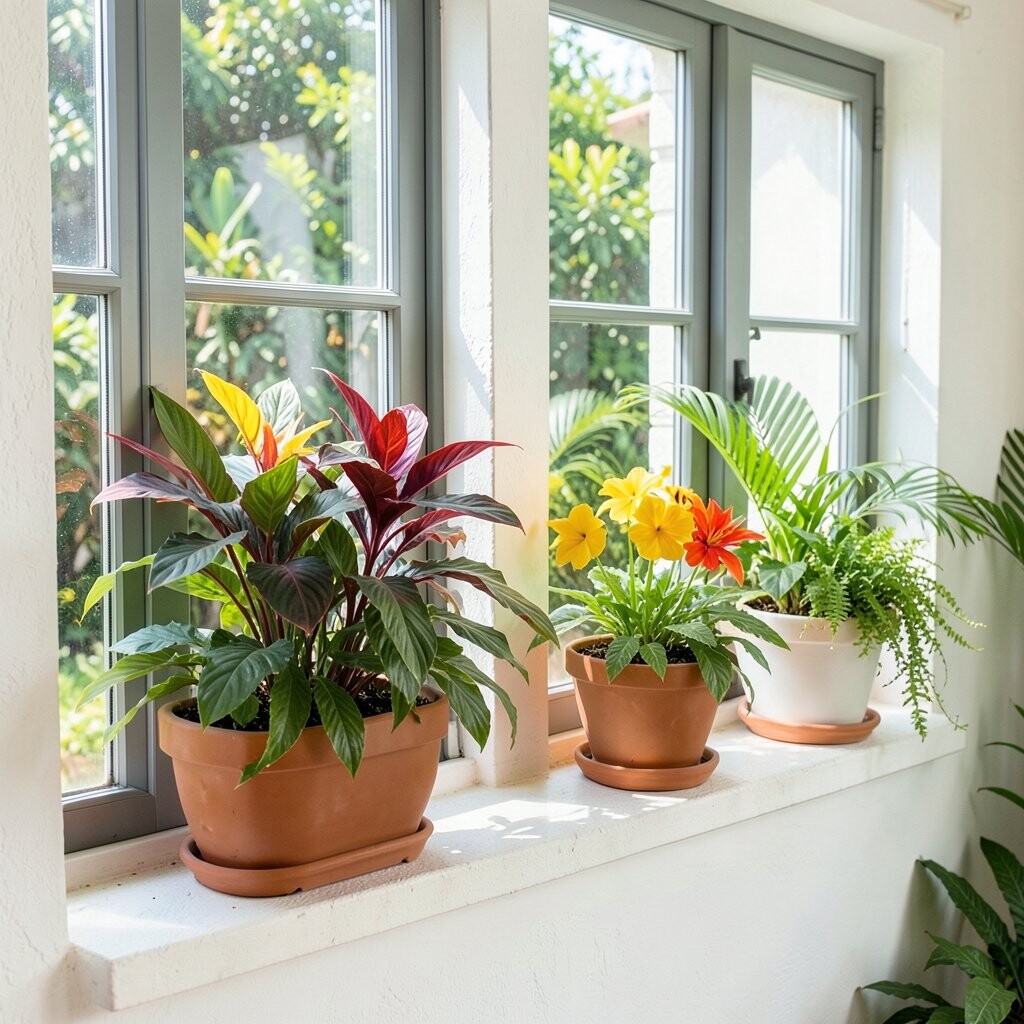
A bright tropical style uses bold leaves and rich colors to make a strong first impression. Plants with large leaves and flowers in orange, pink, or red can give the box a lively look.
This idea works best in warm spots with good sunlight. It is a fun choice if you want your home to feel more playful and full of energy.
Because some tropical plants can cost more, many people mix one standout plant with lower-cost fillers. That keeps the look rich without making the box too expensive.
11. Simple Green Foliage
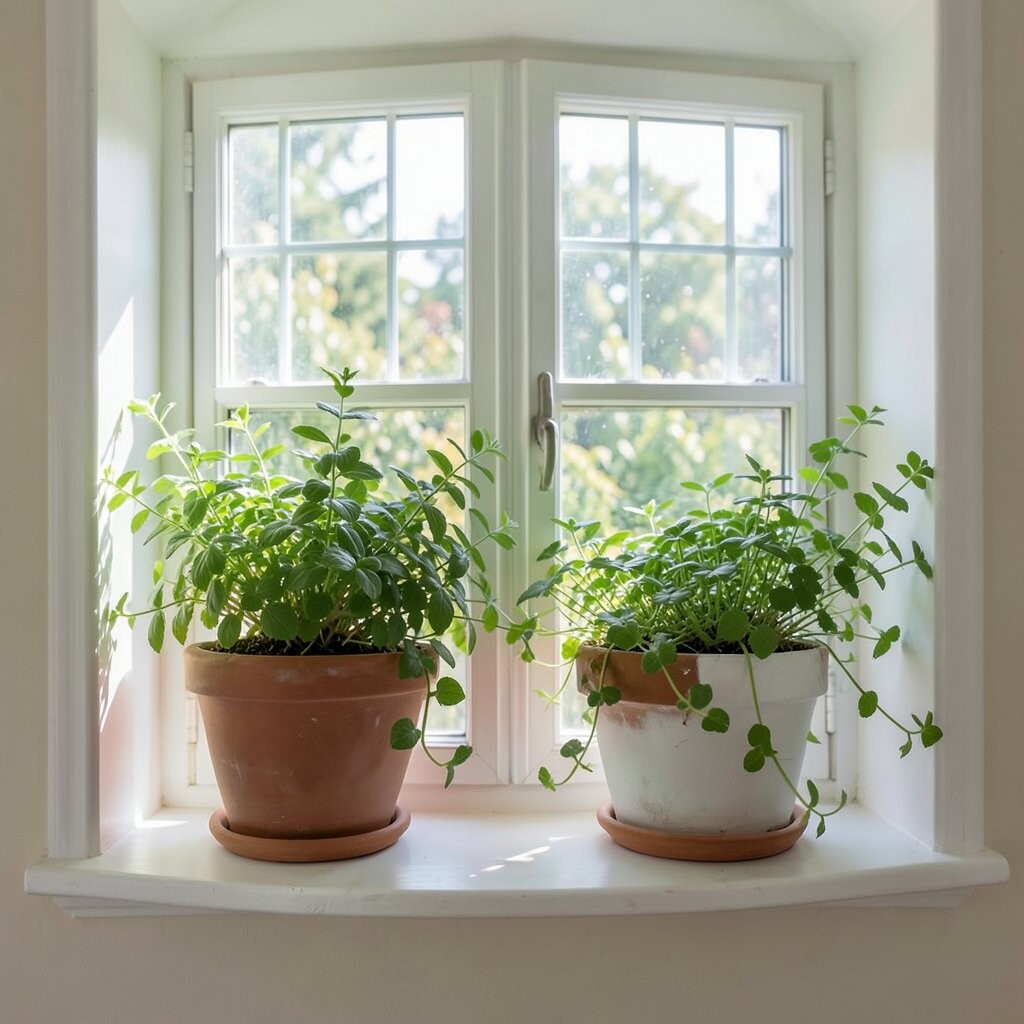
Simple green foliage can look neat, modern, and calm. Different leaf shapes and shades of green can make a box interesting without using many flowers.
This style is good for people who want less upkeep and a clean look all year. It also fits many homes because green plants go with almost any wall color.
Try mixing large leaves, small leaves, and soft trailing greens for more depth. If you want a personal touch, choose plants with leaves that match the shape of your windows or trim.
12. Cottage Garden Mix
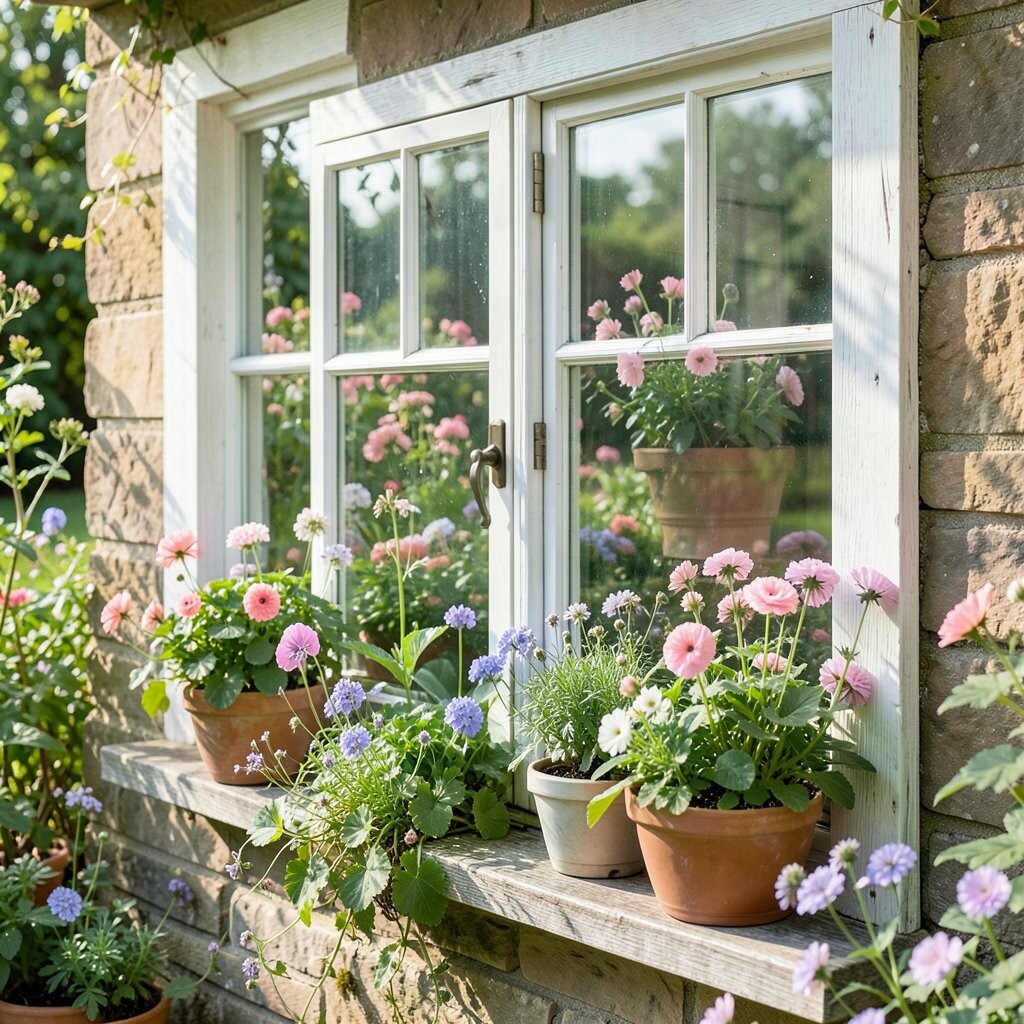
A cottage garden mix feels full, soft, and a little loose in shape. It often uses many flower types together, so the box looks rich and lived-in.
This style is loved because it feels friendly and not too planned. It can also make a home seem more welcoming from the sidewalk or driveway.
To keep the box from looking messy, use a few colors that work well together. You can also add one taller plant in the middle to give the whole display a better shape.
13. Low-Maintenance Shade Box
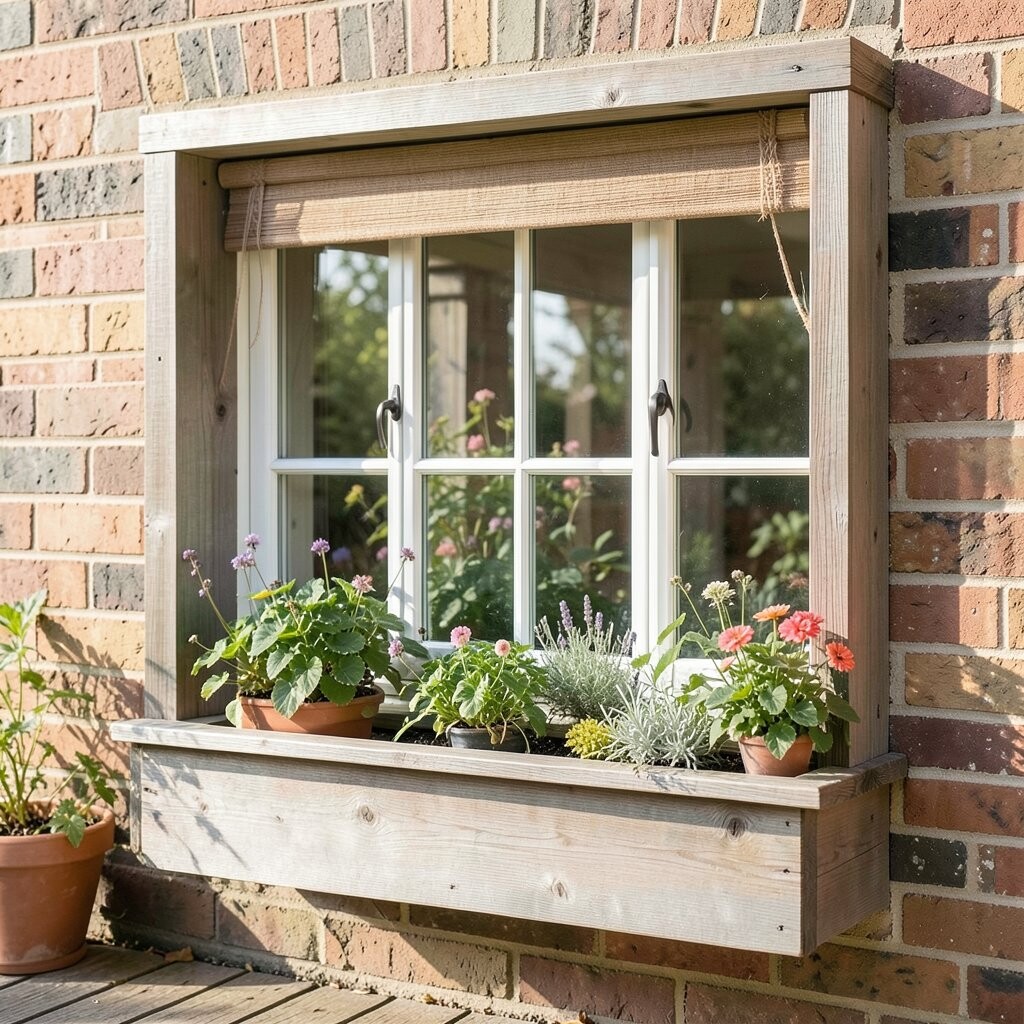
A low-maintenance shade box is a smart choice for windows that do not get much sun. Ferns, hostas, begonias, and impatiens can do well in cooler, shadier spots.
This type of box is helpful for busy people who still want color and life near the window. It can also save money by lowering plant loss, since shade plants are less likely to dry out fast.
Many people like this option because it makes hard spots useful instead of empty. Add a few plants with different leaf sizes so the box still looks full and balanced.