Cold trips in Alaska need clothes that keep out wind, snow, and wet air. Good outfits can also help you move with ease and feel calm outside.
1. Base Layer Set

A base layer set is the first thing many people wear in cold weather. It sits close to the skin and helps hold in body heat while moving sweat away.
Most sets come in soft black, gray, or earth tones, so they look neat under other clothes. A simple set is often one of the best low-cost buys because it can be used for skiing, hiking, or town walks.
When picking one, try smooth fabric that does not itch and fits close but not too tight. Many people now like light merino wool blends because they feel warm without much bulk.
2. Insulated Parka

An insulated parka is a long winter coat made for deep cold. It often has a thick fill, a hood with trim, and a shell that blocks wind and snow.
This piece stands out because it gives full coverage and can make a simple outfit feel ready for hard weather. A good parka can cost more than a short coat, but it can last for many seasons if cared for well.
For a more personal fit, look for waist ties, big pockets, and a hood that adjusts well. Many people like clean, plain parkas now, since that style works in both wild places and city streets.
3. Waterproof Snow Pants
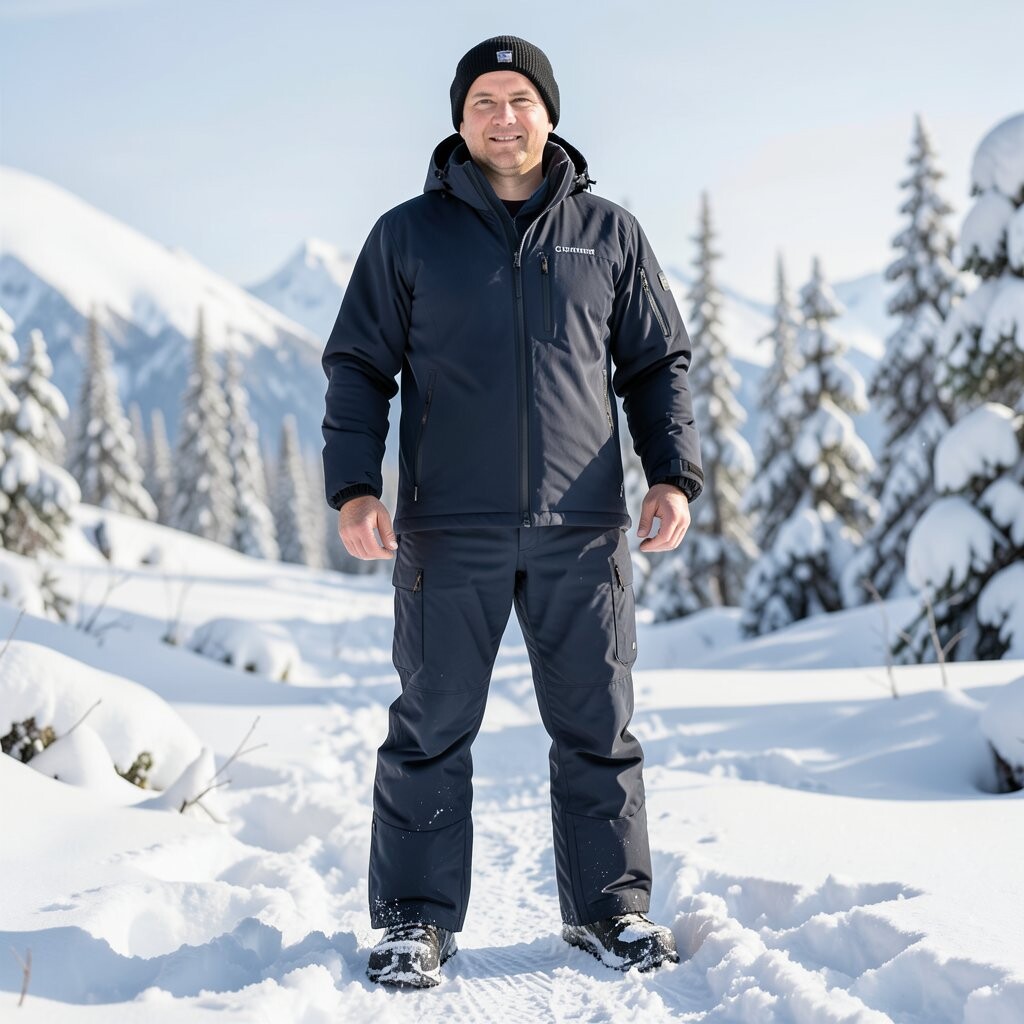
Waterproof snow pants help keep legs dry when you step into slush or deep snow. They also add warmth and let you kneel, sit, or hike without getting soaked.
They often have a smooth outer layer with a soft inside, so they feel sturdy but not too heavy. Some pairs cost less than a parka, and they are a smart buy for people who plan to spend a lot of time outside.
Look for ankle cuffs that fit over boots and zippers that make them easy to pull on. Many newer styles use a slimmer cut, so they look less bulky than older snow pants.
4. Thermal Leggings

Thermal leggings are a simple layer that can make cold days easier to handle. They fit under pants or snow gear and help keep legs warm without much extra weight.
Many come in soft black or dark blue, but some have calm prints for a bit of style. They are a low-cost choice and can be used for sleep, travel, or outdoor work.
If you want more comfort, try a pair with a wide waistband and flat seams. People often like them because they are easy to pack and useful in many cold places.
5. Fleece Midlayer

A fleece midlayer adds warmth between a base layer and a coat. It feels soft, dries fast, and works well when the air is cold but not extreme.
This item is liked for its light feel and easy care, since it can be washed and worn again often. Many fleece tops come in bright colors now, which makes them easy to spot in a group or on a trail.
Choose a zip-up style if you want quick venting when you get warm. If you want a neat look, pick a simple solid color that matches your outer gear.
6. Wool Socks Pack
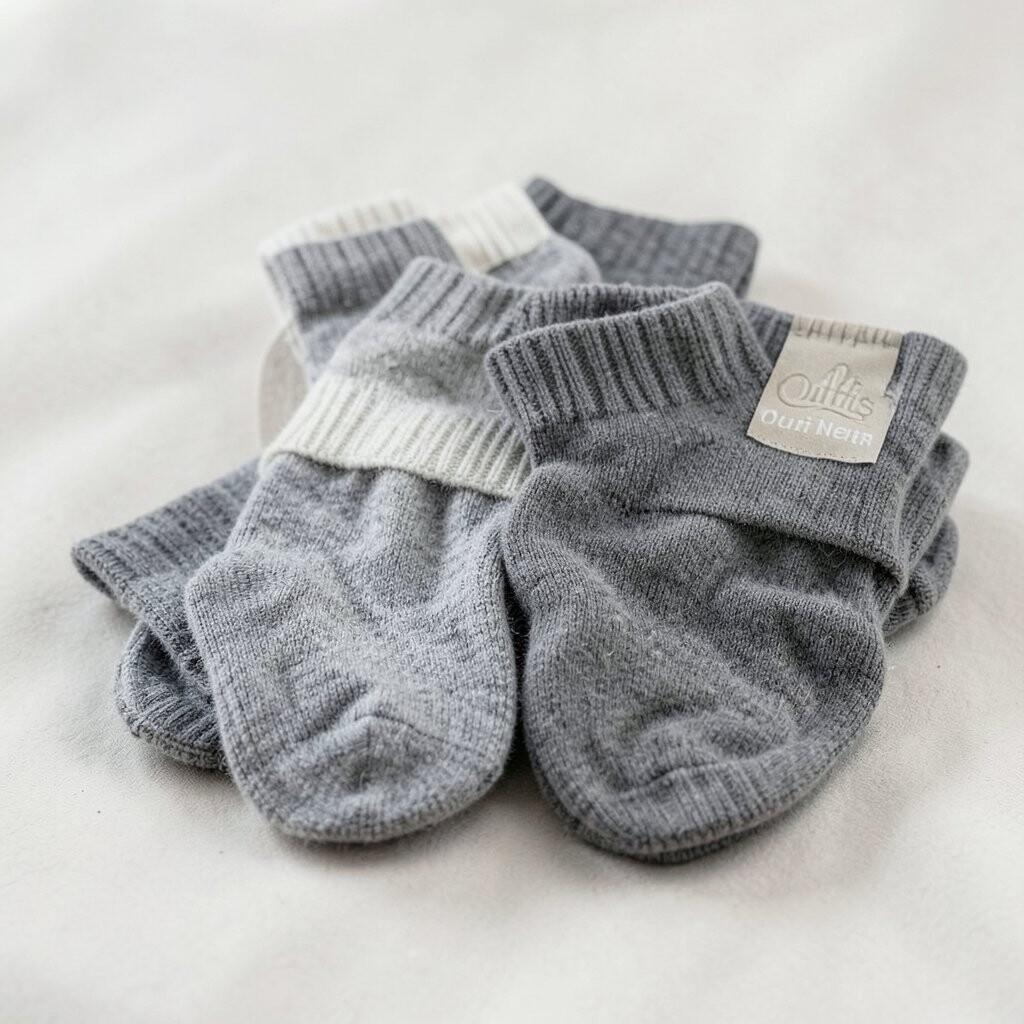
Wool socks are a must for cold Alaska days because they help keep feet warm and dry. They also reduce rubbing, which can help on long walks or trips with boots.
A good sock pack may cost a bit more than basic cotton socks, but the comfort is worth it. Thick socks in gray, cream, or dark green can also look nice when you take off your boots indoors.
Try a mix of thick and medium pairs so you can use them with different shoes. Many people now choose wool blends because they dry faster and hold their shape well.
7. Insulated Boots

Insulated boots are made for snow, ice, and cold ground. They often have a thick sole, a grippy bottom, and warm lining that helps feet stay dry and steady.
These boots can look rugged and simple, which makes them easy to wear with many outfits. They are often one of the higher-cost items, but they can matter a lot if you plan to walk outside for long stretches.
Look for boots with enough room for warm socks and a sole that does not slip on ice. Some people like tall boots for deep snow, while others pick shorter ones for easier walking.
8. Knit Hat

A knit hat helps keep heat from leaving your head. It is small, easy to pack, and one of the fastest ways to feel warmer outside.
This item comes in many styles, from plain cuffs to chunky ribbed knits. A simple hat is usually low cost, and it can add a soft touch to a cold-weather outfit.
Pick one that covers your ears well if wind is strong where you are going. Many people like neutral colors, but a bright hat can make winter clothes feel more fun.
9. Neck Gaiter

A neck gaiter is a tube of fabric that covers the neck and can pull up over the face. It helps block wind, snow, and cold air in a very easy way.
It is small, light, and easy to keep in a pocket, so it works well for changing weather. Some cost very little, which makes them a good extra item for anyone building a cold outfit.
Try one made from fleece or soft stretch fabric for a snug feel. Many people now use gaiters in place of old scarves because they stay in place better.
10. Heated Gloves
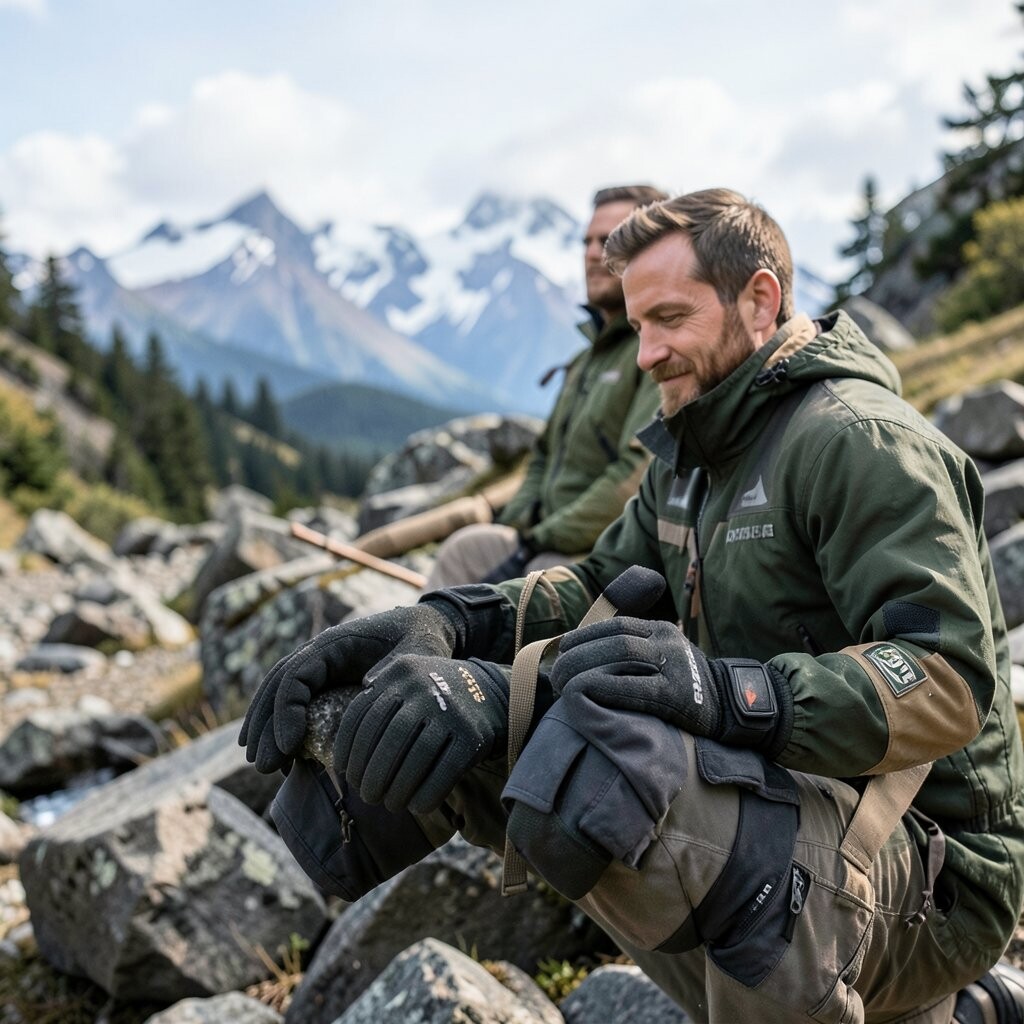
Heated gloves are made for people who get very cold hands. They use battery heat to add warmth and can help on long outings, photo trips, or ice fishing days.
They look a bit bulky, but newer pairs often have a cleaner shape than older ones. The cost is higher than basic gloves, yet many people feel the extra warmth is worth it in harsh weather.
When picking a pair, check battery life, fit, and how easy they are to charge. If you want less cost, a thick insulated glove can still work well for shorter trips.
11. Puffy Vest
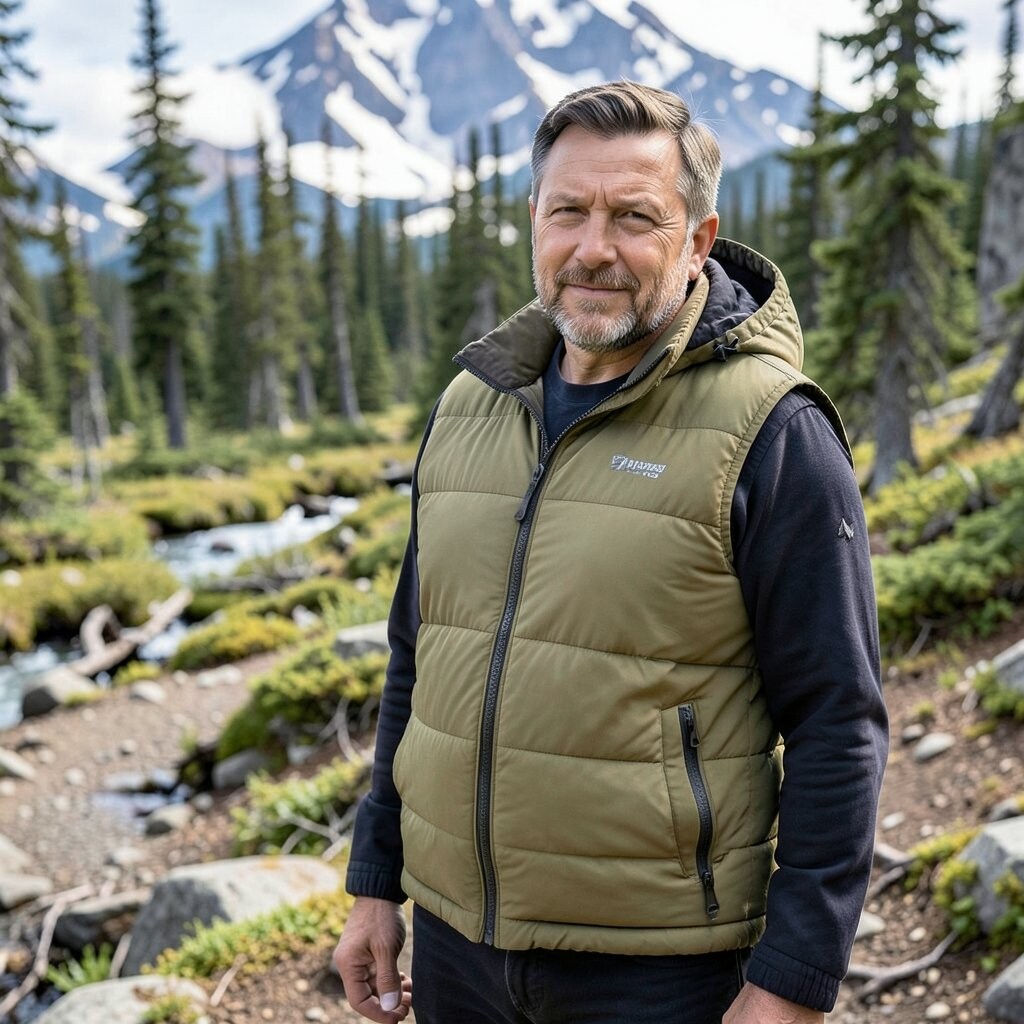
A puffy vest gives warmth to the core while leaving arms free. It works well over a fleece or under a coat when the day changes from cool to very cold.
This piece has a light, puffy look that is easy to spot and easy to layer. Vests are often cheaper than full jackets, so they can be a smart add-on for people who want more use from one outfit.
Choose a fitted vest if you want a cleaner shape, or pick a loose one for easy layering. Many people like earth tones now, since they pair well with boots, hats, and winter pants.
12. Shell Jacket

A shell jacket is a thin outer layer that blocks wind and wet snow. It does not add as much warmth as a parka, but it works well with layers under it.
This makes it useful for active days when you move a lot and do not want to overheat. A shell can cost less than a heavy coat, and it gives you more control over how warm you feel.
Look for taped seams, a good hood, and pockets that stay easy to reach with gloves on. Many shell jackets now come in simple shapes that fit well over both casual and outdoor clothes.
13. Layered Trail Outfit
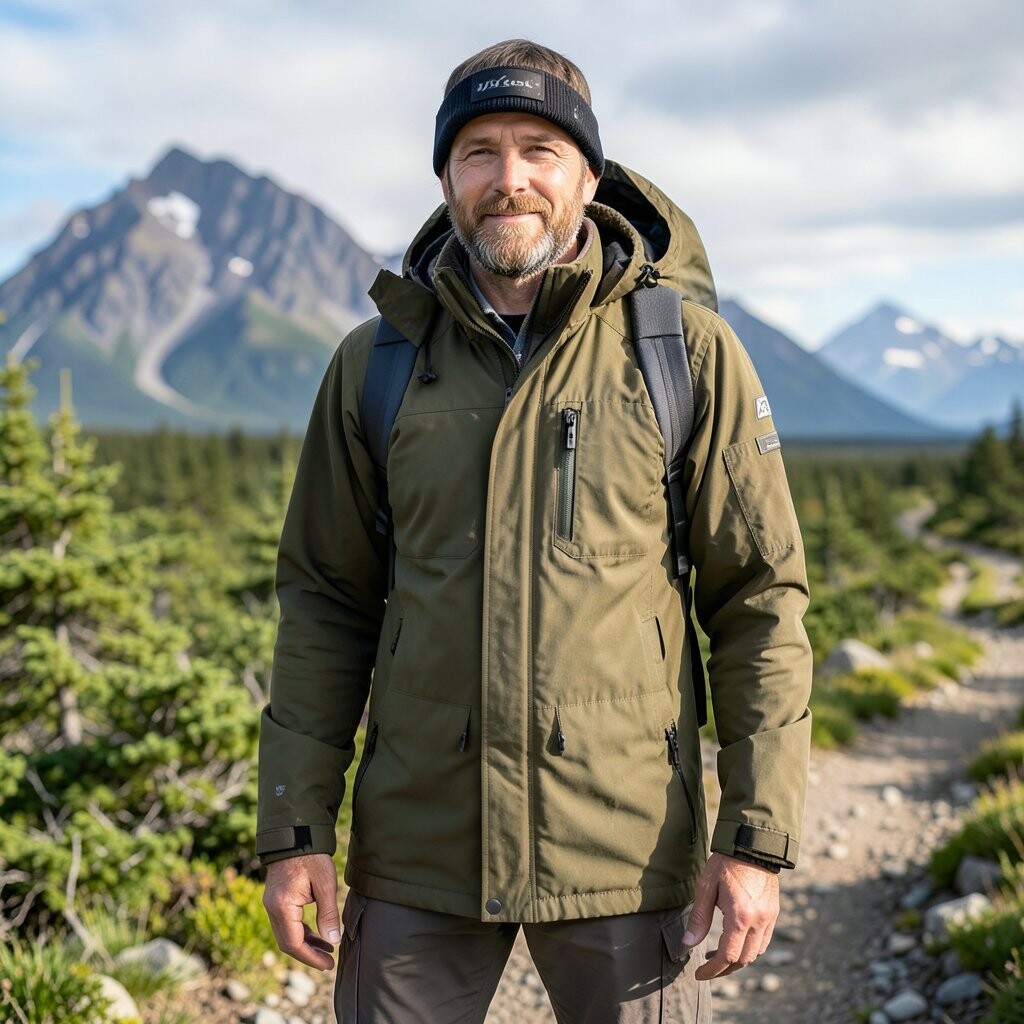
A layered trail outfit brings many cold-weather pieces together in one simple plan. It often includes a base layer, fleece, shell, warm pants, socks, boots, and a hat.
This kind of outfit is useful because you can add or remove parts as the weather changes. It can also save money over time, since you can buy each piece at your own pace instead of all at once.
To make it feel like your own, mix colors, choose the fit you like, and match gear to the trip you plan to take. This style is popular now because it looks neat, works in many settings, and helps people stay ready for cold Alaska days.