Shirt design can be a fun way to show style, share a message, or build a small brand. Good choices in color, art, and print style can make a shirt look neat and feel worth wearing.
1. Start With a Clear Idea

A shirt design works best when you know what it is for. It can be for a team, a small shop, a gift, or just a personal look.
Try to write down the main mood in plain words. You may want it to feel bold, calm, funny, clean, or soft, and that simple choice can guide the rest.
A clear idea also helps you avoid extra parts that do not fit. When the goal is easy to see, the final shirt often looks more neat and easy to wear.
2. Keep the Main Art Easy to Read
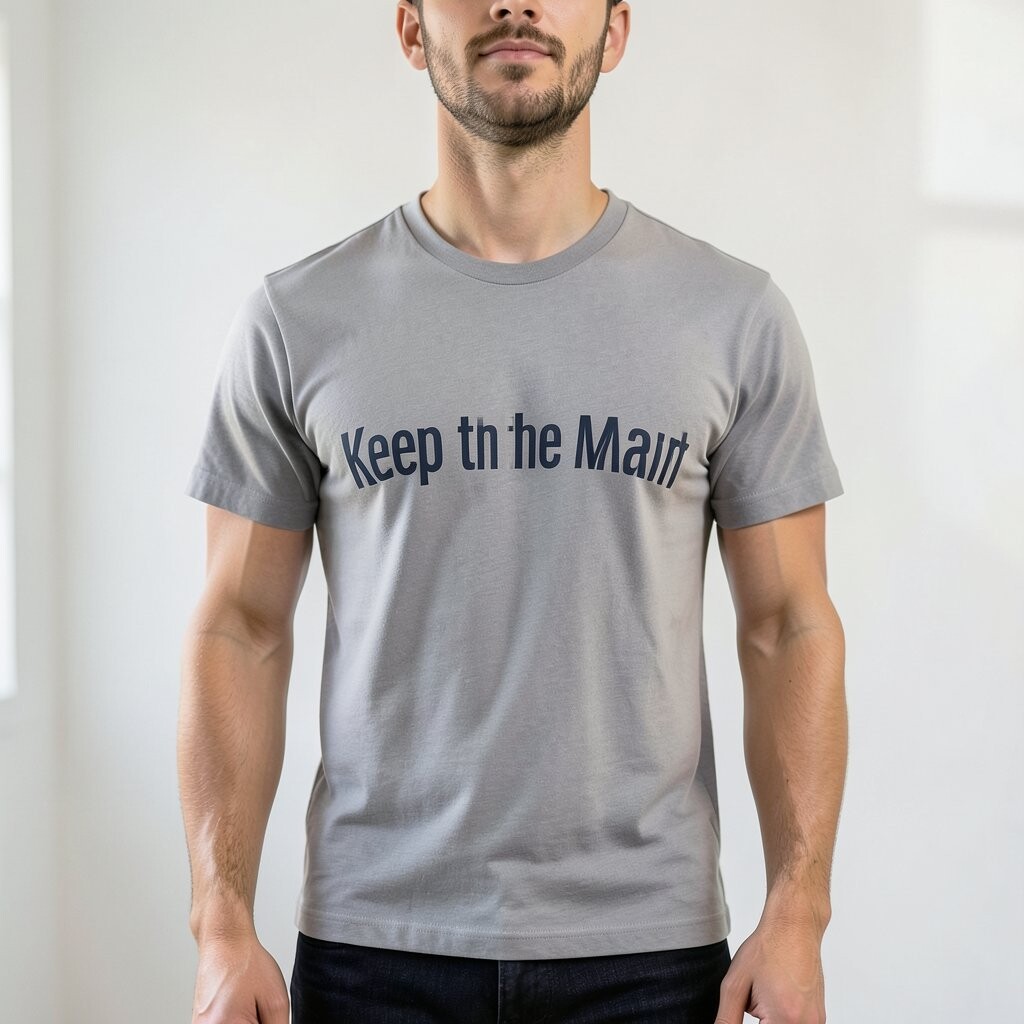
People often look at a shirt from far away, so the main art should be easy to spot. If the image or words are too busy, the design can feel messy.
Simple shapes, clean lines, and open space can help a lot. A shirt with one strong image often stands out more than one packed with too many parts.
This also helps with print cost, since simple art can be faster and easier to make. Many good shirts use less detail and still look fresh and smart.
3. Pick Colors That Work Well Together
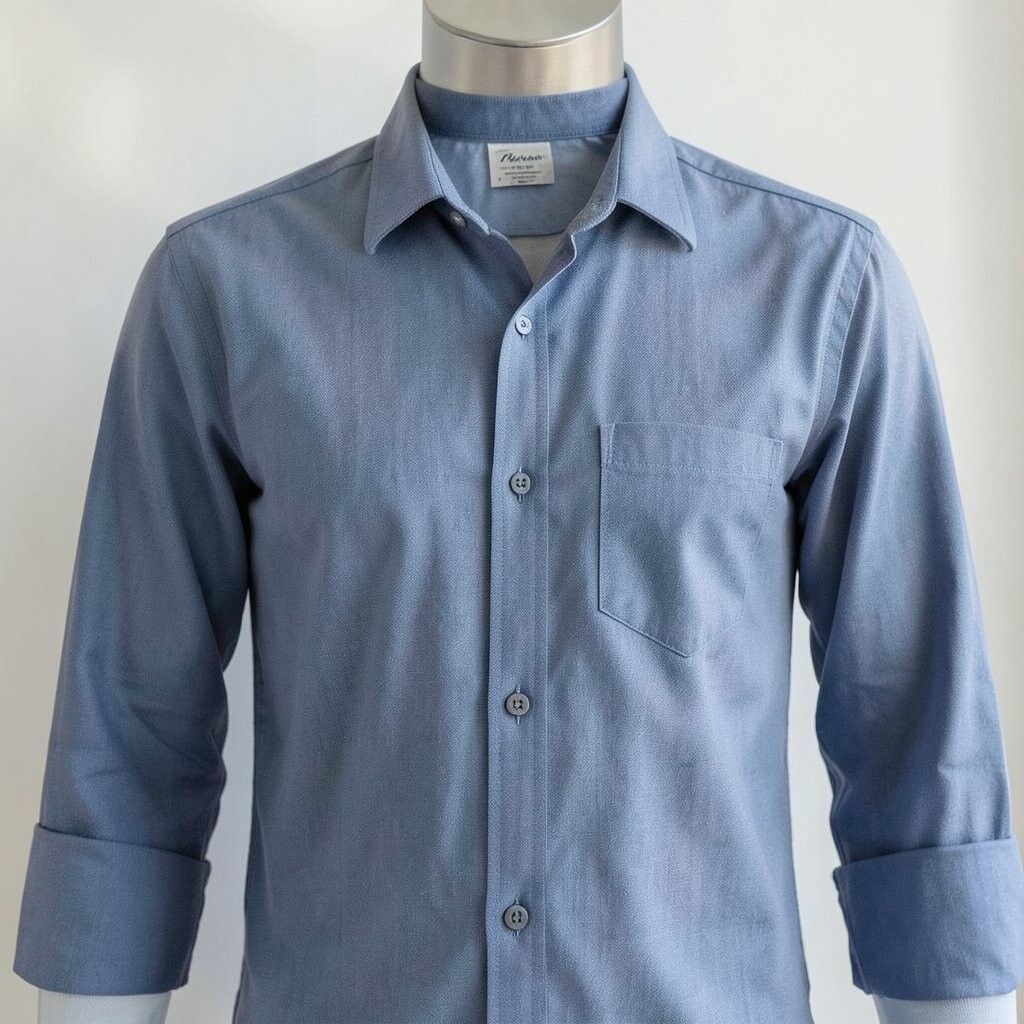
Color can change the whole feel of a shirt. Bright colors can feel fun and loud, while soft colors can feel calm and easy to wear.
Try to use colors that match the shirt cloth and the art. A dark print on a light shirt, or a light print on a dark shirt, often gives a clear look that people can see well.
It also helps to use just a few colors at first. Fewer colors can lower cost and make the design look more focused.
4. Use Fonts That Match the Mood

If your shirt has words, the font matters a lot. A bold font can feel strong, while a thin font can feel light and neat.
Make sure the words are easy to read at a glance. Fancy fonts may look nice on a screen, but they can be hard to read once they are printed on cloth.
Try a font that fits the subject and the people who will wear it. A good font can make the shirt feel more personal and more complete.
5. Think About the Shirt Color First

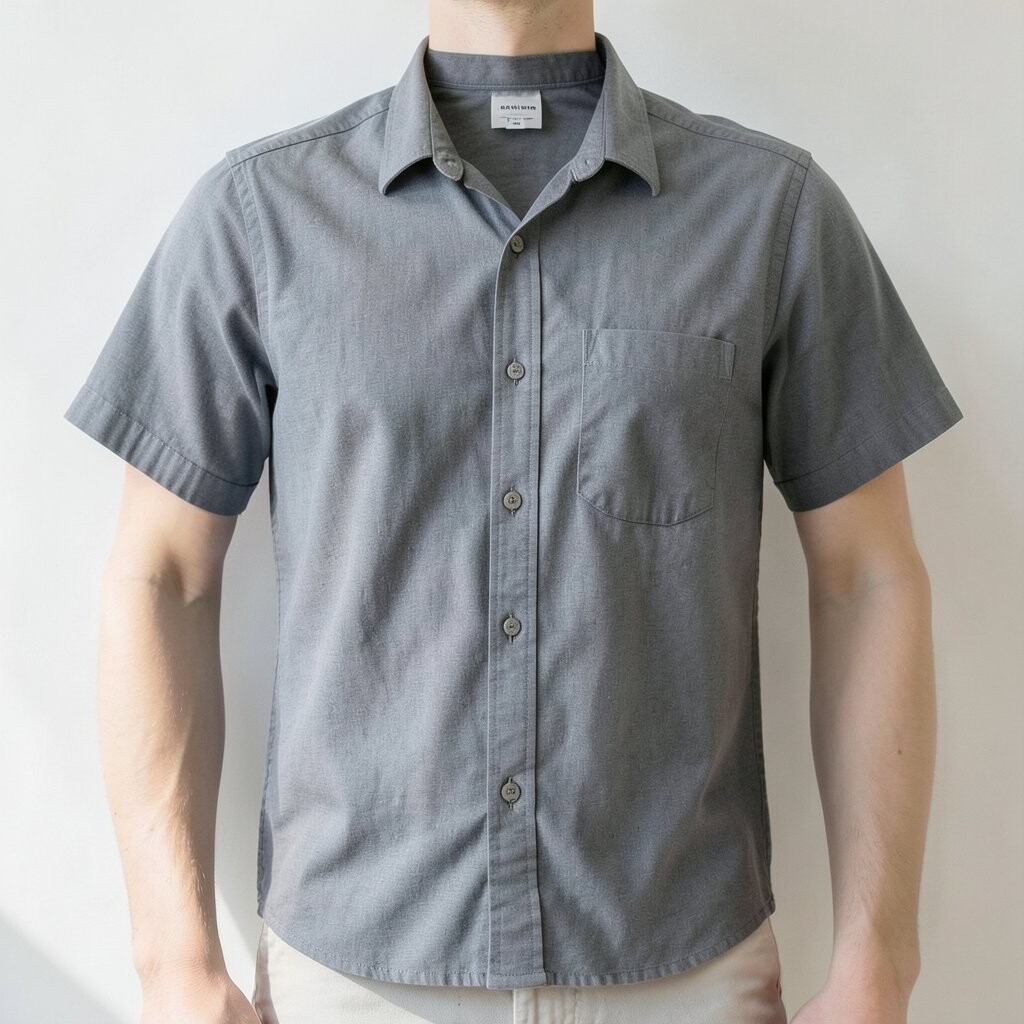
The shirt itself is part of the design. A design on a white shirt may look very different from the same design on black, gray, navy, or tan.
Choose a shirt color that helps the art stand out. If the shirt color fights with the print, the whole piece can look off.
Many trends use earth tones, washed shades, and soft neutral colors. These can feel modern and are often easy for people to wear with other clothes.
6. Make Room for Empty Space

Empty space is not wasted space. It gives the eyes a place to rest and can make the art feel more clean.
When a design has room around it, each part can stand out more. This can help a small logo, word mark, or graphic feel more careful and well made.
It may feel odd to leave parts blank at first, but this can make the shirt look better. Many shirts that seem simple from far away are strong because they do not try to fill every inch.
7. Add a Personal Touch
People like shirts that feel made for them. You can add a name, date, place, hobby, or short line that means something to the wearer.
Personal touches can make a shirt feel like a gift instead of just a product. That can help a design feel more special without making it too hard to print.
This is also a good way to make a small shop stand out. When people see a shirt that feels made for a real group or moment, they may want one for themselves.
8. Match the Design to the Print Method

Not every shirt design works the same way on every print method. Screen print, heat press, and direct-to-garment each have their own limits.
Fine lines, tiny text, and many color changes can be hard for some print types. If you know the method early, you can make smart design choices and avoid bad results.
This can also help with cost. A design that fits the print method well may cost less and look more sharp on the finished shirt.
9. Use Trends With Care

Trends can help your shirt feel current, but they should not take over the whole idea. A style that is hot right now may not last long.
Try small trend touches like a color set, a font style, or a layout shape. That way the shirt can feel fresh without looking dated too fast.
It is also smart to mix trends with your own style. A shirt that feels a bit different from what everyone else makes can be more fun to wear and easier to remember.
10. Test the Design at Real Size

A shirt design may look great on a screen and still fail on cloth. Always check how it looks at the size it will be printed.
Words may become too small, and details may blur if the art is shrunk down. A test print or mockup can show these problems before you spend more money.
This step can save time and cost in the long run. It also helps you make a shirt that people can enjoy right away instead of one that needs fixing later.
11. Think About Who Will Wear It

A good shirt design should fit the people who will use it. A shirt for kids, fans, workers, friends, or customers will each need a different feel.
Think about what they like to wear in daily life. If the design feels too loud, too plain, or too niche, people may skip it even if the art is nice.
When you know the audience, you can make better choices about color, words, and shape. This helps the shirt feel more useful and more personal at the same time.
12. Mix Art and Words in a Smart Way
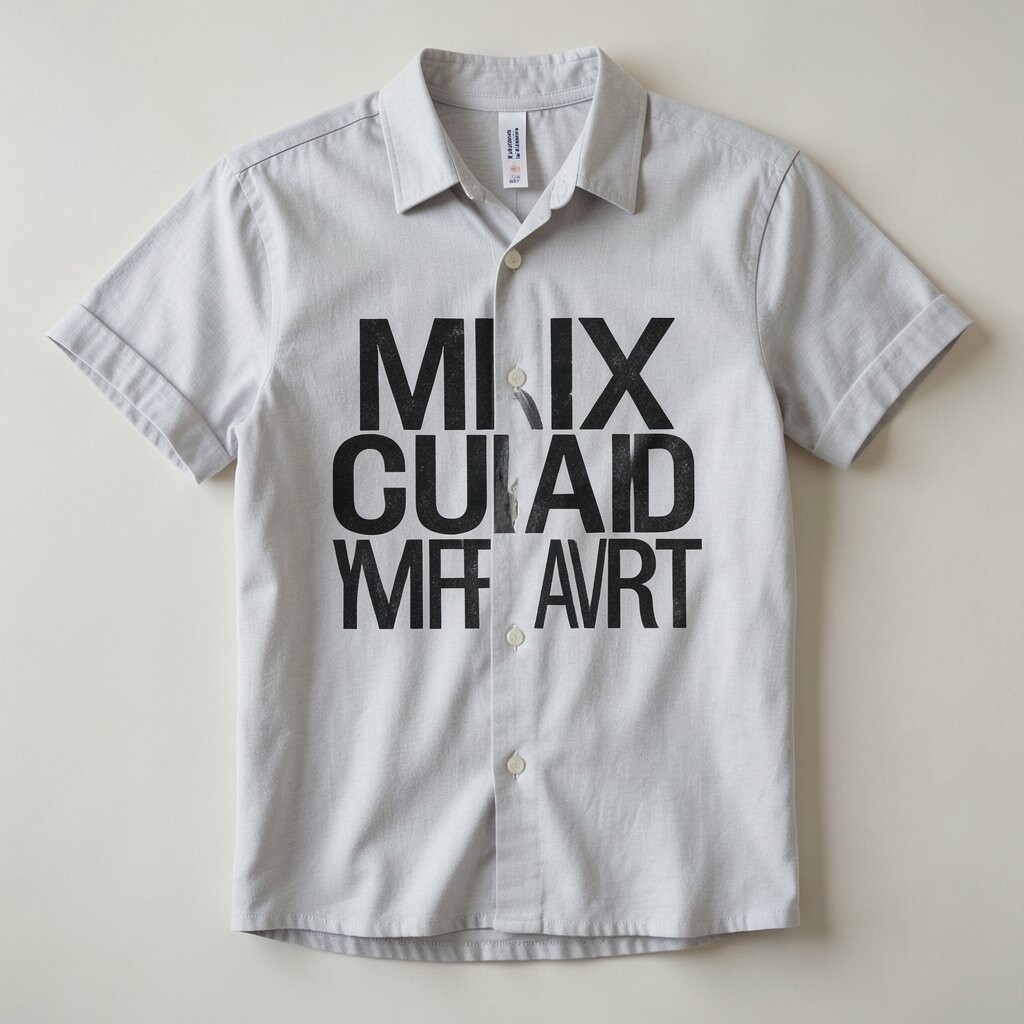
Some of the best shirts use both images and text. The key is to make sure they work as one piece instead of two parts fighting each other.
Try placing the words where they help the art, not where they block it. A short line under an image or inside a shape can feel neat and easy to read.
This can also add meaning to the shirt. A picture may catch the eye, while the words explain the idea and make the design feel more unique.
13. Watch the Print Budget
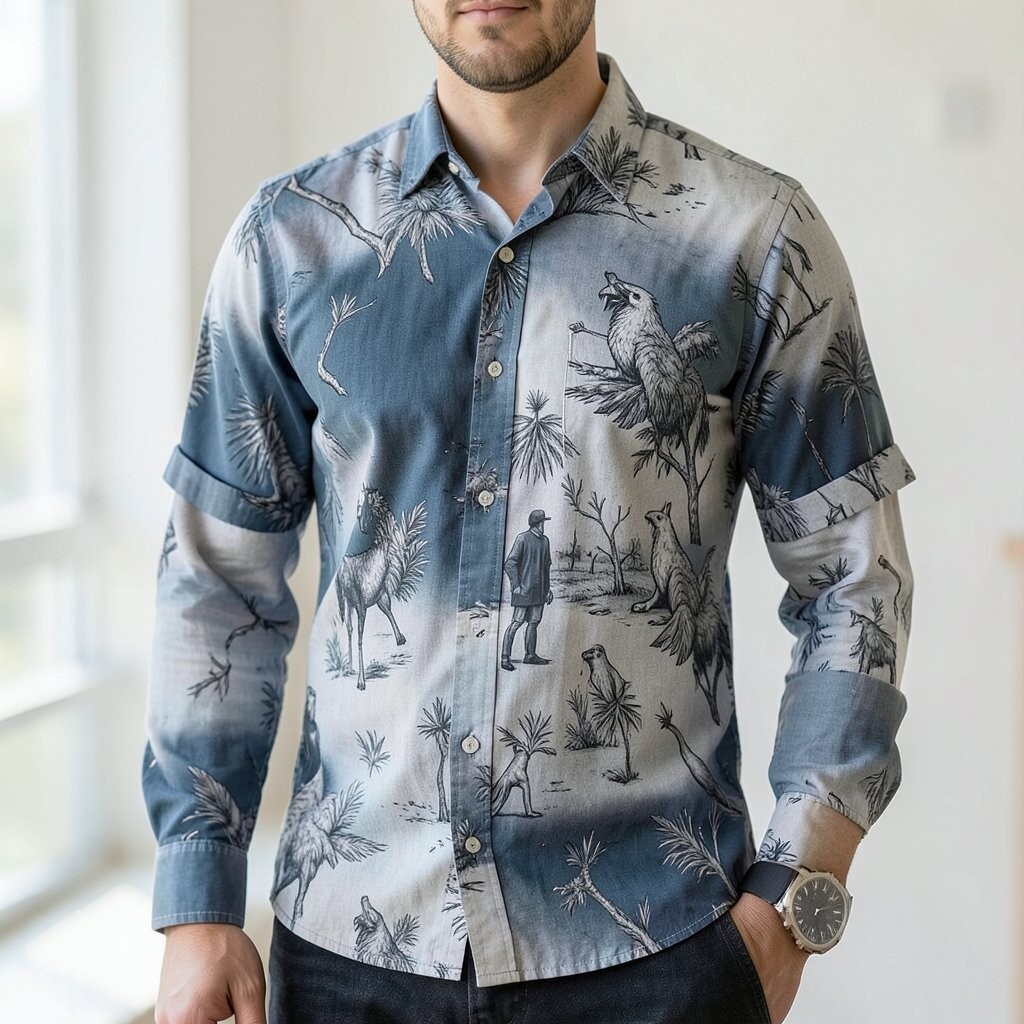
Good shirt design is not only about looks. It also needs to fit the money you want to spend.
More colors, more print steps, and more detailed art can raise the cost. If you keep the design simple, you may save money and still get a shirt that looks strong.
This is helpful for small runs, gifts, or first tries. A smart design can look good without using more than you need.
14. Check Quality in Every Detail
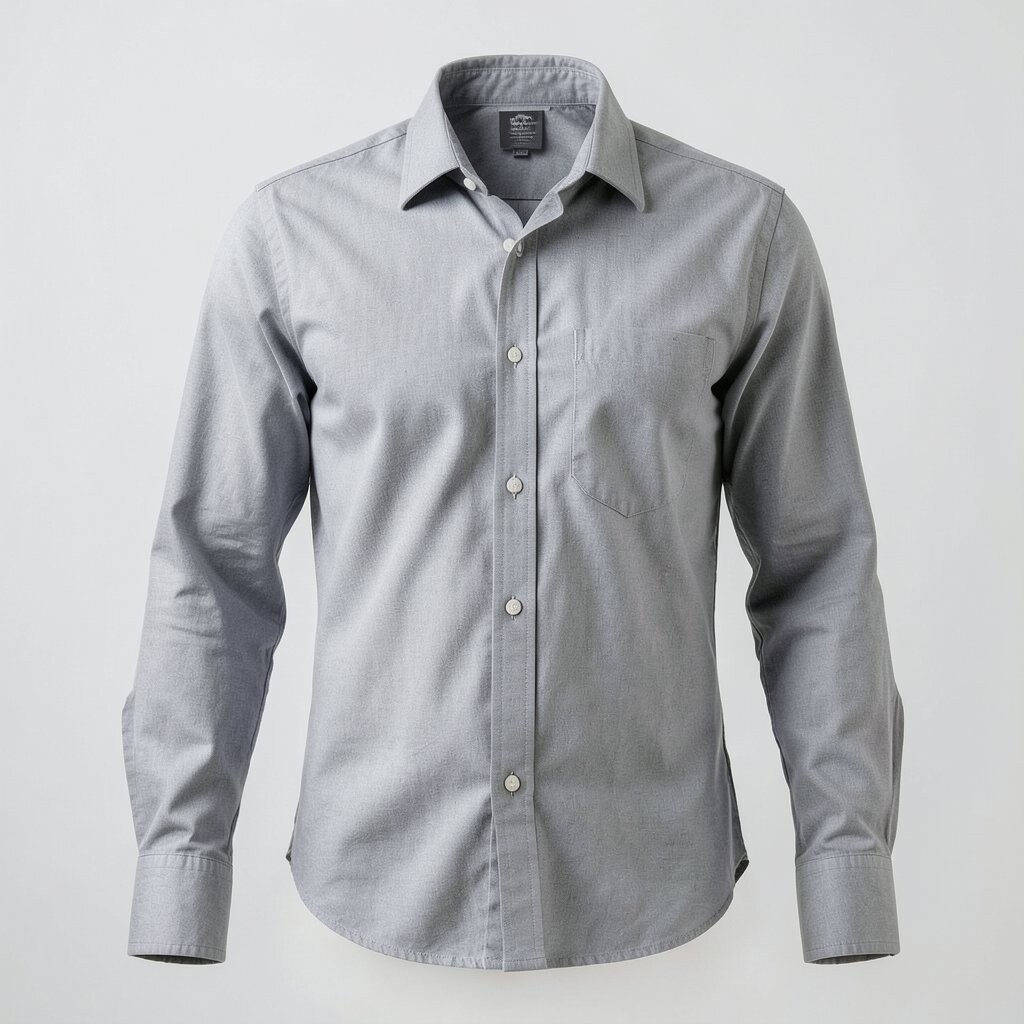
Small details can change how a shirt feels. Clean edges, even spacing, and sharp lines can make the design look more careful.
Look closely at the art before you print it. A tiny mistake in spacing, size, or color can stand out once the shirt is worn.
Good quality also helps the shirt last longer in the eye of the wearer. People often enjoy a shirt more when it feels neat and well planned.
15. Keep Making Small Changes

Shirt design often gets better through small edits. You may need to move a word, change a color, or cut one part that does not help.
Try to get feedback from friends, customers, or team members. A fresh pair of eyes can spot things you missed and help the shirt feel more balanced.
Over time, these small changes can help you build a stronger style of your own. That is how many good shirt ideas grow from simple drafts into designs people enjoy wearing.