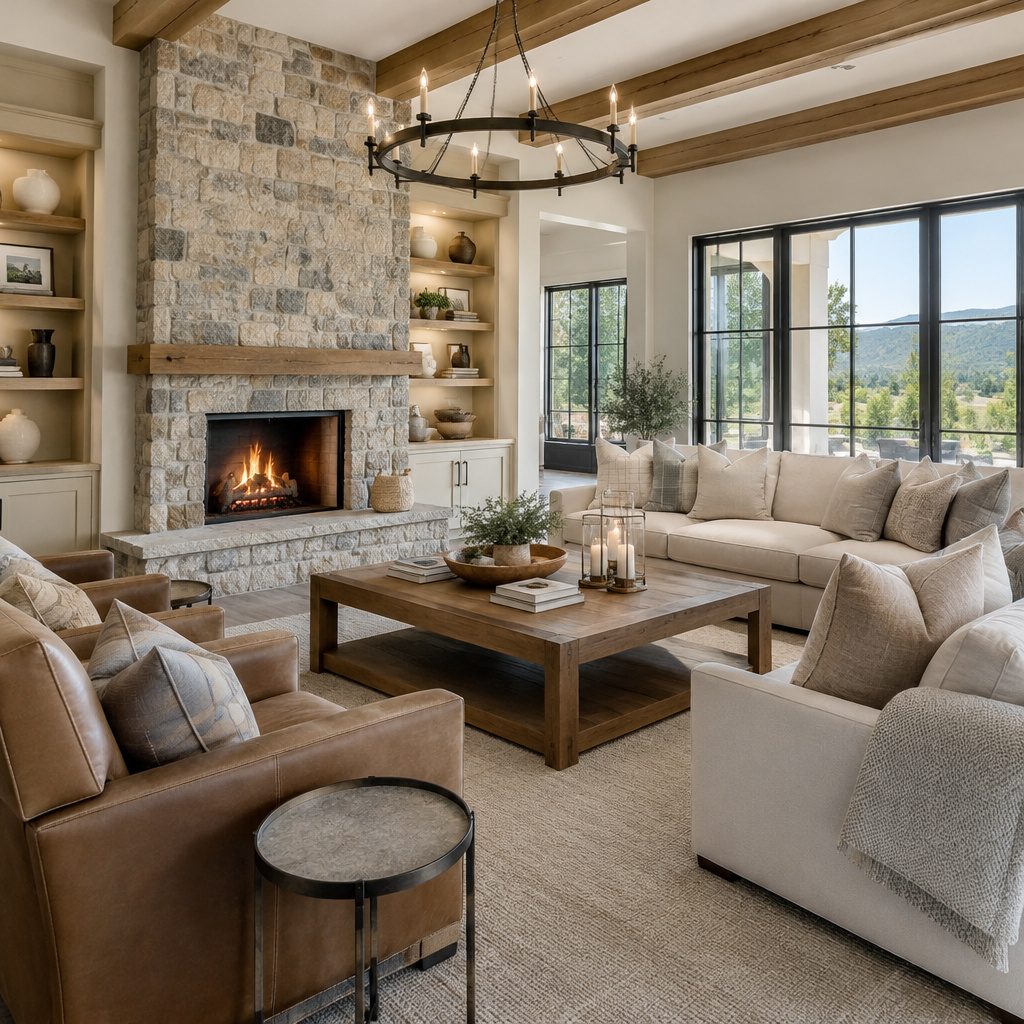
Good light can make even a busy room feel calmer. The best part is that many brightening ideas cost little and feel great right away.
1. Swap to Warm Bright Lighting
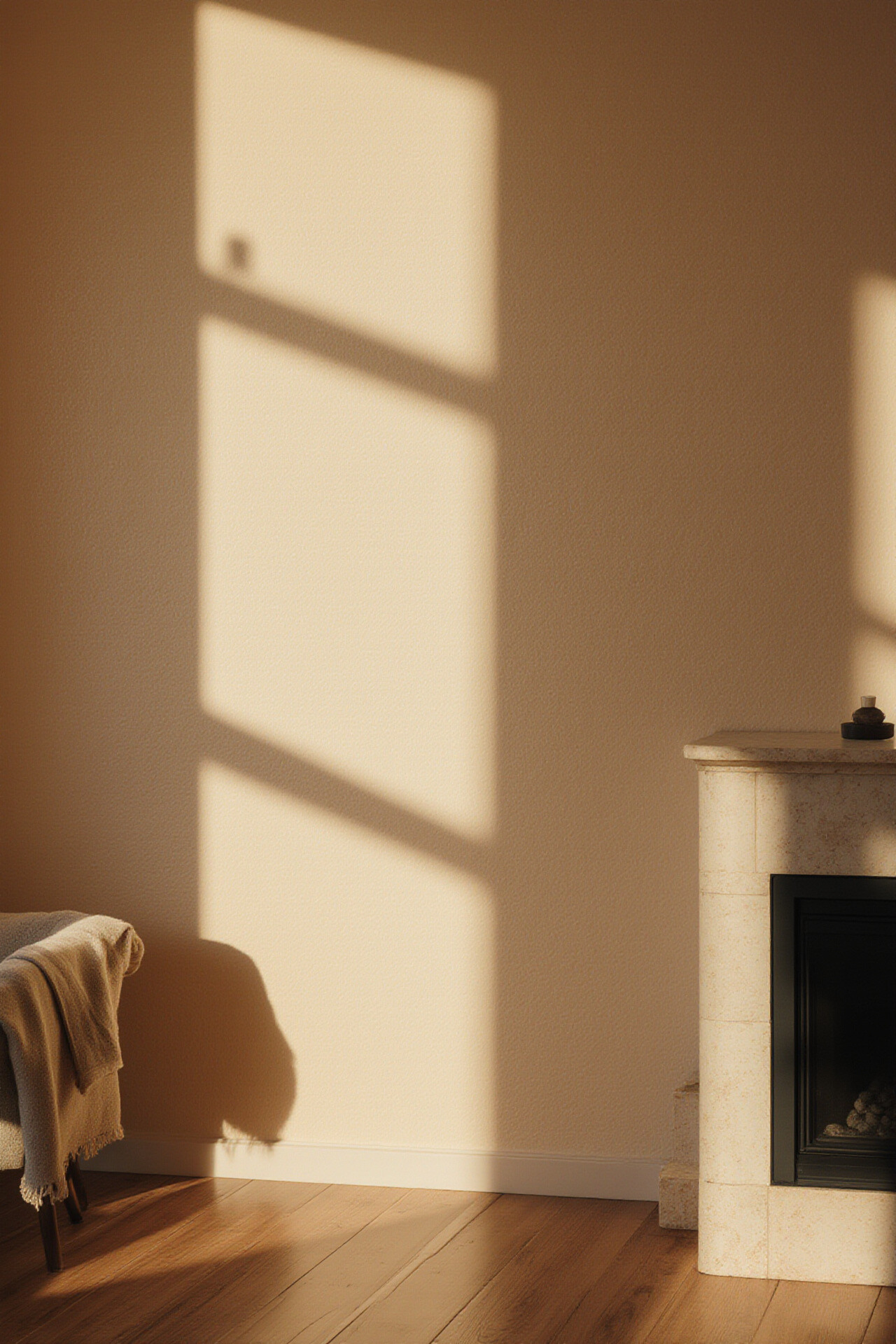
Start with a lighting plan that fits how your family actually lives. Use warm white bulbs to keep the room cozy even when it feels brighter.
Try a mix of overhead light and lamps so shadows don’t steal the shine. Look for bulbs labeled around 2700K to 3000K for a soft glow. If you have dimmers, they help you brighten for fun and soften for movie nights.
2. Add Layered Window Treatments
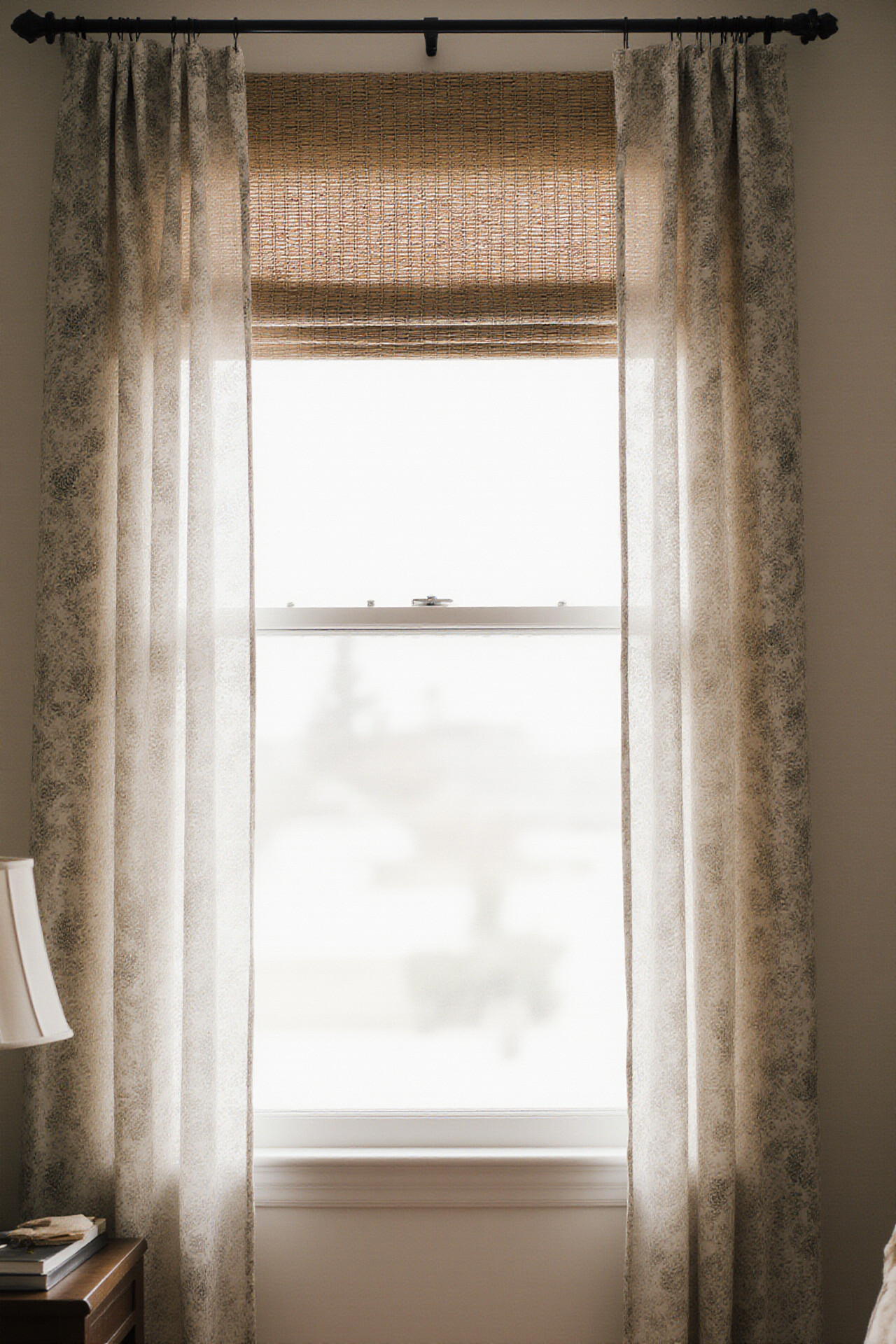
Bright rooms usually start at the windows, because daylight sets the tone. Combine sheer curtains with heavier drapes for control without losing softness.
Sheers help diffuse harsh sun, while drapes give privacy and glare protection. Choose light colors like cream or pale beige so the daylight reflects instead of getting swallowed.
If you need more privacy, add a second sheer layer or use a roman shade with a light backing. For small spaces, mount curtains closer to the ceiling to make the windows feel taller. This trick also keeps the room feeling airy.
3. Paint in a Light, Family-Friendly Color
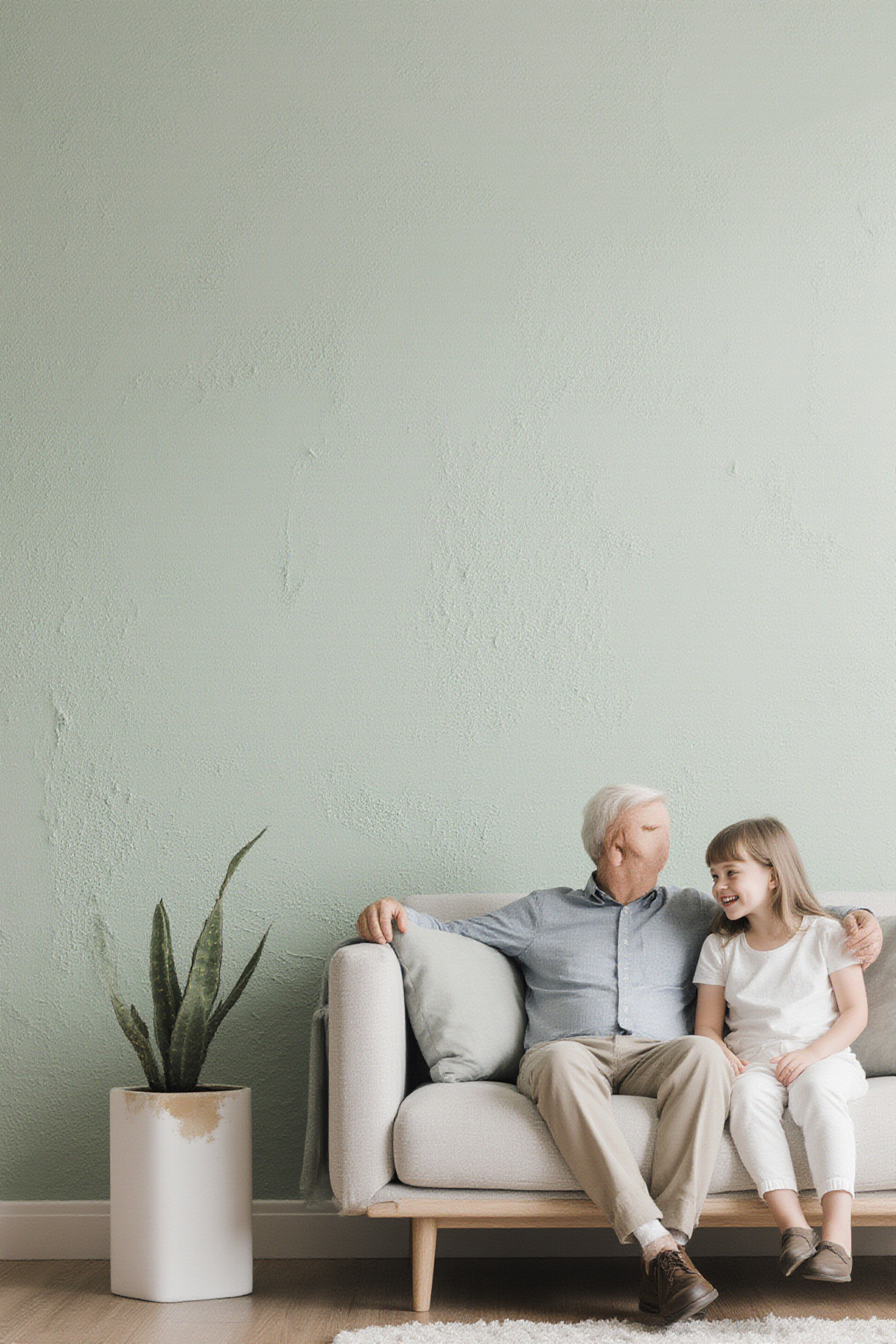
A fresh coat is one of the fastest ways to brighten a family room. Pick a light shade with a hint of warmth so it doesn’t feel cold or sterile.
Colors like soft ivory, pale greige, or warm light gray can bounce light around the space. Consider washable paint and a satin or eggshell finish for easy cleanup.
Before buying, test samples on two walls and watch them at morning and evening. You’ll avoid surprises when the light changes during the day. A slightly warmer undertone can also make skin tones look natural.
If you worry about stains, use a scrubbable formula and spot-prime scuffs quickly. For personalization, paint one wall a gentle accent color, like dusty peach or light sage. Keep the rest of the walls bright to balance the look.
4. Use Mirrors to Bounce Light
Mirrors are like instant light switches when placed in the right spot. Position one across from a window so it reflects daylight back into the room.
Choose a frame that matches your style, such as wood for cozy warmth or black metal for a cleaner look. If the room feels cluttered, a large mirror can visually tidy the space by adding depth. For best results, hang it at about eye level or slightly higher.
5. Choose Reflective Surfaces and Metals
Small changes in shine can make a big difference in brightness. Add touches of reflective surfaces where light naturally hits, like table lamps or picture frames.
Look for finishes such as brushed nickel, chrome accents, or glass tabletops. A mirrored tray on a coffee table can hold candles and small items while making the room feel more open. Even shiny ceramic vases can brighten empty corners.
Keep it balanced so it doesn’t feel too sparkly. Two to four reflective items in a room is often enough to boost light without overwhelming the space. When you swap just one dull accessory for a brighter one, the effect adds up fast.
6. Refresh the Color of Upholstery and Textiles
If your sofa is dark, the room will look dim no matter how many lamps you add. Swap cushions, throws, or even the sofa cover for lighter tones.
Choose fabrics that work for families, like stain-resistant blends or performance weaves. Light colors can still be practical when they’re designed to handle everyday life.
Try layering textures like oatmeal knit, light linen, or subtle pattern so brightness doesn’t feel flat. A removable slipcover makes updates easier over time.
If a full replacement is too expensive, start with two pillow covers and one throw. That small refresh can make the whole seating area feel new. Pair light textiles with darker wood accents for contrast.
For personalization, select a pattern that matches your family’s personality, such as gentle stripes or modern geometric shapes. Keep the main colors light and use deeper shades only as accents.
7. Style with Height: Curtains, Shelves, and Art
When everything is low, a room can feel heavy and shadowy. Add height through tall curtains, vertical wall shelves, and artwork that reaches upward.
Hang curtains closer to the ceiling and extend them wider than the window for a bigger, brighter feel. Tall shelves can display books and décor that catch light on their edges.
Choose frames with slim profiles and place items with varied heights so the eye moves. This movement makes the room look lively rather than dim. If you’re starting small, try one tall print above the sofa.
8. Replace or Refinish Dark Wood
Dark wood furniture can absorb light, especially in rooms with limited windows. If refinishing sounds scary, start with a lighter finish on just one piece.
Consider a warm white or honey-toned stain to keep the grain visible. You’ll brighten the look while still feeling grounded and natural. If refinishing isn’t an option, paint select pieces a light color instead.
For a practical route, replace hardware like knobs and pulls to modern finishes. Light metal hardware can make dressers, media consoles, and side tables look fresher. This is usually a budget-friendly change with a strong visual payoff.
To keep the room from feeling too “matchy,” mix wood tones carefully. Pair a lighter console with darker picture frames or a warmer rug. Your space will feel curated without needing a full redo.
9. Pick a Bright Rug with Smart Pattern
A rug anchors the seating area, so its color strongly affects how bright the room feels. Choose a light rug with enough pattern to hide everyday wear.
Look for off-white with soft stripes, gentle dots, or subtle medallions for interest. The pattern prevents the rug from looking stained even when life gets messy.
For practical tips, select a rug with a low pile if you have kids, pets, or lots of foot traffic. Consider a rug pad for comfort and to keep it from shifting.
If you love color, pick a light base with brighter accents rather than a dark foundation. That keeps the room open while still showing personality.
Measure first and leave a border for furniture legs so the room looks intentional. A correctly sized rug also makes the space feel more spacious, which boosts brightness.
10. Use Light Curtains Instead of Heavy Drapes
If your current window coverings feel bulky, switching can make the room feel instantly airier. Light curtains let daylight travel deeper into the space.
Choose airy sheers or semi-sheer panels in a warm white tone. You can still add privacy with blinds underneath if needed. For a clean look, hang them with a rod that sits a bit wider than the window.
11. Add Cozy Texture with a Bright Throw
Texture makes bright spaces feel inviting instead of bare. A bright throw can add both comfort and visual lift to your sofa or chairs.
Pick a throw in a light color like cream, pale blue, or soft green. Look for chunky knits or smooth faux fur depending on your style.
Keep it easy to use by choosing a machine-washable fabric, especially for family rooms. Fold it at the end of the couch so it looks styled but ready for movie nights.
For personalization, match the throw to your season, like warmer beige in winter and lighter cotton colors in spring. When you change just the throw, the room feels refreshed without a full makeover.
12. Refresh the Wall Layout with Open Space
Sometimes brightness issues come from clutter and heavy wall arrangements. Give your walls breathing room by simplifying shelves and moving larger décor slightly away from corners.
If you have many small items, group them so they look intentional instead of scattered. Larger spacing makes each piece reflect more light and reduces visual “noise.”
Consider moving the largest artwork or mirror to the brightest wall. When the main focal point catches light, the whole room feels lifted.
13. Upgrade to a Brighter Paint Finish and Trim
Paint isn’t only about color; the finish can change how light behaves. Matte finishes absorb light, while eggshell and satin finishes bounce it more.
Use a brighter sheen on trim and baseboards to create crisp edges that reflect light. This helps the room look cleaner and more structured. Choose paint that is made for homes with kids and frequent cleaning.
For a subtle “wow” effect, brighten the ceiling too. A slightly lighter ceiling color can make walls look taller and more open. If ceilings are already light, a top coat can still even out scuffs and shadows.
14. Make a Gallery Wall with Clear Spacing
Gallery walls can brighten a family room when they use lighter frames and varied shapes. Choose frames in white, light wood, or brushed metal for a fresh look.
Use photos, prints, and simple line art to keep it personal without adding darkness. Lay everything out on the floor first so spacing feels balanced.
Leave consistent gaps between pieces and avoid overcrowding. The goal is to let light pass through the wall area visually. If you want a practical tip, use removable hanging strips for easy rearranging.
15. Add a Light Plan for the Media Corner
Family rooms often dim around the TV area, because glare and shadows fight each other. A dedicated lighting plan makes the corner feel bright and comfortable.
Place a lamp beside or behind seating so light lands on faces, not just on walls. Consider a low-glare bulb and aim light downward or toward a wall.
Try LED strip lights behind the TV for a soft “glow” effect, especially during evenings. Keep brightness moderate so it doesn’t distract from the screen. For safety, use clips and cable management so cords stay tidy and out of the way.
16. Style with a Fresh Color Palette and Repetition
Brightness lasts longer when your colors work together instead of competing. Choose a simple palette with one main light color, one warm neutral, and one accent.
Then repeat the accent in small places like pillows, art, or a vase. Repetition helps your eye move calmly, which makes the room feel brighter.
If your room currently has many unrelated colors, start by picking one favorite accent and swapping only a few items. Gradual changes reduce cost and still make the space feel cohesive.
For current trend vibes, many people pair light neutrals with gentle greens, soft blues, or muted terracotta. These tones brighten without feeling loud, and they feel friendly for families.
17. Upgrade to Brighter, Airier Furniture Layouts
Even great décor can’t fix a layout that blocks light. Arrange furniture so pathways stay open and windows are not obstructed.
If possible, float the seating slightly away from walls and avoid placing tall furniture in front of windows. This creates depth and helps daylight reach more surfaces.
Consider a lighter-colored sofa or chair fabric, even if you keep the same furniture shape. Keep bulky pieces spaced out so the room doesn’t feel cramped. When you make the room “breathe,” it looks brighter instantly.
18. Bring In Plants and Natural Light-Friendly Decor
Plants add freshness and height, and they also make bright rooms feel more alive. Choose light-loving plants like pothos, snake plant, or a cheerful fern.
Use planters in bright neutral colors or terracotta with a light glaze so they reflect light. Group plants near windows, and rotate them weekly for even growth.
For practical décor, add natural items like woven baskets for remote storage or a light wood tray for clutter control. This keeps the room tidy and helps brightness show through. Trends right now favor organic textures, so rattan, linen, and ceramic accents fit perfectly.