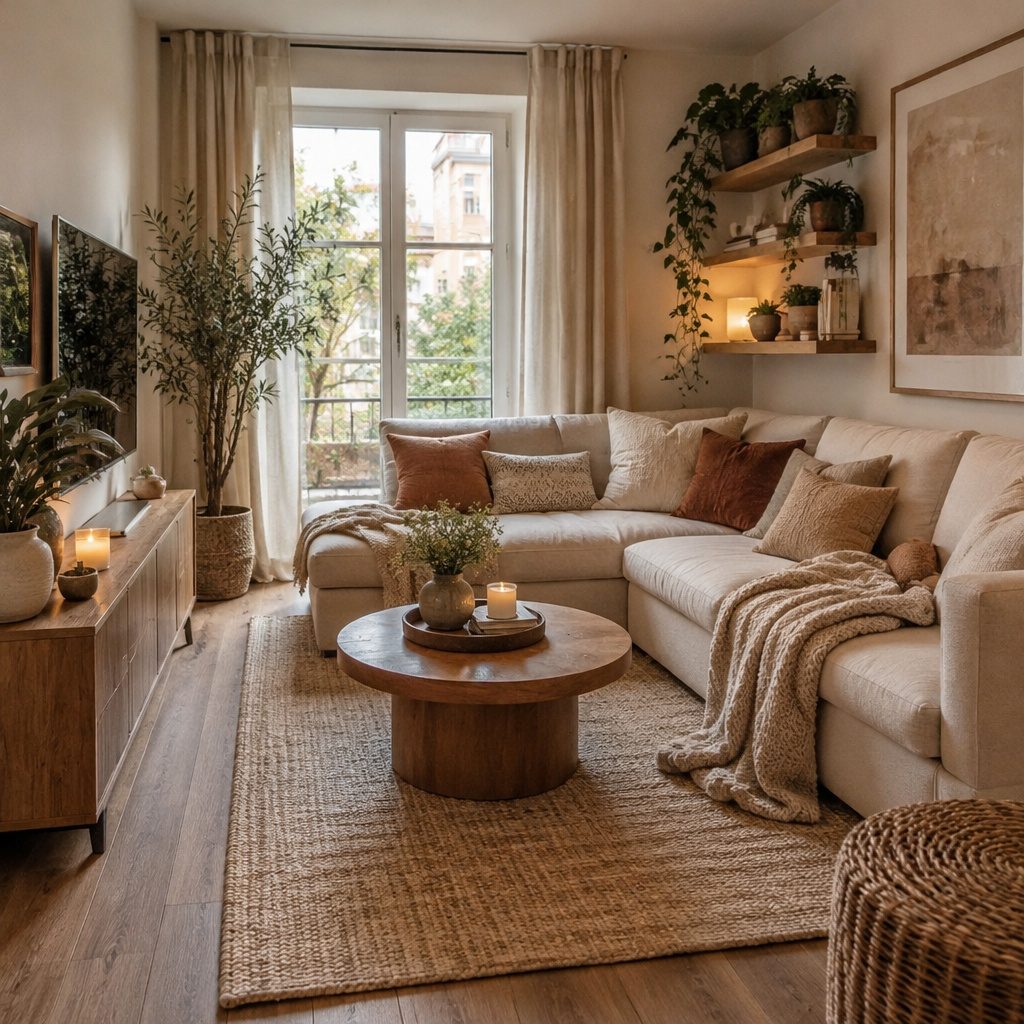
Small living rooms can feel like a hug when the details are right. Cozy design is mostly about light, texture, and smart layout choices.
1. Layer Soft Textiles Like a Cozy Nest
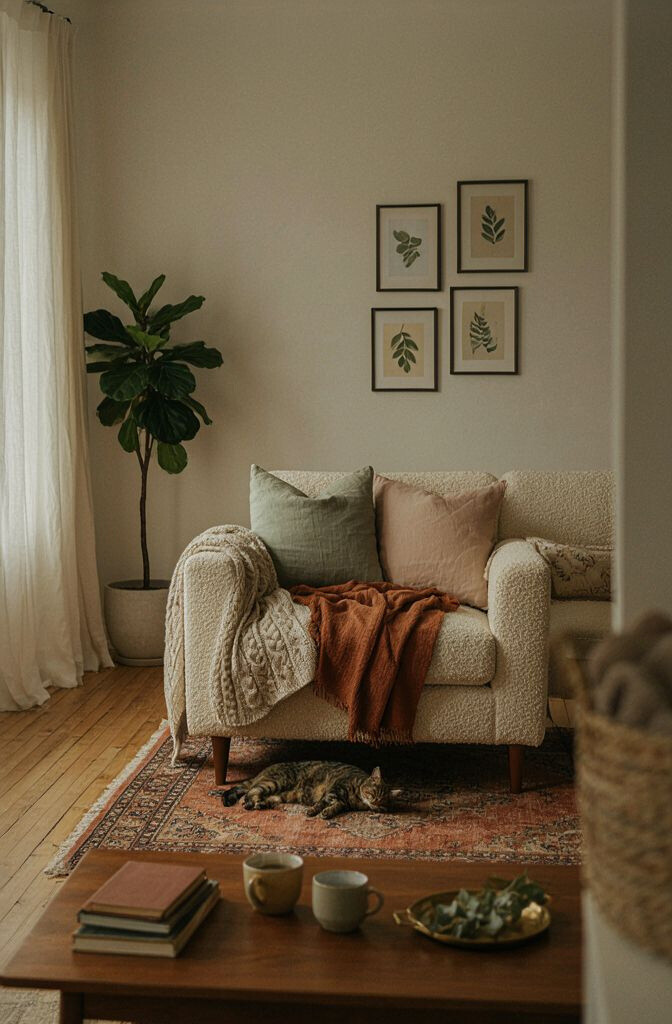
Start with a throw blanket and a couple of cushions you actually want to touch. Then add a soft rug that anchors the room and makes bare floors feel inviting.
Choose fabrics with different textures, like knit, fleece, and velvet, so the room feels rich without clutter. Stick to a warm color story such as cream, caramel, and muted rust. If your budget is tight, shop for one standout throw and build the rest with seasonal accents.
2. Pick Warm Lighting Over Harsh Overhead
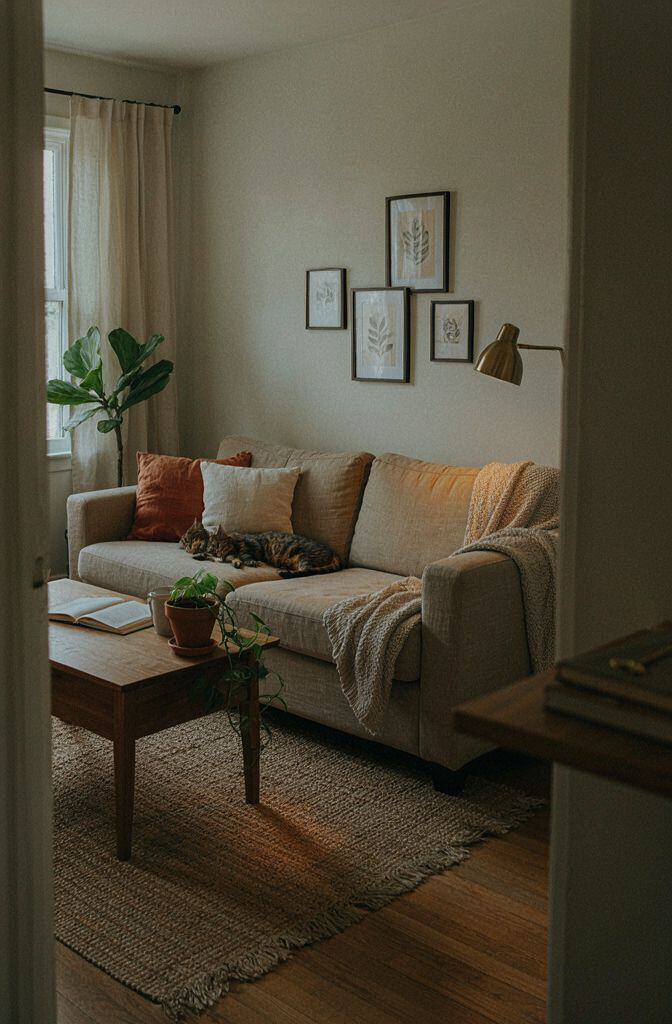
Lighting can change your mood faster than almost anything else in a small room. Swap bright ceiling bulbs for warmer tones and softer lampshades.
Place a floor lamp near the seating and a table lamp on a side surface for layered glow. Use dimmable bulbs when possible so you can shift from daytime brightness to nighttime calm. Consider candles in glass holders for short, supervised bursts of extra warmth.
In small spaces, avoid glare by keeping lampshades slightly larger than the lamp base. A cheap upgrade is changing the bulb color temperature to around 2700K to 3000K. This is a current trend too, because many people now design for “evening comfort” rather than only daytime visibility.
3. Create a Reading Corner With a Small Chair
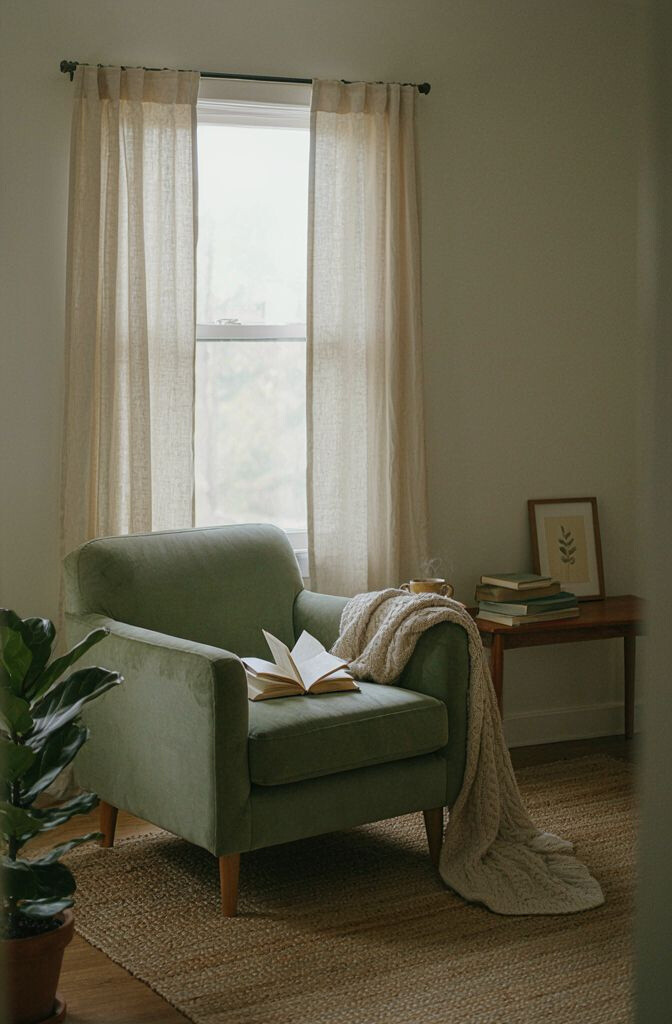
Even one cozy chair can make your living room feel like a special place. Choose a chair that fits your space and add a side table within arm’s reach.
Top the chair with a cushion, then add a lamp and a small basket for blankets. Use wall space nearby for a shelf or framed print so the corner looks finished. Try a compact accent chair with rounded edges to soften the room visually.
When you measure first, you avoid the common mistake of blocking pathways. If you rent, place the corner around a window or existing outlet so you don’t need extra drilling. For personalization, add a small tray that holds a mug, coasters, and a book or two.
Budget-wise, you can mix new and used by buying the chair new and sourcing accessories secondhand. The unique part is how the corner changes the vibe of the whole room, even when it’s tiny.
4. Use a Coffee Table That Doubles as Storage
A clutter-free small room looks warmer instantly. Choose a coffee table with drawers or a lift-top so remote controls and blankets stay hidden.
Keep the top surface simple with one tray, one candle, or a small vase. This creates calm while still letting your style show through. If you can’t find storage furniture, use a basket under the table to tuck away essentials.
5. Hang Curtains Higher and Let Them Puddle a Little
When curtains are hung near the ceiling, the room looks taller and more elegant. Pick a fabric that drapes well so it adds softness instead of stiffness.
Go wider than the window so the fabric can stack naturally and make the space feel dressed. Choose warm neutrals or deep muted tones like olive or cocoa for a cozy effect. In a small room, sheer panels can still work if you layer them with a thicker curtain.
Measure carefully and install the rod a little above the frame. This is a simple, budget-friendly trick that feels “designer” without needing major changes. For personalization, tie the curtain back with a fabric ribbon or use decorative rings that match your hardware.
6. Build Warm Color Harmony With One Main Palette
Pick one main color palette and let everything else support it. Warm neutrals like beige, sand, and soft brown make the room feel calm and steady.
Choose one deeper accent, such as terracotta or dark green, and repeat it in pillows, art, or a rug pattern. Keep the remaining colors muted so your eyes can rest. A small room often looks best when the palette is limited, because it reduces visual noise.
7. Style the Walls With Framed Art in a Tight Cluster
Empty walls make a small living room feel unfinished, even if everything else is cozy. Use framed art to add warmth and personality without taking up floor space.
Create a cluster of two to five frames and keep their sizes compatible. Try a mix of prints and photos, then choose frames in one finish like black, walnut, or brass. Leave consistent spacing between frames so the layout looks intentional.
To personalize, use local prints or family photos in warm tones. If you’re working on a budget, swap store-bought frames with thrifted ones and paint them to match. This trend of “gallery wall warmth” is popular because it adds character without needing big renovations.
8. Add a Textured Rug With a Soft Underfoot Feel
A rug can turn a small room from “just furniture” into a real living space. Look for textures like wool, jute with a soft top, or a plush low pile that feels good underfoot.
Choose the right size so the rug reaches at least under the front legs of your sofa. This helps define the seating area and keeps the room from feeling scattered. For tips, vacuum regularly and rotate the rug to prevent uneven wear.
9. Float Shelves for Functional Warmth
Open shelving can warm up a room when it’s styled thoughtfully. Floating shelves add function and keep items visible, so you can reach for what you need.
Style shelves with a few books, a small plant, and one decorative object that matches your palette. Use baskets or boxes on the shelf for anything you want to hide, like extra chargers or board games. This makes the room feel cozy while staying organized.
If you rent, keep shelves simple and use proper anchors. For cost considerations, start with one shelf and expand if you love the look. The uniqueness comes from blending daily-use items with beauty, so your room feels lived-in in a good way.
10. Choose Curved Furniture for Softer Lines
Sharp corners can make small rooms feel more cramped. Curved sofas, accent chairs, or round side tables create gentle movement and visual ease.
Look for compact curved pieces that match your layout, especially near windows or in traffic paths. Pair a curved chair with a round tray for serving, which keeps everything cohesive. This kind of design is trending because it makes modern rooms feel friendlier and less boxy.
To personalize, choose upholstery with subtle pattern or a warm tone, then add a matching throw. Budget-wise, you can keep big purchases neutral and spend on soft accessories. The practical benefit is that curved shapes help rooms feel more open, even when they’re small.
11. Make a Small Fireplace Moment With Candles or an Insert
A cozy focal point makes everything else feel more intentional. If you have a fireplace, style the mantel with warm items, and if you don’t, create the vibe another way.
Try an electric insert, a faux mantel, or a candle set arranged like a fire scene. Add a couple of lanterns and a textured tray so the area looks styled, not temporary. Keep scents gentle and safe if you use fragrance.
For practical tips, keep décor low and stable so you can still place a drink or book nearby. Use warm metals like brass or copper for a rich glow. This idea is unique because the “fire feeling” adds comfort even when the weather is mild.
Cost varies, but battery lanterns and candle holders are often the quickest and most affordable. Add a framed photo above the mantel to personalize the look.
12. Layer Window Light With a Sheer + Curtain Combo
Natural light is cozy, especially when it’s softened. Layer sheer curtains with thicker drapes so you get gentle daylight without glare.
This setup also helps with privacy while keeping the room bright. Choose sheer fabric in warm white to avoid a cold, gray feeling. If you want easy personalization, vary curtain lengths slightly so the layers look rich.
13. Use One Statement Pillow to Anchor the Seating
Too many pillows can look busy, but one statement pillow can look perfect. Pick one pattern or rich color and place it where you’ll see it most when you sit.
Use solid cushions as the supporting cast in complementary tones. Aim for soft sizes so the seating still looks inviting rather than crowded. This is a practical way to personalize without redoing furniture.
Budget-wise, it’s cheaper to swap covers than buy new pillows. Keep a spare cover you love so you can rotate styles with the seasons. The unique feel comes from making one design choice the “hero” instead of scattering attention everywhere.
When you style, adjust the angles so the pillow looks intentional, not dropped. That small detail makes a big difference in a tiny living room.
14. Style a Small Tray for Quick, Cozy Organization
Cozy rooms feel effortless, and organization is part of that. A small serving tray creates a designated spot for everyday items and helps surfaces look neat.
Place it on the coffee table or a side table with a candle, coasters, and a small vase. Keep everything in one color family so it matches the room palette. This is also easy to refresh when you want a new look.
15. Add a Compact Plant to Bring Life Indoors
A plant adds softness and a fresh feeling to any small living room. Choose one plant that fits your light level and your maintenance comfort.
Pair the plant with a warm-toned pot, like terracotta or matte ceramic. If you don’t have much floor space, use a small stand or a shelf placement. For practical tips, rotate the plant weekly so it grows evenly.
Budget considerations are flexible because you can start with a small cutting or a low-cost variety like a pothos or snake plant. The unique part is how greenery makes the whole room feel softer, especially alongside textiles and warm lighting. If you’re worried about care, pick a plant that tolerates neglect and looks good even when it’s not perfect.
16. Choose Curtains and Upholstery in Warm Neutral Tones
Warm neutrals make small rooms feel grounded and comforting. When your base colors are gentle, even bold accents look calmer.
Look for upholstery in oatmeal, taupe, or soft tan, then add contrast with darker wood or metal details. This helps your room feel cohesive rather than pieced together. Personalize by selecting a fabric with a subtle pattern that adds depth without overwhelming the space.
17. Create a Cozy Lighting Grid With Multiple Small Sources
One light is rarely enough for a cozy living room. Build a “lighting grid” using several small sources to create balanced brightness.
Use a table lamp, a floor lamp, and maybe a small wall sconce or LED strip behind décor. The benefit is that shadows soften and the room feels more welcoming. Keep bulbs warm and consider dimmers to control the mood.
This is a current trend because it supports evening living, not just daytime tasks. If you want to keep costs low, use affordable lampshades and update bulbs first. Personalization happens when you choose fixtures that match your style, like rustic lantern shapes or sleek modern bases.
For practical placement, aim lights toward walls or curtains to bounce glow around the room.
18. Soften the Space With Wood, Rattan, or Woven Details
Natural materials instantly add warmth, even in a small room. Look for wood side tables, woven baskets, or rattan-style accents to make the space feel inviting.
Mix textures without overthinking it: try a woven lamp shade, a rattan tray, or a basket for blankets. These pieces help the room feel cozy because they add visual texture and natural color. If you want a cost-effective approach, add one woven item and keep the rest neutral so it stays the star.