Exposed brick can look warm and simple when it is cared for in the right way. Small mistakes can make it look rough, dirty, or out of place.
1. Skip a Full Check Before You Start
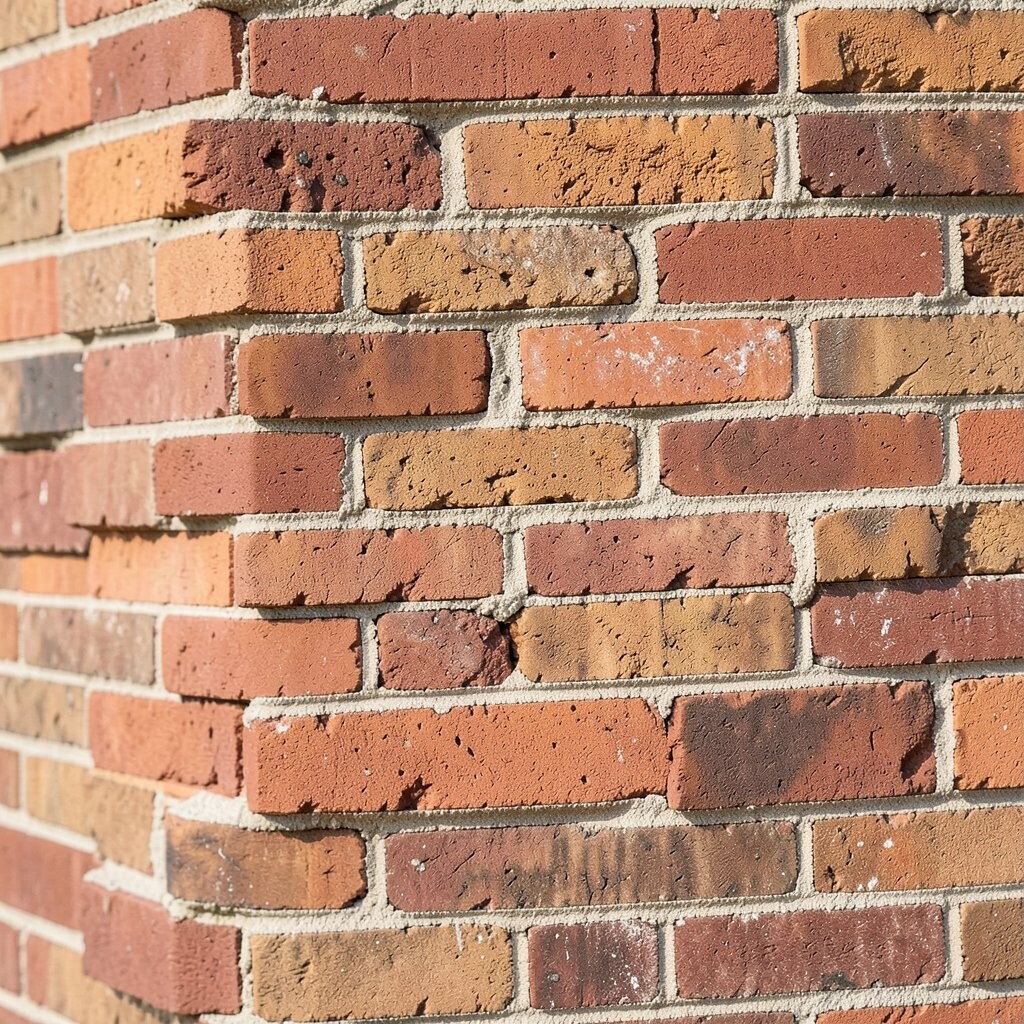
Many people rush into brick work without looking at the wall closely first. That can lead to loose mortar, water marks, or cracks that stay hidden until the job is done.
Take time to look at the whole wall in clear light. Check for soft spots, crumbly joints, stains, and old paint that may need help before you do anything else.
A full check can save money later because it helps you know what work is really needed. It also gives you a better sense of the wall’s true look, which helps you plan a style that fits the room.
2. Clean Too Hard and Damage the Surface
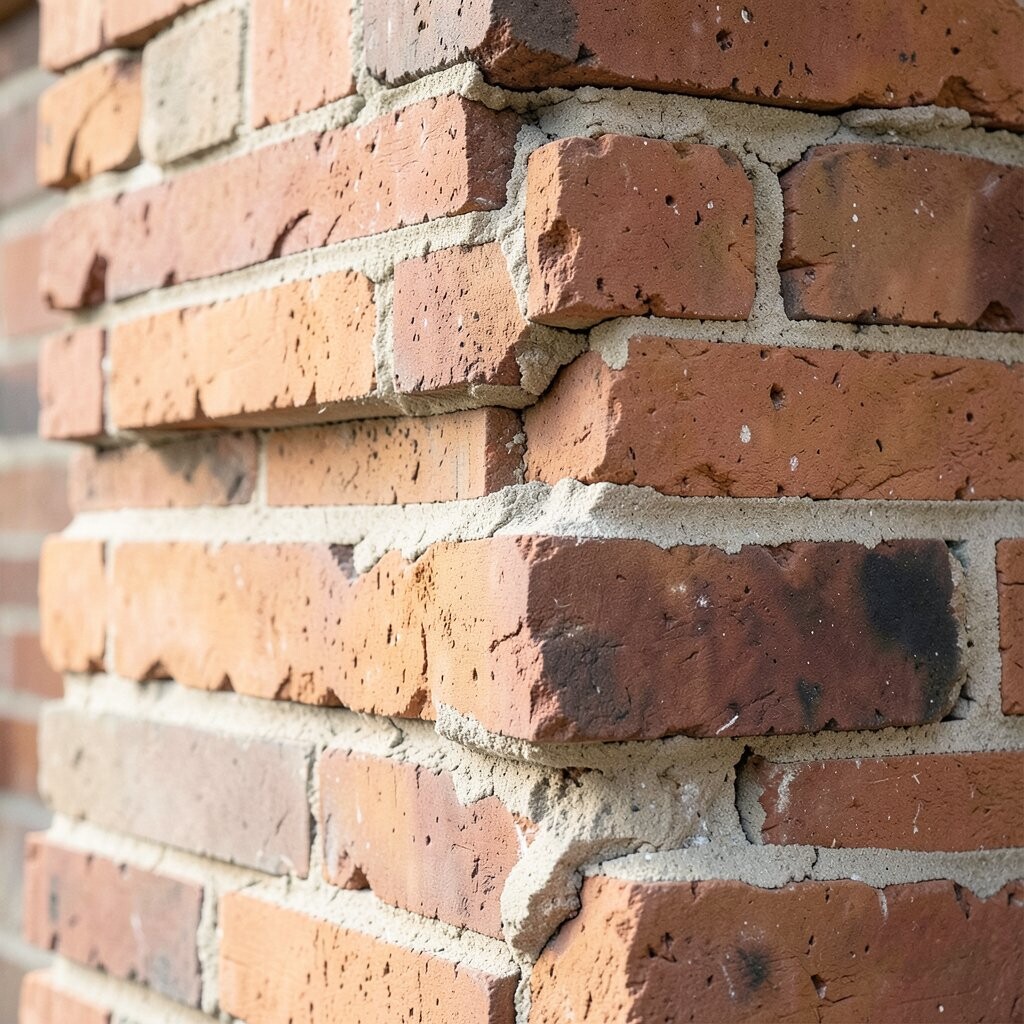
Brick has a rough skin that can be hurt by harsh tools or strong cleaners. If you scrub too much, the face of the brick can wear down and lose its natural look.
Use soft brushes, mild soap, and warm water for most cleaning jobs. If the wall has old grime, try a small test spot first so you can see how the brick reacts.
A clean wall can make a room feel brighter and more cared for, but only if the brick stays safe. Gentle cleaning also helps keep the color rich and even, which is a big part of what makes exposed brick look good.
3. Leave Old Paint and Dust Behind
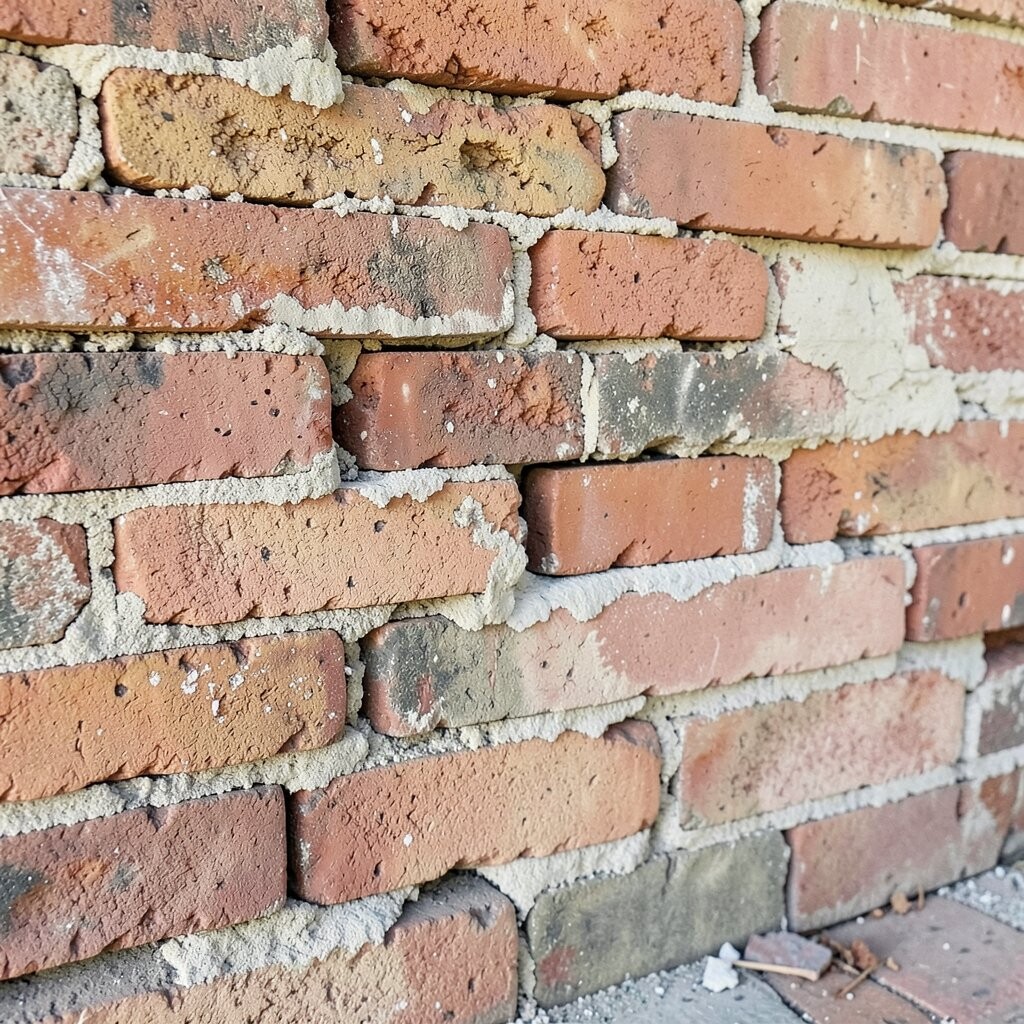
Some walls still hold dust, chalky bits, or old paint after years of use. If you leave that behind, the brick can look dull and uneven instead of neat.
Brush off loose dust and scrape away peeling paint before you start any finish work. A shop vacuum can help with fine dust that hides in the small gaps between bricks.
This step may feel boring, but it helps the wall look much cleaner in the end. It also helps sealers, stains, or clear coats stick better, which can save time and cost later.
4. Pick the Wrong Room Style Around It
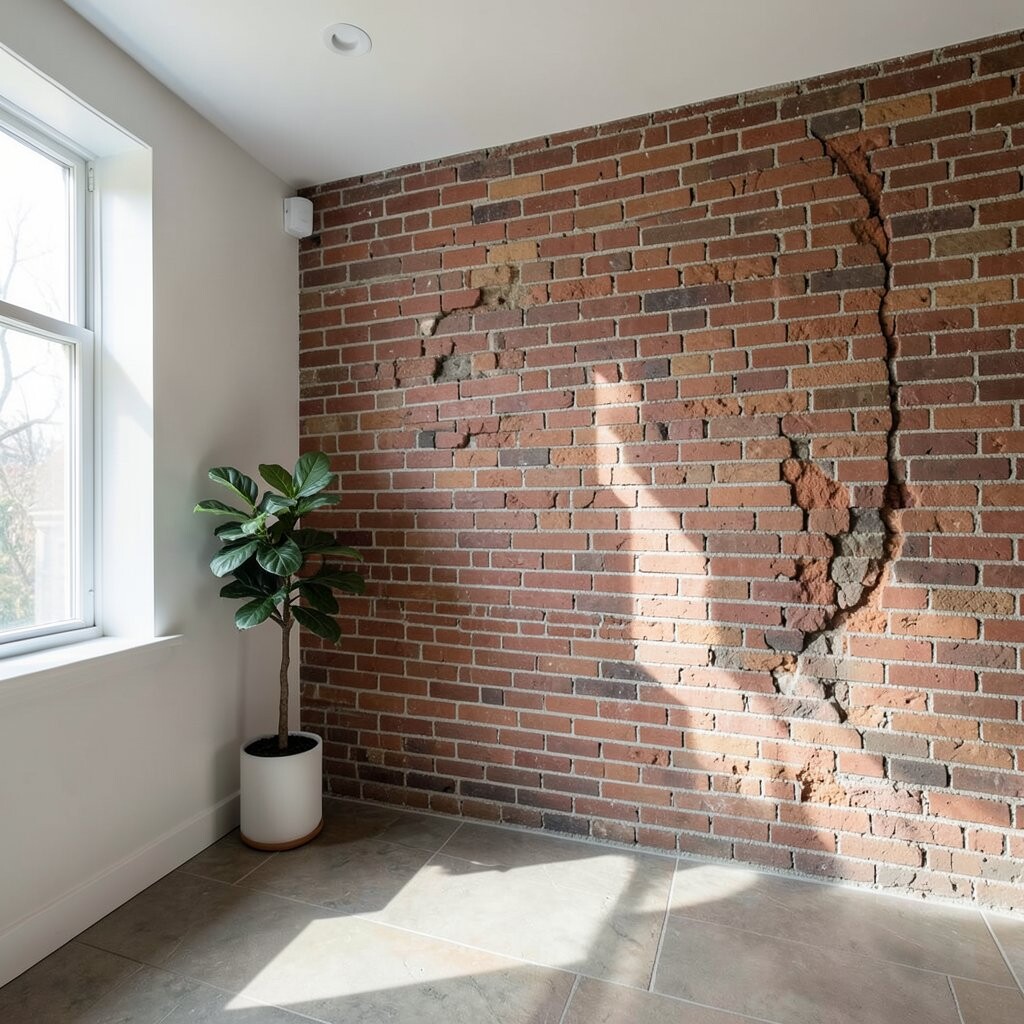
Exposed brick can look great on its own, but it still needs the right setting. If the rest of the room fights with it, the wall can seem random or too heavy.
Think about the floors, furniture, and color on nearby walls. Simple wood, soft fabric, and calm colors often work well because they let the brick stand out without making the room feel crowded.
Some homes use brick to add a warm old feel, while others use it for a clean city look. The best style comes from matching the brick to the rest of the room, not from treating it like a separate piece.
5. Ignore the Color of the Brick
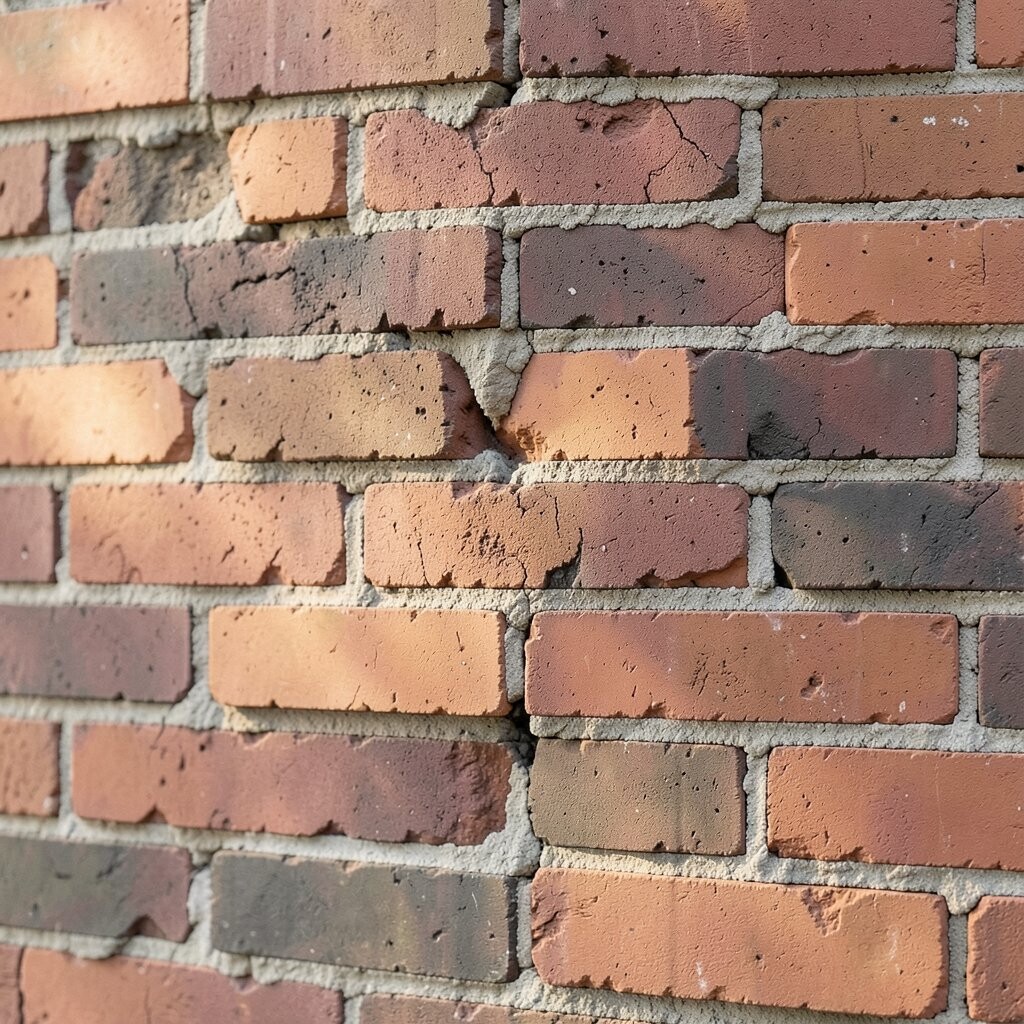
Brick color can change the feel of a room in a big way. Red, brown, whitewashed, gray, and mixed tones all send a different message.
If you ignore the color, you may end up with a room that feels too dark, too busy, or too flat. It helps to see the brick in day light and at night so you know how it looks in real use.
Color also matters when you add art, shelves, or paint nearby. A brick wall with the right color balance can feel calm and rich, while the wrong mix can make the space feel off.
6. Use Paint or Sealant That Changes the Look Too Much
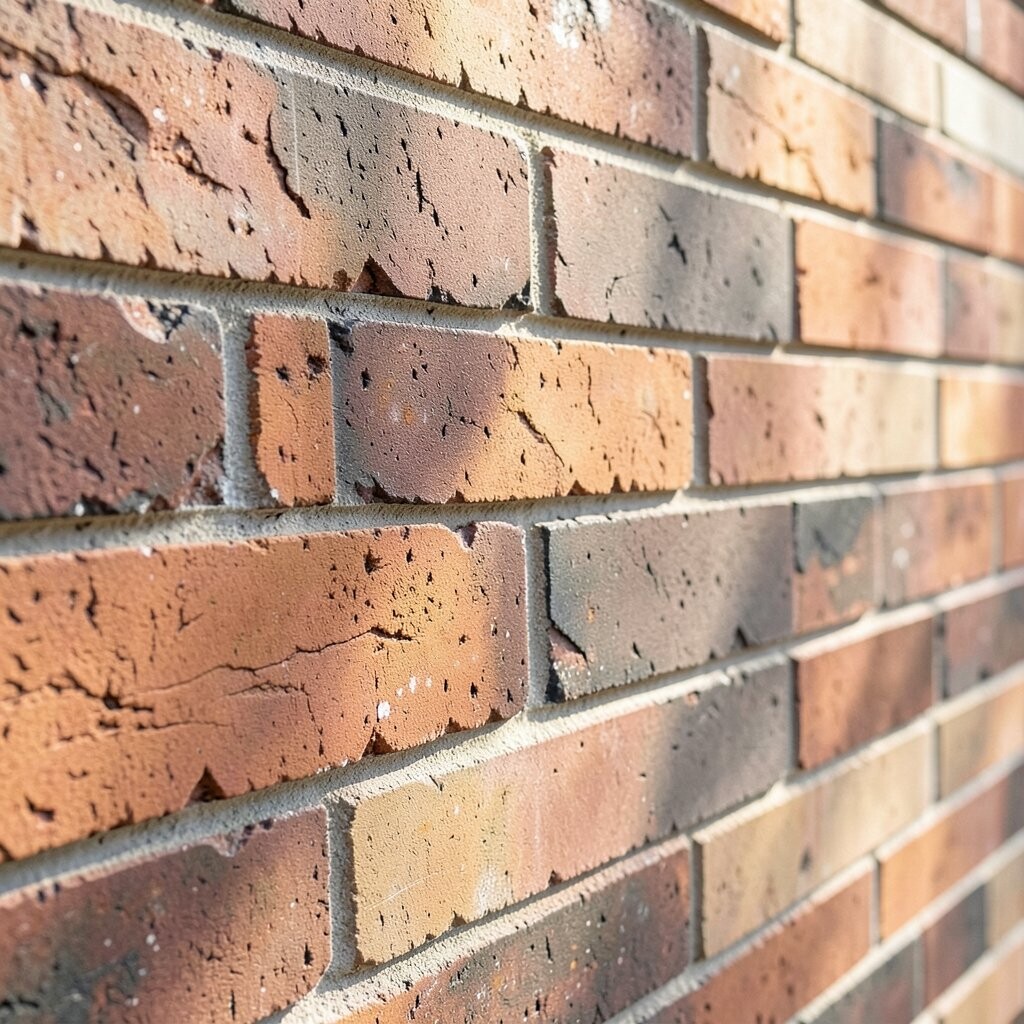
Some people add a coat just to protect the wall, but the wrong product can make the brick look shiny, plastic, or too dark. That can take away the natural feel that makes exposed brick nice.
Try products made for brick and masonry, and read the label before you buy. If you want a soft matte look, avoid glossy finishes that can catch light in a harsh way.
The right finish can help with dust, water, and easy care while still keeping the wall unique. It can also save money over time by making the brick easier to clean and less likely to need repair.
7. Hang Art or Shelves Without Planning the Wall
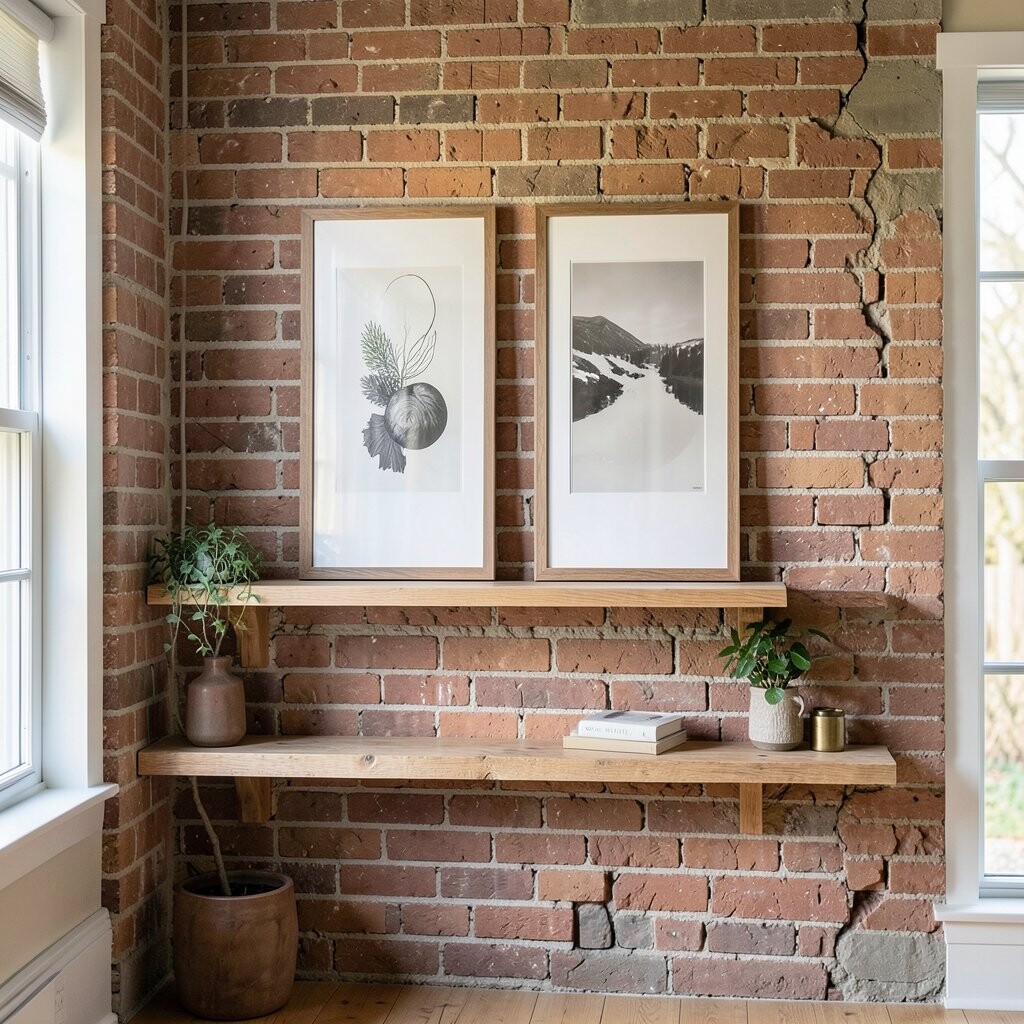
Brick walls need a little more care when you add hooks, shelves, or frames. If you drill or nail without a plan, you can crack mortar or leave holes in the wrong place.
Mark your spots with care and think about what will sit on the wall over time. Light art, slim shelves, and well placed hooks can look neat and help the brick stay the star of the room.
This is also a good place to add a personal touch. A few chosen pieces can make the wall feel like yours without hiding the brick shape or texture.
8. Cover Too Much of the Brick
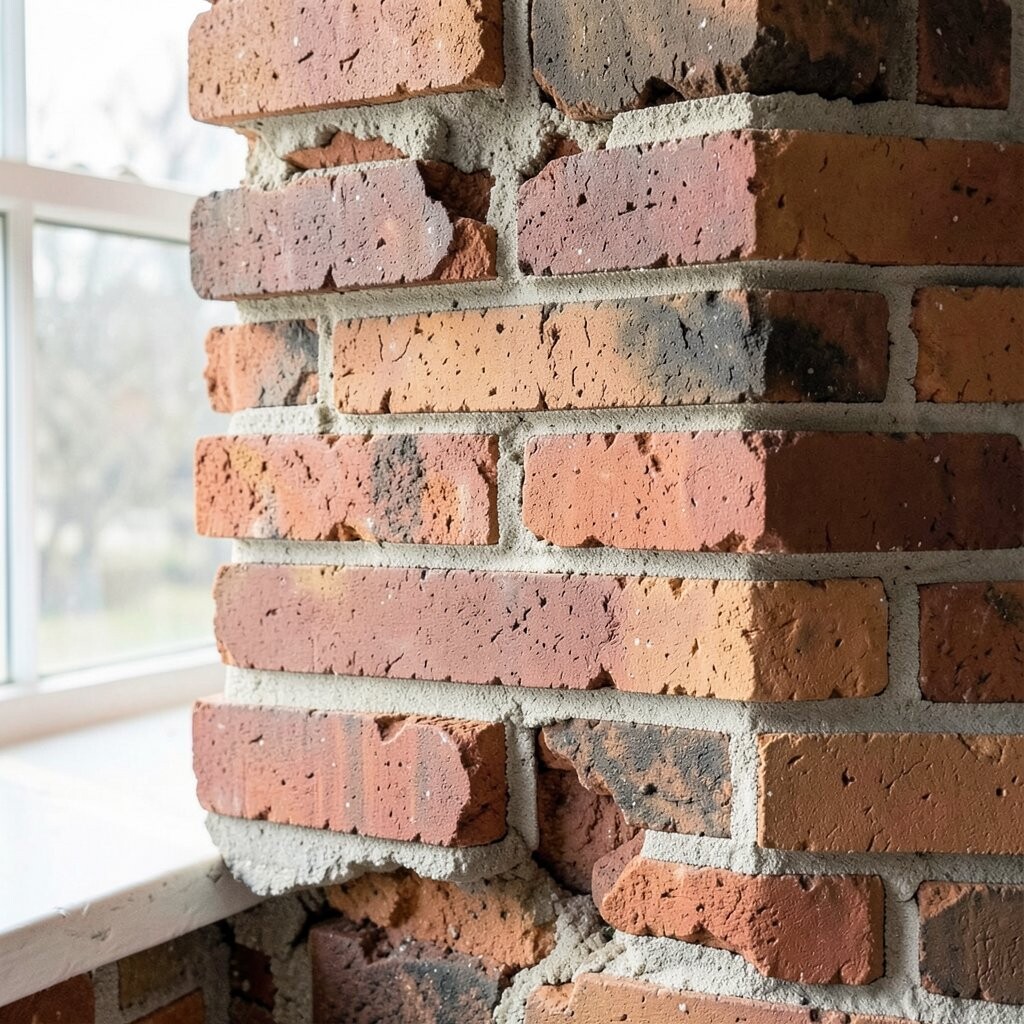
Brick looks best when people can see enough of it. If you fill the wall with too many frames, signs, cords, or large objects, the texture gets lost.
Leave open space so the eye can rest on the wall itself. This gives the room a cleaner look and lets the rough brick pattern show in a way that feels calm.
Many current home styles use open wall space because it feels simple and fresh. A little restraint often looks better than trying to cover every part of the brick.
9. Pick the Wrong Lighting
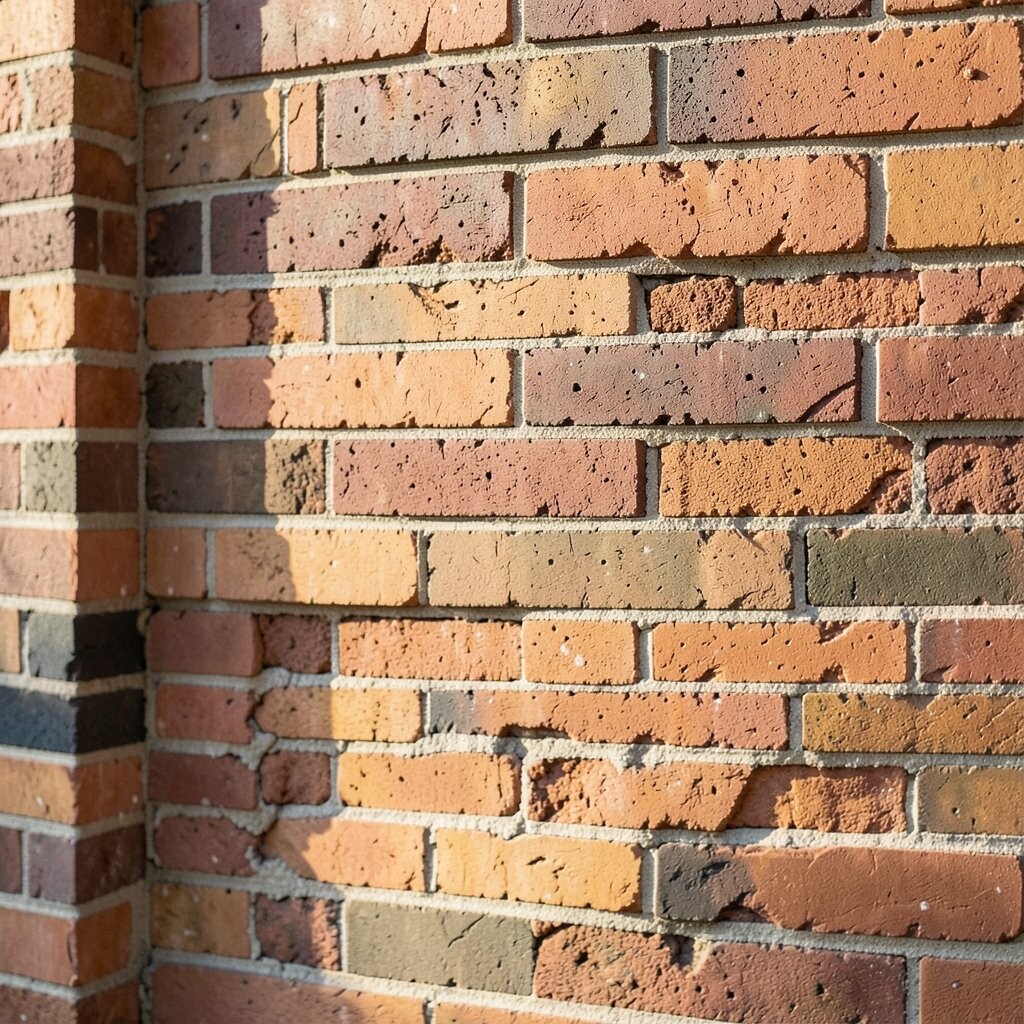
Light changes how brick looks more than many people think. Harsh white light can make the wall feel flat, while very dim light can hide its shape and detail.
Try warm bulbs, wall lights, or soft lamps near the brick. Light from the side can bring out the edges, cracks, and color changes that make the wall feel real and full of life.
Good lighting can help a room feel more welcoming and can make the brick look richer without extra cost. It is one of the easiest ways to make the wall feel special while still keeping the style simple.
10. Forget About Moisture Problems
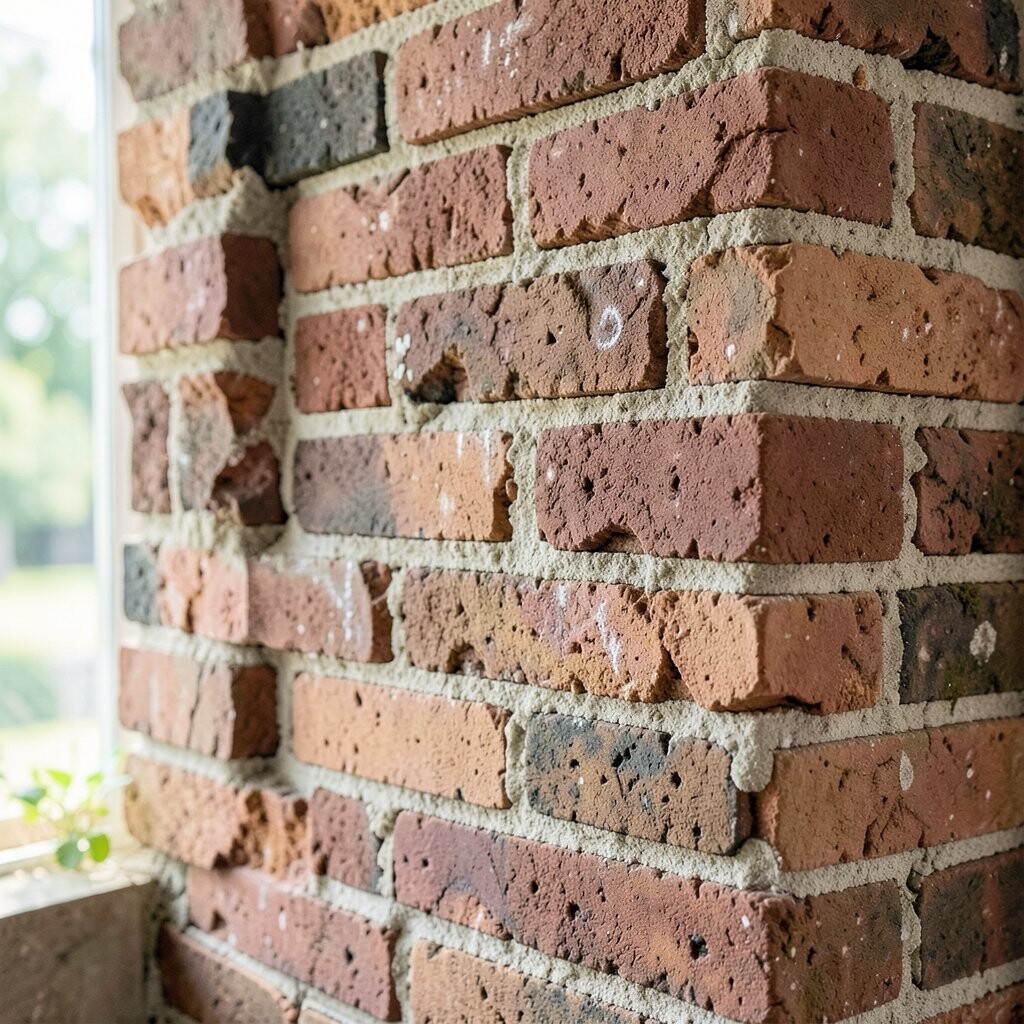
Brick and water do not mix well when there is too much dampness. If moisture gets behind the wall or in old mortar, stains and damage can show up fast.
Look for signs like musty smells, dark patches, or white powder on the brick. Fix leaks, improve air flow, and use the right seal only after the wall is dry and sound.
Moisture care may not seem pretty, but it matters for both looks and long term use. A dry wall keeps its color better and helps you avoid repair bills that can grow fast.
11. Use the Same Look in Every Room
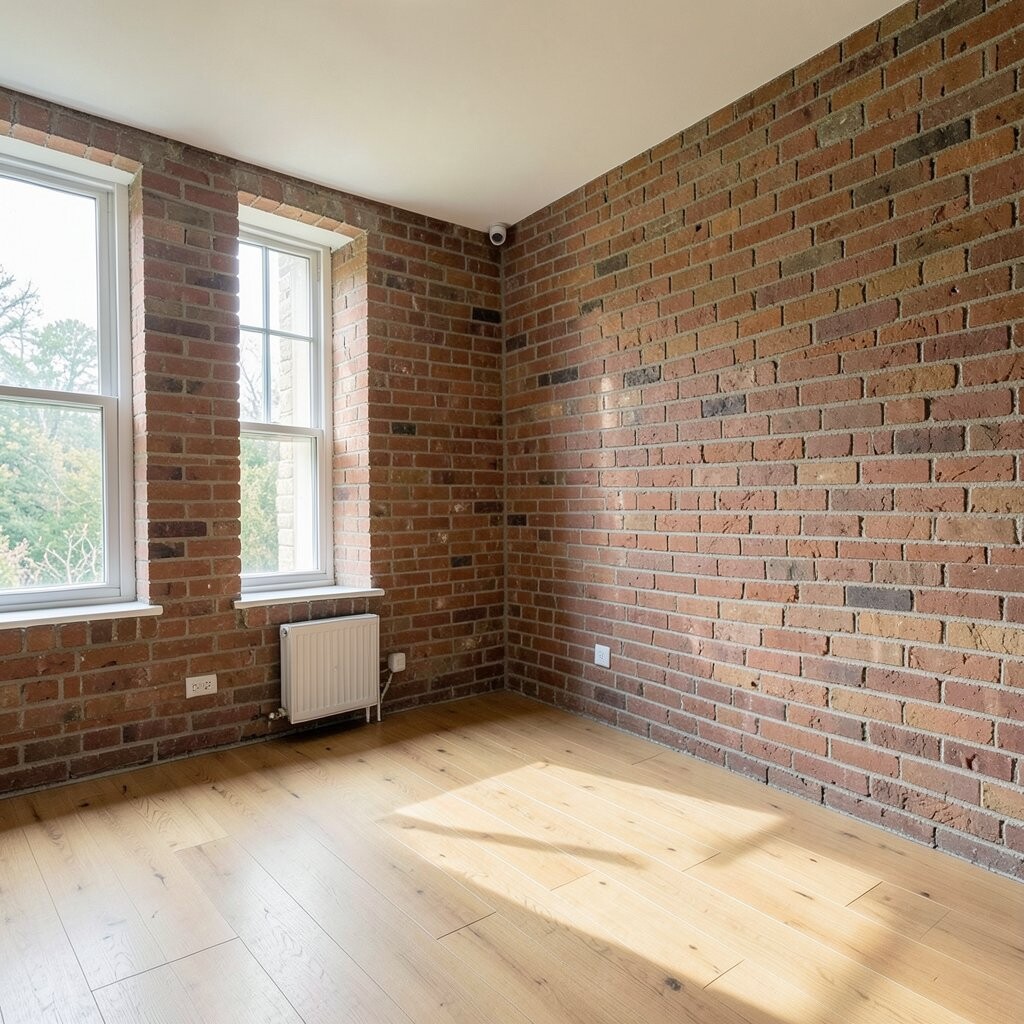
Not every brick wall needs to look the same. A living room wall may call for a soft, warm look, while a kitchen wall may need a cleaner and easier to wipe finish.
Think about how each room is used before you plan the brick look. You can keep the same home feel and still make small changes that fit the space.
This kind of personal choice helps the home feel more natural. It also gives each room its own style, which keeps the brick from feeling copied or plain.
12. Ignore the Wall’s History and Age
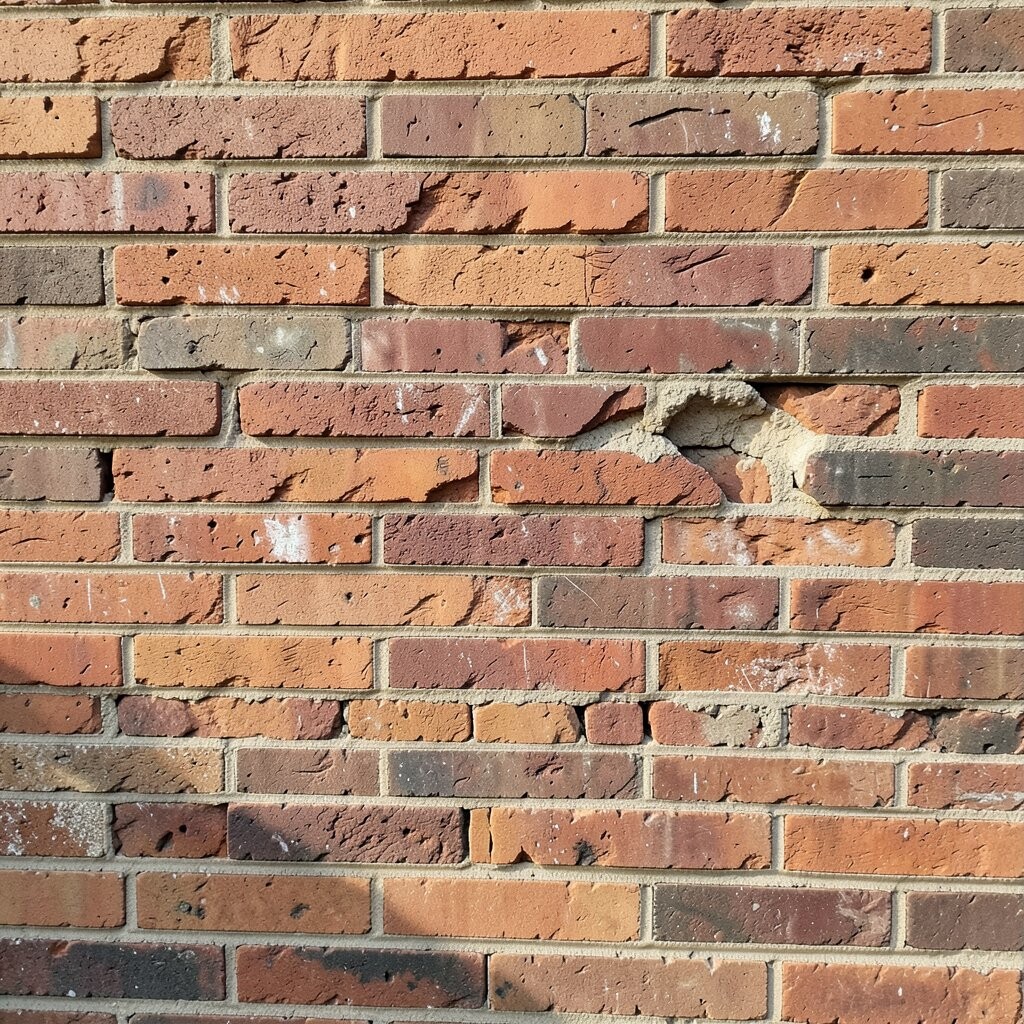
Older brick often has marks, color shifts, and repairs that tell part of the home’s story. If you try to make it look brand new, you may remove the very things that give it charm.
Use care when deciding how much to clean or fix. Small flaws can add character, and many people enjoy the uneven look because it feels honest and real.
That said, some wear needs attention if it affects safety or use. The best result comes from keeping the useful parts in shape while leaving the good old details in place.
13. Choose Decor That Fights the Brick
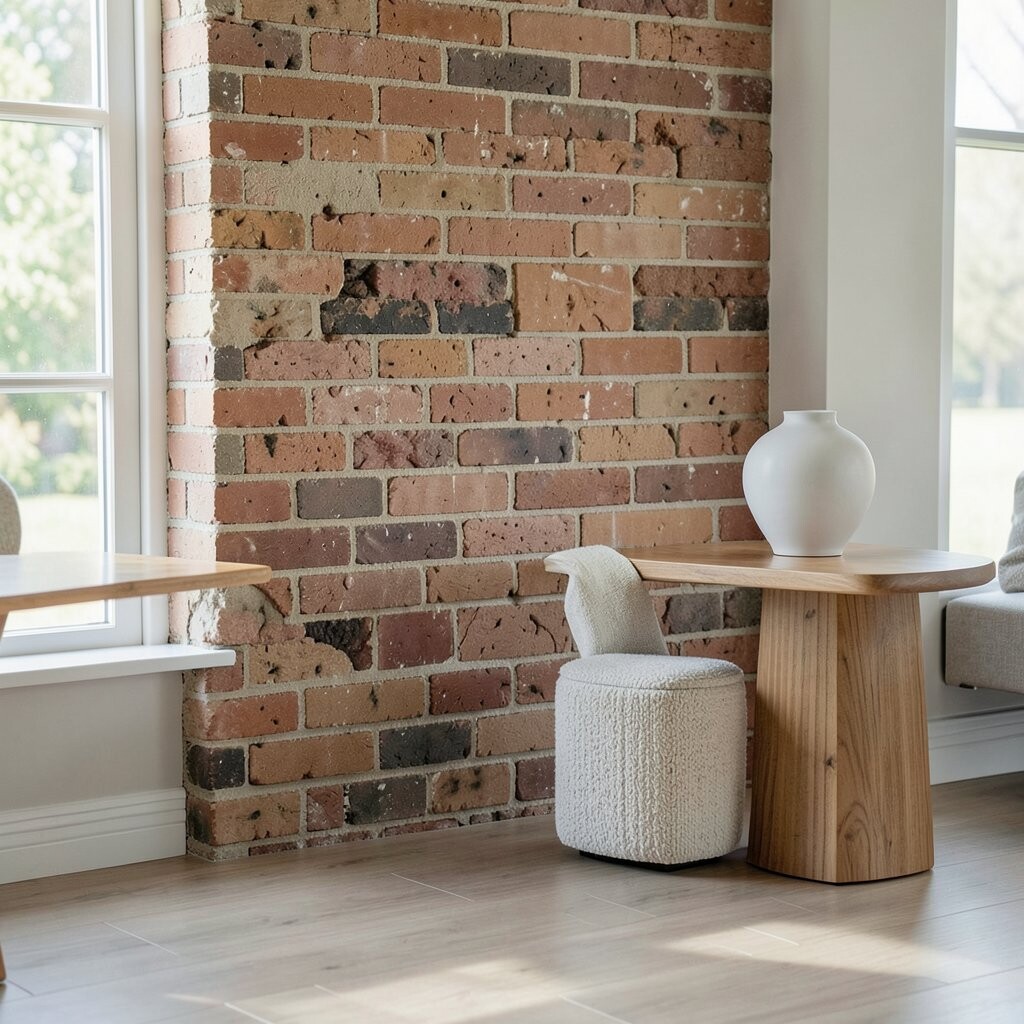
Brick has strong texture, so it does not need loud decor to do its job. Bright patterns, heavy metals, and too many bold colors can make the wall feel messy.
Try simple pieces that work with the brick instead of against it. Wood, black frames, soft cloth, and plain plants often look good because they add shape without taking over.
This balance can make the room feel calm and finished. It also lets you change small items over time without losing the main look of the wall.
14. Forget About Scale and Balance
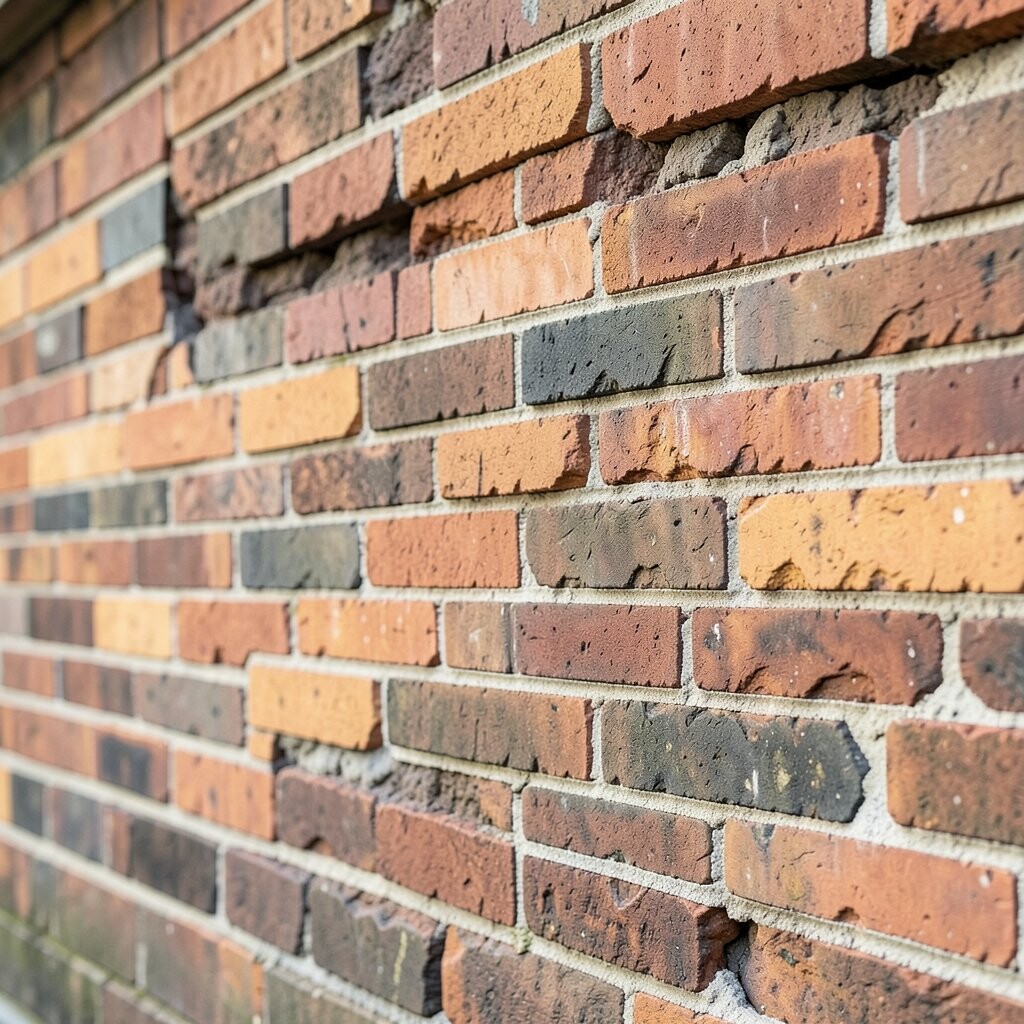
A large brick wall can look empty if everything in front of it is tiny. On the other hand, huge furniture can block the wall and make the room feel tight.
Look at the size of the wall and the pieces around it before you buy anything. The goal is to make the brick feel part of the room, not too small or too crowded.
Good balance helps the wall feel right from far away and up close. It also makes the space more useful because the furniture and decor fit the wall in a more natural way.
15. Ignore Costs and Maintenance Over Time
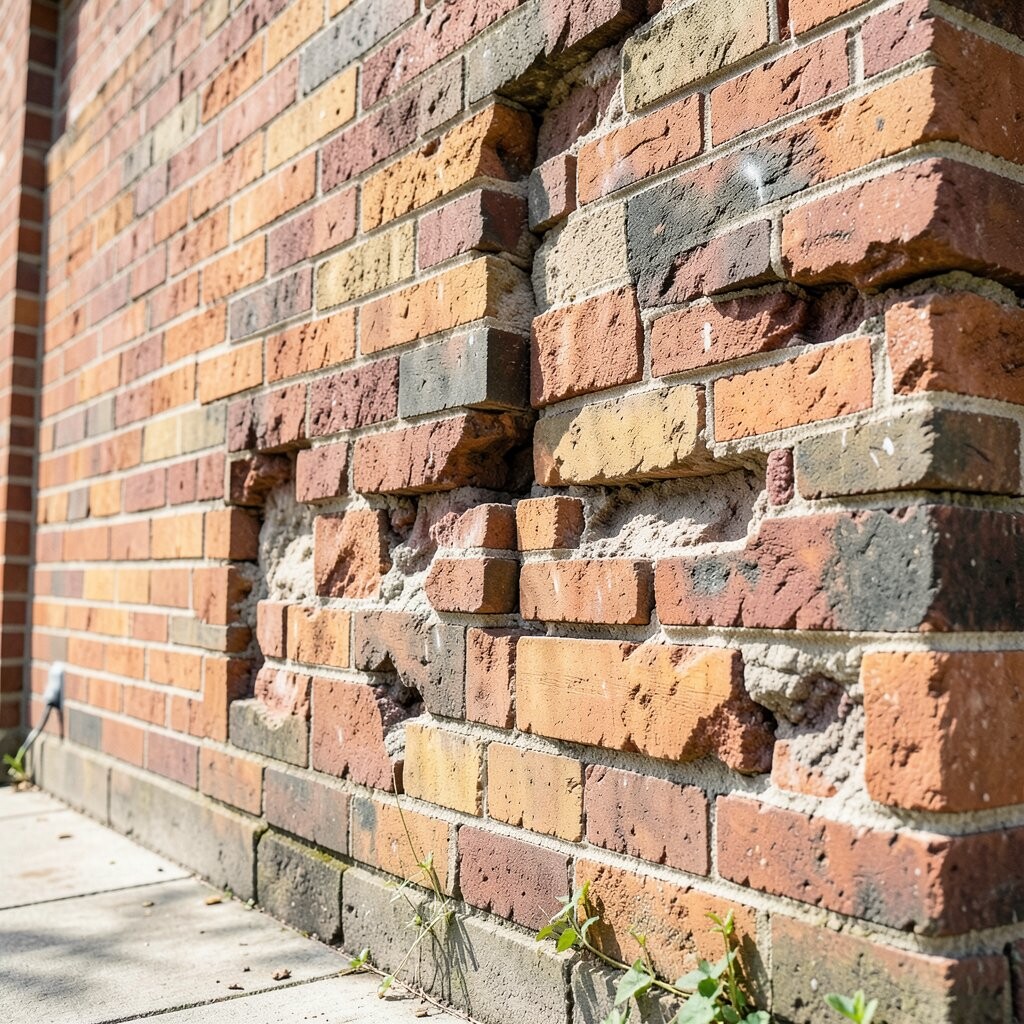
Exposed brick may seem easy, but it still needs care, and that can add cost later if you skip small jobs now. Loose mortar, damp spots, and dust can turn into bigger work if they are left alone.
Plan for basic upkeep like cleaning, patching, and the right sealing when needed. It can also help to set a small budget for repairs so you do not feel stuck when a fix comes up.
Thinking ahead can make the wall look better for a longer time and help you enjoy it more. It also helps you choose finishes and decor that fit your budget instead of causing stress.
16. Follow Trends Without Thinking About Your Own Home
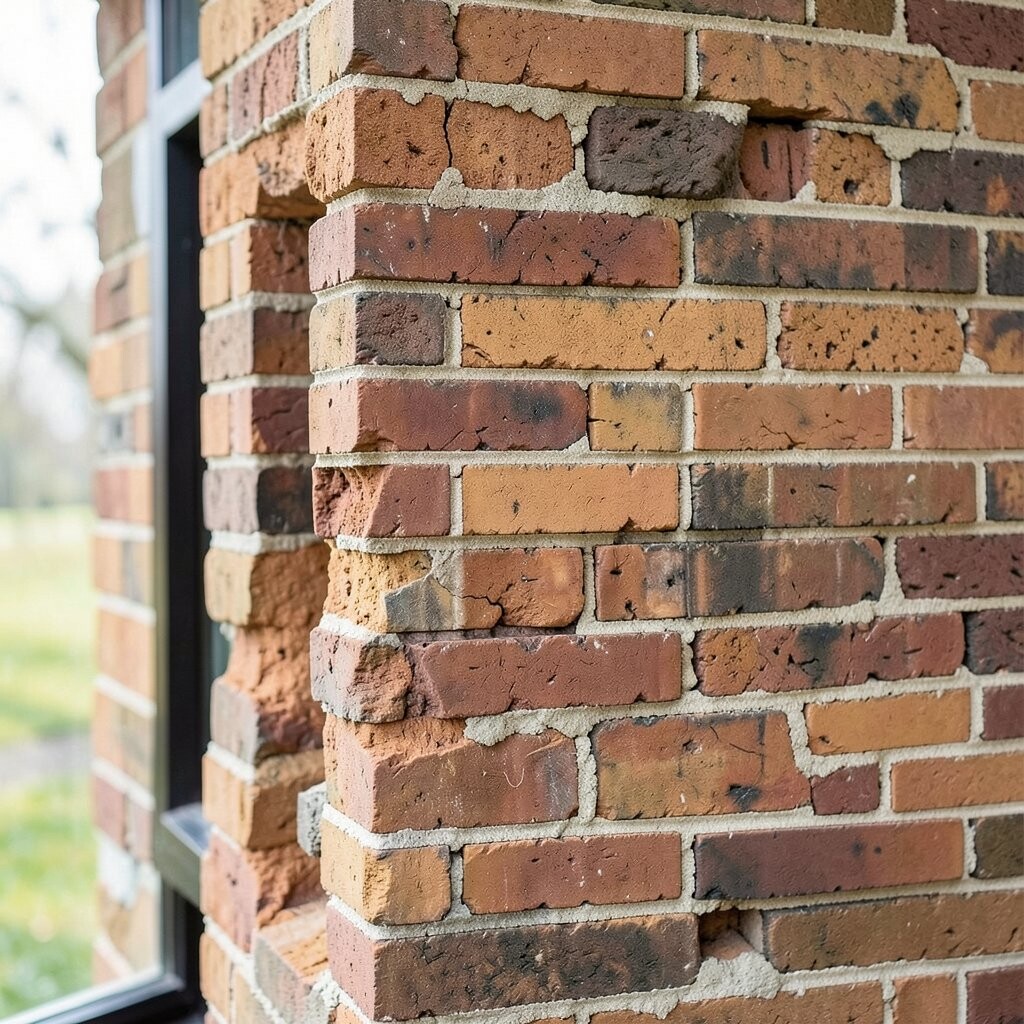
Trends can give you ideas, but they should not run the whole plan. A look that works in a photo may feel wrong if it does not fit your light, room size, or daily use.
Use trend ideas as a starting point, then make them match your own space. Maybe you like a raw look, a painted wash, or a more polished wall, and that choice should come from how you live.
Personal style is what gives exposed brick lasting appeal. When the wall fits your home and your taste, it feels natural, looks better, and keeps its value in a way that lasts far beyond a passing trend.