Terracotta tile can fit many home styles and still keep a lower impact on the planet. It also gives rooms a warm look that many people enjoy in kitchens, baths, halls, and outdoor areas.
1. Reclaimed Terracotta Tile
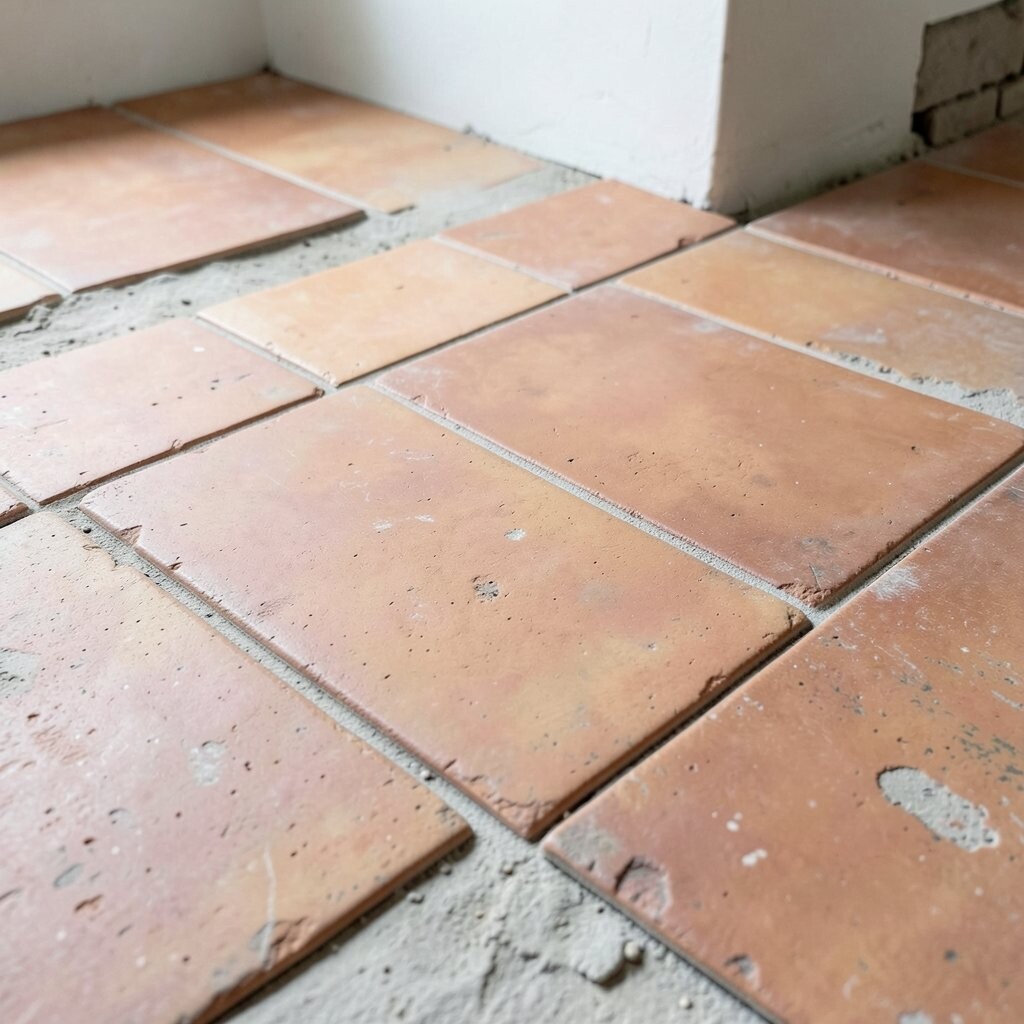
Reclaimed terracotta comes from old buildings, yards, or paths, and it often shows a soft worn look that new tile cannot copy. The colors may shift from clay red to brown, peach, or dusty orange, which can add real charm to a room.
This option helps cut waste because the tile gets used again instead of going to a dump. It can also cost less than some new handmade tile, but you may need to pay more for cleaning, sorting, and extra care.
Reclaimed tile works well in homes that want a lived-in feel. If you want a neat look, try matching pieces by size and tone, then seal them well so they stay strong.
2. Locally Made Terracotta Tile
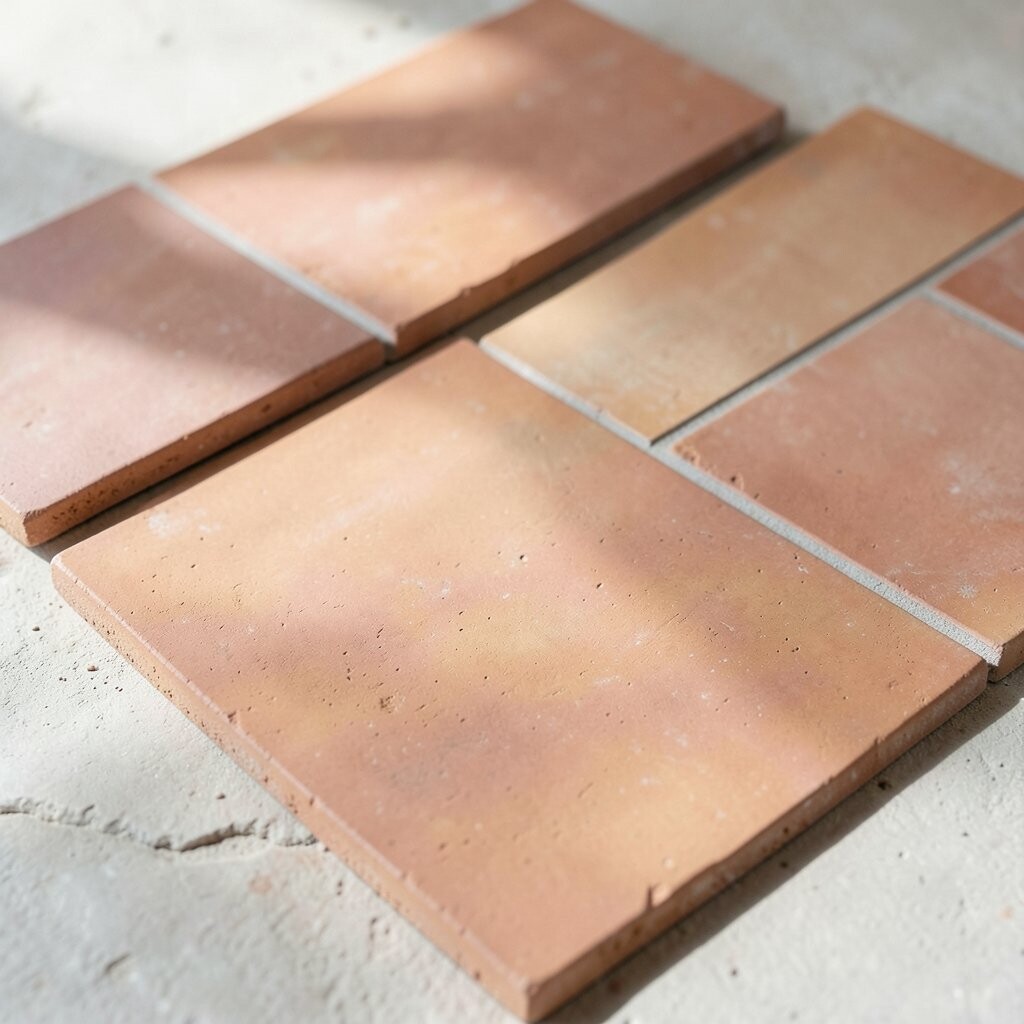
Locally made terracotta often has simple lines, soft color shifts, and a plain, honest look. Many people like it because it fits both old homes and new ones without feeling too busy.
Buying close to home can lower shipping use and support nearby makers. It may also make the cost and lead time easier to handle, especially if you need more tile later for repairs.
You can ask local makers about clay source, kiln fuel, and finish choices. This helps you pick a tile that fits your style and your values at the same time.
3. Handcrafted Terracotta Pavers
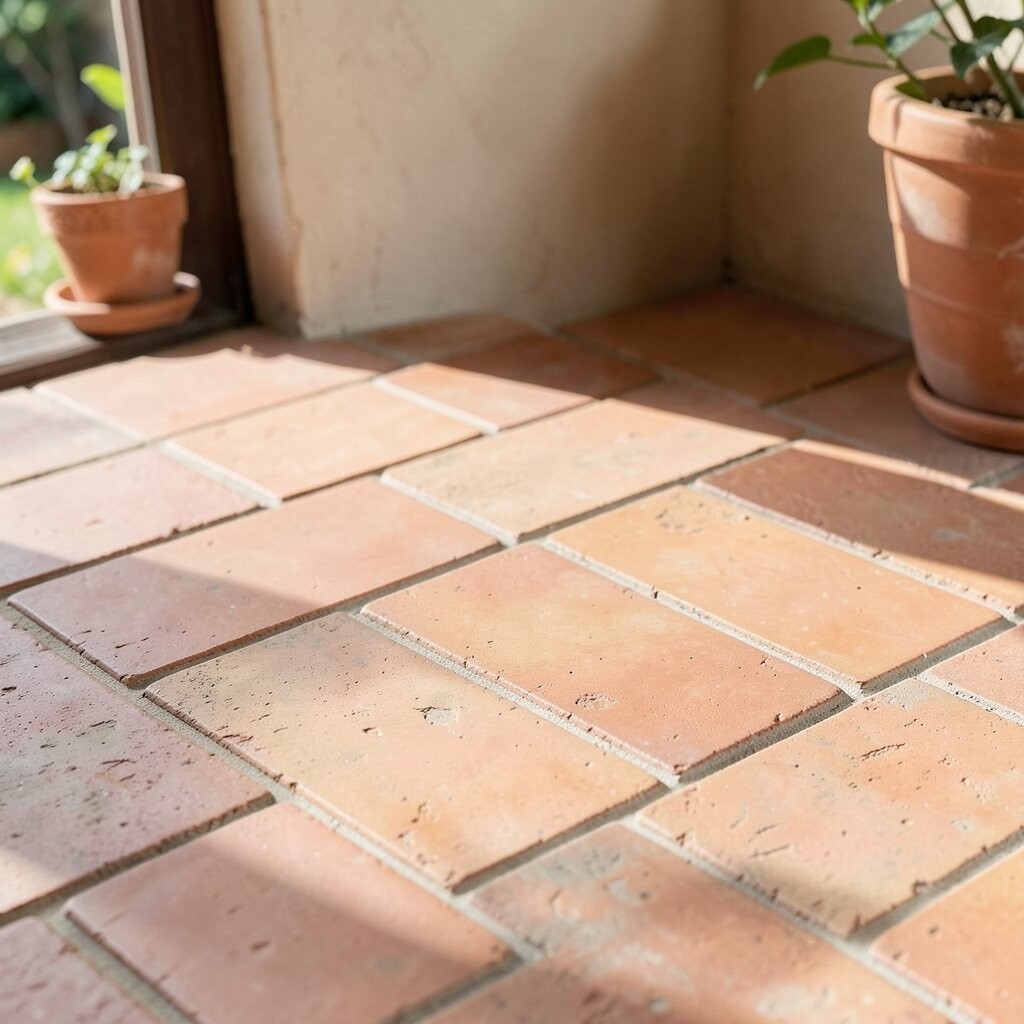
Handcrafted pavers often look thick, warm, and a little uneven in a good way. Their edges and marks can make a patio, porch, or garden path feel calm and natural.
These pavers are often made in small batches, so you may see small changes from piece to piece. That can be a nice fit if you want a space that feels less rigid and more personal.
They can cost more than basic factory tile, but they often last a long time with proper care. For a clean look, lay them with a simple pattern and keep joints even.
4. Sun-Dried Clay Terracotta Tile
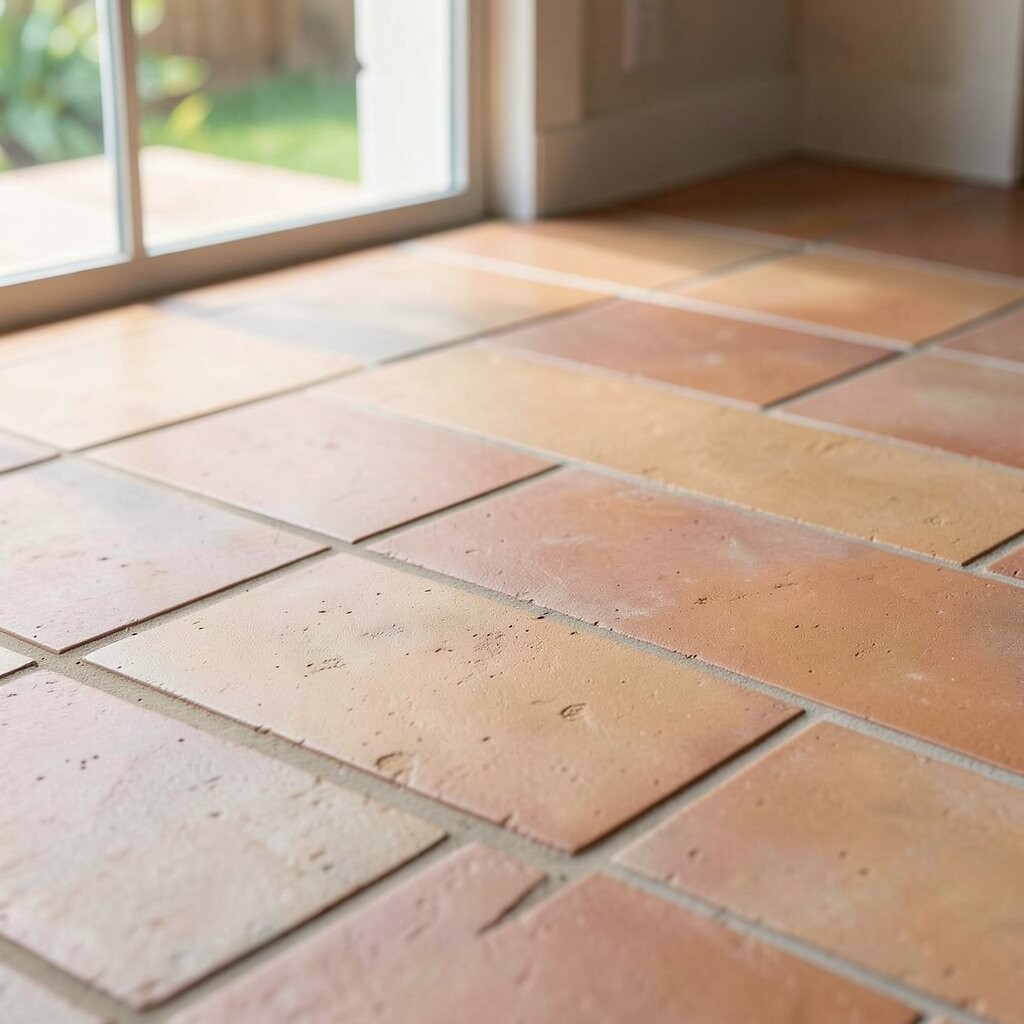
Sun-dried clay tile has a very earthy look, with a flat matte surface and light color changes. It can suit a room that needs a soft, plain base instead of a shiny finish.
Because it uses less kiln time, it may use less fuel than some other tile types. That can make it a good pick for people who want a smaller footprint in their remodel.
It may not be the best choice for every wet area, so sealing matters. If you plan to use it in a kitchen or bath, ask for care tips and test a sample first.
5. Low-Fire Terracotta Tile
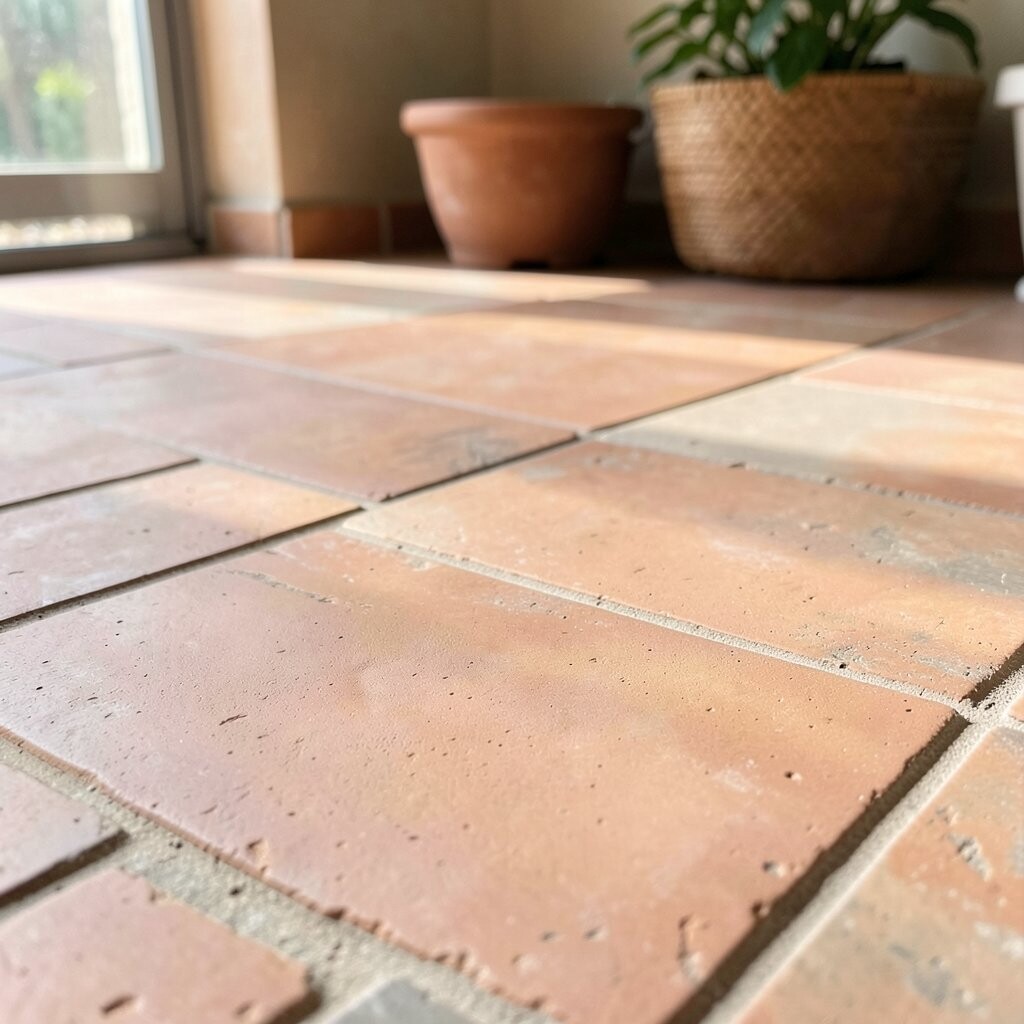
Low-fire terracotta often has a deep, rich color that feels warm and classic. The surface can show tiny marks and shade changes that give each tile a handmade feel.
Firing at a lower heat can save energy, which is one reason people like this type. It may also be easier to work with in a home that wants simple, natural materials.
Some low-fire tiles can be more porous, so sealing and good upkeep are key. If you want a softer look, use a matte sealer and pair the tile with wood, lime paint, or stone.
6. High-Recycled-Content Terracotta Tile
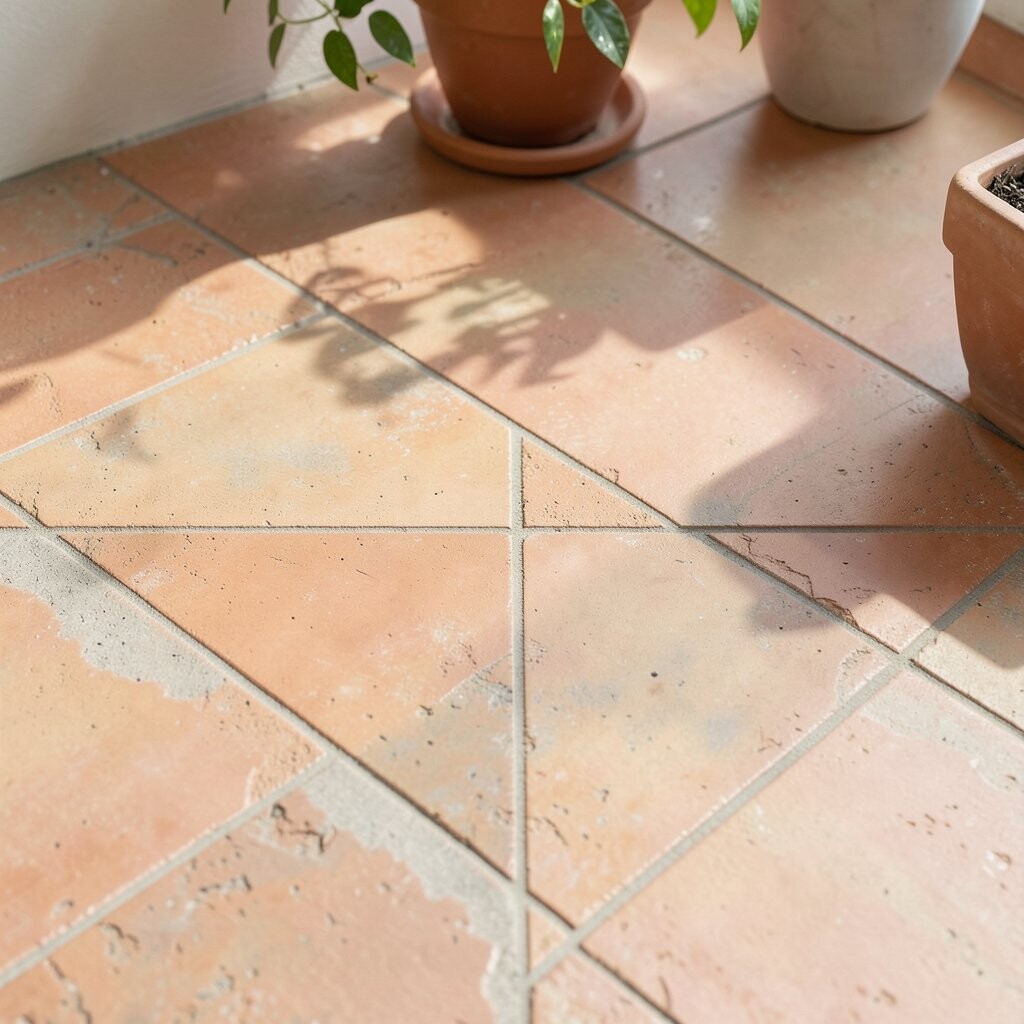
Some terracotta tile lines use recycled clay, broken tile, or other reused materials in the mix. The result can still look like true terracotta, but with a more earth-friendly story behind it.
This type can help reduce waste from the clay and tile world. It may also come in many styles, from smooth modern shapes to rougher rustic pieces.
Ask sellers how much recycled content is in the tile and what kind it is. That can help you compare prices and choose a product that fits your project goals.
7. Salt-Glazed Terracotta Tile
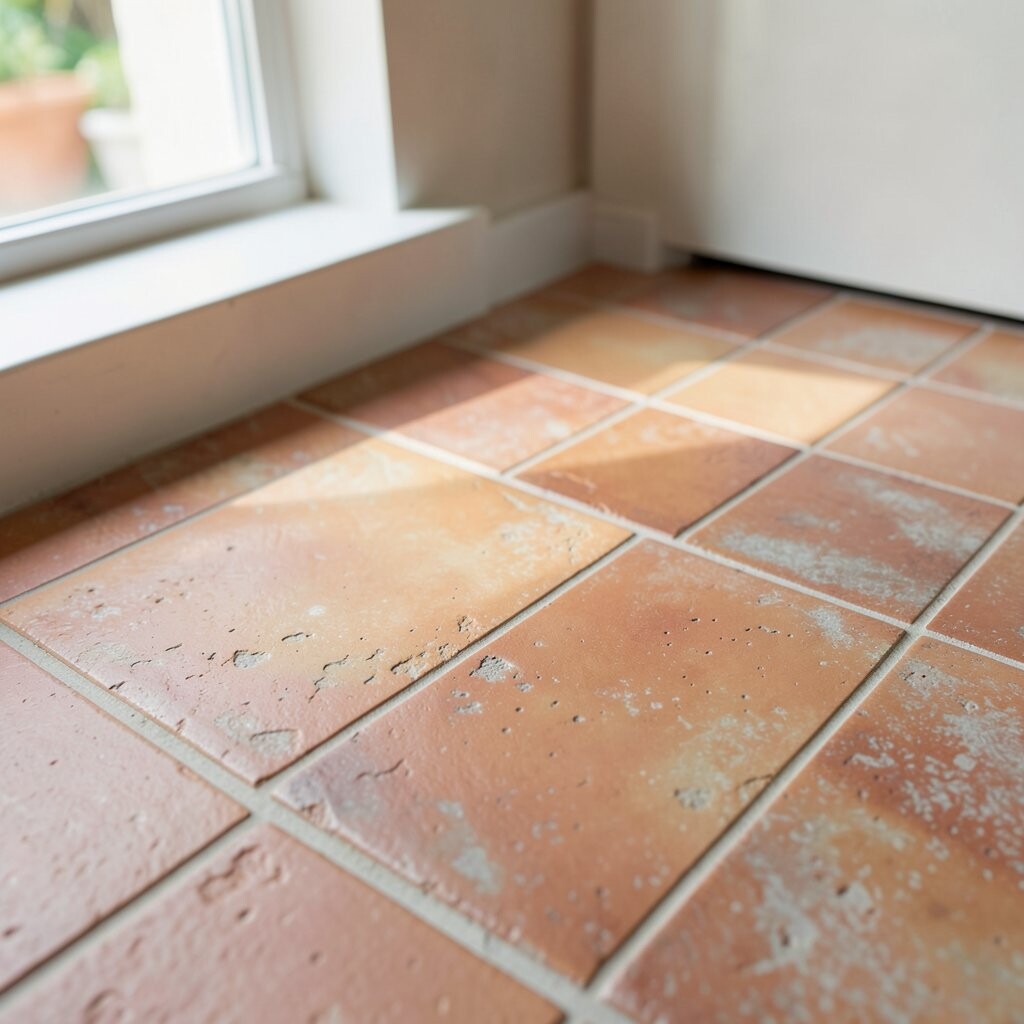
Salt-glazed terracotta has a sealed, lightly shiny skin that can give it a rich look. The surface often shows small color shifts, which can make a wall or floor feel more alive.
This finish can help resist stains, so it can be useful in busy spots. For many renovators, that means less worry about spills and easier day-to-day care.
It may cost a bit more than plain tile, but it can save time later. If you want a bit more style, use it on a kitchen backsplash or a small bath wall.
8. Matte Finish Terracotta Tile
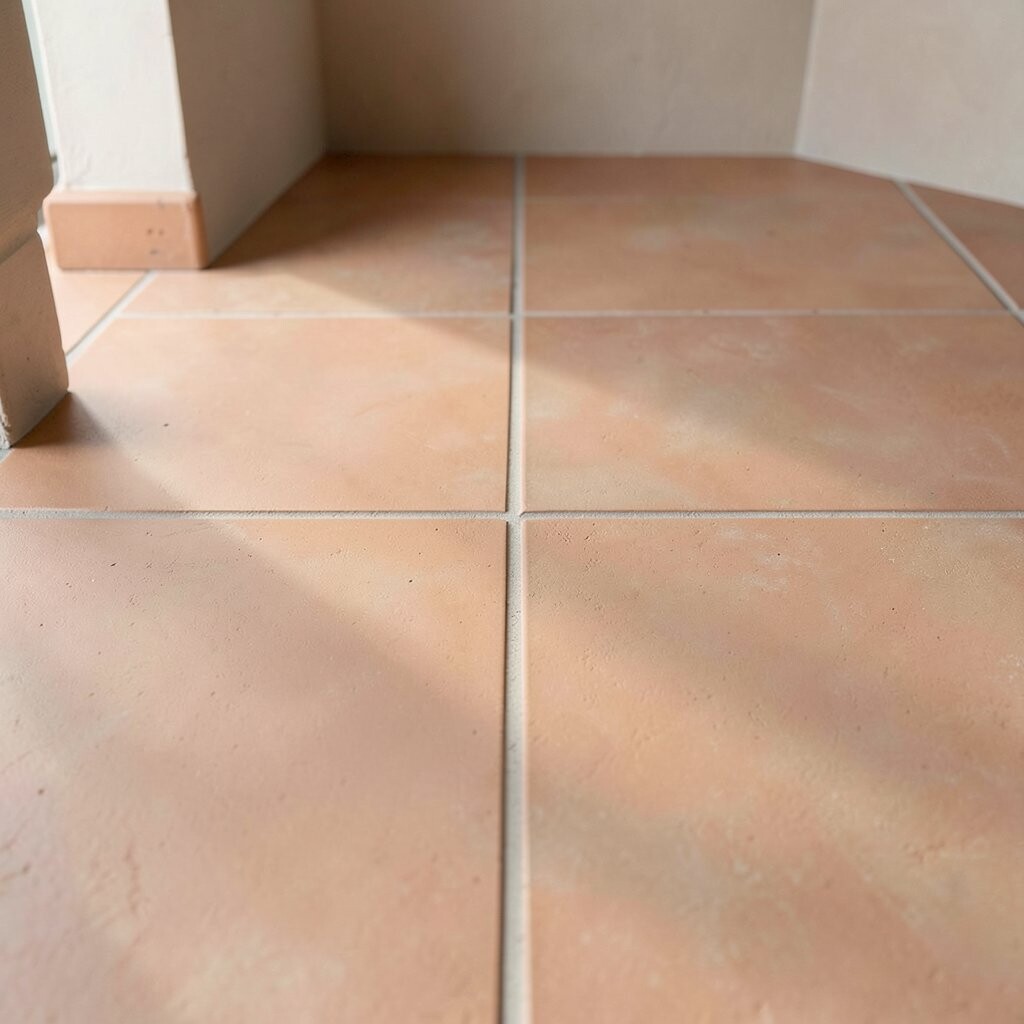
Matte terracotta has a soft, dry look that many people find calm and easy to live with. It does not glare much in bright light, so it can help a room feel steady and warm.
This style fits well with current home trends that lean toward simple, natural surfaces. It also works with many colors, so you can use it with white walls, dark cabinets, or wood trim.
Matte tile may show less shine, but it can still need sealing and basic care. If you want a low-key look, this is a strong choice for floors and walls.
9. Textured Terracotta Tile
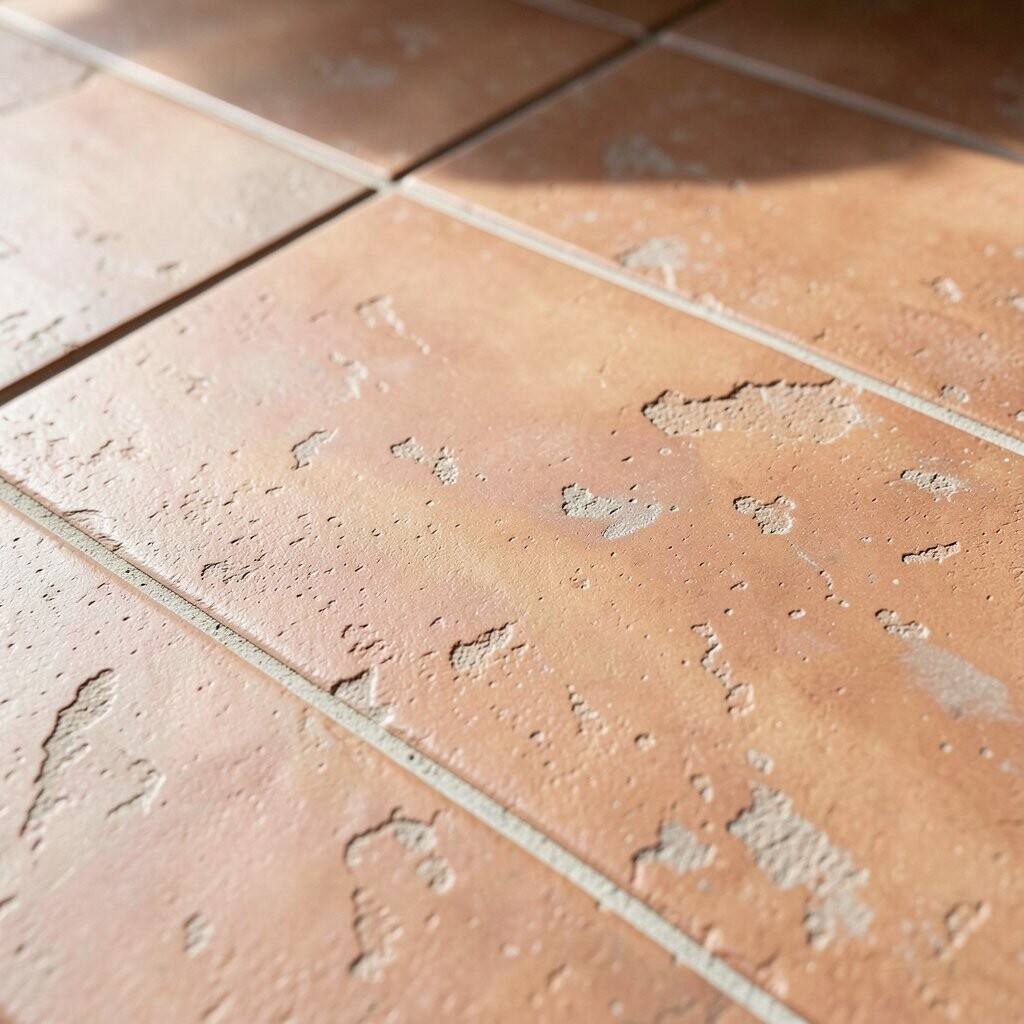
Textured terracotta has a surface you can feel, with small ridges, grooves, or soft bumps. That texture can add depth and help a plain room feel more layered.
It can also be useful in spots where a bit more grip matters, like a porch or entry. The look is often more natural than polished tile, which many eco-conscious renovators enjoy.
Textured tile may be a little harder to clean, so keep that in mind before buying. If you want the look without too much upkeep, try using it on walls or low-traffic areas.
10. Thin Terracotta Wall Tile
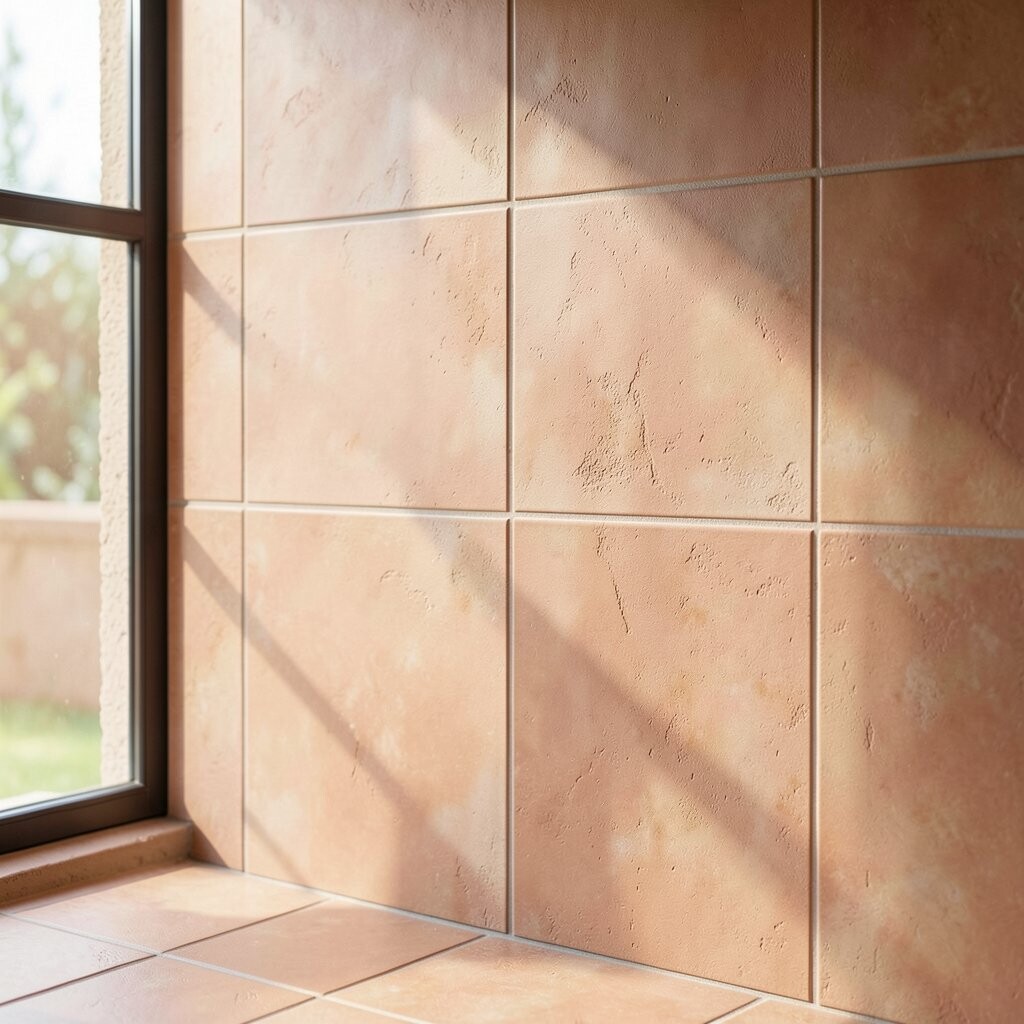
Thin terracotta wall tile is light, simple, and easy to use on backsplashes or feature walls. It can give you the look of clay without the heavy feel of thick pavers.
Because it uses less material, it may cost less to ship and install. That can help if you are trying to keep waste and labor down in a smaller remodel.
These tiles often come in neat shapes that suit modern homes. You can mix them with open shelves, brass taps, or plain cabinets for a clean look.
11. Terracotta Mosaic Tile
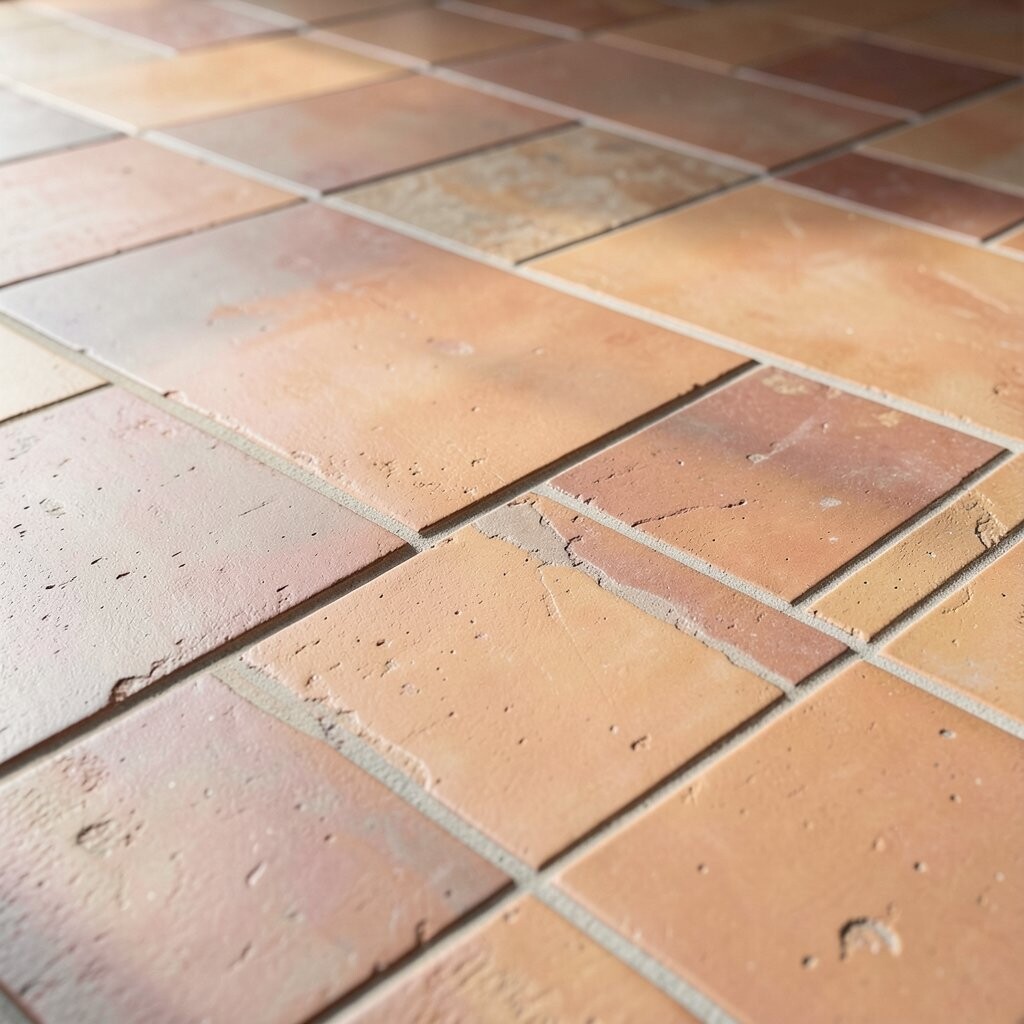
Terracotta mosaic tile comes in small pieces, so it can make patterns and borders with ease. The tiny tiles can add a lot of detail, even in a small room.
This style is a good way to use small leftover pieces, which can help reduce waste. It also gives you a chance to make a personal design with simple shapes, lines, or color blocks.
Mosaic tile can cost more in labor because it takes more time to place. Still, it can work well on shower walls, backsplashes, or around a fireplace if you want a special look.
12. Terracotta Tile with Natural Sealers
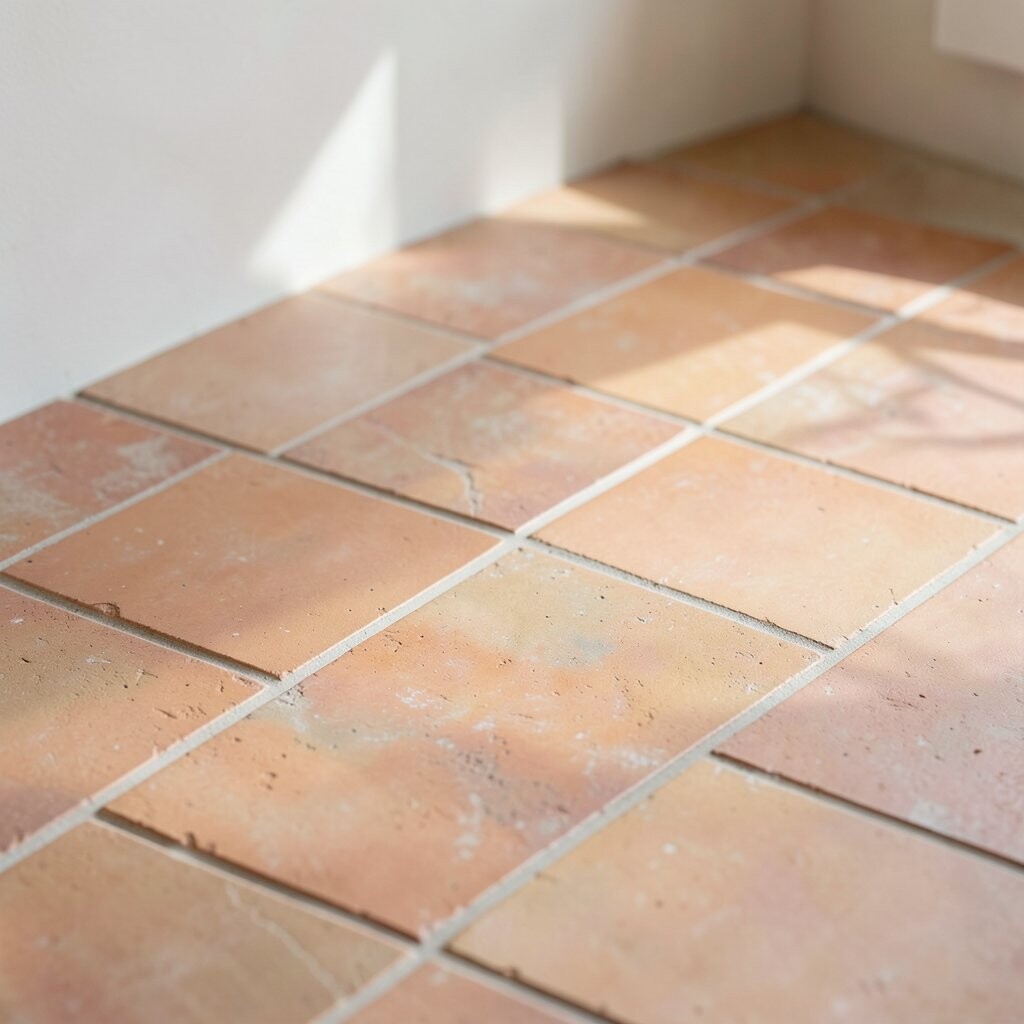
Some terracotta tile is sold with natural sealers made from plant oils, waxes, or other low-impact products. These finishes can keep the clay look while still helping protect the surface.
Many people like this option because it can cut down on harsh chemicals in the home. It may also fit well with a simple, natural style that feels soft and calm.
You will need to check how often the sealer needs fresh coats. That matters for cost over time, so ask about upkeep before you buy.
13. Modular Terracotta Tile Systems
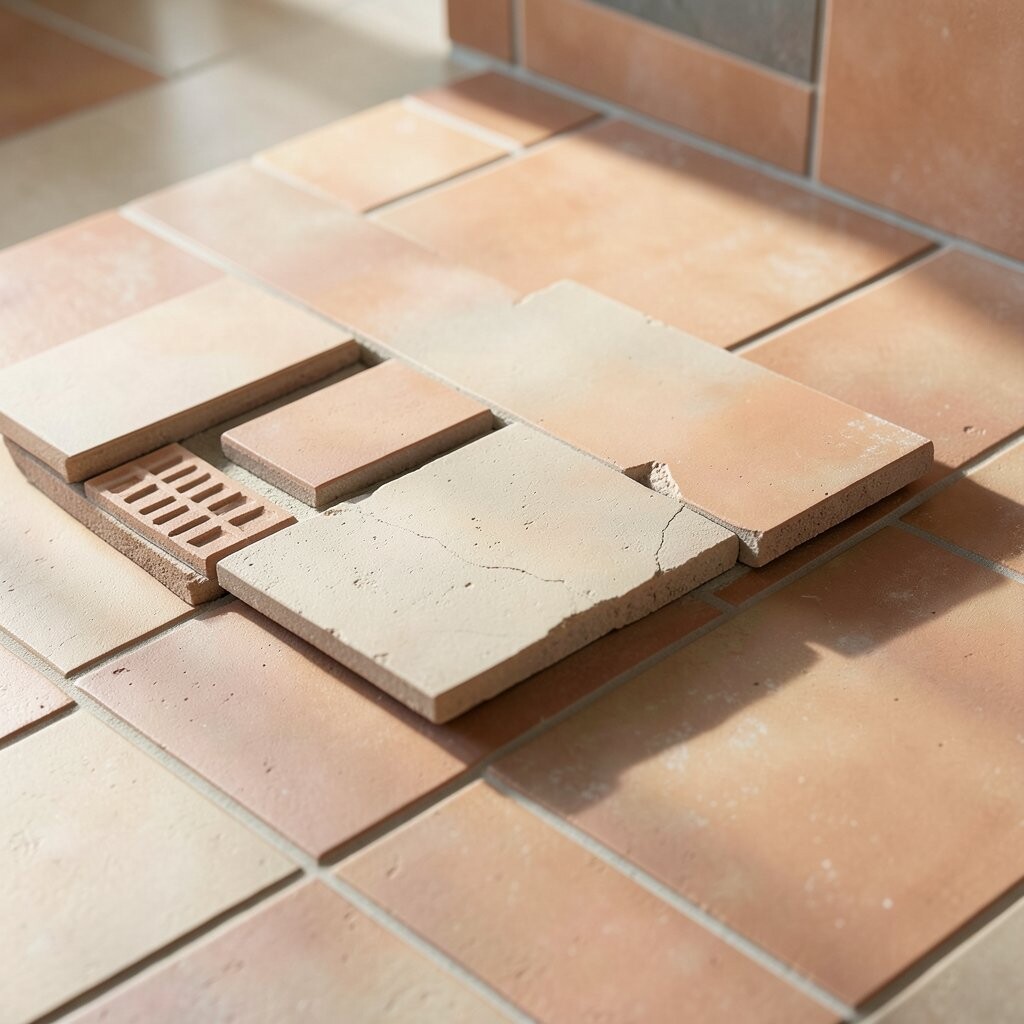
Modular terracotta systems use tiles in set sizes that fit together in clear, easy ways. This can make planning simpler and may help reduce cuts and leftover pieces.
That kind of setup can save time during install, which may lower labor cost. It can also give a neat, steady look that works well in modern homes.
Many modular lines now come in warm clay tones, soft reds, and sandy browns. If you want a personal touch, mix a few sizes or lay the pattern in a simple grid or staggered plan.