Many homes feel messy because small storage habits go wrong over time. Simple changes can help you keep things in place and make daily life feel easier.
1. Using Boxes Without Labels

Plain boxes can look neat at first, but they often turn into a guessing game later. You may end up opening three boxes just to find one winter scarf or a spare charger.
Labels make a big difference because they save time and cut stress. A clear label on the front and top helps you see what is inside even when boxes are stacked.
Try simple words like “toys,” “papers,” or “holiday decor” instead of long notes. If you want a clean look, use matching label tags or printed stickers in a soft color.
2. Storing Too Much in One Spot

It is easy to push many things into one closet, drawer, or shelf because it feels fast. The problem is that crowded spaces hide what you own and make it hard to use the area well.
When one spot gets too full, items can bend, break, or get lost at the back. A better plan is to split things by type and give each group its own place.
This can also help you see what you already have before buying more. A tidy shelf with open space often looks better than a packed one, and it is much easier to keep clean.
3. Keeping Rarely Used Items in Prime Spaces
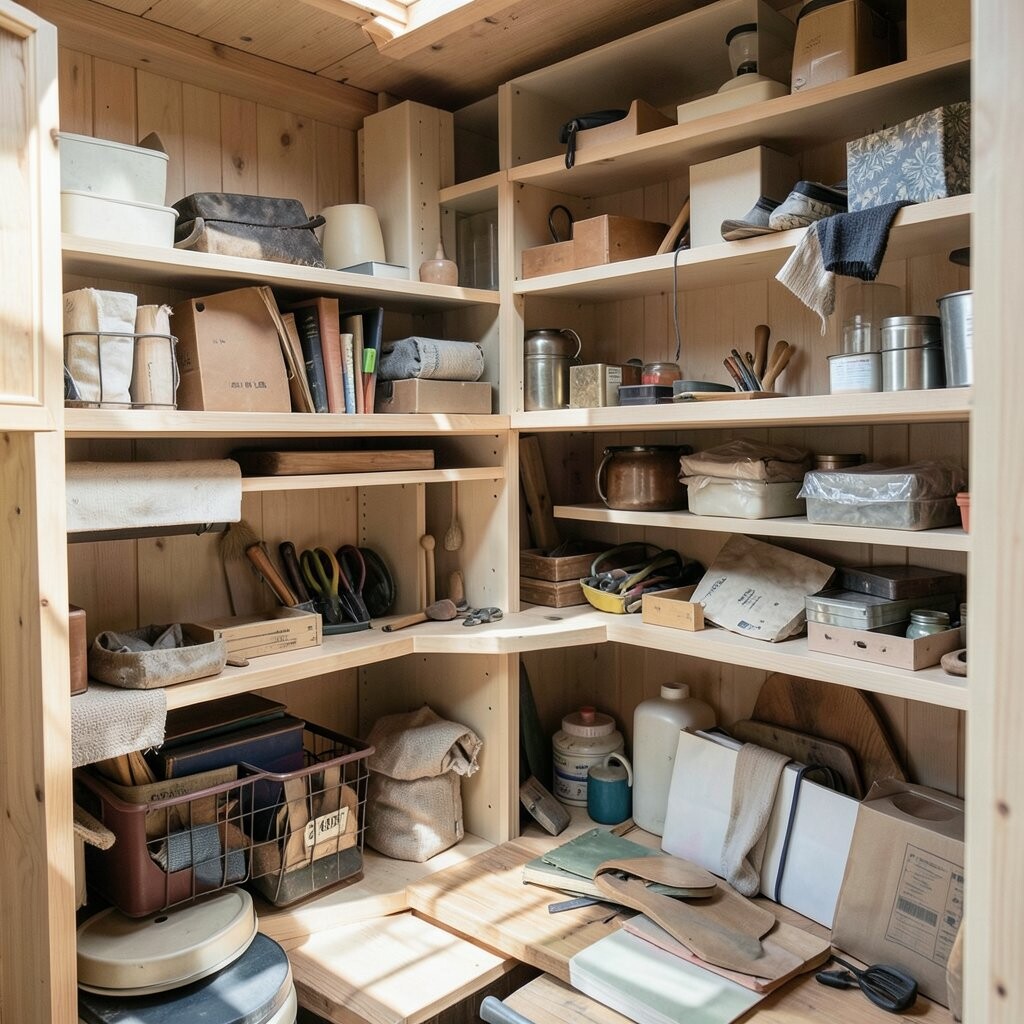
Some people keep daily items in hard-to-reach spots and put holiday or backup items in the best places. That setup can slow down your routine and make simple tasks feel annoying.
Store the things you use most in the easiest spots, such as eye-level shelves or front drawers. Put less-used items higher up, lower down, or in the back of a closet.
This small change can make mornings smoother and save a lot of bending and searching. It also gives your home a more natural flow, since the space matches your habits.
4. Buying Storage Before Sorting

Many people buy bins, baskets, and drawer dividers before they know what they need. That can waste money because the size, shape, or style may not fit the real problem.
It helps to sort the area first and see what must stay, what can move, and what can go. Once you know the exact need, you can pick storage that fits the space and the items.
This also makes your money go further because you buy less and use what works best. Simple storage often costs less than fancy pieces and can still look very neat.
5. Using Clear Bins for Everything
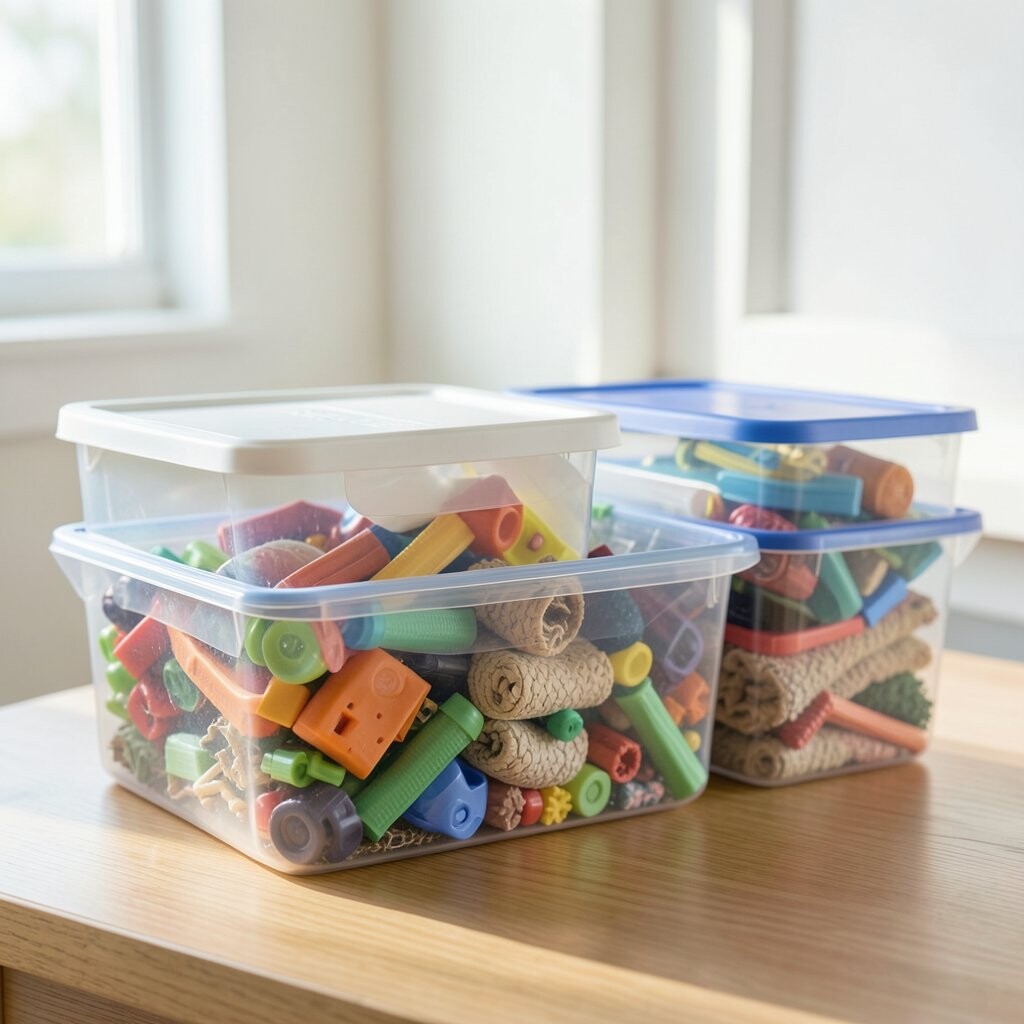
Clear bins are popular because they let you see what is inside right away. Still, using them for every single thing can make a room feel busy and show too much visual clutter.
Some items look better in soft fabric bins, woven baskets, or solid boxes. Mixing clear and covered storage can give you both easy access and a calmer look.
Try clear bins for small parts, craft items, or pantry goods that you use often. Use covered bins for things that do not need to be seen all the time, like extra cords or backup supplies.
6. Ignoring Vertical Space
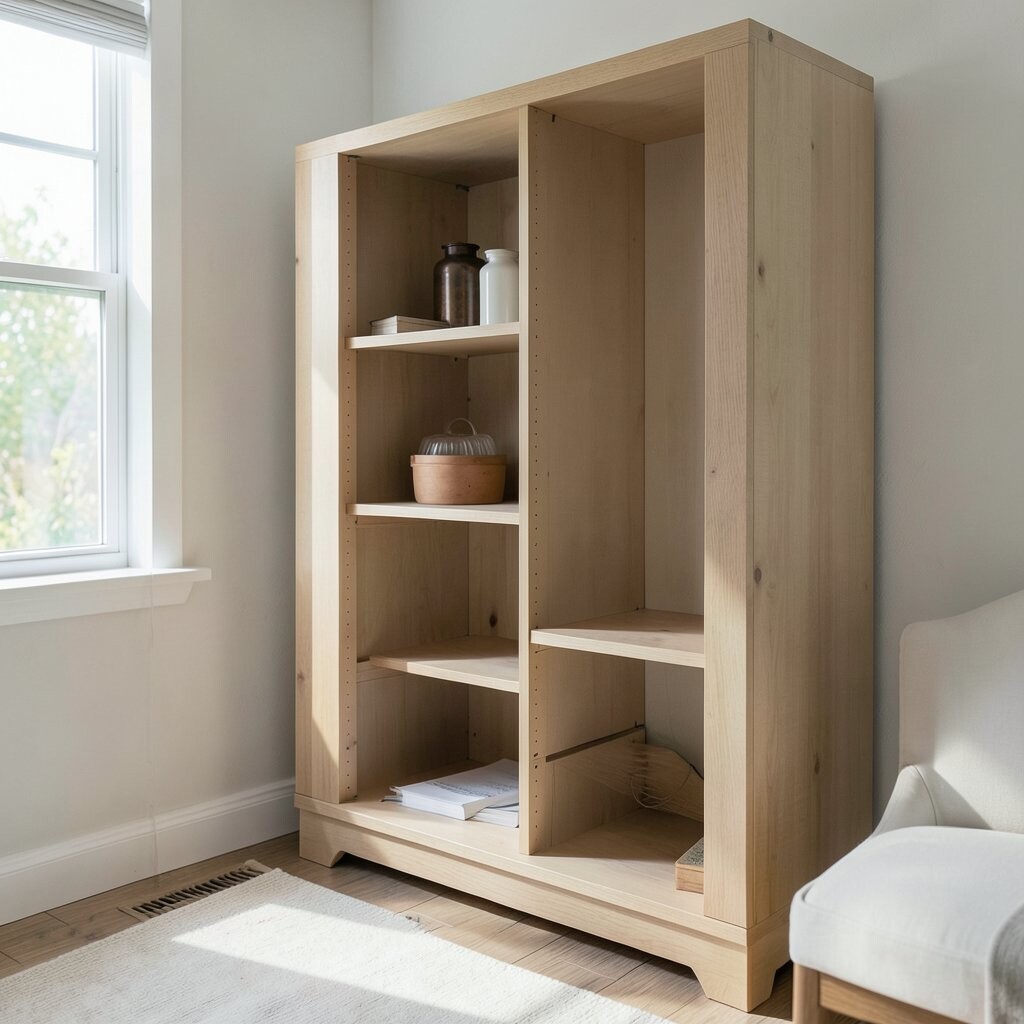
Many rooms waste wall space because people only think about floors, shelves, and drawers. Tall walls, the backs of doors, and the space above cabinets can all help with storage.
Wall hooks, narrow shelves, and hanging racks can free up room on the floor. This can make a small home feel less packed and easier to move through.
Vertical storage also gives a room a cleaner shape because items are lifted up and out of the way. It can cost very little if you use simple hooks or basic shelves from a home store.
7. Letting Paper Piles Build Up
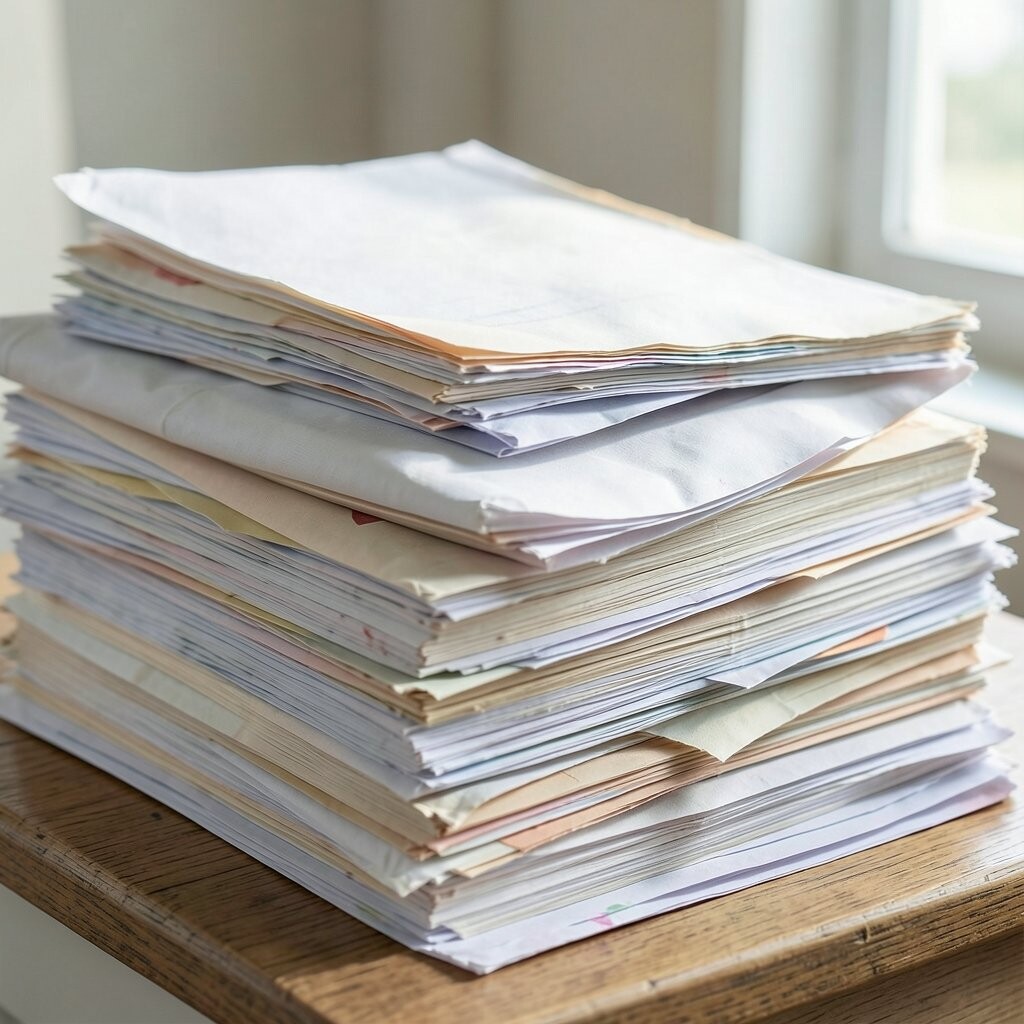
Mail, school notes, receipts, and forms can stack up fast on tables and counters. These piles are easy to ignore at first, but they soon become one of the main reasons a home looks messy.
Set up a small paper spot with a tray, folder, or wall file. Sort papers right away into keep, act on, and toss so the pile does not grow.
A simple paper system can save space and help you find key papers when you need them. It also makes cleaning faster because flat surfaces stay open and clear.
8. Forgetting to Use Drawer Dividers
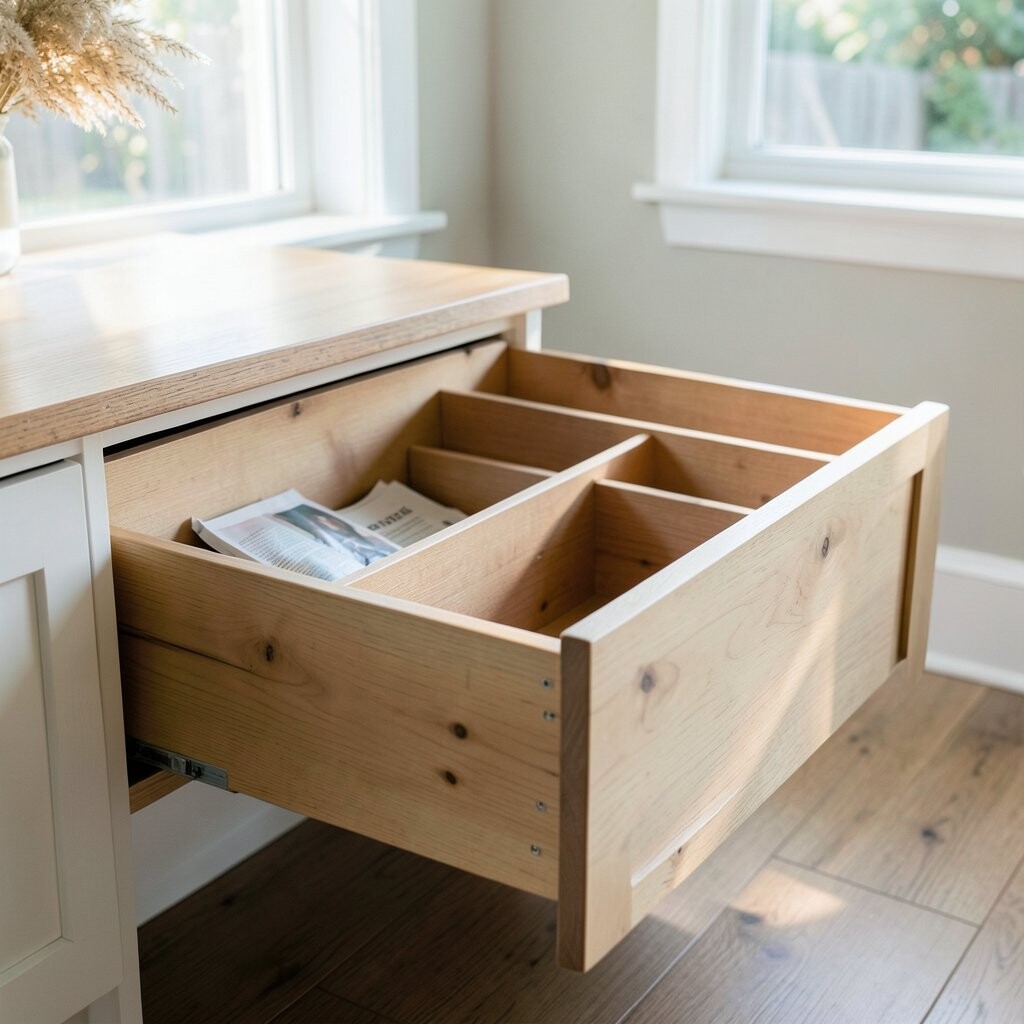
Deep drawers can hold a lot, but they often turn into mixed-up piles. Socks, tools, pens, and hair ties can all slide together and make the drawer hard to use.
Drawer dividers help each item stay in its own small place. You can use store-bought inserts or make your own with small boxes, trays, or folded cardboard.
This kind of setup looks neat and feels simple when you open the drawer. It also helps you notice when you have too much of one thing, which can keep spending in check.
9. Saving Broken or Unused Containers

Many homes hold on to old bins, cracked lids, and missing pairs of containers. These items take up space even though they do not work well anymore.
Broken storage can make a shelf look messy and can even hurt the items inside if lids do not fit right. It is better to keep only containers that stack well, close well, and still look clean.
Before buying new ones, sort the old set and see what still helps. A smaller group of good containers often works better than a large pile of weak ones.
10. Packing Seasonal Items Too Soon
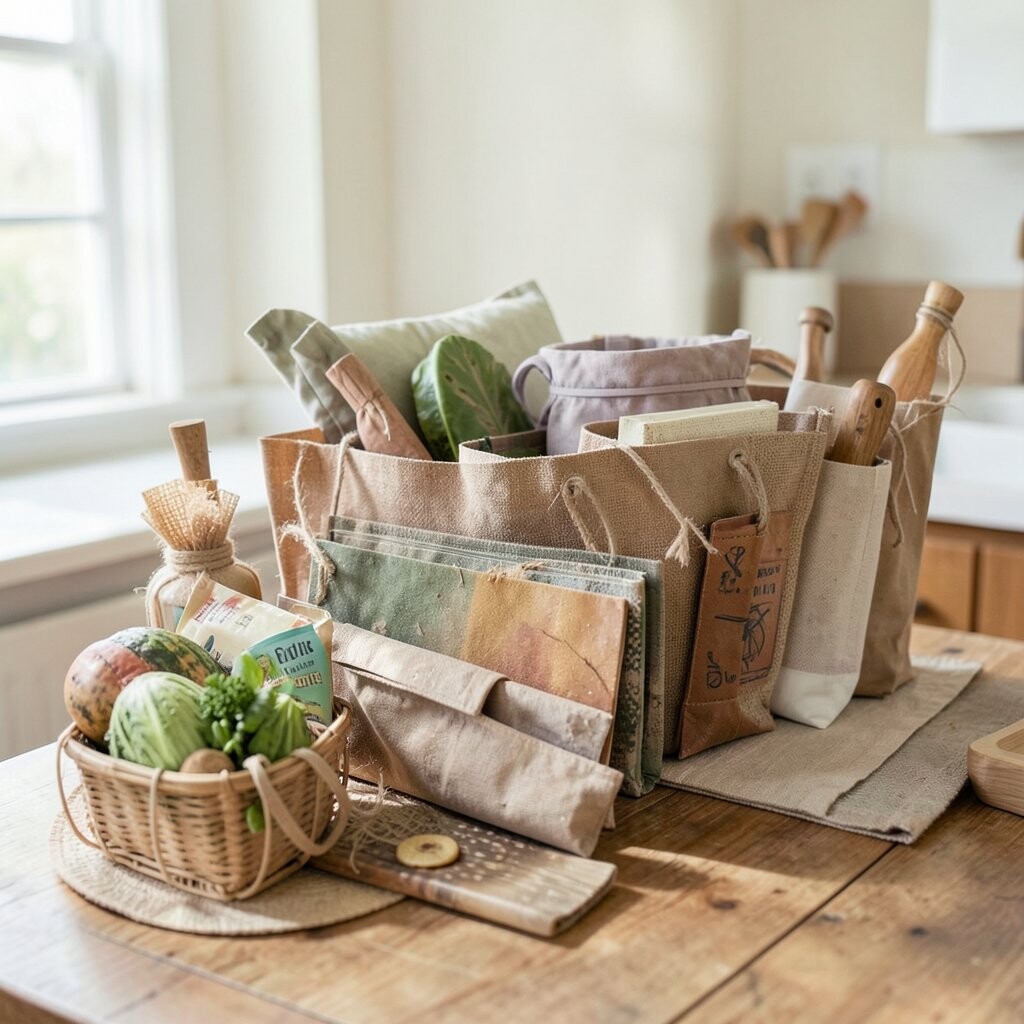
Some people pack away clothes, decor, or gear before the season is truly over. Then they end up pulling things back out, which wastes time and adds extra work.
Wait until you are sure you will not need the item for a while. That way, your storage stays more stable and you do not keep moving the same things around.
This habit can also help with cost because you avoid buying extra backup items you already own. Clear bins, soft bags, and labeled totes are still some of the most common storage trends for seasonal items.
11. Keeping Heavy Items Up High

Heavy boxes, books, and tools can be risky when they are stored on high shelves. They are harder to lift, and they can fall if they are not set down well.
Put heavy things on lower shelves or in lower cabinets where they are easier to reach. Save high spaces for light items like extra towels, empty bins, or small decor.
This makes the home safer and also makes cleaning easier. You will spend less effort moving things around, and you will not have to worry as much about things dropping.
12. Mixing Too Many Storage Styles
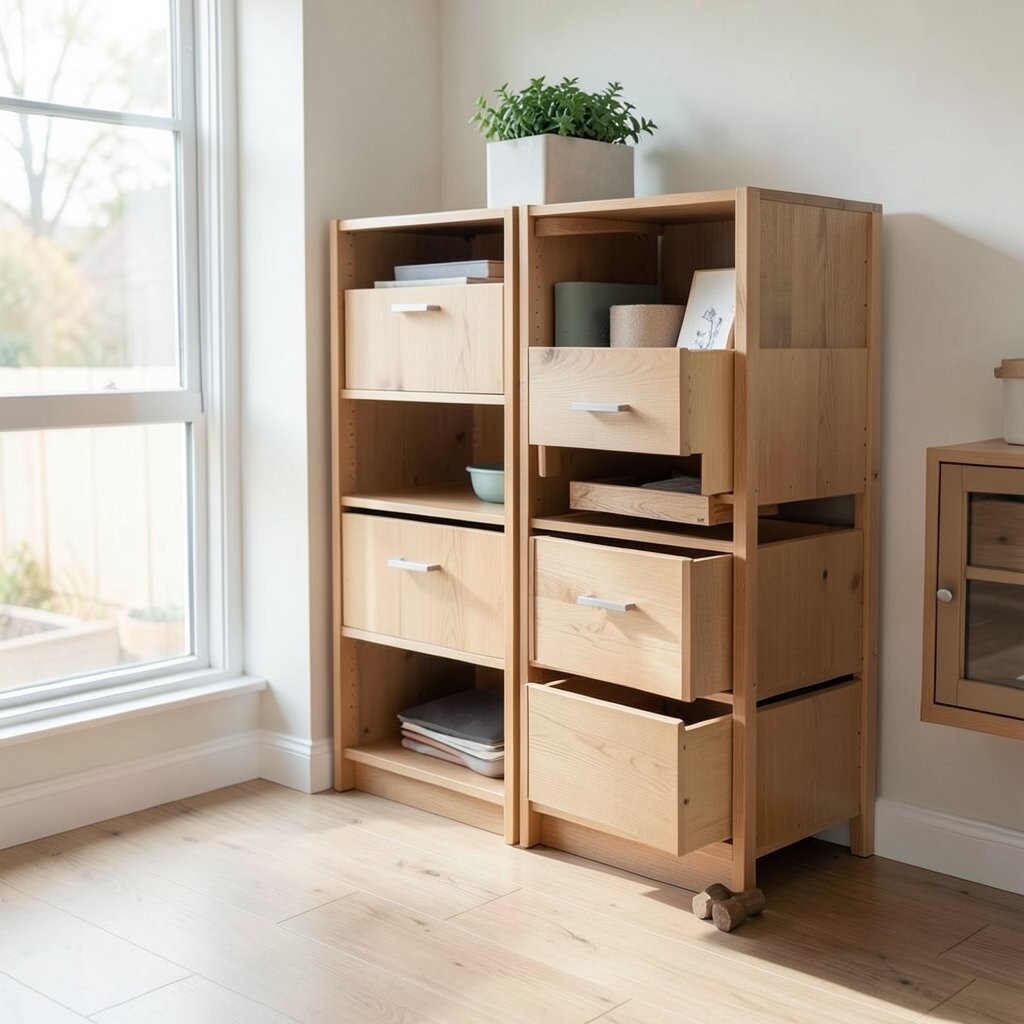
A room can look busy when every basket, bin, and box has a different shape, color, or texture. Even if the items are sorted well, the space may still feel cluttered to the eye.
Using a few matching styles can help a room feel calm and planned. You do not need everything to match perfectly, but a steady look can make a big difference.
Try repeating the same color or material in one room, such as white bins, woven baskets, or clear cases. This simple style choice fits many current home trends and usually does not cost much if you buy pieces slowly.
13. Not Making Storage Fit Your Daily Life

Storage should match the way you actually live, not just how a room looks in a photo. If you have kids, pets, work gear, or hobby items, your system needs to fit those real needs.
A shelf that looks nice but is hard to use will not stay tidy for long. It is better to make storage easy to reach, easy to return, and easy to understand for everyone in the home.
You can personalize the space with bins for each person, a family drop zone, or small trays for shared items. This kind of setup helps the home stay neat because people know where things belong.
14. Skipping Regular Storage Checks
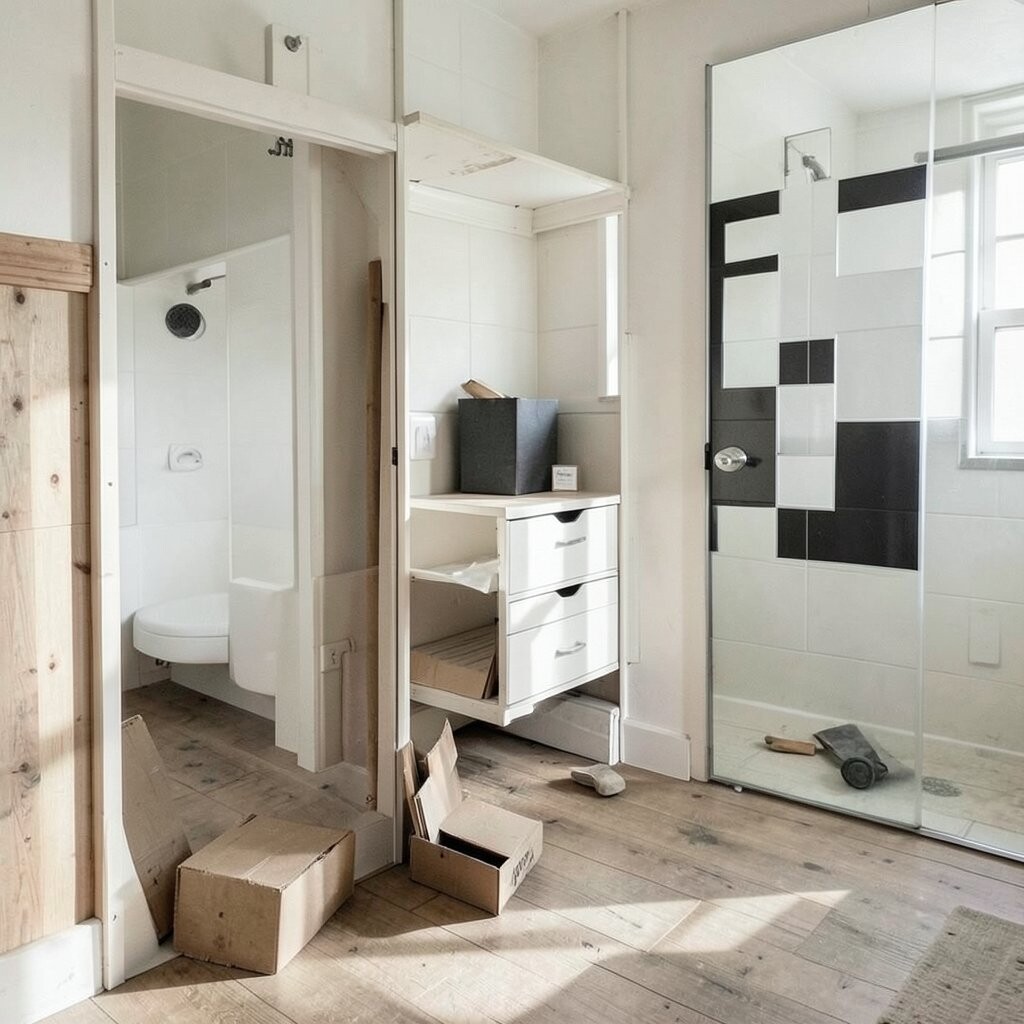
Even a good storage system can get messy if no one checks it now and then. Items move, needs change, and old habits can slowly bring clutter back.
Set a simple time to look through shelves, drawers, and closets. Put back stray items, remove things you no longer need, and fix any spots that feel crowded.
Regular checks help keep your home tidy without a big cleanout later. They also let you adjust your system as life changes, which makes storage more useful and less costly over time.