Stepping into a well-organized closet feels like opening a gift you made for yourself. Small layout tweaks can change how your room looks and how your mornings feel.
Even if your closet is small, clever planning can make everything feel tidy, reachable, and calm.
-
1. Start with a “Zones First” layout
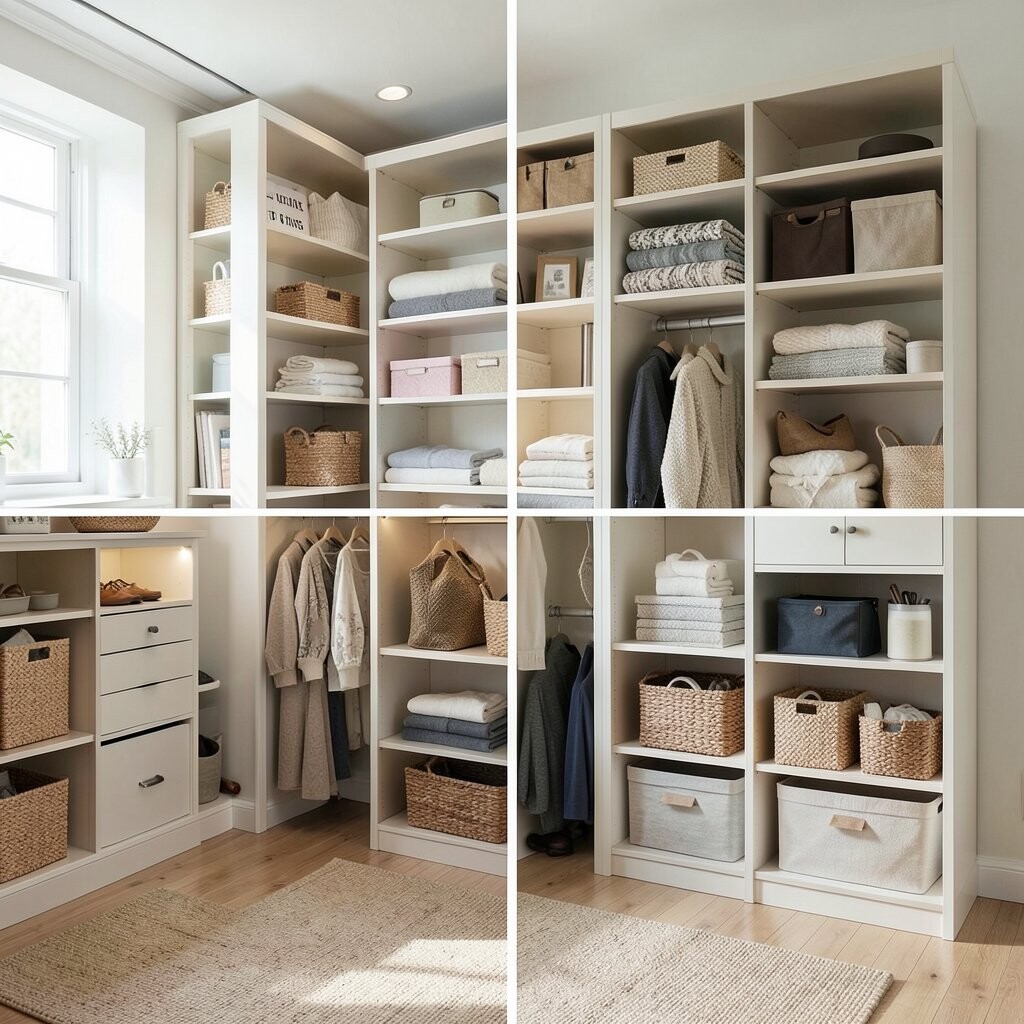
Start with a “Zones First” layout Divide your closet into clear zones like daily outfits, work clothes, and special pieces. This helps your eyes move less and your hands grab faster.
Use a simple map with labels on the floor or on paper before you move anything. Keep items you use often at eye level, and store seasonal items higher or lower. For a low-cost start, try hanging matching baskets or using stick-on shelf labels to mark each zone.
For personalization, assign zones by your routine, not by clothing types. If you hate searching for shoes, give them their own near-the-door zone with a tray. The current trend of “visual sorting” also makes it easier to keep things neat long after the makeover.
-
2. Use double-hanging for shorter corners and deeper racks
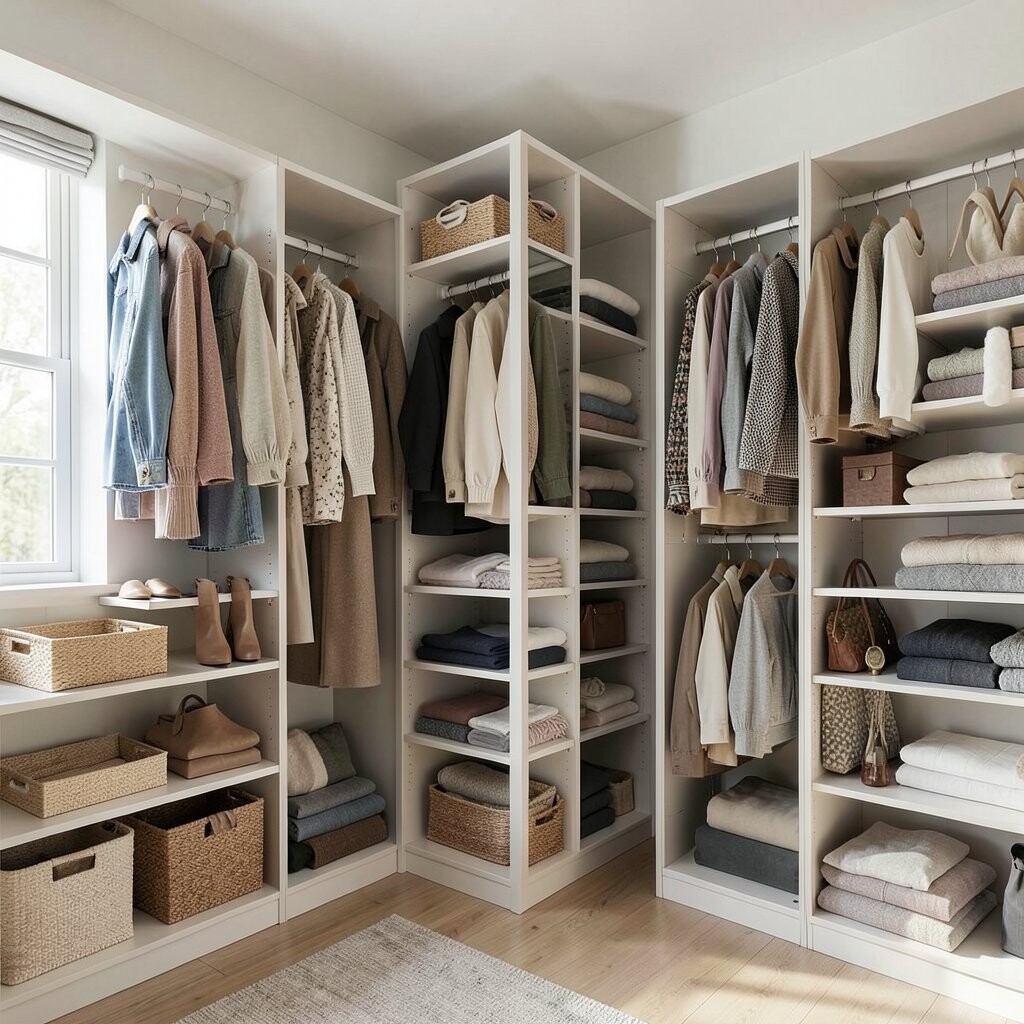
Use double-hanging for shorter corners and deeper racks If your closet has depth, a double-hanging setup makes more room for everyday clothes. It also keeps hangers from stacking awkwardly and turning into a tangled mess.
When you install two rods, place the upper rod for shirts and the lower rod for skirts or pants. This is a practical choice because it reduces clutter and keeps long pieces from dragging on the floor. For costs, look for adjustable closet rods or kits rather than custom built-ins.
To make it unique, keep a small “grab-ready” section for outfits you wear often. Add matching wooden hangers for a neat look, then choose bins in colors that match your room. A neat layout trend right now is mixing function with style, so your closet feels like part of your home decor.
-
3. Create a dedicated shoe lane with a pull-out drawer or tray
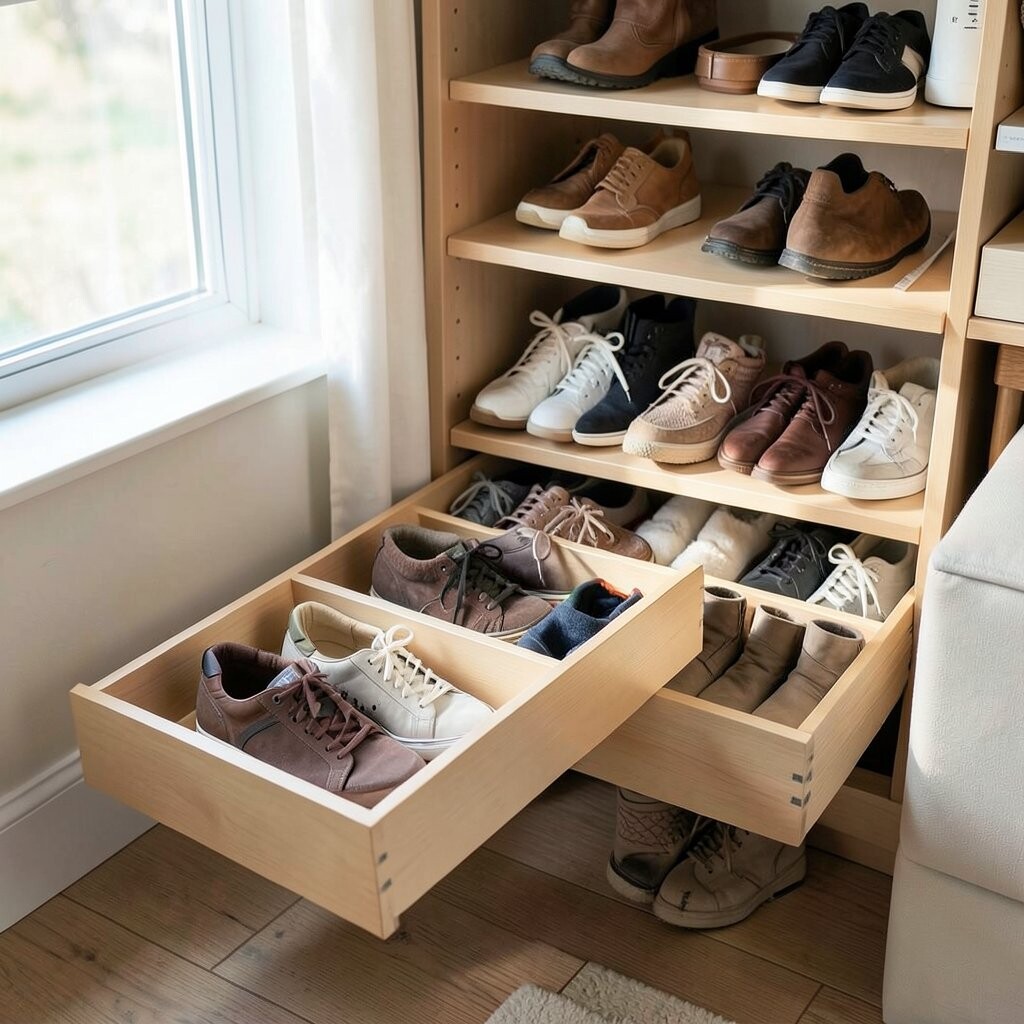
Create a dedicated shoe lane with a pull-out drawer or tray Shoes can make a closet look messy fast, especially when they sit in stacks. A shoe lane makes each pair easy to see and easier to grab.
Try a pull-out drawer near the closet opening, or use a long tray under the hanging area. Label the spots so sneakers, flats, and boots stay in their own range. You’ll save time during busy mornings, and your closet floor stays clearer.
For personalization, match drawer organizers to your shoe style—sleek for a modern look, woven for a cozy look. If you’re watching your budget, start with a few simple shoe shelves before buying a full system. Right now, many people use “face-out” storage for shoes so pairs look tidy and stylish.
To keep it working, do a quick weekly reset by returning any misplaced pair. A small habit prevents the usual shoe pile from taking over again.
-
4. Add one high-impact shelf for folded favorites
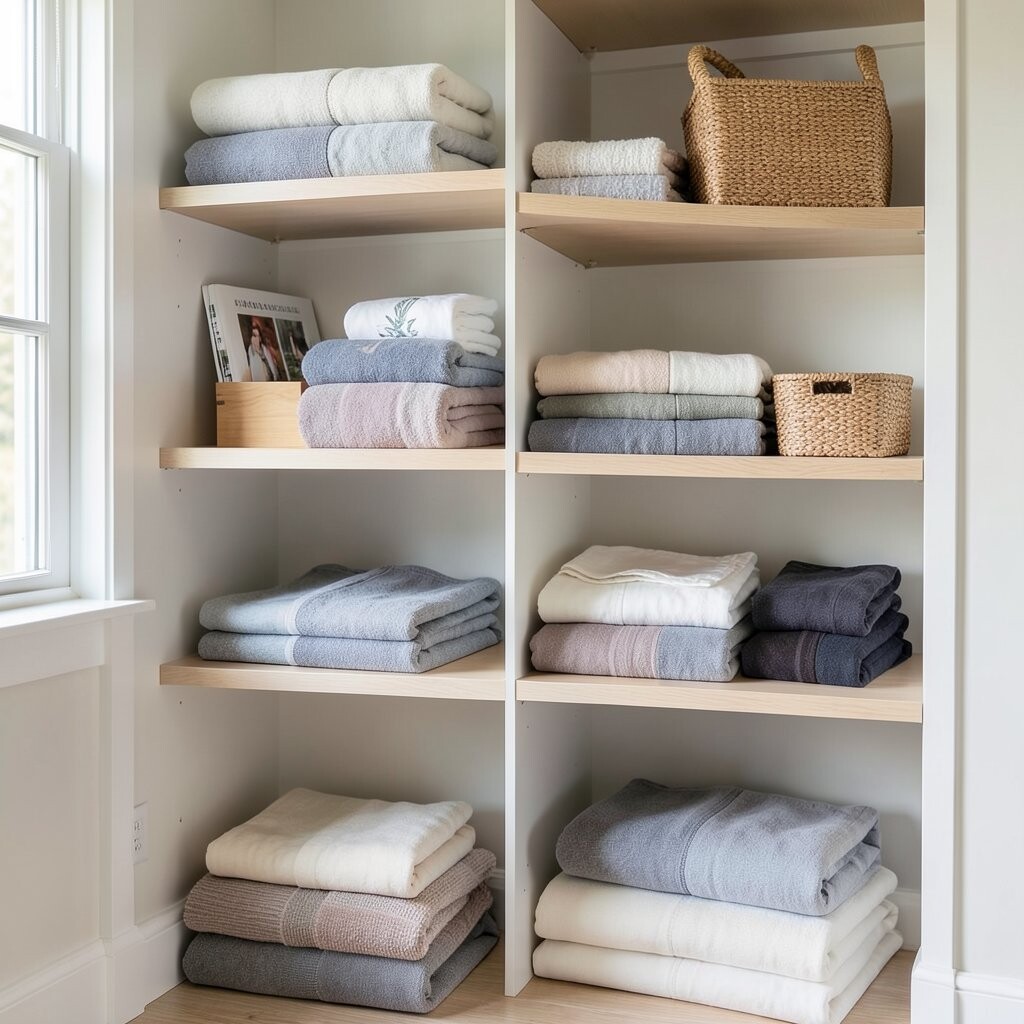
Add one high-impact shelf for folded favorites A single well-placed shelf can make your closet feel calm and organized. When folded items have a home, you avoid the messy pile on the floor.
Place the shelf at a height where you can fold and grab without bending too much. Use a mix of shelf dividers and bins to keep stacks from sliding. This upgrade is often budget-friendly because it can use basic shelving brackets and storage boxes.
For uniqueness, use clear bins for items you like seeing, like sweaters or folded sets. If you prefer privacy, use fabric bins with a color theme. Personalization is easy here—choose bin colors that match your bedroom palette, and rotate what goes on display by season.
As a current trend, many closets now use “fold and file” methods so clothing stays visible and easy to sort. That layout reduces rummaging and keeps your shelves looking crisp.
-
5. Install a slim “top shelf” for seasonal rotation and keepsakes
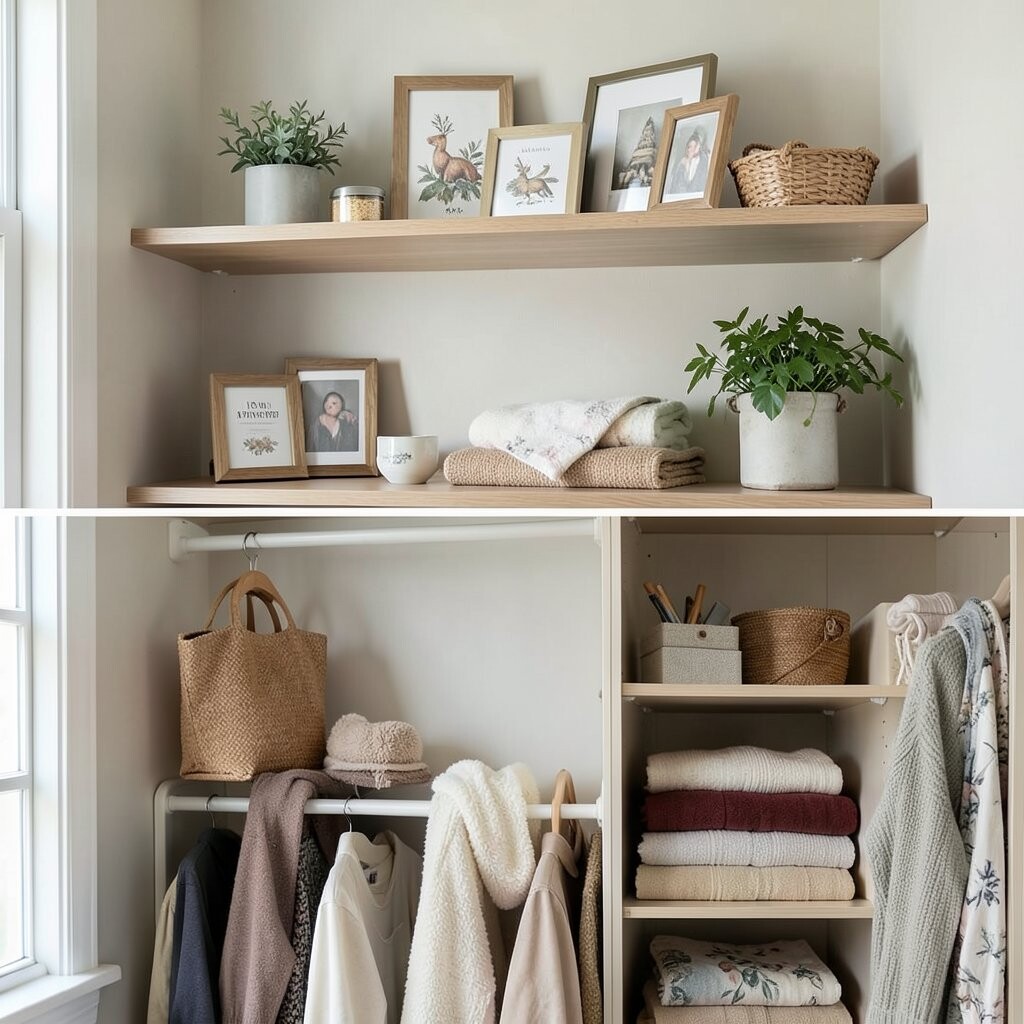
Install a slim “top shelf” for seasonal rotation and keepsakes The top shelf is perfect for items you do not need daily. It keeps bulky things out of the way while still giving you a place to store them.
Store off-season clothing, extra linens, and holiday accessories up high. Use labeled boxes so you can find what you need without digging. A benefit of this layout is that your daily clothing stays front and center, making mornings feel lighter.
To personalize, choose one or two “keep” categories like sentimental items or special outfit garments. For cost considerations, you can use sturdy plastic bins or stackable cardboard boxes with lids. Many people now use uniform storage so everything looks neat even from a glance.
-
6. Build a “front-of-closet” rack for outfits you grab daily
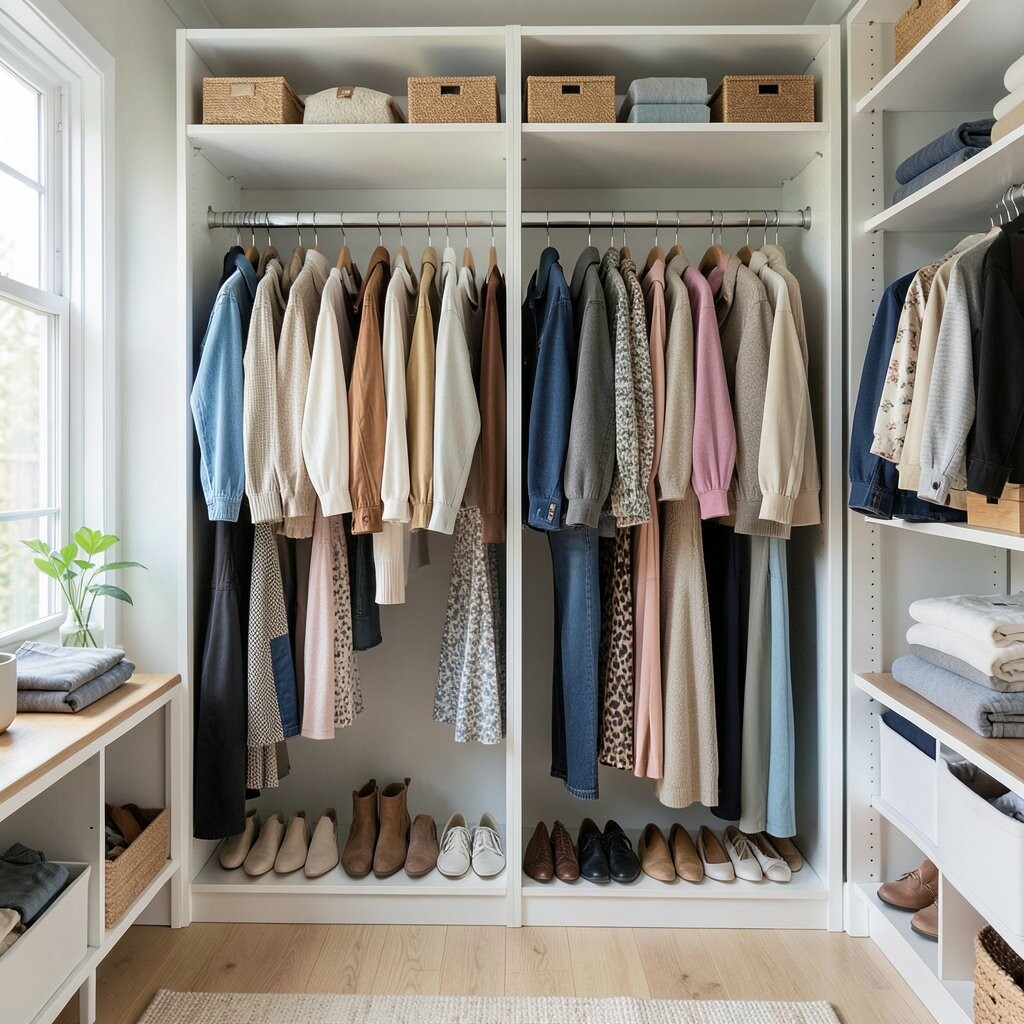
Build a “front-of-closet” rack for outfits you grab daily A front rack gives your closet a clear purpose: quick choices first. When your most-worn items live near the entrance, you waste less time searching.
Set up a short hanging section for your go-to shirts, work pieces, or weekend outfits. Add a small tray below for belts, hair accessories, or a watch. This is a helpful upgrade because it keeps small items from hiding in drawers.
For personalization, keep a mini color theme, like neutrals on one side and brighter pieces on the other. If you want to stay affordable, start with hooks and a single rod instead of a full organizer system. The current style trend is “capsule picking,” where your closet highlights a small set of outfits you can mix and match.
To make it actionable, update the front rack once a month so it stays fresh. That little change helps you notice what you actually use.
-
7. Use mix-and-match hanging heights for a smoother fit
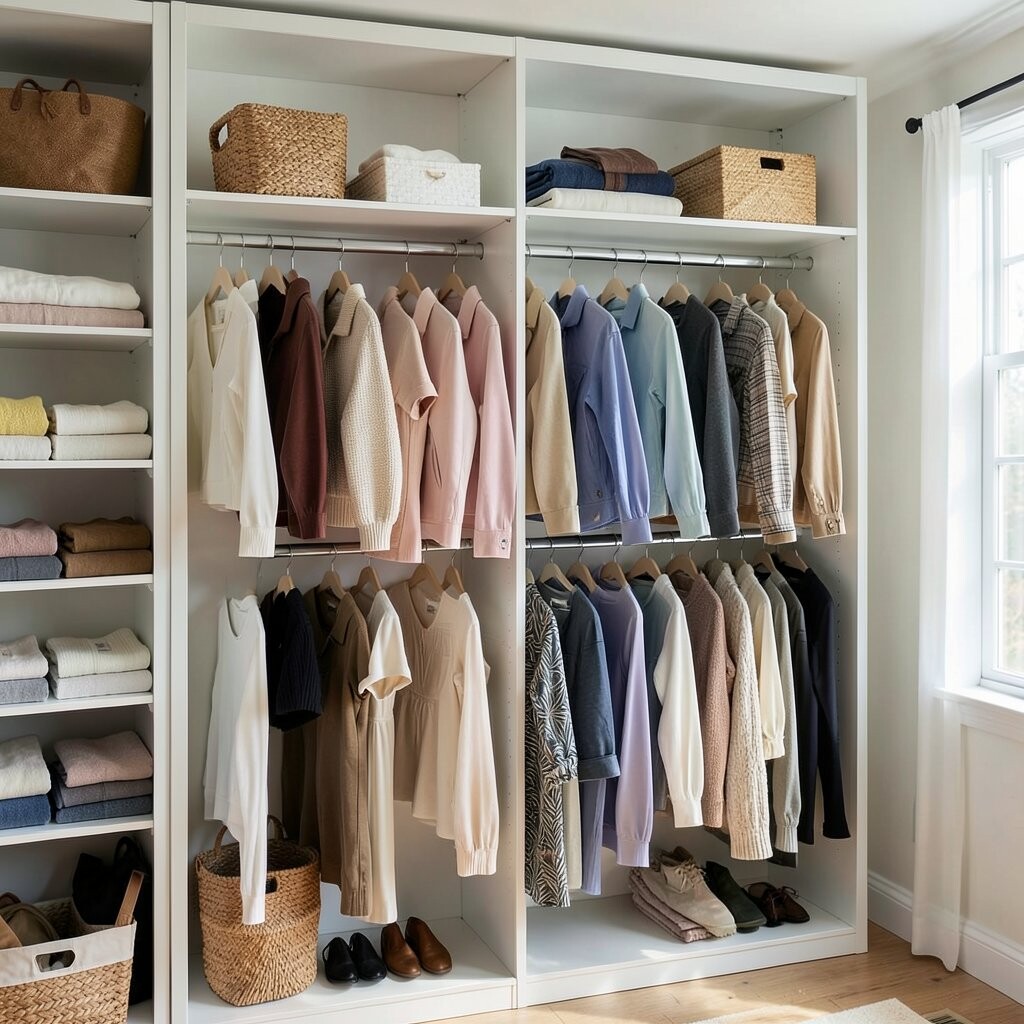
Use mix-and-match hanging heights for a smoother fit Not all clothes hang the same way, and your closet should follow that rule. A layout with different hanging heights helps each item sit neatly.
Set one rod lower for pants or longer dresses and a second rod higher for tops. If you have small children or short adults, lower one section for easy access. The benefit is fewer wrinkles and fewer items falling to the side.
To personalize, hang by how you feel when you get dressed. Maybe you like to start with blouses, or maybe you prefer sweaters first. For cost, adjust using existing rods and add simple brackets rather than doing a full rebuild.
-
8. Add a “belt and scarf wall” with hooks and rails
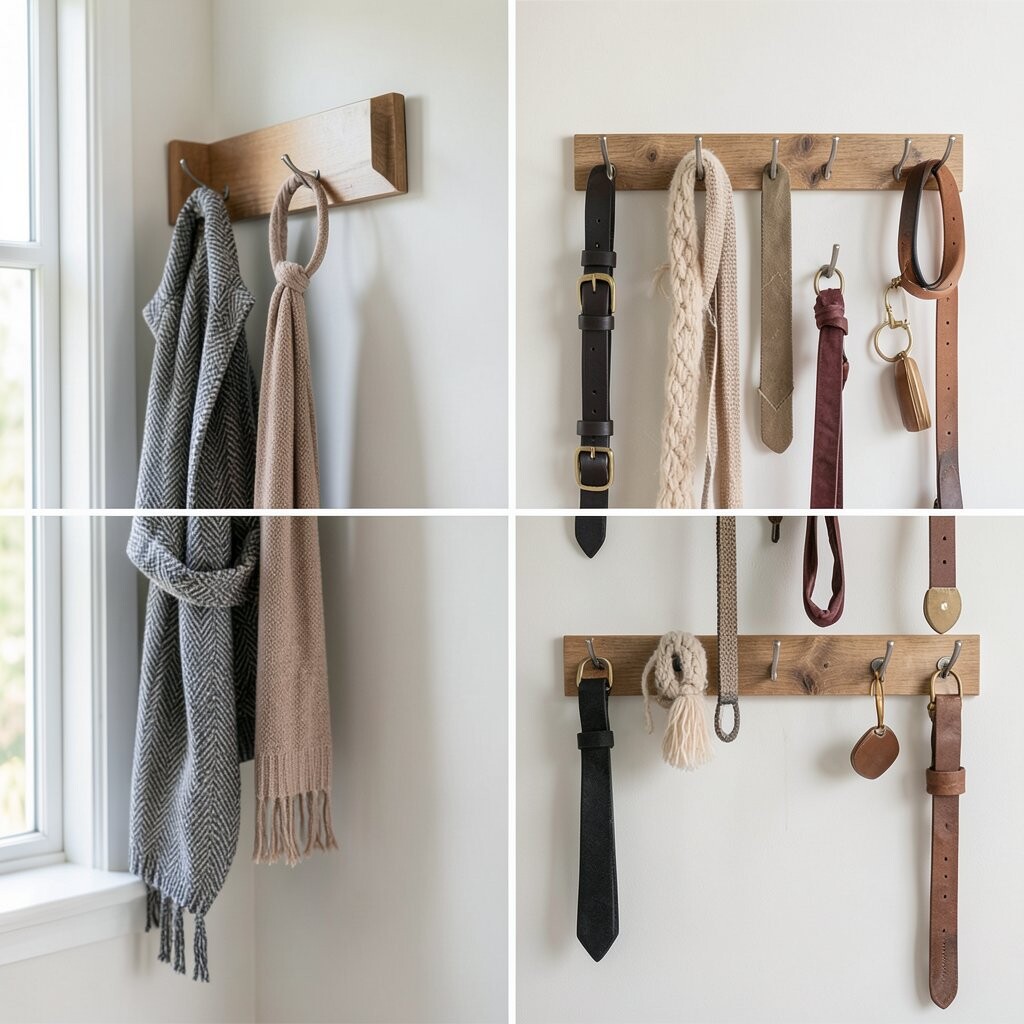
Add a “belt and scarf wall” with hooks and rails Belts and scarves often become a tangled pile, but they can look tidy with the right layout. A hook wall turns them into neat lines you can see quickly.
Mount a row of hooks at eye level and add a slim rail for scarves. Use small clips or rings to keep loops from slipping. You’ll gain speed when getting dressed, and your closet will look more polished right away.
For uniqueness, choose a rail color that matches your closet hardware. You can even add a small sign or label for each category. If you want to save money, start with one strip of hooks and add more later.
Current closet trends favor “accessory visibility,” because it reduces decision fatigue. When you can see your options, choosing feels easier and calmer.
-
9. Make drawer spacing match your daily routine
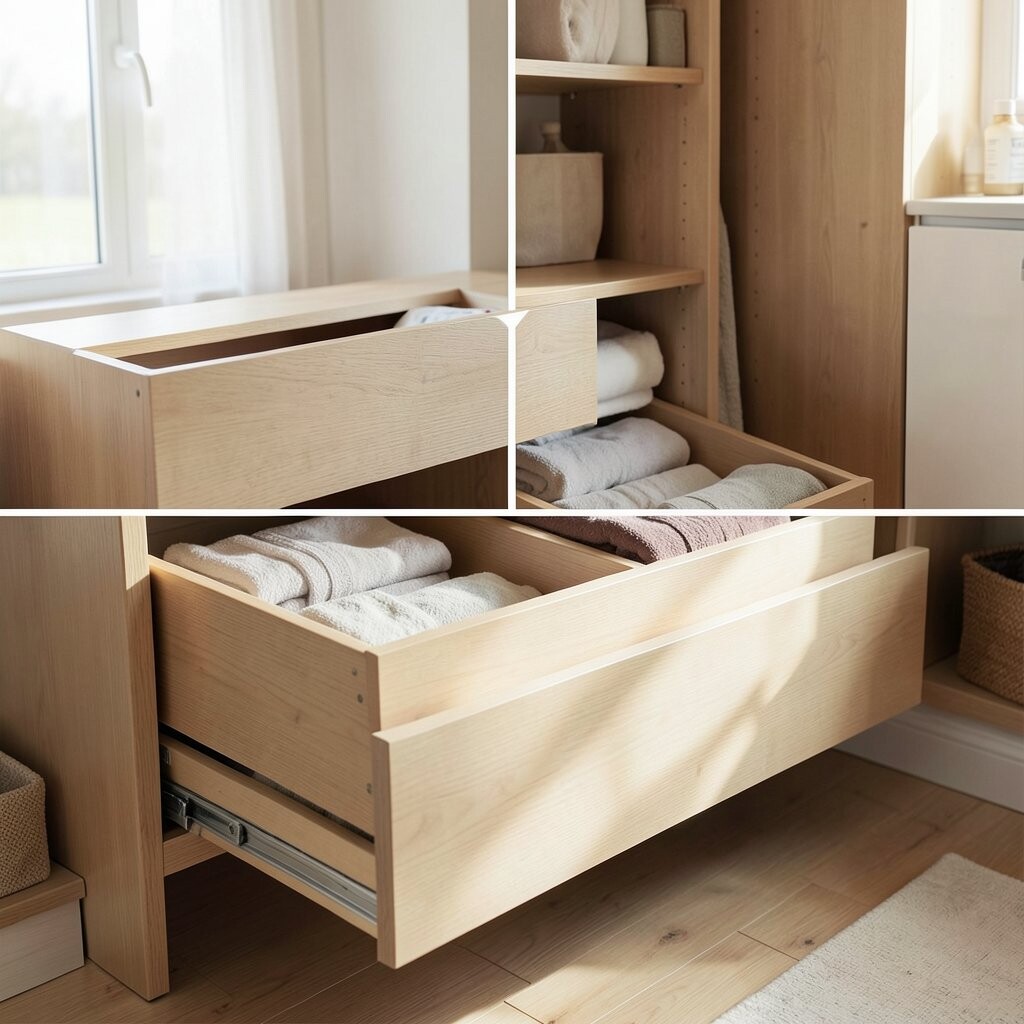
Make drawer spacing match your daily routine Drawers can be magic when they are sized for your real needs. If your drawer layout fits your routine, you will reach for it without thinking.
Use shallow drawers for socks, underwear, and small items, and deeper drawers for folded extras. Add dividers so items stay separated and easy to grab. This helps reduce clutter because loose items do not spill into each other.
For personalization, create one “emergency drawer” for things like stain remover pens, lint rollers, and travel chargers. That makes your closet feel helpful, not just neat. Cost-wise, you can begin with inexpensive drawer organizers and upgrade to custom inserts later.
-
10. Add a bench or a low seat for easy dressing
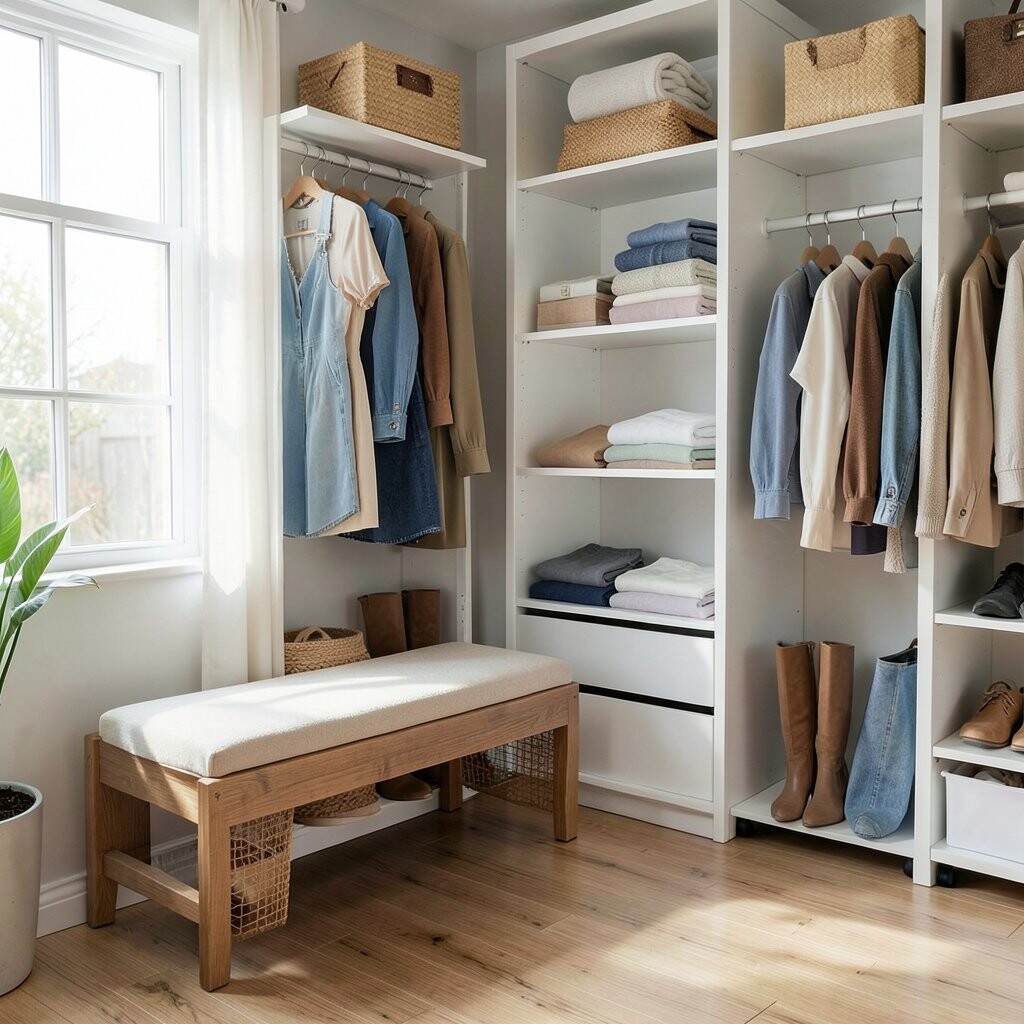
Add a bench or a low seat for easy dressing A bench changes how a closet feels because it adds a comfortable “pause point.” When you can sit, dressing becomes simpler and shoes stay under control.
Place a slim bench near a door or along the deepest wall, then add baskets underneath. Use it as a shoe moment, a coat moment, or a quick change spot. The benefit is less chaos, because you have one clear place for everyday items.
To personalize, choose a bench style that matches your room, like wood for warm vibes or metal for a modern look. For cost considerations, you can use a simple storage bench or a basic bench plus removable baskets. A popular trend is combining seating with storage so a closet looks designed, not just functional.
Keep it actionable by adding a small tray for keys and change. It helps you complete outfits without leaving the closet area.
-
11. Plan “coat and outerwear staging” at the entrance
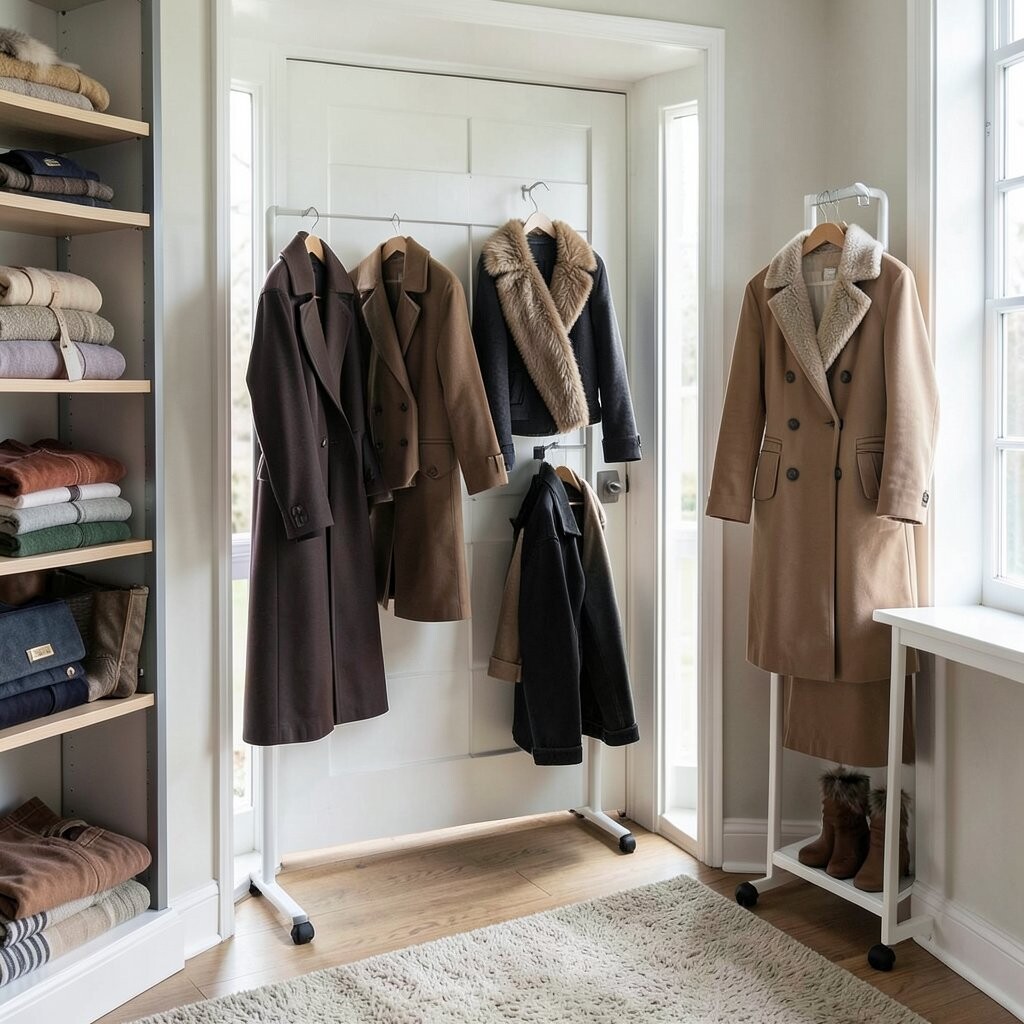
Plan “coat and outerwear staging” at the entrance Outerwear needs its own place because it is bulky and used often. When coats and jackets have a staging area, your closet stays calmer.
Use hooks or a dedicated hanging section right near the door. Add a small shelf above for hats and gloves so small items do not disappear. This layout benefit is huge during rainy or cold days when you need quick access.
To make it unique, set aside one hook per family member or per activity, like “school” and “weekend.” If you want a budget option, add wall hooks plus a hanging organizer instead of full shelving. The current trend is “drop zones,” where everyday gear lands where you can grab it again.
For personalization, add a small bin for umbrellas or a basket for scarves that you wear most. It turns the closet into a useful command center.
-
12. Use clear labels and a simple color code for fast sorting
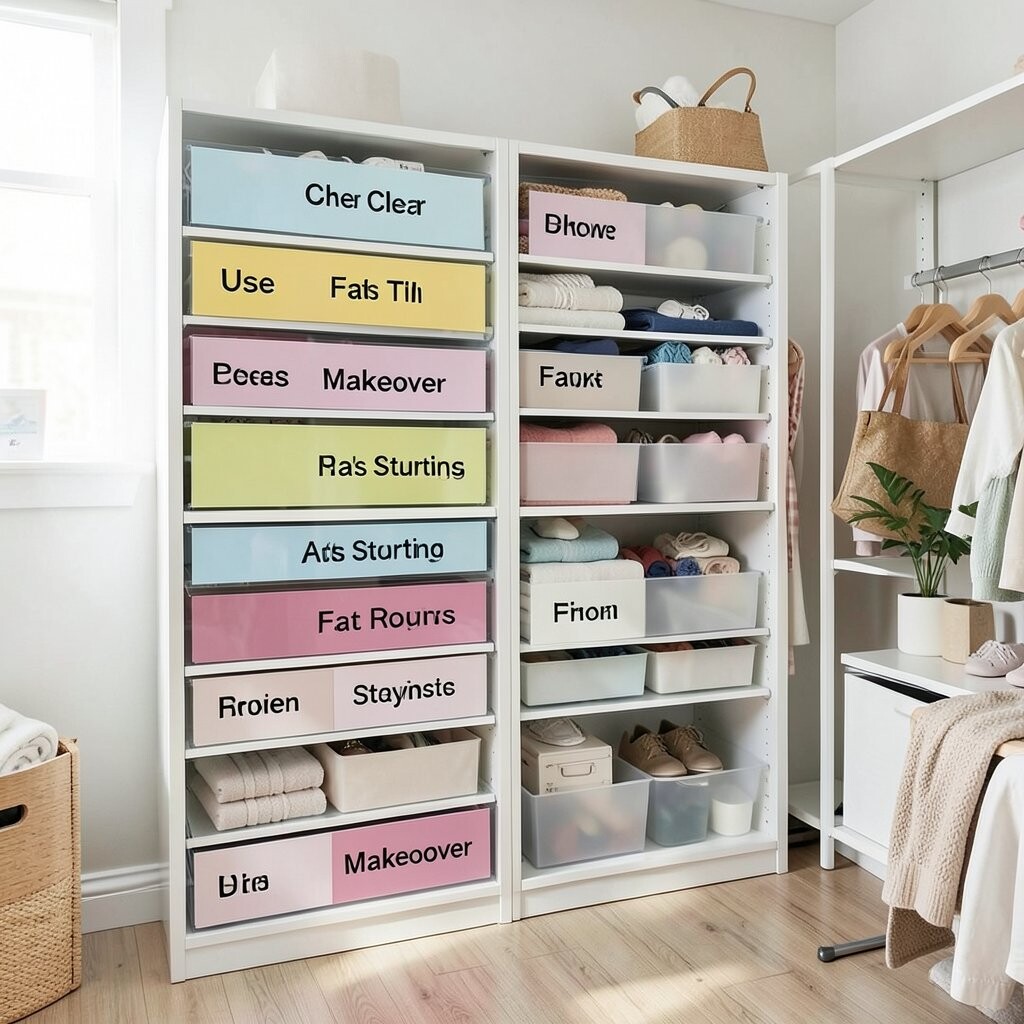
Use clear labels and a simple color code for fast sorting Labels are small, but they make your whole closet work better. A labeled layout keeps you from guessing where items belong.
Try color coding by category, like blue for shoes, green for accessories, and neutral for folded clothes. Use label sleeves on bins and drawer dividers so everything looks neat. The benefit is less mess over time, because each item has a clear home.
For uniqueness, design labels in your favorite handwriting style or print them on thick card stock. If you are keeping costs low, start with tape labels and upgrade to nicer ones later. Right now, many people like “clean minimal labels” for a tidy look that still feels personal.
To keep it actionable, review your labels when seasons change and adjust what goes where. This keeps your closet layout matching your life.
-
13. Try a “laundry-to-closet” folding station layout
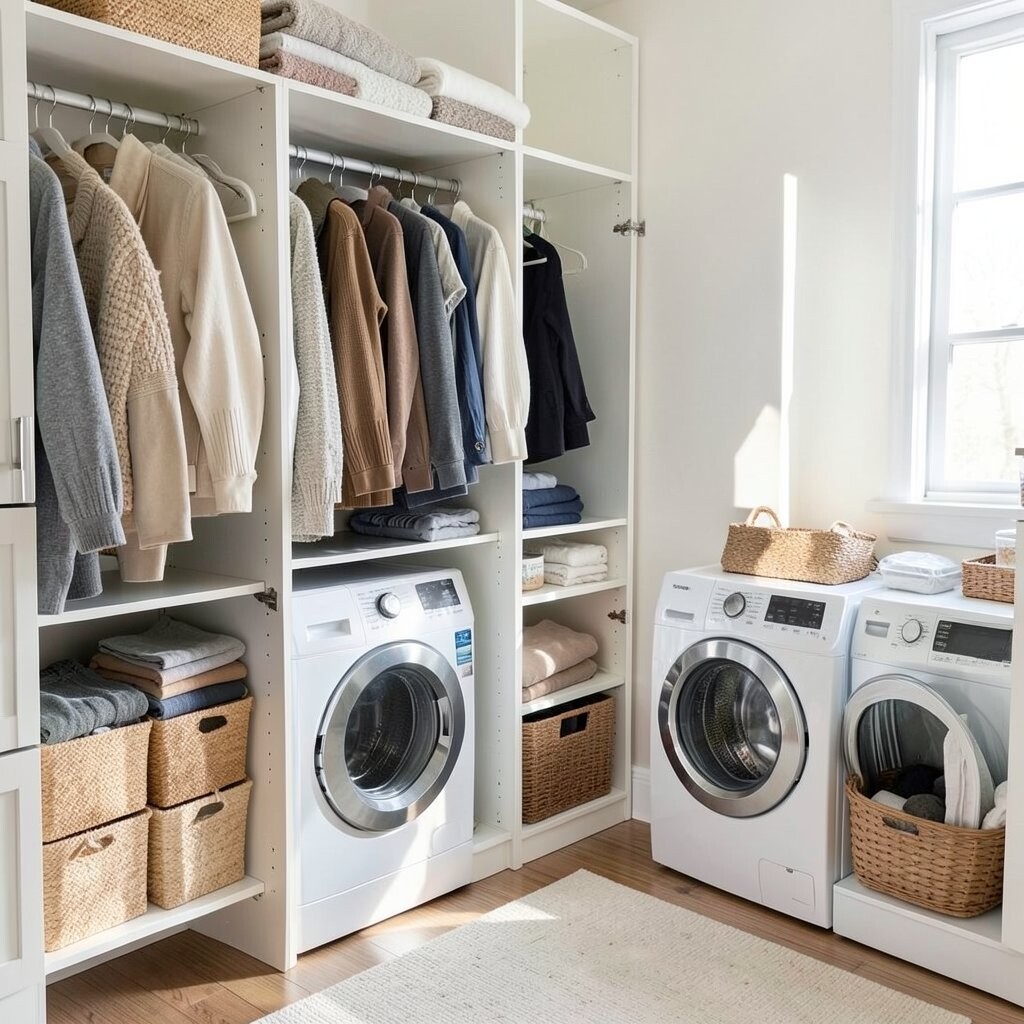
Try a “laundry-to-closet” folding station layout If laundry feels messy, your closet layout might be the missing piece. A folding station helps you move clothes smoothly from basket to shelves.
Install a shelf or a small folding surface near drawers, then keep a hamper nearby. Use a small organizer tray for lint remover, stain pen, or small repair tools. This layout benefit saves time and reduces the “dump and sort” pile.
To personalize, choose a folding surface that matches your style, like a light wood top or a wipe-clean panel. For cost considerations, a simple countertop-style board and a few brackets can be enough to start. Current trends include “workflow storage,” where the closet supports each step of a task.
-
14. Add vertical storage with stackable bins and hanging organizers
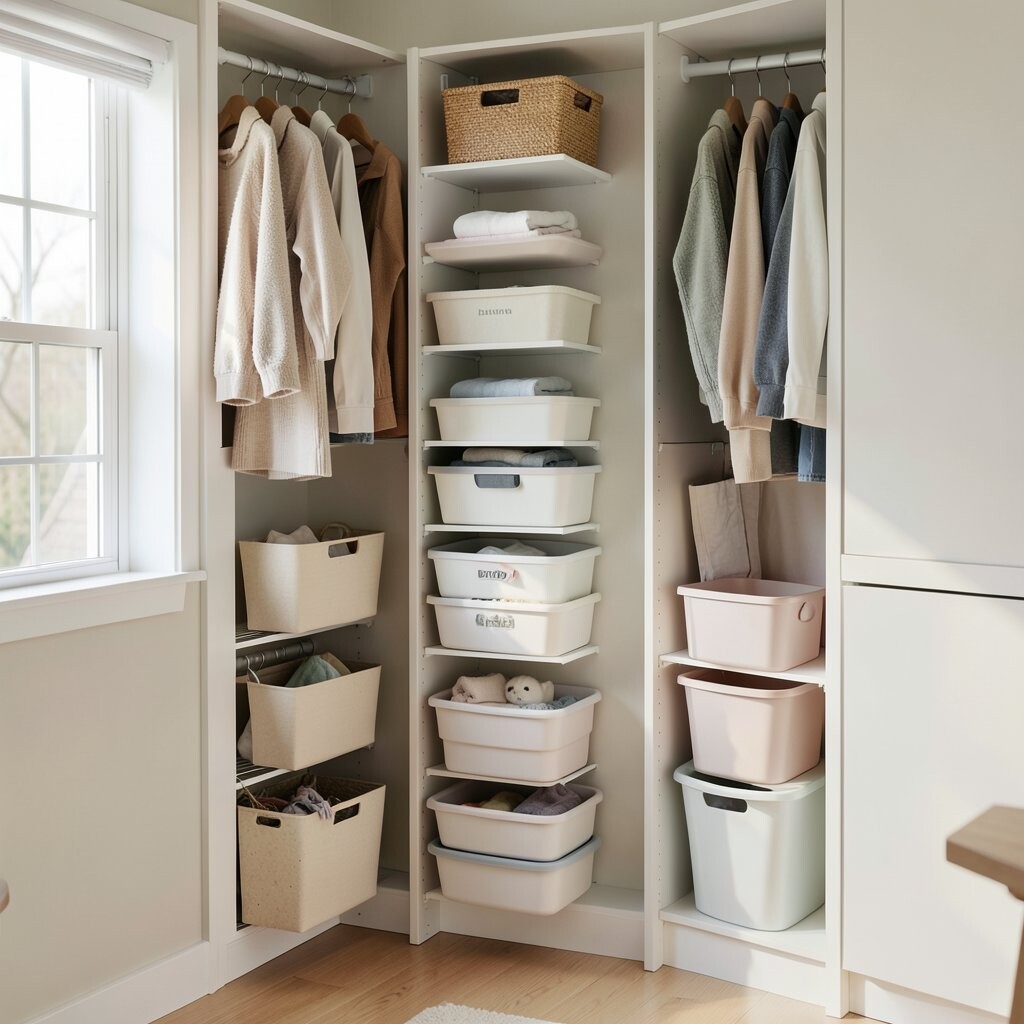
Add vertical storage with stackable bins and hanging organizers Vertical storage makes closets feel bigger without adding much space. When items stack neatly up and down, the floor stays open.
Use stackable bins for socks and accessories, plus a hanging organizer for small daily items. Keep bins aligned so the layout looks intentional. The benefit is that you get more organization in the same closet footprint.
For personalization, choose bin styles that match your closet vibe, like woven fabric for cozy rooms or clear plastic for a modern look. If you are budget-aware, begin with one vertical tower and expand after you see what you use most. A current trend is mixing open and closed storage so some items are visible while others are hidden neatly.
Make it actionable by placing your most-used items in the easiest-to-reach bins. That way the system actually gets used, not ignored.
-
15. Create a “style wall” using framed photos, color swatches, and outfit grids
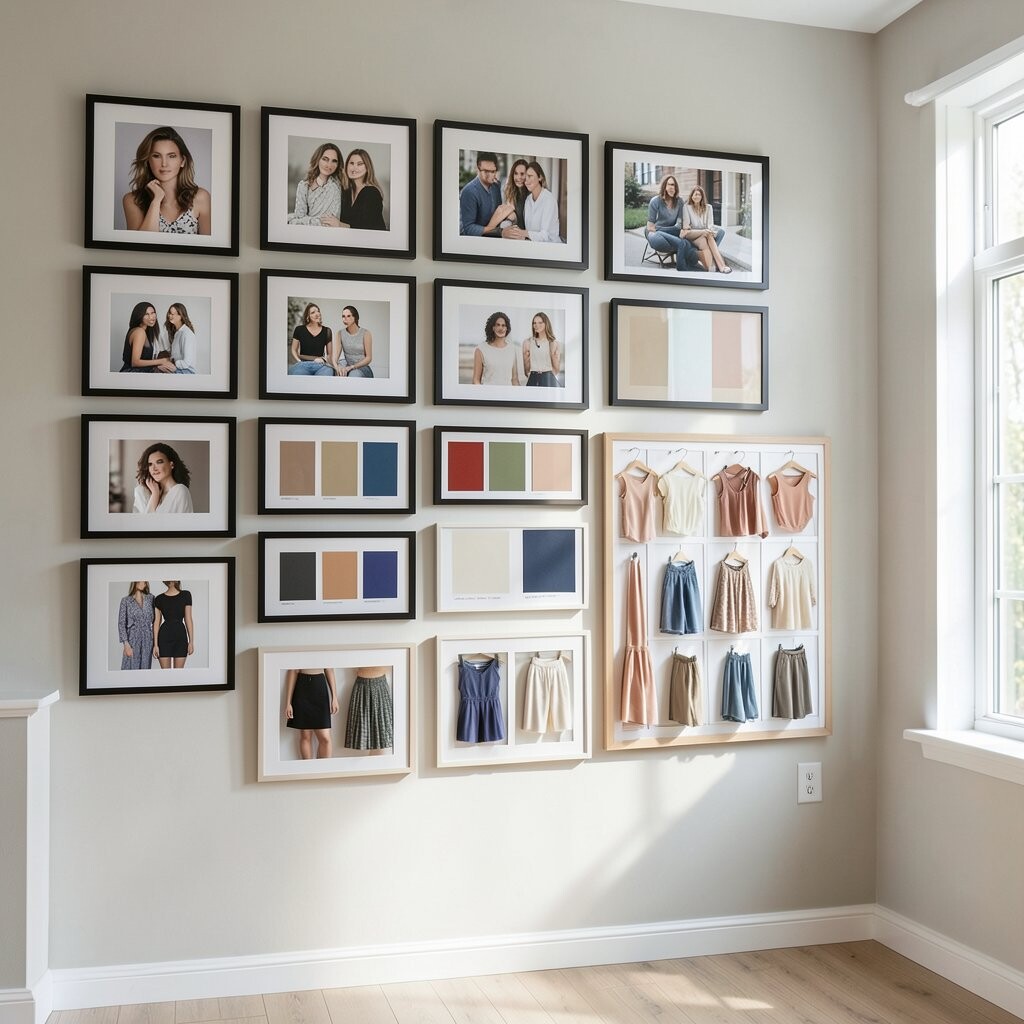
Create a “style wall” using framed photos, color swatches, and outfit grids Your closet can be more than storage; it can be motivation. A style wall turns getting dressed into a guided routine instead of a guessing game.
Choose a small section near the entrance and add a framed board with outfit ideas or color swatches. Keep it simple: a few outfit combos, a seasonal color palette, and a reminder of what you love wearing. The benefit is emotional and practical, because you pick faster and feel more confident.
For uniqueness, include a tiny grid that matches your real habits, like weekday work looks and weekend casual ideas. Cost considerations are easy here: printed sheets, a cheap frame, and a clipboard can do the job. Right now, many people use “mood organization,” where visuals help decisions and keep storage aligned with personal style.
To keep it fresh, update the style wall every season and when your wardrobe changes. That simple habit helps your closet feel alive, not stuck.