Color on a bookshelf can make your room feel like a happy story. Small book-group choices add big personality every day.
Pick a plan that matches your taste, your budget, and how you like to read.
-
1. Rainbow spine storylines (by color)
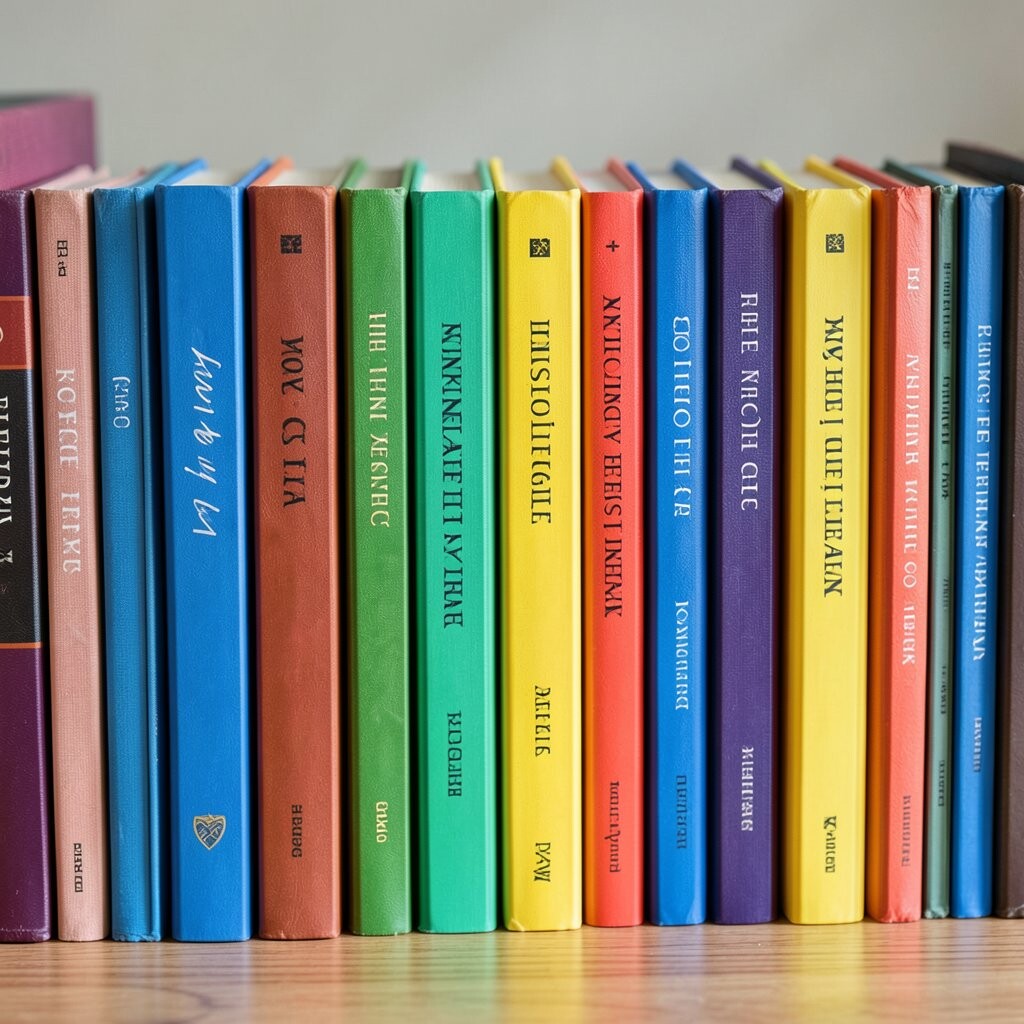
Rainbow spine storylines (by color) Line up spines by color like crayons across the shelf. You will notice how the room feels brighter the moment you step back.
This collection works great for mixed genres, because the colors do the organizing. It also makes it easier to grab a book fast when you are in a hurry.
-
2. Season swaps: spring, summer, fall, winter
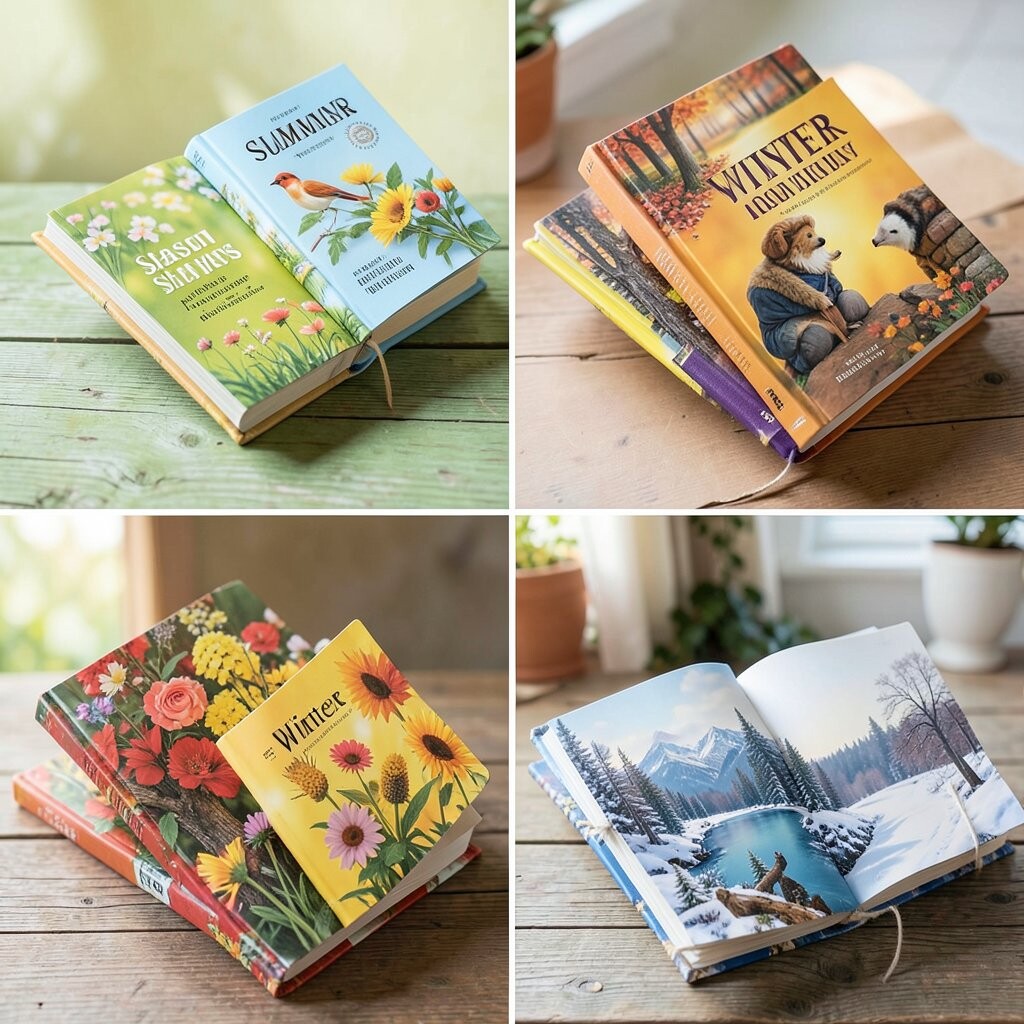
Season swaps: spring, summer, fall, winter Group books by the seasons they match, not just by subject. Think bright covers for summer and cozy tones for winter.
For a visual pop, place the warm seasons on one side and the cool seasons on the other. This helps your eyes rest, and it can lower the “where do I start?” feeling.
Add a small note card by each season with a mini goal, like “one hopeful story” or “a rainy-day poem.” That tiny habit turns browsing into a fun routine, and it keeps your picks personal.
-
3. The “one color, one mood” shelf
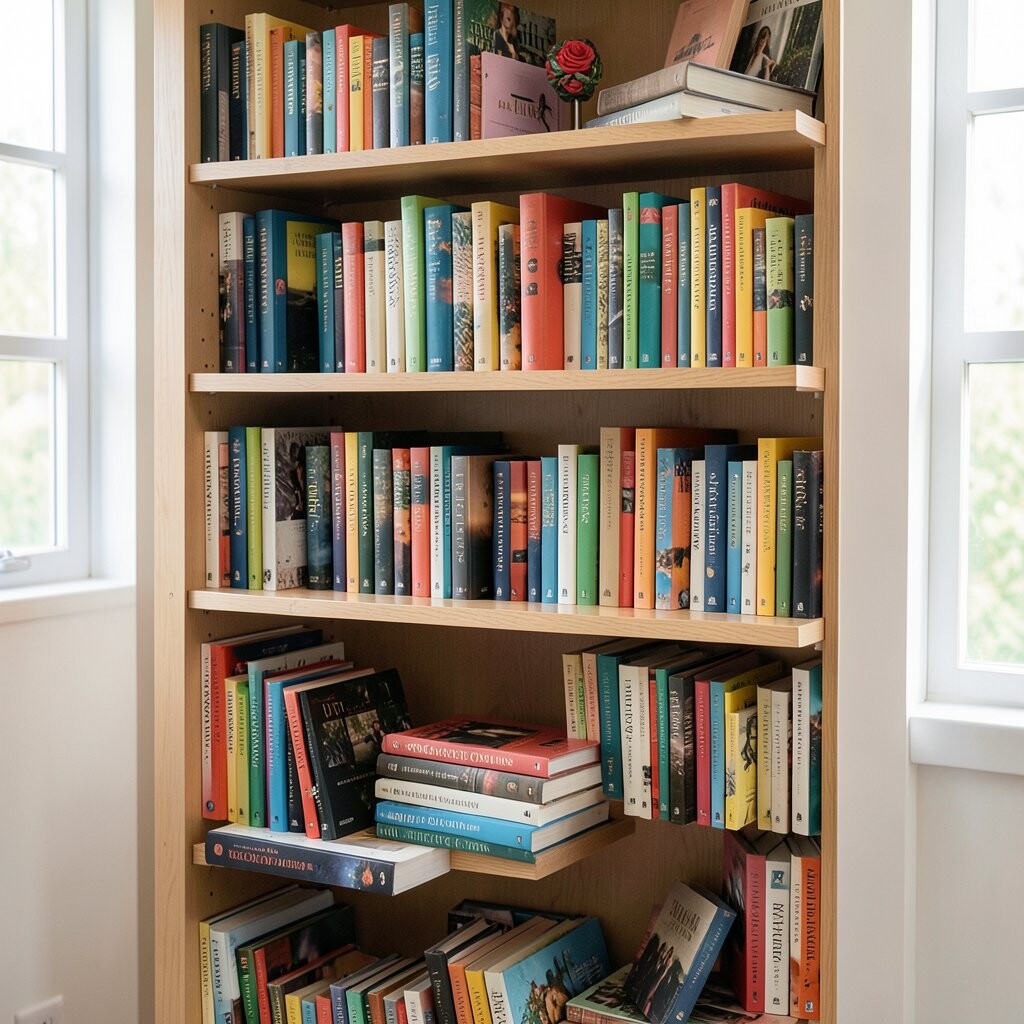
The “one color, one mood” shelf Choose a main color theme, like teal or coral, and build mini mood stacks. Each stack can hold books that share a feeling: calm, brave, giggly, or curious.
This collection is unique because it turns your shelf into a mood map. When you need comfort, you can scan for the color that matches your day.
To personalize it, write your own mood titles on sticky tabs and switch them when seasons change. Cost stays friendly too: you can start with paperback versions or borrow copies from friends.
Right now, many readers are sharing “cozy stacks” online, and this idea fits that trend perfectly. It also looks good in photos because the tones feel planned.
-
4. Genre flags with bold cover borders
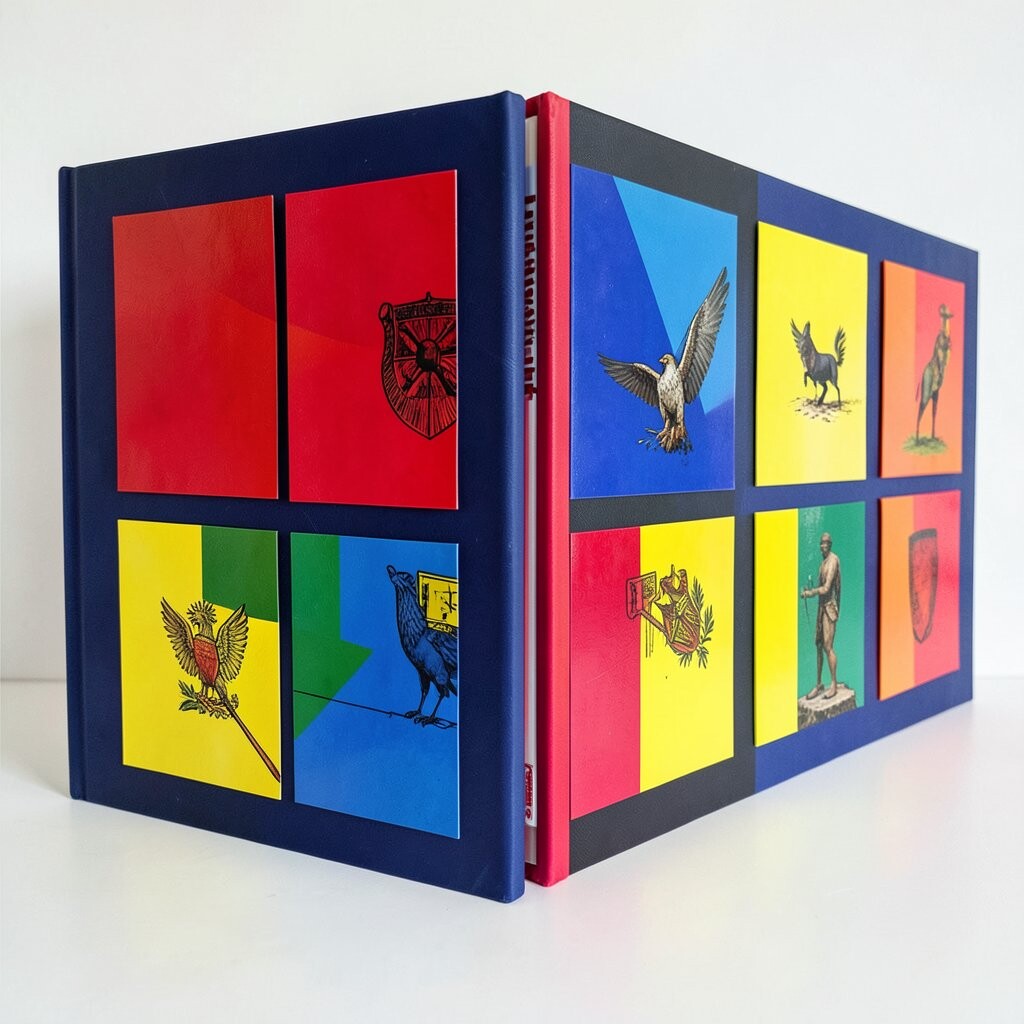
Genre flags with bold cover borders Pick a genre and make it stand out with a color system, like blue for science fiction and green for fantasy. You can do this by selecting books with similar hues or by using matching book covers you add yourself.
Even if you do not own a lot yet, border tricks help. For example, wrap a few books in plain paper in the same color, then keep the original cover visible at the top.
-
5. Travel posters: countries and cities in bright palettes
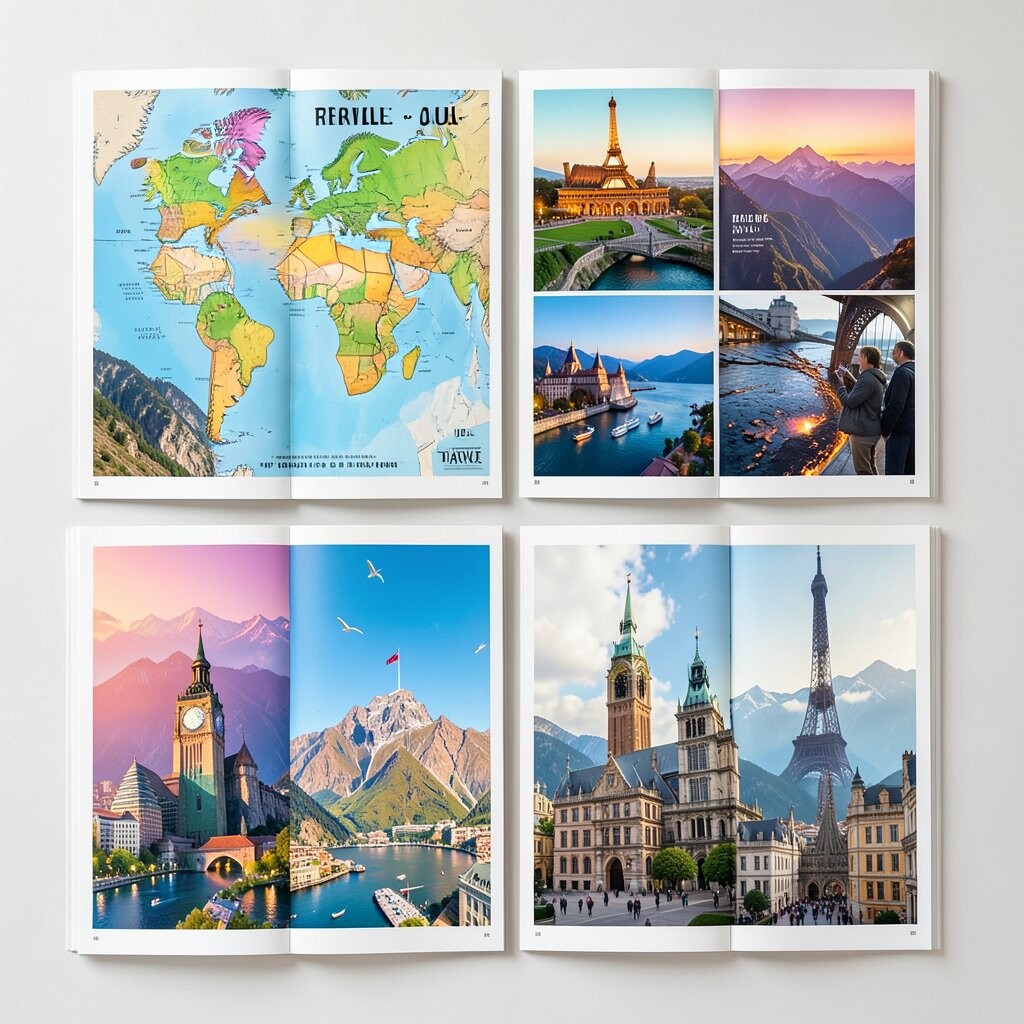
Travel posters: countries and cities in bright palettes Build a collection that feels like a travel wall gallery. Choose books about places that have strong color in their covers, like street markets, maps, or skyline art.
This is a fun way to learn while you style your shelf. You can also match the shelf colors to the kinds of trips you dream about.
For personalization, add a tiny “next stop” label beside each country. If budget is tight, choose used copies, library books, or older editions that still look great.
-
6. Pop art poetry and graphic stories corner
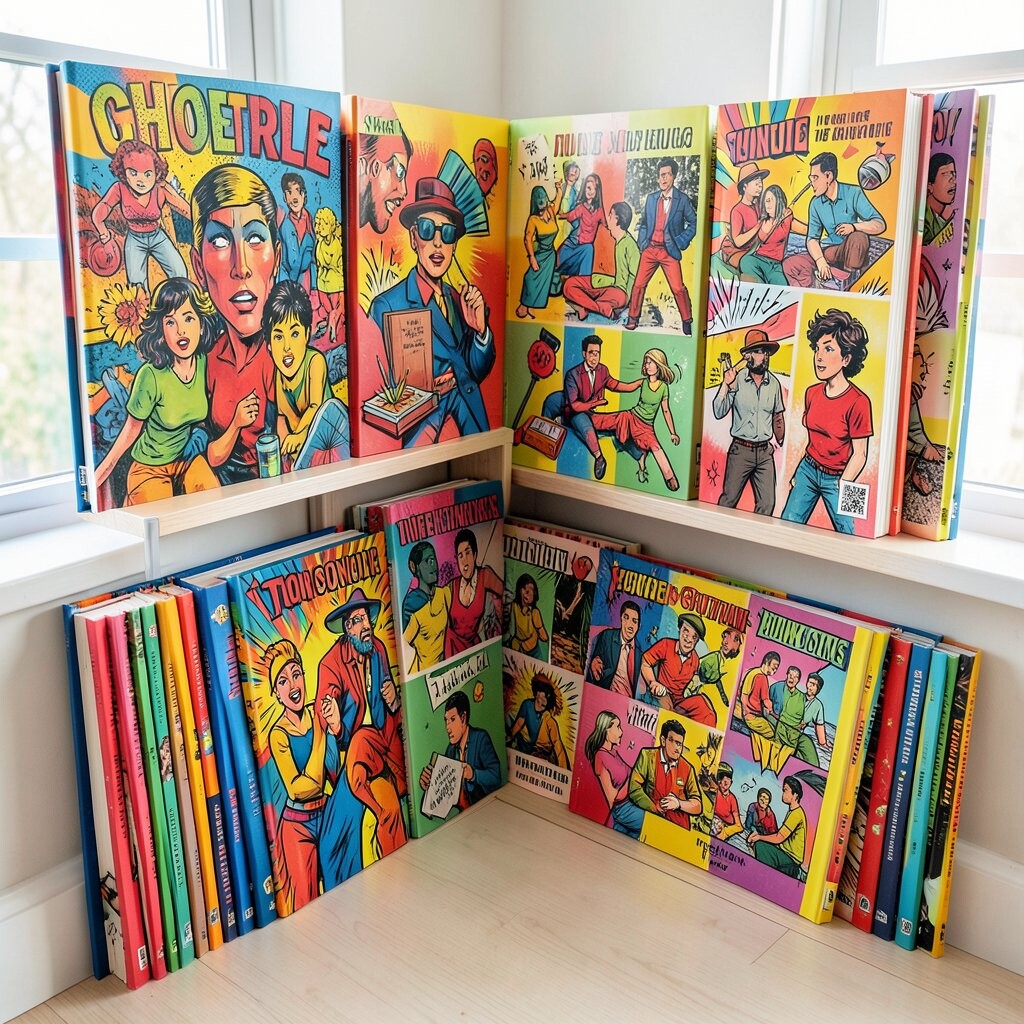
Pop art poetry and graphic stories corner Create one section that feels like a comic panel. Choose poetry books, short graphic stories, and illustrated collections with loud colors and playful shapes.
This collection brings energy to your room, and it can make reading feel less formal. The visual style also helps you find quick wins when you only have a few minutes.
To personalize it, add a rotating “today’s lines” card and change it weekly. You can keep a small stack of bookmarks in matching colors to tie everything together.
-
7. Your “favorites archive” by cover brightness
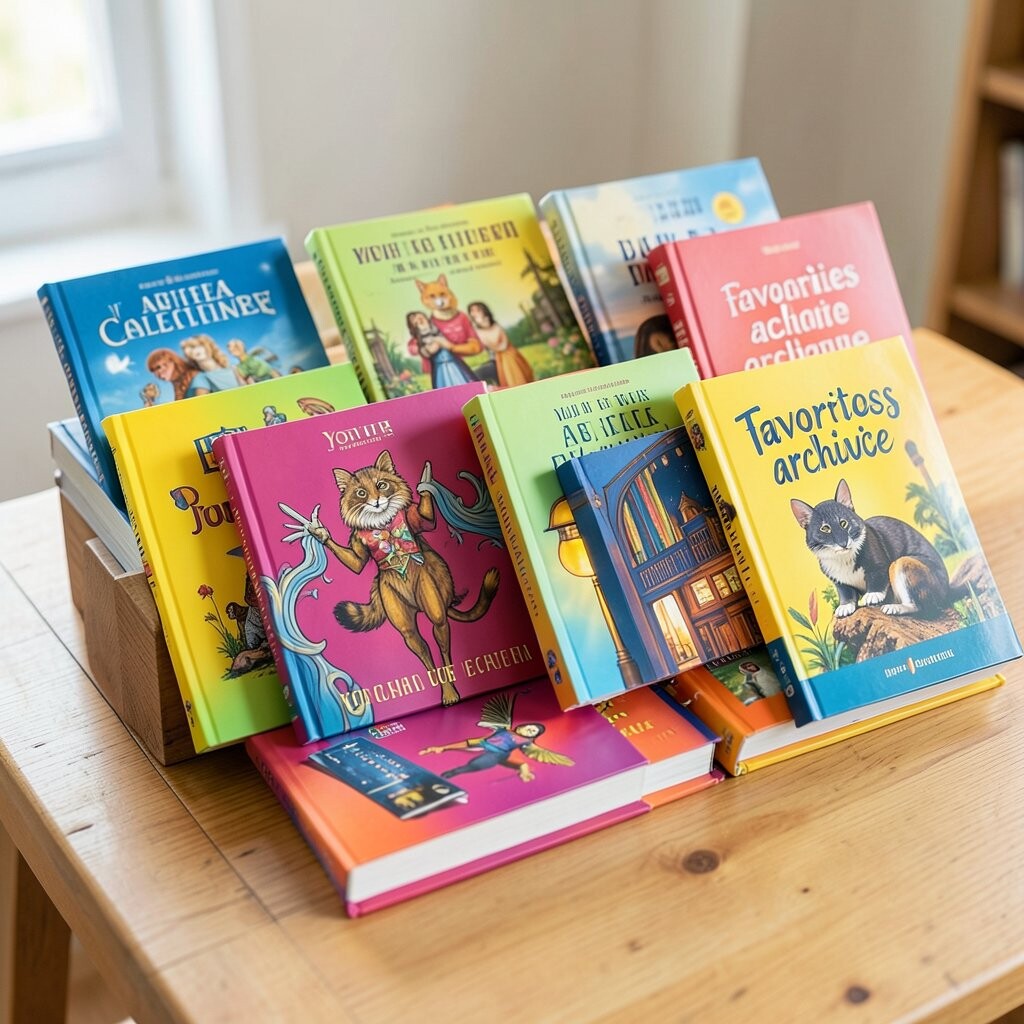
Your “favorites archive” by cover brightness Take your go-to books and sort them by how bright or soft their covers are. Put the brightest ones at eye level and the quieter ones slightly higher.
This collection helps you notice what you truly love. When you are tired, bright covers can feel like a gentle push to pick up a book.
Uniqueness comes from the fact that this shelf reflects your habits, not just your tastes. Try keeping a “read soon” sub-pocket with bright new additions.
-
8. Color-blocked nonfiction: science, history, nature
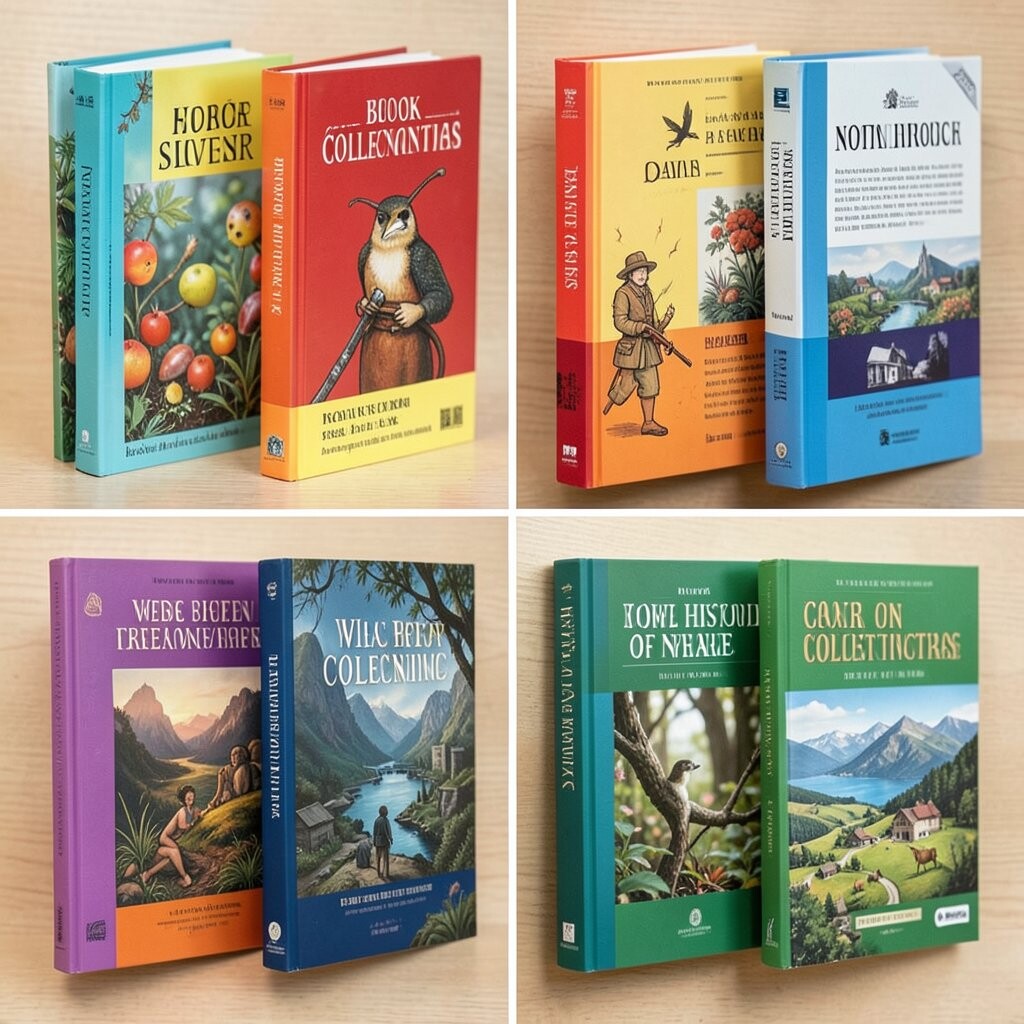
Color-blocked nonfiction: science, history, nature Make nonfiction feel like art by separating it into color blocks. Example: use warm tones for history, cool tones for science, and green-ish shades for nature and animals.
This helps you build a learning path without overthinking it. You will also see gaps quickly, so you can decide what topic to add next.
To keep costs manageable, look for bundle deals at book sales or buy one title at a time. You can also mix older paperbacks with newer hardcover copies as long as the colors match your block idea.
One current trend is “skill building reading,” and nonfiction is perfect for that. Color-blocking makes those goals look fun, not stressful.
-
9. The cozy comfort shelf with warm cover tones
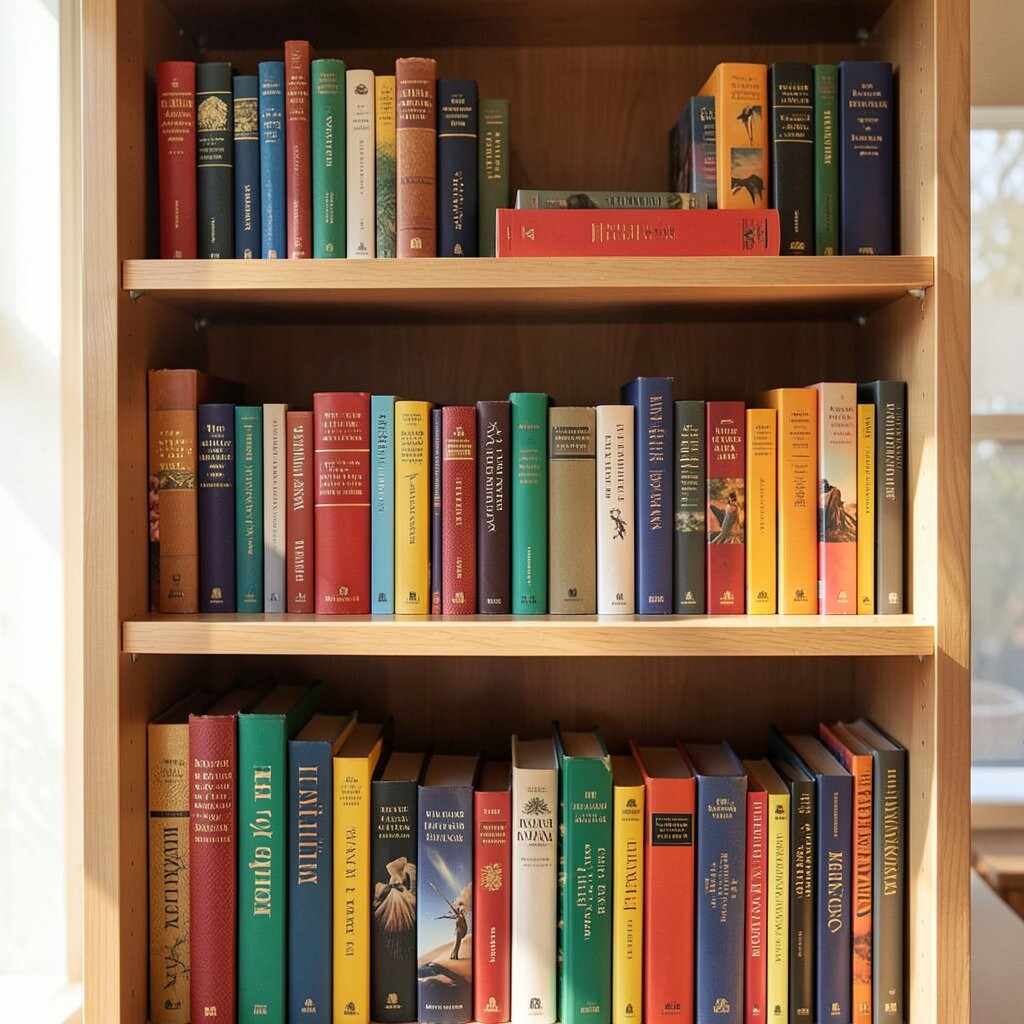
The cozy comfort shelf with warm cover tones Choose books that feel like a soft blanket and group them by warm cover tones. Think honey yellows, gentle oranges, and soft browns.
This collection is great for relaxing evenings and calmer mornings. It can also be a lifesaver when you want a story that won’t overwhelm you.
Add a small “tea time” corner card so the shelf feels like a ritual. Personal touches like a mini coaster, a scented candle in the same color family, or a knitted bookmark make it yours.
-
10. Book clubs with a shared color theme
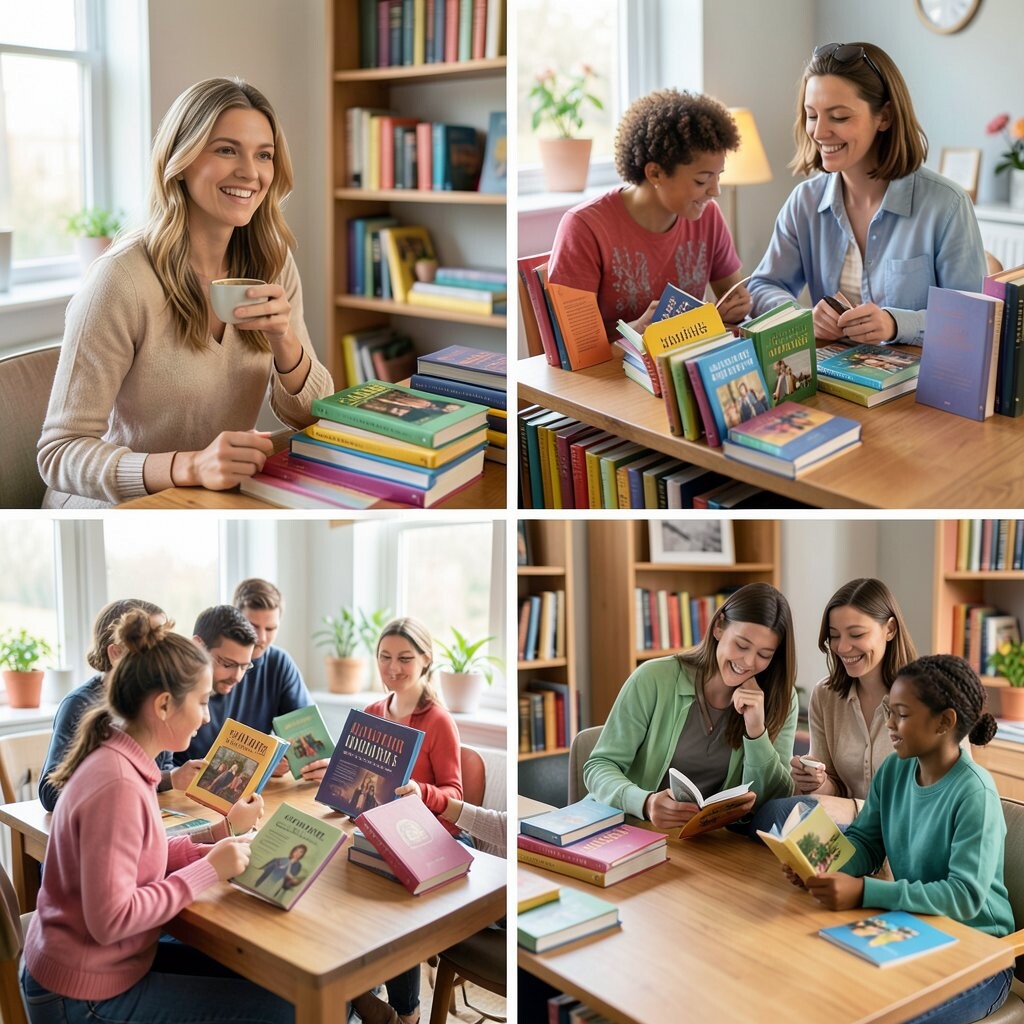
Book clubs with a shared color theme If you join a book club, pick a theme based on cover color for each month. Everyone can choose a book that matches the color of the month, like purple for mystery or red for adventure.
That makes the group feel lively and visual, not just chatty. It also encourages people to read outside their usual picks.
Uniqueness comes from turning the social part of reading into a shelf display. Try using simple sticky labels for dates so you remember which picks belong to each club session.
-
11. Art and design studies in a “museum wall” layout
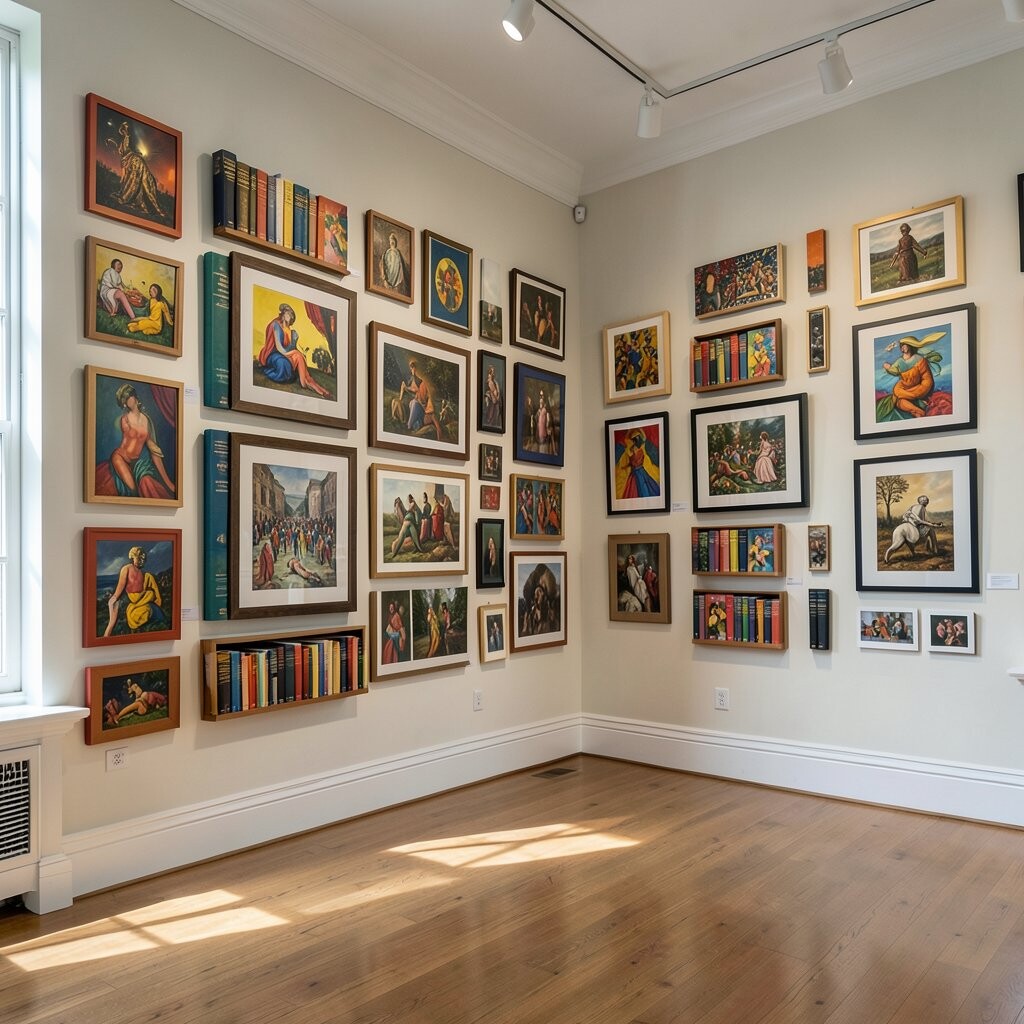
Art and design studies in a “museum wall” layout Turn your shelf into a tiny museum by placing art books like gallery exhibits. Use books with strong color palettes, typography, and bold artwork on the covers.
This helps you feel creative, even if you only read a few pages. It can also spark you to sketch, paint, or re-create cover designs.
To personalize it, add a small “inspiration note” that connects a book to your hobbies. For example, if you love lettering, place typography books next to your writing journal.
Cost can stay reasonable because you can start with libraries, trade copies, and used books. Many classic art books are still easy to find in secondhand stores.
-
12. The “library haul” wall: new additions in a featured row
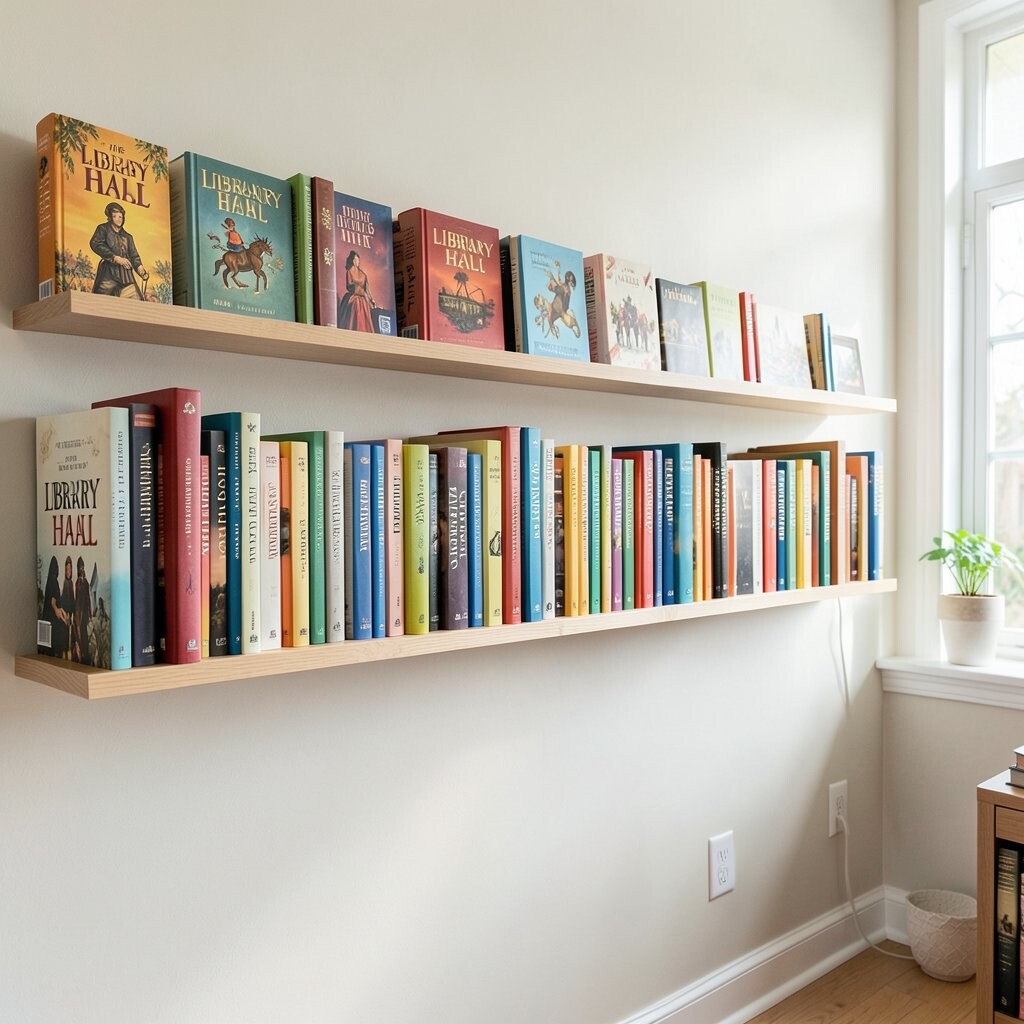
The “library haul” wall: new additions in a featured row Reserve one shelf row for recent finds. Keep them together in a neat display, like a featured product wall, so you always remember what is new.
This is helpful because it reduces the time you spend hunting for something you meant to read. It also makes your collection feel alive, not stuck in the past.
-
13. Typography rainbow: books sorted by title color and style
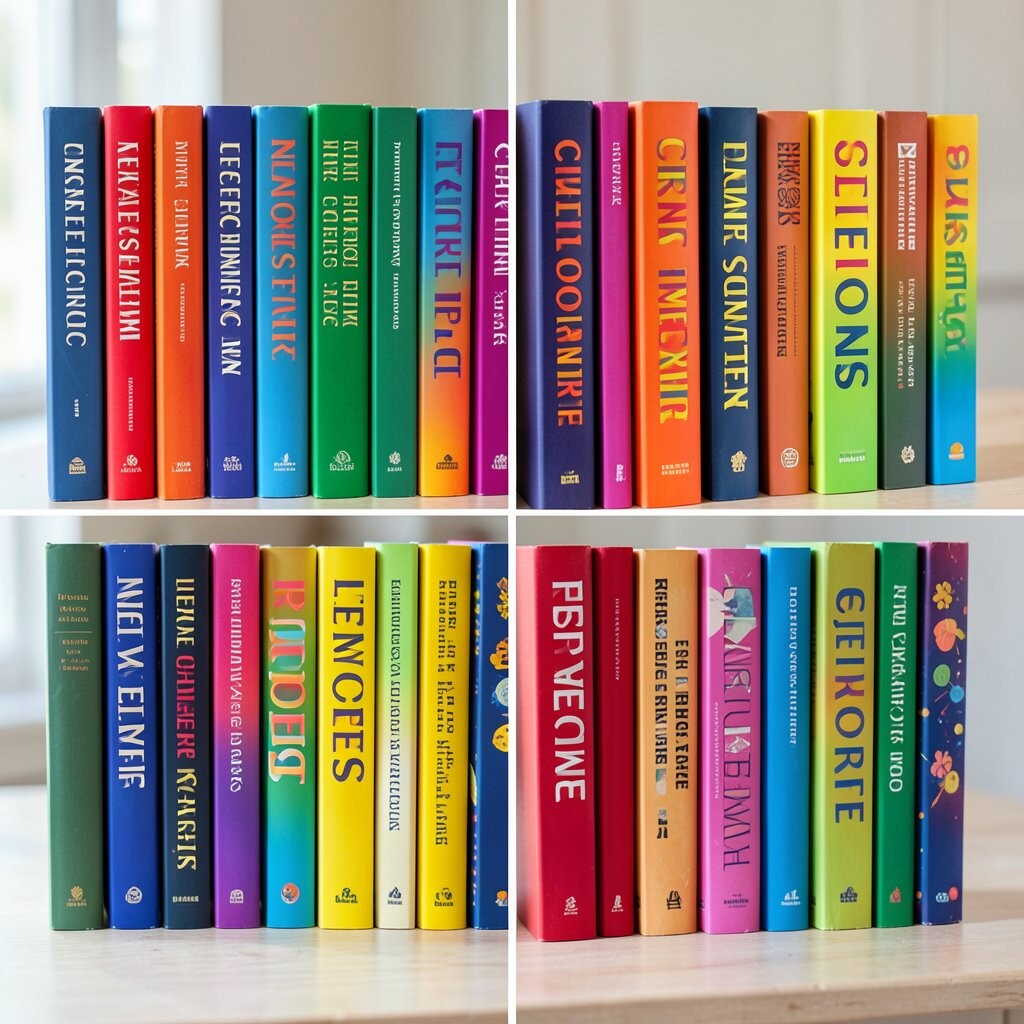
Typography rainbow: books sorted by title color and style Some covers look colorful because of the title design itself. Sort books by the title color, like white-on-black, bright neon letters, or soft pastel scripts.
This makes your shelf feel extra special, because it focuses on graphic design choices. It also helps you notice patterns you might have missed when you sorted by genre only.
For personalization, create a small set of “type styles” and label them, such as bold, serif, or handwritten. You can also pair these with themed bookmarks that match the title colors.
If you want to stay on budget, choose older editions with classic cover styles. Many older covers are more typographic, which makes this idea feel even more unique.
Right now, cover design appreciation is growing, and people are talking more about typography and layout online. This shelf idea turns that trend into something you can live with every day.