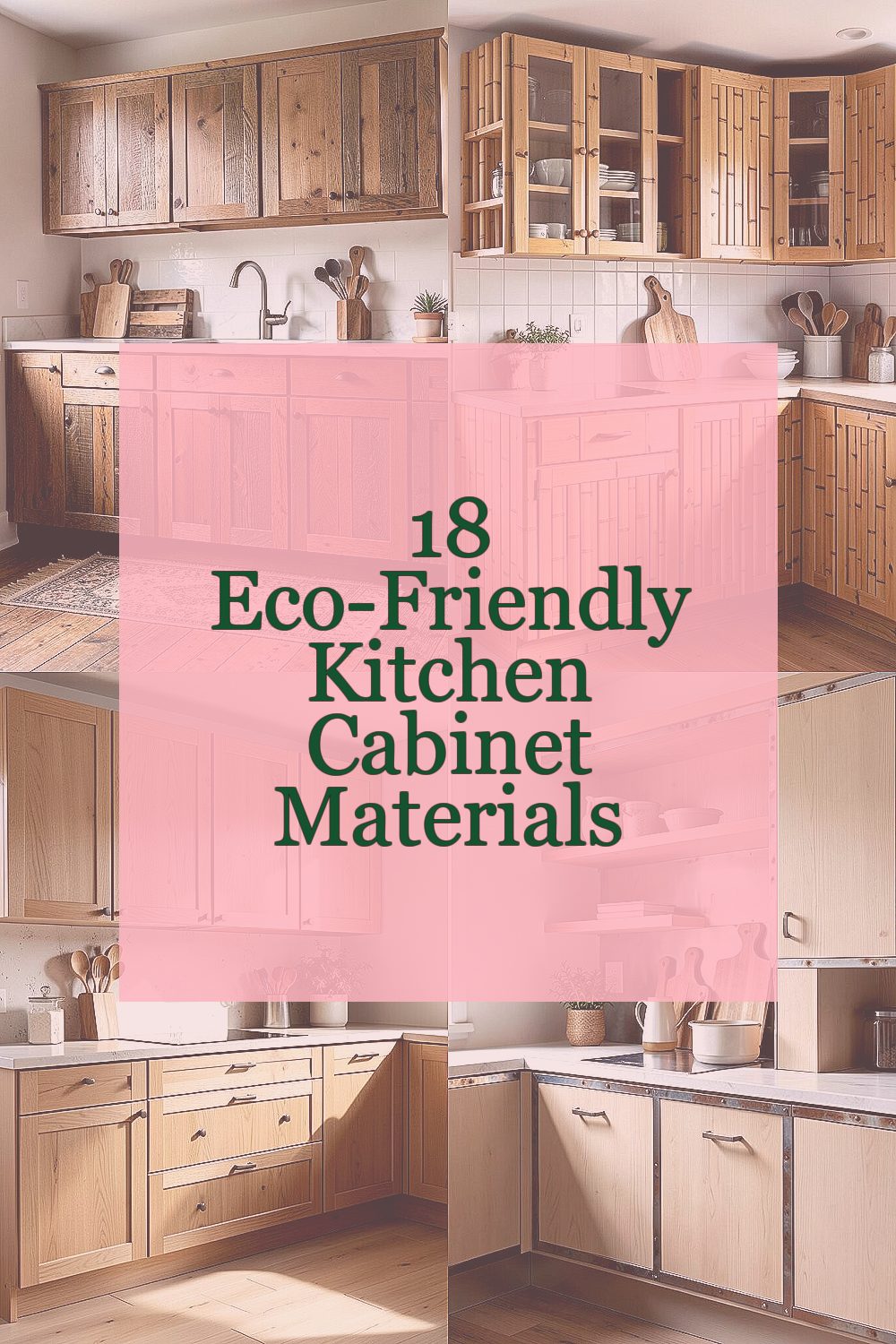
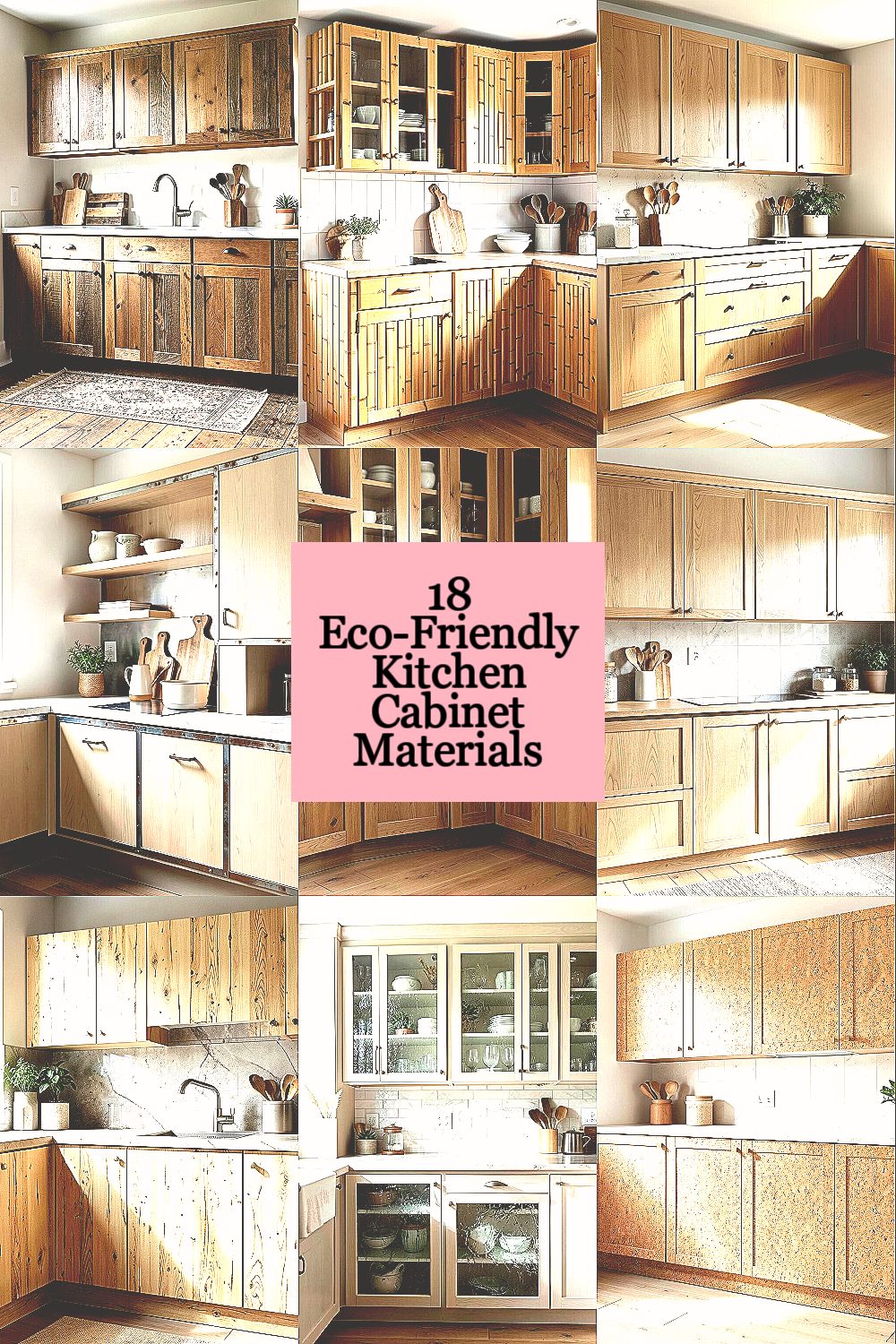
Warm cabinets can feel like home the moment you open a door. Choosing greener materials makes that comfort even better.
1. Reclaimed Wood (Barn, Pallet, and Old Flooring)

You can almost see the history in every scratch and knot. Reclaimed wood brings a rustic, lived-in look that feels warm and full of character.
It’s strong because many boards were grown and cured for years. Using it helps keep materials out of landfills and reduces demand for fresh logging. For a stylish touch, match cabinet frames to a lighter backsplash so the grain pops.
When you shop, ask how the wood was cleaned and whether it was treated with safe products. Look for steady moisture levels and request proper sanding, sealing, and cabinet-grade finishing. Cost can vary a lot since reclaimed wood depends on availability and finish quality.
For personalization, mix reclaimed wood with smooth metal pulls or matte black hardware. A current trend is pairing reclaimed planks with simple flat-panel doors for a calmer, modern look.
2. Bamboo

Bamboo looks sleek and light, with fine lines that add a tidy feel. When stained, it can shift from honey tones to deep browns.
It grows fast, which means it can be a more renewable choice. Many bamboo cabinet makers use engineered bamboo panels that help resist warping. Pair bamboo with bright, natural lighting to show off its smooth surface.
For tips, choose cabinet-grade bamboo that’s sealed well, especially near sinks and dishwashers. Ask about the type of glue and finishing so you avoid harsh off-gassing. Budget-wise, bamboo can be mid-range, but premium finishes may raise the price.
3. FSC-Certified Solid Wood

FSC-certified wood can look timeless, with consistent beauty from grain to edges. It often gives a classic cabinet style that never feels outdated.
The big benefit is responsible forestry, which supports healthier forests over time. Solid wood can also be repaired, so a scratched cabinet doesn’t always mean replacement. Try warm oak tones for a cozy vibe, or go for walnut for a richer mood.
Look for the FSC label on the product or the vendor documentation. Choose low-VOC stains and finishes to keep indoor air fresher. Costs usually start higher than basic particleboard, but the long lifespan can be worth it.
Personalize by carving simple grooves on doors or adding slim wood trim for a custom look. A trend that’s gaining momentum is combining FSC wood with frameless, clean-lined hardware for a modern build.
4. Recycled Metal Edging and Hardware-Forward Designs

Even if you choose a wood panel, recycled metal can add a confident, modern touch. Think brushed steel borders, recycled aluminum accents, and durable knobs that feel solid in your hand.
The benefit is twofold: metal parts can last a long time, and choosing recycled content helps cut new mining demand. You can also swap just the hardware later, which keeps cabinets fresh without throwing them away.
For a practical tip, choose hardware that matches your cabinet finish and can handle frequent cleaning. Many homeowners use magnetic liners and soft-close hinges, which reduce wear over time. In terms of cost, metal accents can move the budget upward, but they also reduce the need for full cabinet replacement.
Personalization ideas include mixing two metals—like copper pulls with steel hinges—for a playful look. Current trends often feature bold handles and visible hardware, which makes recycled metal shine.
5. Low-VOC Soy-Based Wood Finishes
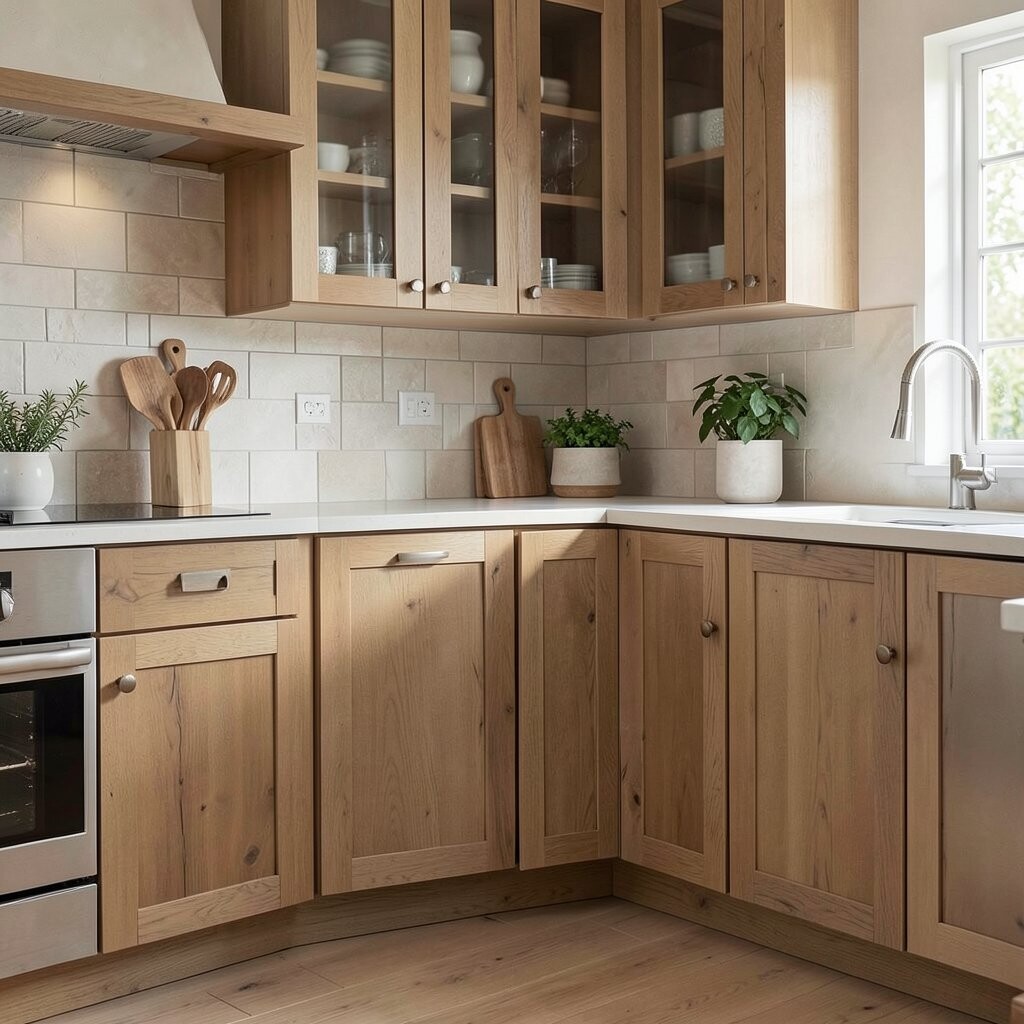
A good finish changes everything, and soy-based options can keep cabinets looking smooth. The surface can glow softly instead of looking overly plastic.
These finishes often use fewer harsh chemicals, which is helpful for indoor air quality. They can also be durable when applied by a skilled finisher. Pair them with light woods for a clean, airy feel that stays warm.
When shopping, ask for documentation that shows the finish is low-VOC and safe for cabinetry. For best results, apply in a well-ventilated area and let it cure fully before closing doors. Costs may be slightly higher, but the health benefits are a strong trade-off.
6. Engineered Wood from Responsible Sources (Low-Formaldehyde Panels)

Engineered wood cabinets can look flat and neat, with fewer gaps over time. You get a smooth finish that’s great for modern flat-panel doors.
If you pick low-formaldehyde panels, you reduce the release of irritating fumes. Engineered panels also use wood efficiently, which can lower pressure on forests. Add a matte seal to help the surface resist moisture near the sink.
For tips, confirm the panel standard and ask whether the product is certified. Choose hardware that fits tight so doors align even after seasonal humidity changes. Cost considerations depend on panel quality, but mid-range options can still look premium.
7. Natural Linoleum Cabinet Surfaces

Linoleum has a friendly, earthy look, like a calm stone-and-wood palette. You may spot tiny flecks that give depth without looking busy.
It’s often made from renewable materials and can be durable with proper sealing. Because it’s easy to clean, it works well in busy kitchens. Consider warm, muted colors for a cozy space that feels grounded.
When choosing linoleum, look for cabinetry-ready sheets and a strong backing system. Ask about water resistance and how the edges are sealed. Budget-wise, costs can range, but choosing a smaller accent surface can help you stay on track.
Personalize with a two-tone layout, like linoleum on door fronts and wood on the frames. A current trend is using bold colors in a small zone, such as a breakfast nook cabinet wall.
8. Recycled Glass Cabinet Inserts and Door Panels

Recycled glass can sparkle in a gentle way, especially when light hits it. Cabinet fronts with glass inserts look light and elegant, not heavy.
The uniqueness here is that the glass can carry color and texture without needing new resources. It also allows you to display dishes or jars, which can make your kitchen feel lived-in. Choose tempered glass so it’s safe for everyday kitchen use.
Tip: use a durable seal around the edges to protect from moisture and repeated cleaning. For personalization, pick sea-glass greens or soft browns to match your kitchen’s color story. Cost varies because custom inserts can require extra labor, so plan for that if you want a full door wall.
This style is trending in modern kitchens where homeowners want “quiet shimmer” rather than glossy shine. Pair glass inserts with matte cabinet paint for a balanced look.
9. Cork Composite Cabinet Panels

Cork composite has a soft, warm texture that looks almost like a natural woven pattern. It can add a cozy feel even when your cabinets are simple.
Cork is known for being lightweight and naturally resilient. It can help reduce noise, which feels nice in a kitchen where you open and close doors often. It also supports a greener approach since cork is harvested without cutting down the whole plant.
For tips, choose panels made for cabinetry, not just decorative sheets. Make sure the cork is sealed properly because cork can be sensitive to long water exposure. Cost can be mid-range, but it may be higher if you want premium cork layers.
Personalize by using cork on the inner cabinet panels or using it as an accent on door fronts. A trend right now is adding texture everywhere you can—shelf backs, drawer liners, and small cabinet zones.
10. Hempboard or Hemp Fiber Panels

Hempboard gives a natural, warm look with a calm, earthy tone. Under the right finish, it can resemble smooth wood while staying eco-minded.
Hemp fiber panels are often made with less environmental impact than some conventional materials. They can be lightweight and sturdy, which helps cabinets feel easy to handle. This is a great option if you want a modern style that still feels natural.
Tip: look for cabinetry-grade hemp composites and check finishing requirements. Keep an eye on moisture protection around the sink and dishwasher. Costs may vary depending on the brand and thickness, so ask for a quote based on your exact cabinet needs.
Personalize with clean hardware and a matte finish so the fiber look stays subtle. Current trends favor “soft natural textures,” and hempboard fits that vibe well.
11. Natural Oil and Wax Finishes

A natural oil-and-wax finish gives cabinets a gentle, low-gloss sheen. You’ll notice the surface looks alive, not coated like a plastic shell.
This type of finish can be easier to touch up, which helps your cabinets stay beautiful longer. It’s also a strong match for wood that you want to age gracefully. Try it on oak or ash for a soft glow that feels inviting.
For tips, apply in thin layers and follow the curing time closely. Keep cleaning products mild, since harsh chemicals can wear down the wax. Cost depends on brand, but it’s often comparable to other finishing products when you factor in longevity.
Personalize by choosing a warmer oil tone for cozy kitchens or a clearer oil for a lighter look. A trend that’s sticking around is “matte natural,” and these finishes deliver it well.
12. Virgin Hardwood Offcuts Turned Into Accent Doors

Offcuts can become something amazing when they’re cut and matched with care. You might see a mosaic-style pattern or carefully aligned boards that look designed.
The benefit is that you use wood that would otherwise be thrown away. It also creates a unique cabinet look no one else will copy. Choose offcuts from one species for a cohesive look, then use a consistent stain.
Tip: ask the maker to show a photo of sample boards, so you can see how the grain will line up. Seal everything well, especially at door edges. Costs can be higher than standard doors if the cutting and matching is custom, but you can use this idea only on accent panels to manage budget.
13. Recycled Plastic or Recycled HDPE Cabinet Components

Recycled HDPE can look modern and smooth, almost like a clean engineered surface. When paired with wood framing, it adds a sleek contrast.
It’s unique because it can handle heavy cleaning and daily kitchen spills with less worry. Using recycled plastic components can also help reduce waste. This can be a smart pick for areas that get wet, like drawer fronts near sinks.
For tips, verify it’s meant for cabinetry and that edges are sealed or capped. Check color stability so it won’t fade quickly with sunlight. Cost is often mid-range, but it depends on the design and whether it’s custom molded.
Personalize with simple, bold colors or keep it neutral for a calm look. A current trend is mixing materials—wood, metal, and recycled polymers—for a “designed, not matching” feel.
14. Bamboo Charcoal Finished Surfaces

Bamboo charcoal finishes can create a rich, warm tone that looks like soft smoke. The surface can feel deeper and more dramatic than plain bamboo.
One benefit is that charcoal treatments can help reduce odor and support a fresher feel in the room. It can also add a natural depth that looks amazing with light countertops. Consider it if you want a moody cabinet look without using very dark stains everywhere.
Tip: request the finish spec so you know how the charcoal layer is applied and sealed. Ensure you pair it with a topcoat that protects against moisture. Cost may be higher than basic bamboo, but the visual payoff can be worth it.
Personalize by combining charcoal-finished fronts with lighter frames for contrast. This style is trending because it feels modern, not overly rustic.
15. Sustainable Wood Veneers on Low-Impact Core

Veneers can make cabinets look like luxury wood while using less solid lumber. You get that warm, real-grain look without the same heavy material use.
The benefit is efficiency: veneers use thin slices of wood over a core panel. If you choose a low-impact core like responsibly sourced engineered boards, you boost your sustainability score. This setup is also great for budgets because it can look high-end without matching high-end pricing.
For tips, check the veneer species and make sure it’s from a responsible source. Look for low-VOC adhesives and a durable clear coat. Personalize by selecting a grain pattern that fits your style—straight grain for modern, book-matched for classic.
16. Natural Stone or Reused Stone Countertop Pairings (Cabinet Material Matching)

While stone isn’t the cabinet material itself, it strongly affects how cabinets look and feel. Reused stone countertops often have gentle chips and natural color shifts that feel full of personality.
Pairing eco-friendly cabinets with reclaimed or reused stone can create a cohesive, sustainable kitchen. The benefit is that you reduce new quarry demand while building a look that feels truly yours. Choose cabinet materials that either match the warmth of the stone or contrast it with a lighter grain.
Tip: plan your color palette before ordering cabinets so your cabinet finish and stone undertone work together. Consider durable seals on stone edges to prevent staining and keep maintenance easy. Cost varies widely, but reusing stone can sometimes lower expenses compared to brand-new slabs.
Personalize by echoing stone colors in cabinet hardware—like bronze for warm tones or brushed steel for cooler shades. Current trends lean toward “natural imperfection,” and reclaimed stone fits that mood beautifully.
17. FSC Laminates and Plant-Based Decorative Surfaces

Plant-based decorative surfaces can look crisp, clean, and modern. Laminates can mimic wood grain or stone patterns without using solid material for every layer.
The benefit is consistency and easier maintenance, which helps cabinets stay looking good for years. Choose FSC-certified laminate or responsibly sourced finishes for better sustainability. You also get many style options, from light Scandinavian whites to deep, moody browns.
Tip: check the adhesive and finish quality so the laminate is safe and low-odor. Consider matte textures since they hide fingerprints and scratches better than glossy ones. Costs can be competitive, especially when you want a custom look without paying for full custom cabinetry.
Personalize by selecting a unique pattern for a single cabinet island section or a pantry door. A current trend is using one bold surface in a controlled way, like a high-contrast laminate backsplash cabinet wall.
18. Sustainable Composite Doors with Bio-Based Resins

Bio-based resins can create cabinet doors that look smooth and feel solid. The finish can be even, which gives a neat look and helps with day-to-day cleaning.
This option is unique because it focuses on the binder and chemistry behind the panel, not just the outer look. Using bio-based resins may lower reliance on some petroleum-based materials. It can also pair well with natural wood frames for a balanced style.
For tips, ask about the resin type and look for low-VOC certifications when available. Make sure the door core is designed for cabinetry humidity and everyday kitchen use. Cost usually depends on brand, but high-quality bio-based systems can be mid to upper range, so ask for samples to confirm the real feel and color.
Personalize by choosing a door style you love—shaker, flat, or something slightly curved. Current trends favor smooth, easy-clean fronts in neutral colors, with slim hardware that looks modern and calm.
If you want extra action, plan for replacement parts like hinges and pulls so your kitchen stays flexible. That way, you can update the look later without swapping the whole cabinet system.