That closet door can hide so much potential. One weekend and a few smart choices can make your space feel brand new.
Your makeover goals might be about calm mornings, better outfits, or more room for your stuff. Either way, you can build a closet that looks good and works even better.
1. Start with a “real life” inventory, not a wish list

Before buying anything, look at your clothes like a detective. Lay out items by category so you can see what you truly wear.
Try a quick mark-and-group method: tops, bottoms, shoes, and everything else. Keep items you love near the front and move the rarely worn things to a less reachable spot. This helps your closet feel calm instead of crowded. You’ll also save money because you won’t buy organizers for spaces that are already missing the biggest problem.
2. Pick a style mood that matches how you want to feel

Think about the vibe you want when you open the door. Do you want bright and airy, cozy and warm, or sleek and neat?
Choose colors and materials that match that mood. Soft whites and light wood tones can feel fresh, while darker finishes can feel rich and grounded. When your closet “looks like” your style, you’ll be more excited to put things back in place. That little habit adds up fast.
For a personalized twist, pull one color from your favorite outfit or room decor. Use that color in small touches like bins, hangers, or drawer labels. Cost stays lower when you start with accessories rather than full replacements. A trendy look right now is mixing warm wood with clean, simple lines.
3. Measure what you have, then plan your layout like a map

Grab a tape measure and get serious about the space. Write down widths, heights, and the depth of every section you want to improve.
When you know your measurements, hanging rods, shelves, and drawers become easier to fit. You can avoid the painful moment of buying something that is “almost” right. A good plan makes mornings faster because you can reach what you need without digging. It also keeps your closet from looking messy even when you’re busy.
Try sketching a simple layout on paper with rough boxes. Add labels like “shirts,” “work clothes,” or “seasonal.” This gives you a clear goal before you spend money. If you love modern organization, consider adjustable shelving so you can change things later.
Don’t forget to check door swing, vents, and any corners that limit storage. Those details are small, but they make a big difference.
4. Upgrade hangers for instant uniform beauty

Switching to matching hangers can make your closet look expensive. Even before you add shelves, the view gets cleaner and more tidy.
Try slim hangers for more room or padded hangers for delicate fabrics. When all hangers match, your clothes line up neatly and take less visual space. This is a simple win with a low cost compared to bigger projects. It also helps your clothes hang better, which keeps them from getting bumps and creases.
5. Use a smart zoning system so every category has a home

Zoning means you group items by how you use them. Think “everyday” in one area and “special occasions” in another.
Place frequently worn items at eye level, and store less-used pieces higher or deeper. This makes getting dressed feel effortless instead of frustrating. You can even create zones based on your routine, like “morning basics” or “work week.”
For personalization, add a small accent to each zone such as a colored bin or a themed label. Cost can stay friendly by using baskets or clear boxes you already own. A current trend is using mix-and-match storage so each zone looks intentional. Try to keep the style consistent even if the containers are different.
6. Treat the floor like a storage opportunity
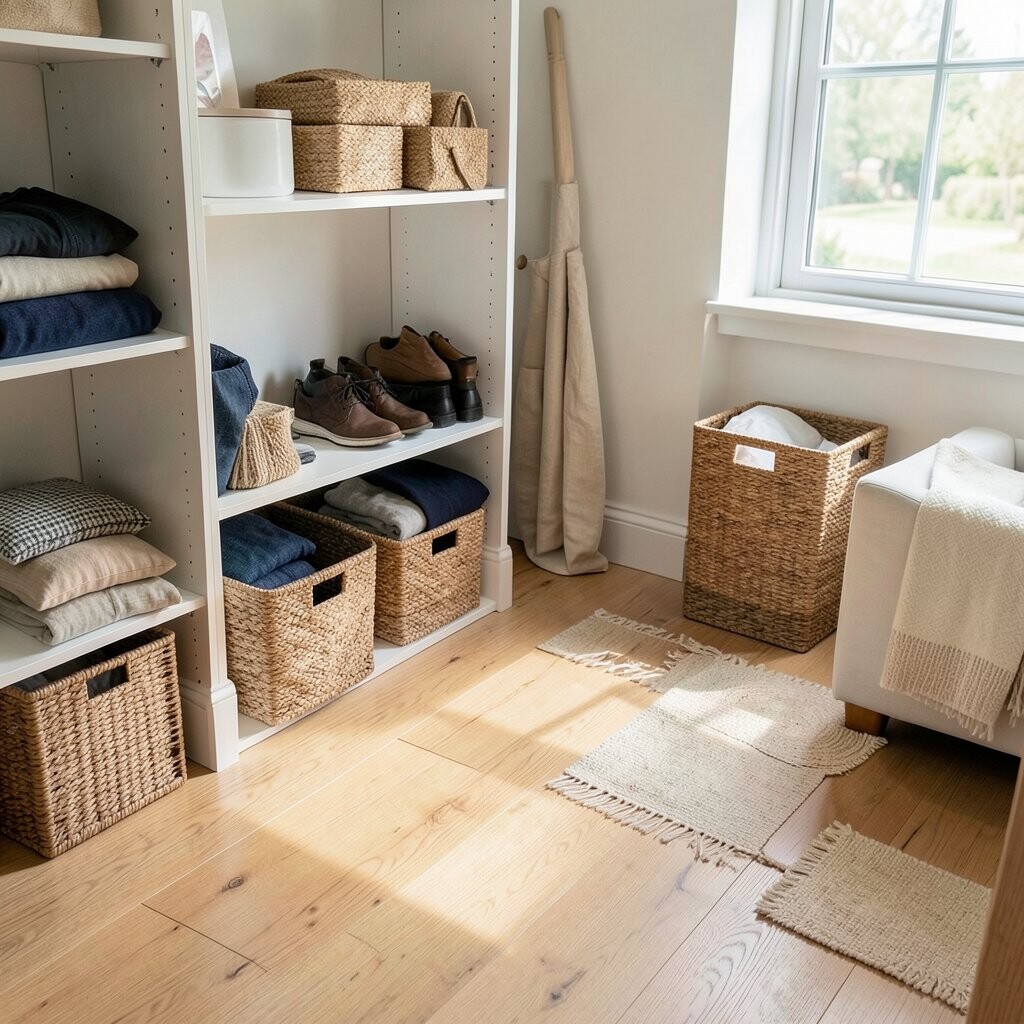
Your closet floor often becomes the catch-all for shoes and bags. But it doesn’t have to stay that way.
Use a shoe rack, stackable bins, or cubbies to keep pairs neat. If you prefer a hidden look, consider under-shelf storage or closed drawers. This reduces clutter and makes the closet feel cleaner right away. It also protects shoes from getting crushed or dusty.
If space is tight, try a vertical shoe solution like a hanging organizer on the back of the door. For personalization, store travel items and accessories in matching bins so they feel organized together. Cost varies, but you can start with one small system and expand later. A popular trend right now is clear or semi-clear storage so you can spot what you need fast.
7. Add lighting that makes outfits easier to spot

Good light changes everything in a closet. When you can actually see your clothes clearly, choosing outfits feels easier.
Consider battery lights, LED strips, or a small ceiling fixture if possible. Bright lighting helps you notice stains, missing buttons, and what needs cleaning. It also makes the whole space feel more welcoming. Even a basic upgrade can boost your daily confidence.
To personalize, choose a warm light color if you want a cozy feel. Choose a cooler tone if you want crisp visibility for true colors. Keep cords tidy with clips or channels so the look stays clean. Think about cost too: battery options can be cheaper and easier than wiring.
When you’re done, stand back and check how the light spreads across shelves and hanging clothes. This simple test helps you avoid shadowy corners.
8. Use drawer inserts to stop small chaos

Small items like socks, belts, and accessories can make drawers messy fast. Inserts give every item a boundary so it doesn’t slide around.
Try sections for socks, a belt organizer, or a tray for jewelry. When you open a drawer, everything feels in place. That benefit saves time because you don’t have to dig. It also protects delicate items from tangling.
9. Plan your seasonal rotation so the closet stays calm

Seasonal rotation means moving clothes you won’t wear soon. Instead of stacking everything in one place, you switch sets on schedule.
Use labeled bins for off-season items and store them higher up or in less-used areas. This keeps your daily closet smaller and easier to manage. It also protects your favorite pieces from dust and wear caused by constant handling. You’ll love how simple it feels to grab what you need.
For personalization, create a “home base” spot for each season label so you always know where things go. Consider breathable storage bags for items like knits or coats. Cost can be kept low with sturdy boxes and basic labels, especially if you already have containers. A current trend is using minimal, matching bin sets for a neat, calm look.
10. Build a color-coordinated hang system

Color coordination makes your closet visually satisfying. When colors are grouped, your choices feel quicker and more fun.
You can arrange by rainbow order, by light-to-dark, or by category. This helps you find an outfit without rummaging through everything. It also makes the closet look like a styling studio. That visual benefit is real, even if you don’t plan to show it off.
If you worry about cost, you can start by grouping your existing clothes first. Later, upgrade hangers or add labels. Personalization is easy: choose one “signature” color to highlight with hangers or a small shelf accent. A trendy look is mixing color grouping with neatly draped space for dresses and blouses.
11. Create an “outfit zone” for quick mornings

Some closets need a plan for busy days. An outfit zone helps you get dressed without repeating the same searches.
Try a small shelf or rolling rack for items that match together. For example, store work outfits as sets by using hang tags or a folded accessory kit. This reduces decision fatigue and makes mornings feel smoother. You’ll also keep your closet from looking scattered because your plan has a place.
To personalize, include a small hook area for bags or key items you use every day. Add a weekly label system so you can rotate outfits as needed. Cost can stay reasonable because you’re using simple hooks, hang rods, or a small bin. A current trend is “capsule closet” style organization, which pairs well with outfit zones.
Even if you only do this for a few days at a time, it changes your whole routine.
12. Upgrade rods and shelf surfaces for strength

Weak rods and wobbly shelves can make your closet feel stressful. Stronger supports keep everything stable.
If you have sagging shelves, consider adding a support bracket or choosing heavier-duty shelving. For rods, look for ones that match the weight you hang. A stable closet protects clothes from stretching and stops items from falling or sliding. That benefit alone can make your makeover feel worth it.
13. Style your storage bins for a neat, cohesive look

Bins aren’t just for hiding items. They also help your closet look intentional and tidy.
Choose bins that match your style mood, like woven textures for cozy vibes or sleek plastic for modern looks. Use consistent colors or finishes so the closet feels unified. This brings visual calm, and it helps you spot what you need quickly. You’ll also feel prouder of the space when it looks cared for.
Personalization idea: use one small label style for everything, such as simple black text or clean icon labels. Cost considerations matter here because bins can add up. Start with bins for the biggest trouble areas like shoes, socks, and accessories. A trend right now is using mix-and-match bins with one repeated color or material to keep it cohesive.
14. Add a hanging organizer for backs of doors

The back of a closet door is prime storage territory. It’s often empty space waiting to do real work.
Hang organizers for scarves, small bags, workout gear, or even cleaning tools. This keeps items visible and easy to grab. It also frees up shelf space for things that need a flatter surface. The benefit is a more efficient closet without major construction.
For personalization, choose an organizer with pockets that match your items. Use small hooks for items that don’t fit neatly in pockets. Costs stay low if you choose one organizer and fill it gradually. A current trend is using door storage as part of a “small spaces” strategy that keeps your closet from feeling cramped.
15. Use labels in a way that looks friendly, not harsh

Labels help you remember where everything goes. But you can keep labels cute and soft, not cold and strict.
Try handwriting labels, color tabs, or simple icons. This makes the closet feel like it belongs to you. Labels also reduce stress because you won’t wonder where the belts or chargers went. That’s a daily benefit, not a one-time change.
To personalize, label by lifestyle, like “gym,” “work,” or “weekend.” Keep font style consistent across bins and drawers for a tidy look. Cost can be kept down with label sheets or basic label makers. A trend right now is icon-based organization because it’s quick to scan and feels modern.
When labeling, place them at eye level where you can see them without bending.
16. Fix fit problems with a simple tailoring plan

A closet makeover isn’t only about storage. It’s also about how clothes fit on you.
If hems are uneven or waistbands feel off, set aside a small tailoring budget. Even one or two fixes can make your wardrobe feel bigger. When pieces fit better, you wear them more, and your closet feels more valuable. This is a practical benefit with a personal payoff.
17. Upgrade to a coordinated shoe display system

Shoes can make a closet look messy fast. A shoe system gives them a clear, stylish place to rest.
Choose a shoe rack, stackable tiers, or a cabinet setup that hides clutter. If you have space, consider a low bench area with baskets underneath for easy access. This helps you grab shoes quickly and keeps the floor cleaner. You’ll also reduce scuffing when pairs aren’t piled together.
Personalization idea: keep your everyday shoes closest and your special shoes farther back. Use dust covers for boots and special pairs. Cost considerations: start with one focused upgrade like a rack for daily shoes. A current trend is shoe organization that blends function and style using open cubbies or matching units.
18. Create a “donate and reset” routine with clear rules

One of the fastest ways to improve a closet is to remove items that don’t serve you. A reset routine keeps the space from growing clutter again.
Set simple rules like “wear it recently” and “fits your life today.” Make a small donation box so you can add items gradually. This helps your closet stay curated instead of becoming a storage spot. It also saves money later because you won’t replace things you already own.
19. Add a mirror spot for a final outfit check
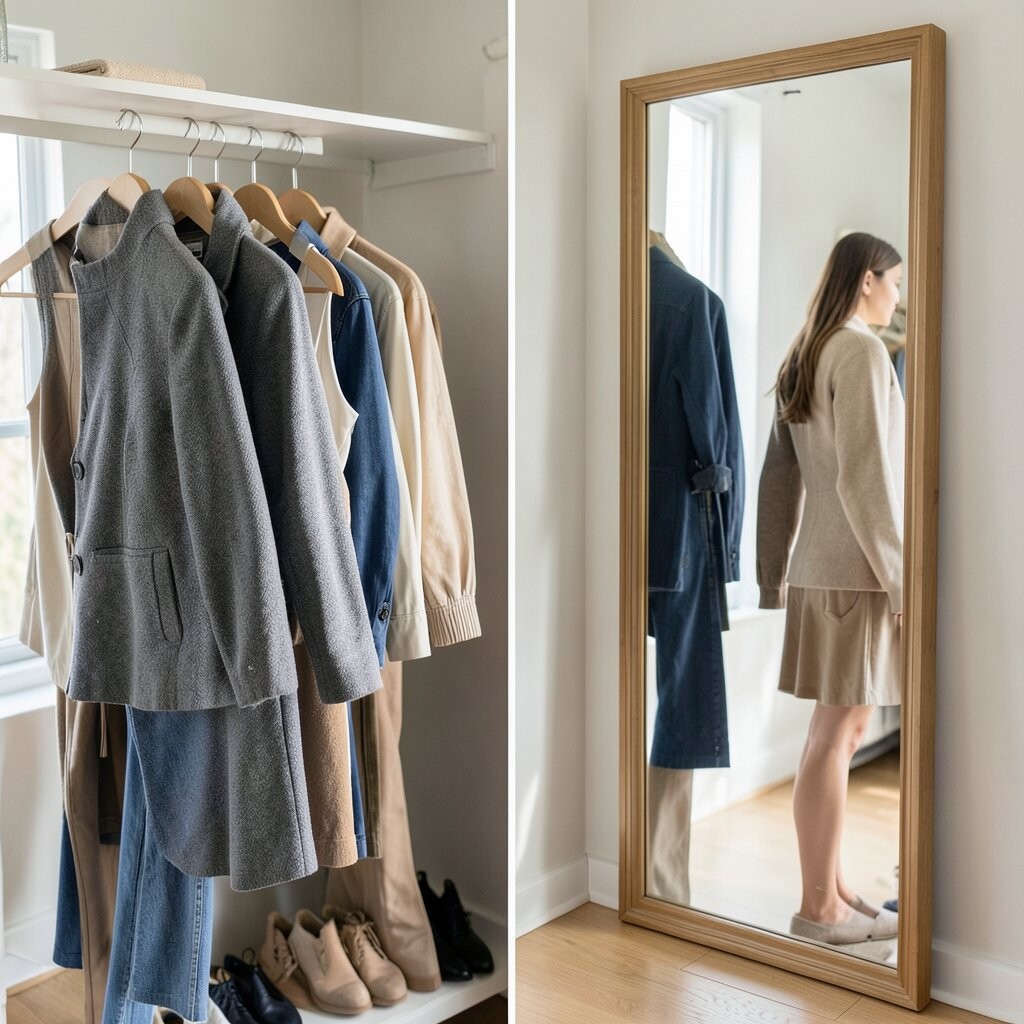
A mirror makes your closet feel complete. It also helps you style outfits with more confidence.
Place a mirror near the most used hanging area or where you naturally get dressed. If space is tight, choose a slim door-mounted mirror. The benefit is simple: you can check fit, color, and accessories without running around. It also makes the closet feel brighter and larger.
Personalize the look with a frame that matches your room style. Cost varies, but there are affordable options that still look polished. A trend right now is using decorative mirrors that double as wall art. If you like creativity, add a small tray for rings or hair clips beside the mirror.
Before you buy, check the sightline so you can see your full outfit clearly.
20. Make it future-proof with flexible, adjustable storage

A closet should grow with you. If your needs change, your storage should change too.
Choose adjustable shelves, modular bins, and hooks that can move. This keeps your closet helpful when your wardrobe changes or your routine shifts. The benefit is long-term value because you won’t need to redo everything. It also supports personalization, since you can keep refining how your space looks.
For cost considerations, focus spending on the backbone pieces first, like sturdy supports and adjustable shelving. Then add lighter accessories over time. A current trend is modular organization that lets you reconfigure sections without tools. When your closet adapts, your makeover goals stay within reach, month after month.
Finish by doing a small “test run” opening the door, picking an outfit, and putting everything back. When it works smoothly, your system is ready for everyday life.