Empty walls can feel loud, but they don’t have to stay that way. With the right shelves, your stuff can look neat and feel close at hand.
Let these ideas turn plain wall space into a helpful, good-looking storage spot. You’ll find options that fit small rooms, big families, and every style in between.
1. The “Wall Gallery” Trio for Daily-Use Items
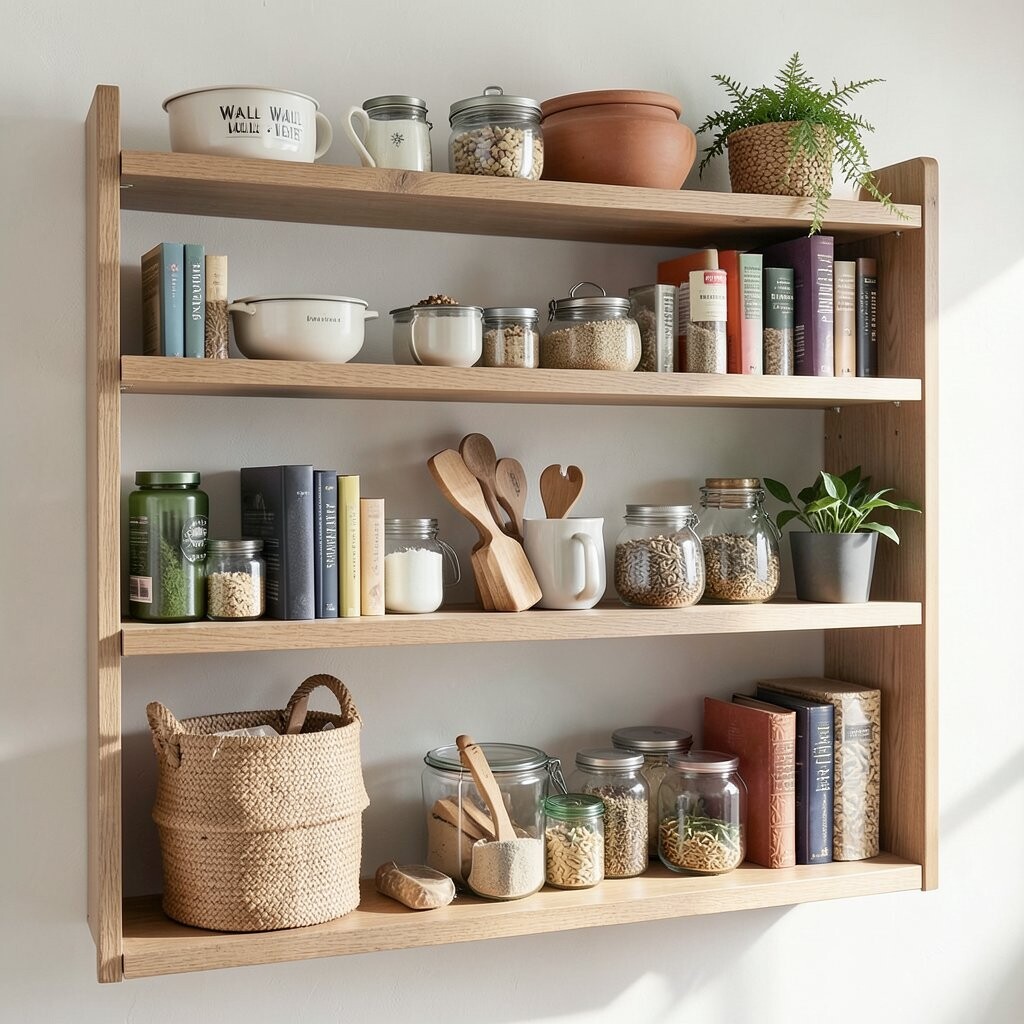
Place three floating shelves like a mini art exhibit, but fill them with what you touch every day. A visual row of mugs, tea tins, or hand lotion bottles can look tidy and friendly.
Keep the top shelf for “grab first” items, the middle for backups, and the lower shelf for refills. This setup cuts down on rummaging because everything has a home. Use clear labels or matching canisters so the shelves stay calm and organized.
If you want it more personal, mix textures like woven baskets on one shelf and smooth jars on another. For cost, start with basic brackets and ready-to-paint shelves, then upgrade hardware when you feel ready. A current trend is combining floating shelves with matching storage containers to make everything look designed, not cluttered.
2. Corner Ledge Shelves for Nooks That Disappear
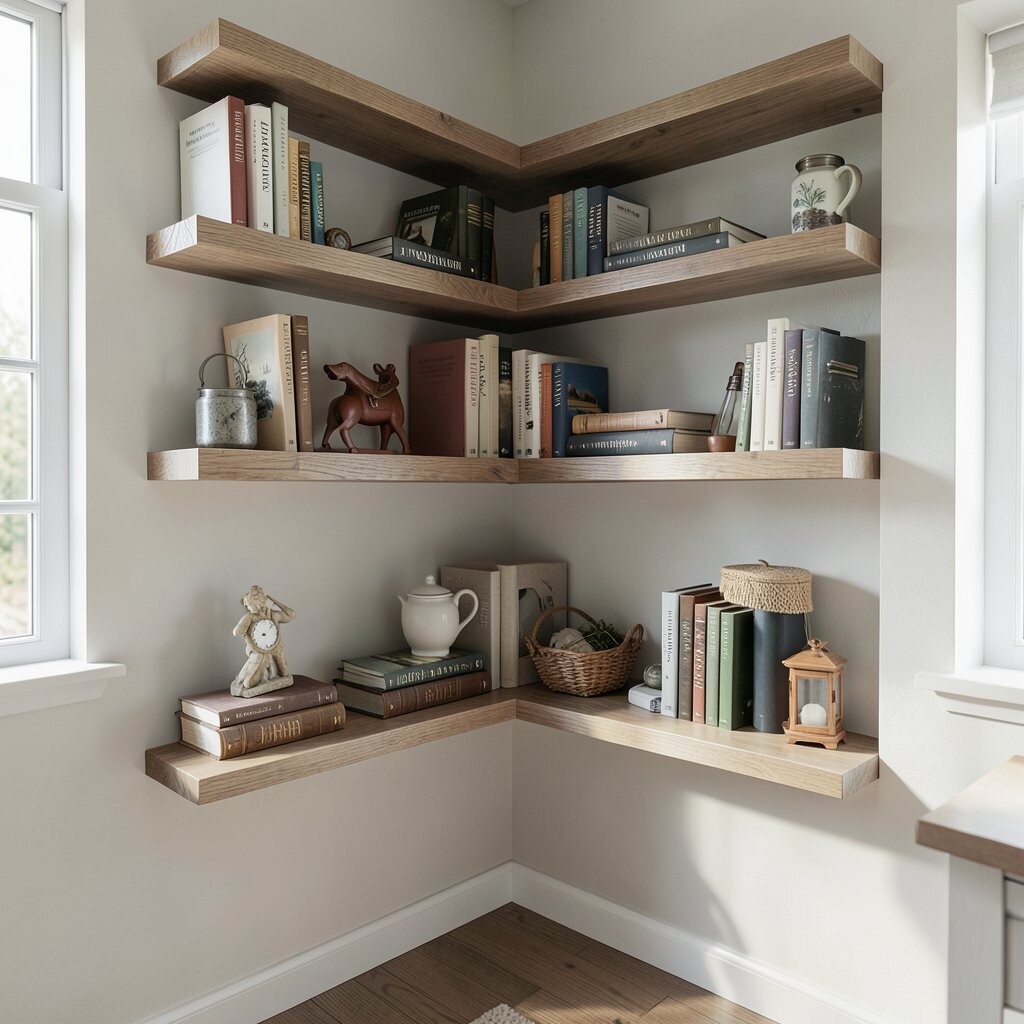
Corners are often blank, but they can hold real value when you add slim floating shelves. You’ll see a clean line of storage that makes the room feel bigger and less crowded.
Try a staggered pattern that follows the corner angle, then set décor on top and small tools below. This approach is great for charging cables, spare batteries, and tiny cleaning supplies. It also helps keep the floor clear, which makes daily life easier.
For a personal touch, use shelf styling rules like “one tall item, two medium items, and two small items.” If budget is tight, use fewer shelves and focus on strong placement near where you need the items. Popular right now is the look of simple, minimal floating shelves paired with warm lighting, like a small LED strip underneath.
3. Bathroom Shelves With “Hotel Tidy” Bins
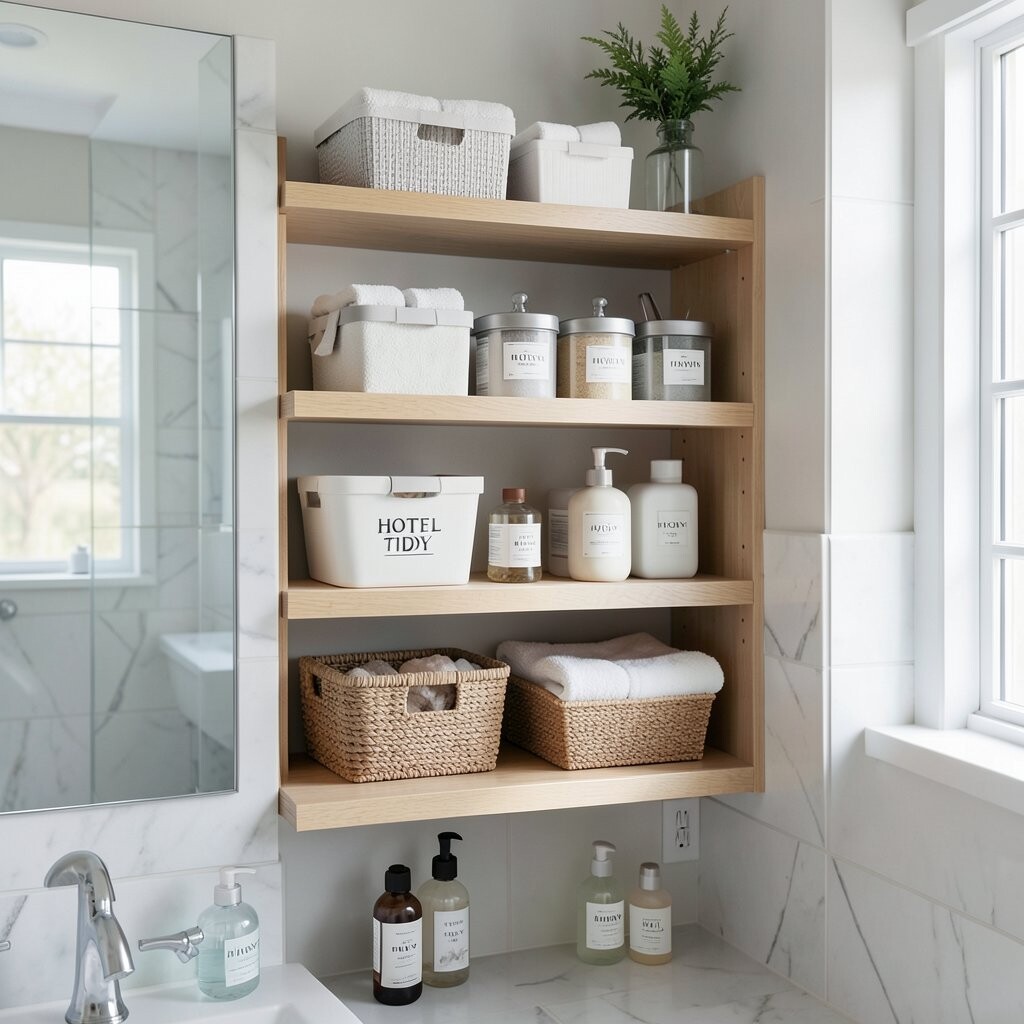
Floating shelves in a bathroom can feel spa-like when you organize by type. Picture neat rows of folded towels, glass bottles, and a tray that keeps things from rolling around.
Use shallow bins for cotton pads, hair ties, and extras, then place a small basket for backup items like soap. This reduces visual mess and makes it easy to find what you need fast. Keep the most used items at eye level so you don’t have to reach or dig.
If moisture is a concern, choose wood that’s sealed or go for metal shelves with a protective finish. Personalize with a matching color theme, like soft whites and brushed silver, to keep the whole area cohesive. Budget-wise, starting with one or two shelves and adding bins over time can be a smart plan.
One trend you’ll see often is “clean counter energy,” where small items live on shelves instead of on the sink. Under-shelf lighting can also make your bathroom look bright and modern.
4. Entryway Shelves for Keys, Letters, and First-Day Calm
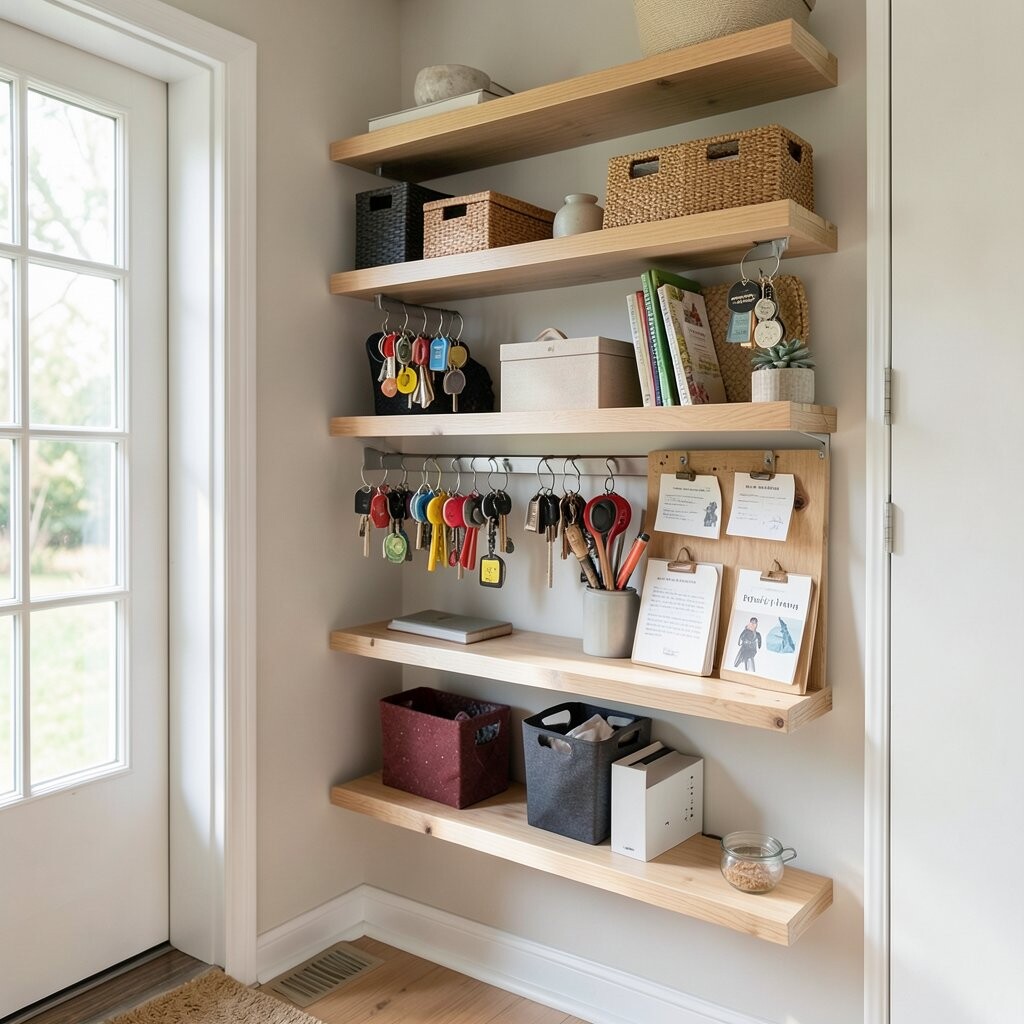
Put a floating shelf near your door, and the whole entryway becomes more organized right away. You’ll love seeing keys, sunglasses, and mail grouped in one tidy spot.
Set one small tray for keys and a slim organizer for letters, then use a bottom shelf for bags you grab often. This helps everyone in the home find items quickly and reduces “where is it?” moments. Add hooks below or a hook panel above if you want even more storage.
5. Kitchen Shelves for Spices Without the Counter Chaos
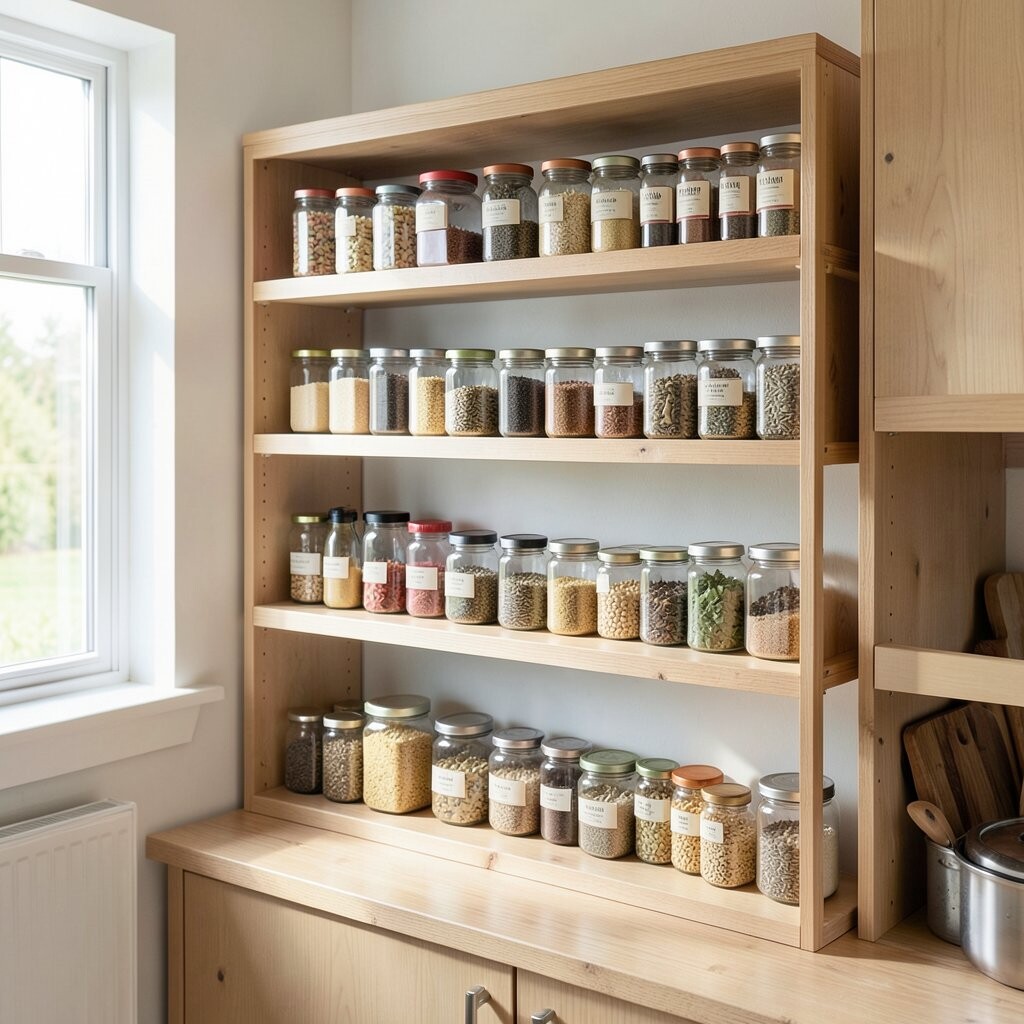
Spice shelves can look like a colorful wall display when jars sit in a neat line. Imagine a calm grid of labels, with deeper spices on the lower shelf and lighter blends up top.
Use identical containers so the colors match and the shelf looks intentional. This makes cooking smoother because you can scan quickly. For a useful twist, keep everyday oils or vinegars on one shelf and reserve specialty items for the next level.
To personalize, use a mix of jar heights or add small plant cutouts to bring warmth. If you’re thinking about cost, you can start with inexpensive organizers and upgrade to premium jars when you run out. A current trend is “pantry styling,” where you treat your storage like décor so it stays neat even when it’s lived in.
6. Living Room Floating Shelves for Books and Cozy Things
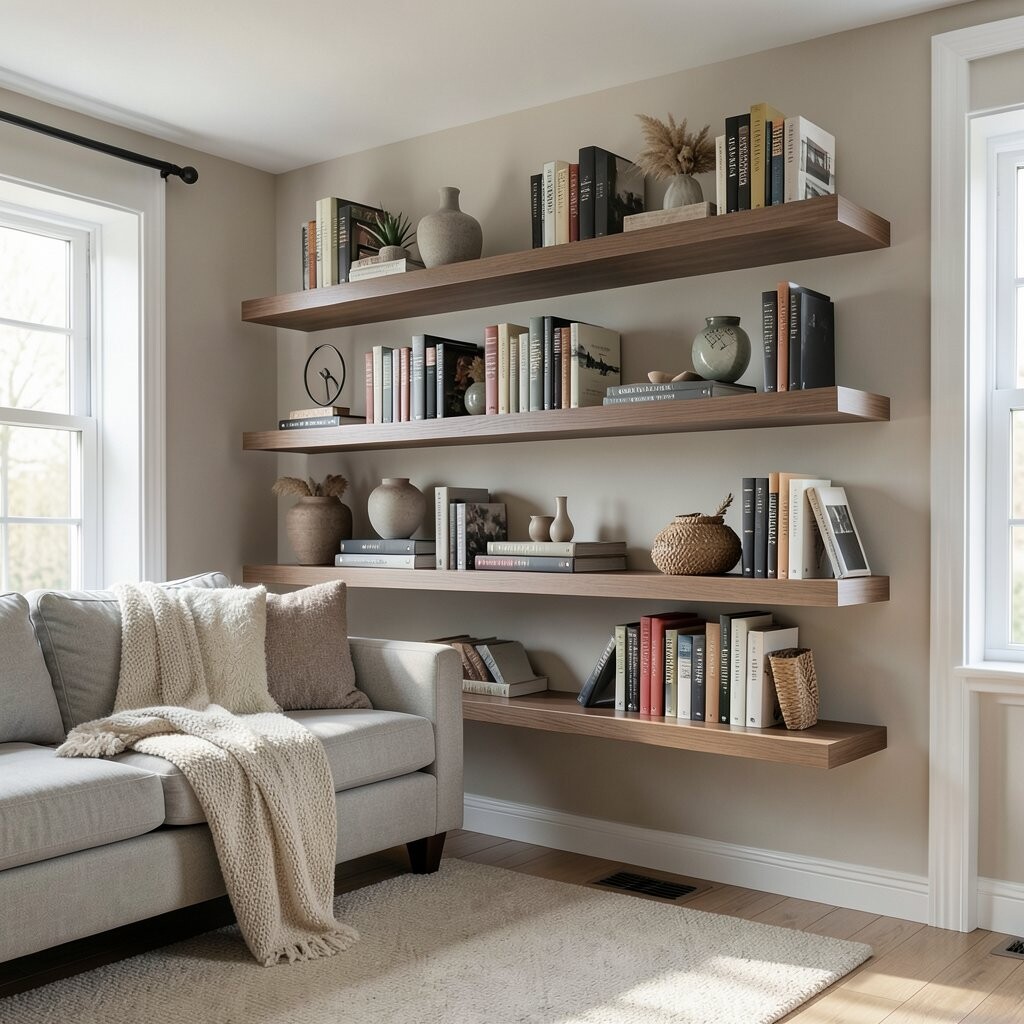
Floating shelves in the living room create a light, airy look that doesn’t feel heavy. You can line books up neatly, then soften the space with framed photos and small sculptures.
Use a mix of horizontal and vertical items so your shelf feels balanced, not like a stack of boxes. Keep board games or remote controls in small baskets to hide everyday clutter. This gives you both beauty and function.
For personalization, add a rotating display, like seasonal décor or a small collection from trips. If budget matters, choose one strong shelf and build around it with affordable décor from thrift stores. The trend right now is “collected styling,” where shelves look curated but still personal and real.
7. Hallway Shelves That Guide the Eye
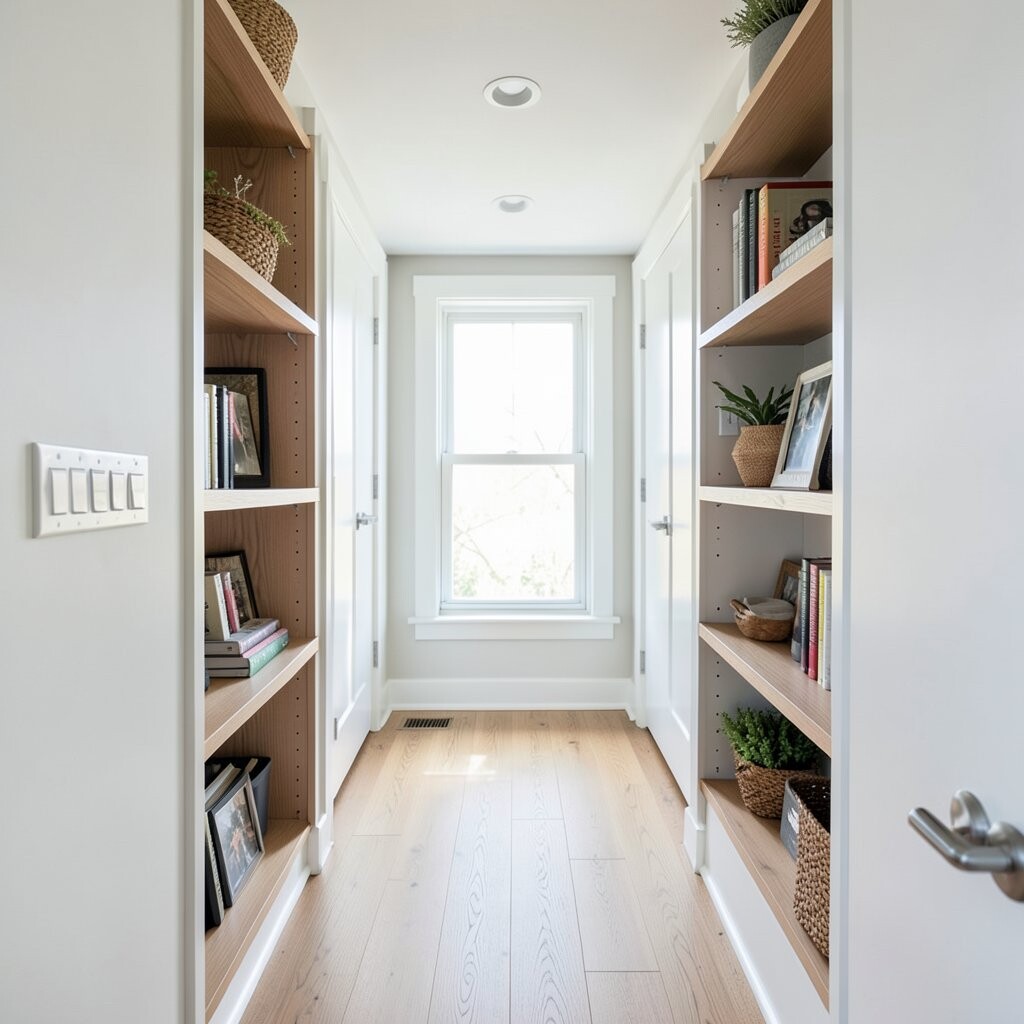
A hallway is a perfect place for floating shelves because it turns blank wall space into a route for your eyes. When placed in a line, shelves can make a long hall feel purposeful.
Try placing slim shelves at different heights, then keep items consistent, like matching frames or the same style of boxes. This makes the whole walkway look intentional. It also helps prevent random clutter from piling up in hallway corners.
For a practical tip, store seldom-used items on the top shelf and keep everyday small items on the lower one. If you’re saving money, use inexpensive décor for the first layer and add nicer pieces later. Many homes are using this “staggered display” look to bring interest without making the hall feel cramped.
8. Laundry Room Shelves for “Sort, Store, Repeat”
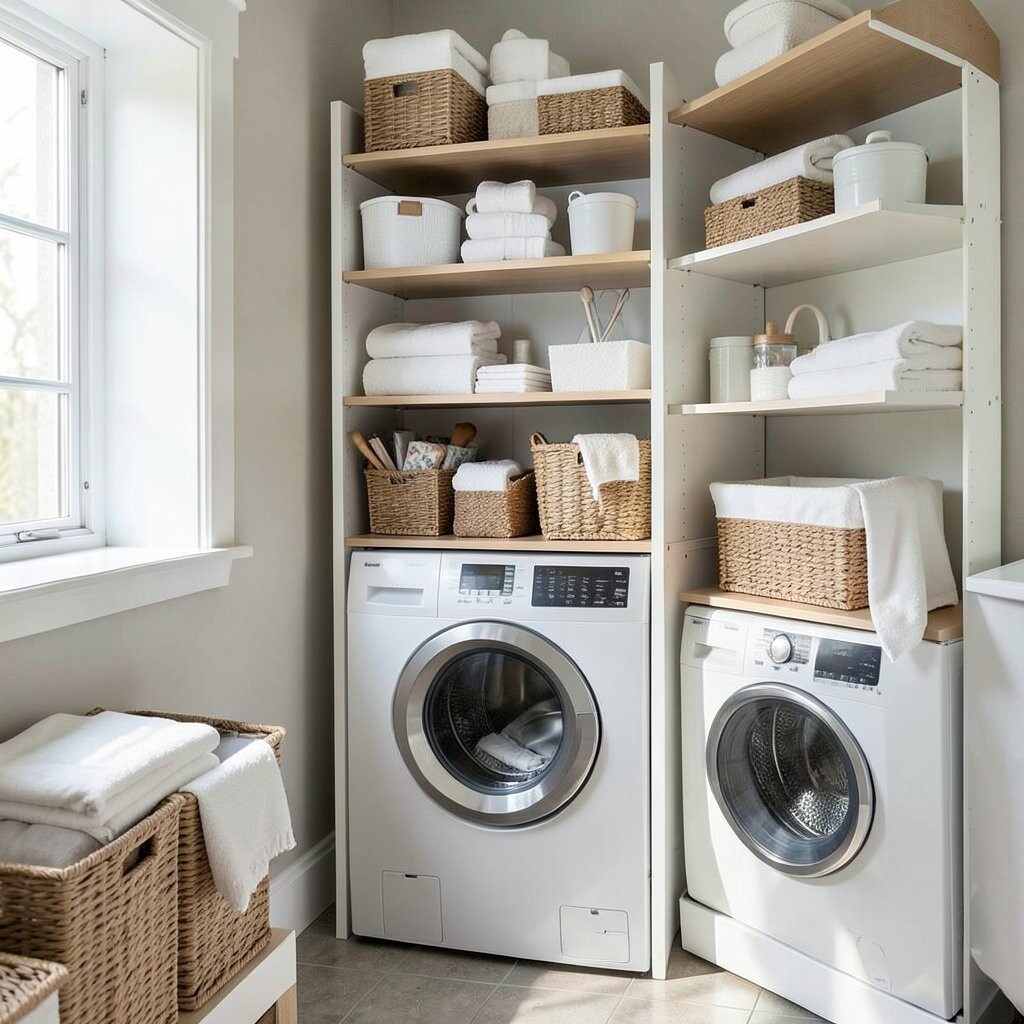
Laundry rooms can get messy fast, but floating shelves help you keep supplies ready. Think of visible bins for stain spray, lint tools, and extra detergent pods.
Install shelves above the folding area or near the hamper so items are within reach. This boosts convenience because you don’t have to leave the task to hunt for supplies. Use labels on bins so the family can refill easily.
For personalization, paint the shelf brackets or add a small color-coded system for towels and cleaning items. Budget consideration: buy only the shelves you need at first, then add storage containers once you see what you actually use most. A helpful trend is “functional organization,” where storage blends with a tidy routine rather than just hiding things away.
If your space is small, choose shorter shelves and focus on the most-used products. Even a simple shelf above the washer can make a big difference.
9. Office Shelves for Paper, Pens, and Peace
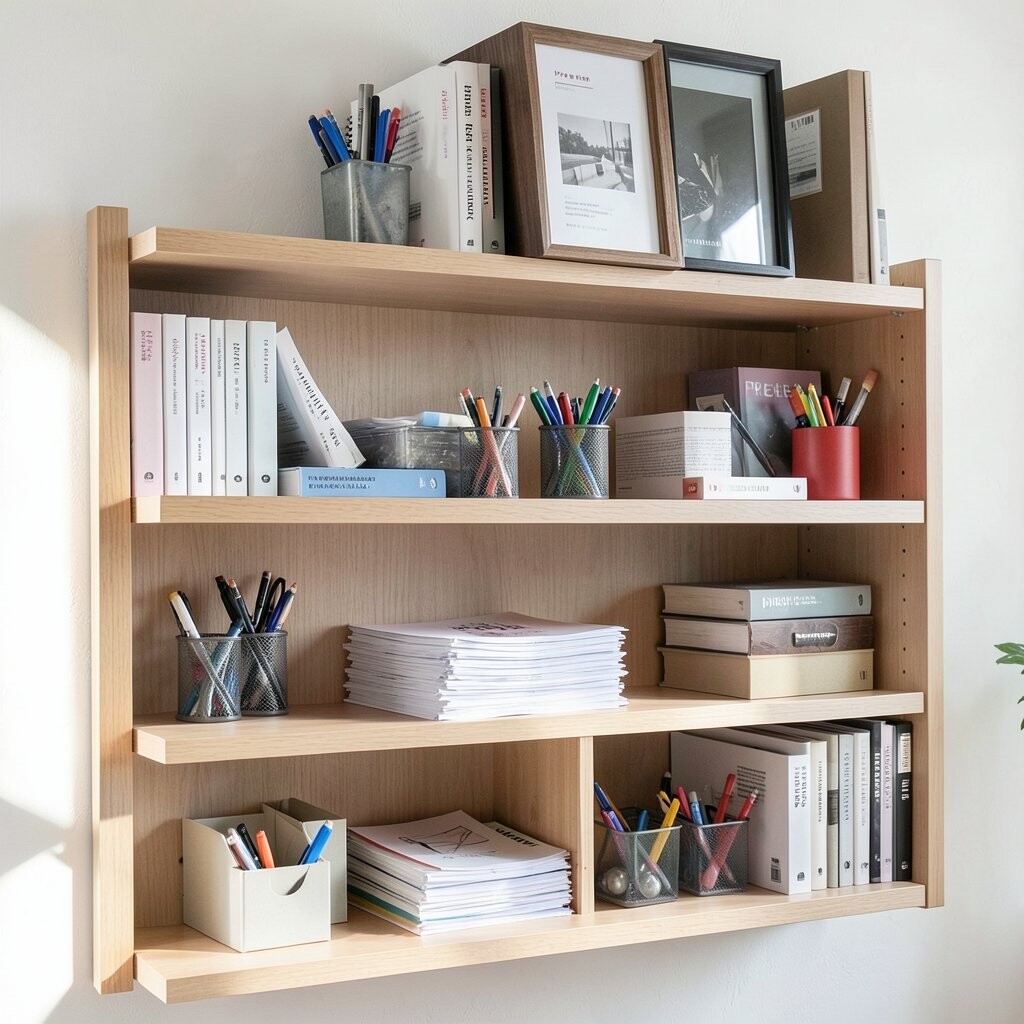
An office can feel stressful when papers pile up, so floating shelves give you instant structure. You’ll see a neat line of folders, planners, and tidy pen cups that makes the room feel lighter.
Use one shelf for reference books, one for active folders, and one for storage boxes. This makes it easier to keep “today” supplies separate from “someday” papers. A tip: add a small divider inside the shelf area so folders don’t slide.
To personalize, match the shelf styling to your mood board—maybe calm neutrals, bright accents, or a clean monochrome look. Cost-wise, consider buying a few strong shelves and using budget bins to handle the rest. Current trends include minimal desks with wall storage so the workspace stays clear and focused.
10. Kids’ Room Shelves for Books That Don’t Grow on Floors
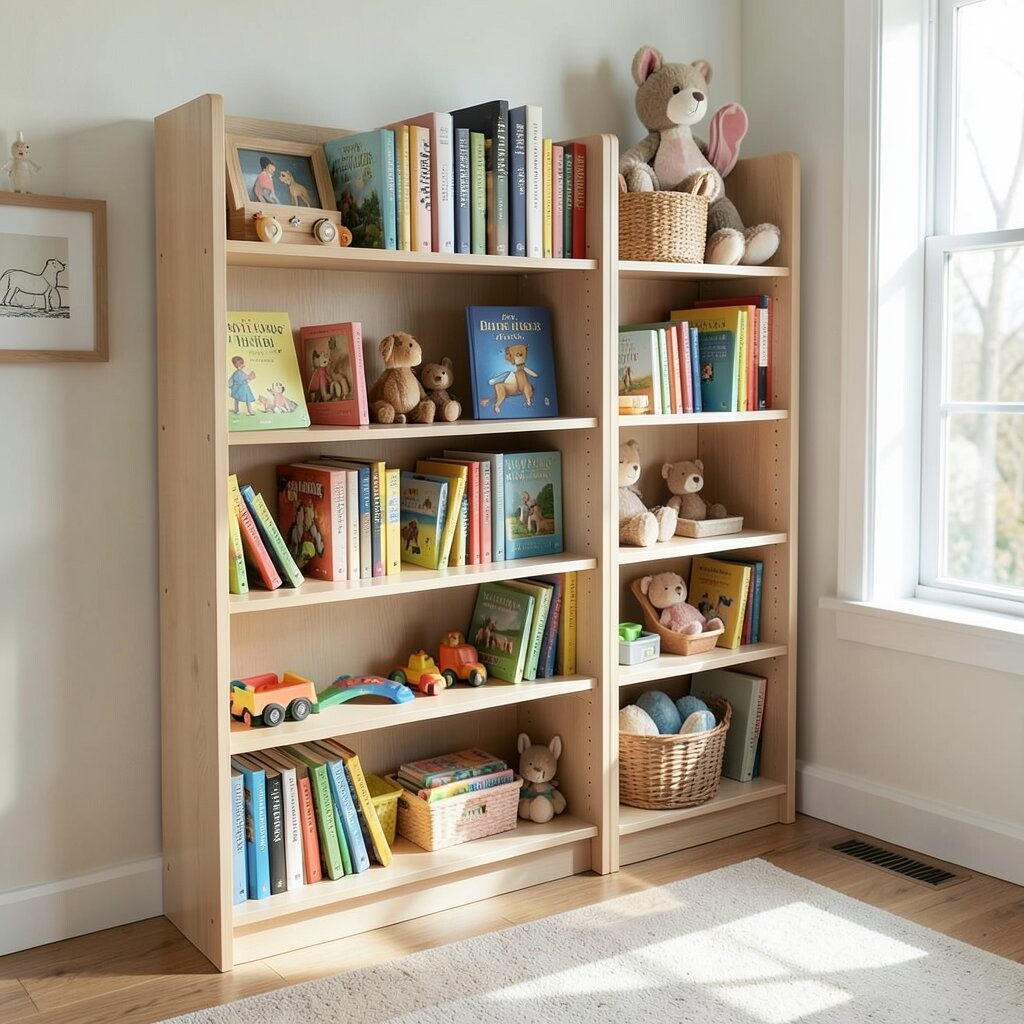
Floating shelves for kids can make reading feel exciting and reachable. Picture colorful book spines lined up like a story wall that kids can grab without climbing.
Place the shelf low enough for small hands, and use a front lip or small barrier to prevent books from slipping. Store picture books on one shelf and smaller toys or art supplies on another. This helps kids practice cleanup because they can put things back in the same spot.
Personalize with themed bins—dinosaurs, princesses, trucks—so each shelf feels like a mini world. If budget is a concern, start with fewer shelves and swap book displays often. A current trend is “kid-first organization,” where storage is designed for the child’s height and daily habits.
11. Entry Shelf for “Shoe Shadow” Storage
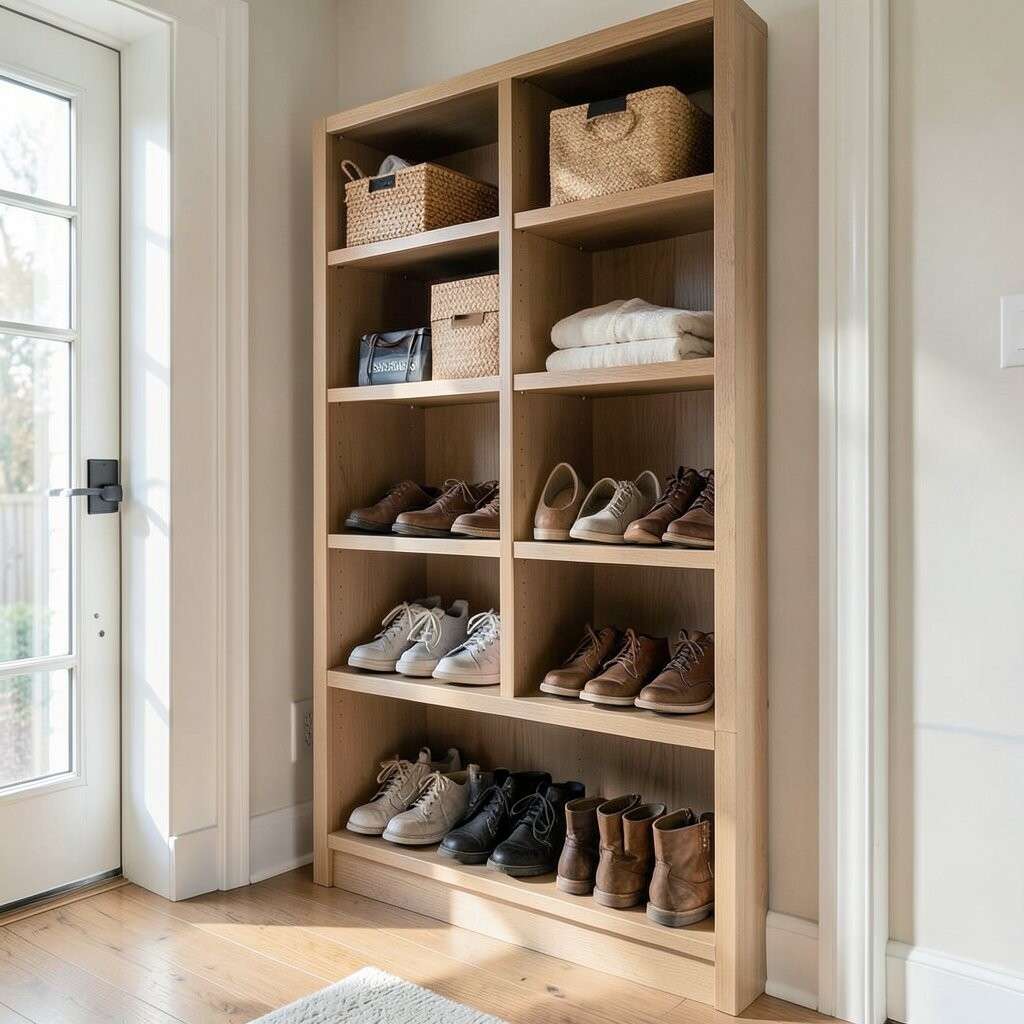
Shoe storage usually needs big furniture, but floating shelves can help in clever ways. Imagine a tall narrow wall area where one shelf holds shoe polish and another holds small shoe tools.
Keep items that support shoes—laces, insoles, polish, and brushes—on the wall so the floor stays clearer. This gives you more visual space and less clutter near the door. Add a small tray on the lowest shelf for quick grabs like key fobs or a travel wallet.
For personalization, match shelf colors to your entry theme, such as black and oak or white and warm wood. Cost considerations: use the simplest shelf hardware first, then add matching trays and bins when you want a polished look. People are leaning into “support storage,” which means shelves hold tools and accessories even when shoes themselves stay in a separate place.
12. Bedroom Shelves for Nightstand Replacement
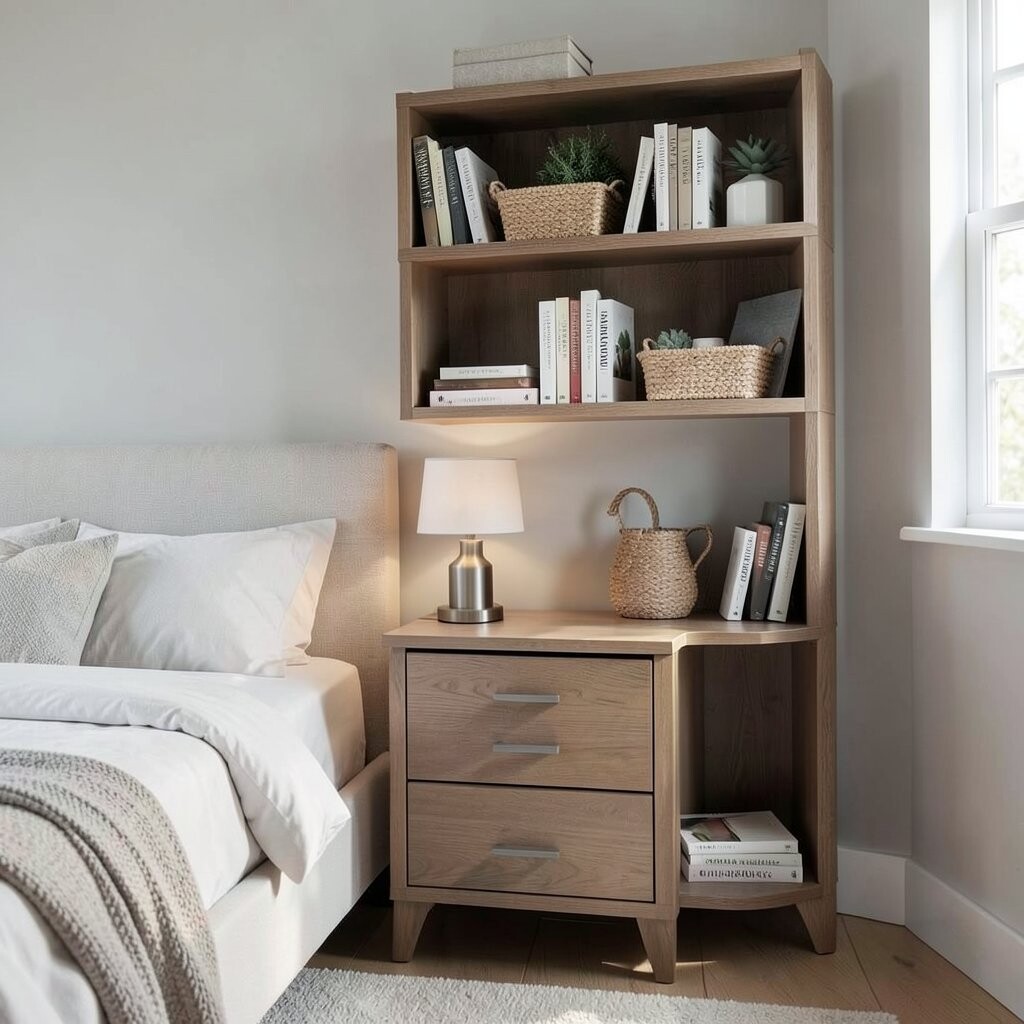
Floating shelves can act like built-in nightstands, which is great for small bedrooms. You’ll see a compact setup with a book, a glass of water, and a small lamp base placed neatly.
Try two shelves: one at bedside height for daily items and another slightly higher for charging devices or extra tissues. This keeps everything within reach and reduces clutter on the floor. Use a small cable organizer to keep charging cords from becoming a mess.
To personalize, add a decorative tray on the top shelf for skincare or a scent diffuser. Budget-wise, you can start with one shelf and add the second later once you know your routine. A current trend is “floating furniture” styling, where wall-mounted storage replaces bulky furniture for a cleaner feel.
Choose smooth finishes so cleaning is easy, especially if you wipe nightstand surfaces often.
13. Storage Shelf Above a Pet Bed for Supplies
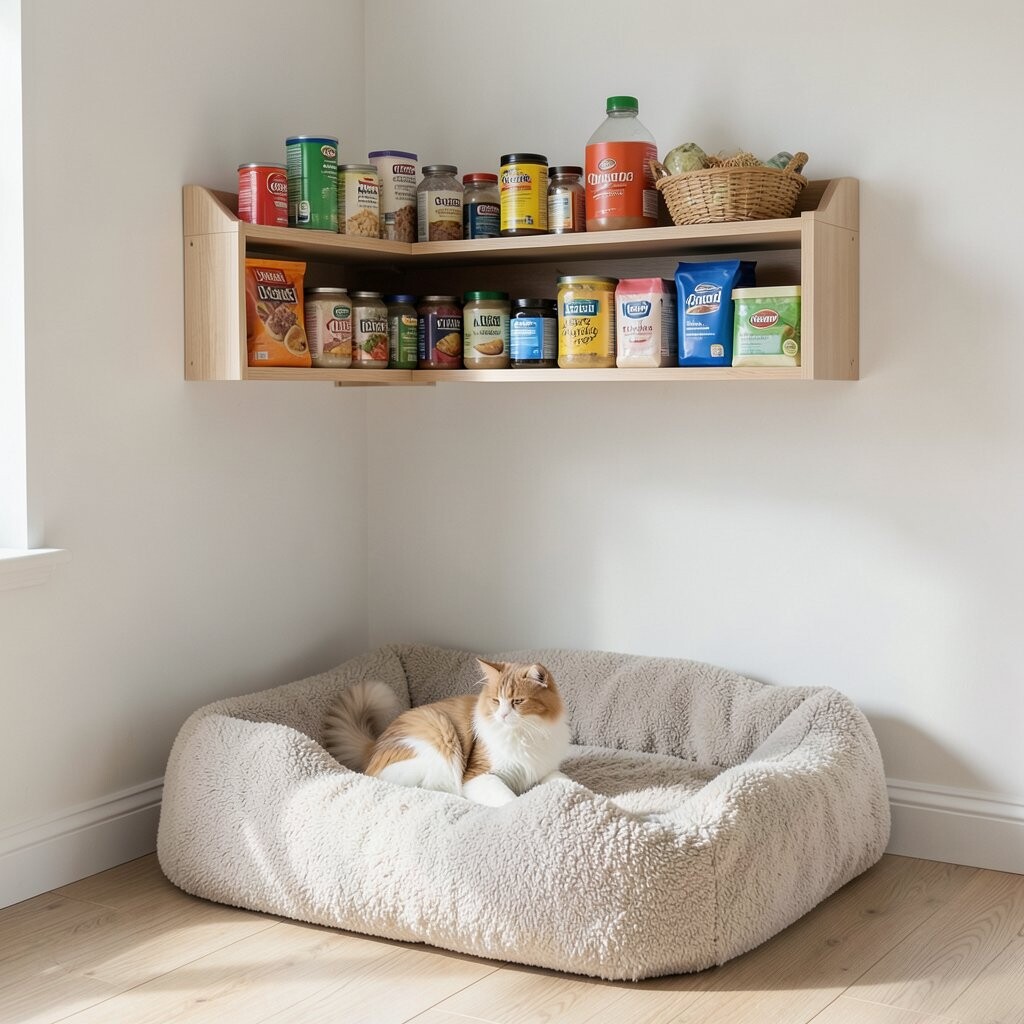
Pet areas deserve organization too, and floating shelves can help with it. Picture a neat stack of grooming tools, spare leashes, and treat jars near the pet’s favorite spot.
Place lightweight bins on a lower shelf so you can grab quickly during walks. Keep food containers sealed and store extras on the upper shelf to keep counters calm. This also reduces the “treat jar mystery” because everything has a visible home.
Personalize with a shelf sign, like your pet’s name, or choose container colors that match your home. Cost considerations: pick washable bins and start small with one shelf. A trend you’ll notice is pet-friendly organization, where storage is practical, easy to clean, and made to fit real routines.
14. Pantry-Like Shelves in the Living Room for Extras
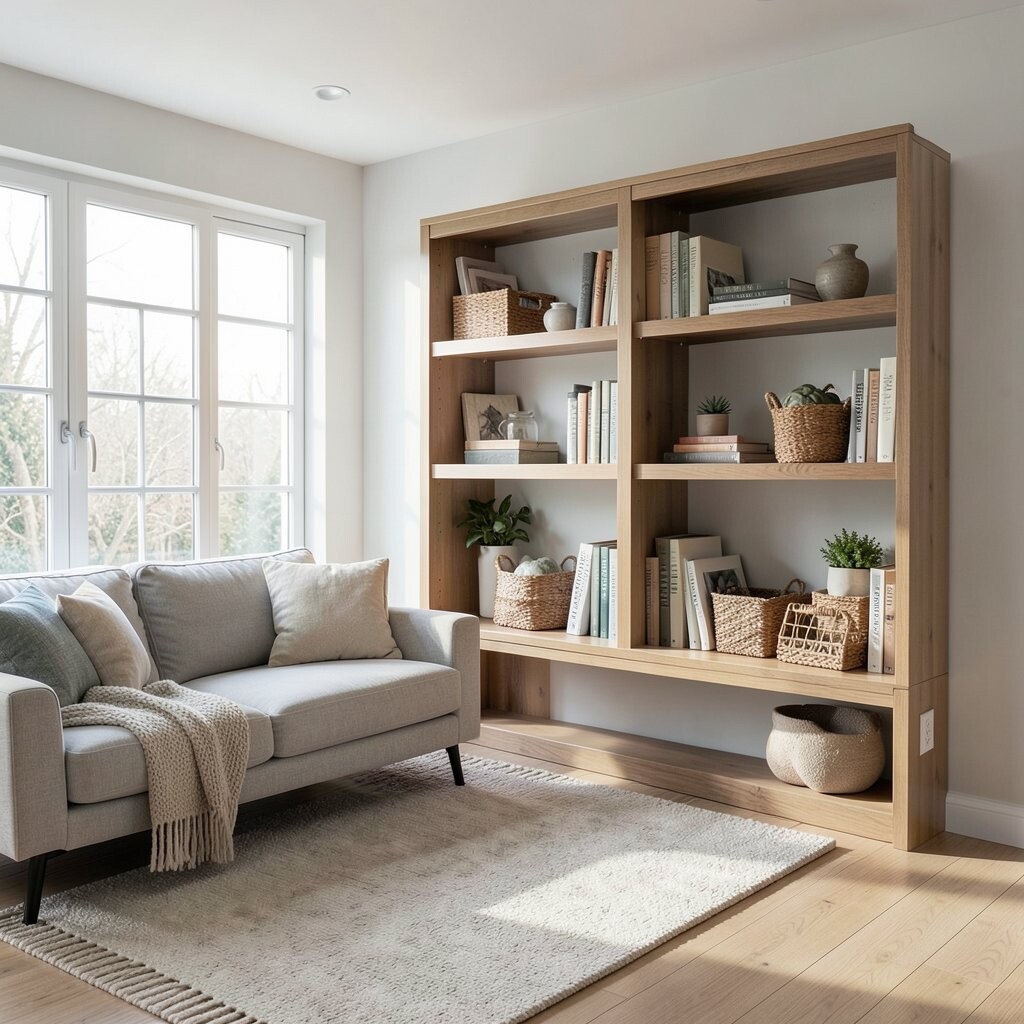
If your living room holds games, blankets, or extra household items, floating shelves can hide the chaos. You’ll enjoy the clean look of baskets tucked under shelves and décor that still feels functional.
Try storing seasonal items in labeled bins so you don’t need to open drawers. For example, keep extra throw blankets on the bottom shelf and board game pieces in boxes on the next level. This keeps the room ready for guests without turning it into a storage cabinet.
To personalize, use a consistent bin style, like woven textures or smooth matte plastics, so the shelves look coordinated. Budget-wise, baskets are often cheaper than cabinets and can be swapped when trends change. Current trends favor “mixing storage with décor,” where shelves look like design even when they hold practical stuff.
Use shelf height to your advantage, storing lighter items higher and heavier items lower for safety.
15. Craft Shelves With Clear Containers for Quick Grabs
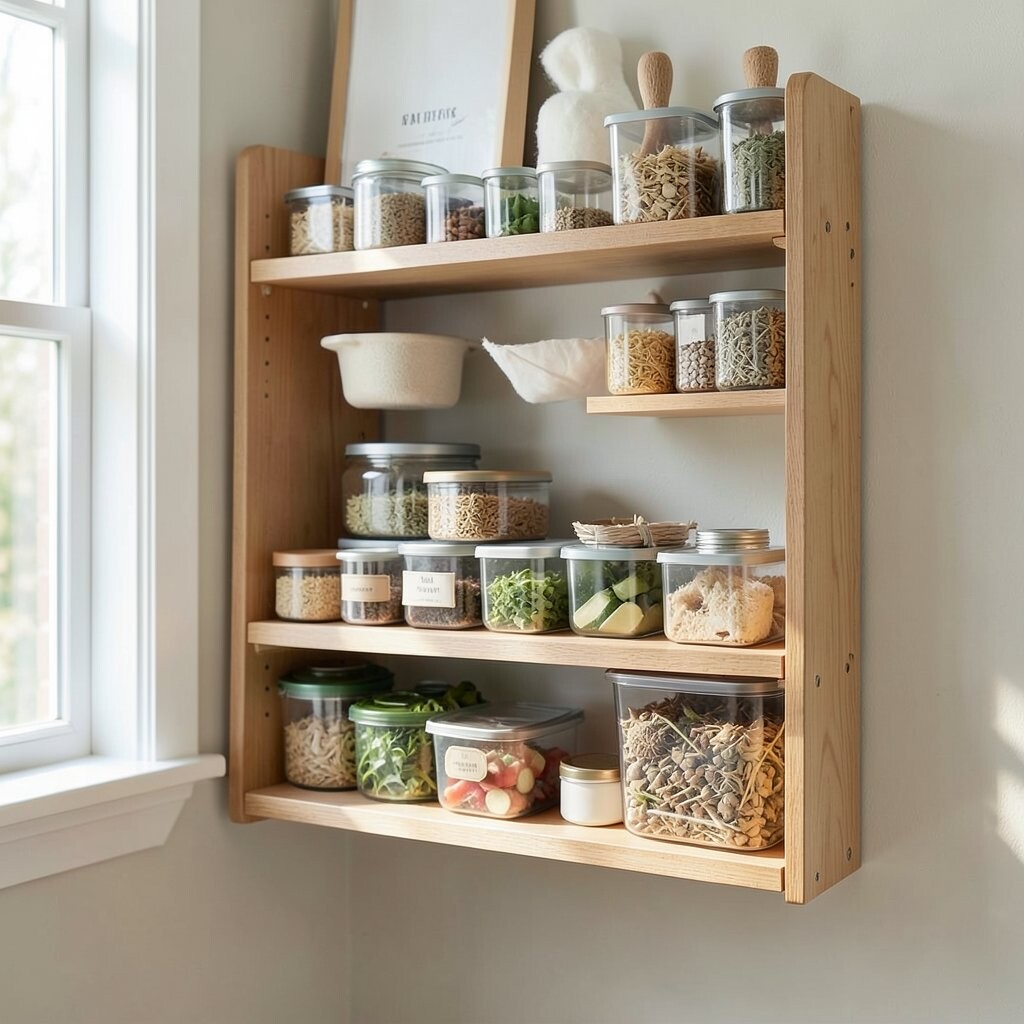
Craft supplies multiply like magic, so clear storage is your best friend. Imagine a shelf wall where markers, paint bottles, and paper pads sit in visible containers.
Use clear bins or labeled drawers so you can find supplies without opening every container. This saves time and keeps projects moving. A tip: group supplies by craft type, like “scrapbooking,” “drawing,” and “holiday.”
Personalize with color-coded labels that match your favorite paper packs. If budget is a concern, buy a few organizers that fit your most-used items first. A current trend is “see-through organization,” which helps makers stay inspired because everything is visible.
16. Mudroom Shelves for Backpacks and Weather Gear
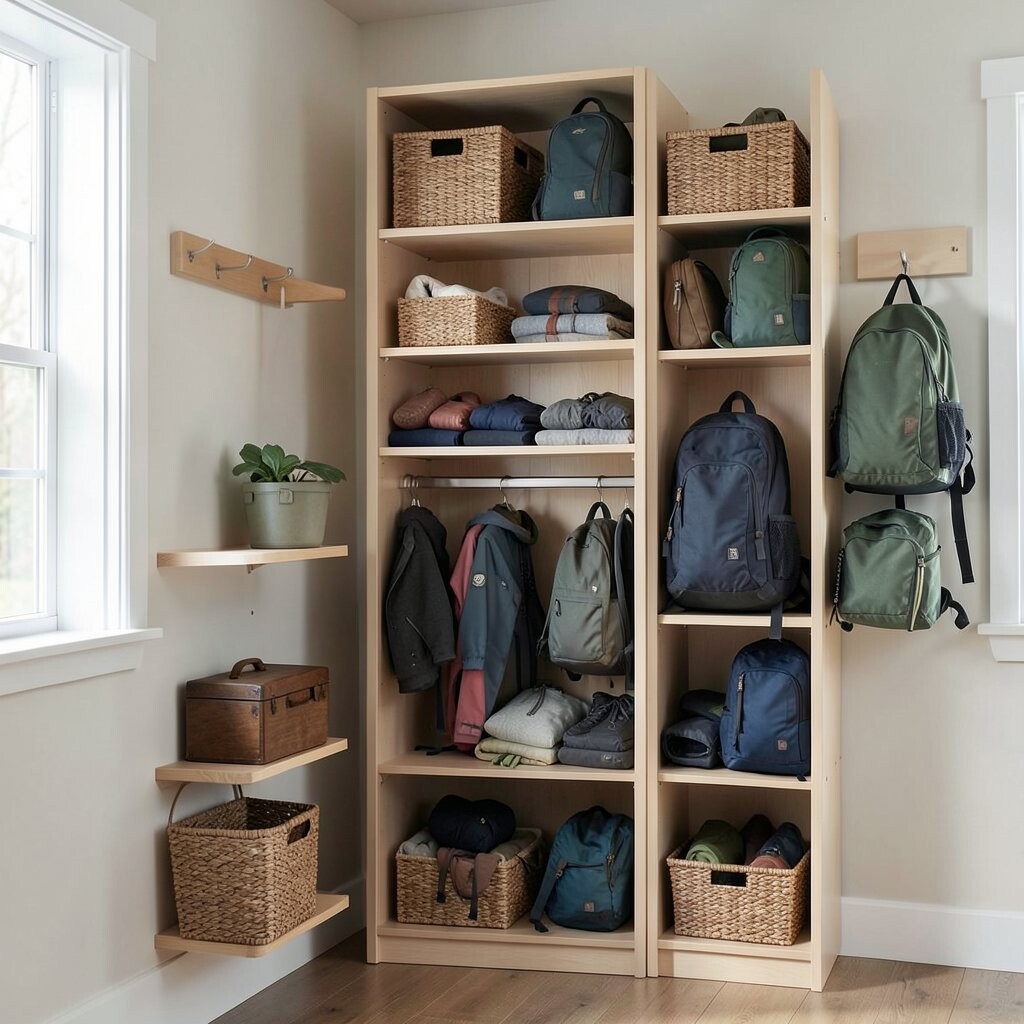
Mudrooms work best when shoes, coats, and bags have a routine spot. Floating shelves can store gloves, hats, and small items that usually end up all over the floor.
Place one shelf for hats and gloves, then add another for small backpacks accessories like water bottles and sports pouches. This keeps the area tidy and makes mornings faster. Add a small basket on the lower shelf for scarves or spare socks.
17. Coffee Bar Shelves for Cups, Tools, and Flavors
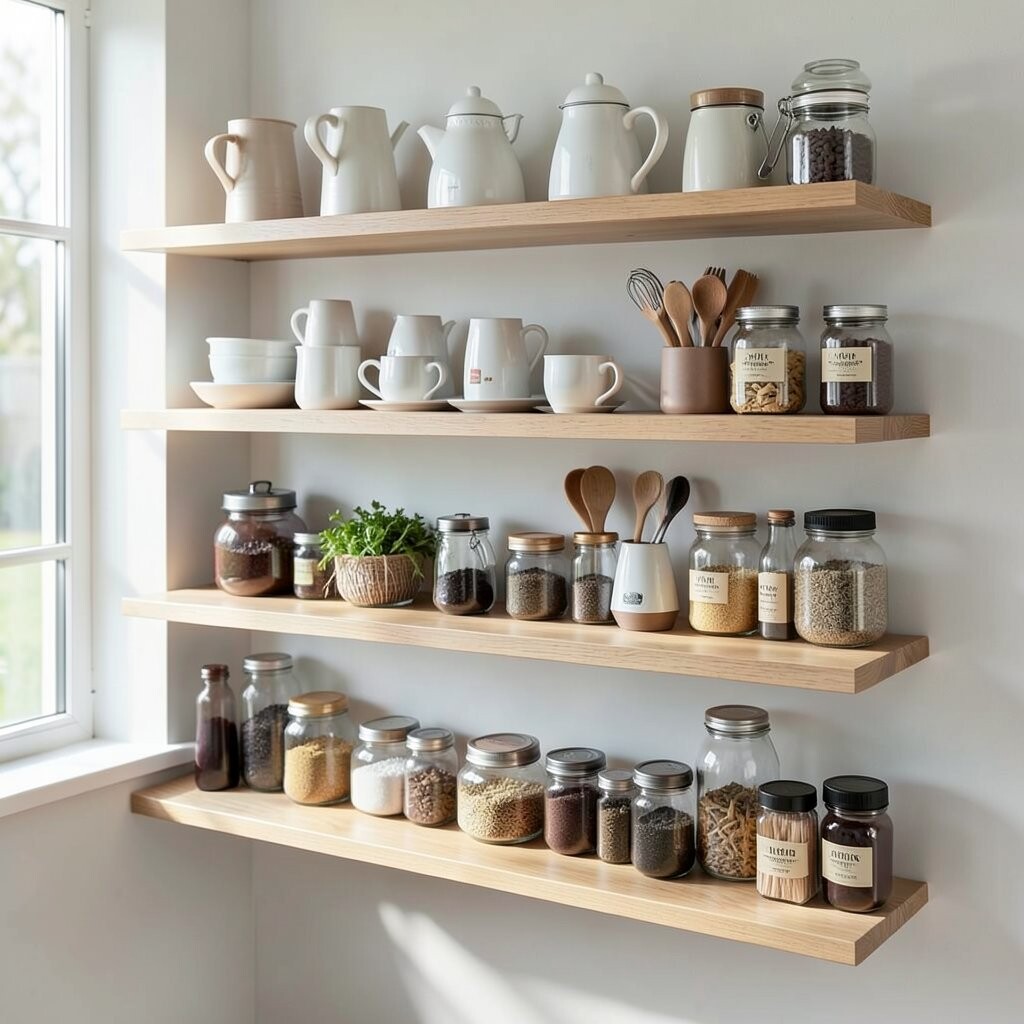
A floating shelf coffee bar makes your kitchen feel like a cozy café. Picture matching mugs on one shelf, coffee filters in a tidy container, and flavor syrups lined up like a menu.
Keep daily coffee tools—measuring spoons, scoop, and thermometer—on the same shelf so you don’t hunt for them. This boosts convenience and keeps the bar looking neat. For a personalization twist, add a small chalkboard or framed quote behind the shelves.
If you’re watching cost, start with one shelf and buy refills-ready containers later. A current trend is “small-batch lifestyle,” where people keep their favorite drinks styled and ready, not hidden in cabinets. Make the look yours with a color theme, like warm wood and black metal, or bright white and soft gold.
18. Entertainment Shelves for Media Accessories
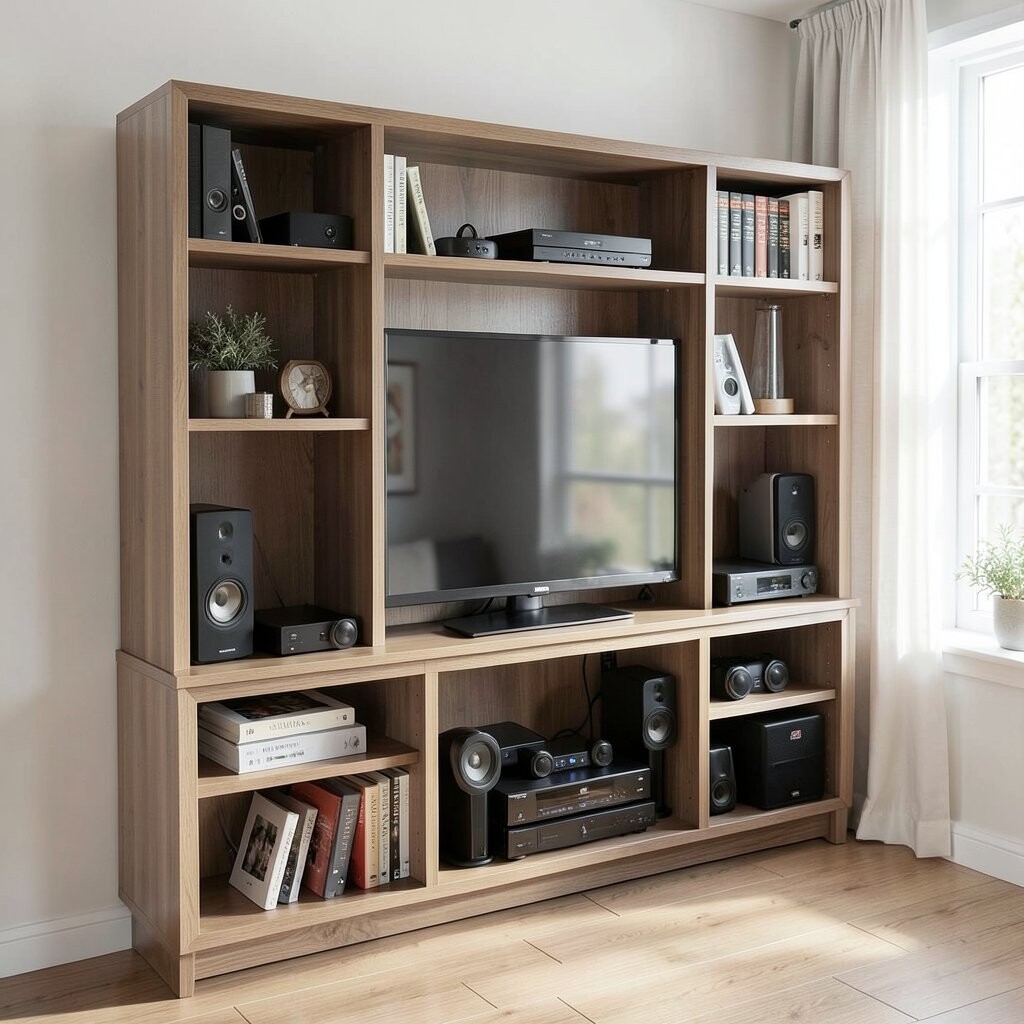
Entertainment shelves help you manage remotes, chargers, and game accessories without clutter. You’ll notice a cleaner look when cables and small gadgets are stored on the wall instead of on tables.
Use a shelf with compartments or small bins so remotes don’t mix together. This means you can find the right remote during movie night. Keep older accessories like extra controllers in a labeled box on a higher shelf.
Personalize by adding a slim light or a plant, which can make the shelf feel less “storage only.” Budget considerations: choose sturdy shelves and spend your money on good organizers that prevent clutter. Right now, many homes aim for “cable-sense,” where cords are managed with trays and hidden behind wall or shelf lines.
19. Garage Shelves for Hardware You Can Actually Find
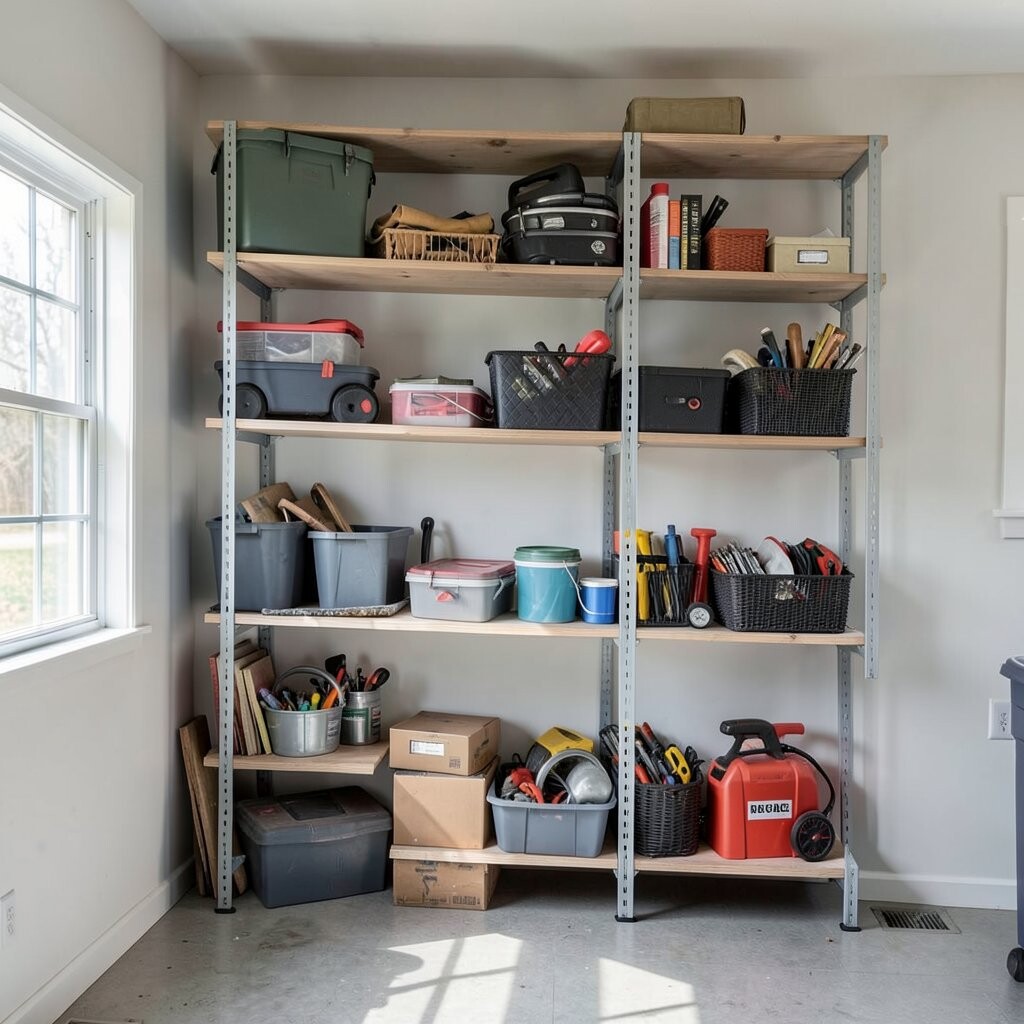
Garages feel chaotic when screws, nails, and tools scatter everywhere. Floating shelves can help you sort small items and keep the space ready for projects.
Use labeled containers for bolts, hooks, and fasteners, then group by size or type. Store paint supplies or spray cans in bins that fit their shape. This makes it easier to grab what you need without digging through drawers.
For personalization, choose color-coded labels or different bin colors for each category. Cost considerations: start with the smallest shelves that hold your most frustrating items, like “missing screws” and “mystery nails.” A trend you might see is “organized workshop walls,” where storage becomes part of the workshop workflow.
Even better, keep a small note card with project essentials, like the drill bit sizes you use most.
20. Sunroom or Balcony Shelves for Plants and Weather-Proof Tools
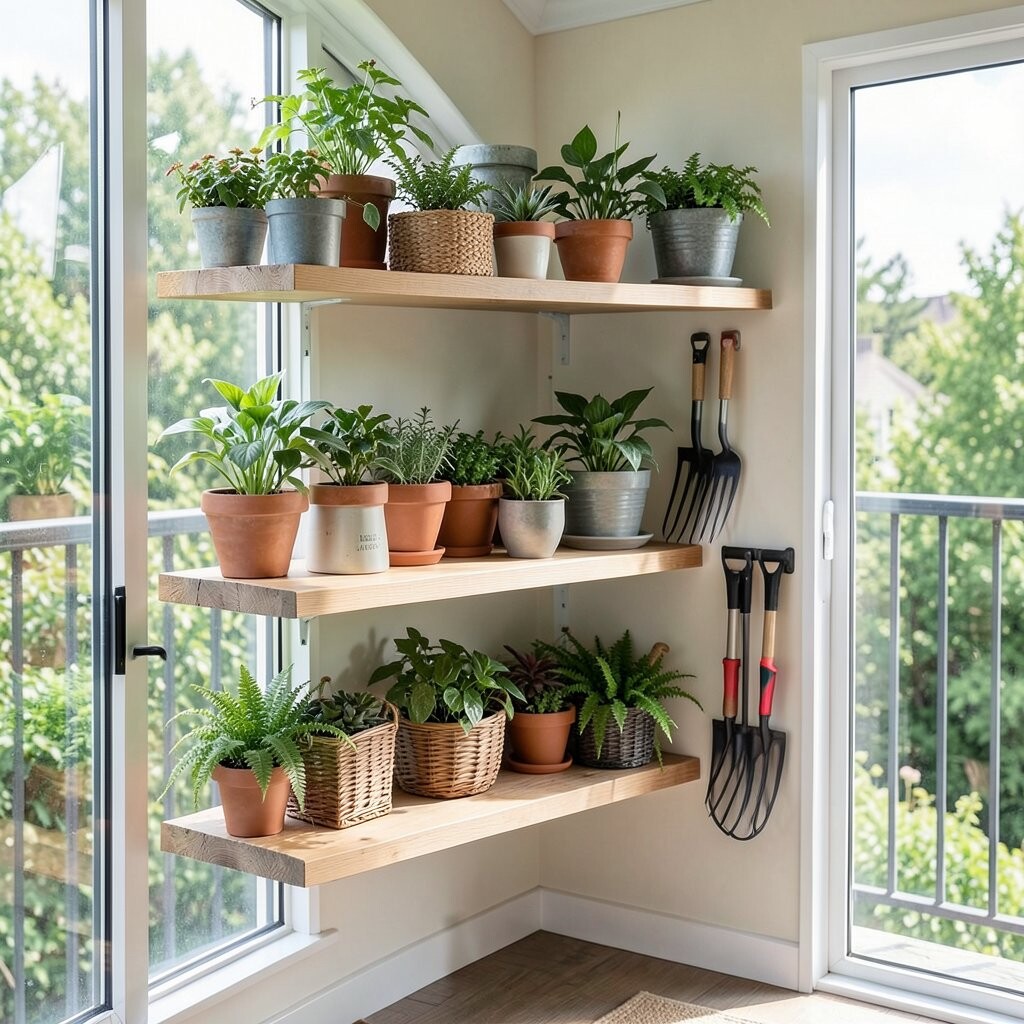
Outdoor spaces feel calmer when they’re organized, even if the weather changes. Floating shelves can hold plant pots, small watering tools, and seed packets in a neat display.
Choose weather-friendly materials and consider sealing the shelves if they face moisture. Keep tools in sturdy containers so they don’t rust or get lost. This helps plants stay healthy because you’ll always have what you need nearby.
Personalize with plant labels, decorative stones, or a small tray for gloves. Budget-wise, start with one shelf near the watering spot and add more later as your plant collection grows. A trend you’ll notice is “green corner styling,” where shelves help create a mini indoor garden feel, even in a sunny outdoor nook.
21. Laundry Sorting Shelves for Kids or Big Families
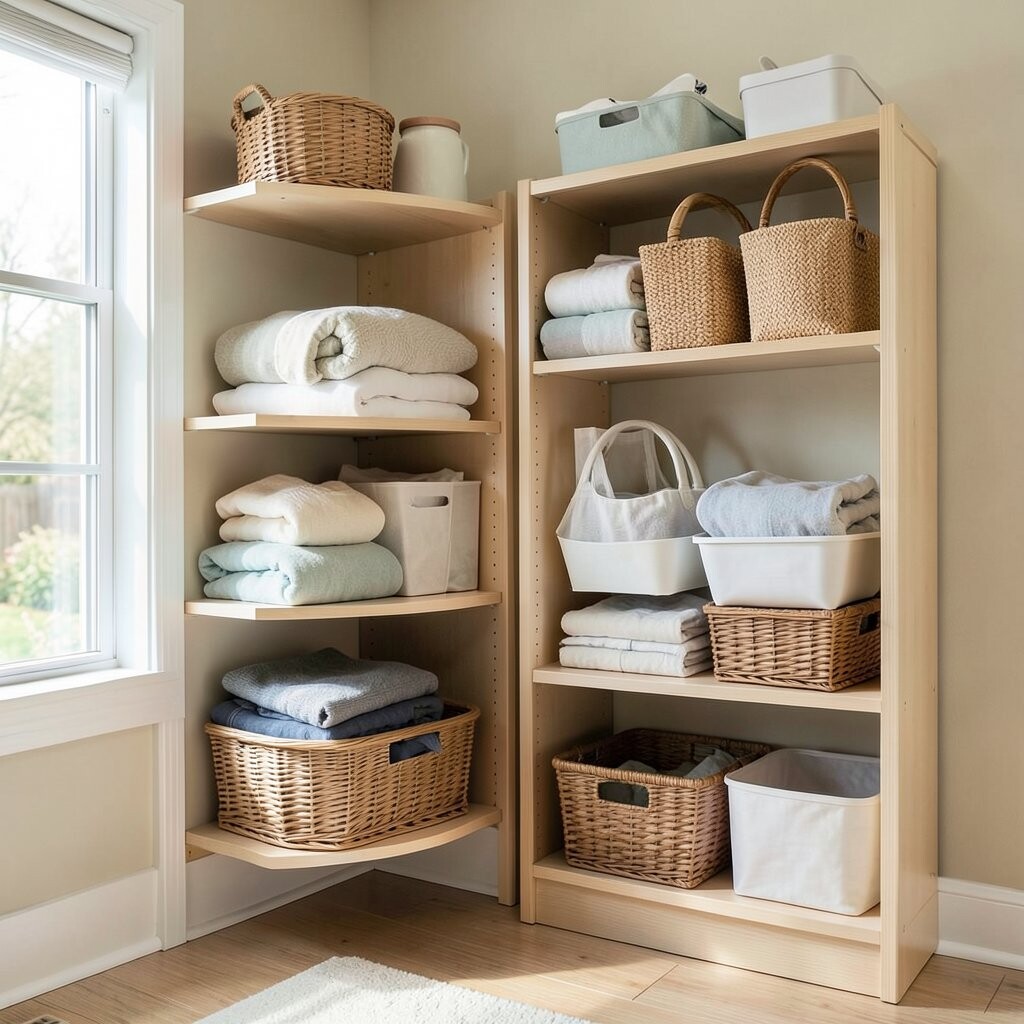
Sorting laundry is easier when you can see the categories at a glance. Floating shelves can hold small baskets for lights, darks, towels, or delicates.
Try stacking baskets so each family member can grab a section quickly. This reduces mixing and helps laundry day feel less like a chore marathon. A tip: use color-coded basket labels that kids can understand easily.
For personalization, choose basket colors that match your room and add a simple schedule sign. Cost considerations: you can find budget-friendly baskets first, then upgrade to nicer ones when they wear out. Current trends lean toward “family chore flow,” where organization systems are designed for real daily routines.
Place the most used basket closest to the hamper to cut down on extra steps.
22. Mix-and-Match Shelves With Style Trays and Hidden Bins
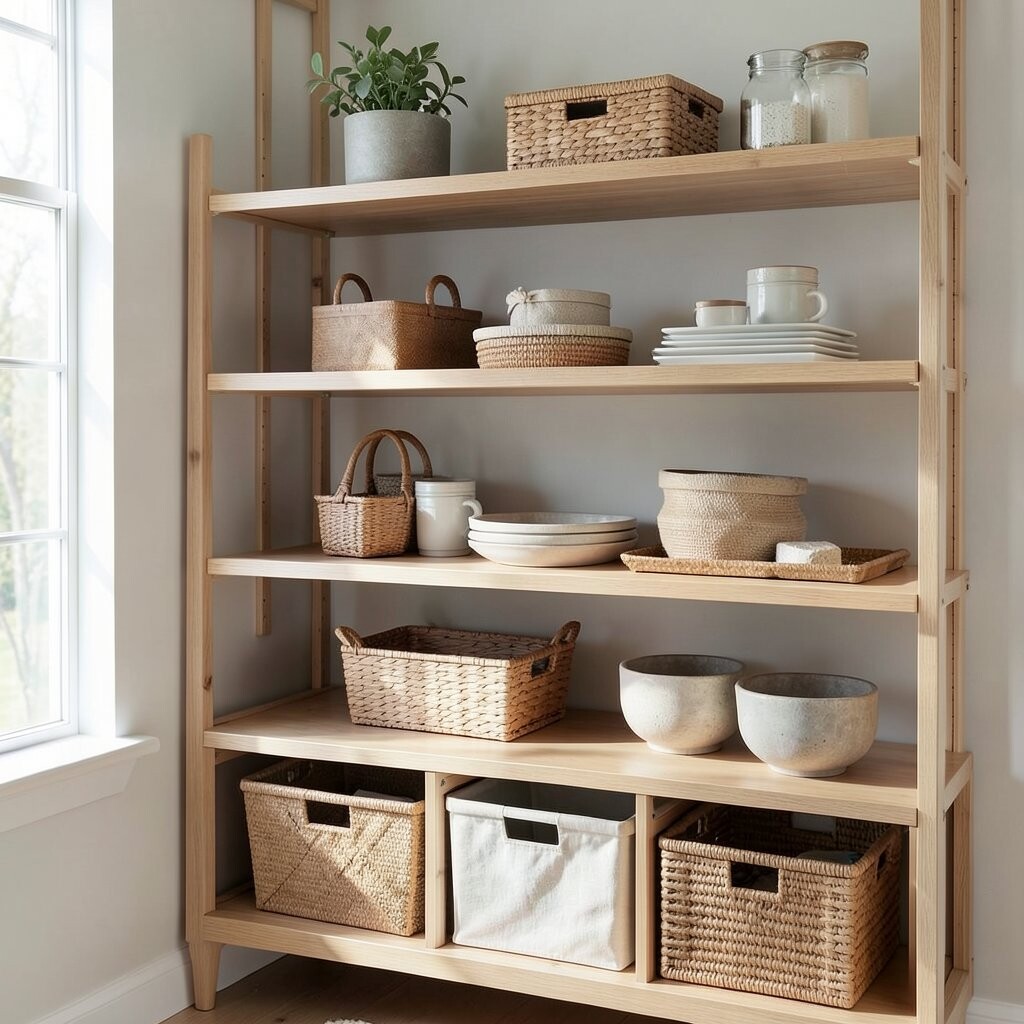
For the most flexible storage, mix open shelves with small style trays and hidden bins. You’ll see a beautiful top layer of décor, and a practical bottom layer that hides the everyday mess.
Use trays for items that need to look neat, like candles, a watch holder, or neatly folded linens. Put cleaning refills, charging adapters, and backups in matching bins so the shelf stays calm. This is a great way to keep your space pretty while still being fully functional.
Personalize by choosing a theme—modern black metal and white wood, rustic wood and natural baskets, or sleek minimal all-white. Cost considerations: start with the shelf system, then add affordable trays and bins to complete the look. A trend that’s very popular now is “layered organization,” where visual surfaces stay styled while storage lives behind it.
As a final tip, keep one shelf mostly for display and one mostly for storage, so the system stays easy to maintain.