Your closet can feel like a puzzle that clicks into place with each season. A few smart swaps can make every outfit look brand new.
1. Start with a “season mood board” before you move a single hanger.
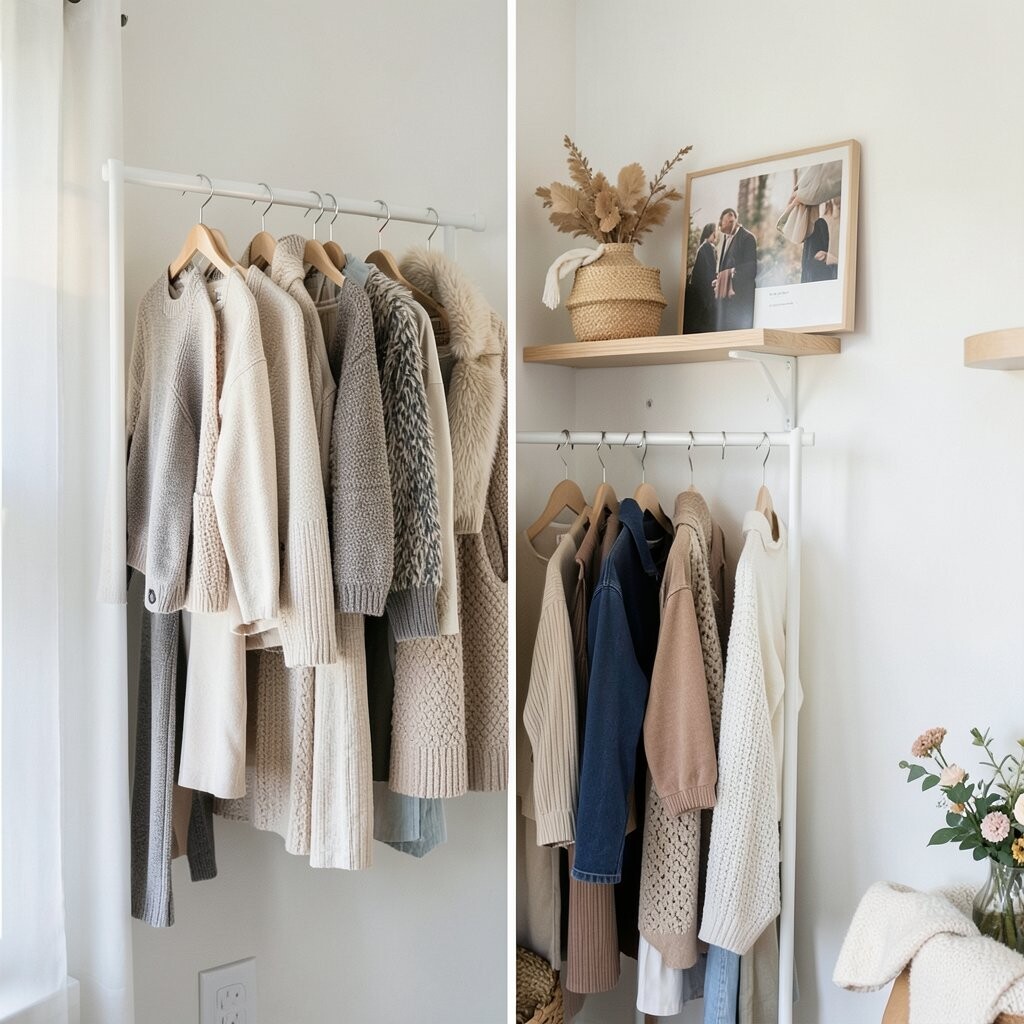
Pick a few outfits or photos that match the vibe you want right now. Think about the colors, fabrics, and silhouettes that feel like “today” in your life.
Make a quick board on your phone or with paper squares. Add notes like “lightweight,” “cozy,” “sleek,” or “sporty,” so you remember your choices later. This helps you shop and swap with less stress because you’re choosing on purpose.
2. Inventory only what you truly wear, then plan your seasonal capsule around gaps.
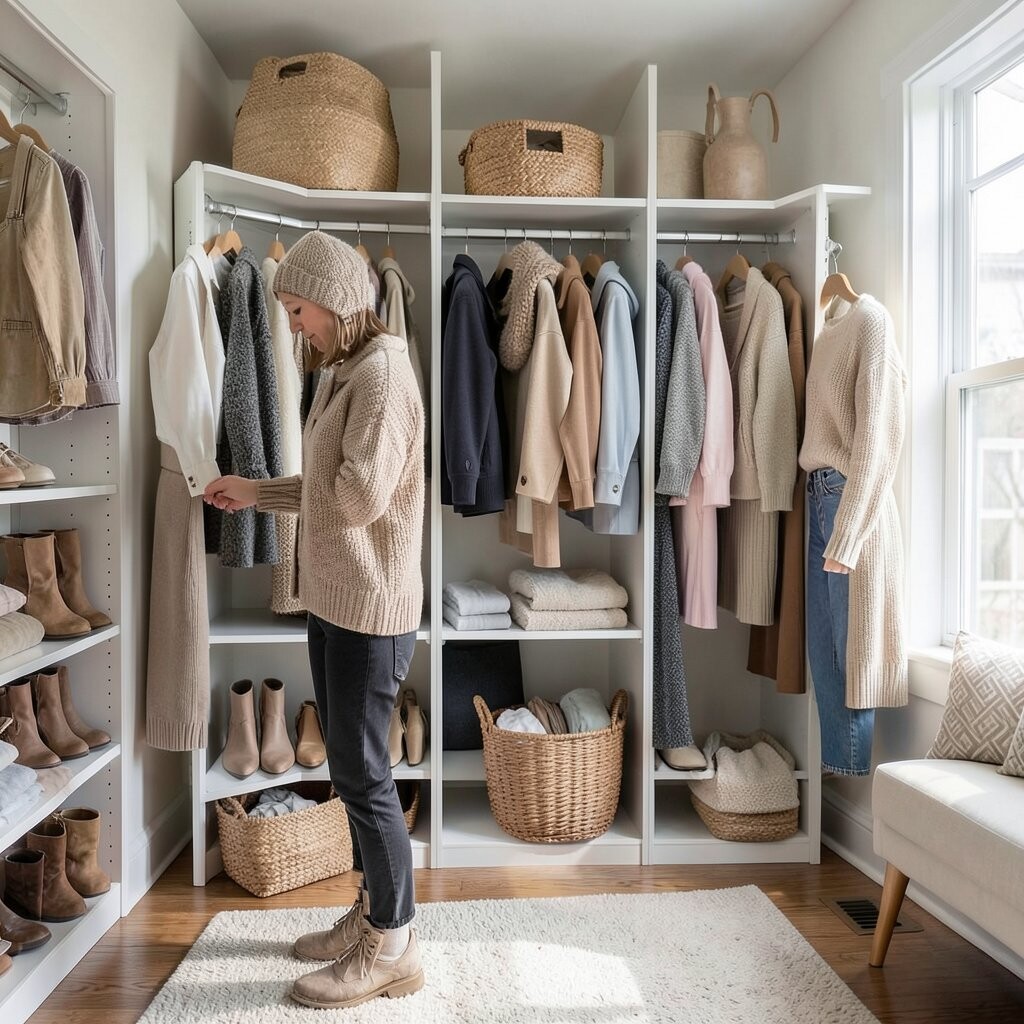
Pull everything out by category: tops, bottoms, dresses, outerwear, shoes, and accessories. As you do, ask which pieces you reach for most often.
Next, notice what’s missing for the weather. Maybe you need a lighter layer, a warmer shoe, or a warmer base.
This gives you clear benefits: fewer duplicates, fewer “nothing to wear” moments, and easier outfit building. It’s also a money-saver because you buy only what fills the gaps. For personalization, let your daily routine lead the way—work days need one mix, weekend days need another.
3. Use the “one in, one out” rule, but keep your favorites in a rotation bin.
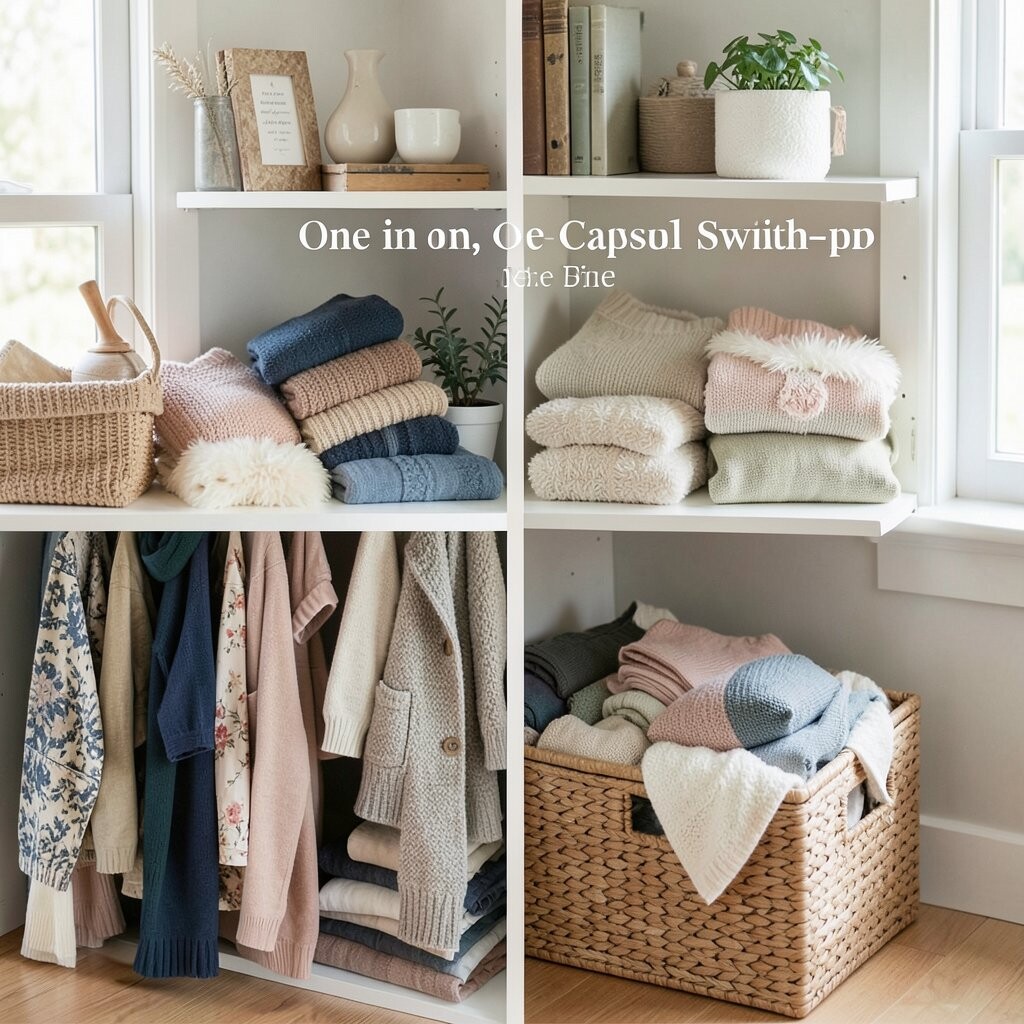
Choose one piece to add for the new season. Choose one piece to store away so your closet doesn’t grow messy.
For the items you love most, put them in a rotation bin instead of storing them forever. This includes a great jean jacket, a classic tee, or a reliable sweater. You can pull these back out when the weather flips or when you want a familiar outfit.
This approach keeps your capsule feeling alive. It also protects your budget because you avoid random impulse buys.
Current trend wise, people are leaning into “repeat outfits” with confidence. If your favorites fit the new season mood, you’re already ahead of the style curve.
4. Swap layers first: base, mid-layer, and outer piece.
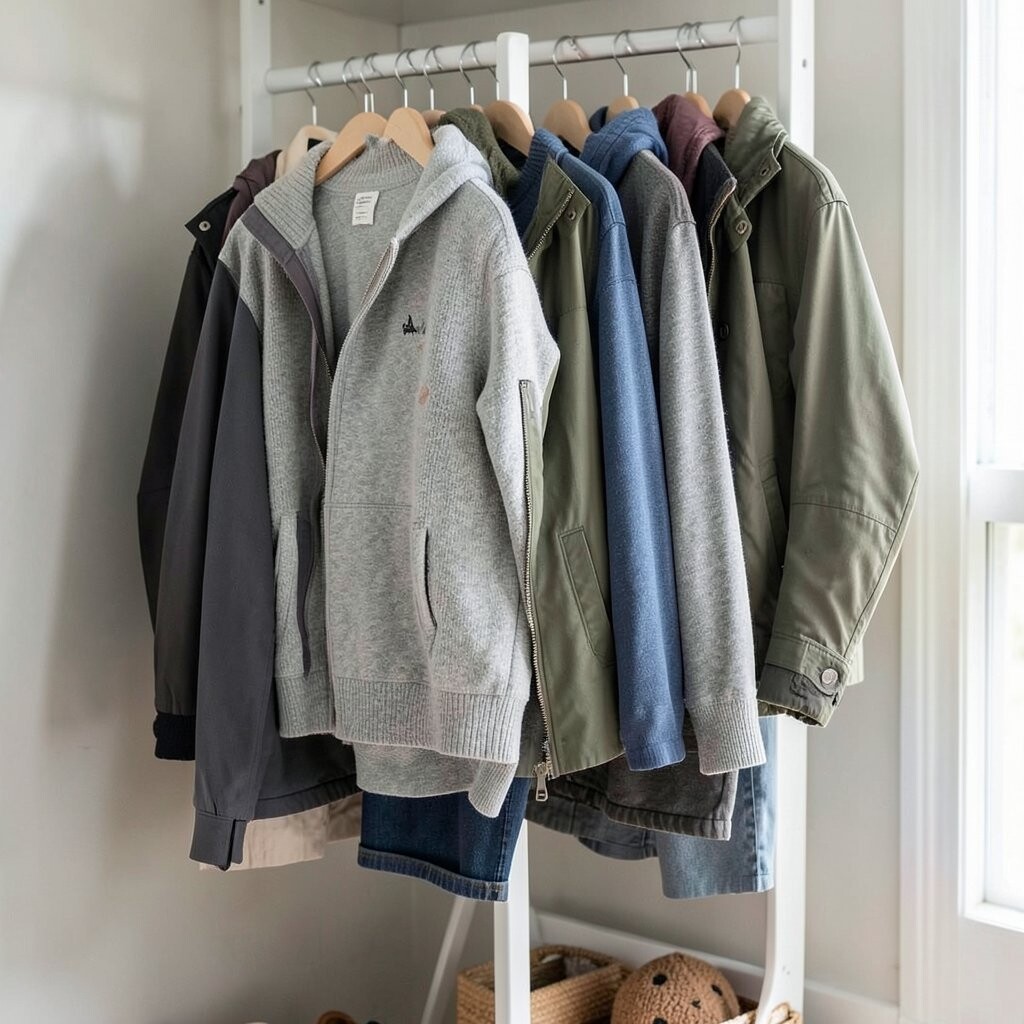
Before you worry about every shirt, sort your clothing by layers. Start with base items like tees, tanks, long sleeves, and lightweight knits. Then add mid-layers such as cardigans, button-down shirts, or hoodies, and finally choose your outer piece.
Layering brings huge benefits: better comfort, easier styling, and outfits that work all day. For cost, you can often update with one smart outer layer instead of replacing everything.
5. Adjust your color story to match the season’s light.
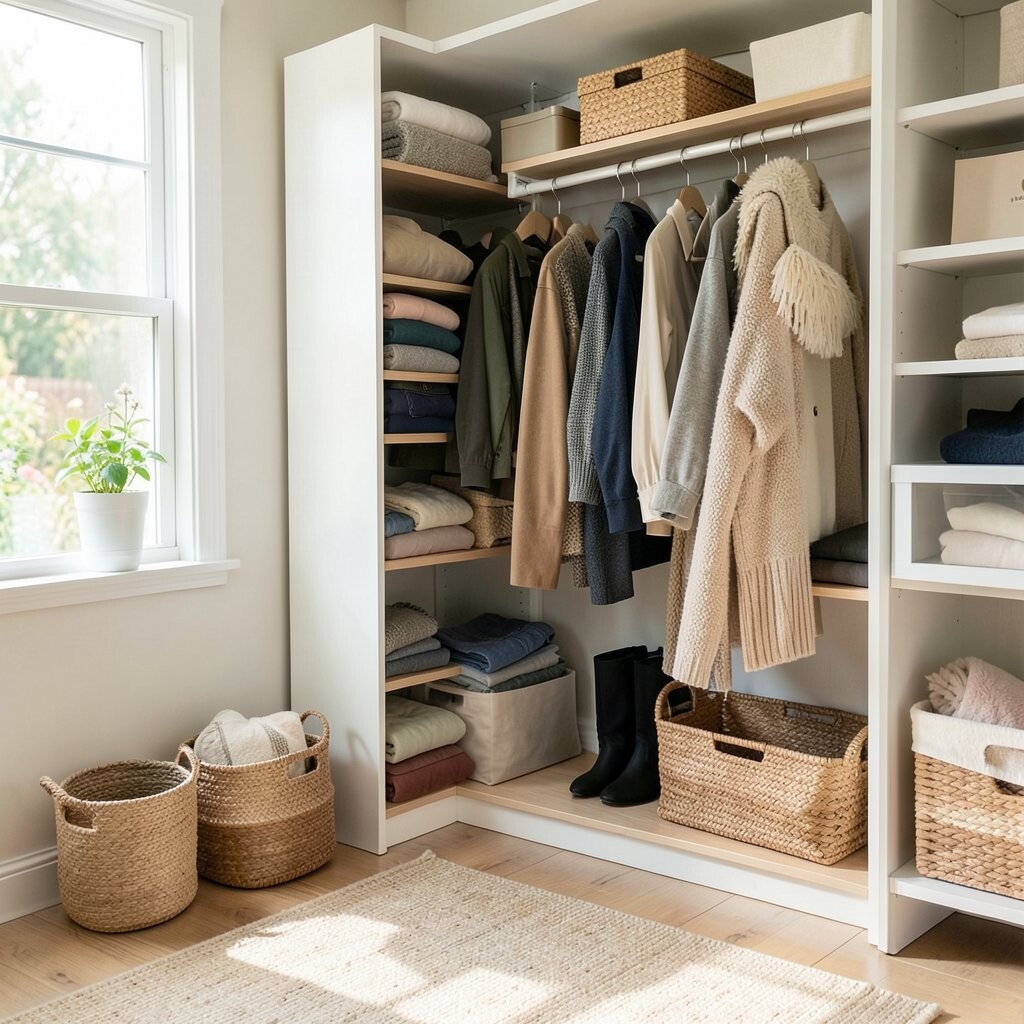
Notice how sunlight looks where you live. In warmer months, colors can feel brighter and more relaxed, while colder months often look best with deeper tones and softer neutrals.
Choose a small set of “anchor” colors for the season. Then add one or two accent colors so your outfits pop without feeling loud.
Visually, this can look like a neat gradient in your closet: warm tones grouped together, cool tones grouped together. It’s unique because it reflects your local vibe, not a generic list. If you’re shopping, aim for affordable accents like a scarf or earrings before you buy new full outfits.
2par, Item2->3par, Item3->4par, Item4->2par, Item5->3par, Item6->4par –>
6. Change your fabric mix: aim for airflow in heat and warmth in cold.
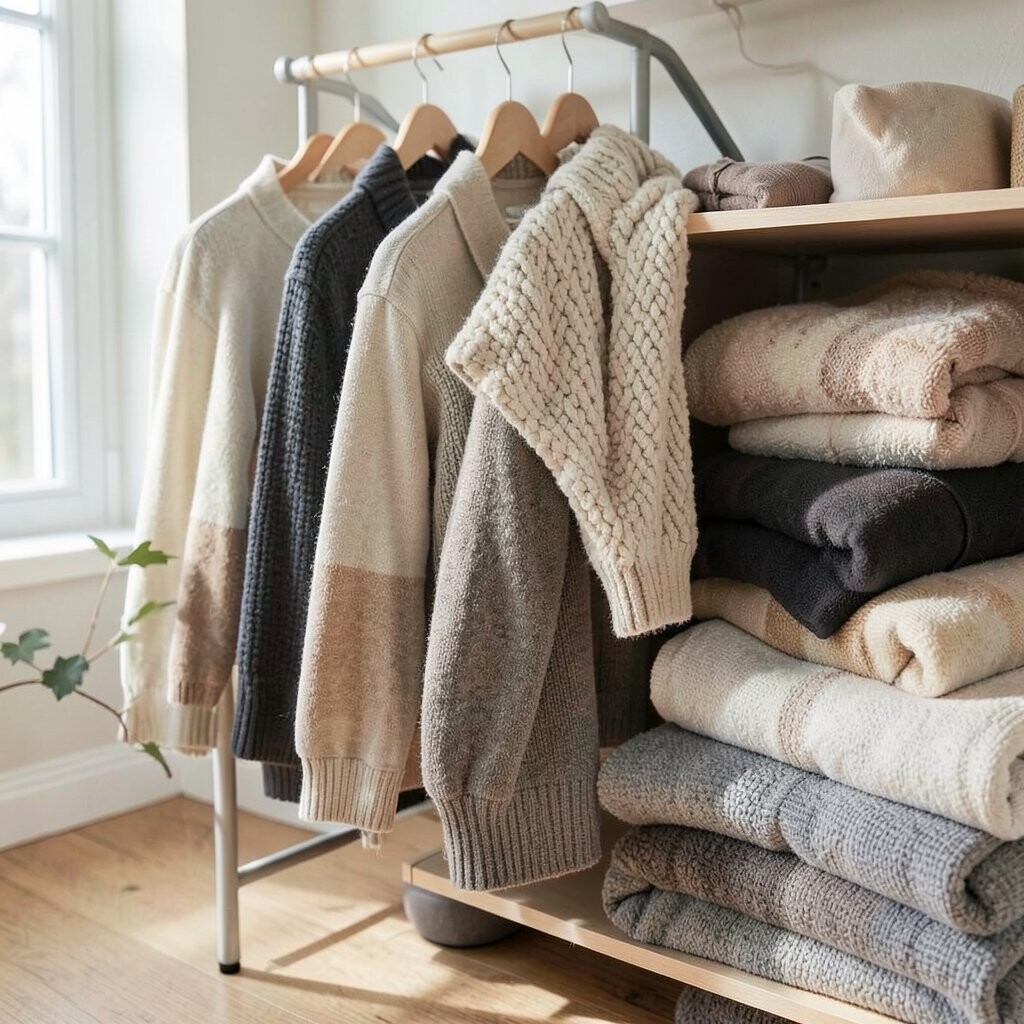
In each season, your closet should feel like it breathes. Warm weather calls for lighter fabrics such as cotton, linen, and breathable blends.
For colder days, look for cozy textures like brushed knits, fleece, thicker cotton, and denim with warmth. You don’t need a huge wardrobe—just the right fabric choices. When you match fabric to weather, you’ll feel more comfortable and look more put together.
This is a big benefit of capsule wardrobes: you build outfits that behave well together. It also helps your body feel better because fabric matters.
Personalize it by thinking about your comfort style. If you hate scratchy wool, choose soft alternatives or wear a thin base layer. Budget tip: swap fabric focus before color focus; quality of feel matters more than brand.
7. Re-check fit with “mobility tests,” not just mirror checks.

When you try on a piece, move like you actually live your day. Reach, sit, bend, and walk a few steps.
Comfort is the hidden benefit that makes outfit building easy. If a top rides up or a sleeve pulls, that’s your sign to adjust or replace it. For personalization, mark what you love most about each fit—maybe you like high-waist comfort or a slightly cropped length.
8. Refresh accessories as your “seasonal shortcut.”
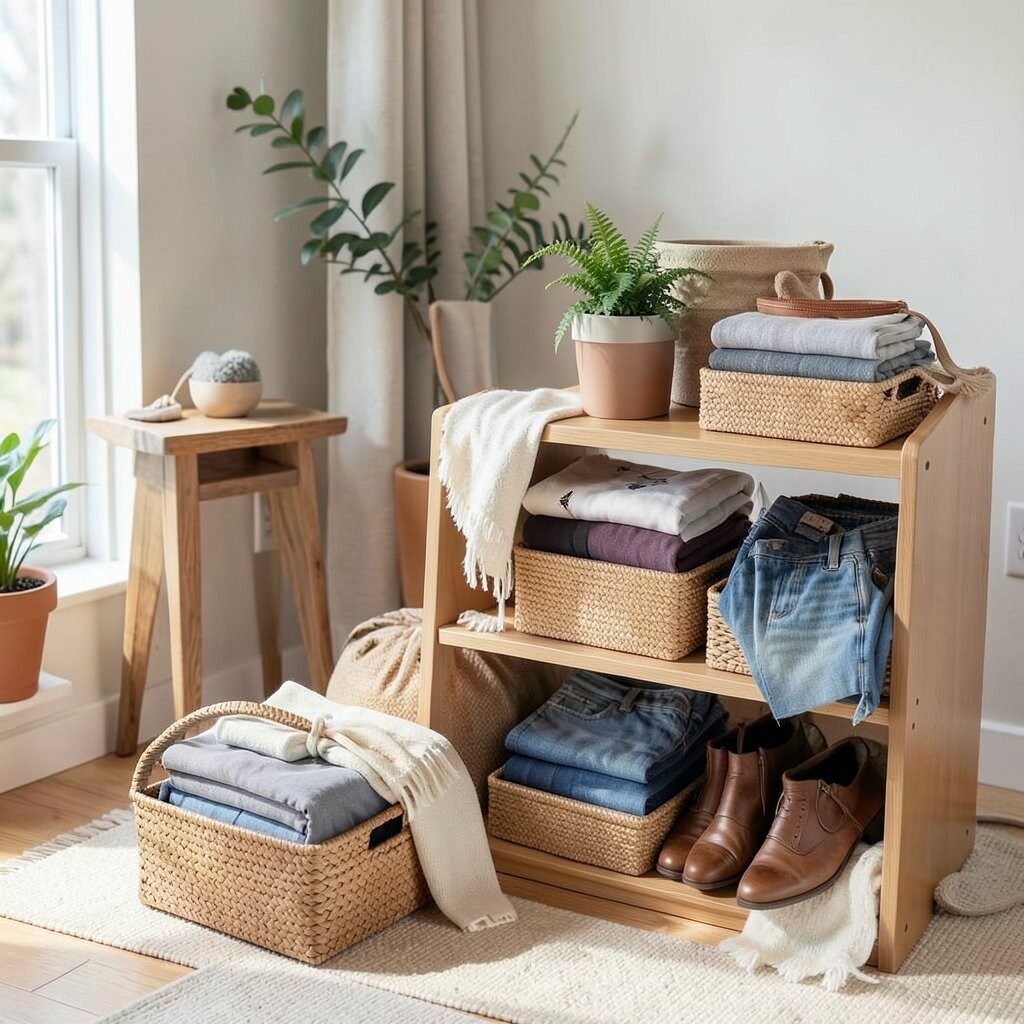
Instead of swapping every clothing item, change what frames your look. Think belts, bags, hats, sunglasses, and scarves.
When you switch accessories, your outfits look new even with the same core pieces. It’s also cost-friendly because accessories are usually cheaper than full garments.
Try a trend that fits you: chunky jewelry for a bolder feel, or minimal pieces for a clean look. Visualize your closet like a calm base with one bright highlight. That highlight can be a warm-weather straw bag or a cool-weather leather crossbody.
9. Put cold-weather shoes and warm-weather shoes into “pair zones.”
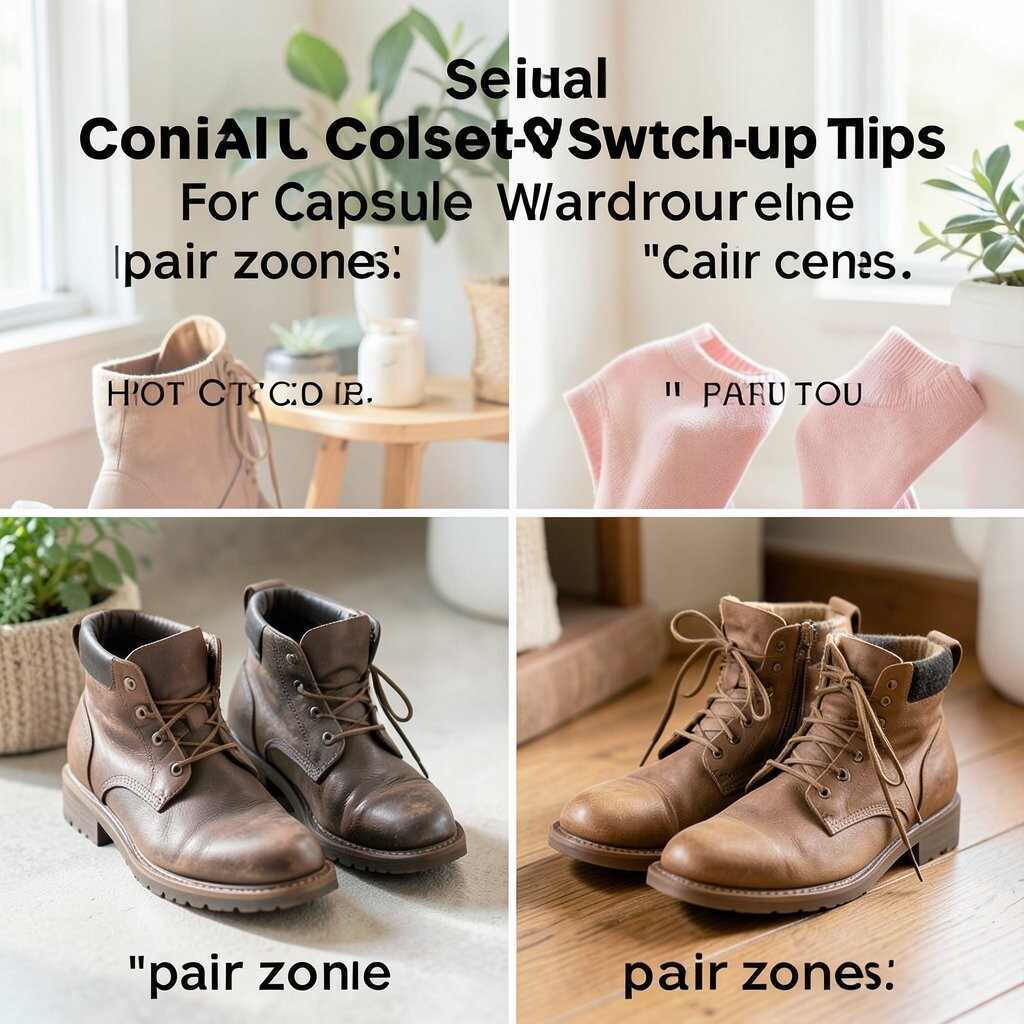
Separate your footwear by season before you decide what to wear. This keeps your closet tidy and makes outfit choices faster.
For example, warm months may need sandals, breathable sneakers, or lightweight flats. Cold months might need boots, thicker-soled shoes, or closed-toe options that handle rain. When you create these pair zones, you reduce the time spent hunting for the right shoe.
It’s unique because your shoe setup can match your lifestyle. If you walk a lot, pick comfort-first shoes for that season.
Cost tip: consider repairing before replacing. Add insoles, replace laces, or use waterproofing spray so your favorite pairs last longer.
10. Update your “go-to” bottoms to match temperature and activity.

Choose bottoms that work with how your day moves. For summer, lighter shorts, airy skirts, and breathable pants can feel amazing. For winter, try jeans with warmth, thicker leggings, or lined skirts.
Benefits show up fast: you feel comfortable, your outfits look balanced, and you get more wear from each piece. Personalize by picking silhouettes you already love and adjusting just one detail like length or fabric.
11. Build a “weather-proof capsule” with one hero piece.
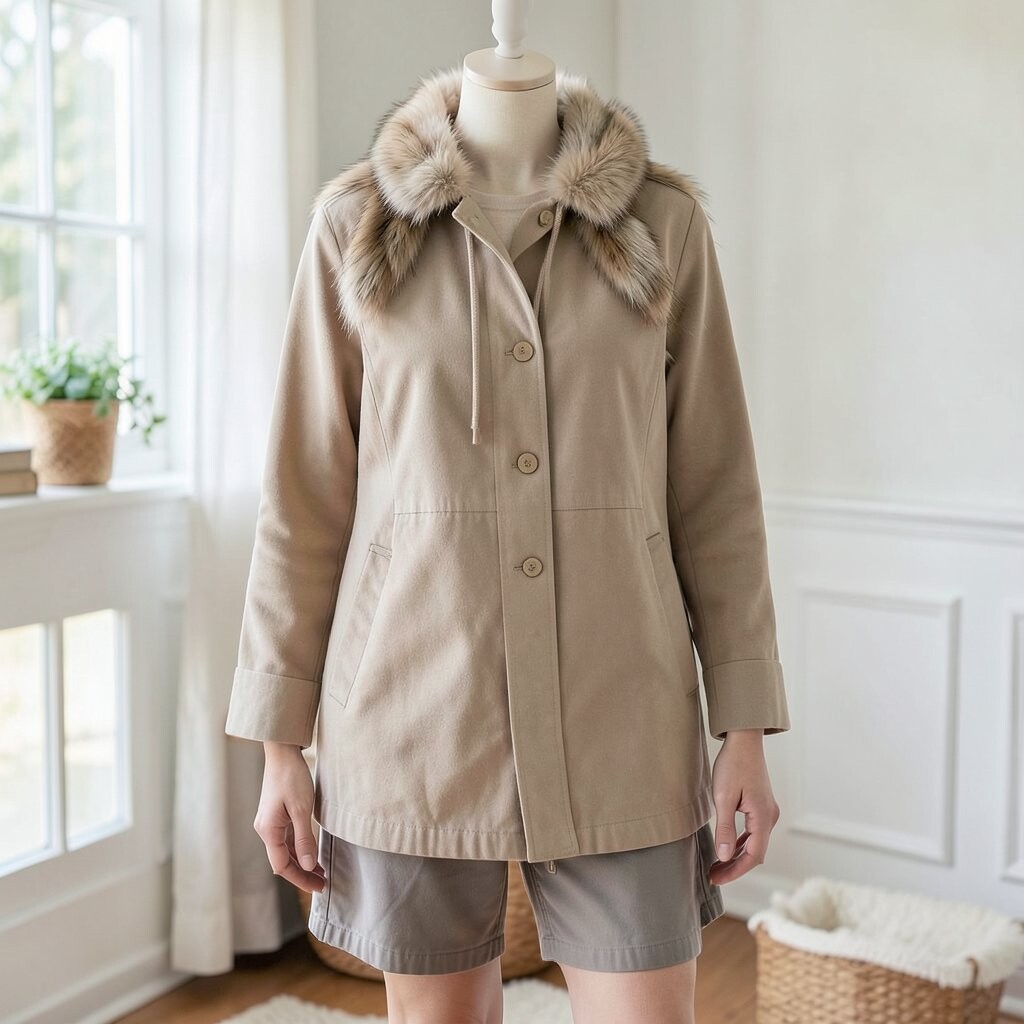
Pick one hero item that handles the season’s biggest problem. In rainy weather, that might be a water-resistant jacket. In windy weather, it could be a coat that holds its shape.
Then style it with simple layers you already own. This gives you a clear benefit: fewer bad-hair days and fewer last-minute outfit changes.
For uniqueness, choose a hero piece that matches your personality, not just a trend. Want sporty? Go for a sleek anorak. Want elegant? Choose a structured coat in a classic color. Budget consideration: look for sales on the hero piece since it often becomes your most-worn item.
12. Keep a “small laundry rhythm” to make capsule items last longer.
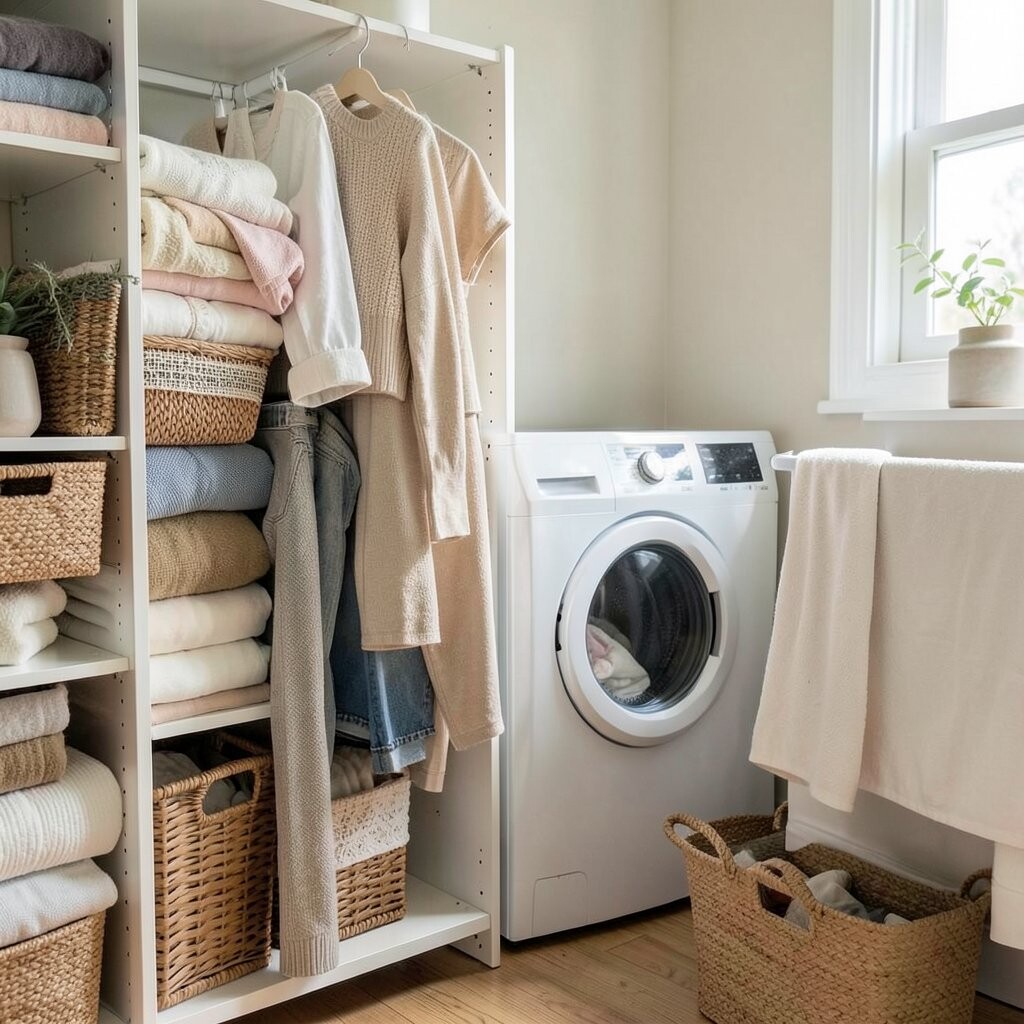
Capsules look best when clothes stay fresh and ready. A small laundry rhythm prevents the closet from feeling like it’s always behind.
Sort by color and fabric, and wash according to care labels. Air-dry when you can because it protects shapes and reduces wear. When you do this, your capsule pieces keep their fit and look, which is one of the biggest hidden benefits.
It’s also easier to see what you truly need because everything is clean and visible. Personalization idea: schedule a quick “capsule check” once a week to spot wrinkles, missing buttons, or items that need a refresh.
Cost-wise, fewer replacements means more money saved. Plus, taking better care can make even budget basics feel higher quality.
13. Make your seasonal switch-up measurable: track outfits, not just clothes.
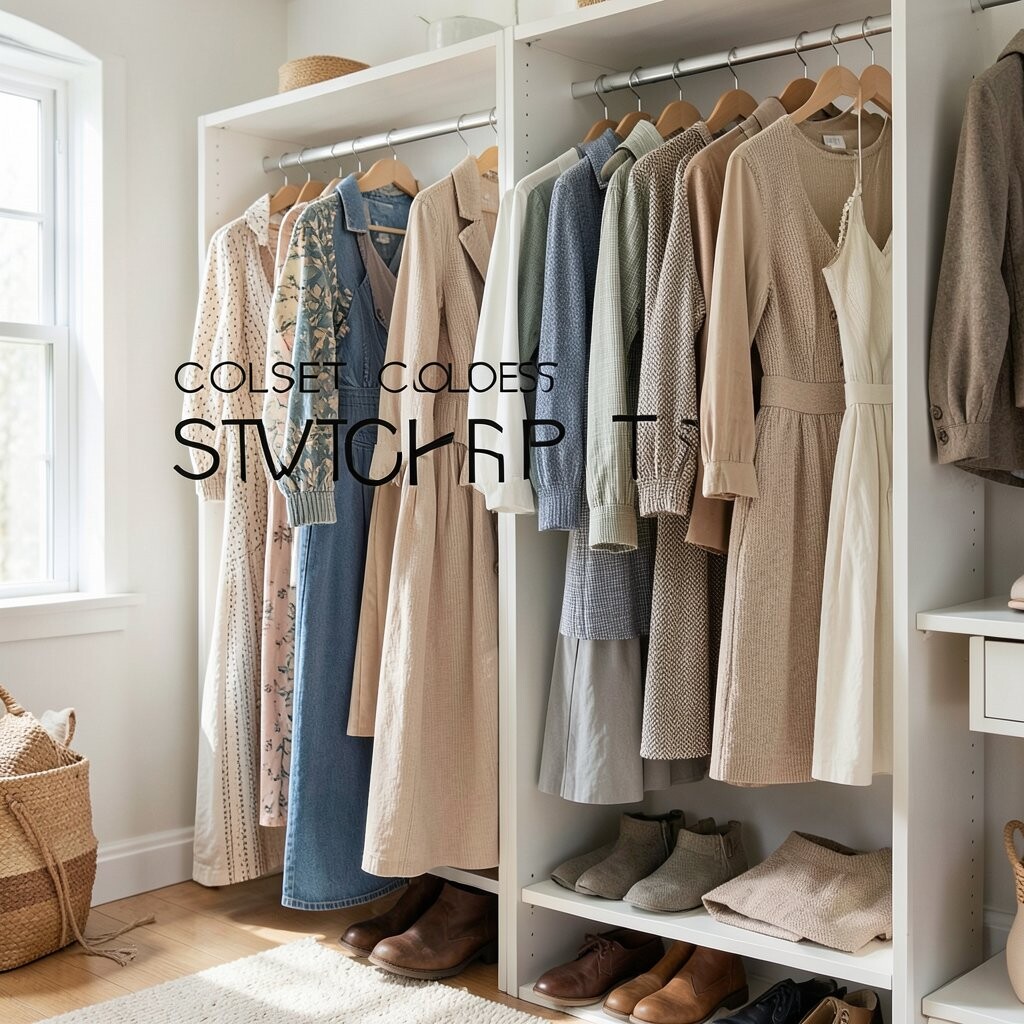
Instead of only counting garments, pay attention to how often each outfit gets worn. Snap a quick photo of your best looks or keep a simple note in your phone.
This creates a fun benefit: you learn what you love and what you forget. Then your next seasonal capsule becomes more accurate, more “you,” and easier to build. For personalization, include your real-life needs like work comfort, weekend plans, or events you actually attend.
Trends can help, but your data helps more. Try a trend accessory for a week, see how it works, and keep it only if it earns its spot. That way you stay current without spending extra money on pieces that don’t fit your routine.

