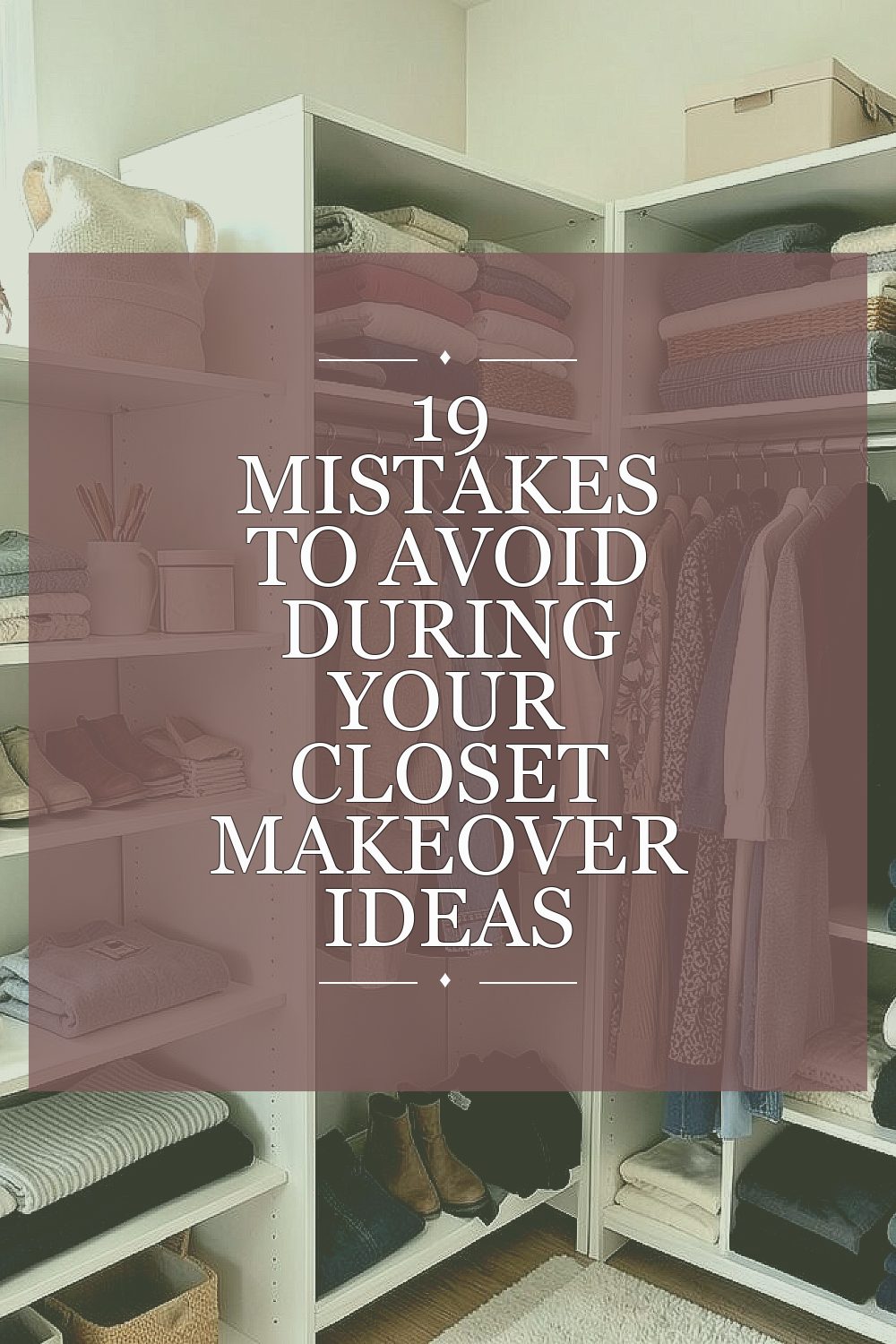
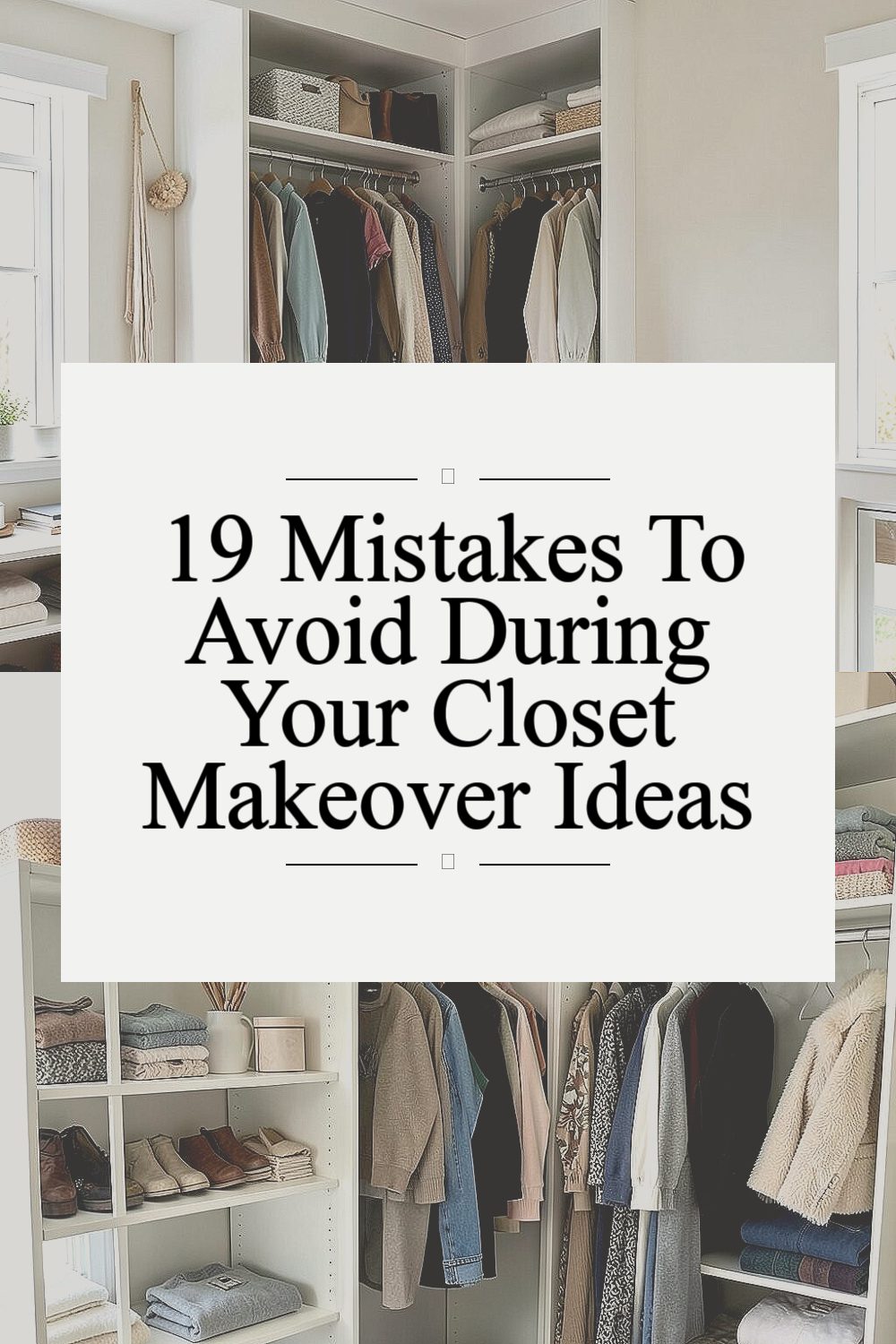
That closet door can hide chaos, but it can also hold real magic. The trick is avoiding the small problems that grow into big ones.
You’ll know what to fix by the way your space looks, feels, and works day after day.
-
1. Painting Everything First Without Planning the Use

Painting Everything First Without Planning the Use Your closet starts to look like a fresh room the moment you pick a color, but planning matters more than pigment. If you paint before you decide what goes where, you may end up moving shelves and hooks and ruining clean lines.
Try mapping your storage needs first, then match your paint to your daily routine. A soft neutral can make clothes feel calmer, and bright accents can highlight special items like scarves.
For costs, remember that primer, paint, and brushes add up fast, especially for tight spaces. A low-sheen finish also helps hide scuffs and keeps the closet looking neat in photos.
-
2. Buying Matching Everything Instead of Choosing What Fits

Buying Matching Everything Instead of Choosing What Fits When you buy storage bins and hangers that all look identical, your closet can look tidy yet feel unhelpful. You might picture a magazine shelf, but your shoes and sweaters don’t always follow the same rules.
Pick pieces based on what you own, like slim hangers for blouses or wide ones for knits. This kind of personalization makes your closet work better and feel more “you,” not just “pretty.”
Look at current trends too: many closets now mix finishes like matte black hardware with light wood shelves for contrast. This adds character without overspending on brand-name sets.
-
3. Forgetting to Measure the Real Space (Not Just the Wall)

Forgetting to Measure the Real Space (Not Just the Wall) Numbers can be the boring part, but measuring prevents the painful moment when a shelf doesn’t fit. You’ll see the issue right away when the shelf sits too deep or blocks the door.
Measure the inside width, depth, and height, and also note where the hanging rod sits. If you have uneven walls or a ceiling slope, plan for it before you drill anything.
For benefits, accurate measurements help you add more usable storage without clutter piling up. If you’re on a budget, you can often buy adjustable systems that cost less than custom carpentry.
As a uniqueness tip, leave one “breathing space” zone for a basket or a small display so your closet feels curated, not stuffed.
-
4. Installing Storage That’s Too High or Too Hard to Reach

Installing Storage That’s Too High or Too Hard to Reach If you place everyday clothes on the highest shelf, you’ll avoid them without even noticing. Your closet may look high-end, but you’ll feel the frustration every time you need a hoodie or a basic tee.
Keep frequent items within easy reach, usually at eye level or just below. Use lower bins for shoes or folded basics so getting dressed takes less effort.
Consider cost and safety: you may spend more upfront on sturdy shelves, but it saves money by preventing replacements. Soft organizers like fabric drawers can be cheaper and kinder to delicate items.
For personalization, add a small pull-out section for “grab and go” items, like a scarf hook or a mini tray for jewelry.
-
5. Skipping a Closet Inventory and Calling It “Organizing”

Skipping a Closet Inventory and Calling It “Organizing” A closet makeover can look neat while still not solving the real problem. You might move everything into bins, but if you don’t know what you own, you’ll keep repeating the same clutter cycle.
Do a quick inventory by categories: everyday tops, special outfits, outerwear, workout gear, and shoes. This helps you spot gaps, like too many “almost wore it” items.
To keep costs down, shop your own closet first before buying new organizers. When you know your needs, you’ll spend on the right sizes instead of lots of trial pieces.
For a trendy twist, group by “style moments,” such as work outfits together and weekend outfits together, so your choices feel automatic.
-
6. Ignoring Hanging Space and Overstuffing It

Ignoring Hanging Space and Overstuffing It When hangers crowd together, clothing gets wrinkled and hard to grab. You’ll notice it when your shirts look wavy and your sweaters keep sliding off.
Use space wisely by adding a second rod only if you can keep the lower one reachable. For knits, use hangers that support the shoulders, and leave room between pieces so air can circulate.
If you want an easy upgrade, slim hangers can create more hanging capacity without changing your closet footprint. It’s usually a lower-cost fix than replacing rods or buying custom systems.
-
7. Not Using Labels, Then Forgetting What’s Inside

Not Using Labels, Then Forgetting What’s Inside Labeled bins feel simple, but skipping them turns your closet into a guessing game. You open a drawer, see mixed items, and end up putting things back in the wrong place.
Try labels that match your brain, like “Winter Socks,” “Belts,” or “Holiday Shoes.” Clear labels help you keep the system working after a busy week.
Labels can be low-cost and still look classy, especially when you use neat handwriting or matching label cards. This is also a great way to add personality because you can pick fun fonts or soft color strips.
-
8. Choosing Clear Storage for Everything (Even the Messy Stuff)

Choosing Clear Storage for Everything (Even the Messy Stuff) Clear bins look modern and bright, but they can also show every stray sock. If your closet isn’t perfectly sorted yet, clear containers can make the mess feel louder.
Use clear storage for items that are already tidy, like seasonal accessories or neatly folded hats. For messy or quick-grab items, choose fabric baskets or opaque bins so the closet stays calm.
Benefits are real: opaque storage helps your eyes rest, and it makes the closet feel smoother to use. If you’re watching costs, fabric bins are often cheaper and easier to replace if you change your mind.
For uniqueness, mix one “display” area with clear containers, then keep the rest soft and hidden for contrast.
-
9. Storing Items That Don’t Belong in the Closet

Storing Items That Don’t Belong in the Closet If the closet becomes a catch-all, it will keep growing no matter how many bins you buy. You’ll see it when random items creep in and your outfits start to feel buried.
Move overflow items like extra linens, old bags, or holiday decorations to a better home. This keeps your closet focused on clothing and daily accessories.
Personalization tip: create a dedicated “accessories landing pad,” like a small tray for jewelry and a hook for scarves. It makes your routine feel smoother without turning the closet into storage for everything.
-
10. Not Considering Airflow and Fabric Care

Not Considering Airflow and Fabric Care Closets can trap smells and moisture, especially in small rooms or closets without good airflow. You may notice a musty scent or fabric that feels dull after a few months.
Give clothes space, wipe shelves regularly, and avoid packing items too tightly. If your closet is prone to odors, use a simple cedar block or a light sachet that fits your budget.
As a benefit, better airflow helps clothes last longer and look fresher. This also reduces the cost of replacing items because fabrics stay in better shape.
For trend relevance, more people now use natural scent options and “gentle care” habits to keep closets feeling clean without harsh chemicals.
-
11. Forgetting About Light and Color Contrast

Forgetting About Light and Color Contrast A dark closet can make clothes look dull and even tricky to match. You’ll know it when you hold items up and colors don’t look the same as they do in daylight.
Add brighter lighting or a small LED strip so you can see details clearly. Soft, warm light is often flattering for most fabrics and makes the closet feel inviting.
Lighting updates don’t have to be pricey, and battery options can skip complicated wiring. For personalization, try a small accent color on a wall panel or a light-colored shelf liner that makes everything pop.
-
12. Ignoring the “Outfit Flow” from Daily Use

Ignoring the “Outfit Flow” from Daily Use If your closet is organized by objects, but not by how you get dressed, it still feels hard. You’ll notice this when you spend time hunting for pieces that should be together.
Create an outfit flow by grouping items in the order you wear them, like tops near bottoms, and shoes near the door. This makes mornings faster and reduces the chaos pile.
Uniqueness comes from your routine, so customize with your favorite color palette or style mix. If you love casual outfits, keep hoodies and jeans sections close so your choices feel effortless.
-
13. Over-Perfecting Storage Before Getting Rid of Clutter

Over-Perfecting Storage Before Getting Rid of Clutter It’s tempting to buy stylish organizers right away, but they can become expensive clutter itself. If you keep items you don’t love, the closet makeover will feel like rearranging the same mess.
Start by sorting into keep, donate, and repair piles, even if the sorting takes a few days. You’ll see your space open up, and your new system will match your real life.
For cost control, think of it like this: fewer items mean fewer bins, less shelf space, and less money spent on “just in case.” This also helps the closet stay functional longer, not just good at first glance.
As a fresh trend, many people now use small “reset baskets” to handle the items that need decisions later without blocking the entire closet.
-
14. Choosing Hooks and Shelves That Don’t Match Weight

Choosing Hooks and Shelves That Don’t Match Weight Some hooks look strong but can’t handle heavy winter coats. You’ll notice a sagging rail or bent hooks, and then clothes end up on the floor again.
Check weight ratings and use the right anchors for your wall type. If you’re unsure, ask a store worker or use a stud finder so you install safely.
Benefits include fewer accidents and a closet that holds steady for years. It also saves money because you won’t keep replacing broken pieces.
For personalization, add a tidy hook row for bags and scarves so they look intentional, like a mini fashion corner.
-
15. Stacking Shoes Too High or Too Slippery

Stacking Shoes Too High or Too Slippery Overstacked shoes can tip, and slippery pairs can slide into each other and scuff. You’ll see it when you need to grab one and the whole pile shifts.
Use shoe shelves with dividers or store shoes with a stable base so pairs stay in place. If you have many sneakers, consider a rotation that keeps the most-worn pairs easiest to reach.
Cost matters here: shoe organizers range from cheap to pricey, so choose based on how often you change what you wear. A simple shoe rack can be enough, and it often costs less than building custom compartments.
-
16. Ignoring Fold Size for T-shirts, Sweaters, and Jeans

Ignoring Fold Size for T-shirts, Sweaters, and Jeans Some clothes fold neatly, while others need special handling to avoid lumps and wrinkles. If you fold everything the same way, your drawers may end up looking messy fast.
Test one fold method for each type: try flatter stacking for t-shirts, careful balancing for sweaters, and rolling for bulky knits if you prefer. This makes the drawer feel like a system, not a pile.
Personalization idea: color or category fold, like all black basics together, to speed up choosing. It also supports today’s trend of “capsule-style” closets that feel calm and easy to manage.
For cost, you can skip expensive drawer dividers by using simple fabric folders or adjustable separators.
-
17. Leaving No Space for Accessories and Small Items

Leaving No Space for Accessories and Small Items Accessories are small, but they take over quickly when there’s nowhere for them to live. You’ll see necklaces tangle, belts disappear, and scarves become a wrinkled pile.
Add a few dedicated spots, like a tray for jewelry, a belt rack, and a scarf hook. A small drawer insert can hold hair ties, socks, and gloves so they don’t clutter the main areas.
The benefit is huge: your outfit feels finished because the finishing touches are easy to grab. This also saves money because you’ll stop rebuying items you can’t find.
-
18. Making the Closet Look Great, But Hard to Maintain

Making the Closet Look Great, But Hard to Maintain If your closet needs a “reset” every time you use it, the system won’t last. You’ll notice it when things return to the same wrong spots again and again.
Plan for daily life by adding simple containers and a clear return place for each category. For example, keep a small bin near the door for “one more wear” items until laundry day.
Personalization can help you maintain it, too, because you’re more likely to stick with a setup that feels nice. Use labels, gentle lighting, and organizers that match your style so you enjoy opening the door.
To control costs, start with the most-used zones first, like hanging and drawers, then upgrade the rest later.
-
19. Forgetting Seasonal Changes and One-Time Storage Rules

Forgetting Seasonal Changes and One-Time Storage Rules Seasons change, and your closet should change with them. If you keep winter items mixed with summer clothes, everything can feel crowded and hard to manage.
Set up seasonal zones using bins or vacuum-style bags if that fits your climate. Store items you won’t use for months higher or deeper, and keep your current season at eye level.
To make it unique, rotate by “mood,” like moving bright colors to the front when the weather turns. This also helps you feel excited about dressing, not stuck in the same routine.
For cost, seasonal switching can save money because you’ll wear what you own instead of buying replacements. A simple calendar reminder can keep you from forgetting, and that keeps your closet feeling fresh all year.