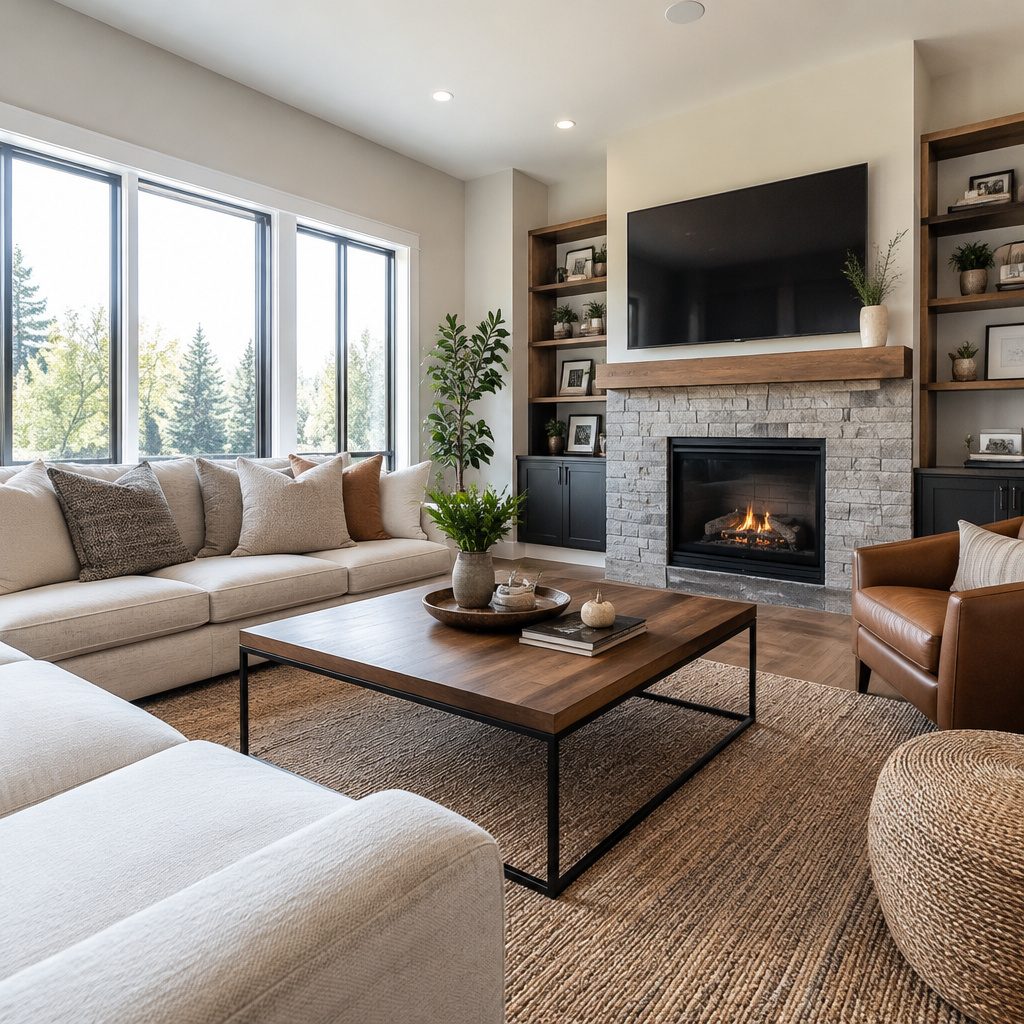
Dark rooms can feel calm, not gloomy. The right details make them warm, stylish, and inviting.
1. Charcoal Walls With Soft Sheen
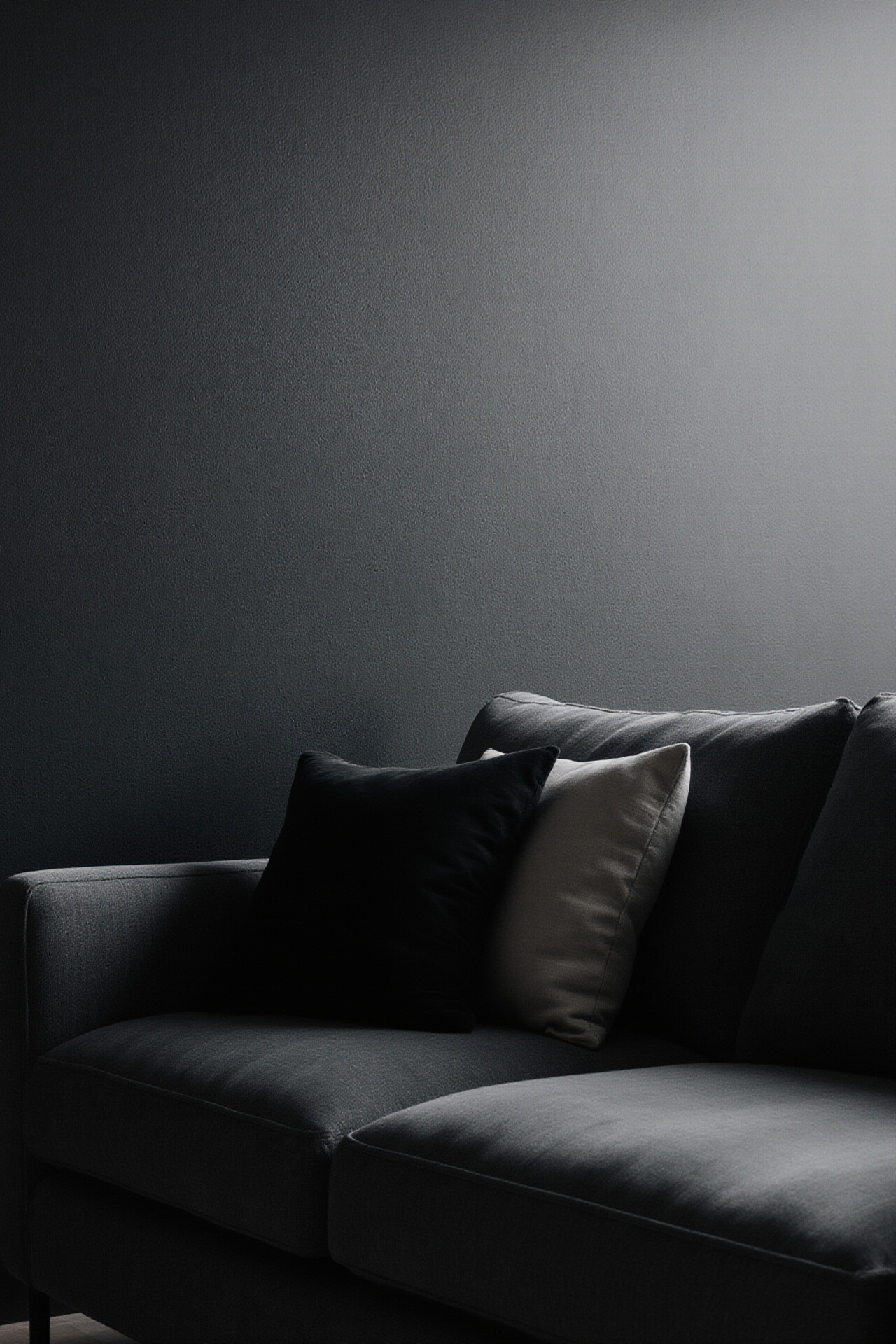
Choose a charcoal or near-black paint with a gentle, soft sheen so it catches light instead of swallowing it. Pair it with warm trim tones to keep the mood from feeling cold.
To make it practical, test paint samples on two different walls and watch how they look at morning, afternoon, and night. Dark walls hide scuffs better than light colors, which is great for busy homes. For uniqueness, ask for a slightly bluish-black or green-black undertone rather than a flat “true black,” then add natural wood shelves to anchor the look.
2. Velvet Sofa in Deep Espresso
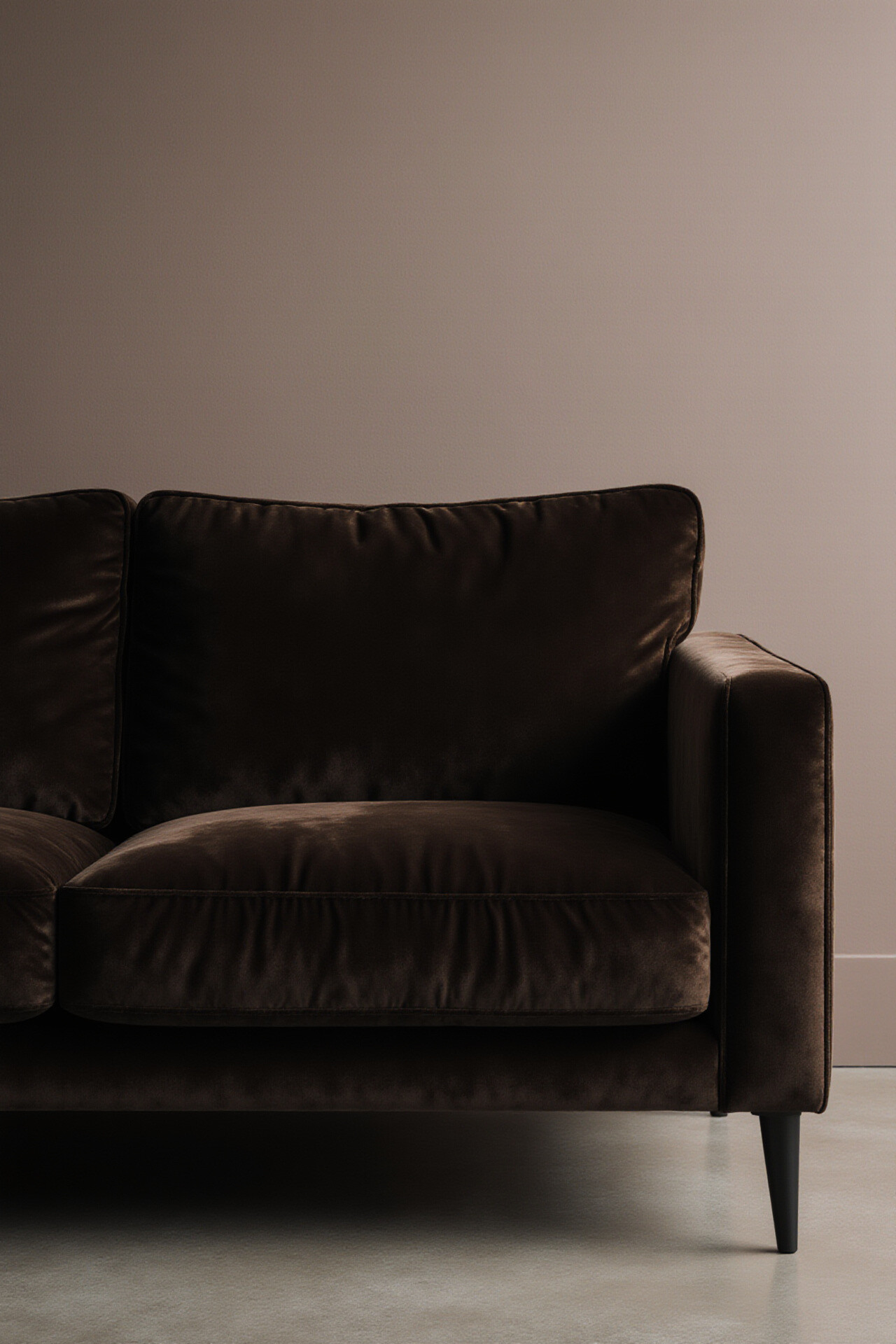
A deep espresso or black-brown velvet sofa instantly adds drama and comfort. The fabric looks lush in low light, so the room feels cozy even on cloudy days.
Start by checking the sofa’s care label, since velvet can show lint and pet hair. Use a throw blanket and pillow covers in dusty rose, rust, or cream to soften the contrast. If you want to keep costs under control, consider a performance velvet or a slipcover option that is easier to refresh.
For personalization, match the undertones in your rug and curtain fabric so everything feels like it belongs together. Current trend-wise, more people are choosing richer neutrals instead of pure black, which makes the room look grounded and less stark.
3. Layered Lighting With Amber Glow
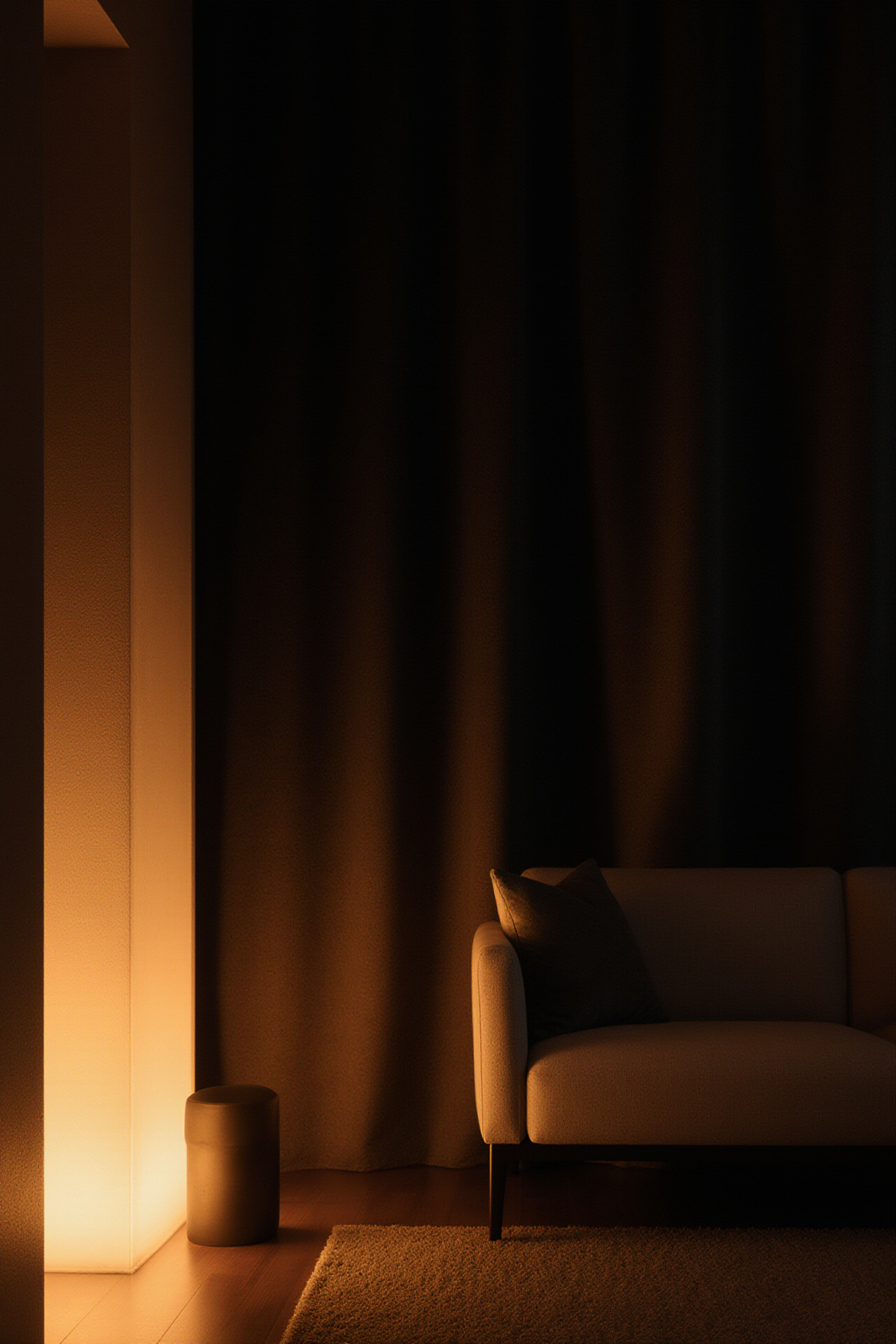
Dark spaces need lighting that feels layered, not harsh. Mix a warm overhead source with table lamps and a floor lamp for a glowing “evening” effect.
Use bulbs around 2700K for a golden tone, and consider dimmers so you can adjust the mood. Place one lamp near a seating corner and another closer to a wall to create gentle highlights. If you like a practical approach, use smart plugs so the lamps can turn on at the same time each night.
To make this idea unique, add a small accent light to a bookshelf or behind framed art so the wall texture comes alive. This also helps your room feel taller because light moves upward. A key benefit is comfort; softer lighting makes reading and chatting feel more relaxed.
If you’re watching your budget, start with one statement lamp and add others later. The trend right now is warm, sculptural fixtures—think curved shades, bronze finishes, and fabric diffusers.
4. A Low-Contrast Rug With Textures
Pick a rug that stays in the dark family but varies in texture, like a charcoal shag, woven wool, or a subtle pattern. When the rug has depth, your room looks rich even if the color stays nearly the same.
Choose a size that reaches at least the front legs of your sofa and chairs so the seating area feels grounded. For practical tips, rotate the rug every few months to even out wear, especially in high-traffic areas. To personalize it, weave in one accent tone—like muted gold or dark teal—through the pattern so it ties to your decor.
5. Matte Black Metal With Warm Wood
Matte black metal details can look sleek in a dark room, especially when you balance them with warm wood. Think coffee tables, side tables, or picture frames in black, paired with oak, walnut, or a honey-toned console.
One benefit of this mix is it creates structure without making the room feel heavy. Keep the wood finish consistent across pieces to avoid a patchwork look. If you want a simple personalization move, choose two metals only—like black and brass—so everything stays cohesive.
For cost considerations, you don’t need to replace everything; swap out just one or two items like cabinet hardware, a lamp base, or a frame set. Current trend favorites include black metal with natural grain, because it keeps the mood moody while still feeling lived-in.
6. Rich Curtains in Thick, Heavy Fabric
Thick curtains in black, smoky gray, or deep brown make a room feel instantly more dramatic. They also help reduce glare and dampen outside noise, which is a real everyday upgrade.
Hang them higher than the window and let them extend wider so the room looks taller and more custom. If you want practical results, choose curtains with a weighted hem so they fall smoothly instead of flaring out. For personalization, add a subtle texture like velvet or linen-look fabric, then match the curtain undertone to your wall color.
7. Antique-Inspired Accent Wall With Mirrors
An accent wall can add personality fast, even in dark colors. Try a panel effect in matte black, a dark geometric wallpaper, or a layered gallery that includes a large vintage-style mirror.
Mirrors are a big benefit in moody rooms because they bounce light and make the space feel less boxed in. Place the mirror opposite a lamp or window so it reflects warm glow, not just darkness. To make it unique, choose a mirror frame with a slightly aged finish—like rubbed bronze or distressed wood—so it feels collected over time.
For practical tips, keep the rest of the walls relatively simple so the accent area stays the hero. If your budget is tight, use removable wallpaper for the panel pattern and keep the mirror secondhand or from a budget-friendly retailer. This also aligns with current trends where “statement wall” moments are often paired with reflective pieces.
8. Sculptural Coffee Table With Dark Marble Look
A sculptural coffee table creates a focal point that looks high-end in a dark living room. Choose a dark marble-look surface or a glass-and-metal design that catches light at the edges.
For benefits, the right table helps balance the softness of couches and rugs with clean lines. Keep the clutter low on top, because dark surfaces show small messes more clearly. A practical tip is to use a tray for remotes, candles, or coasters so everything stays tidy.
Personalization is easy here: match the table shape to your seating—round tables feel softer with sectionals, while rectangular ones look crisp with tailored furniture. If you want to manage cost, look for “marble-look” composite materials instead of real stone.
9. Statement Wall Art in High-Contrast Frames
High-contrast art makes dark walls feel alive instead of blank. Try black-and-cream prints, moody landscapes, or abstract shapes with warm highlights.
Use frames in black, dark walnut, or thin brass so they stand out without stealing the whole show. This benefits the room by giving the eye clear stopping points, which makes the space feel designed. For practical tips, keep art at eye level and step back to check symmetry before hanging.
To make it unique, mix one larger piece with two smaller ones so the wall feels intentional and not overly uniform. Current trend-wise, many people are stacking frames and adding negative space, which works beautifully with dark paint because the wall becomes the background.
If you want a budget-friendly route, consider framed posters or canvas prints, then update mat colors to warm creams for a more polished look.
10. Plush Throws and Layered Pillows With One Bold Accent
Textiles are the fastest way to make a dark room feel comfortable. Choose plush throws and layered pillows in different textures, then add one bold accent color for energy.
Try a single accent like deep teal, burnt orange, or berry red, and repeat it in small spots such as a candle or one framed print. The benefit is balance; it prevents the room from looking flat while still keeping the overall mood dark and cohesive. For personalization, rotate pillow covers seasonally so your living room can feel fresh without major purchases.
If you’re watching costs, shop your own fabric stash first and look for pillow covers on sale. This approach is also trending because layered “soft decor” looks stylish in photos and feels great in real life.
11. Dark Storage With Hidden Organization
Keeping a moody room tidy is extra important because dark colors make visual clutter stand out. Choose storage that blends in, like low cabinets in dark wood or a console with clean doors.
Use baskets and drawer dividers inside so remotes, chargers, and magazines don’t end up on the floor. This is a practical benefit that reduces stress when friends come over. For uniqueness, add a small open shelf with two or three curated items, like a ceramic vase and a stack of art books, so the room still feels personal.
To control cost, consider repainting or staining existing furniture in a dark tone and swapping hardware for a more updated look. Current trends favor minimal, functional storage with subtle texture, which fits perfectly into dark, moody living rooms.
12. Warm Candlelight and a Cozy Scent Plan
Candlelight makes dark rooms feel cinematic and welcoming. Choose warm, unscented or lightly scented candles so the glow stays the star and your space feels calm.
Create a simple scent plan by picking one “everyday” scent and one “evening” scent, like vanilla and cedar or amber and cocoa. This adds a benefits you can feel instantly, since scent helps people relax faster. For personalization, use candle holders in black, bronze, or dark glass, and match them to your lamp finishes for a polished look.
If you want practical safety tips, keep candles on stable surfaces and use LED candles for low-ventilation rooms or around kids and pets. This idea also matches current trends toward sensory decor, where ambiance includes light, texture, and scent working together.