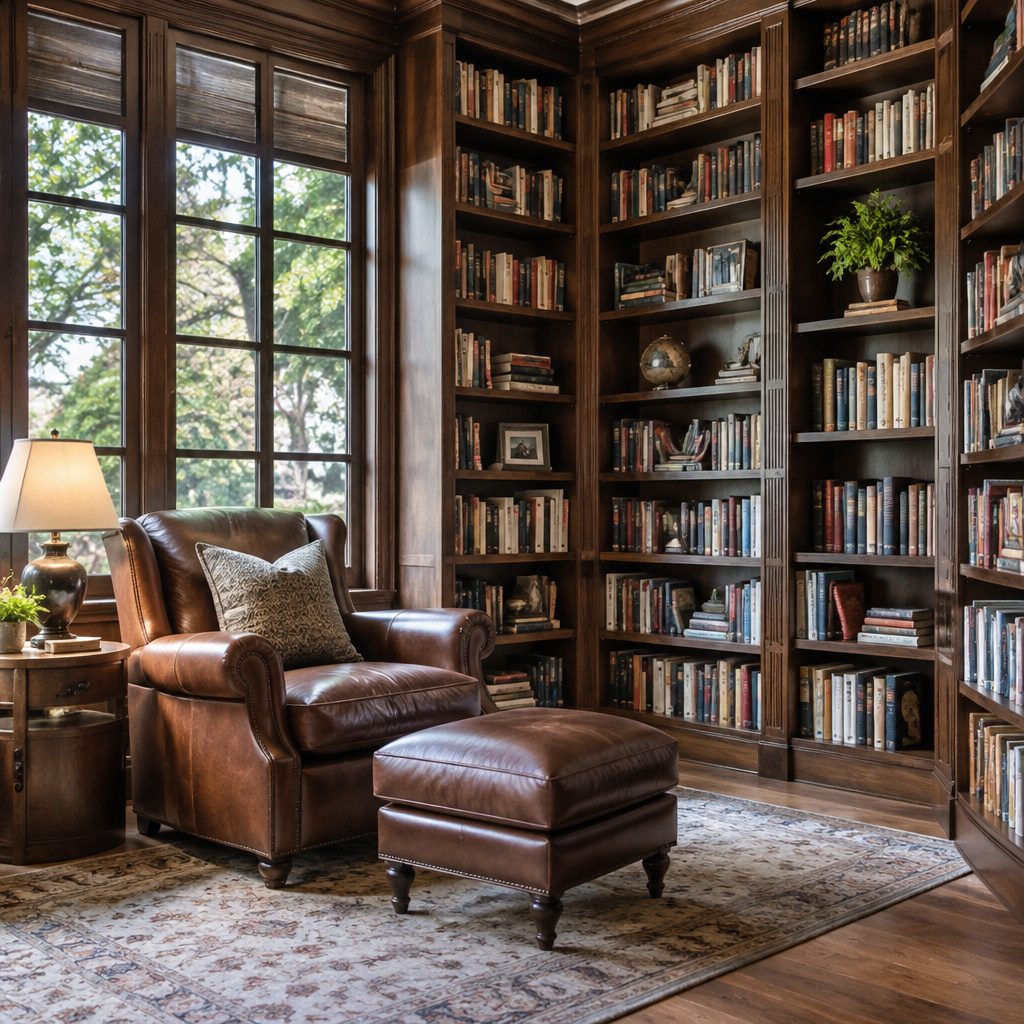
Picture a room where every corner feels ready for a great book. Make it practical, cozy, and uniquely yours.
1. Warm Light Reading Nooks
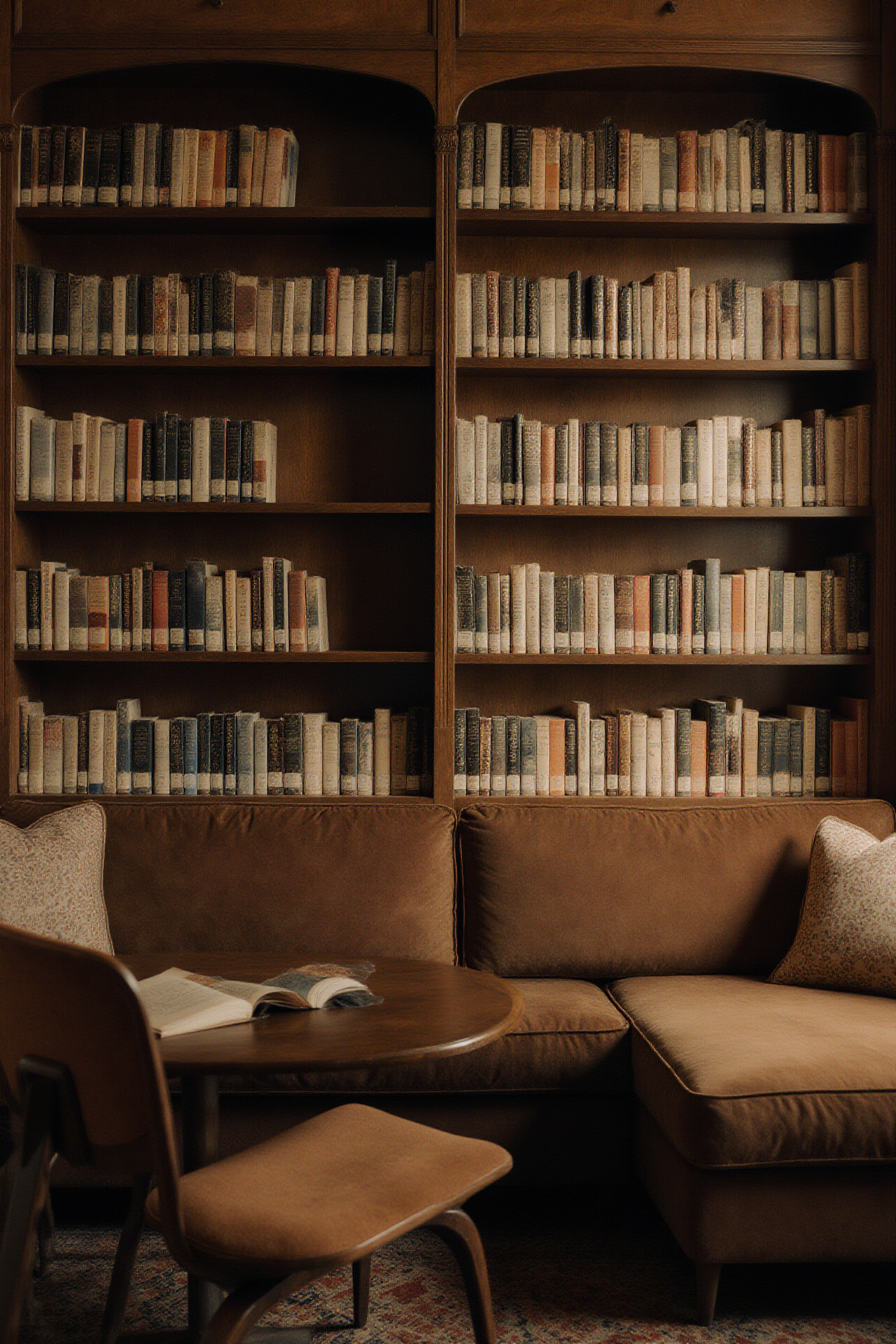
Swap harsh overhead bulbs for warm lighting that flatters your pages. Layer it so your nook feels inviting at night.
Add a table lamp with a soft shade and a small floor lamp for the corners. Use LED bulbs around 2700K for a cozy glow. Keep the switch within reach so you never have to stretch mid-story.
2. Floor-to-Ceiling Bookshelves
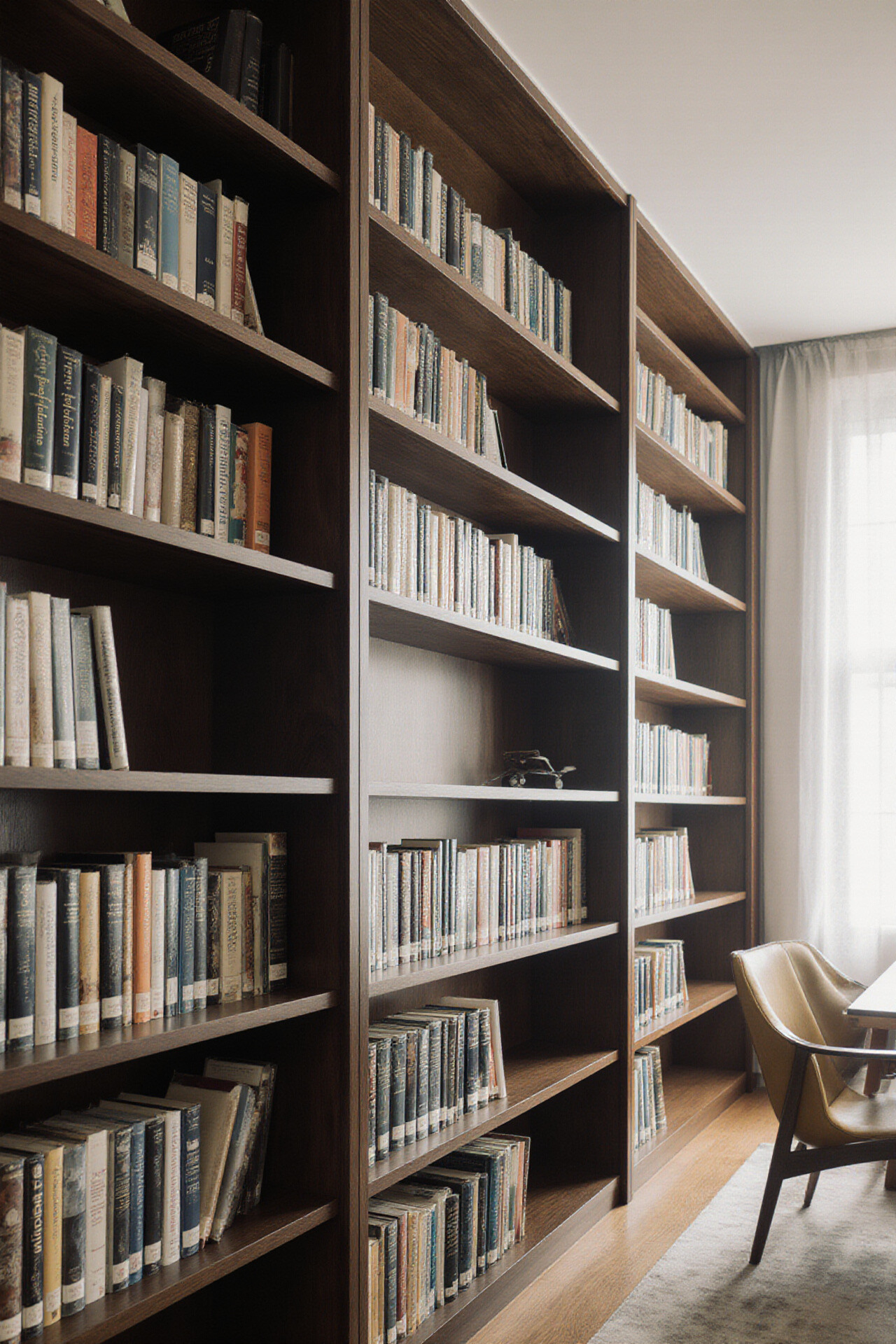
Full-height shelving makes the room feel taller and more organized. It also gives your collection a grand, gallery-like look.
Choose sturdy materials and anchor tall units to prevent wobble. Leave a few open spaces so the shelves don’t feel cluttered, and mix in baskets or boxes for odds and ends.
To personalize, group books by color, author, or theme, then add a few decorative touches like framed book covers or a small plant. If you’re on a budget, consider modular shelving and add sections over time. A popular trend right now is mixing books with textured accents such as linen storage and ceramic bookends.
3. Ceiling-Height Curtains for Soft Drama
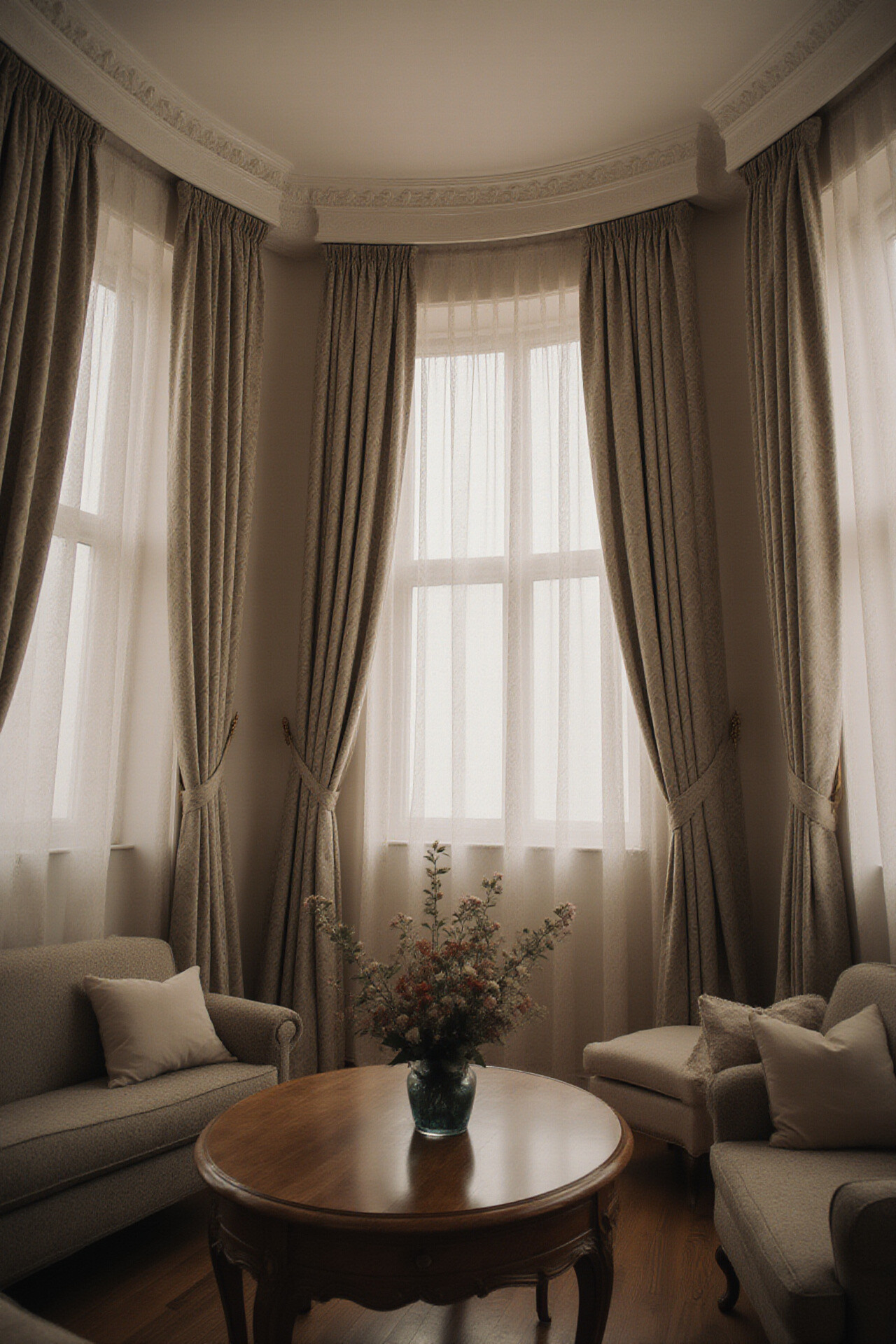
Long curtains can make even a small library feel elegant. They add softness, hide visual clutter, and help with sound.
Hang rods close to the ceiling so the lines stretch upward. Pick a heavier fabric like velvet-look or cotton twill for better light control, especially if you have big windows.
Add tiebacks to create “open” moments when you want daylight. If you share the space, choose neutral colors that blend with living areas. For cost planning, shop for panels on sale and add an upgrade with better hardware for a polished finish.
A current style is mixing curtain colors with your wall paint undertone, like warm cream drapes with beige walls or cool gray drapes with light charcoal paint.
4. A Reading Chair That Fits Your Body
A great chair turns reading into something you want to do longer. The right support can reduce fatigue and make your room feel truly functional.
Look for comfortable armrests, a cushion that doesn’t flatten, and a height that lets your feet rest naturally. Add a throw blanket and a small pillow behind your lower back for quick comfort boosts.
5. Gallery Walls with Bookish Art
Artwork can make your library feel curated instead of plain. When you choose pieces that match your reading life, the room starts telling your story.
Pick a mix of frames, prints, and a few simple shelves for mini displays. Use a consistent color palette like black-and-ivory, wood-and-cream, or navy-and-sand for a calmer look.
Consider rotating art with seasons or new book releases so the room feels alive. If you want a budget-friendly approach, print your favorite quotes at a local shop and frame them with affordable frames. A trendy idea is including botanical or vintage map prints for a library-with-a-journey vibe.
6. Cozy Carpet or Patterned Rug Zones
A rug defines your reading area and makes it feel grounded. It also adds comfort underfoot during long sessions.
Choose a size that fits your furniture layout, so the chair and side table sit on the rug. Add a rug pad to prevent slipping and to protect flooring.
7. Chalkboard or Whiteboard Wall for Notes
A writing wall brings a lively, practical energy to your library. It’s great for tracking reading lists and capturing ideas.
Use chalkboard paint or a magnetic whiteboard panel, then label sections like “To Read,” “Quotes,” and “Next.” Keep a small set of markers and chalk in a tray so you always have them ready.
For personalization, draw doodles of your favorite authors or create a monthly reading challenge. If you rent, look for removable board systems. This trend is popular because it blends organization with creativity without needing extra furniture.
8. Built-In Window Seat with Storage
A window seat is both relaxing and space-saving. It gives you a natural spot for morning light and quiet evenings.
Design the cushion with thick padding and add removable covers for easier cleaning. If possible, include storage drawers or hinged bins underneath for extra books, games, or blankets.
Top the seat with pillows in varied sizes to make it feel inviting. For cost, you can DIY the cushion cover and buy ready-made storage bins if the window area is unusual.
A modern twist is pairing window seats with plug-in reading lights so you can keep the glow focused while still enjoying the view.
9. Accent Wall with Textured Paint or Wallpaper
A single accent wall can make your library look high-end without rebuilding everything. Texture also helps hide minor imperfections on older walls.
Try washable wallpaper with subtle patterns, or use a faux plaster technique for a soft, modern surface. Keep the rest of the room simpler so the accent wall stays the star.
10. Layered Throw Blankets and Seasonal Styling
Textiles add comfort fast, and they’re easy to change. A few thoughtful layers can make your library feel warmer instantly.
Use a neutral base throw and swap one or two colors with the seasons. Store extra throws in labeled baskets so you can switch styles without searching.
Personalize by choosing textures you love, like chunky knits, smooth cotton, or faux fur trims. If budget is tight, shop end-of-season sales and combine one splurge throw with affordable basics. Right now, “cozy mismatch” styling is trending, where different textures look intentional rather than random.
11. Statement Bookends and Shelf Sculptures
Small details can make shelves feel styled, not just filled. Statement bookends give your room a personality cue.
Pick items that match your taste, such as brass silhouettes, marble-like shapes, or handmade ceramic figures. Place taller objects near the ends of shelves and balance the visual weight in the middle.
To keep it practical, use bookends that hold heavy books securely. Consider adding one shelf “moment” with a small sculpture and a stack of your current favorites. If you want trends, look for natural materials like carved wood and stone-inspired finishes.
When shopping, measure shelf depth first so your bookends don’t stick out awkwardly.
12. Sound-Softening Panels and Reading Quiet
A library should feel calm, and sound matters more than you think. Soft materials reduce echo and make conversations gentler.
Use fabric wall panels, heavy curtains, and rugs to absorb sound. If your room echoes, add a bookshelf with full back or a thick rug to soften the space quickly.
For personalization, choose panel colors that match your room’s warmth, like warm gray, muted green, or creamy beige. In terms of cost, start with the easiest upgrades like curtains and a thick rug, then add panels if needed. A growing trend is “quiet luxury,” where comfort and acoustics are treated like part of the design, not an afterthought.
13. A Side Table Built for Snacks and Pages
A well-planned side table keeps your essentials close, which makes reading smoother. It also helps you avoid clutter on the chair arm.
Choose a table with enough surface for a drink, bookmark, and charging cable. Add a tray for small items so everything stays neat when you get up.
If you like to multitask, include a slim lamp or a spot for your tablet. For budget-friendly styling, pick a simple table and upgrade it with a new top finish or a decorative tray. Many people now use small cable organizers to keep cords hidden while still charging devices.
Personalize the tray with a coaster that matches your room color theme.
14. Desk Setup for Writing and Journaling
If you like writing alongside reading, add a dedicated desk area. Even a small desk can become your creative anchor.
Use an adjustable lamp, an organized drawer system, and a comfortable chair. Keep your most-used items within arm’s reach, and store extras in baskets under the desk or nearby shelving.
15. Color-Coordinated Book Categories
Organizing by color turns shelves into a visual pattern. It can make browsing feel fun and reduce “book hunting” time.
Try a simple approach first: choose one category like fiction and arrange it by color bands. Then repeat for another category when you feel ready.
To keep this idea realistic, avoid perfection pressure by using a “good enough” system. For personalization, add small labels on the back row or use subtle markers so you know where each section begins. A current trend is mixing color sorting with genre signs that look like vintage library tags.
16. Floating Shelves for a Light, Modern Look
Floating shelves make walls feel open and airy. They also create a clean, modern backdrop for décor.
Install shelves at eye level for easy access and at a higher point for decorative items. Mix books with framed art, small plants, or curated stacked magazines.
For practicality, keep frequently used books within reach and place decorative items higher if you prefer less dusting. Costs vary by length and mounting hardware, so budget for proper anchors and level tools. This trend is especially popular in apartments because it saves floor space without feeling bare.
Personalize by choosing shelf finishes that match your door handles or window frames.
17. Reading Bench with Cushions and Storage
A bench can turn your library into a flexible hangout spot. It works for reading, chatting, or relaxing with a friend.
Pick a bench with built-in storage, then add comfortable cushions on top. Choose fabric that can handle daily use, like tightly woven cotton or performance blends.
18. Vintage Lamps and Warm Eccentric Details
Vintage-inspired lighting makes a room feel lived-in and charming. It also gives you that “someone curated this” feeling.
Look for thrifted lamps or reproductions with warm shades and textured glass. Pair them with modern bulbs for energy efficiency while keeping the look classic.
For personalization, match lamp bases to your décor metals, such as brushed brass, black iron, or antique bronze. Cost-wise, you can start with one great lamp and keep the rest simple. A current trend is mixing mid-century shapes with contemporary neutrals, especially in library corners.
19. Lighting Tricks with Floor Lamps and Directional Shades
Good lighting isn’t just bright or dim; it’s directed. Directional lamps help keep focus on your page instead of the whole room.
Use floor lamps with adjustable arms or shades that point light downward. Add a dimmer switch if you can, so the mood changes smoothly from late afternoon to evening.
Personalize by choosing a shade pattern or color that echoes the room palette. If budget is tight, prioritize one high-quality lamp in your main reading zone and add smaller lamps later. Many designers now recommend “layered task lighting” as a key to comfort, especially in home libraries.
20. Minimalist Shelving with Curated Displays
You don’t need thousands of books to feel like you have a real library. Minimal, curated shelving can look calm, modern, and intentional.
Keep fewer items on each shelf and leave breathing room between stacks. Rotate your display books regularly so your favorites remain in the spotlight.
21. Reading-Friendly Color Palette and Wall Finishes
Your color choices affect how relaxed you feel in the room. A thoughtful palette can make reading easier and the space feel cleaner.
Try soft whites, warm creams, muted greens, or gentle blues depending on your natural light. For walls, choose a finish that’s easy to wipe and won’t glare too much, like eggshell or satin.
To personalize, match accents to your book colors or pick one dominant hue like “sage calm” or “cozy clay.” Cost considerations are simple here: paint is often one of the most affordable ways to change the mood. Right now, soothing earthy tones and slightly warm grays are popular because they pair well with wood and brass details.
Plan before you buy by testing paint samples on two different wall spots where light changes during the day.
22. Library Corner with a Floor Book Drop
A book drop keeps your favorites from stacking up on chairs and tables. It makes the room look tidy even during busy reading weeks.
Choose a stylish basket, woven crate, or slim wooden stand and place it near your reading spot. Add a simple label or a small sign so everyone knows where “finished” books go.
For personalization, style the drop with a small tray for bookmarks, pencils, or reading glasses. If you want to save money, repurpose a decorative basket and line it with a washable fabric insert. This idea is trending because it combines organization with a lived-in, collector-friendly vibe.
When you set a weekly routine, the drop becomes part of the atmosphere, not just storage.