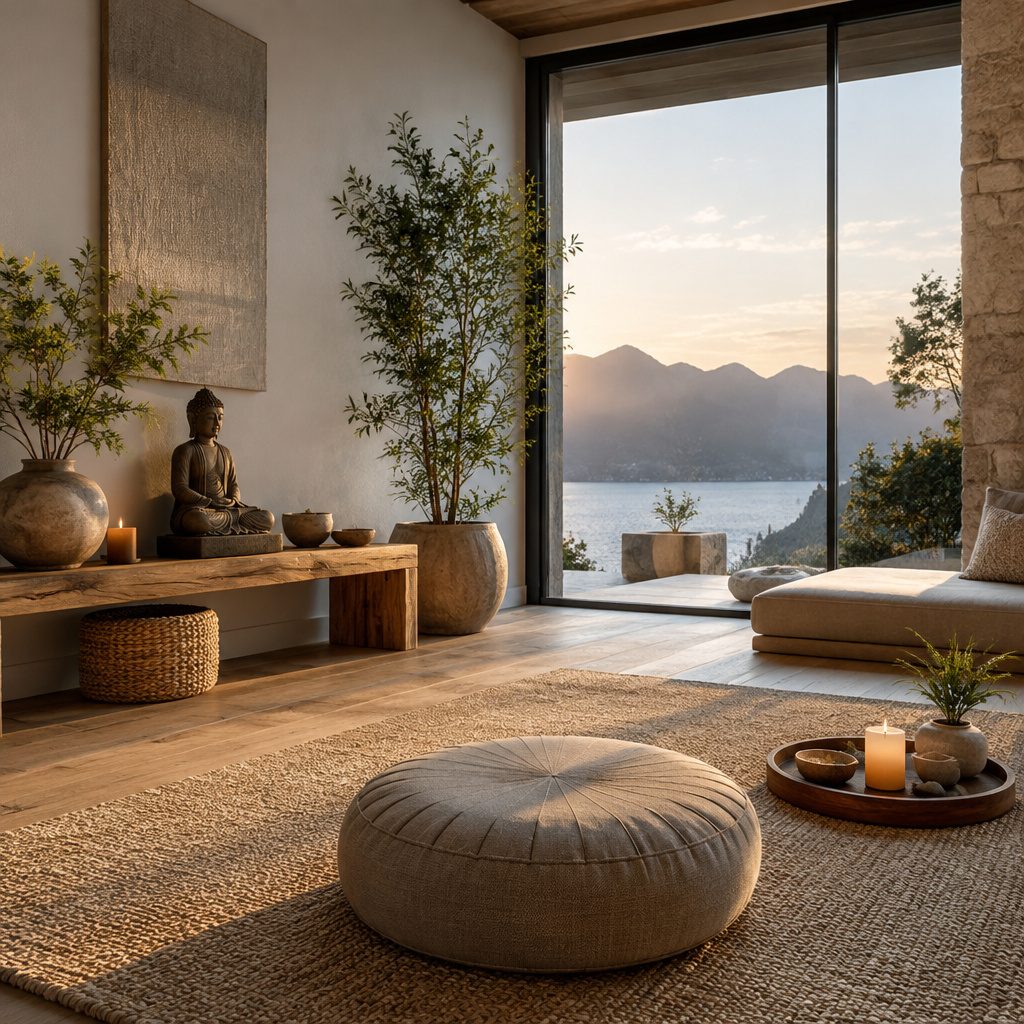
Peace can start with a small change. Your room can become a calm sanctuary.
1. Soft Floor Sanctuary
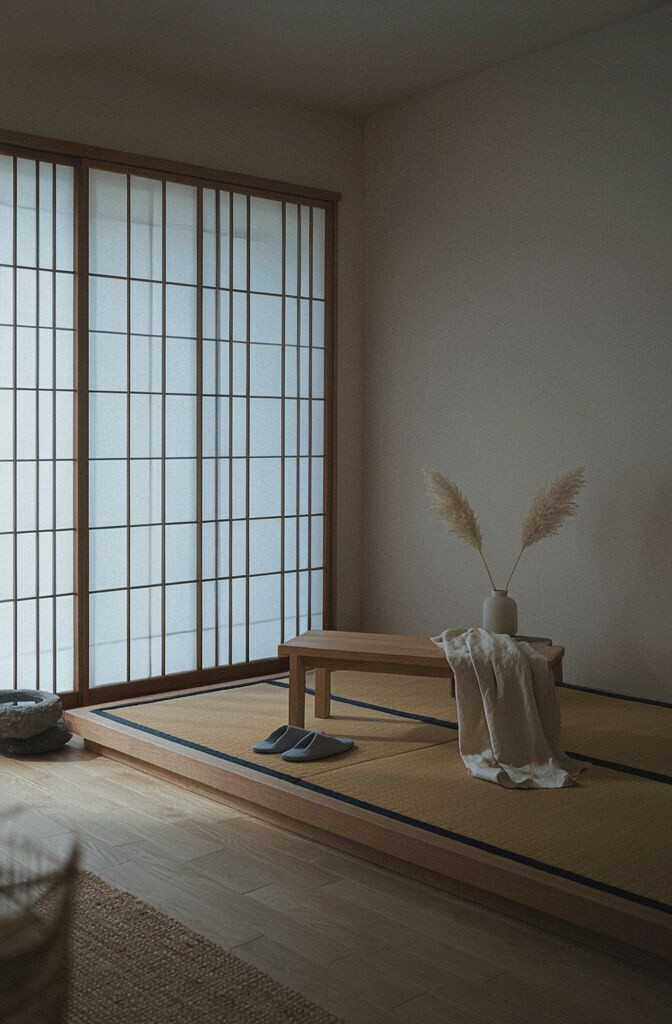
A soft floor can make your whole room feel gentler. It invites you to slow down the moment you step inside.
Try layering a thick rug with a low mat for sitting or stretching. This setup helps reduce noise from footsteps, which many people find instantly calming. If you have kids or pets, a cushioned floor can also make daily life feel safer and less chaotic.
2. Minimal Color Palette Wall
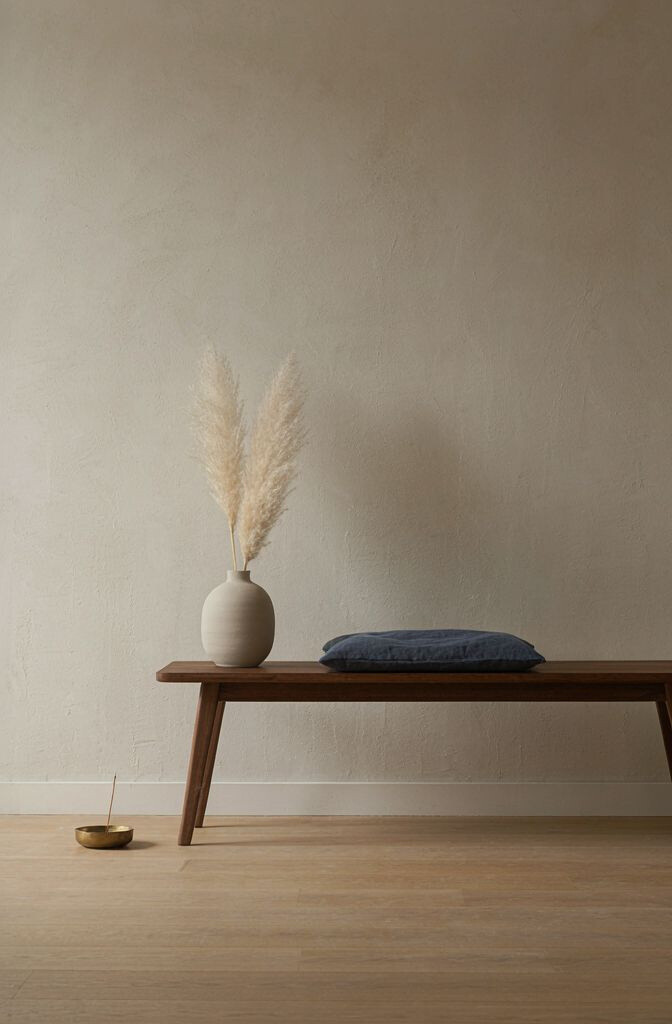
Choosing fewer colors can lower visual stress. Your eyes relax when they aren’t bouncing around.
Pick one main color, one supporting neutral, and one quiet accent. Paint a single wall or use peel-and-stick panels to create a simple backdrop for plants, art, or a small shelf. For uniqueness, try a warm off-white with subtle texture so it feels cozy instead of cold.
To keep it practical, use sample jars or small swatches before committing. This idea often fits many budgets, since paint and removable wall options can be affordable compared to furniture upgrades. A current trend is “quiet maximalism,” where you keep the palette calm but add natural textures like linen, rattan, or handmade ceramics.
3. Natural Light With a Gentle Window Layer
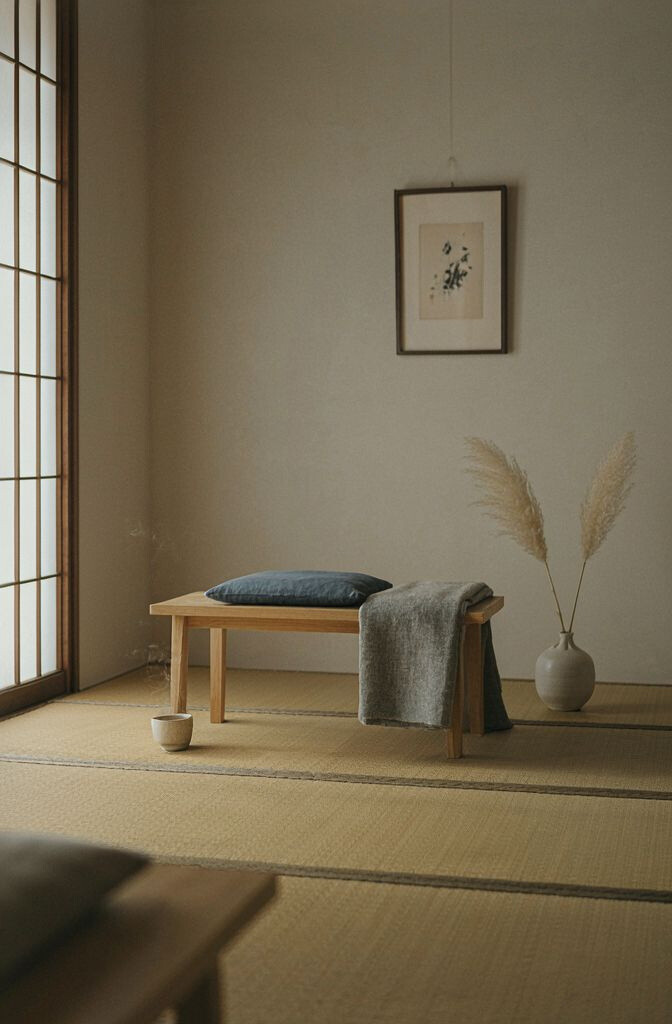
Light sets the mood more than most people realize. Soft brightness feels welcoming and steady.
Use sheer curtains or layered blinds to diffuse sunlight, then add a small floor lamp for evening warmth. Consider a color that matches your room, like creamy white or light sand, so the light stays soft on walls and floors. Unique touches could include a simple bamboo shade or a linen valance that frames the window like a calm picture.
This is great for your day-to-day because natural light supports better routines and makes the space feel alive. If you live in a hot area, sheer curtains can help cut glare, and they often reduce the need for constant artificial lighting. For personalization, place a small plant near the window so your room has a living focal point you can enjoy.
If you want a budget-friendly approach, start with curtains only. Later you can add a warm-toned bulb and a timer switch to make evenings feel extra relaxing.
4. Corner Zen Nook With a Low Table
A dedicated corner gives your brain a signal that it’s time to rest. Even a small nook can feel like a mini retreat.
Place a low table with a tray, then add a candle or small diffuser and one meaningful item like a smooth stone bowl. Keep the surface uncluttered so the nook stays calm and easy to reset. For cost control, hunt for a secondhand low table or repurpose an old side table and sand it down for a fresh look.
5. Mindful Sound With Soft Textures
Quiet doesn’t always mean silence. The right sounds can feel steady and soothing.
Use thick curtains, rugs, and fabric wall hangings to soften echoes, especially in rooms with hard floors. Then add a simple sound source such as a tabletop fountain or a wind chime that uses gentle tones. This idea is unique because it pairs calm acoustics with a sensory “signal” that helps you settle.
To make it practical, choose one main sound option so it doesn’t become distracting. If you’re sensitive to noise, try a fountain with adjustable flow or use a sound app at low volume. Current trends include “sensory zoning,” where people design separate comfort areas using sound, scent, and touch.
6. Bamboo or Rattan Reading Chair
A chair that feels natural can change how you sit and breathe. When your body feels supported, your mind often follows.
Choose a bamboo or rattan chair, or add rattan cushions to an existing one. Pair it with a light throw blanket and a small lamp so reading becomes more inviting. For uniqueness, wrap a simple fabric cord or tie-back on the chair for a handcrafted look that still feels tidy.
7. Simple Floating Shelf for One-Item Styling
When you limit items on display, your space feels calmer. It also makes cleaning faster.
Install a floating shelf and style it with just one or two things at a time, like a vase with a single branch and a small book stack. This makes your room feel intentional rather than crowded. If you want personalization, rotate one item each week, such as a new stone, a photo, or a seasonal dried flower.
For cost considerations, shelves are usually affordable, and you can find many styles that match your room. A current trend is “micro-curation,” where small surfaces hold carefully chosen objects instead of many decorations. If you’re renting, use adhesive shelves designed for lighter decor.
8. Zen Seating With Floor Cushions and a Tray
Floor seating creates closeness and encourages slower habits. It’s cozy without needing a lot of space.
Arrange two or three cushions in a loose circle and add a low tray for tea or a notebook. The key is comfort, so use supportive cushions rather than flat ones. For uniqueness, use cushion covers in different textures like cotton, linen, and knit to keep the look interesting.
This works well for daily routines, since it gives you a specific spot for writing, stretching, or quiet reading. It can also be great for families, because it’s easy to rearrange for guests or board game nights. If budget matters, buy covers first and use any spare cushions you already own.
Try keeping the tray empty for part of the day so your space stays “resting-ready.” Over time, that small habit can make your room feel like it’s always waiting for you to pause.
9. Calming Fragrance With a Safe, Simple Plan
Scent can guide your mood within minutes. The right fragrance feels like a soft exhale.
Use a reed diffuser, a safe essential oil diffuser, or scented candles with a timer. Pick one scent profile—like cedar, lavender, or warm vanilla—and keep it consistent. This makes your room unique because it becomes your signature calm, not a constantly changing atmosphere.
For practical tips, place the diffuser away from curtains and use low intensity so it doesn’t overwhelm you. If you share your space, consider allergy-safe options and avoid strong blends. Many people now choose “clean fragrance” products with fewer harsh ingredients, which is a growing trend.
Costs vary, but you can start small with a single reed diffuser and refill later. If you prefer a non-chemical route, try simmering citrus peels and cinnamon for a gentle aroma.
10. Gallery Wall of Calm Minimal Art
A calm wall can make the whole room feel more grounded. Art is a fast way to set tone.
Choose simple pieces with soft colors, nature scenes, or abstract shapes that don’t feel busy. Use matching frames in wood or matte black for a clean look. For uniqueness, include one larger artwork and keep the rest smaller, so the wall feels like a peaceful story.
11. Texture-First Bedding and Linens
Bedding quality affects your sleep and your mood. When your sheets feel good, rest becomes easier.
Opt for natural fabrics like cotton, linen, or a linen-cotton blend. Add a textured throw in a neutral tone to create visual calm even before you get into bed. For personalization, pick one pattern that’s gentle—like subtle stripes—and keep everything else plain.
This is practical because you can improve the feeling of your room without changing furniture. If you’re on a budget, swap pillowcases first and then upgrade blankets over time. A current trend is “hotel-warm” bedding styling, with layered textures and neutral shades that look inviting on day one.
Remember to keep a spare set of sheets if you can, since fresh linens can make the room feel extra peaceful.
12. Plant Corners With One Main Green Friend
Plants bring life and softness to a room. They also make the space feel cared for.
Pick one main plant, like a peace lily, snake plant, or rubber plant, and place it near a natural light source. Add one small side plant or a trailing one only if it fits, so the corner stays tidy. This makes the idea unique because it’s not a jungle—it’s a focused calm “green moment.”
For practical tips, choose a plant that matches your routine. If you forget watering, go for low-maintenance options. If you’re traveling often, pick hardy plants and consider a simple watering schedule or self-watering pots.
13. Handmade Stone Bowl for Everyday Items
A stone bowl gives clutter a calm home. It’s small, but it changes how the room feels.
Use a ceramic or stone bowl on a tray table or bedside for keys, rings, or a tiny worry stone. When you have a dedicated spot, you reduce the mental load of “where did I put that?” This is unique because it turns a simple container into a daily mindfulness cue.
To make it practical, keep only one category of items in the bowl. For personalization, add a handwritten tag that says something gentle, like “reset” or “breathe,” and place it under the tray.
Costs can be low if you find one at a local market, and it’s easy to swap later if your style changes. A trend right now is functional decor—items that look good and also solve a real daily problem.
14. Folding Screen or Room Divider for Soft Boundaries
Sometimes you need a visual “pause” inside your home. A divider helps create a quieter zone.
Use a folding screen, a slatted wooden panel, or a light fabric divider to separate your workspace from your relaxing area. This gives you privacy and reduces distractions when you need focus. For uniqueness, choose a divider with a subtle pattern or a warm wood finish so it feels like part of the room, not an obstacle.
This can be practical in apartments because it’s flexible and doesn’t require construction. You can move it as your needs change, like making space for guests or creating a study corner. It’s also a great way to hide a small mess, like a laundry basket, without making the room feel cluttered.
If you’re careful with budget, look for used screens online or shop for lightweight dividers that are easy to store.
15. Tea Station With an Uncluttered Routine
A tea station turns a daily habit into a calm ritual. It also gives your room a purpose you can feel.
Place a small cart or tray with a kettle, a couple of cups, and a small container for tea leaves. Keep the setup minimal so it doesn’t look busy. For uniqueness, add a small wooden scoop or a handcrafted ceramic cup that you love, even if it’s just one piece.
This idea benefits your routine because it creates a consistent moment to slow down. You can use it in the morning for a calm start or in the evening to transition out of the day. If you want practical tips, keep everything on one tray so you can clean around it quickly.
Cost considerations are flexible: you can start with basic tea supplies and upgrade slowly. A current trend is “micro-rituals,” where people build small soothing routines into everyday life instead of waiting for a vacation.
16. Mirror Placement for Calm and Balance
A mirror can make a room feel brighter without extra furniture. When placed well, it adds a sense of openness.
Hang a mirror where it reflects natural light or a quiet element like plants. Avoid mirrors that reflect clutter, laundry, or messy corners. This makes the idea unique because it’s about balance and what you choose to “show” in your calm environment.
For practical tips, use a frame style that fits your room, such as light wood for warmth or matte black for a modern calm look. If you live in a rental, choose a removable mirror or use a freestanding option. Trends often recommend mirrors with rounded edges, since softer shapes feel gentler visually.
Set a simple rule: keep the reflected area neat, since it becomes part of the room’s visual peace.
17. Warm Lighting Plan With Layered Lamps
Good lighting is like a mood switch. It can turn harsh evenings into cozy calm.
Use layered light sources: a floor lamp for soft overall light and a small bedside lamp or table lamp for focus. Choose warm bulbs, typically around the “soft white” range, so the room feels comforting. For uniqueness, mix shades—like a linen shade with a simple brass base—for a calm, layered look.
This benefits you because it reduces eye strain and helps your body wind down. For practical tips, add a dimmer switch if possible, or use smart bulbs with schedules. Many people now set lighting “scenes” that match their routines, such as reading mode or bedtime mode.
18. Organized Drawer or Nightstand Reset Method
Peace isn’t just about what’s visible. It’s also about how easily your space settles each day.
Set up one drawer or a small section of a nightstand with simple dividers for essentials. Keep items in categories, like charging cables, skincare, or stationery, so you’re not hunting. This makes it unique because the calm comes from a system, not from perfect aesthetics.
For practical tips, do a five-minute reset at the same time each evening. When everything has a home, you reduce stress, and the room feels peaceful even when life is busy. Cost is usually low since drawer organizers are often inexpensive and easy to replace later.
19. Personal Meaning Wall With Notes and Photos
A room feels most peaceful when it reflects you. Personal meaning creates comfort that lasts.
Create a small wall area with photos, a short quote, or handwritten notes that support your calm. Keep the layout simple and leave breathing space around the items so it doesn’t turn into clutter. For personalization, pick one theme, like gratitude, courage, or gentle reminders, and rotate notes seasonally.
This idea benefits your mental space because it gives you something positive to look at when your mind feels noisy. To make it practical, use a corkboard, magnetic board, or a small grid so swapping is easy. A current trend is “soft journaling decor,” where everyday encouragement is visually part of the home.